A custom camo hoodie is a timeless fashion statement. Such an item fits any brand, team, or individual wardrobe. Yet a truly great one requires more than just a logo. Right choices must be made from the beginning.
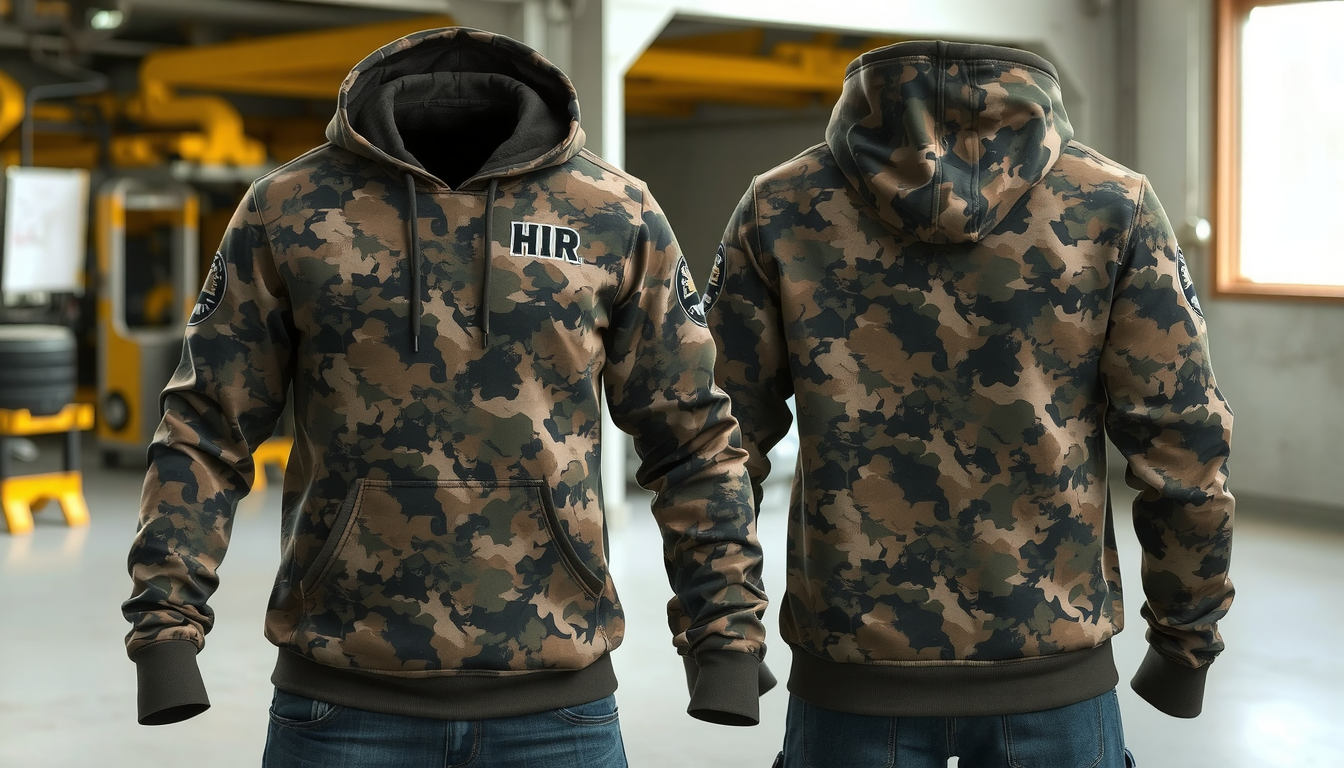
In this article, we’ll offer comprehensive support to you all through the process. You will be trained on how to choose the right base hoodie as well as use a suitable camo pattern. We will discuss the ways of making a catchy design and running the production process. Let’s start creating what does not only get unnoticed but also look exclusive.
The Foundation: Selecting the Best Blank Hoodie
The initial move is what counts the most. Your choice of a blank hoodie will determine whether your whole plan can go seamlessly or not. This decision may affect the comfort, quality, and overall look of your design. If you choose wisely now, you will end up with a high-quality result.
It’s All About the Fabric
The fabric of the hoodie defines its looks, comfort, and printing. Different fabrics have unique benefits.
100% Cotton is very light and allows air circulation. It is an ideal canvas for screen printing. But it can shrink if not cared for right.
100% Polyester is tough and great at pulling moisture away from the skin. Hence, it is of interest to athletes wearing it. The product is colorful and works in the sublimation printing method.
Cotton/Polyester Blends give you the best of both worlds. They are soft like cotton but tough like polyester. This is why the blend has become a common and practical choice for custom camo hoodies.
| Feature | 100% Cotton | 100% Polyester | Cotton/Poly Blend |
|---|---|---|---|
| Feel & Comfort | Very Soft, Breathable | Smooth, Athletic | Soft & Durable |
| Durability | Good | Excellent | Very Good |
| Printability | Excellent (Screen Print) | Excellent (Sublimation) | Very Good (Versatile) |
| Moisture-Wicking | Low | High | Medium |
| Best For | Streetwear, Casual | Sportswear, Events | All-Purpose Use |
Understanding Hoodie Weight
The weight of the fabric is a measure of how thick and warm a hoodie will be. It is either measured in grams per square meter (GSM) or ounces (oz).
Light hoodies (under 250 GSM) are the best for layering. They are awesome for the cool days of spring or fall.
Medium hoodies (250-330 GSM) are the traditional pick. They are suited for all seasons and deliver a warm but comfortable feel.
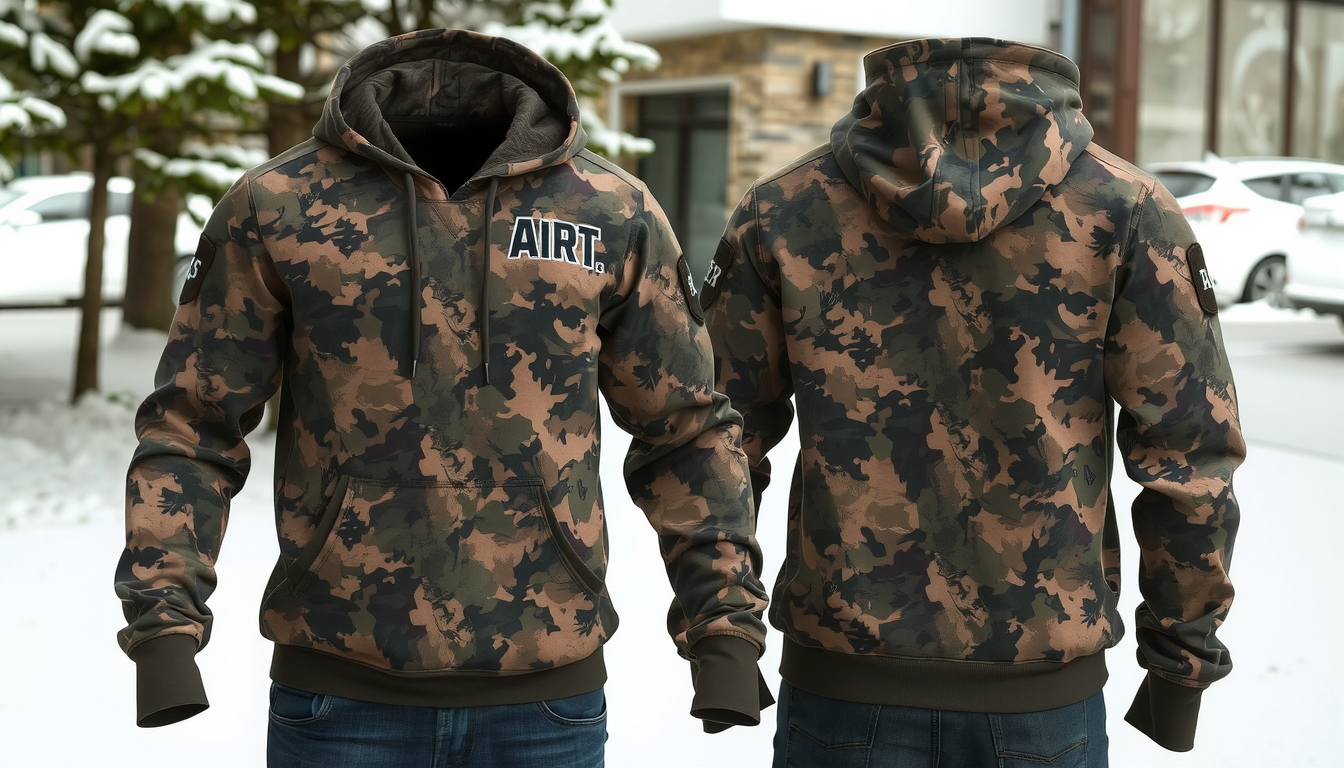
Heavy hoodies (330+ GSM) feel premium and are really warm. Top streetwear brands commonly use heavy fleece, typically 10-13 oz (330-440 GSM), to convey superior quality. They are perfect for winter or for those brands who want to convey a luxury aspect.
Construction Details That Matter
Little things can change everything. You can choose a pullover style or a zip-up hoodie. Pockets can also be a large single “kangaroo” pocket or two separated side-seam pockets.
The hood may be single-layer fabric or double-lined which increases warmth and structure. A wide range of high-quality blank Custom Camo Sweatshirts, Quarter Zips & Hoodies are available with choices of fits and features from top brands.
Decoding the Camo: A Guide to Patterns & Palettes
The process of the right camo selection is concurrent with the individual brand’s personality. Like the logo, the pattern is equally vital. It completely affects the atmosphere of your custom camo hoodie.
Classic & Traditional Patterns
These patterns can stand the test of time and are very recognizable.
Woodland Camo: This is the definitive pattern featuring big high-contrast of green, brown, and black shapes.
Best for: Classic streetwear, outdoor brands, and achieving a timeless appeal.
Duck Camo: Also known as Frog Skin, this pattern is a vintage design with rounded shapes.
Best for: Heritage brands, retro styles, and unique fashion statements.
Modern & Stylized Patterns
These patterns serve as an alternative suggestion for camouflage.
Digital Camo: Alternatively named Digi-Camo, these patterns are made with pixels instead of organic shapes for a contemporary design.
Best for: E-sports teams, tech companies, and futuristic brands.
Desert & Urban Camo: These use muted colors like tans, grays, and whites. They create a more subtle, sophisticated style.
Best for: Minimalist brands, sophisticated streetwear, and winter-themed collections.
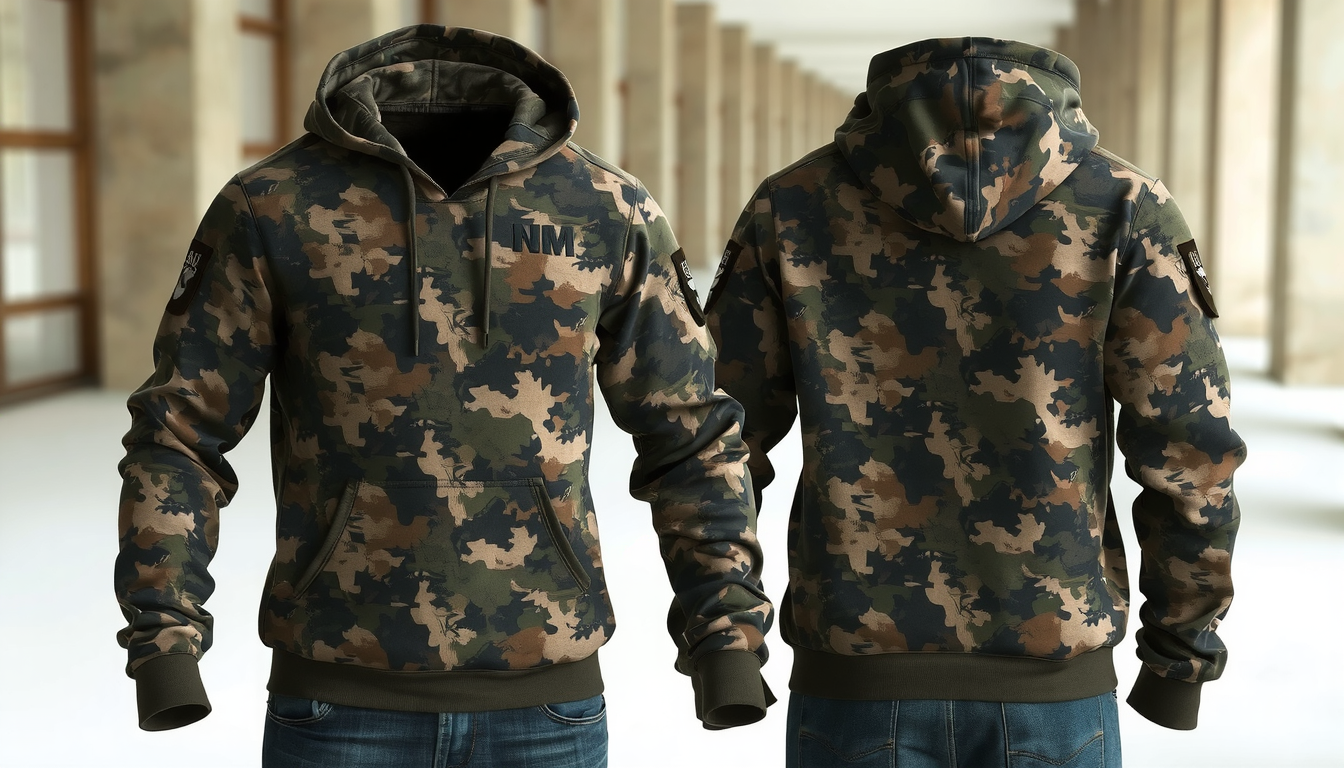
Fashion Camo: These patterns use unconventional colors such as blue, red, or pink. These patterns are made to be seen rather than to be hidden.
Best for: Bold brand statements, concert merchandise, and eye-catching event apparel.
Modern suppliers allow you to Design Camouflage Sweatshirts Online and go for endless combinations of patterns, starting from digital to unique color combinations.
Mastering the Design: Make Your Graphics Pop
Placing a design on a busy camo background is a problem. Making thousands of custom camo hoodies, we have figured out what goes. From these, we provide some ideas that will ensure your finish looks professionally done.
The Power of Contrast
A camo background combines multiple colors and forms. Thus, your design must be distinct from this visual jumbled background.
Rule #1: Go Bold. Thin lines and small, complex details will be lost. Use thick lines, blocky text, and solid shapes for your graphics.
Rule #2: Color is Key. Colors are very important and should be the ones that match very well with contrast. Bright white, solid black, safety orange, and neon colors work extremely well. Avoid using colors that are already present in the camo pattern itself.
Rule #3: The Outline Trick. This is a simple but powerful technique. Place a solid outline, like a thick black or white border, around your text or logo. This creates a clean separation from the pattern and makes your design jump off the fabric.
Choosing the Right Method
The method of adding your design is important.
Screen Printing: This method is perfect for designs that are bold and made with just some few colors. It is very durable and it is cheaper on bulk orders too.
Embroidery: This gives your hoodie a more premium look and a textured feel. The thread’s raised texture makes it distinct from the flat camo pattern, which is why it is great for logos and text.
Patches: Using an embroidered or PVC patch is a distinct way of advertising. The patch lies on the top of the fabric creating an effect of a high-value element that is just not believable with plain camo.
A Note for New Brands
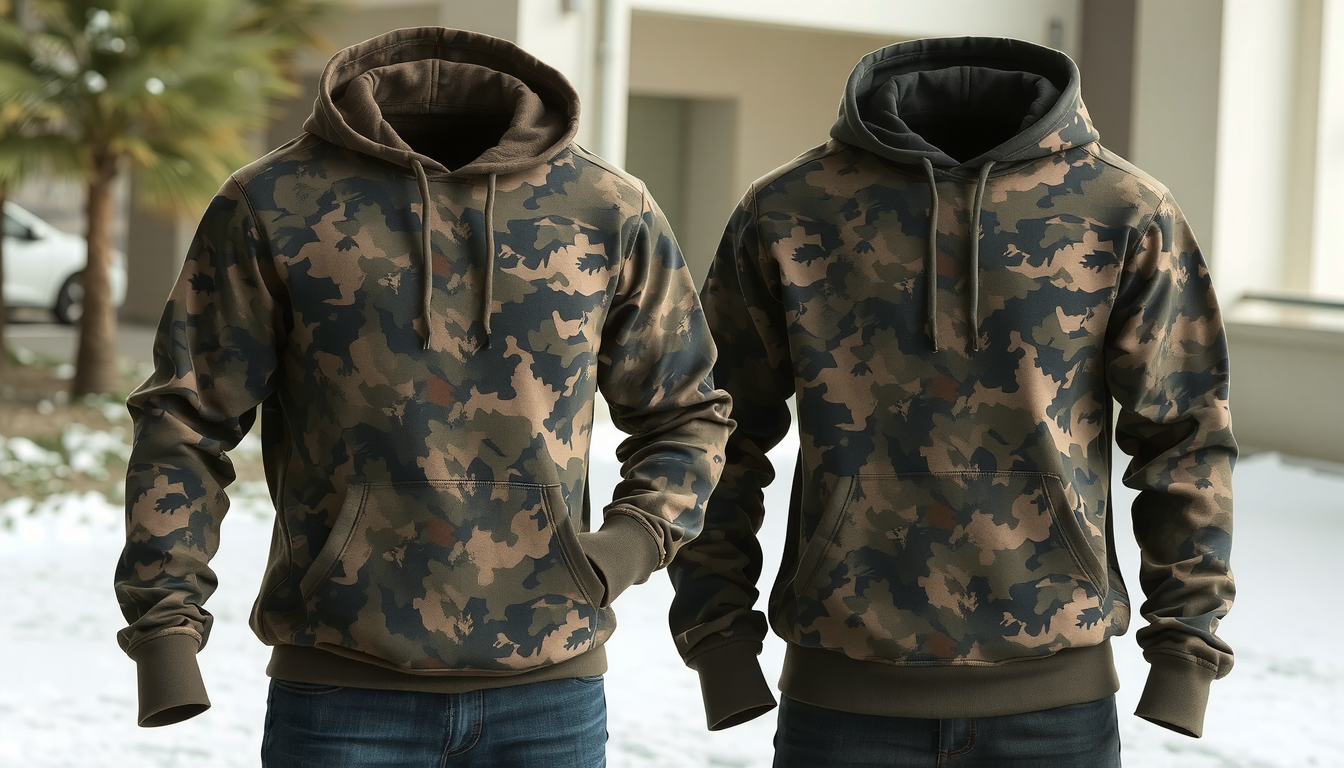
The design of your custom camo hoodie can help define your brand’s image. For more tips on building your brand’s identity, review how to craft an introduction for your new brand.
Bringing It to Life: The Customization Process
The act of converting your thoughts to a physical item is a thrilling ride. These steps will make the journey smooth and easy.
Step 1: Finalize Your Vision.
Consolidate all the choices. Choose the hoodie style, fabric, weight, and the specific camo pattern you want to use. Possessing a clear set of actions is the core.
Step 2: Prepare Your Artwork.
Your design file must be high quality. Make sure the logo or graphic is vectorized, which means it has to be in .AI, or .EPS format, or a high-resolution PDF. This way you guarantee a clear and sharp print.
Step 3: Choose Your Partner.
Look for a manufacturer experienced in garments and complex projects. A good partner will provide expert advice and guide you through your decisions.
Step 4: Request a Quote & Mockup.
Send your graphic design and specs to your choice of partner to get the price. Be sure to request a digital mock up. This is a visual representation of the final product, the hoodie, and the only opportunity for you to identify and correct any mistakes before making them.
Step 5: Production & Quality Check.
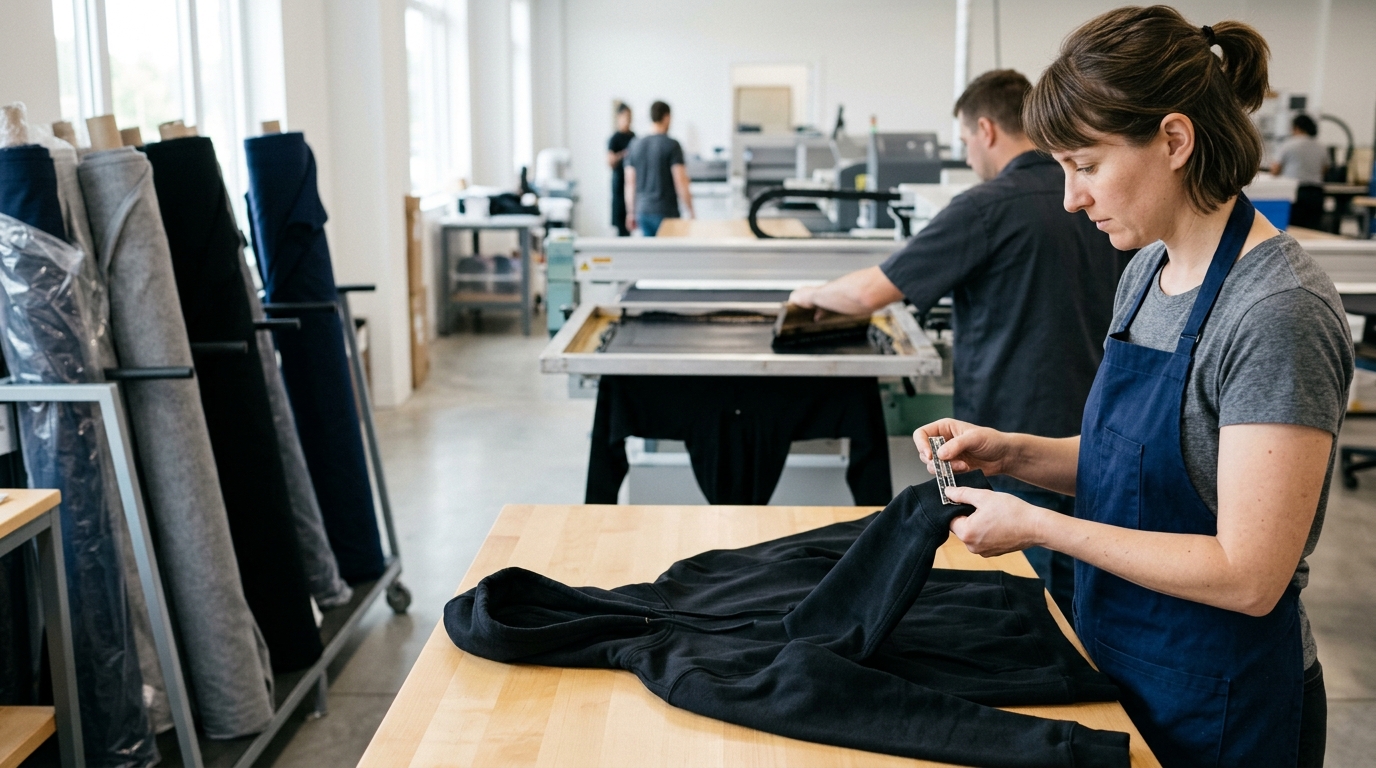
Upon your approval of the mockup, your hoodie will go into production. A trustworthy custom hoodie manufacturer will have quality checks in place to make sure each piece aligns with your standards.
Step 6: Delivery.
Your finished custom camo hoodies are packed, checked and sent your way. Now you will be able to showcase your unique creation to the world.
Conclusion: Your Vision, Realized
Creating a standout custom camo hoodie is a combination of art and the right method of science. Beginning with a solid foundation. Through choosing the right materials, being knowledgeable about different camo patterns, and smart design, you can make an item that embodies your vision.
This hoodie is more than a piece of clothing. It carries your brand, team, or personal style. It is a testament to the attention to detail and dedication to quality.
Ready to start your project? Come visit TZ Streetwear and let us create something awesome together.
Frequently Asked Questions (FAQ)
What is the best way to print on a custom camo hoodie?
For most design types screen printing is the most appropriate method. By using high-contrast inks, your graphic is both vivid and long-lasting. For a more premium look, embroidery is an excellent choice. With its raised texture, it gives the garment the necessary separation from the crowded camo pattern.
Is there a minimum order for custom camo hoodies?
This is up to the manufacturer. For instance, some online design platforms may offer no minimums for basic prints. However, full-service contractors on complex projects often require around 30 to 50 units as the minimum order. This is done to make the setup for production cost-efficient.
Can I provide my own camo pattern?
Yes, a “cut-and-sew” project makes it possible. A unique pattern can be sent to be printed on the fabric before it is sewn together to make a hoodie. For standard customization on pre-made items, you will use the patterns supplied by the supplier.
How do I ensure my logo is visible on the camo?
The easiest way to achieve this is by having a simple and bold design. Being colorful helps a lot as well, opt for colors that are the contrast to white, black, or neon. Another technique that works far better than the rest is having a solid outline around your logo. It makes the design have a visual border which makes it pop.
How should I wash my custom camo hoodie?
To protect the custom print or embroidery, you should wash your hoodie inside out. Use cold water on a gentle cycle. For best results, tumble dry on low heat or hang it to dry. Avoid using bleach as it can damage both the fabric and the design.