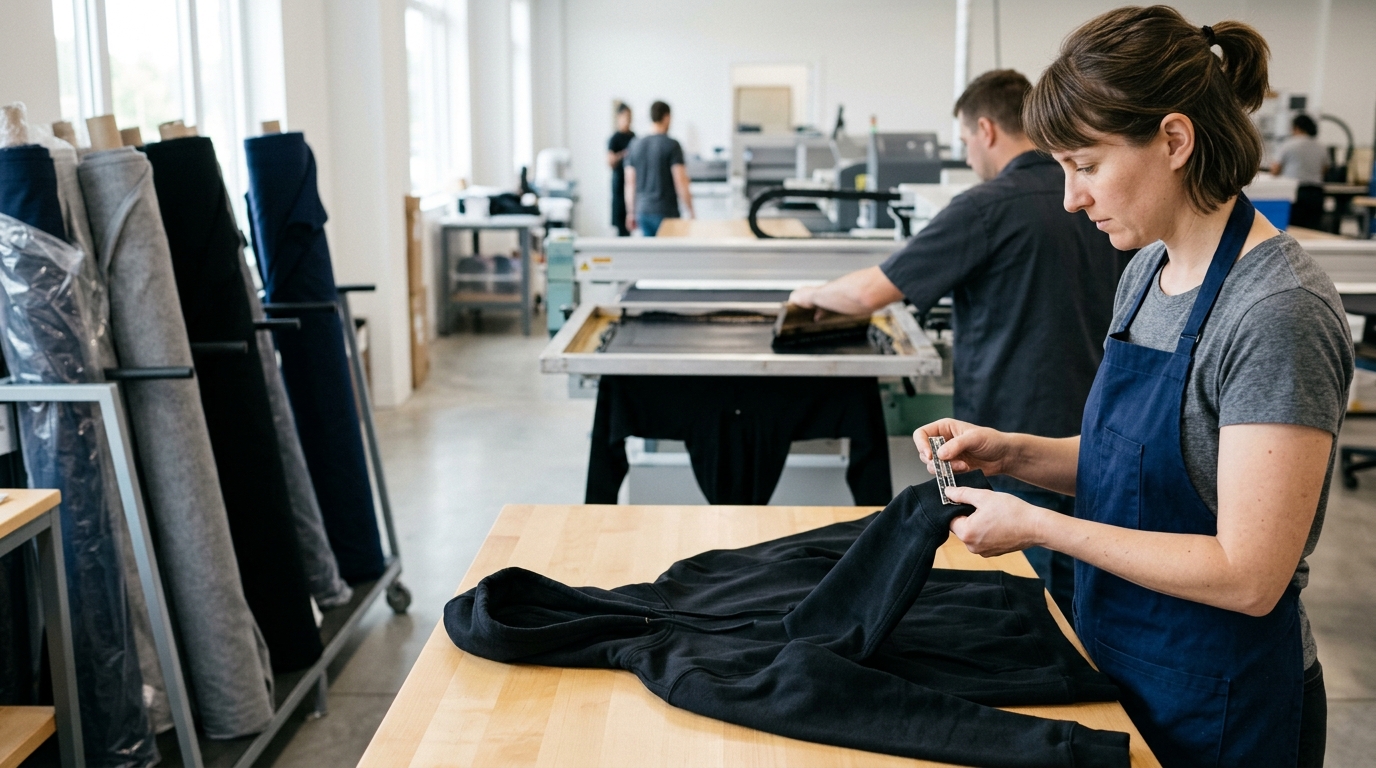
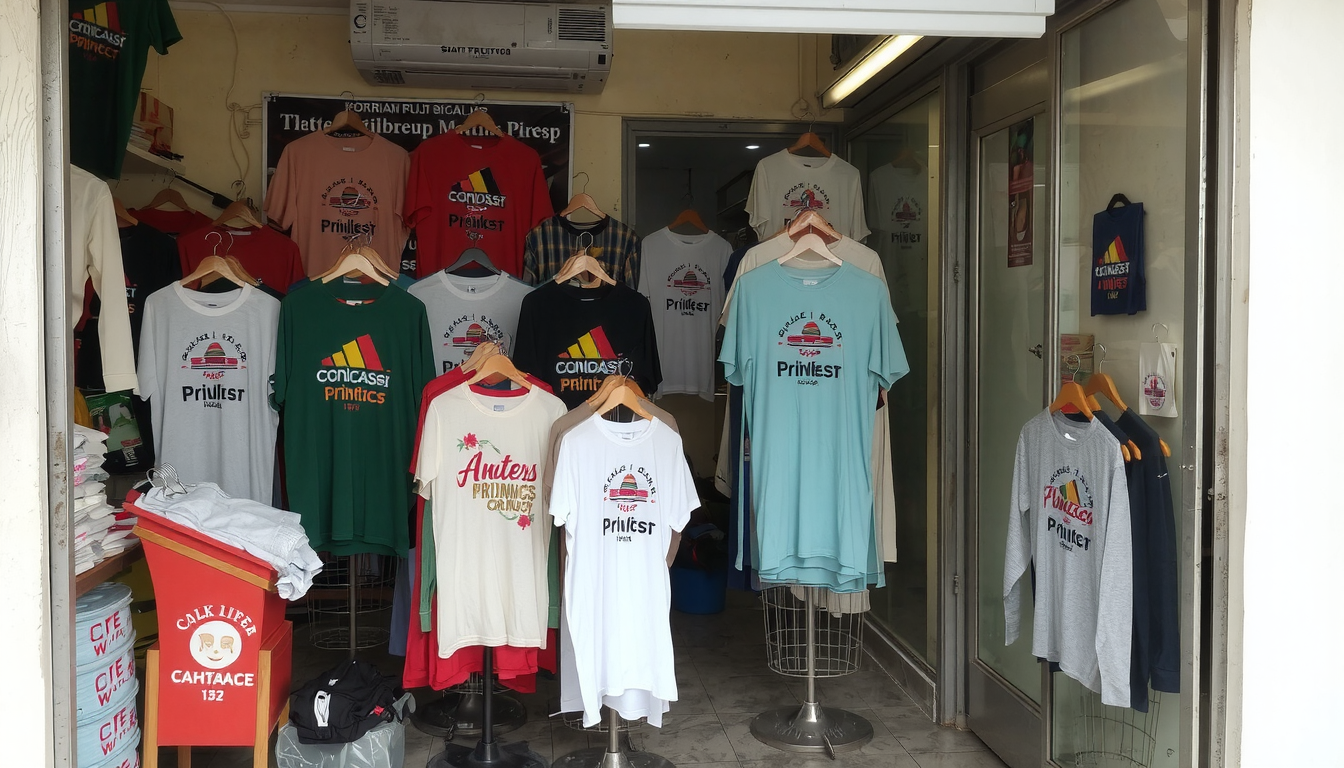
Custom garments are a necessity for you. The very first thing you do is search for “clothing printing shops near me”. You couldn’t have done a better thing than that. The advantages of printing your items at a local company are numerous.
But looking for a shop is only the first step. You must locate the right one. This manual will help you in this task. We’ll discuss where to look for local stores. We will indicate how to evaluate their quality. We will make it clear that you understand the different printing types. And we will gear you up for project success.
Step 1: How to Find Local Print Shops
Finding good shops is your first task. Here are simple ways to locate the best local custom clothing printers.
Use Online Search Engines
Go beyond a basic search. Try different words to get results. This is so that you find the shops that do what you need.
- “Screen printing near me”
- “Custom t-shirt embroidery [Your City]”
- “DTG printing services”
- “Local t-shirt shop”
Use Local Directories and Reviews
Websites like Google Maps and Yelp are great tools. They show you locations of the shops that you require. They also present you with customer reviews on their services.
Always read the latest reviews. They give you ideas about a shop’s quality and customer service. You’ll also know if they are capable of delivering on time. Local chamber of commerce websites can also list trustworthy businesses.
Tap into Social Media
Many clothing-printing shops use Instagram and Facebook. These sites serve as a photo portfolio of their work. Search for hashtags like #[yourcity]screenprinting or #[yourcity]tshirts. You can see actual samples of what they did.
Step 2: Local Shop vs. Online Service
You may pick a local shop or a big online company. Both have advantages and disadvantages. Your decision depends on your project. Finding a nearby clothing printing shop can provide you with one-on-one guidance that the larger sites cannot.
| Feature | Local Print Shop | Online Only Service |
|---|---|---|
| Consultation | In-person, hands-on help | Email, chat, or phone support |
| Sample Viewing | Easy to see and feel products | Must order samples, takes time |
| Turnaround Time | May be faster for small jobs | Often fast for large orders |
| Price | May be higher for small orders | Very competitive on bulk orders |
| Order Size | Small to medium is good | Large bulk is best |
| Support | Personal relationship | Standard customer service |
The Case for a Local Shop
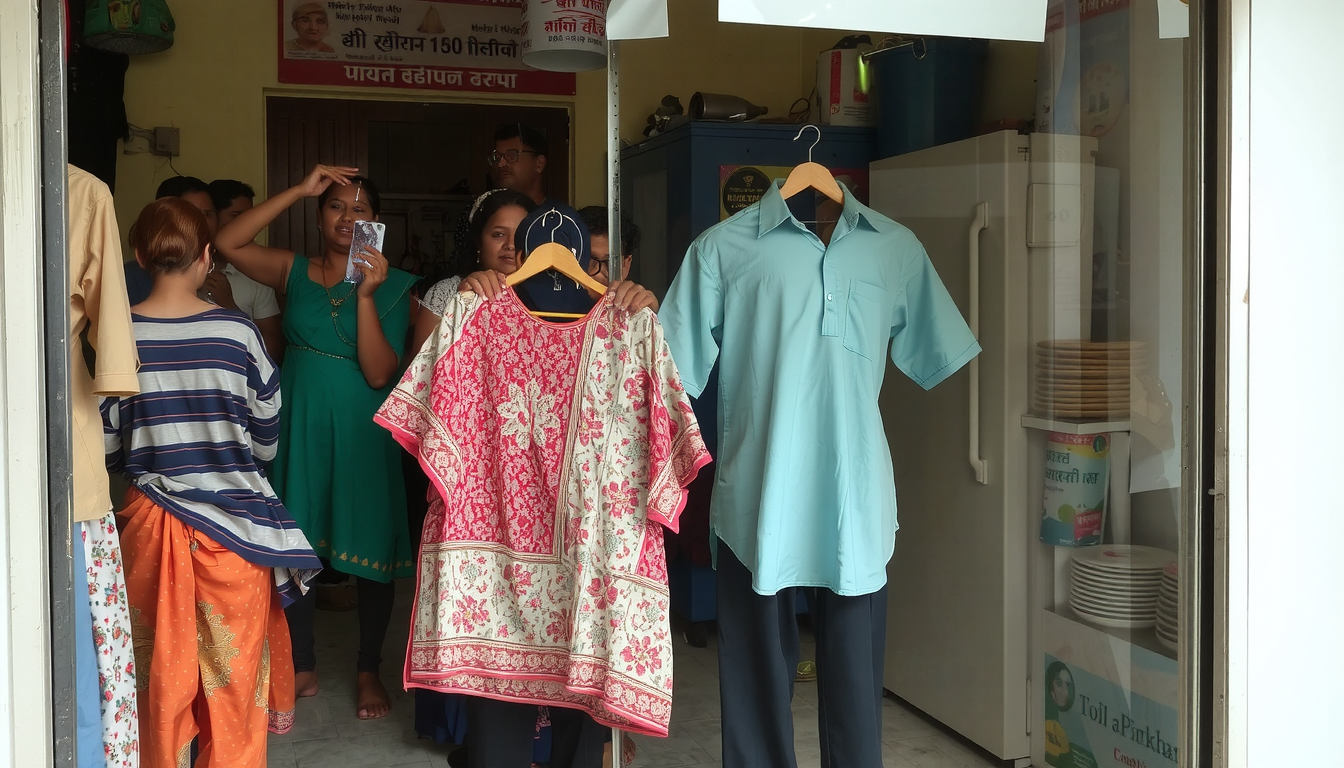
A local store offers you aid on a personal level. You get to talk to an expert face to face. You then get to see and touch the shirts and print samples before you order. This will help you to be sure that you get exactly what you need. You will also be able to support your local business.
The Case for an Online Service
Big online stores generally have better prices. This is especially true for the big orders. They may also have a bigger selection of clothing. Some of them have the option of both. For instance, some big chains with local storefronts offer online prices along with personal assistance.
Step 3: Your Vetting Checklist
We have years of experience in the streetwear industry. We have found that the best way is to ask the right questions in the beginning. This cuts down on time, money, and problems. When looking for clothing printing shops near me, keep this checklist in mind. Here is the process we use to find a good partner.
The Vetting Checklist:
-
Do you have examples of your work that I can see?
A good store shall be flattered to present their work to you. Inspect the print quality. Is the ink very sharp and bright? Is the embroidery clean? This is the primary way of evaluating their skills. -
What are your minimum order quantities (MOQs)?
Some shops set the minimum at 24 or 50 pieces, particularly for screen printing. Others permit singles to be done with direct-to-garment printing (DTG). Be sure their minimums match your project size. -
What are your preferred printing methods?
Most printing shops have a favorite type of printing. If their specialty is screen printing, they might be your best choice for your order of 100 shirts. If they are good at embroidery, they are the right fit for hats and polos. -
What is your average turnaround time?
This is how long it will take to complete your order once you give them the go-ahead. A typical time frame would be around 7-10 business days. If you want it faster, check if they have rush services, and how much extra it would cost. -
How do you structure pricing?
Ask for a complete quote. Pricing should always be easy to understand. It mainly includes the cost of the shirt, the setup of the screens, and each print’s price. Be wary of shops that are not transparent about all costs. -
What are your requirements regarding artwork?
Obtaining this info beforehand may save a lot of time and energy. To get the art print you want, you will need to submit the files in a certain format. We will go into more detail on this in the next step. -
What’s your procedure for dealing with errors or misprints?
Mistakes can happen. A reputable shop will have a surefire way to rectify them. They must offer to reprint the order or give a discount. This shows a firm that backs its own workmanship.
Step 4: Understanding Printing Methods
Acquiring knowledge of different ways of printing on clothes allows you to converse with a shop. It also gives you the possibility to choose the best approach for your design and your budget. Every method has a particular strength.
Here is a brief overview of the most common printing methods used at local clothing printing shops.
| Printing Method | Best For |
|---|---|
| Screen Printing | Bulk orders (24+ items), simple designs (1-4 colors) |
| Direct-to-Garment (DTG) | Photos, complex multi-color designs, small orders |
| Heat Transfer Vinyl (HTV) | Names and numbers on jerseys, simple graphics |
| Embroidery | Professional logos on hats, polos, and jackets |
Screen Printing
This is the most traditional way of printing t-shirts. It uses a stencil (a screen) to push the ink onto the fabric. Each color in the design requires a new screen.
- Pros: Super durable, awesome for bulk orders, low-cost per shirt on large runs.
- Cons: Small orders may not be cost-effective, setup costs could be high if there are many colors.
Direct-to-Garment (DTG)
Think of DTG as the clothing version of an inkjet printer. It directly applies water-based ink onto the fabric. This allows for detailed, full-color prints.
- Pros: Perfect for photos and complicated designs, no minimum order, no setup fees.
- Cons: Not as durable as screen printing, works best on 100% cotton, can be expensive for large orders.
Heat Transfer Vinyl (HTV)
With HTV, a machine cuts your design from a sheet of colored vinyl. The design is then placed on the shirt and applied with a heat press.
- Pros: Works best for simple shapes and text, good for customizing team jerseys with names.
- Cons: Not suitable for intricate patterns, it may feel a bit thick on the shirt.
Embroidery
Embroidery is a process that involves stitching a design on the fabric with a needle and thread. It has a very professional and elegant appearance.
- Pros: Very professional appearance, extremely durable, great for hats, polos, and jackets.
- Cons: High costs for large designs, unsuitable for designs with extreme detail.
Want a Deeper Dive?
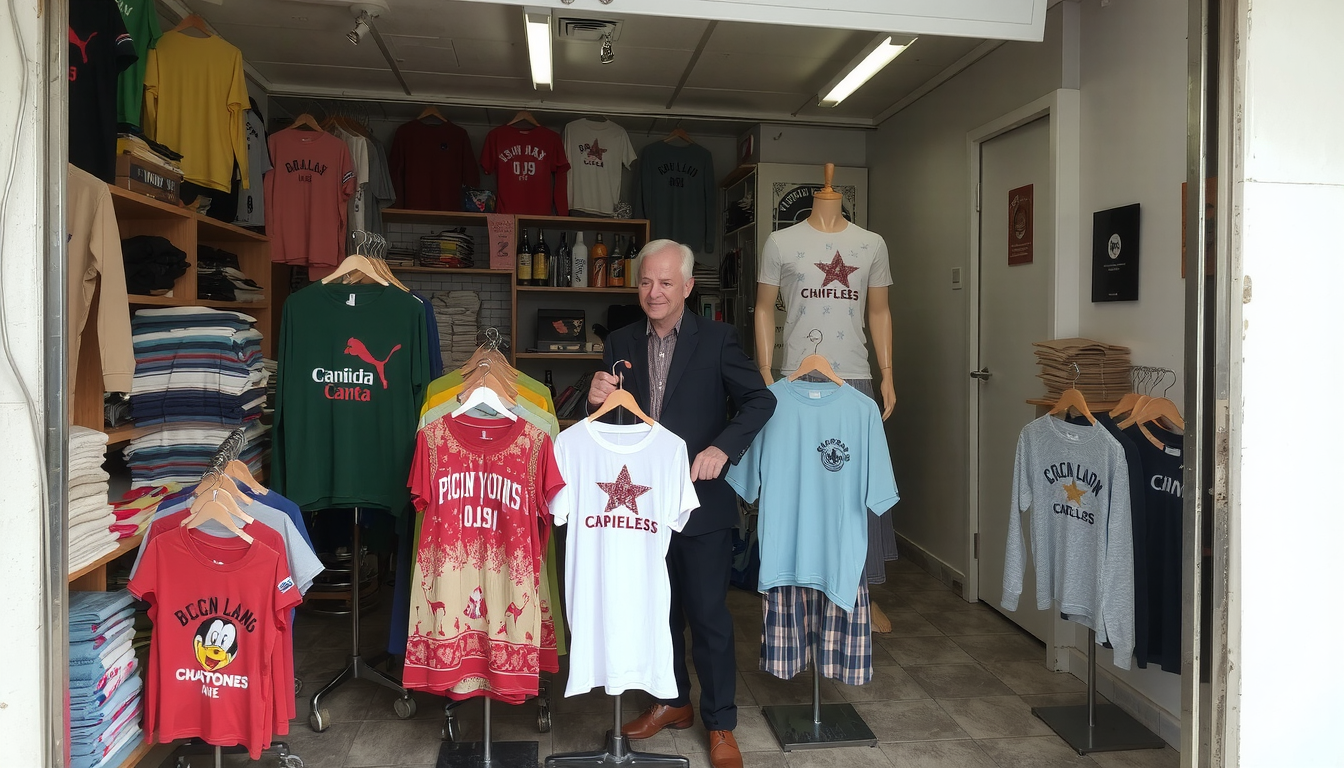
To get a more extensive understanding of these techniques, check out our guide on clothing manufacturing crafts.
Step 5: Preparing Your Project
If you want to get an accurate quote and fast turnaround from any clothing printing shop, you need to have your details right. Preparing your side makes the workflow easier for both you and the printer.
Finalize Your Design
Your artwork file is vital. There are two types:
- Vector Files (.AI, .EPS, .SVG): These files use mathematical lines to create images. They can be resized to any dimension without losing quality. Most printers prefer vector files for screen printing.
- Raster Files (.PNG, .PSD): These are made up of tiny dots called pixels, like digital photos. If you use a raster image, it has to be high-quality. The standard is 300 DPI (dots per inch) at the final print size. A low-quality image will look fuzzy when printed.
Choose Your Garment
Know beforehand what exact garment you want to print on. Be very precise about the type (t-shirt, hoodie, tank top), material (100% cotton, 50/50 blend), and color. Different materials could affect the final print. Ask the shop’s staff for recommendations if you are uncertain.
Know Your Quantity and Sizes
Make a simple list of the number of shirts needed in each size. For example: 10 Small, 15 Medium, 10 Large. This will aid the printer in accurately calculating your total cost.
State Print Placement and Size
Decide where you want the design on the shirt. Common placements are full front, left chest, or upper back. You also need to state how big the design should be (e.g., “full front, 11 inches wide”). You can get great ideas for placement by reviewing a shop’s online portfolio.
Taking Your Project to the Next Level
If your project is growing from a small local order to a full clothing line, you may need more than what most local clothing printing shops near me can offer. A full-service partner can help with sourcing special fabrics, creating custom labels, and managing production.
At TZ Streetwear, we specialize in helping brands create high-quality clothing from scratch. You can explore our custom services to see how we can help you realize your vision. We assist you in everything from designing custom hoodies to setting up an entire collection.
Frequently Asked Questions
How much does it cost to get a custom shirt printed?
It varies a lot. The cost is dictated by the printing method, the number of colors, how many shirts you order, and the shirt quality. A single DTG shirt might cost around $20-$30. Bulk screen-printed shirts can be under $10 each. Always ask for a detailed quote.
Am I allowed to use my own garments in a print shop?
Some shops agree to this; however, many would rather stick to their own shirts. This is because they have knowledge of how their inks react to specific fabrics. Using their shirts ensures a quality print. It is advisable to always confirm with the shop first.
What is the quickest way of getting custom shirts made?
For a very small order (1-5 shirts), a local shop that offers same-day DTG or heat transfer is often the fastest option. For bigger orders, the typical turnaround time is one to two weeks. Most shops offer rush services for an extra charge if you are in a hurry.
What is the difference between screen printing and DTG?
Screen printing uses stencils to push ink onto a shirt, one color at a time. It is durable and best for large orders with simple designs. DTG is like a paper printer for fabric. It prints detailed, full-color images directly. It is the most effective for photo-like designs and small orders.
Do I need a professional design to get something printed?
Not always. Many print shops have designers who can help. They can create a design for you or clean up an idea you already have. Some shops offering custom T-shirts & embroidered logos provide this service. Know that design help may have an extra fee.