Realizing your dream to print your original design on a t-shirt or hoodie is indeed an exciting and mad ting! You could be an entrepreneur who is launching his own clothing brand. Or, if it’s an outdoor gathering, you need the necessary gear. You may also wish to make one unique present for a friend. This ultimate guide is just for you!
We will show you how to use online clothing printing services from A to Z!
This guide helps you pick the right printing method. We will explain how to get your design file prepped the right way for a perfect print. You will be taught how to choose the right company for your needs. This will give you the confidence to place your order of custom apparel.
What Are Online Clothing Printing Services and What Are Their Benefits?
A good idea before anything is understanding the services you will be offered. These services are, to you, the most powerful option and tool available. Thanks to them, the process of inventing a new piece of clothing has never been easier.
A Short Definition
Online clothing printing services are like printing houses. You send them your clothes with your art on them. You choose your art and a clothing item before they print and ship it to you. It’s easy and straightforward.
Significant Benefits
The online model has many advantages. It is much more favorable compared to local shops or doing it your own way. It is convenient, has broader options, and is cost-effective.
- Ease of Use: You can create and order custom clothes from your computer, tablet, or mobile phone anytime anywhere, without going to a store.
- A Bigger Choice: You will find plenty of choice of brands, types, and colors online. From t-shirts, hoodies, and other items, nothing is left out.
- Attractive Pricing: Online vendors usually have amazing prices. Here, especially when you purchase bigger quantities, you will be the one to benefit. They buy in bulk and share savings with you.
- Modern Tech: Users of such websites get access to advanced up-to-date printing machines. The colors stand out and the fabric is soft. This quality you cannot achieve at home.
Choosing the Right Printing Method: DTG vs. Screen Printing vs. Embroidery
Choosing the right printing method is your main decision. The proper option depends on your design. Additionally, you also depend on the quantity of items and the desired look. Let’s consider the three dominant methods.
Direct-to-Garment (DTG) Printing
Think of DTG (Direct-to-Garment) printing as an inkjet printer for fabric. A special machine sprays water-based ink directly onto the clothing. This technique is great for highly detailed and multi-colored designs. It’s equally great for pictures or drawings.
Screen Printing
Screen printing is a conventional technique. It presses ink through a mesh screen onto the garment. Different colors require different screens, which is why it is really suitable for basic designs with only a few solid colors.
Embroidery
Embroidery is not printing. It is stitching the design into the fabric using thread. This gives the garment a 3D effect and makes it more durable. It is the best option for logos on polo shirts, hats, and jackets.
At a Glance Comparison
We have summed up the basics in a quick reference table. You can use it to see which method is the best for your project quickly.
| Feature | Direct-to-Garment (DTG) | Screen Printing | Embroidery |
|---|---|---|---|
| Best For | Photos, Gradients, Complex Art | Simple Logos, Text, Graphics | Logos, Professional Wear, Hats |
| Order Quantity | Small (1+) / No Minimum | Large (24+) | Any Quantity |
| Cost-Effectiveness | Best for small orders | Best for large orders | Higher per-unit cost |
| Durability/Feel | Soft, Breathable, in the fabric | Thick, Durable, on the fabric | Textured, Premium, Raised |
| Color Complexity | Unlimited colors | Limited colors (1-6 is best) | Limited colors (thread based) |
Thinking to Diversify Your Clothing Line: The 5-Step Approach to Preparing Your Design for Imperfection-Free Printing
The first step to the print of your dreams is a perfect design file. Making your file compact with error-free designs is the key to avoiding issues such as images being blurry or wrong colors. We would like to help you with our experience to make it the first time.
Step 1: Pick the Right File Type (Vector vs. Raster)
There are mainly two types of image files. A raster file consists of pixels which are basically tiny dots. Photos are raster files like JPG or PNG. These do perfectly for DTG printing but they may become blurry if they are scaled too much.
In contrast, a vector file is a geometric figure that has lines and curves as its coordinates. Logos frequently are vector files such as AI or SVG. Whenever you resize them, the quality is not affected. For screen printing, this is an excellent option.
Step 2: Correct the Resolution (300 DPI is Ruler)
The number of pixels in an inch of the image is resolution. It is measured in DPI (dots per inch). If you wish to have a sharp, clear print, at a minimum the file should have 300 DPI. In general, it should be 300 DPI at the size you want it printed. A common mistake is using a low-resolution image from the web. This results in a blurry print.
Step 3: Color Modes Matter (CMYK vs. RGB)
RGB is the color scheme for your computer screen. It works with the colors Red, Green, and Blue. CMYK is the standard for printers as they use Cyan, Magenta, Yellow, and Black ink. To keep your colors strong and vivid on textiles, first convert your design file to CMYK. The printer software will then convert an RGB file. The new colors may not be what you expect.
Step 4: Check Sizes and Placement
Check that your design file is the right size you want on the shirt. Most of the online clothes printing services offer design templates. These are the best to ensure your art will look right. You can also place it properly on the front, back, or sleeve.
Step 5: Fonts – Outlining and Stroke Expansion
This is a pro tip that saves you a lot of headaches. If your design has any text, the first thing you need to do is “outline” the fonts. This means that you should turn the letters into shapes. The printer does not require your specific font installed. If your printer does not have the font, instead of the font, it will switch to the default font. This will change your design.
How to Choose the Best Online Clothing Printing Service: 5 Key Factors
It’s hard to select the right company from so many available choices. Consider these five factors. They will steer you to the right partner for your custom clothing issues.
Minimum Order Quantity (MOQ)
Some printing services focus on large, bulk orders. Others are designed for single items. Looking for a service that allows you to order a small number of custom hoodies is what should you do if you need just one or two of them. In case of the bulk order, a team or a company could avail of greater discounts.
Catalog of Products and Quality of Apparel

Don’t just focus on the printing service. Inspect the clothes closely. It is a waste of money to print on a bad-quality shirt. This is to check which brands the service offers. Look for such names as Bella+Canvas, Gildan, or Next Level. A well-established brand will have a diverse selection of fabrics and styles.
Turnaround Time & Rush Orders
How quickly do you need your clothing? Standard production time is usually one to two weeks plus shipping. If you have a tight deadline for an event, check if the company offers rush production. Many providers have options for same-day custom shirts for an extra fee.
Pricing Structure and Transparency
Look for a transparent, straightforward pricing structure. The price must always include the garment, the printing, and any setup fees. Be aware of extra costs that pop up during checkout. Certain suppliers like cheap custom t-shirt printing have low costs but benefiting from those machines necessitates a minimum order.
Customer Reviews and Support
What is the feedback from other customers? Check recent reviews on independent websites. This will definitely give you the best picture of the company’s quality and reliability. It’s wise to try out their customer service too. Good support that is both helpful and responsive makes the whole process smooth.
Beyond T-Shirts: Adding Your Own Custom Apparel
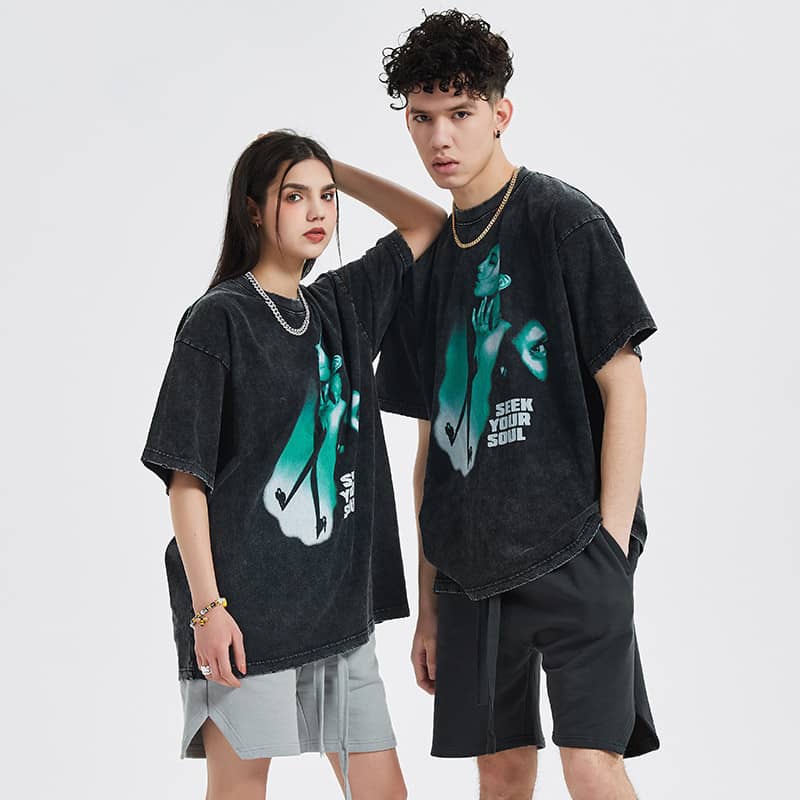
T-shirts are definitely the most favored item. However, a large majority of the online clothing printing streams have a wide choice of products. Killing a t-shirt helps your label or event get the attention it needs.
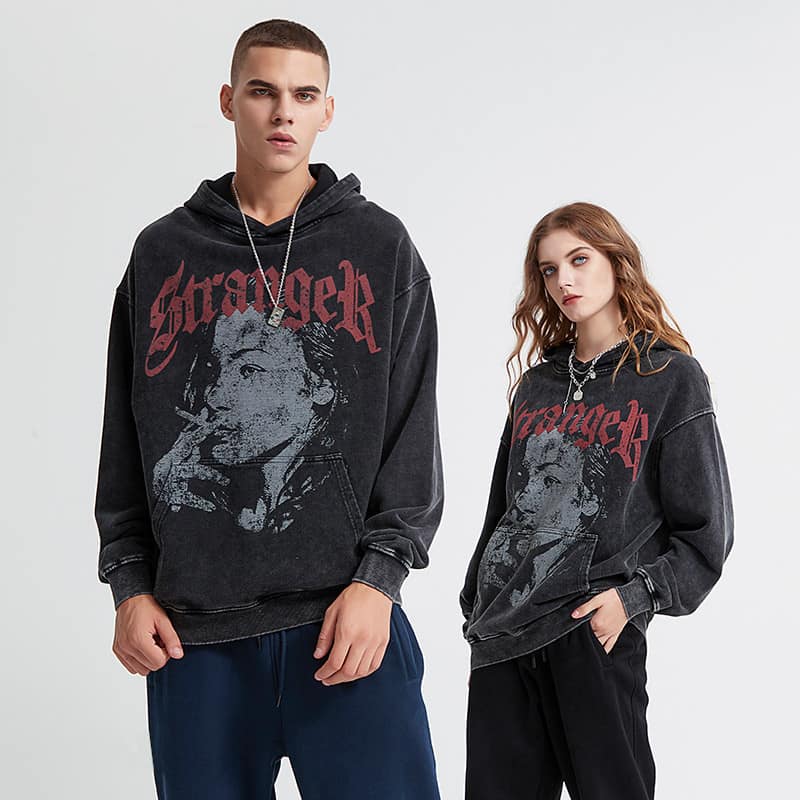
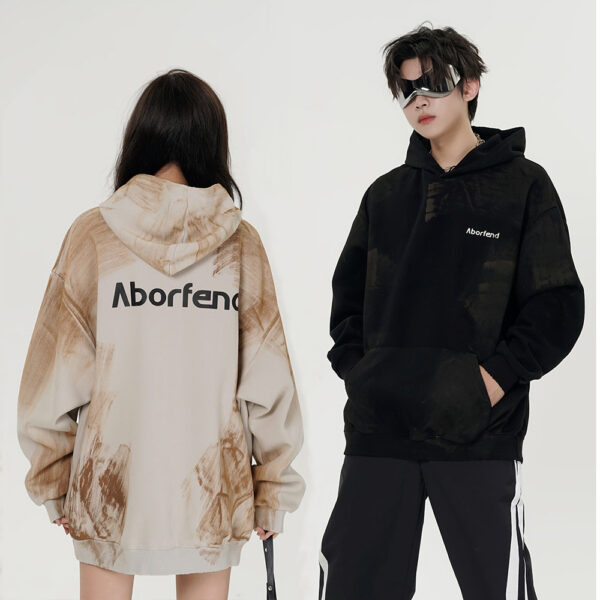
- Hoodies & Sweatshirts: These are ideal for brands, teams, or cozy company gifts. For high-quality, unique items, working with a specialized custom hoodie manufacturer can provide even more options.
- Hats & Beanies: These are great for building brand awareness. Embroidery works especially well on headwear and gives a professional look.
- Polo Shirts: The classic choice for workwear, golf outings, or company events. Specialized designs with the company logo have a professional feel and look sharp.
- Tote Bags: An environmentally friendly, practical item that people use every day. They are the perfect tool to promote an event or a brand.
Want to Start Your Very Own Clothing Brand?
The initial thing you should do is to find a reliable printing partner. When it comes to building a brand from scratch, then, you should also successfully realize the entire process. The pathway from a mere thought to a real deal is more than just printing.
For you, we have put together a thorough guide on how to concept an introduction to your brand. It gives you everything from discovering your niche to the launch of your first collection. It is a great next step for any aspiring clothing entrepreneur.
FAQ: Your Online Clothing Printing Questions Answered
Here we provide you with fast responses to frequent queries. These come from the beginners with online clothing printing services.
1. What is the most cost-effective way to print t-shirts?
If printing a bulk order of at least 24 shirts slotting in one or two ink colors, usually, screen printing is the cheapest. If you do not need a set-up fee for each color then, DTG printing is more cost-effective for a one-off shirt or a design with a lot of colors.
2. Can I print just one shirt?
Yes! Most online companies now use Direct to Garment printing; this leads to the simplicity and affordability of ordering a single custom shirt. Find a service that offers “no minimum order” and you will be able to search and find great deals on single prints.
3. How long does it take to get custom printed clothing?
The standard lead time is usually between one and two weeks. This is the period starting from when you place your order until it arrives at your doorstep. Most companies have rush production and faster shipping options for an extra cost. In some cases, this will only take a few business days.
4. What image file type is best for t-shirt printing?
For DTG printing with intricate colors, a PNG file with high resolution should be used. This file should be at 300 DPI and have a transparent background. For screen printing with basic graphics and logos, use a vector file. The best options are AI, EPS, or SVG files because they can be resized without losing quality.
5. How can I ensure the print on my clothing lasts?
To keep your custom print looking great, wash the garment inside-out. Use cold water. Tumble dry on low heat or hang it up to air dry. Never use bleach. Don’t iron directly on the printed design. Following these care steps helps your quality print last for many washes.

-600x600.jpg)