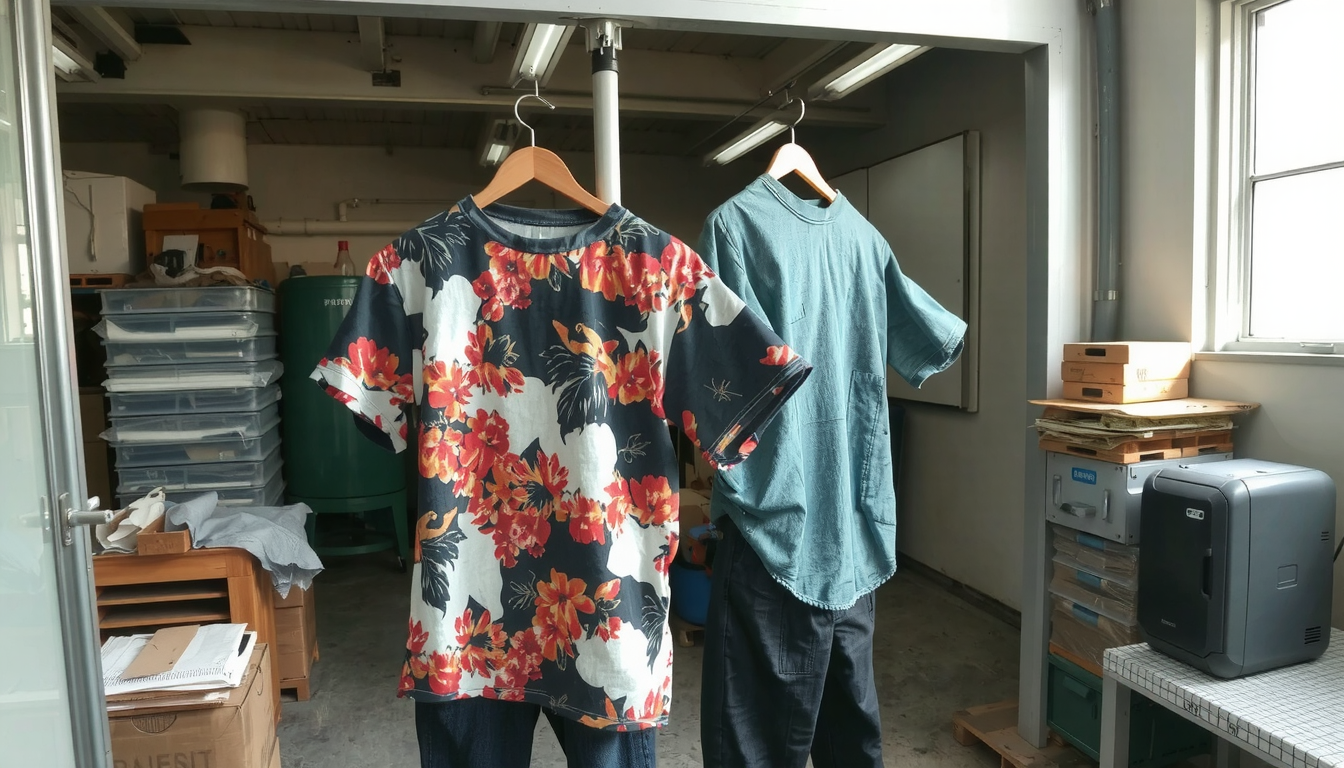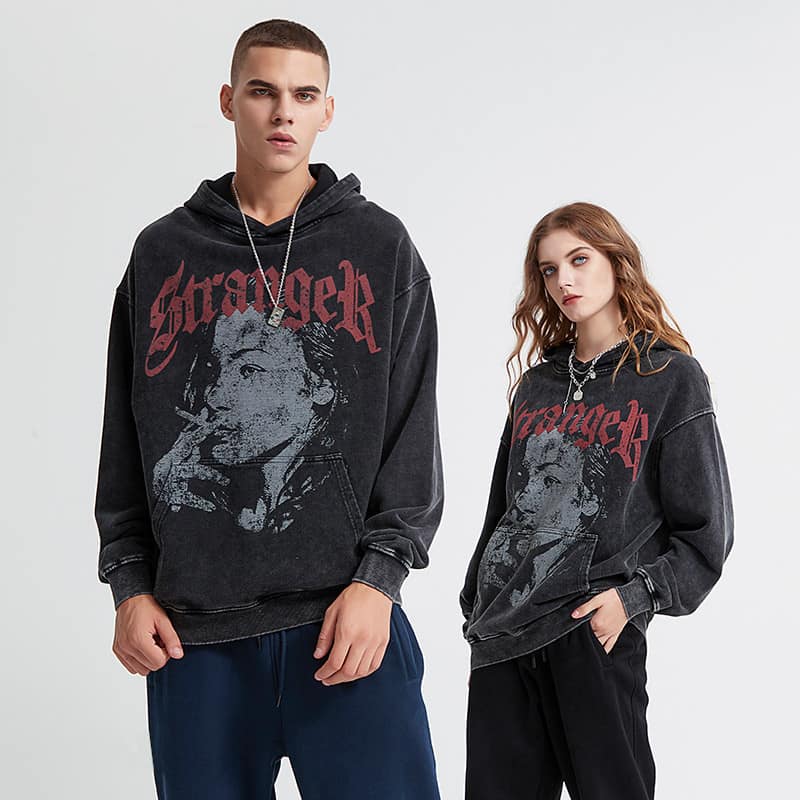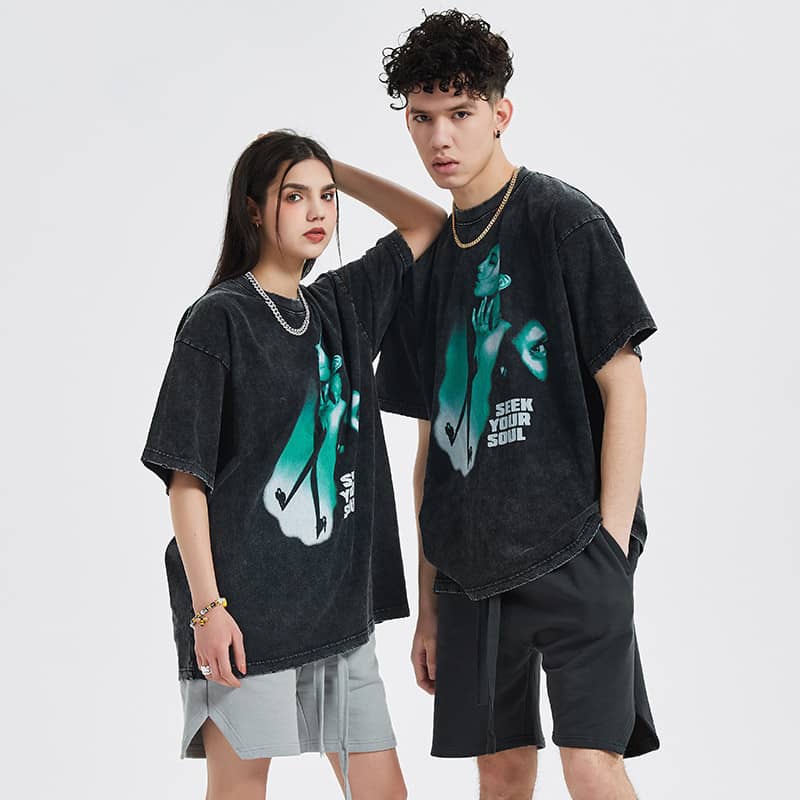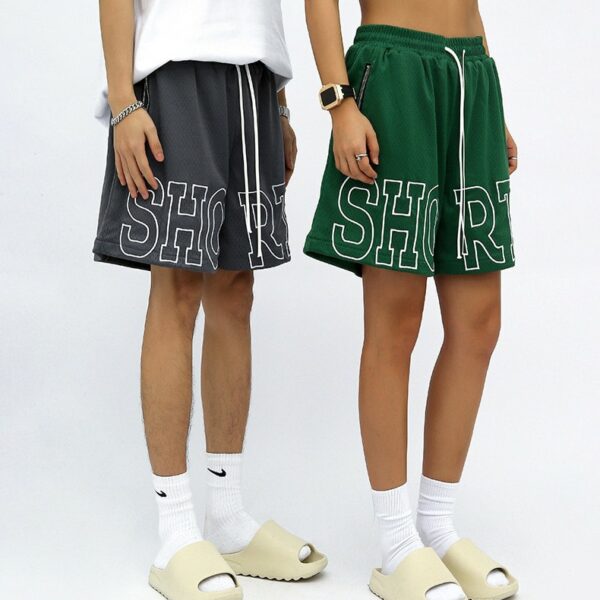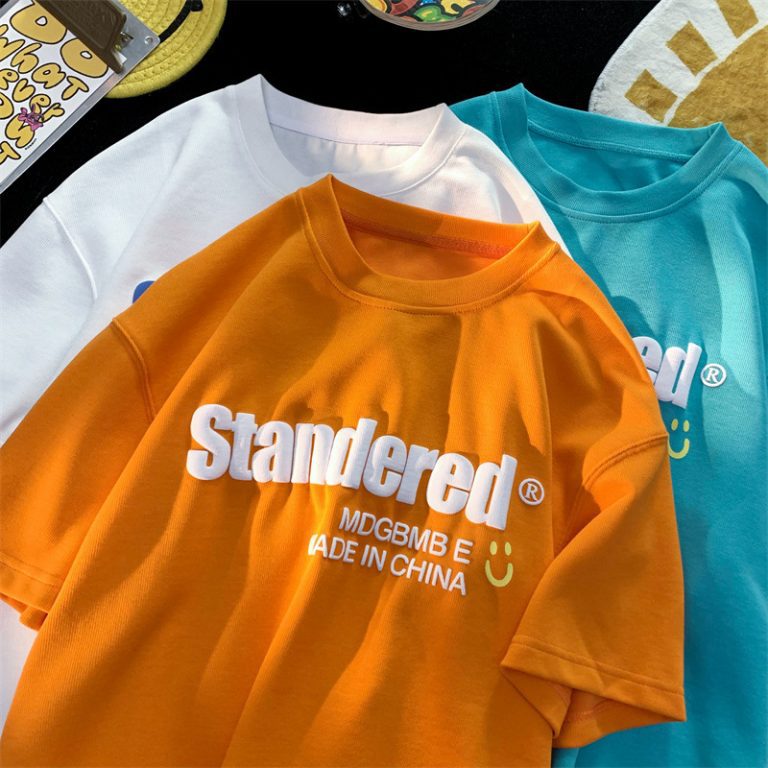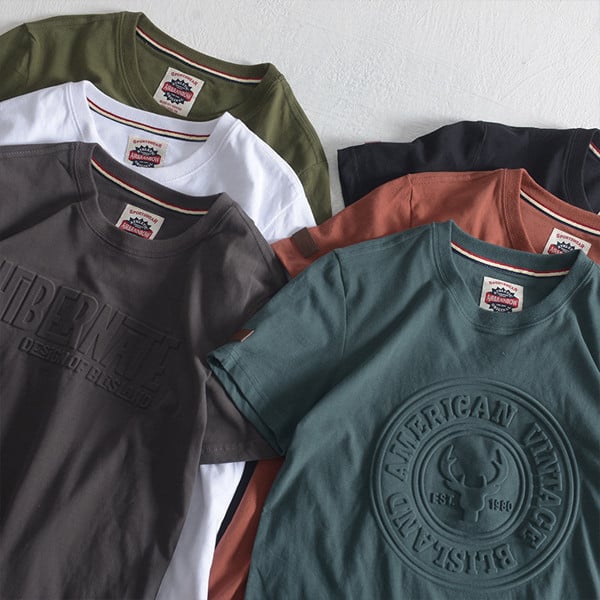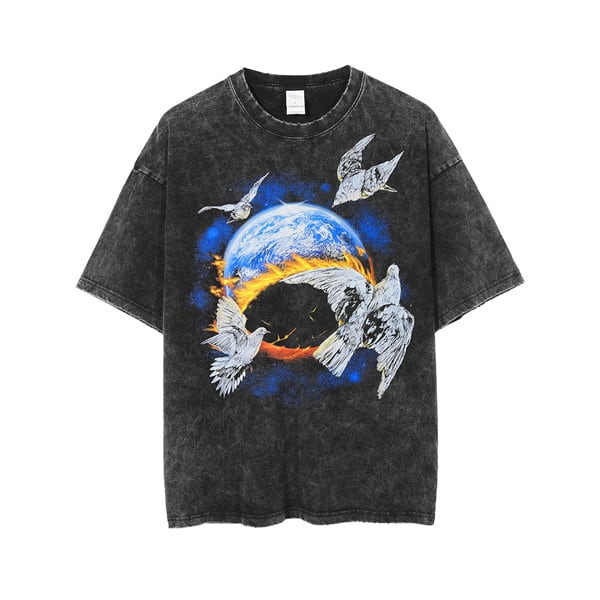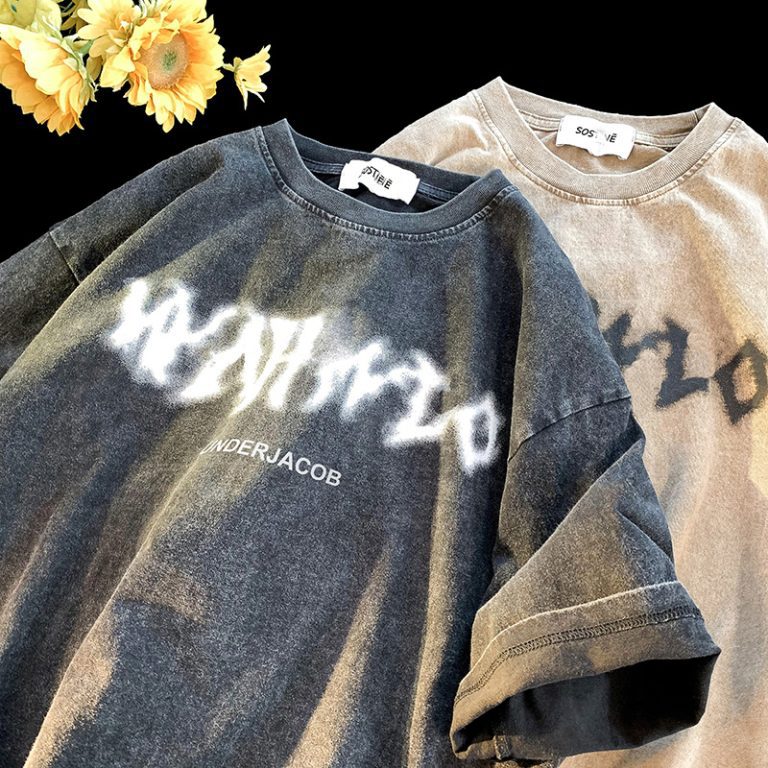
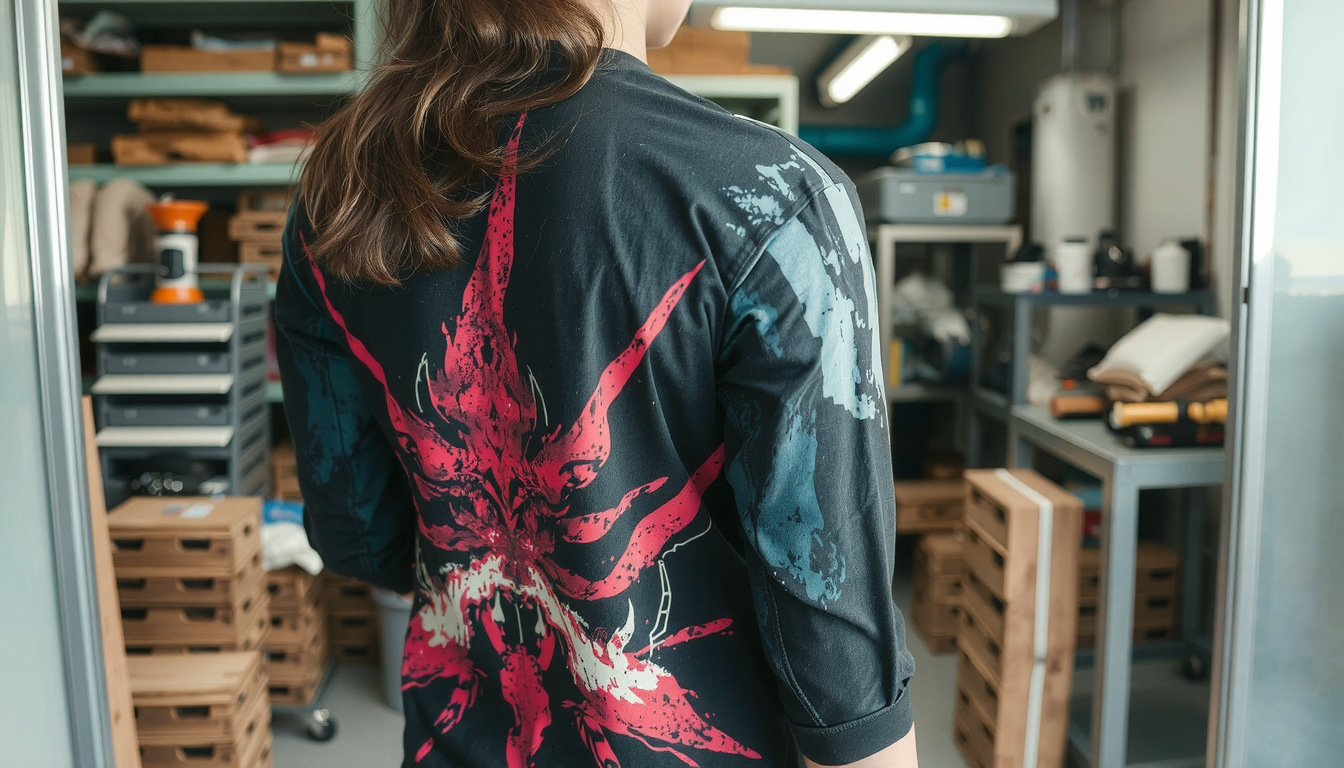
Have you ever wondered how those really cool t-shirts with edge-to-edge photo prints are made? The trick is sublimation printing. This method makes it possible to create some of the most sturdy and brightly designed costumes ever in the fashion industry.
So, what is sublimation printing in the textile industry actually? It is a digital procedure that applies the heat to move the dye into the fabric. The outcome is a high-resolution, permanently attached image that will not come off the surface of the fabric. This is not a thing that will peel off, is it? It will not even be seen after washes. The knowledge of different printing methods is vital for those running brands. The whole course of sublimation is described in this document.
The Abstract of the Secrets Behind Sublimation
Once you accept the mechanisms of sublimation, you will be able to respect email results. It all is about molecules. Solid ink becomes vapor and diffuses into the fabric leaves.
This is not the same as the methods that apply the ink on the clothes. As researchers who have investigated the physics of dye-sublimation noted, this type of binding is the reason behind the good soft touch and outstanding long-lasting durability of the product.
A Straightforward 3-Step Cycle
-
Designing the Print: You send your digital image to a special transfer paper to be printed with sublimation inks. This transfer print reflects the design that you want.
-
The Heating Tool: The transfer paper is placed on a garment that is made of polyester or poly-coated. Both the transfer paper and the garment are laid into a heat press. The machine uses a pre-programmed temperature of around 400°F/200°C and specific pressure.
-
Gas in the Thread: The high temperature that sublimation of a solid dye into a gas also introduces heat to open the polyester fiber pores that need to be closed after the gas has been absorbed into the fabric. When heat is taken away, the pores close. The dye is left inside where it will be permanently kept.
The Arguments for and Against Sublimation
Sublimation printing on clothing has obvious advantages and disadvantages. Comprehending both helps to let you know whether it becomes your brand’s alternative.
| Advantages of Sublimation Printing | Disadvantages of Sublimation Printing |
|---|---|
| Unmatched Brilliance and Detail | Fabrics Constraint |
| It is the only process for the photo-quality images that appear as if they were printed without any halftone. | It is applicable only to garments made of by high-percentage polyester or those covered with a poly-coating. |
| Superior Durability | Color Constraint |
| The imprinted pattern is everlasting and thus, no cracking, peeling or fading can ever occur. | The best results are on white or light-colored items as white ink is not present. |
| All-Over Printing | Higher Costs for Some Fabrics |
| From one corner to another, an entire garment can be covered with the print. | Performance polyester may require extra costs as compared to ordinary cotton. |
| Soft Feel | Possibility of Inaccuracies |
| The ink is in the fabric and not on it, so it is unnoticeable. | There might be a risk of “ghosting” or white creases appearing near seams of the finished items. |
| No Minimum Orders (Digital) | Not 100% Breathable |
| A wise solution for 1-off samples and small orders. | In some cases, it slightly affects the breathability of the performance fabric. |
Sublimation vs. Screen Printing vs. DTG
Selecting the right method of printing mainly depends on the objectives you have set. A simple logo on a batch of 500 cotton tees requires a different approach compared to a performance hoodie that has a complex all-over print. Below is a comparison that illustrates the specific differences between sublimation printing of clothes, screen printing and DTG are.
| Criteria | Sublimation Printing | Screen Printing | Direct-to-Garment (DTG) |
|---|---|---|---|
| Best For | All-over prints, sportswear, photo-realism. | Large batches, simple graphics (1-4 colors). | Complex, multi-color designs on cotton. |
| Fabric | 100% Polyester (or high-poly blends). | Cotton, blends, polyester (with special inks). | Primarily cotton and high-cotton blends. |
| Color/Detail | Unlimited colors, photographic quality. | Limited colors per screen, best for solid shapes. | Unlimited colors, good detail. |
| Durability | Excellent. Becomes part of the fabric. | Very good. Can crack or fade over many washes. | Good. Can fade faster than other methods. |
| Hand-Feel | None. The fabric remains soft. | Varies. Can feel like a thin layer on the shirt. | Soft, but can feel slightly stiff on dark garments. |
| Cost (Low Vol.) | Moderate. Great for one-offs. | Very high (due to screen setup costs). | Low. Excellent for one-offs. |
| Cost (High Vol.) | Moderate. | Very low. The most cost-effective at scale. | Moderate. |
| All-Over Print | Yes. The best method for this. | Difficult and expensive. | No. Limited to a specific print area. |
Main Takeaways for Brand Managers
-
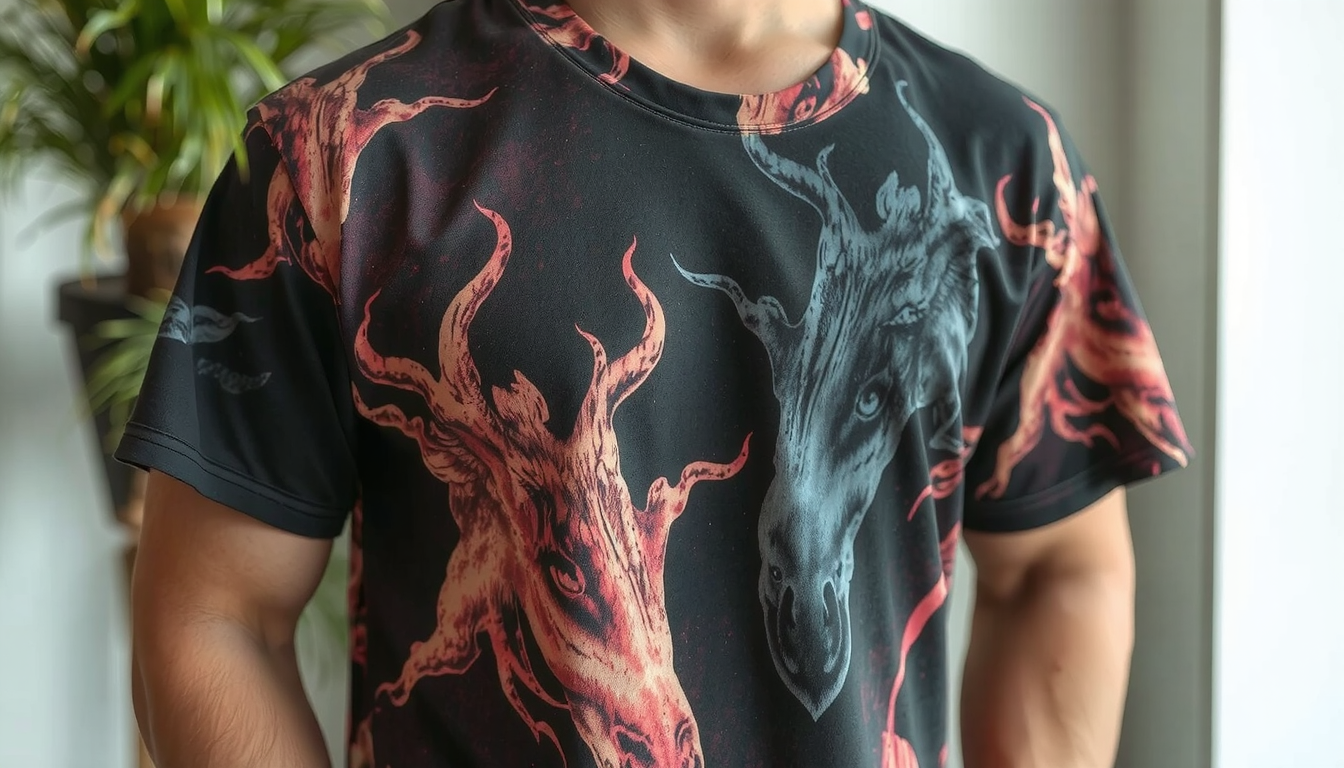
Opt for Sublimation for Sportswear & Full-Coverage Designs: Brands active in the athletic or swimwear sector, as well as those with extravagant full-coverage graphics, should definitely choose sublimation.
-
Select Screen Printing for Bulk Orders & Simple Graphics: For selling garments with 1-3 color logos on hundreds of T-shirts, screen printing offers the best value for your money.
-
Opt for Advanced DTG when Designing Complex Patterns for 100% Cotton: If your franchise utilizes original 100% cotton garments with the creative incorporation of multiple colors for limited runs, then DTG definitely stands as the best solution.
Getting the Right Garments
Selection of fabric serves as the most significant determinant for sublimation to work. The chemical process bonds only with polyester fibers. The wrong material will lead to defective prints and wasted money.
Adhere to the Polyester Principle
- 100% Polyester: This remains the foremost option when it comes to sublimation printing on clothing. The result is the most vivid, and sharp prints that can last for the longest.
- Polyester Blends (65%+): Good results can also be achieved with poly-blends. The print will look a little faded and have this “vintage” style. The reason behind this is that the ink does not bond with cotton fibers only with those which are polyester. The minimum percentage of polyester for a decent level of vibrancy is 65%, according to the standard.
- 50/50 Blends: A cotton blend of 50% polyester and 50% cotton will produce very faded retro-style prints. These types of prints might be the goal but they will not work on designs needing bright and solid colors.
- Avoid 100% Cotton: Sublimation ink will not adhere to cotton not even a little. The design will look really faded after the pressing process. It will almost wash away completely during the first wash.
More than Just T-Shirts
The principles of sublimation can be applied on many different types of clothing. For example, hoodies are designed with performance features that can enhance both the print quality and the function. You can find potential options with a special hoodie manufacturer for the right performance fleece for an outdoor activity. This method is also perfect for leggings, swimsuits, and even non-clothing items such as mugs and mousepads that have a special polymer coating.
The Blueprint for Success: Normal Problems Avoidance
High standard sublimation results are a corollary of smart designs. Based on the experience we experienced with challenges in sewing, here are critical design points to avoid common and expensive mistakes.
We designed a full-print hoodie that had lots of details. The main challenge was to integrate the design fully across the kangaroo pocket. We had to avoid making seams and zipper breaks that were awkward. This meant designing specifically for the garment assembly process.
Our Expert Design Checklist
-
Go Big with Your Bleed: Always make your artwork at least an inch bigger than the template cut lines. This “bleed” feature will help you avoid unprinted edges that will appear white after fabric pieces are cut and sewn.
-
Consider the Seams: While printing on a ready-made blank garment try not to place important elements like text or faces on seams, collars, or under arms. These places crease easily thus blocking ink and causing unwanted white spots. These are the moments when the special cut and sew mode from the specialists of cut-and-sew sublimation such as Six Six Apparel provides a big advantage.
-
Design in RGB, But Expect CMYK: When you create artwork in the RGB color space, you will be able to access the widest color range. This will, however, convert your design to the printer’s CMYK profile which can cause some slight color shifts. The best practice is to ask for a physical sample to check the colors before you proceed with full production.
-
High Resolution is Non-Negotiable: At least 300 DPI (dots per inch) must be maintained at the final print size. If it gets lower, the prints will be blurry, pixelated, and unprofessional.
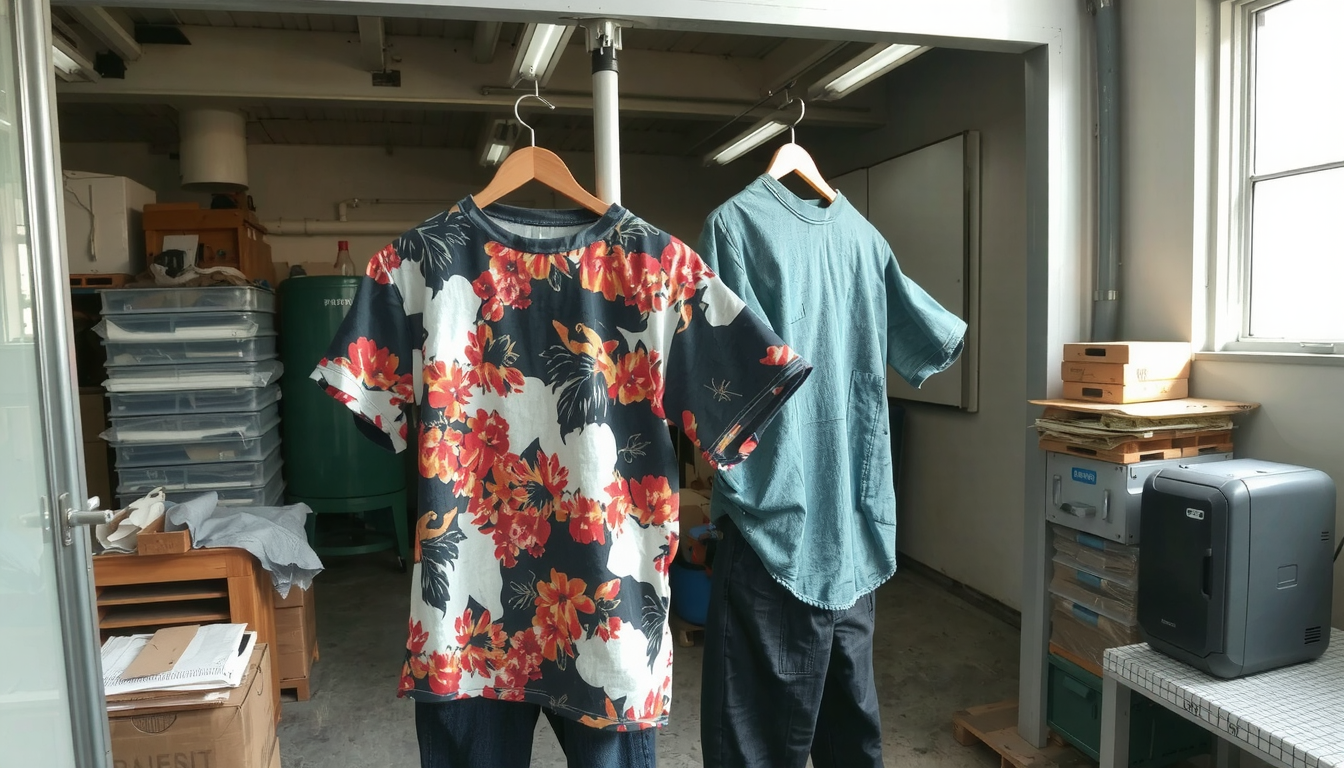
- Think About the Whole Garment: Design flow like front-to-back and sleeve-to-torso should be your primary concern. Well-planned designs always look like they are well thought-out first then excellently completed.
Getting Started: DIY vs. Pro
Once you schedule sublimation, you can choose two paths. One option is to create a home DIY system, and the other one is to find a manufacturer to work with.
The DIY Path
- Best for: Individuals, Etsy sellers who want to sell them, and brands that want to make initial prototypes or very small batches.
- What you need: Vertical sublimation printer, sublimation inks and paper, a good heat press, and design software.
- Pros: You have total control over creativity. After you cover the cost of the initial equipment launch, you will have one of the lowest cost-per-print functions.
- Cons: A steep learning curve to visualize colors and understand pressing techniques. Production limited by heat press size. It is not a scalable option for a growing brand. A lot of information is available on creating sublimation shirts at home.
Working with a Manufacturer
- Best for: Well-known or growing clothing brands that are seeking professional quality, consistency, and scalable production.
- What you need: Professional-grade design files (Adobe Illustrator or Photoshop) and clear tech pack outlining specifications.
- Pros: You gain access to top-notch machinery and insights from experts. You have options for advanced ideas like cut-and-sew. Production capabilities of hundreds or thousands of units are at your grasp.
- Cons: Manufacturers usually have minimum order quantities (MOQs). Reduced hands-on control in physical production.
For brands that want to up their game, the key is the right partner. As a well-established clothing manufacturer, we can help you realize your boldest sublimation ideas.
Last but Not Least-HOT Questions in The Mind
Is there sublimation printing possible on black garments?
No, standard sublimation does not work on black or dark garments. The process is based on fabric dyeing by adding colors. As it does not have white ink, any design on dark cloths would therefore be invisible. Sublimation printing of clothing is effective solely on white or light-colored polyester blends. This measure ensures that the design is visible and vibrant.
What is the proper way to clean sublimation printed clothing?
Machine wash with cold or warm water. Turn printed and unprinted clothes inside out before washing. Don’t use bleach based on chlorine. Tumble dry on a low heat setting or take air drying of any printed clothing item is gentle.
Will a sublimation print feel stiff on the clothing?
Not at all. A major advantage of sublimation is the “soft hand-feel.” The ink becomes part of fabric fibers instead of sitting on top like ink or plastic layers so you can’t feel the print. The garment retains its original softness and breathability.
What is “cut and sew” sublimation?
Cut and sew sublimation is a premium manufacturing process. Instead of printing on pre-made blank shirts, the design first goes on large, flat fabric rolls. Then printed fabric gets cut into individual pattern pieces (front panel, back panel, sleeves, etc.) and sewn together. This method allows true, seamless, all-over-print designs. It avoids white creases or gaps at seams that are common when printing on finished garments.
Is sublimation printing environmentally friendly?
Compared to traditional water-intensive dyeing methods, sublimation can be more eco-friendly. Solid inks are used as gas that goes through the phase change. Therefore, the water required to process liquid waste is mostly removed. However, the reliance on synthetic polyester which is derived from petroleum is a significant environmental concern.