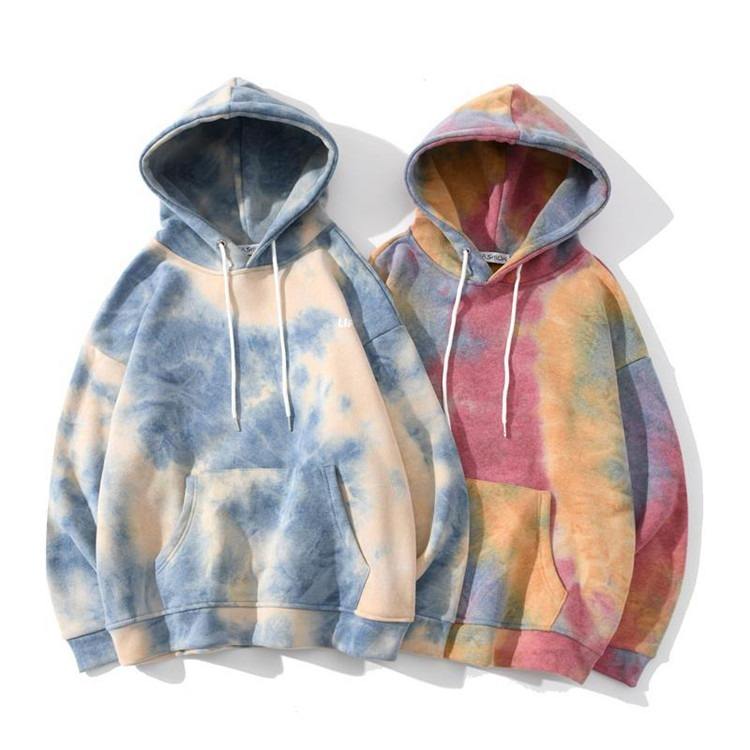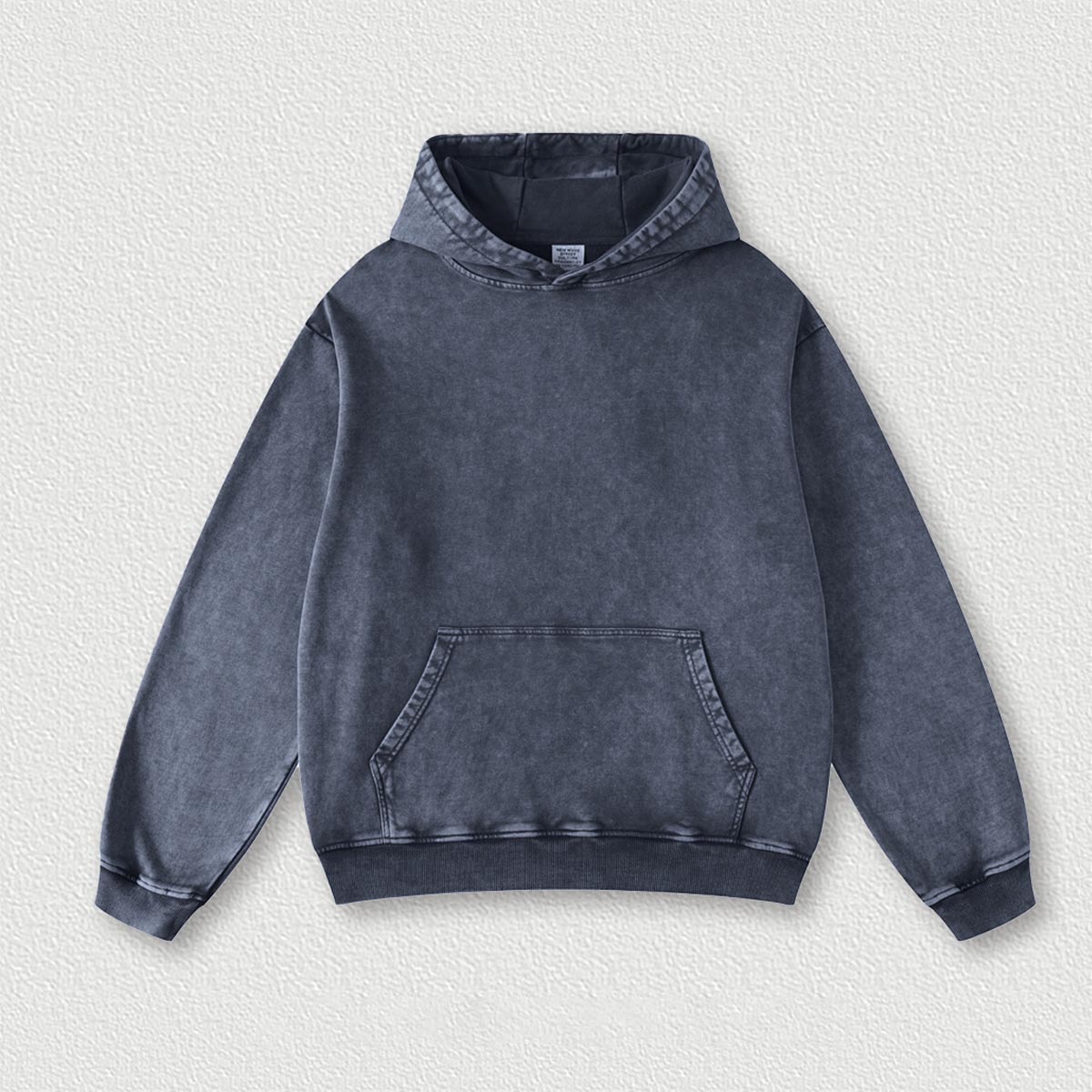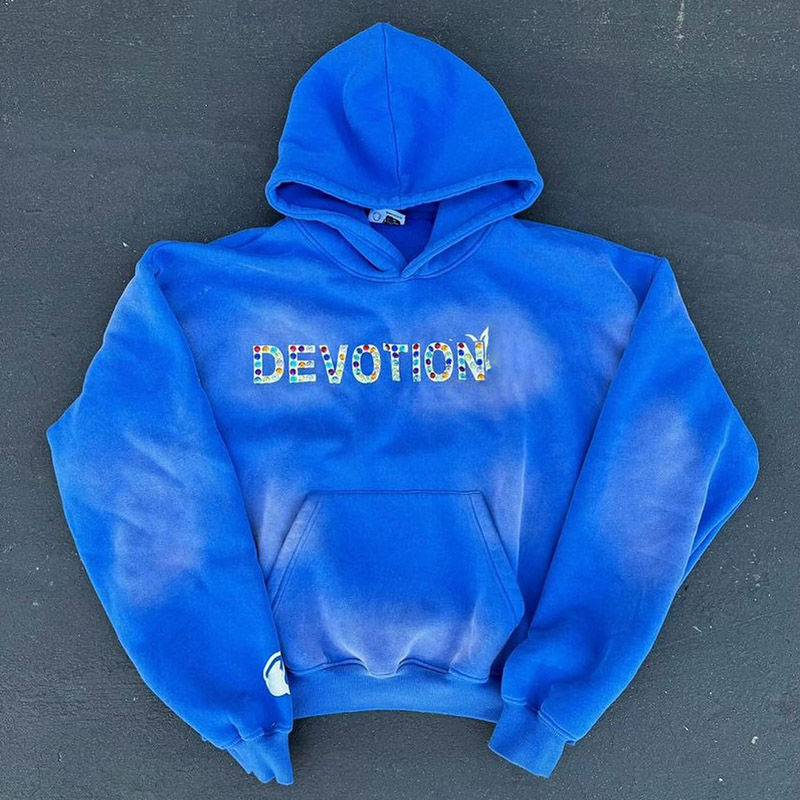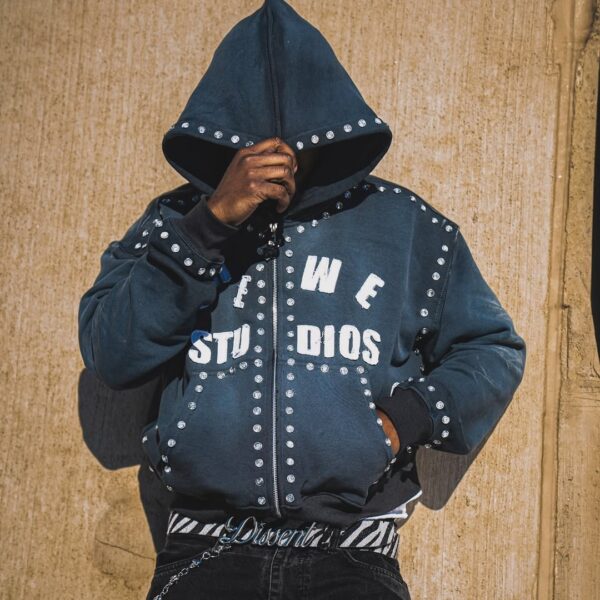
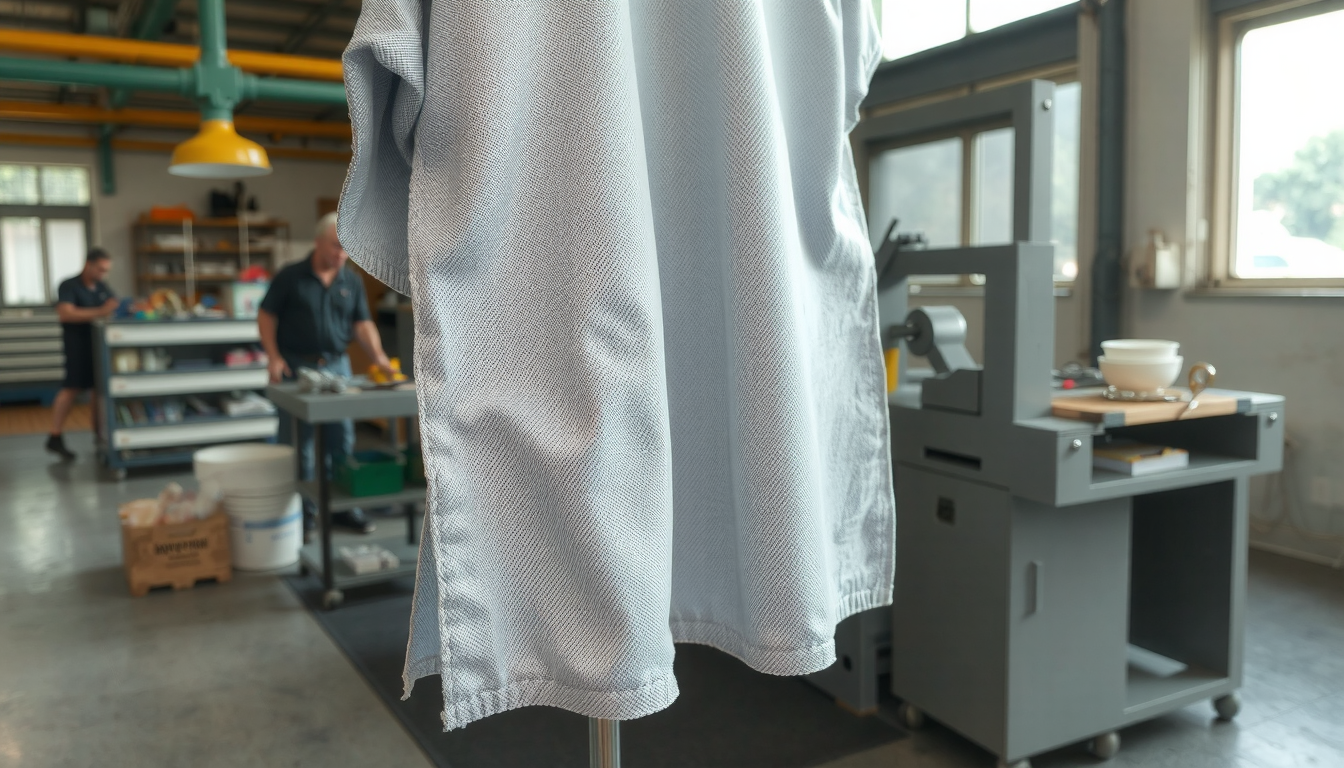
Cloth Screen printing includes two main parts. First is the cloth you print on, for instance, t-shirts, hoodies or tote bags. Second is the polyester mesh in your screen which is responsible for holding your design stencil.
You have to know both to achieve professional quality. The quality of your end product is entirely dependent on the correct selection of the right materials and the proper preparation of the materials. This guide will help you become the doctor of screen printing cloth. You will learn things ranging from fabric selection to making excellent and long-lasting prints that promote your brand.
Choosing the Right Fabric to Print On
The fabric you choose becomes a canvas for your art. The construction material directly determines the color depth, the feel, and the resilience of your print. Let’s discuss the materials that are mostly used for screen printing.
Natural Fibers: For Vibrancy
Cotton is the front leader in the screen printing sector. It’s the natural fiber that bonds ink well. As a result, it provides a base for deep printing and eye-catching colors.
For the best results, we always opt for ringspun or combed cotton. These processes involve the use of tighter and smoother weaves compared to carded open-end cotton. Furthermore, the surface is smoother and softer than the standard carded open-end cotton. The screen printing cloth of this type minimizes fibrillation, which is when loose fibers protrude through your ink.
- Pros: Super ink absorption, soft feel, breathability, and availability.
- Cons: Can wrinkle and shrink if not pre-shrunk, poor moisture management.
Synthetic Fibers: For Performance
Polyester is the most popular synthetic fabric choice for sports and activewear. It is durable, moisture-wicking, and resistant to shrinkage and stretch.
Printing on polyester, however, necessitates some special rules. The dyes that color the cloth can “migrate” into your ink as it cures. This could, in turn, affect your print color. Hence, you will need the special low-bleed inks and a lower curing temperature. While some see it as a downside, addressing it appropriately is a sign of professionalism. The note on “Best Fabric For Screen Printing – Professional …” says that the mixing of synthetic and natural fibers is trendy because you get the benefits of both.
- Pros: Durable, no shrinkage, moisture-wicking, great for activewear.
- Cons: Not as breathable as cotton, requires special inks and processes to stop dye migration.
Blends: The Best of Both Worlds
Fabric blends get you right in the middle. They embody the best features of different fibers. They are a very usable option for multi-functional screen printing cloth.
Cotton/polyester blends such as 50/50 or CVC (chief value cotton, usually 60/40) mix the softness of cotton with the durability and performance of polyester. They furnish you with a good mix of comfort and quality.
Tri-blends (mostly cotton, polyester, and rayon) are an elite choice. Rayon provides an incredible amount of softness and a stunning drape. On top of that, it forms a luxurious, vintage, and heathered fabric, which is all-natural.
Quick Comparison: Which Cloth is for You?
| Fabric Type | Print Vibrancy | Feel/Comfort | Durability | Cost | Best For… |
|---|---|---|---|---|---|
| 100% Cotton | Excellent | Soft & Breathable | Good | $$ | Retail, Streetwear, Everyday Tees |
| 100% Polyester | Good (with right ink) | Smooth & Wicking | Excellent | $$ | Athletic Wear, Performance Gear |
| Cotton/Poly Blend | Very Good | Soft & Durable | Very Good | $ | All-purpose, Budget-friendly, Hoodies |
| Tri-Blend | Good (Heathered) | Premium Softness | Very Good | $$$ | Premium Lifestyle, Fashion Tees |
Pro’s Choice: Matching Fabric to Your Goal

Professional printers do not just choose any fabric. They select fabric according to the project specifics. The best screen printing cloth is determined by the way the garment will be used.
For Retail-Quality Streetwear
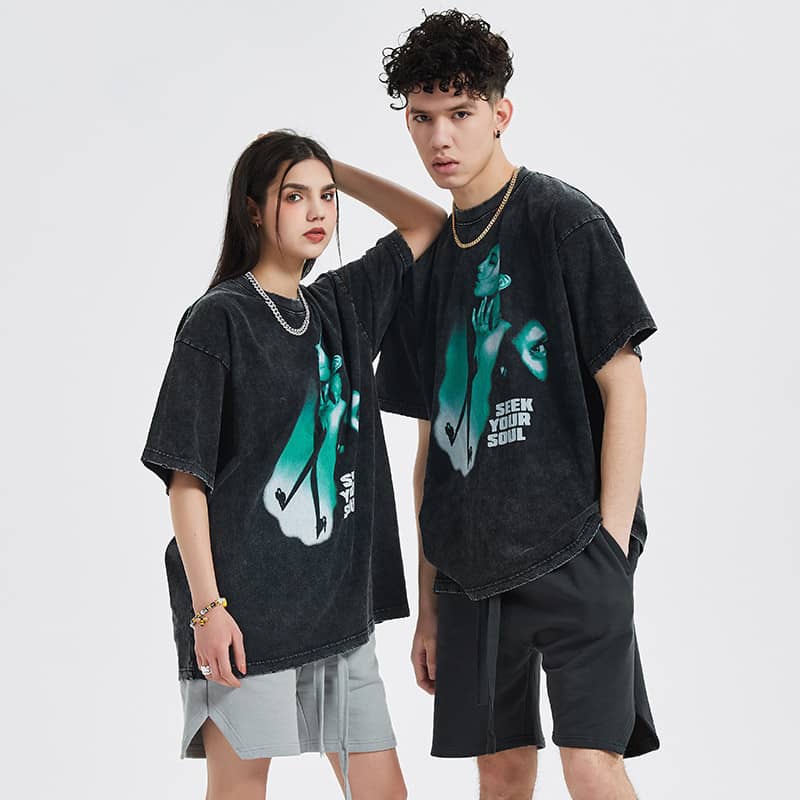
For high-end retail t-shirts or streetwear brands, the customers are mainly concerned with the fitting and print quality. Almost always, we suggest 100% combed and ringspun cotton.
With the flat surface, you can achieve incredibly sharp and distinct prints. This can be done with either water-based inks that give a soft touch or plastisol that covers the maximum area. Another great CVC blend could also be introduced as a choice, which has nearly the same touch as the cotton but adds durability.
For Performance and Athletic Apparel
When it comes to achieving performance, function has to be put first. The only professional option for athletic jerseys, workout shirts, and team gear is 100% polyester or a polyester-spandex blend.
The trick here is to control the dye migration. We use low-bleed polyester-specific ink and most of the time we put a base layer blocker on dark clothes. That extra measure guarantees white prints remain white even on a red or navy polyester shirt.
For Heavyweight Hoodies and Sweatshirts
The requirement for hoodies and sweatshirts is the fabric that preserves warmth, gives form, and a good print surface. The industry-standard heavyweight cotton/poly blends mostly vary from 80/20 to 70/30.
The cotton outer layer is a good one for ink printing. The polyester part contributes to stability, prevents shrinkage, and aids the knit fleece of the garment. This is why many of the best-notch hoodie manufacturers prefer these sturdy but printable blends.
Decoding the “Other” Screen Printing Cloth
Next, we shall switch to the second and more technical meaning: the mesh fabric in your screen. This woven polyester material is the heart of the printing process. Understanding it is crucial for quality control.
What is Mesh Count?
Mesh count is the number of threads that have been woven into one square inch of the screen fabric. This figure controls how much ink can be passed through the screen and the amount of detail achievable.
A lower mesh count means bigger openings. This means that more ink can flow for solid, thick prints. A higher mesh count has smaller holes. It puts down less ink but allows you to use far finer details and halftone dots. Choosing the right screen printing cloth for your frame is equally crucial as selecting the garment.
Mesh Count Guide for Projects
Choosing the correct mesh count is a balance between the ink type and the design complexity. Here is a list of items we find in our shop that helps us with the mesh count.
| Mesh Count Range | Ink Type | Common Use |
|---|---|---|
| 38-86 | Glitter, Shimmer, Thick Inks | Athletic numbers, special effect glitter prints, heavy ink deposits. |
| 110-160 | Standard Plastisol & Water-Based | The workhorse range. 110 mesh is the most common for all-purpose t-shirt printing with standard text and blocky designs. |
| 180-230 | Thinner Inks, Finer Detail | Designs with more intricate lines, smaller text, and some halftone work. Requires slightly thinner ink. |
| 240-305+ | CMYK, Halftones, Thin Inks | High-detail photographic prints (halftones), printing on paper/posters, super-fine line art. |
From Fabric to Finish: A Prep Guide
A great print isn’t just about the right ink and fabric. Professional results come from careful preparation. Skipping these steps is the most common reason beginners fail.
Step 1: The Crucial Pre-Wash
We strongly recommend pre-washing your garments. Manufacturers often treat fabrics with chemicals called “sizing” to make them look crisp. This residue can stop ink from sticking properly.
More importantly, pre-washing pre-shrinks the screen printing cloth. This stops a perfectly printed design from warping and distorting the first time your customer washes it.
Step 2: Creating a Smooth Canvas
Wrinkles ruin clean prints. Always iron or heat press the print area right before printing. This creates a perfectly flat, smooth surface for the screen to touch. This ensures even ink distribution.
Step 3: Securing Your Garment
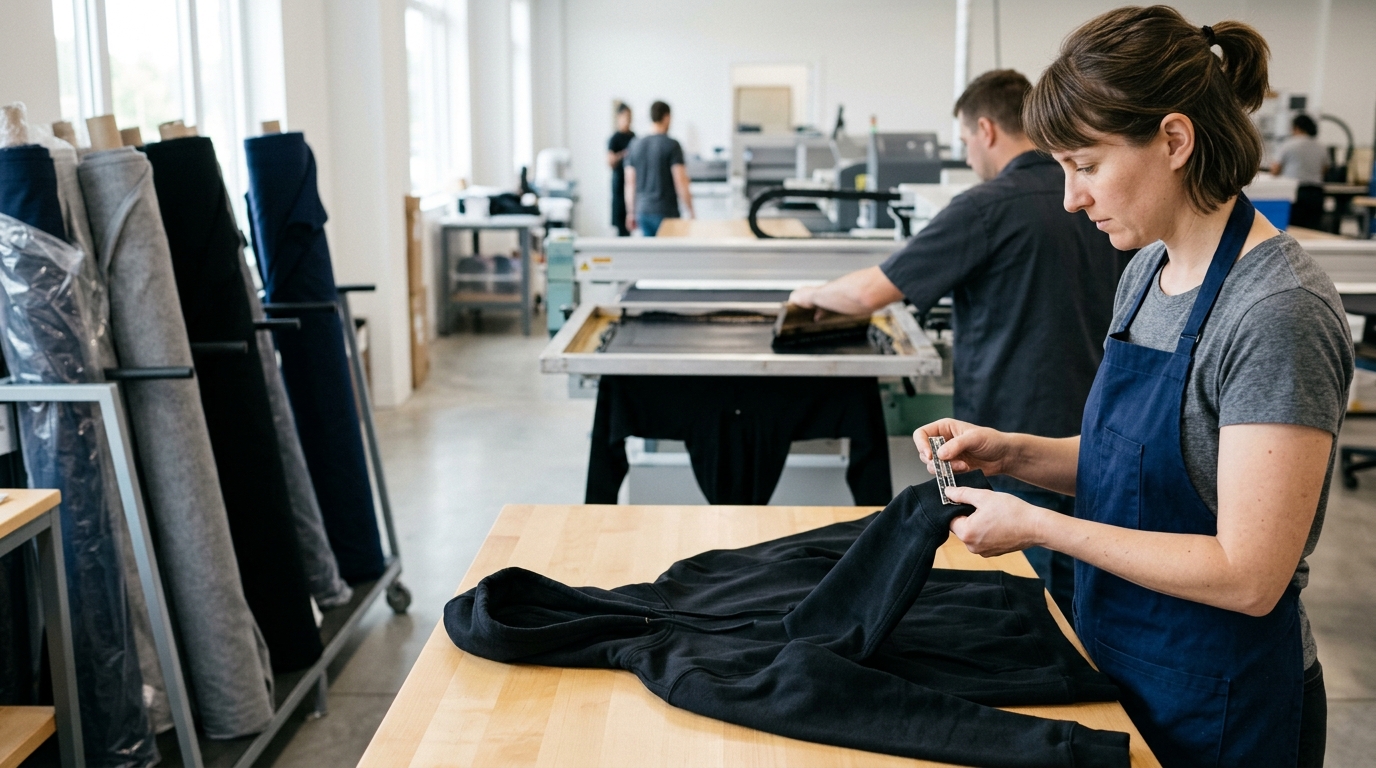
From our experience, this step separates amateurs from pros. The garment must stay completely still during the print stroke. Even a tiny bit of movement will cause blurring and ruin registration on multi-color jobs.
We do this by putting a light layer of platen adhesive (either spray tack or water-based pallet glue) on the press pallet. This holds the fabric securely in place. Mastering this setup is a key part of the screen printing process. Guides about the basic process of screen printing explain that creating a stable surface is fundamental to imprinting the design correctly.
Your Partner in Print: Bringing Designs to Life
Mastering screen printing is a journey of constant learning. Understanding the core parts—choosing the right screen printing cloth for the job, matching it with the correct screen mesh, and following careful preparation—builds the foundation for professional, sellable products. This knowledge transforms a hobby into a brand.
This craft is incredibly versatile. It covers many of the common applications of screen printing from fashion to promotional goods. It’s a powerful skill for any creator.
Whether you’re just starting or looking to grow, understanding these basics is crucial. For more insights into building your apparel line, check out our resources at TZ Streetwear. This knowledge is a cornerstone of any successful brand. We explore this further in our craft introduction guides.
Frequently Asked Questions (FAQ)
What’s the best screen printing cloth for beginners?
For beginners, we highly recommend 100% ringspun cotton t-shirts in light colors. It’s the most forgiving fabric. It soaks up standard water-based or plastisol inks beautifully. It doesn’t present advanced challenges like dye migration that polyester does. This choice gives you the easiest path to a successful early print.
Can you screen print on 100% polyester cloth effectively?
Yes, absolutely, but you need the right materials. You must use low-bleed polyester ink and cure it at a lower temperature (usually under 320°F / 160°C). This stops the fabric’s dye from “migrating” or bleeding into your ink. This can change your print’s color, especially with light-colored inks on dark garments.
Why are my prints cracking or fading after washing?
This is almost always a curing problem. The ink wasn’t heated to the right temperature for long enough. Each ink type (plastisol, water-based) has a specific cure temperature it must reach all the way through to bond permanently with the screen printing cloth. A surface that feels hot doesn’t mean the entire ink layer is cured.
Is it necessary to pre-wash every fabric before screen printing?
While not always strictly needed for every single print, it’s a professional best practice we follow. Pre-washing removes any chemical sizing from the manufacturer. Most importantly, it pre-shrinks the garment. This ensures your print stays sharp and doesn’t warp after the customer’s first wash. This protects your brand’s reputation for quality.
What is the difference between the cloth I print on and the mesh cloth in the screen?
The “cloth you print on” is the garment itself, like a cotton t-shirt or polyester hoodie. The “mesh cloth in the screen” is woven polyester fabric stretched tight in a frame. This mesh holds the stencil of your design. Ink gets pushed through its openings with a squeegee to create the print on the garment.