Introduction: Not Just Shepherds of Fashion
A Chinese garment is also a type of clothing. It speaks about the passage of time from its creation to the modern world. It comprises of various styles. Many people image the bright Hanfu or the neat Qipao when they hear these two. It is true, they are common, but are not the only ones.
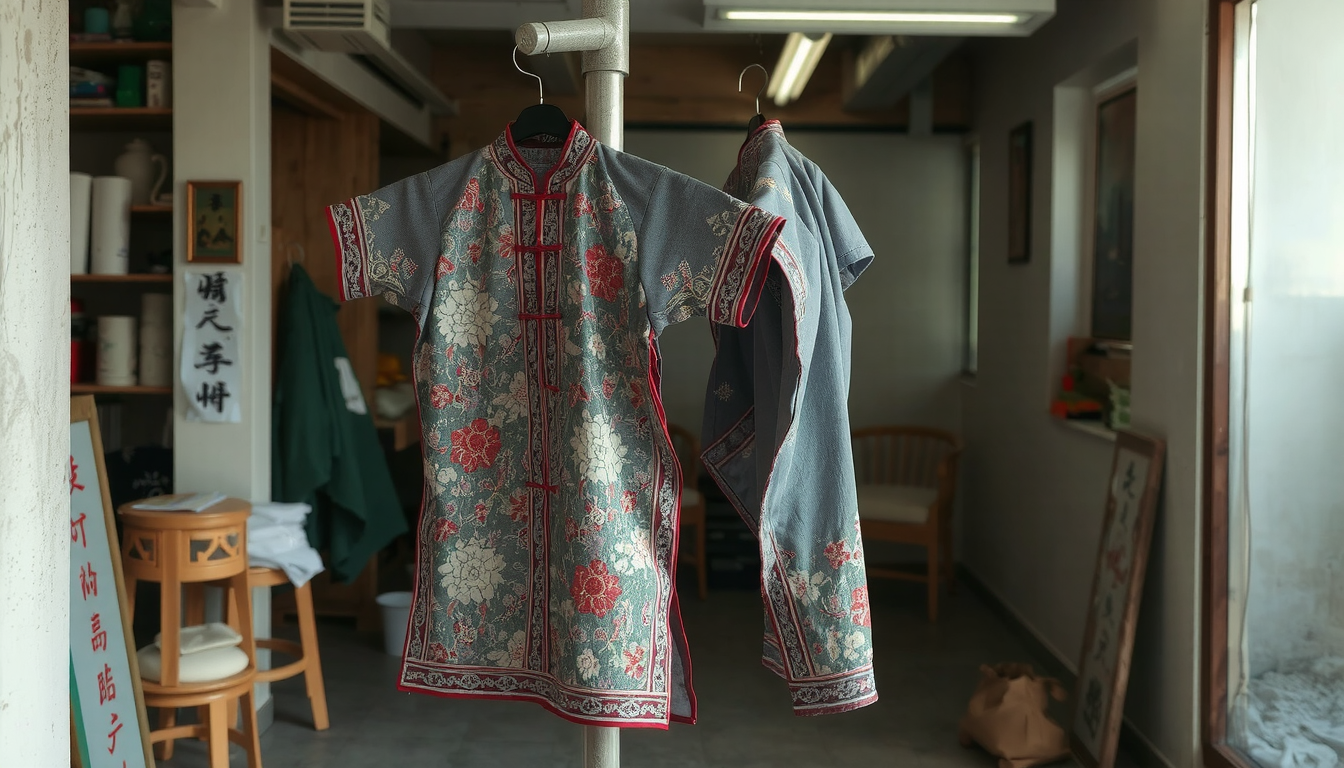
The long-standing tradition of Chinese clothing will be addressed by this guide. We will also mention some common types of clothing. We will even see some of them worn the same way as today. The long trail we will walk down will make us realize one obvious thing. The decades of evolution are behind the fact that the traditional dress is now a cultural symbol and art.
What Are Chinese Garments?
Traditional Chinese clothing is empty without the stories that they tell. These clothes have been through many years of changes. They are a reminder of various values and beliefs. They reflect the spirit of different periods.
We will mainly focus on three of the most popular. These are Hanfu, Qipao, and Zhongshan suit. Each of them describes a piece of the complex history of the Chinese nation.
This Was the Passage: Affirmations of the Change of Clothing in China
Outfits in China have always had a dynamic character. There were many dynasty changes and every new rule seemed to impose a new logic. This is shown in how the clothing styles morphed over time. In this way, the nation’s history appears vibrant and varied.
The costumes evolved from simple shapes to more layered and sophisticated representations. It really is amazing to see that leap in that example.
Ancient Origins: The Two-piece Structure
Chinese clothing was originally designed as a two-piece garment. The first piece is an yi (衣) which means a shirt. Then, there is a chang (裳) which is a skirt/ trousers. A two-piece patterned garment is one of the oldest around.
They say it was the Yellow Emperor’s time when it all began. This historical period marked the start of the Chinese cultural system. It later led to diverse designs and constructions.
Dynasties’ Clothing: Periods and Changes of Clothing
Dynasties rose and fell. As they did, the trends in fashion changed radically. Every point of time had a distinguishable outfit. Various influences like trade, politics, and culture created these fashions. A scholarly analysis of sartorial changes in China unveils the depth of these transformations.
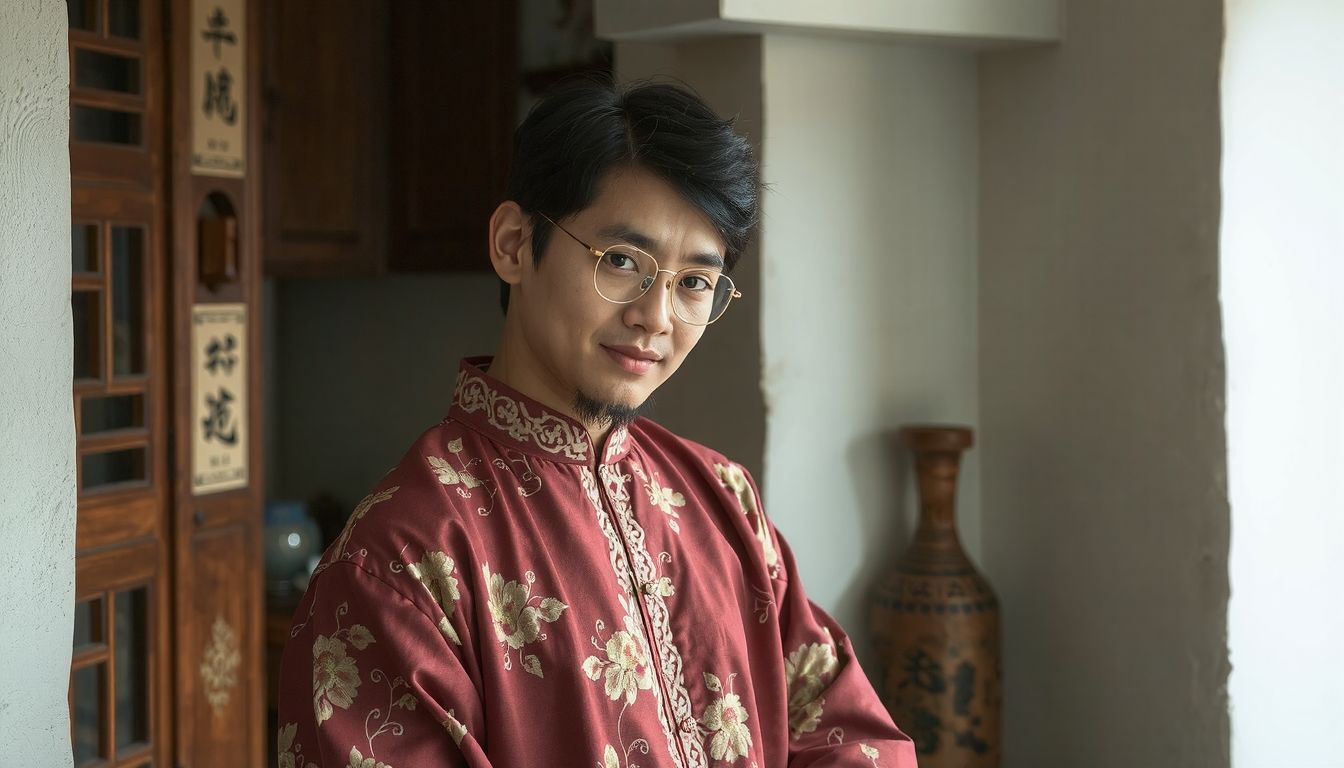
- Han Dynasty (206 BC – 220 AD): This period was the one that formed the outline of Hanfu as we know it now. The main outfit was a long, wrap-around-style robe, generally. It had wide sleeves and was called to tie with a belt. The overall feeling was that it was modest and elegant.
- Tang Dynasty (618–907 AD): During the Tang Dynasty, the country flourished and it had become much more a cosmopolitan society. Clothing also reflected that. The clothes turned into brighter colors. Women’s clothing often was more revealing as well. It had lower necklines and was made of richer fabrics.
- Ming Dynasty (1368–1644 AD): The fashion here was a bit older. Clothes returned to the traditions of Han. The trend now is richer and more sober. The long collar was a favorite choice of characters. Skirts were commonly pleated and buttons were extra lovely.
- Qing Dynasty (1644–1912 AD): The ruling Manchu brought their own clothing styles and it was their right to do so. This led to the creation of the Qipao, which later became a symbol of modern Chinese womanhood. Men had to wear the Manchu hairstyle too.
The Icons: Iconic Chinese Garments That Should Be Brought to Focus
Chinese outfits are numerous but three are of paramount interest. The Hanfu, Qipao, and Zhongshan suit are the most popular among them. They all have different histories and features. Hence, everything can serve as a powerful cultural icon.
The Hanfu (漢服) – The Clothes of the Han People
Hanfu represents nothing but a line. In other words, it covers all types of clothing belonging to the Han Chinese people. It is a line dated before the Qing Dynasty and it stretches for several thousand years.
Most Hanfu indeed share the following characteristics. There is typically a cross-collar that wraps right-over-left. The Chinese name for it is yòurèn. Besides, hangs down over a long period of time. A sash is what it holds.
Different eras supply many varieties of Hanfu. Nowadays, there is a large movement of cultures going to the two where it gets attractive to wear the ancient Hanfu clothes again.
The Qipao (旗袍) / Cheongsam (長衫): Not Only a Clothing But Also an Attitude
The Qipao is probably the chinese garment that is the most recognized all over the globe. It originated as a loose robe. The Manchu women put it on during the Qing Dynasty. In the 20s, the tailors of Shanghai changed it. They made a fashion form of the tight-fitting dress that was both beautiful and excess. This design made the girl look more fascinating.
The high Mandarin collar which is made of the same fabric as the dress is the great fixation point. Besides, old-school pankou (knots) and side slits are a must-have. Tight slits in the body of the dress are usual.
Qipao (Mandarin) and Cheongsam (Cantonese) are the names for the same dress. They are just spoken in different languages. If you want to know more, the evolution of the Cheongsam provides you the way to follow.
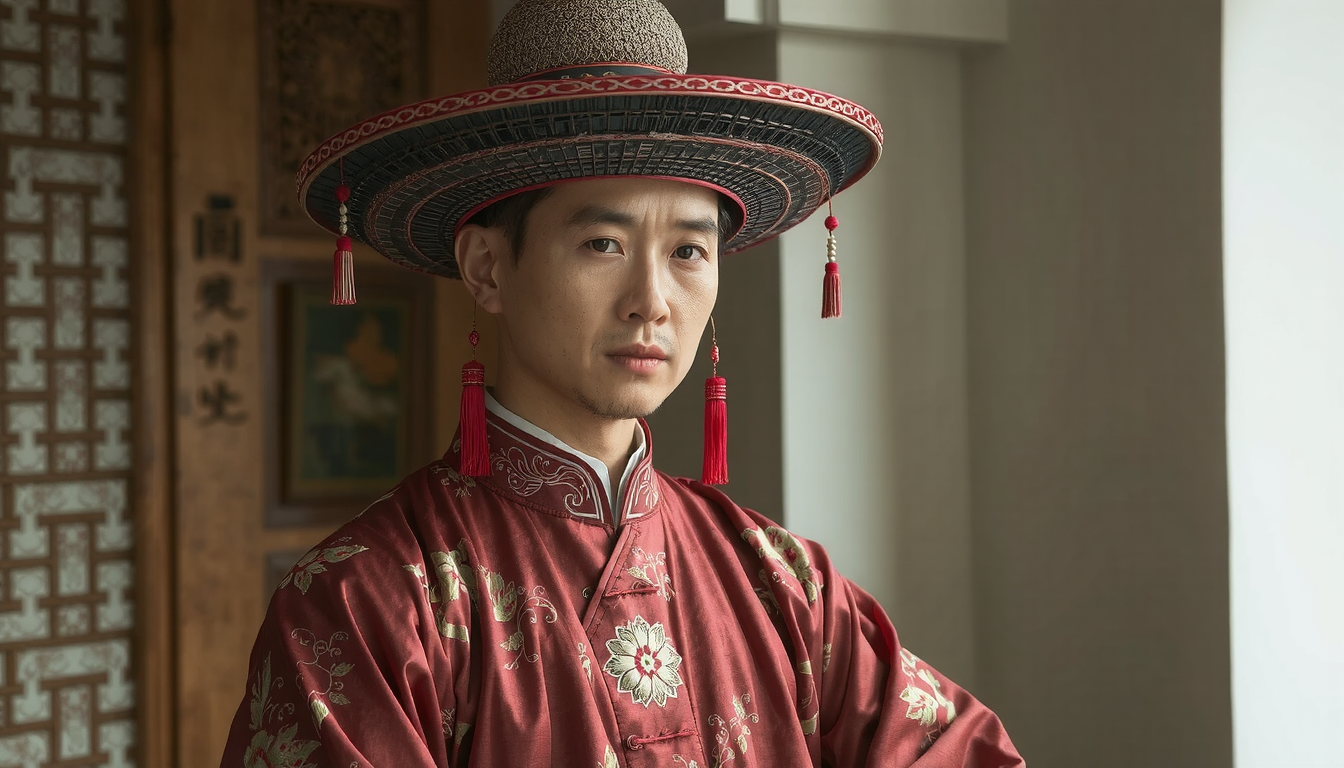
The Zhongshan Suit (中山装): Venturing the Mao Suit
The Zhongshan suit is a fashionable male clothing. It is in the Western world often called the “Mao suit”. Sun Yat-sen, however, is the one who made it in the early 20th century. His vision was to find a national uniform that says “modern and Chinese” at the same time.
Aside from the collar which is usually standing, the suit has five buttons on the front and one inside. Among four outside pockets, two were said to represent the two parties the Qing and the Republic of China. The whole thing depicted China’s march into modernity and political identity.
From the Silk Road to the Street: Trends and Changes in Chinese Garments
Traditional Chinese clothing can also be seen outside the museums. They are now part and parcel of the 21st-century trend. They have been adopted in a wide range of fields, from haute couture to everyday wear. Do we have here such a mixture of new and oldmaking a different better style?
Hanfu Return and Modern Innovation in Fashion
The movement which brought Hanfu back has been led by the youth. Young people wear it during festivals and at other special events. Some even wear it in their everyday life. They upload photos of themselves on social media. This inspires others to do the same.
The return has been a fruitful one. Fashion designers are also capturing the trend. For example, the use of traditional clothes in their new commodities. You will see a shirt in modern design but with a Hanfu collar. Some jackets have traditional sleeves and embroideries, thus, forming a hybrid of sorts.
Creating the Blend: Tradition Touches Technology
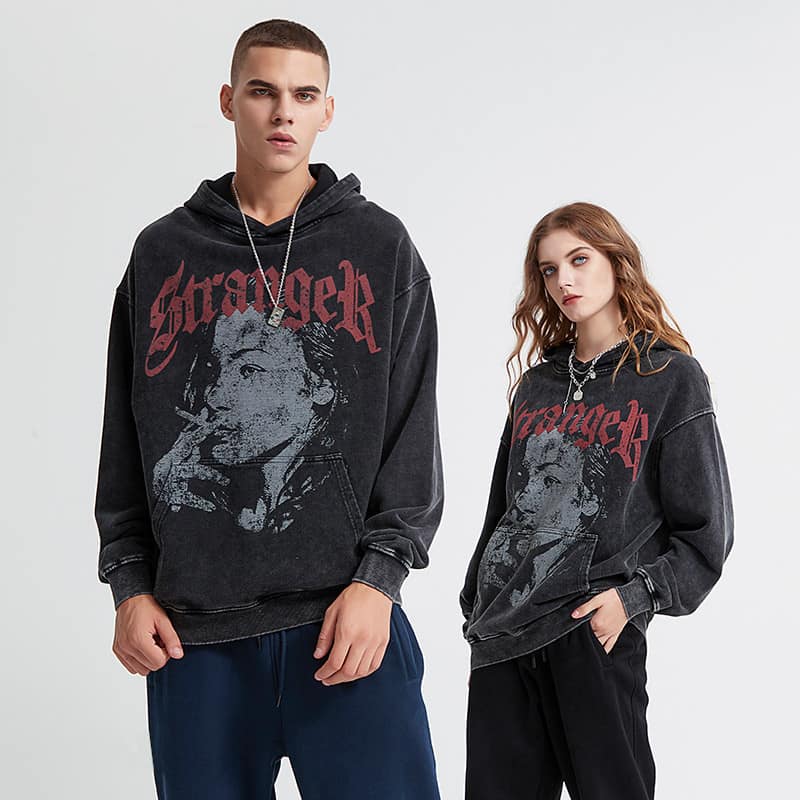
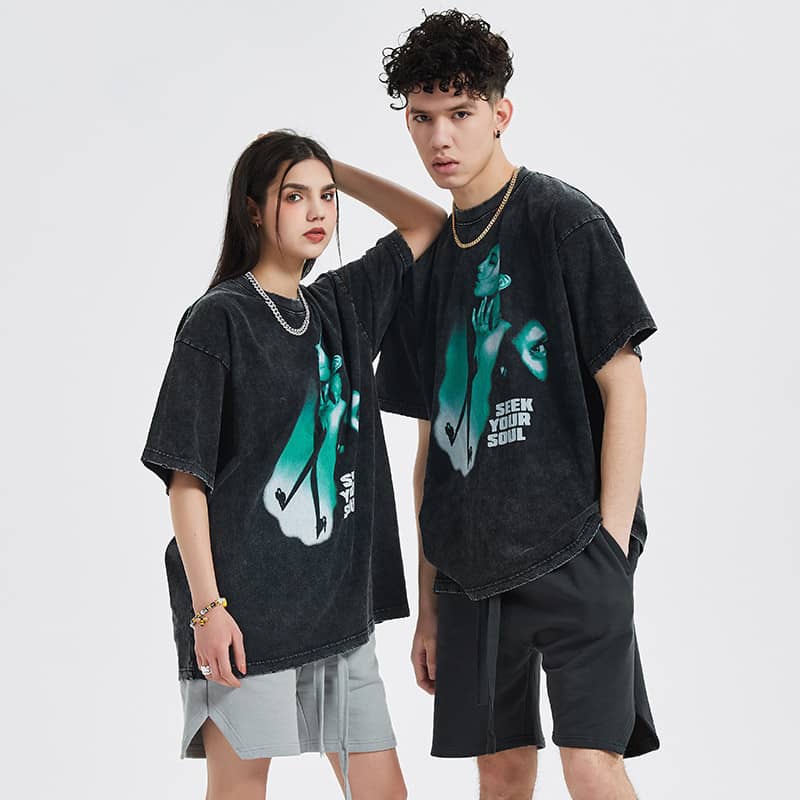
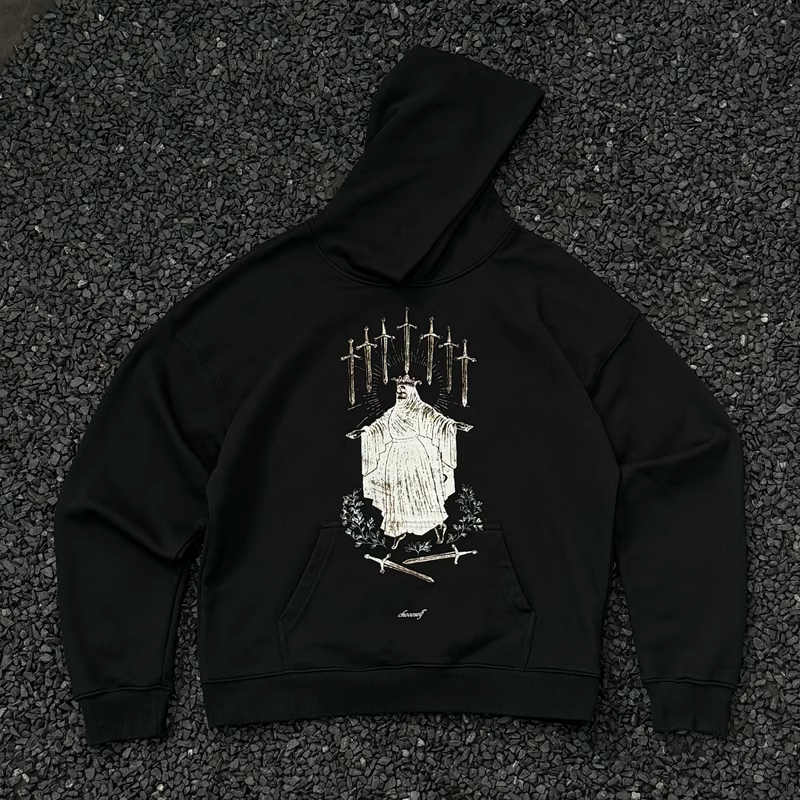
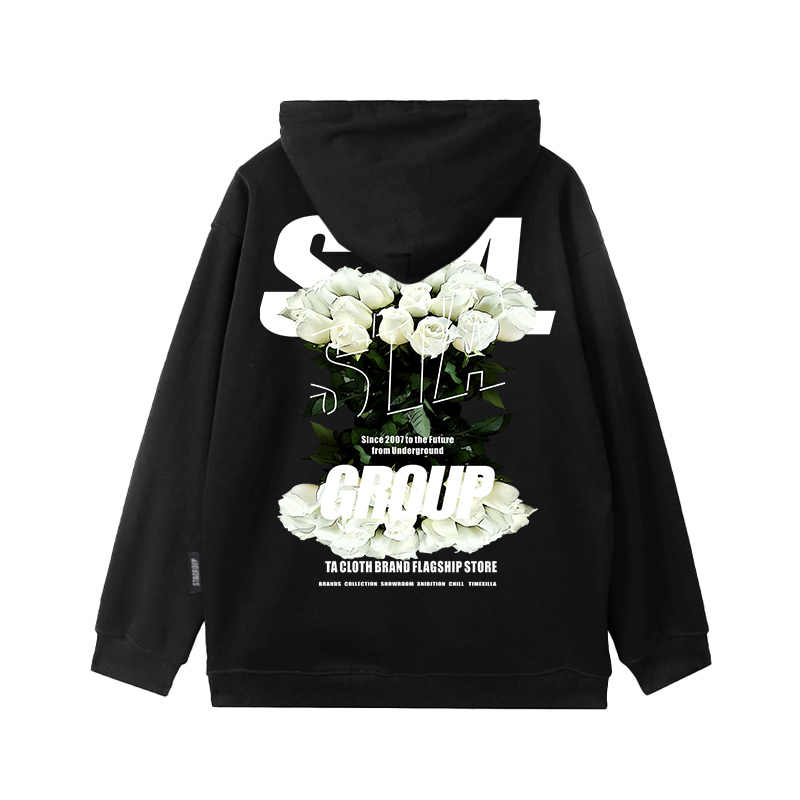
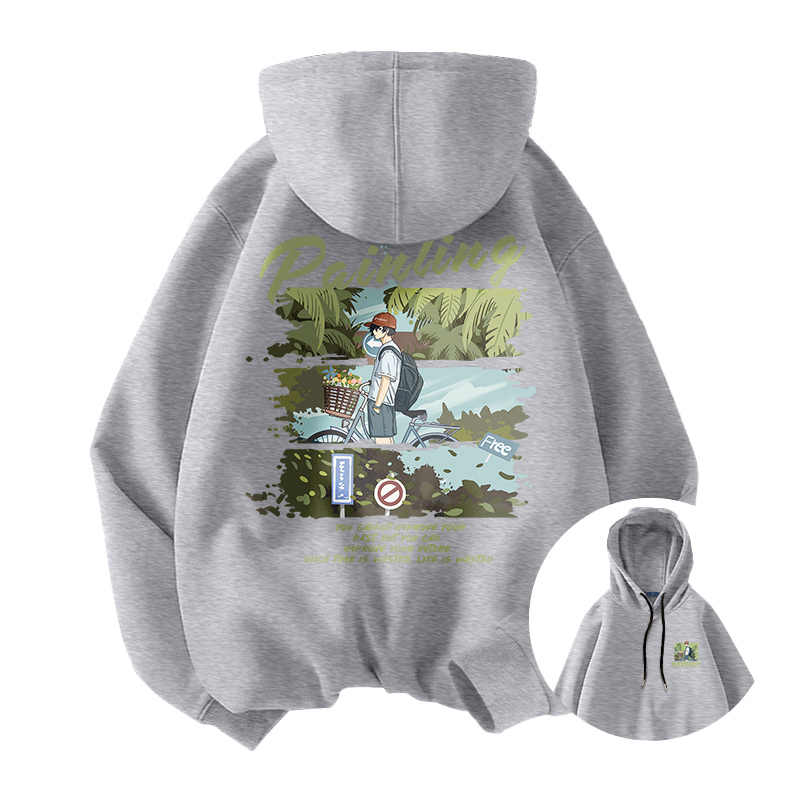
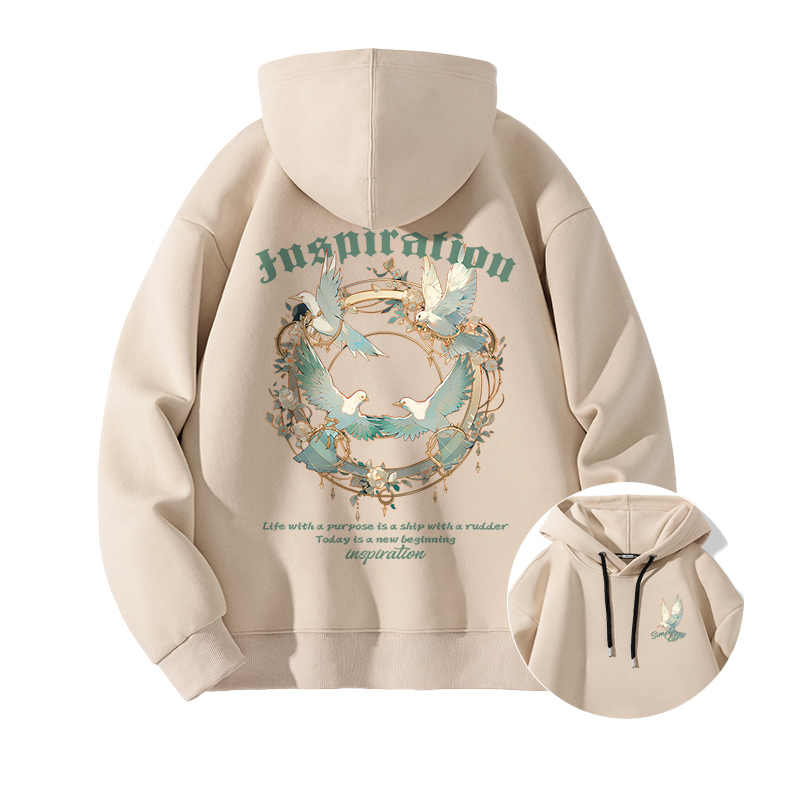
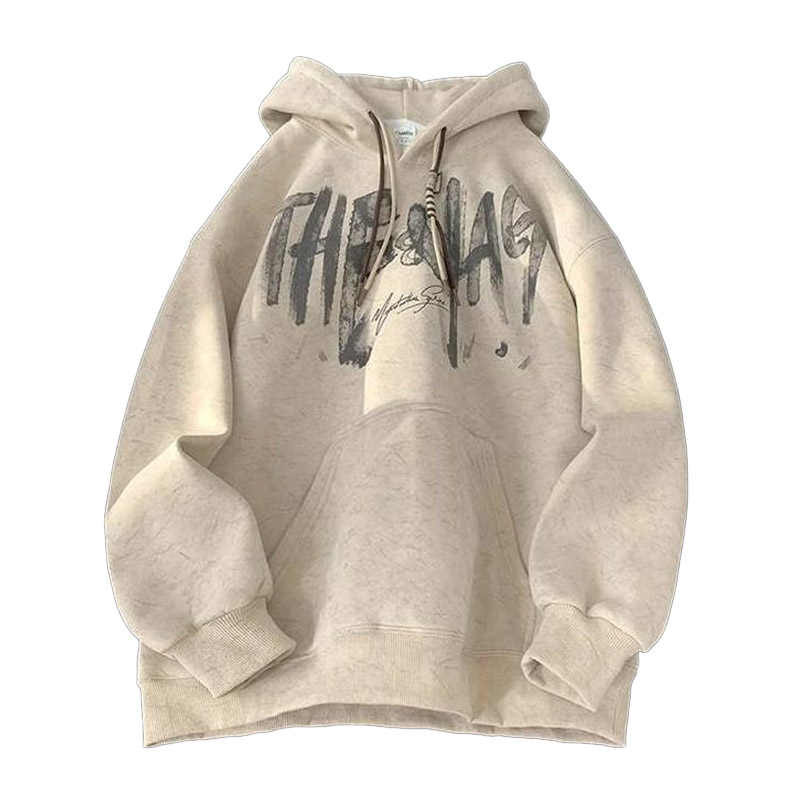
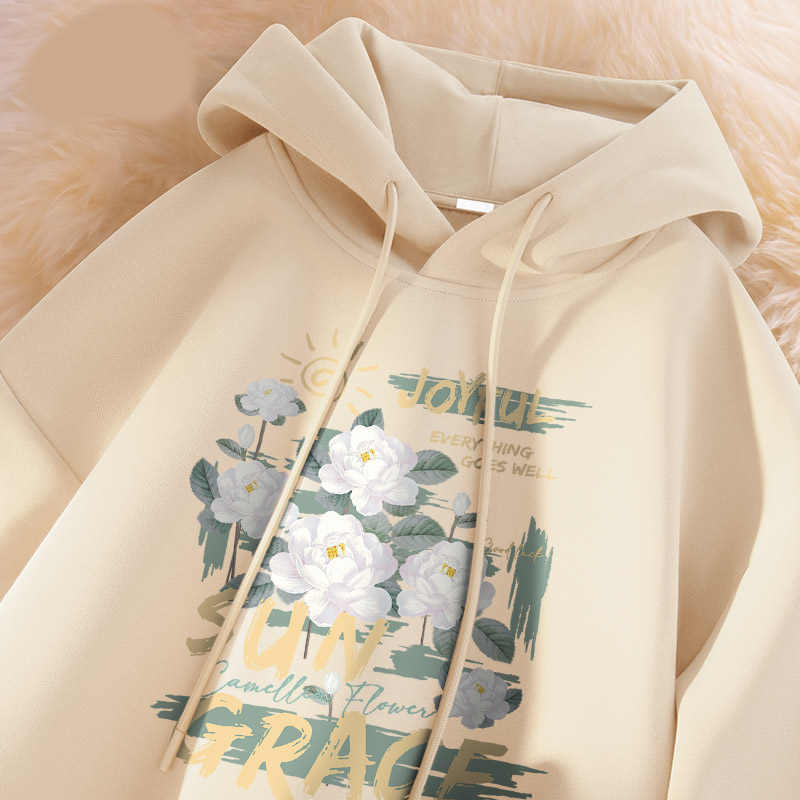
In our work, it is always gratifying to see the old styles getting onto new garments. For example, you can see the old motifs of the dragon, phoenix, and the cloud on modern hoodies, jackets, and T-shirts. It is an interesting amalgamation of ancient art with the convenience of modern clothing.
To bring those unique designs to the world market you need modern technology. The Chinese garment industry has always been about staying true to the old while moving forward. The statement is clearer when you observe the coexistence of traditional patterns on everyday wear.
Today, modern T-shirt manufacturers are capable of giving the designs a classical Chinese touch. The detail looks just like an old famous art. T-shirts however that bear it are recent additions to the clothing line.
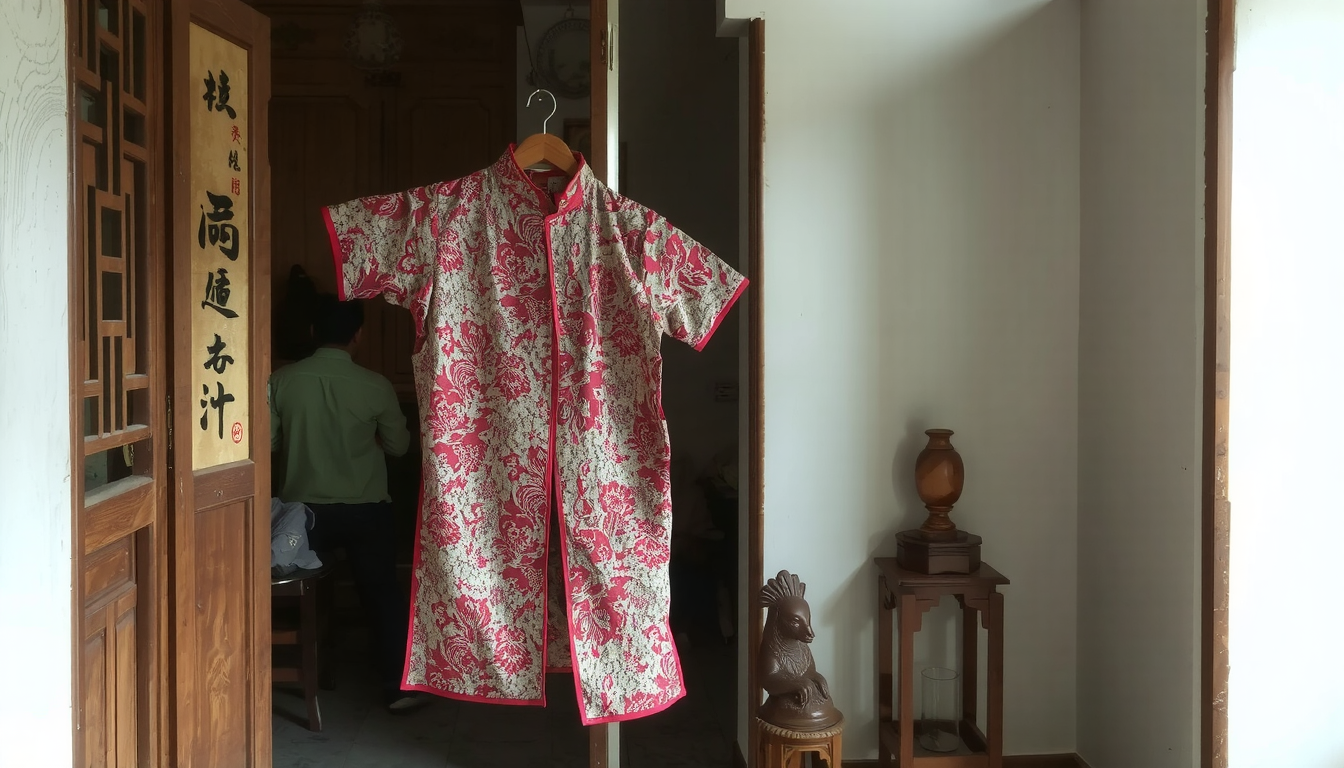
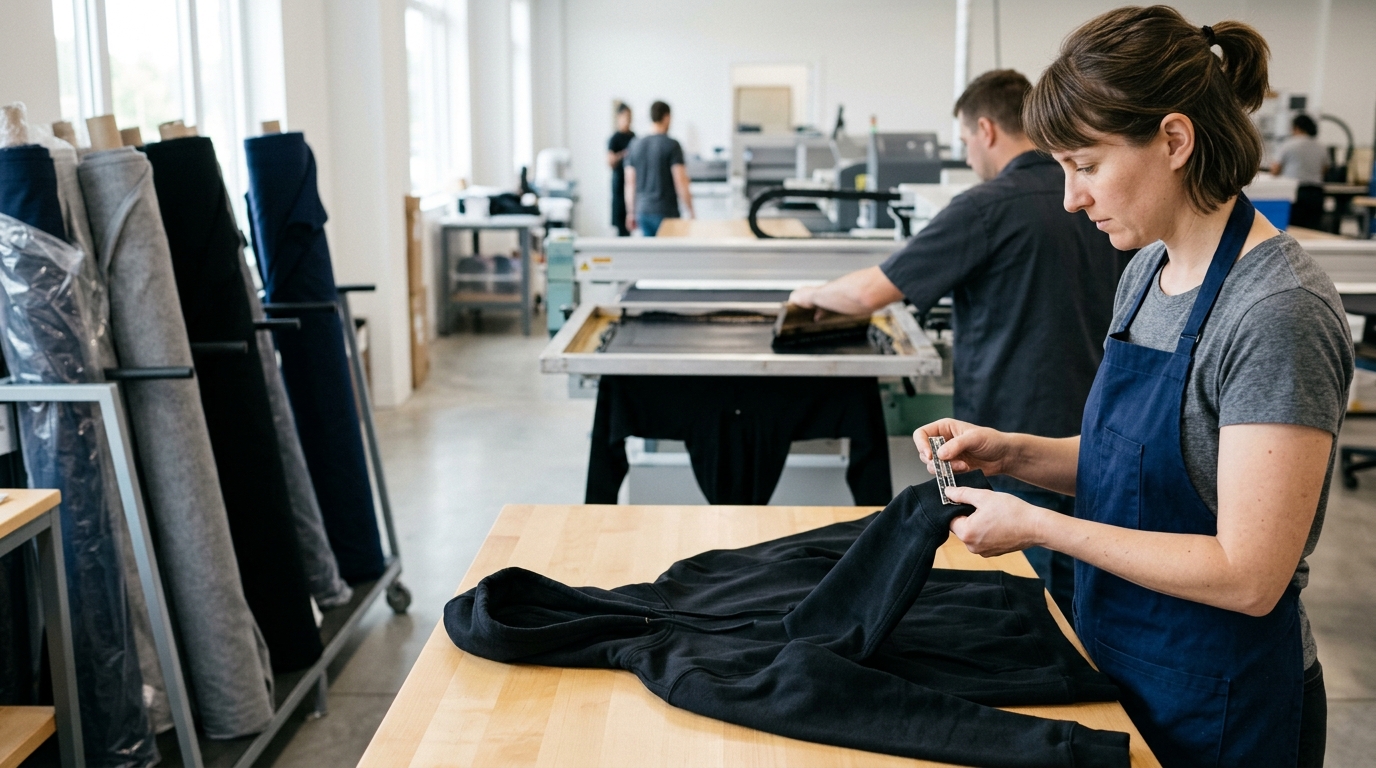
For especially designed items, brands often request custom work. For example, a custom hoodie manufacturer can make hoodies with a traditional old embroidery or with different cuts. These old styles may differ from what the modern line normally uses. Yet, the differences don’t make it hard for the rest of the world to adopt them.
A Useful Guide on Wearing Chinese Garments
If you got inspired to wear a traditional chinese garment, it should be done properly. Also, it is necessary to know the deep meaning behind the clothes. Here are some guidelines to make your journey a worthy one.
Good Tips for Traditional Dress Application and Showing Respect
- Think more of admiration than of dressing up. Wear the dress because you love its history and design.
- Engage with the clothing as it was meant to be worn. Get insights about the type of dress you are wearing. Trace where it originated from.
- Be with craftsman vendors and traders. Support vendors who care for and do the right thing for the culture. It is also good to get quality products.
Common Events of the Year When You May Wear the Traditional Garments
These amazing garments are very often seen on special occasions!
* Festivals: What a better time than the Chinese New Year and the Mid-Autumn Festival. On these festivals, it is nice to wear traditional clothes.
* Ceremonies: More and more couples opt for wearing a traditional outfit at their wedding or at tea ceremony.
* Cultural Events: Hanfu clubs, and cultural fairs are places to visit. They will give you the chance to try them on and meet the others who enjoy the same. Some also wear it for artistic photoshoots.
FAQ: Everything You Need to Know about Chinese Garments
In this section, we will give answers to some frequently asked questions. They will open the door to the impressive world of Chinese clothing.
What is the most famous Chinese garment?
The one that is almost instantly recognized is the Qipao (or Cheongsam). It is because of its beautiful flowing curves and lines. Nonetheless, the Hanfu stands in stark contrast because it is enjoying such a cultural resurgence. It is the symbol of a much longer period in the history of China.
What’s the main difference between qipao and cheongsam?
The qipao and cheongsam refer to the same dress, only in the Chinese mark of the region. Traditional terms are chiefly used by the Cantonese and the Mandarin speakers. The name you hear often depends on the region. It also depends on the speaker’s background. Both refer to the same beautiful dress.
Is it possible for anyone to wear a traditional Chinese garment?
Definitely, everybody has the right to wear a traditional chinese garment. The most important thing is to follow the path of respect. It will be considered with honor to wear it in a way that shows respect to the culture. It is improper though to treat it like a costume, or even more, to use it as a joke based on a stereotype.
What are the normal fixtures of Chinese garments?
Traditionally, silk was the finest material. It was used mainly by aristocrats and wealthier families. Commoners did clothing with cotton, linen, ramie. Ramie is a plant-based fiber. Contemporary items of clothing are created from different materials. Some may even include traditional silk and sport modern fabrics.
How Has a Chinese Garment Affected the Worldwide Fashion?
The chinese garment influenced numerous worldwide fashion designers during many years. The mandarin collar as a design feature was found at the shows of many creatives. Pankou knots alongside brocade are just two instances. Articles whose shapes are similar to a Qipao have also cropped up. They are the most known, but there are various western interpretations.