A very fun way of making your own printed clothes is to let your imagination run wild. This is possible with Creating a clothing brand. You can make sports gear for your team. You can also design a thought-provoking gift. Despite the benefits starting may not be very simple.
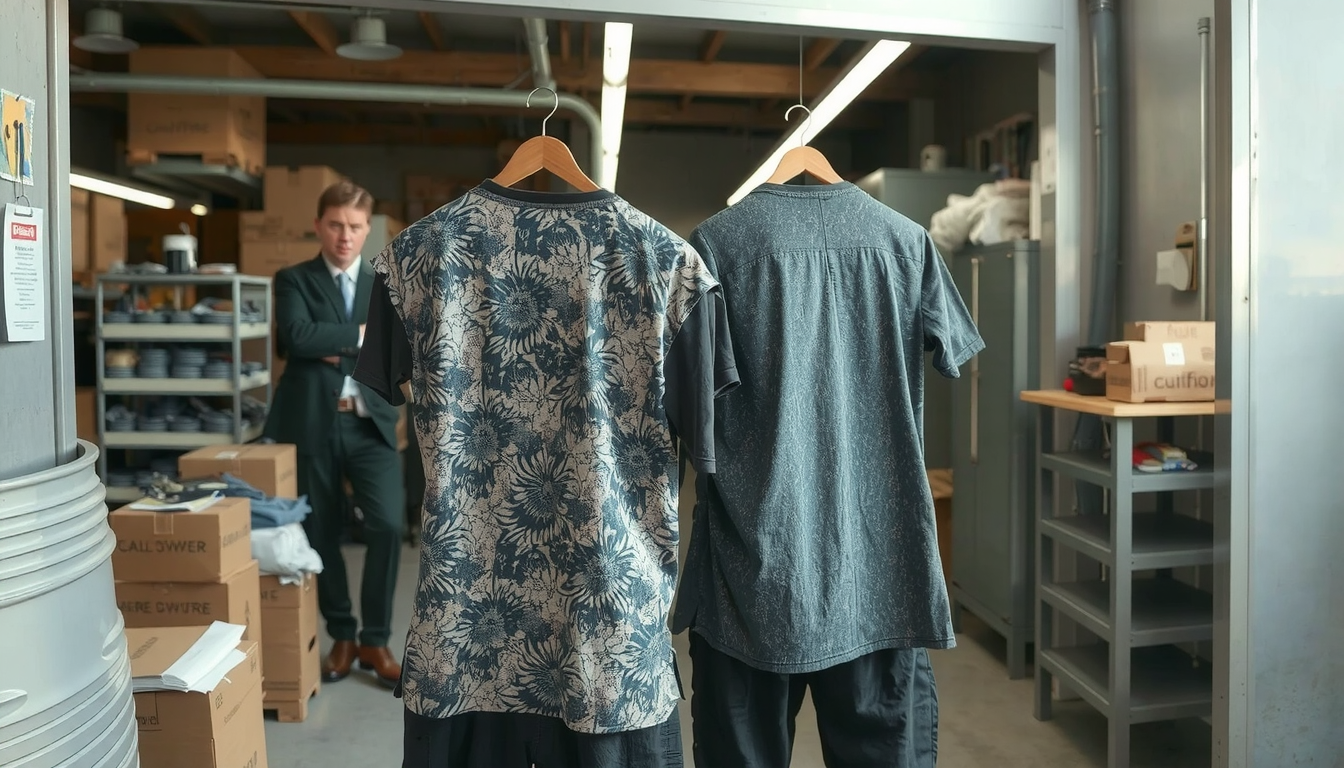
This guide is designed to accompany you through every process. You will choose a suitable printing method. You will prepare your design. You will even choose the perfect shirt and find a great printing partner. All the knowledge you will get at the end of this guide will help you make custom clothes that are out of this world.
The Pillar: Clothes Printing Methods
Choosing the printing technique is the first significant and most vital step. Your choice will determine the final quality of your shirt, its texture as well as the associated costs. Here are the four main alternatives for custom printing clothes.
Screen Printing
Screen printing is a traditional technique. It employs a stencil called a screen that pushes ink onto the fabric. Each color in the design you choose needs a different screen.
This procedure is more suitable for large orders starting from 24 items or more. The prints are colorful, and the imaging is sturdy. It works best on dark shirts. Each screen setup is costly. Therefore, it is not advisable for small orders or projects with multiple colors.
Direct-to-Garment (DTG)
Direct-to-Garment (DTG) printing functions like a printer that uses an inkjet cartridge for clothes. The printer applies water-based ink directly to the fabric. The ink can penetrate the fibers.
DTG is the best way to go if you want to use detailed designs and full colors such as photos. This is a perfect option for small orders. You can even do T-shirt printing with no minimums. Always, 100% cotton fabric is the best. On dark clothes, a white ink underbase will be printed first to make the colors pop.
Direct-to-Film (DTF)
Direct-to-Film is a relatively new technology to print. The film design is first printed on a special film. Then the film is attached to the shirt. The heat and pressure transfer the design.
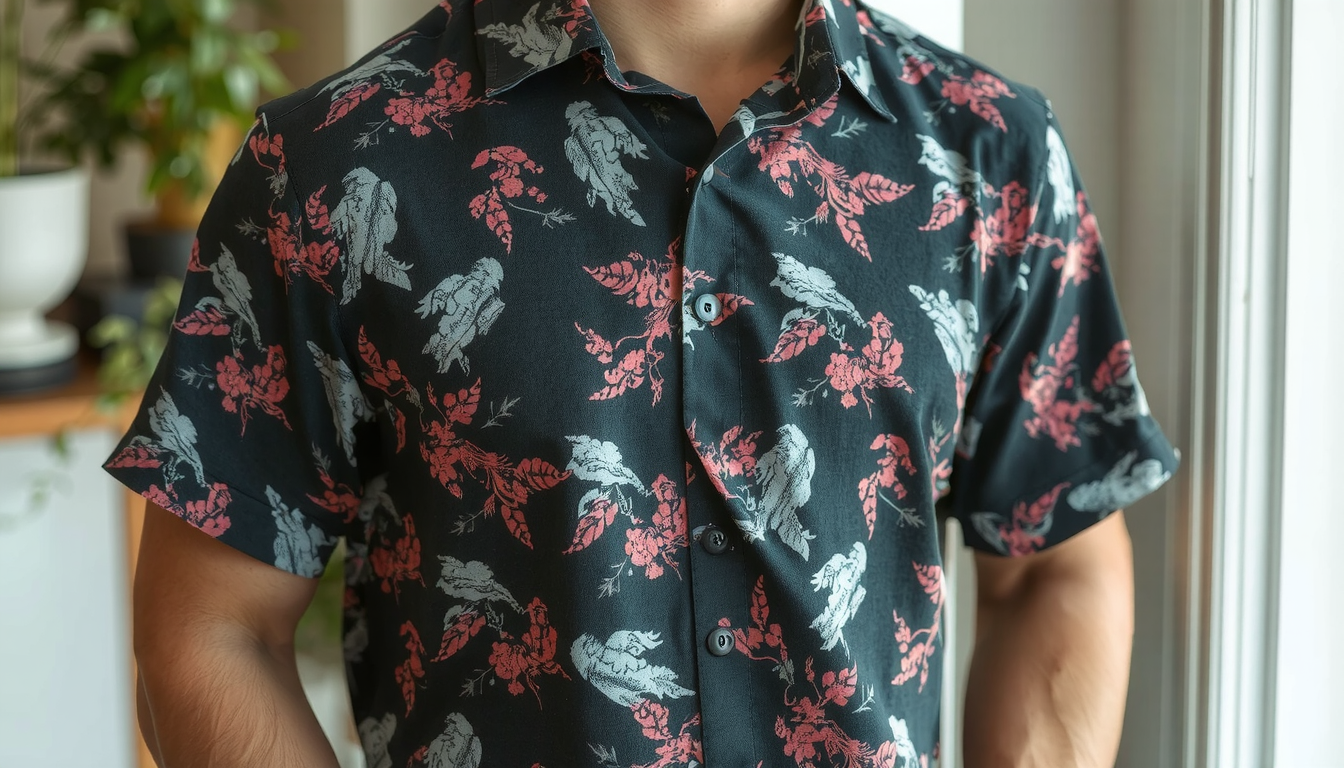
DTF makes colorful, full-color designs. It can be used with nearly all types of fabrics including cotton, polyester, yarn, and leather. The print results are incredible on both small and large orders. The print has a thin and flexible feel on top of the t-shirt.
Embroidery
Embroidery is a different process from printing. Nevertheless, it is widely accepted to be a popular means of personalizing clothes. This technique utilizes a needle and thread to accomplish the task.
This process yields a professional, textured look. The addition of logos on hats, polos, and jackets is a perfect utilization. The long-lasting quality of this technique is another advantage. The price is determined by the number of stitches in the design regardless of colors used. The design cannot be a photo.
| Feature | Screen Printing | Direct-to-Garment (DTG) | Direct-to-Film (DTF) | Embroidery |
|---|---|---|---|---|
| Best for Quantity | Large (24+) | Small (1+) | Any | Any |
| Design Complexity | Simple | High (Photos) | High (Photos) | Simple (Logos) |
| Feel on Shirt | Ink Layer | Soft, Inked-in | Flexible Layer | Textured, Raised |
| Fabric Versatility | Good | Best on Cotton | Excellent | Excellent |
| Cost-Effectiveness | Best for Bulk | Best for Singles | Versatile | Based on Size |
Choosing Your Way: Project Planning Guide
Having known the methods, it is time to find the best one for your project. Answer the following questions. The answers will guide you to the apt choice of custom printing clothes.
What is your order size?
- A single one or a few? If your order only requires one shirt or a few pieces, then DTG or DTF should be your choice. Due to the minimal to zero setup cost, they are cheaper for small amounts accordingly.
- Bulk order for team or an event (24+)? In this case, the winner is screen printing. This is the most affordable technique for deep savings since the cost per shirt is exceptionally lower when buying more.
Next, how complex is your design?
- Only a simple logo or slogan made up of solid colors? DTF printing offers you the possibility to make a bright, beautiful, and long-lasting print.
- A full-color photo or a design with many shades and details? DTG is the best for complex artwork using cotton. It can print millions of colors like a paper printer.
- A bright, colorful graphic for several fabric types? Scraps of fabric also benefit from DTF. It is suitable for various fabrics that range from cotton to polyester.
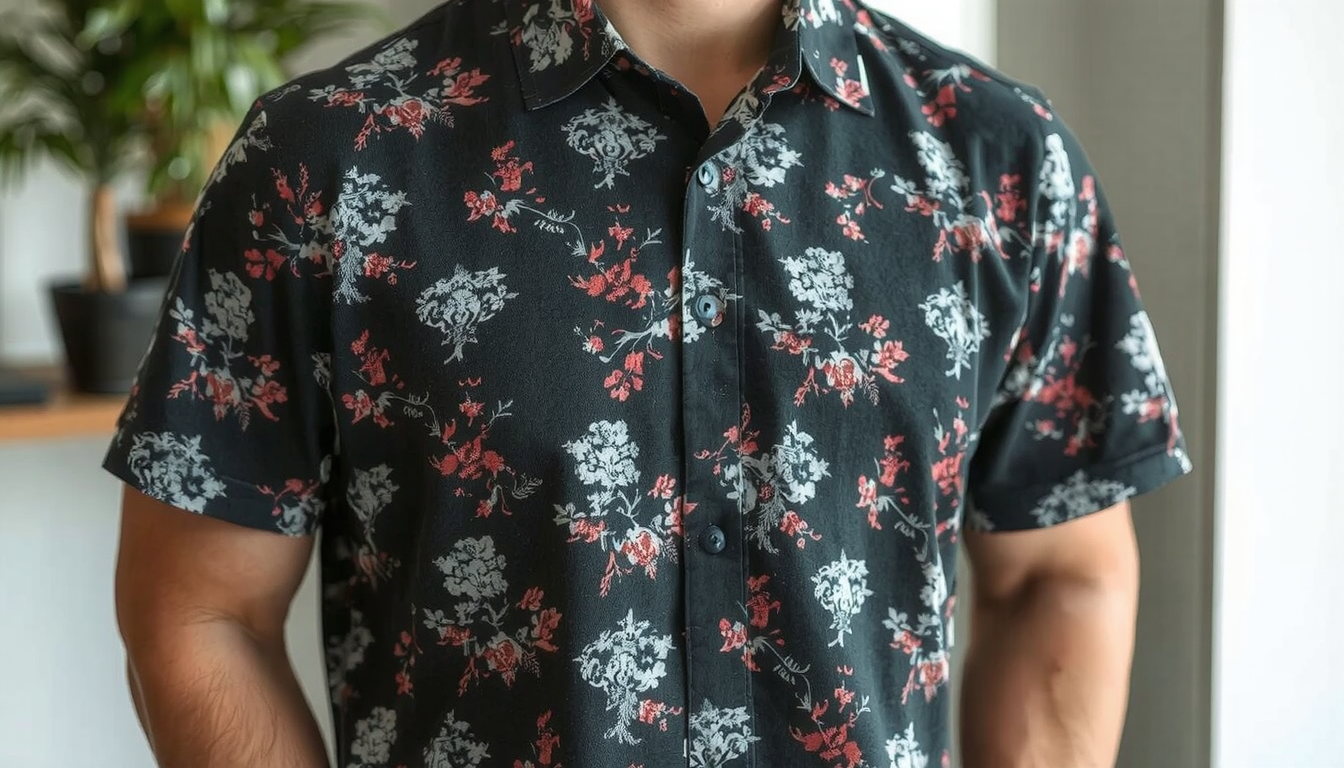
Which is more important: budget or feel?
- For vast runs, budget is the main priority: When you order in bulk, screen printing is the most economical in per item cost.
- A premium, textured finish is a must: For professional items like staff polos or hats, embroidery gives the best high-end look and feel.
- A soft possible print is the ultimate goal: DTG is the top choice for a softer feel. The ink bonds with the cotton material while you can barely feel it. A DTF print for the sake of comparison feels more like a graphic sitting on the shirt.
Which type of clothing are you printing on?
- 100% Cotton T-shirts: The best choices for cotton would be DTG and Screen printing.
- Polyester performance wear or blended hoodies: DTF and embroidery are better and stronger choices for these synthetic fabrics. For a detailed look at creating clothes, our guide on how we make a custom hoodie offers expert advice.
From Pixel to Print: Perfect Design Files
A good design file is the key to a great print. Addressing the technical details accurately will save you from costly mistakes. This will also ensure that your custom printed clothes look professional.
Step 1: Vector vs. Raster – Know the Difference
- Vector files (.AI, .EPS, .SVG) are composed of lines and curves that are mathematical. They can be resized to an unlimited size without any degradation of quality. This factor becomes important for screen printing and embroidery.
- Raster files (.PNG, .JPG, .PSD) are made of tiny pixels that are unequal in proportion. The larger they are made the more blurry they will look. They are perfect for DTG or DTF but only if they are of high quality.
Step 2: Check Your Resolution (DPI)
For your design file to be accepted for printing, it should be at least 300 DPI (dots per inch) which is the size of the final print. Generally, an image sourced from the web is only 72 DPI which means that it will appear pixelated on a t-shirt.
Step 3: Use a Transparent Background
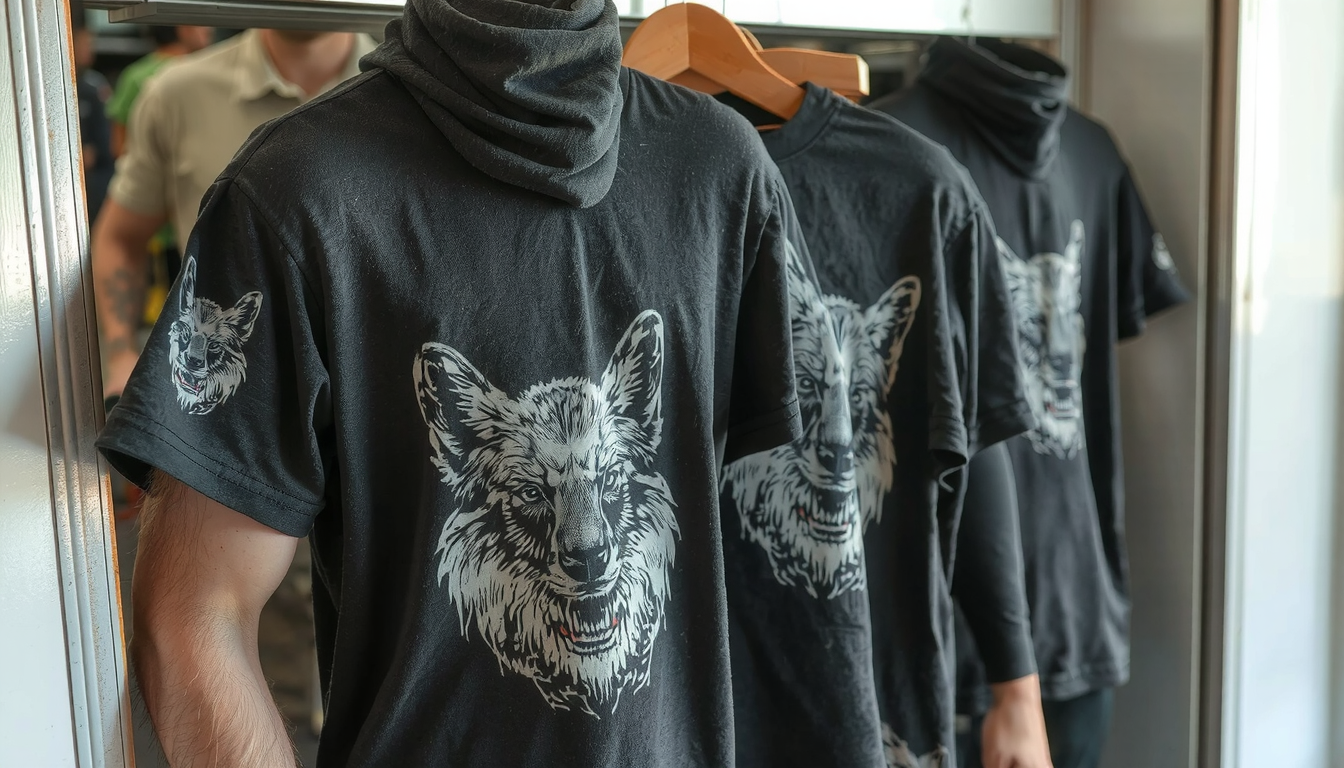
Save your file as a PNG with a transparent background unless you want a white or colored box to be printed around your design. This is crucial for DTG and DTF printing. The printer will print what it sees.
Step 4: Outline Your Fonts
If you are using a vector file with text, you must convert the text to outlines or curves. The resulting text becomes shapes. This way, if the printer doesn’t have the font on their computer, it won’t change your font. This is one of the key things for getting it right in the introduction to clothing craft.
Finding Your Printing Partner
After your design is ready, you will need someone to print it. You can find printing partners in three main categories for custom printing clothes. Each category caters to a specific need.
Print-on-Demand (POD) Services
POD services are those that connect your online store with the product. As an example, when a consumer buys a shirt from your site, the service handles the printing and shipping for you.
* Pros: Inventory holding is not a problem for you, thus, there are no initial costs. Automating your business is the main advantage of this system.
* Cons: You can expect that your profit margins will be diminished. With print quality issues, you have less control over it, and shipping times vary. There are generally limited customization options. You can make your own shirt with print-on-demand to see how it works.
Local Print Shops
Print shops are an actual shop that is found in your locality. By visiting them, you have the privilege of interacting with them and seeing how they do their work.
* Pros: They have the best customer service, and you get to see and feel the products. Most importantly, you support a local business.
* Cons: Their prices may be higher than what you can find online. They might not have the newest equipment or a big variety of clothes.
Bulk Apparel Manufacturers
They are mass production factories that work mostly on orders of high volume. These are the best ones for serious clothing labels that require impeccable quality and full control.
* Pros: You get the cheapest per item price to hand. Quality remains your top priority, and you’re in control of it. You can add a unique touch by using custom tags, labels, and packaging.
* Cons: They demand a big minimum order quantity (MOQ). You will have to spend cash on storing and buying inventory.
A dedicated manufacturer is the professional course for the brands which want to expand. At TZ Streetwear, we provide bulk production high-quality services to brands that are manufacturing. Services offering T-Shirt & Apparel Printing can also be a good middle ground. They serve both orders for groups and upcoming businesses.
Frequently Asked Questions
Here are quick answers to some common questions about custom printing clothes.
How much does custom printing clothes cost?
The actual cost will be dependent on four key elements, namely, what type of printing method is applicable, the number of colors in design (in the case of screen printing), the number of items ordered, and the quality of the blank shirt selected.
What is the minimum order for custom clothes?
This shifts according to the method chosen. DTG and Print-on-Demand have no minimum. You can order just one. Screen printing commonly requests a minimum of 12 to 24 pieces due to the setup costs.
How do I get the best print quality on dark-colored clothes?
When using screen printing for dark clothes, you will achieve the brightest and most solid colors. In cases of DTG, ensure that the printer employs a white “underbase” in the process. This is a layer of white ink printed first. It helps the colors on top to be bright. DTF also works effectively on dark fabrics.
How long does the custom printing process take?
The turnaround time can be as brief as 2-3 days for a digital print shop that is local. For huge overseas’ orders, it may take 2-4 weeks. Always check with your provider for timelines which include both production and shipping.
Can I print a photo on a shirt?
Yes! The best method to use when printing a photo or any other very detailed, full-color image is with Direct-to-Garment (DTG) printing. This technique is similar to a high-quality printer made for fabric, and the result is full-color images with fantastic detail.