Creating unique, custom wear is your dream. We’ll assist you throughout the process. If you are informed of the correct steps, the process is simple. It is ideal for a start-up, a sports team, or a one-time event.
The skill of printing customized clothes alone is a gateway to many creative avenues. The global custom t-shirt printing market was valued at more than $4.3 billion last year. Therefore, you can see how successful and easy this now has become.
This guide will be your companion every step of the way. We will present to you the most common printing techniques. We will assist you in going for the best clothing. You will make a good design. You will also learn how to find the best printing company for your work.
Clearing the Air: Key Printing Methods
To turn your design into clothes, you need to pick a printing method first. The method you choose will affect how your clothes look, feel, and cost. For easier selection, we will present you with the four most common alternatives.
Screen Printing
Screen printing uses the stencil method with the same colors plus a mesh screen as a conduit to a fabric. Different color applications in your design each require an individual screen.
This technique is perfect for big orders with few decorations. For example, team uniforms and event shirts. The colors are always brighter than the rest and the print is very durable. It is a little bit thick on the shirt.
Direct-to-Garment (DTG)
Direct-to-Garment, or DTG, is similar to a paper printer but it is a little different. The only main difference is printing to the material directly with ink.
For the orders of one or two items, DTG is the best choice. DTG gives an opportunity for displaying pictures and complex, and colorful designs. The reason is that the ink is incorporated into the fabric. Hence, the final print will be soft.
Direct-to-Film (DTF)
Direct-to-Film, or DTF, is where the design is printed on a unique film first. Then, it is heat-pressed to the article.
DTF can be used on many types of fabrics. It can print on nylon and polyester fabrics which are not supported by DTG. The prints produced are sharp and bright. They work excellent for small text too. The design surface is soft and stretchy.
Embroidery
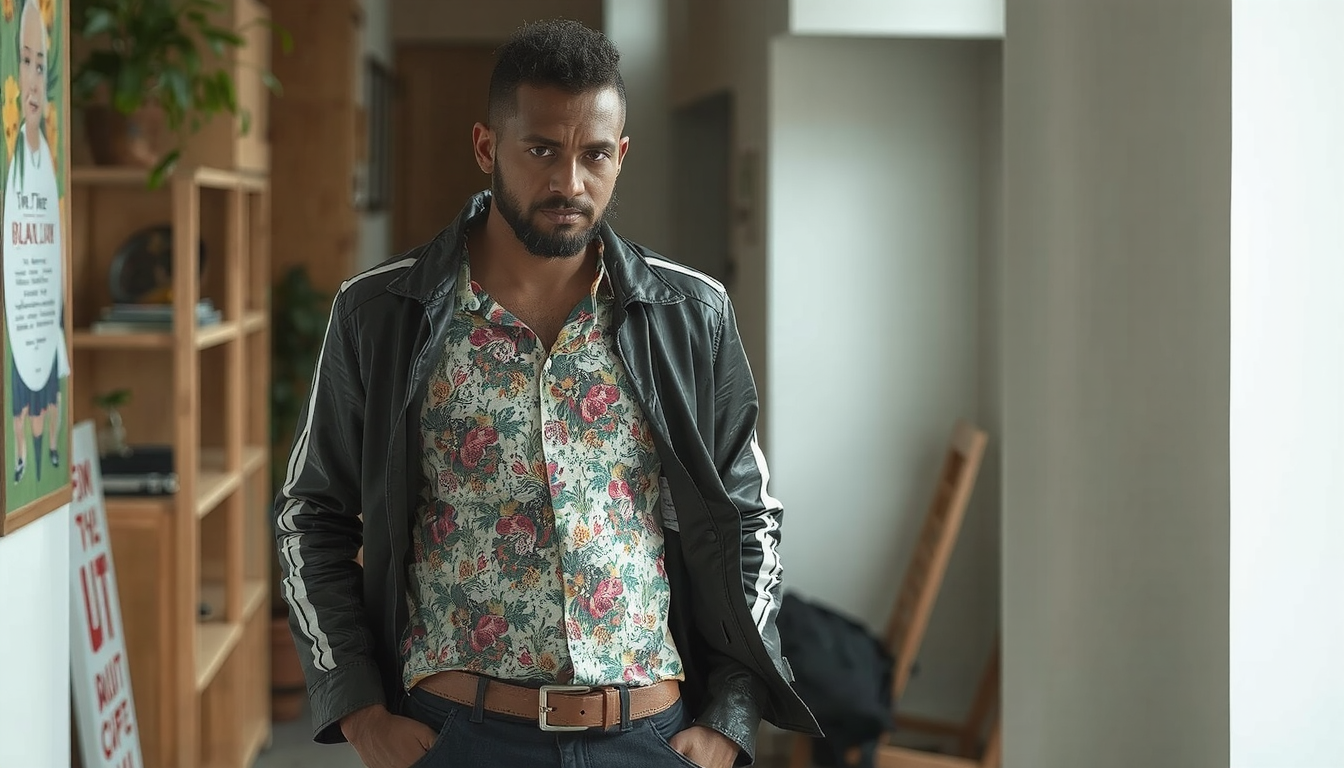
Embroidery is different from printing. It utilizes a special machine to sew your design directly on the actual fabric using a colored thread. This adds a comfortable, professional look to your clothing.
This is the best option for logos on polo shirts, jackets, and hats, etc. The embroidered logo lasts a lifetime. It has a rich, textured feel.
| Printing Method | Best For (Use Case) | Feel & Durability | Cost-Effectiveness | Design Complexity |
|---|---|---|---|---|
| Screen Printing | Large batches (24+), simple designs | Thick, very durable | Very cost-effective for bulk | Best for few colors |
| DTG | Small orders, photos, multi-color | Soft, part of the fabric | Good for single items | Excellent for complex designs |
| DTF | All fabric types, vibrant logos | Smooth, flexible, durable | Good for small to mid-size orders | Excellent for sharp, colorful graphics |
| Embroidery | Professional logos, hats, polos | Textured, premium, very durable | Higher cost, best for small logos | Best for simple logos and text |
Path Selection: POD or Bulk Orders
After you choose a print method, the next step is to decide how to produce the goods. This is very significant. You may either choose Print-on-Demand (POD) or bulk order. Your choice of one of these will depend on your goals and budget.
Print-on-Demand (POD): When Should You Pick It
In this scenario, we may refer to the situation of setting up a new clothing brand. You have great ideas for different designs but do not have the money to begin. Besides, you do not wish to deal with the shipping or hold any stock. Seeing all this, it is the time for you to launch POD.
- Pros: You can order only one product, so you take no risks. You can have hundreds of products available without having to pre-purchase them.
- Cons: The cost of each product is more expensive. This means a decrease in profit. You also have less control over the quality and the delivery times.
Some of the main POD platforms such as Printful can connect to your online store with just a few clicks and automatically process orders.
When to Select Bulk Printing
Let’s take an example of you needing 100 shirts for that company event. Or, you have an already selling t-shirt design that is flying off the shelves, and you want to buy a lot to reap better profits. It’s the case where bulk printing is the right option.
- Pros: The per-item price is usually significantly reduced when buying in larger quantities. This leads to larger profit margins. You will be completely in charge of your quality and stock.
- Cons: Everything is paid on an upfront basis, such as buying materials and printing costs. The danger is that you can be left with unsold shirts. You simply need a space to store them.
The Hybrid Approach: A Strategy for Growth
Most successful brands combine both methods. They begin with POD to run tests with new designs at no risk. Once a design becomes popular, they switch to bulk printing for that specific item.
This approach is wise and secure for growth. Knowing the posterior and succeeding the previous model is essential for businesses that are really serious about establishing a long-lasting brand. You can consider exploring our brand-building guide, how to start a brand, to learn more about making your brand identity.
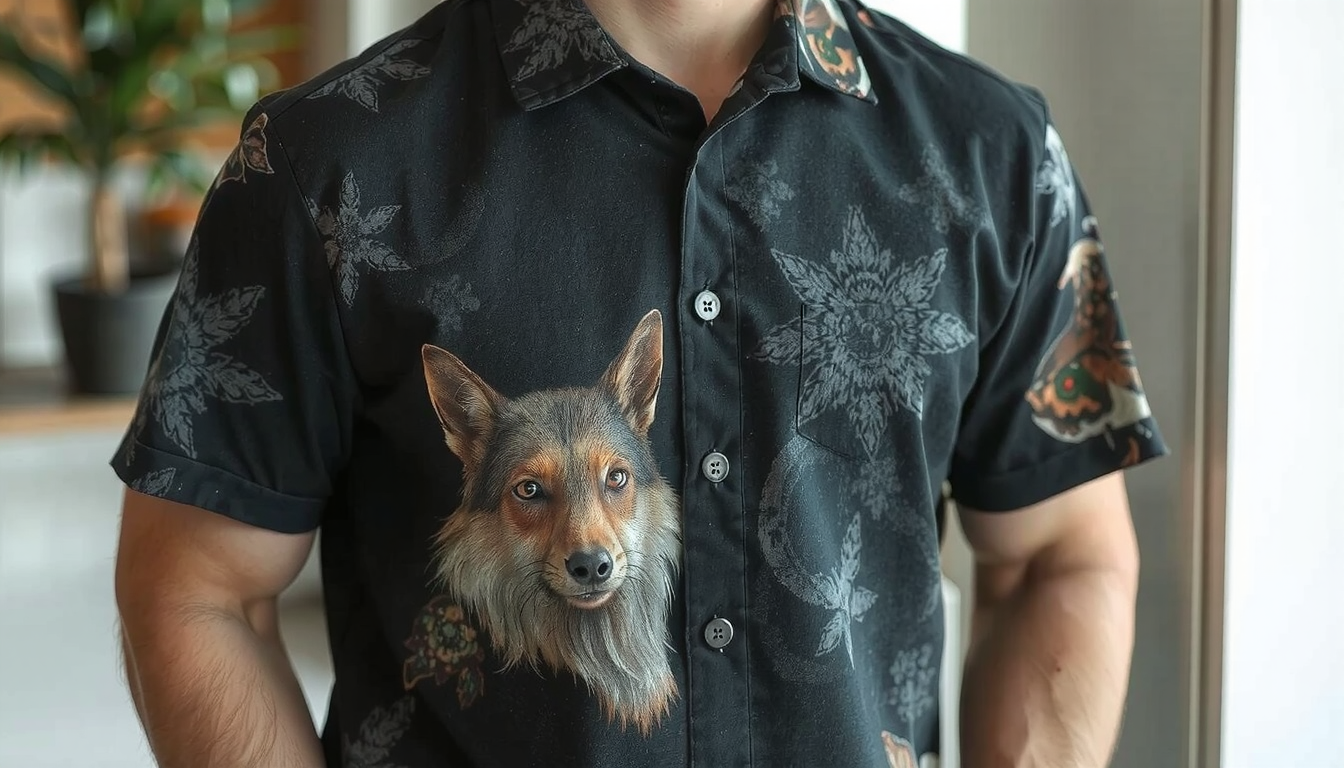
Selecting the Perfect Canvas: Apparel & Fabrics
Your choice of clothes is equally crucial as the printing method. The type of fabric has a direct influence on how much your design stands out. The key to good custom clothes is choosing the correct item and the right type of blank goods.
The Role of Fabric in Printing
- 100% Cotton: This is the best choice for DTG printing. It creates bright prints and feels very soft. It’s a classic for a reason.
- Polyester & Performance Wear: This material is used for athletic clothing because it wicks away moisture. It does not work well for DTG. It is ideal for DTF printing.
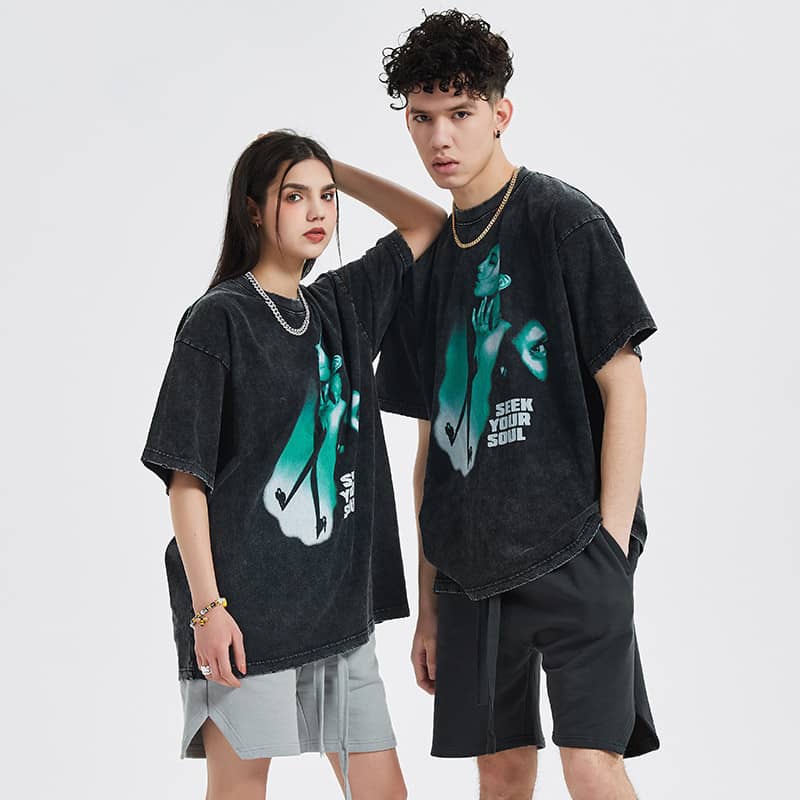
- Cotton/Poly Blends: These fabrics mix cotton and polyester. They are soft and durable. Prints on these blends can have a slightly faded or “vintage” look. This is a popular style.
Beyond the T-Shirt: Other Garments
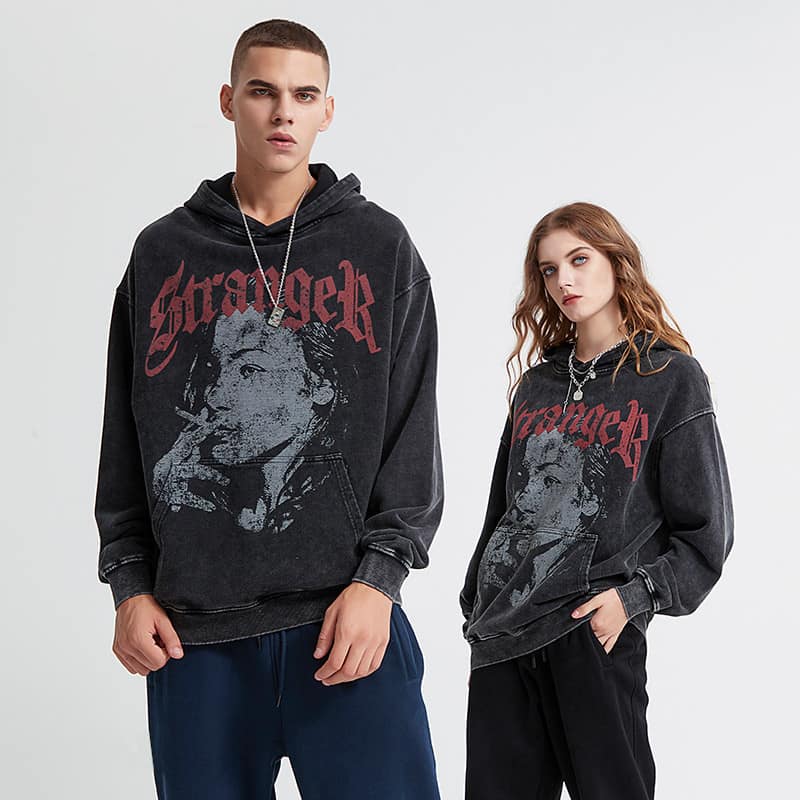
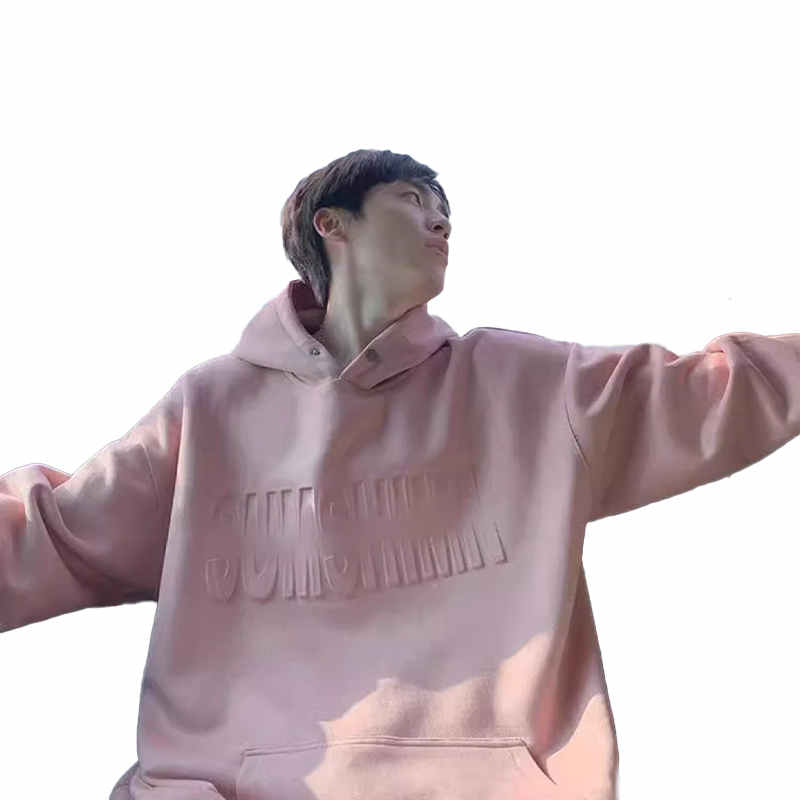
When you print custom clothing, it is not only t-shirts that you can have. Hoodies and hats are other excellent possibilities.
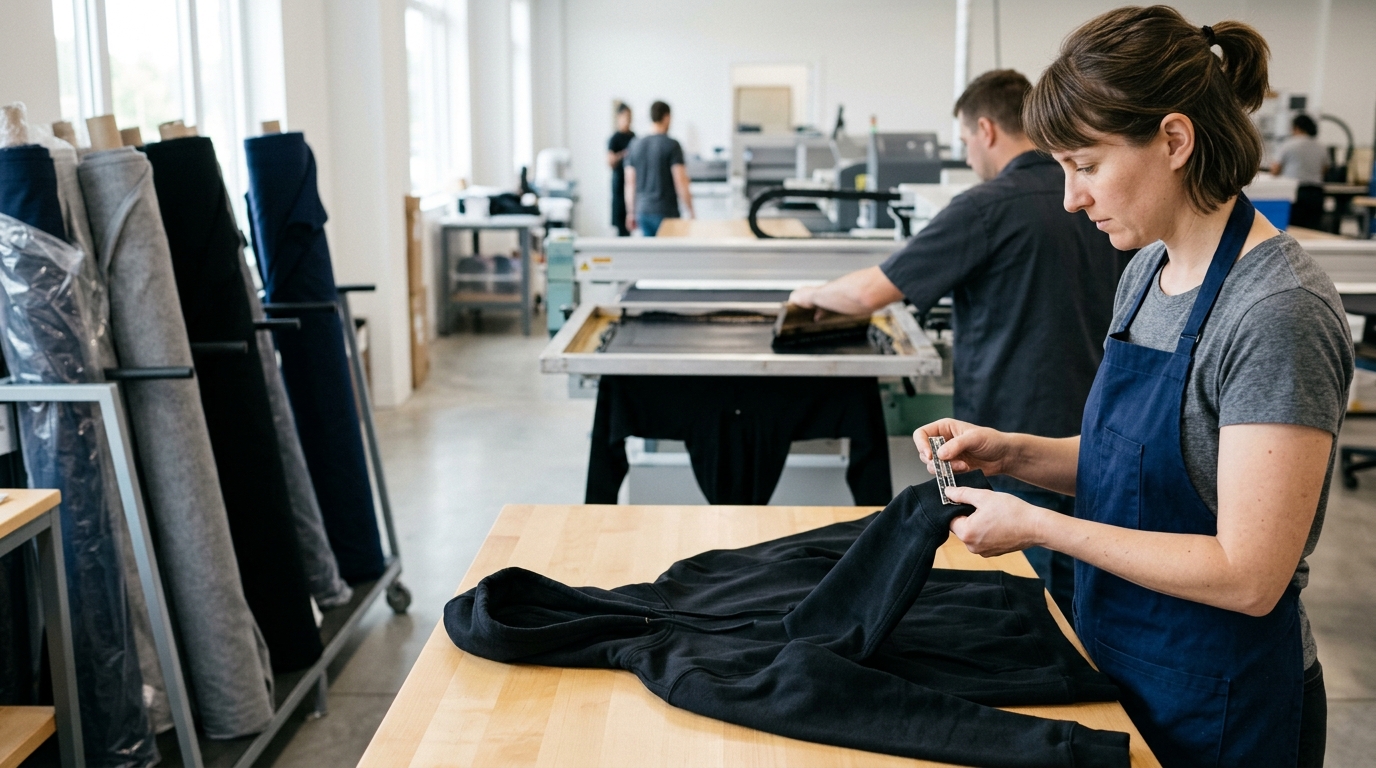
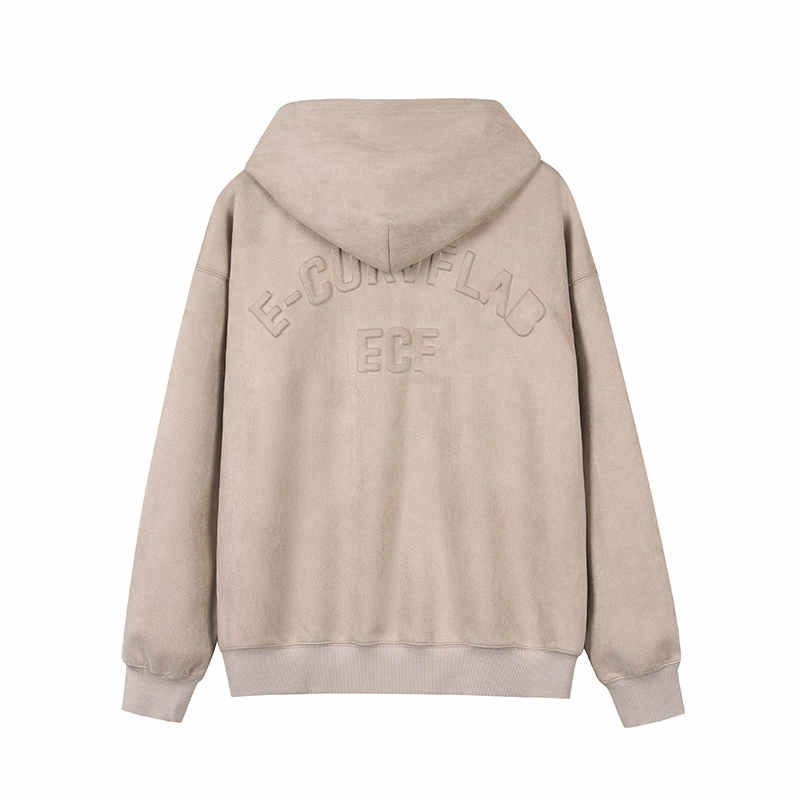
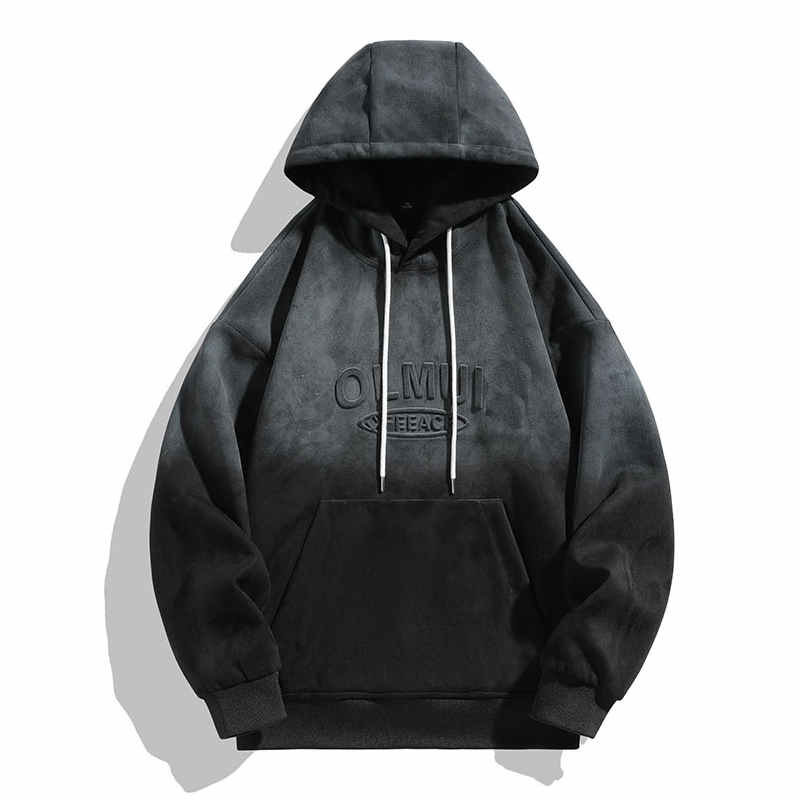
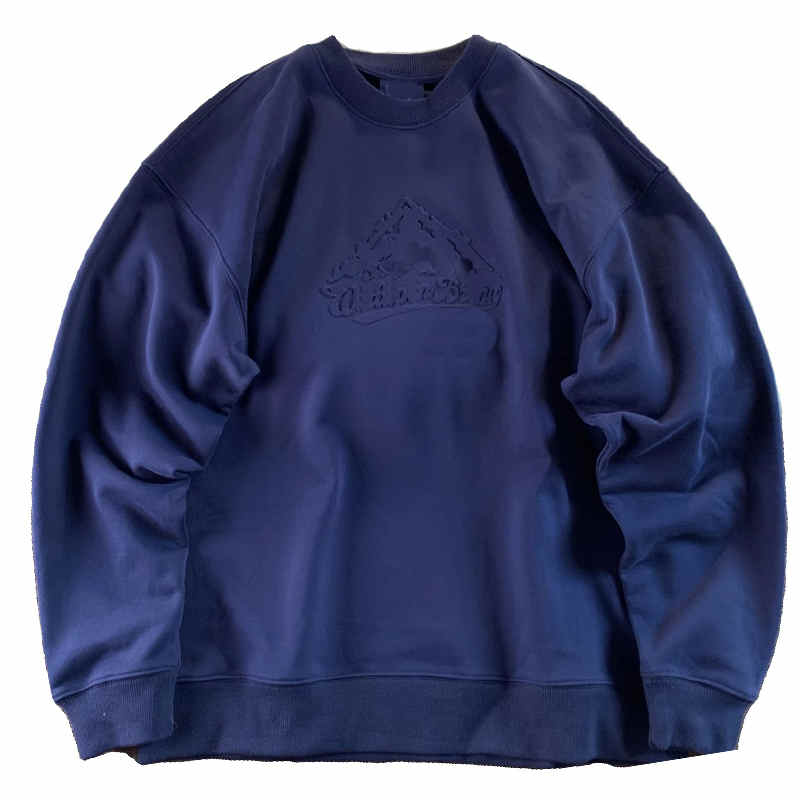
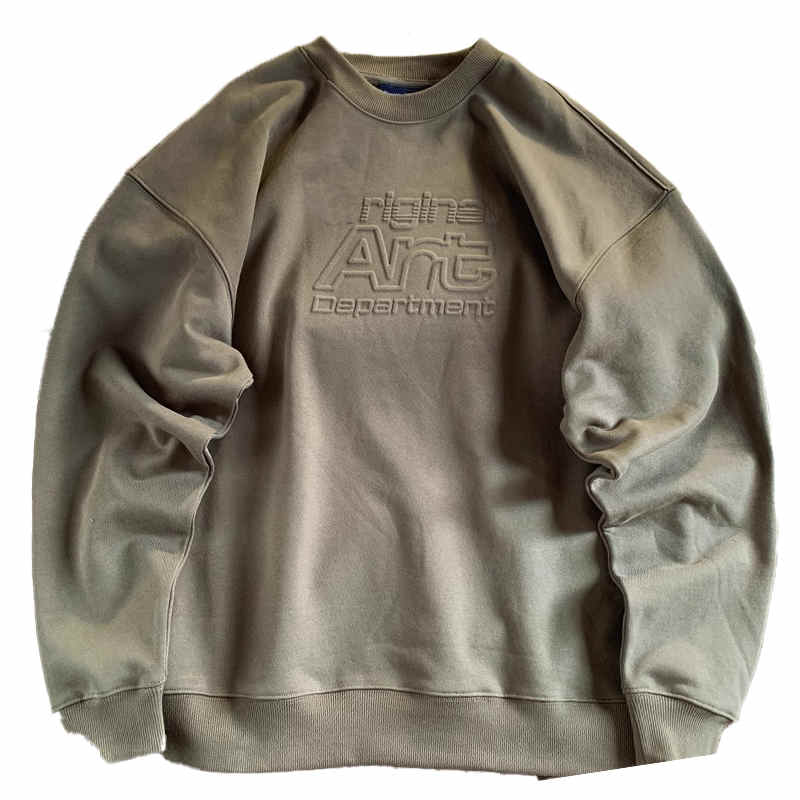
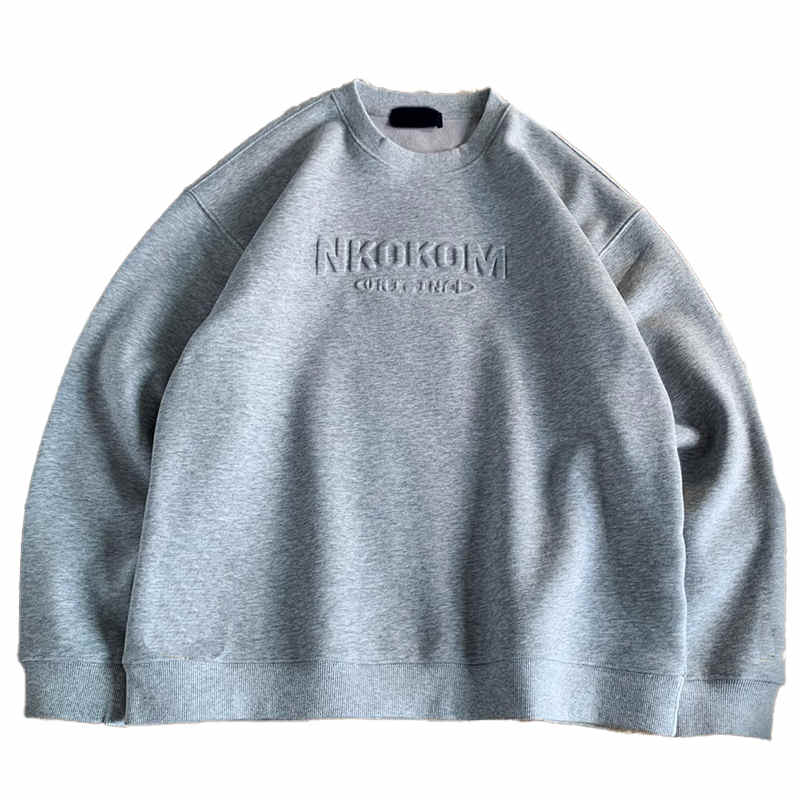
Hoodies and sweatshirts come in various weights, as measured in GSM (grams per square meter). High GSM is indicative of a thicker, warmer item of clothing. Accuracy in detail is paramount in thicker clothing. We are a specialized custom hoodie manufacturer and understand that a smooth surface is key to a great print.
Hats and beanies are suited for embroidery too. The sturdy structure and textured fabric of a hat complement the sewn design perfectly.
Design Pro: A Non-Designer’s Guide
A good design idea can be wasted by a bad design file. This is the most common cause of blurry prints and wasted money. During our journey of printing a large number of custom clothes, we noticed some most common problems that are very easy to prevent. Here are a few tips to check before your submit your design.
Tip 1: Resolution is Key (300 DPI Rule)
The resolution will determine how clear your printed image will be. It is measured in DPI, or Dots Per Inch.
Images from the web are usually low resolution (72 DPI). They look fine on a screen but will be blurry when printed on a shirt. For a crisp, clear print, your design file must be at least 300 DPI.
Tip 2: Understand Your File Types
There are two main types of image files: vector and raster.
- Vector (AI, EPS, SVG): These are made of lines and curves. They can be scaled to any size without losing quality. Vectors are best for logos, text, and simple graphics.
- Raster (PNG, PSD, JPG): These are made of pixels. They are used for photos and complex images. For printing, a PNG file with a clear background is often best. This ensures only your design is printed, not a white box around it.
Tip 3: Color Mode Matters (CMYK vs. RGB)
Your computer screen and a printer create colors in different ways.
Screens use RGB (Red, Green, Blue) light. Printers use CMYK (Cyan, Magenta, Yellow, Black) ink. Because of this, the colors on your final shirt might look slightly different from the colors on your screen. Sending your file in CMYK mode helps the printer match your colors more closely.
Tip 4: Check Your Print Area
Every piece of clothing has a specific “safe print area.” This is the space where your design can be printed without going over seams, collars, or zippers.
Always use the templates provided by your printer. This helps you place your design correctly. Many online design tools from services like Printify show a safe print area to guide you.
Final Touch: Collaborate with Quality Services
Choosing the right partner is the final tip in the journey of printing custom clothes. A good printer guarantees to bring your vision to life. Use this checklist to choose a service you can rely on.
Your 5-Step Checklist for Choosing a Printer
- Check for Reviews and Past Work: Seek out customer revealed pictures and statements. Available and happy printers are always welcoming to promote their work. Additionally, for exhibiting their digital catalogs, companies like Underground Printing often showcase their work with different clients. This can showcase their experience.
- Understand Turnaround Times & Shipping: How long will it take to make and ship your order? Make sure their timeline fits your deadline.
- Check the Quality of Blank Clothes: Do they offer the brands or fabric types you want? The best print can’t save a low-quality shirt.
- Test Their Customer Support: Send them a question. Are they quick to respond and helpful? Good support is vital if problems arise.
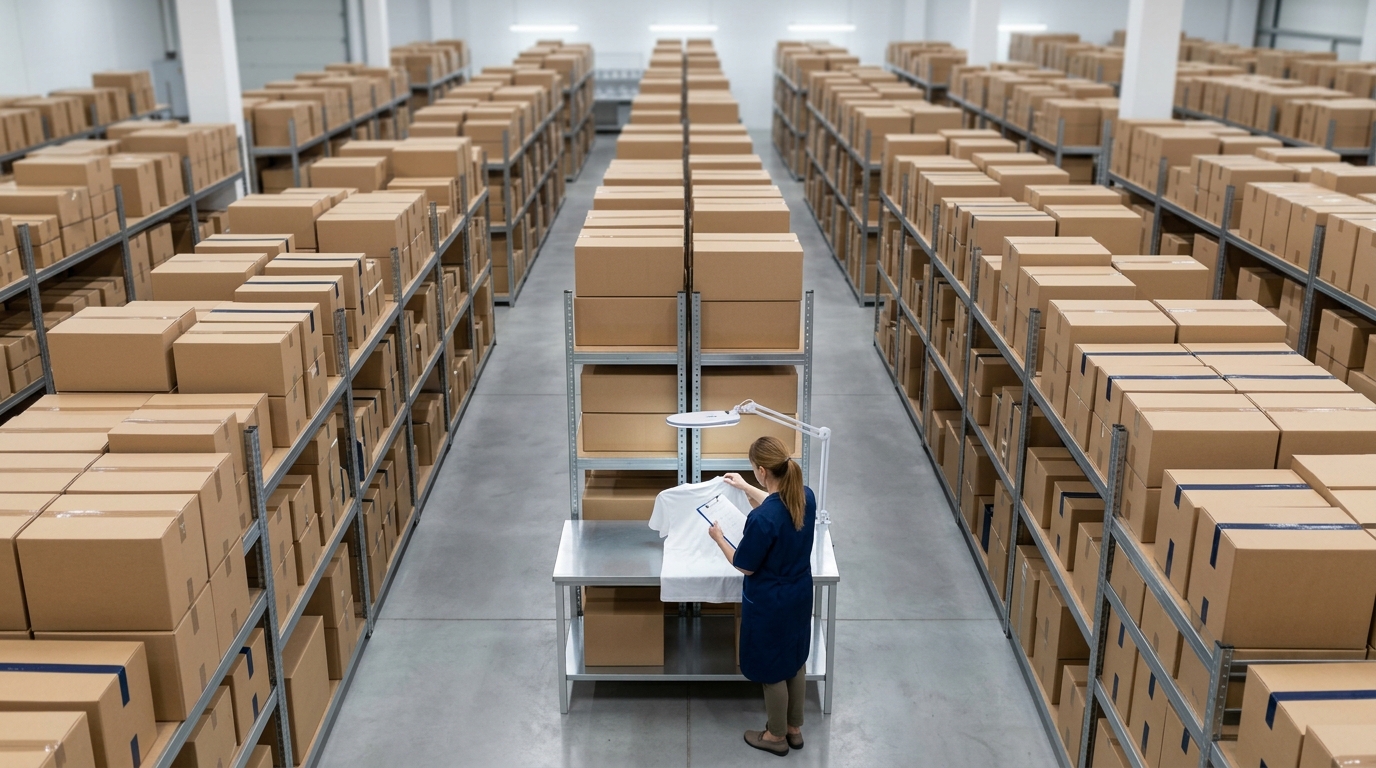
- Order a Sample: This is the most important step for any large order. Always get a physical sample first. This lets you check the print quality, color, and feel of the clothes before you commit.
Conclusion: Material is Finite, Your Imagination isn’t
Printing custom clothing is no longer a problem for you. You have acquired the information necessary. We have followed the journey from beginning to end. You can choose the right print method. You can select the best clothes. You can prepare a perfect design file. You can find a great partner.
The path to printing custom clothes is a fruitful one. If you are ready for the next step with professionals who are dedicated to producing quality streetwear, reach out to our custom services at TZ Streetwear.
FAQs About Printing Custom Clothing
1. What is the minimum order for custom clothing?
It depends on the printing method. For methods like Direct-to-Garment (DTG), many companies offer no minimum. This allows you to order just one item. For screen printing, there is usually a minimum order of 12-24 pieces. This is because the setup for screen printing is more involved.
2. How much does it cost to print a custom t-shirt?
The cost changes based on four main things. These are the printing method, the number of items, the design complexity, and the clothing quality. A single DTG shirt might cost $20-$30. A bulk order of screen-printed shirts could be under $10 per shirt.
3. Can I use any image I find online for my design?
No, you should not. Most images on the internet are protected by Copyright law. Using them without permission is illegal. You should always use your own art. You can also buy a license for stock images or find art that is free for public use.
4. What is the lead time for custom clothing printing?
The turnaround time will vary depending on the company. However, the average time it takes is 5-10 days. This is for the production phase only. The shipping period will depend on your location. In case you have a tight deadline, you may inquire with them to speed up the order as a rush service but at an extra fee.
5. How do I make sure that the colors in my print are accurate?
Matching colors can be a difficult endeavor at times. Your screen displays colors differently than how a printer bonds them. The best way to guarantee color accuracy is to present your graphic in a CMYK format. Most significantly, always get a physical sample before arranging a large order.