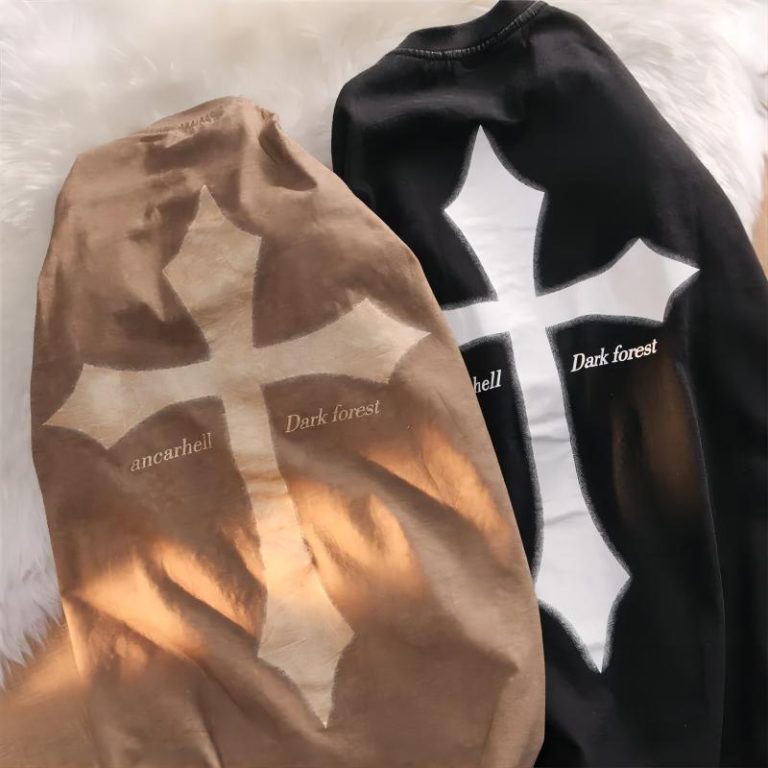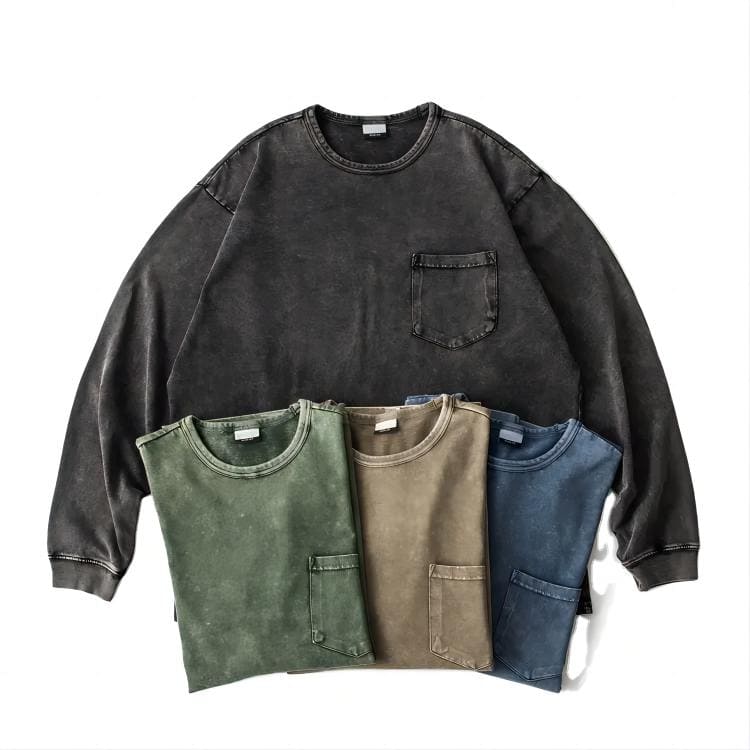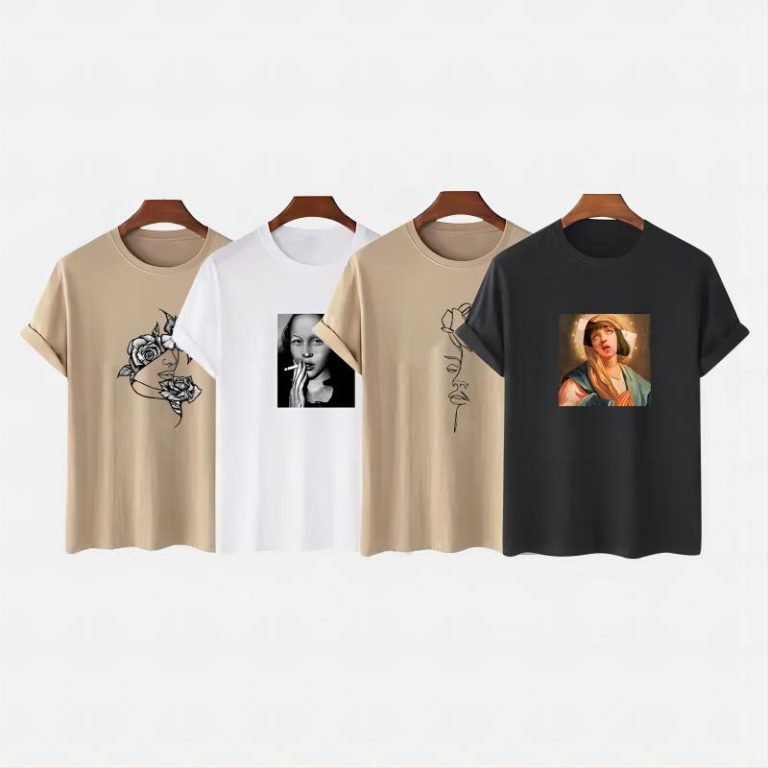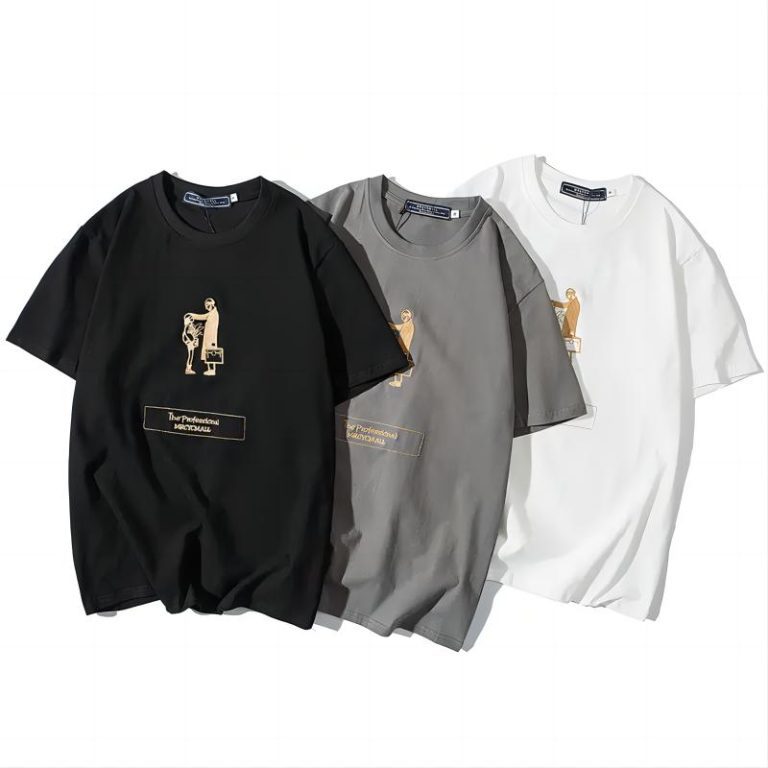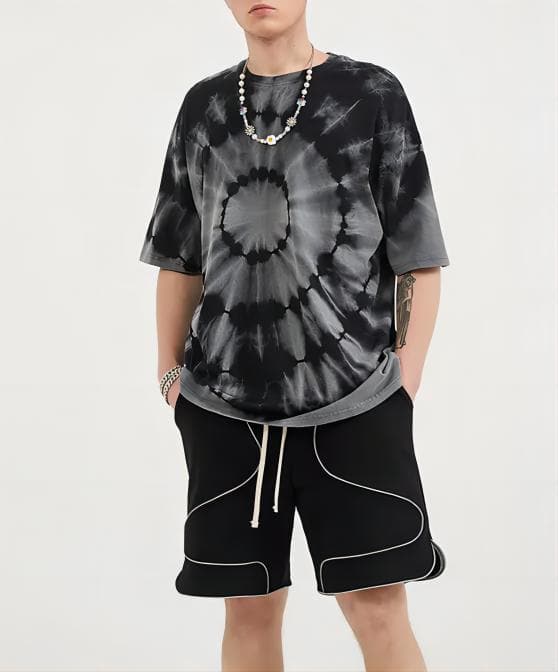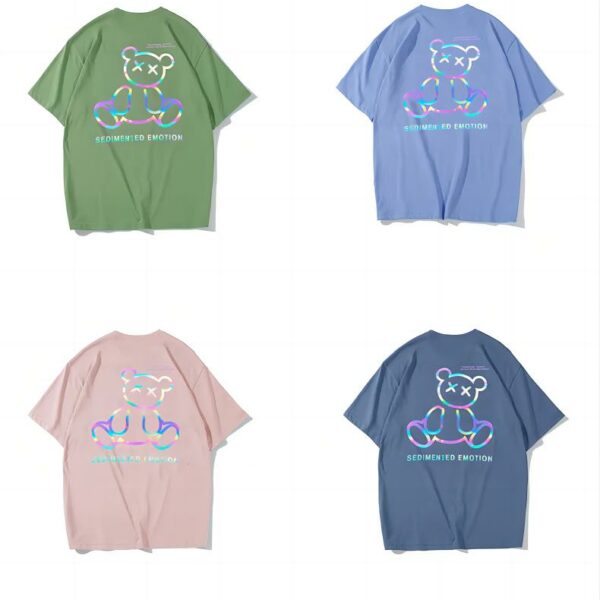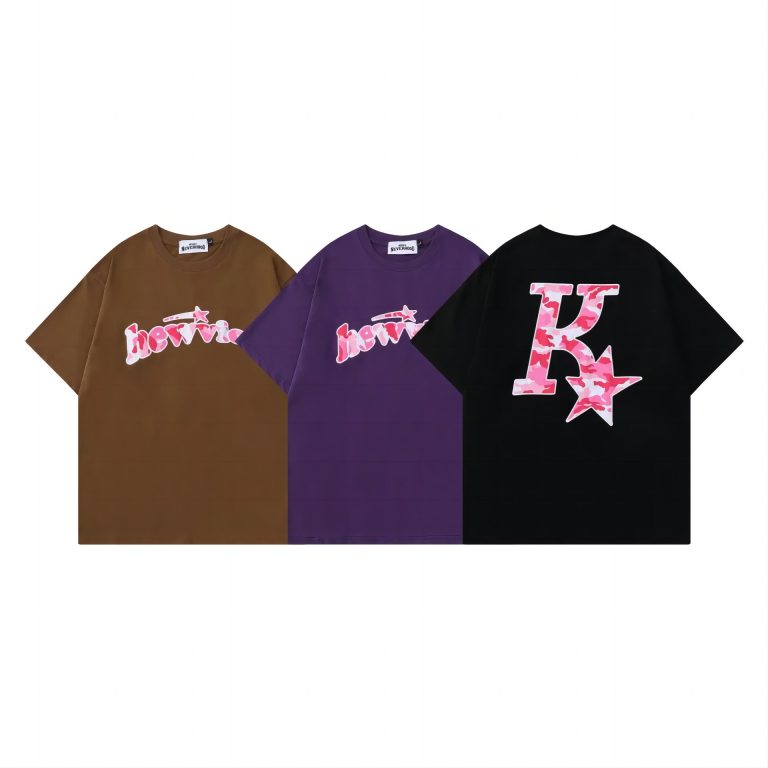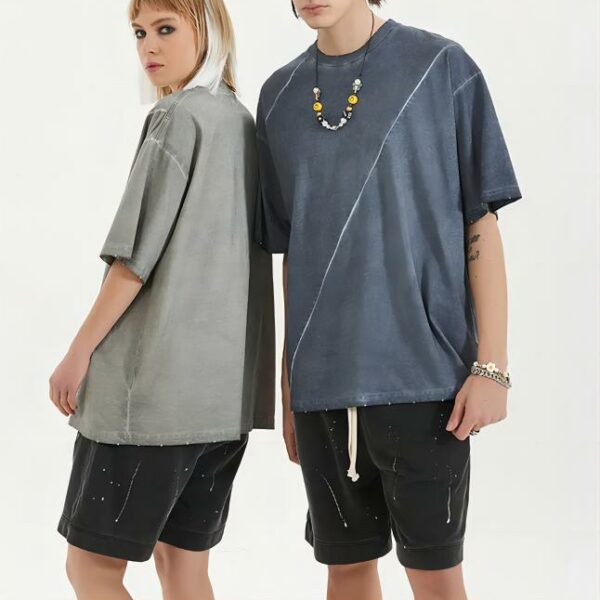
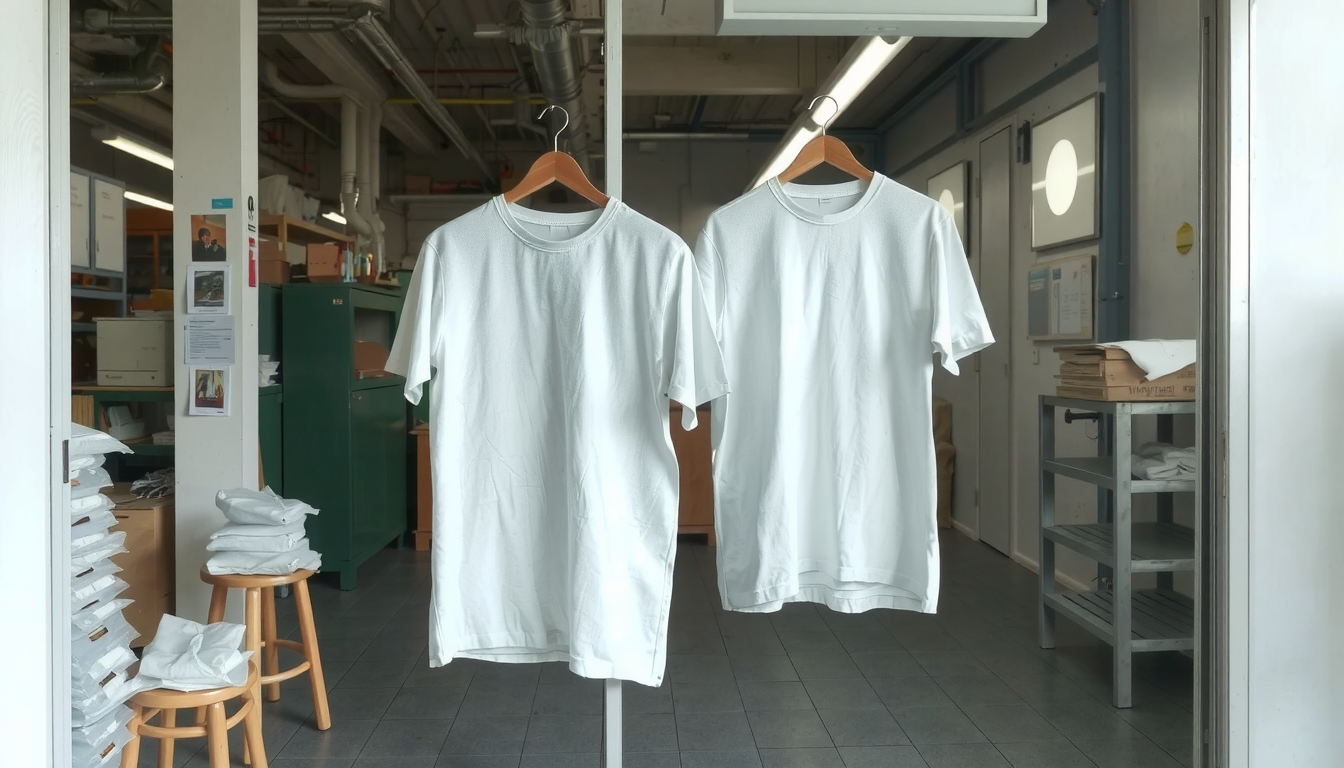
Blank clothing is the foundation of any apparel business or custom project. It is like a clean canvas, just waiting for your artistic expression. These are simple items such as t-shirts, hoodies, and hats that are devoid of any printing or embroidery.
This guide will cover everything. We will discuss how to take the right items. We will search for suppliers and check the items for quality. We will also prepare for customization. You know, it’s easy to find weak blanks if you don’t know what you’re doing. They will be the only thing standing in the way between your high-quality printed or embroidered clothes.
We are the most experts at TZ Streetwear. We are clothing manufacturers. We have witnessed how the right choice of blank can make or disfigure a design. The right choice of the blank is the first step in achieving quality and credibility.
What Qualities should a “Good” Blank Have? Main Factors You Should Consider When Choosing Quality Blank Clothes.
Selecting the right blank apparel is a lot more than just choosing the brand or color. There are certain qualities a blank should have to be the best. It should look attractive, not irritate the skin, and have a long lifespan. Knowing these characteristics will help you manage your brand in a more professional way.
Fabric Composition: The Core of Your Garment
Finding the right material is the most important step. It influences how the shirt feels, how long it lasts, and even how well it can be printed on. Fabrics are not interchangeable. Some are designed to meet specific requirements.
100% cotton is the most common fabric option. It feels very soft and is highly breathable, both of which make it a comfortable fabric. This cotton is of ringspun type which has fewer, stronger, and smoother fibers than regular cotton. This property makes it the perfect fabric for printing. Combed cotton is the highest grade of cotton. It removes impurities from the fiber. Hence it gives an even better touch. Cotton is great for screen printing and Direct-to-Garment (DTG) printing.
Polyester blends are category blends of cotton and polyester fibers polyester. They are 50% polyester and 50% cotton, respectively. The blend is powerful. It’s what makes it wrinkle-resistant, and less likely to shrink. Tri-blends are the type that contains rayon. This gives the fabric, a soft and lightweight feeling. A very good hanging and draping look. They are perfect for sublimation printing, a method where the dye is infused into the fabric itself.
Uniquely made fabrics such as organic cotton, bamboo, or hemp are best for green brands. These fabrics not only provide a unique texture but they also have an eco-friendly appeal to customers.
| Fabric Type | Key Characteristics | Best For (Printing Method) | Feel/Drape |
|---|---|---|---|
| 100% Ringspun Cotton | Soft, breathable, smooth surface | Screen Printing, DTG | Soft and structured |
| 50/50 Cotton/Poly | Durable, wrinkle-resistant | Screen Printing | Smooth with less drape |
| Tri-Blend | Very soft, lightweight, stretchy | Screen Printing, Sublimation | Very soft with a drapey fit |
| Organic Cotton | Eco-friendly, soft, chemical-free | Screen Printing, DTG | Soft and natural |
Fabric Weight (GSM/oz): Decoding Thickness and Durability
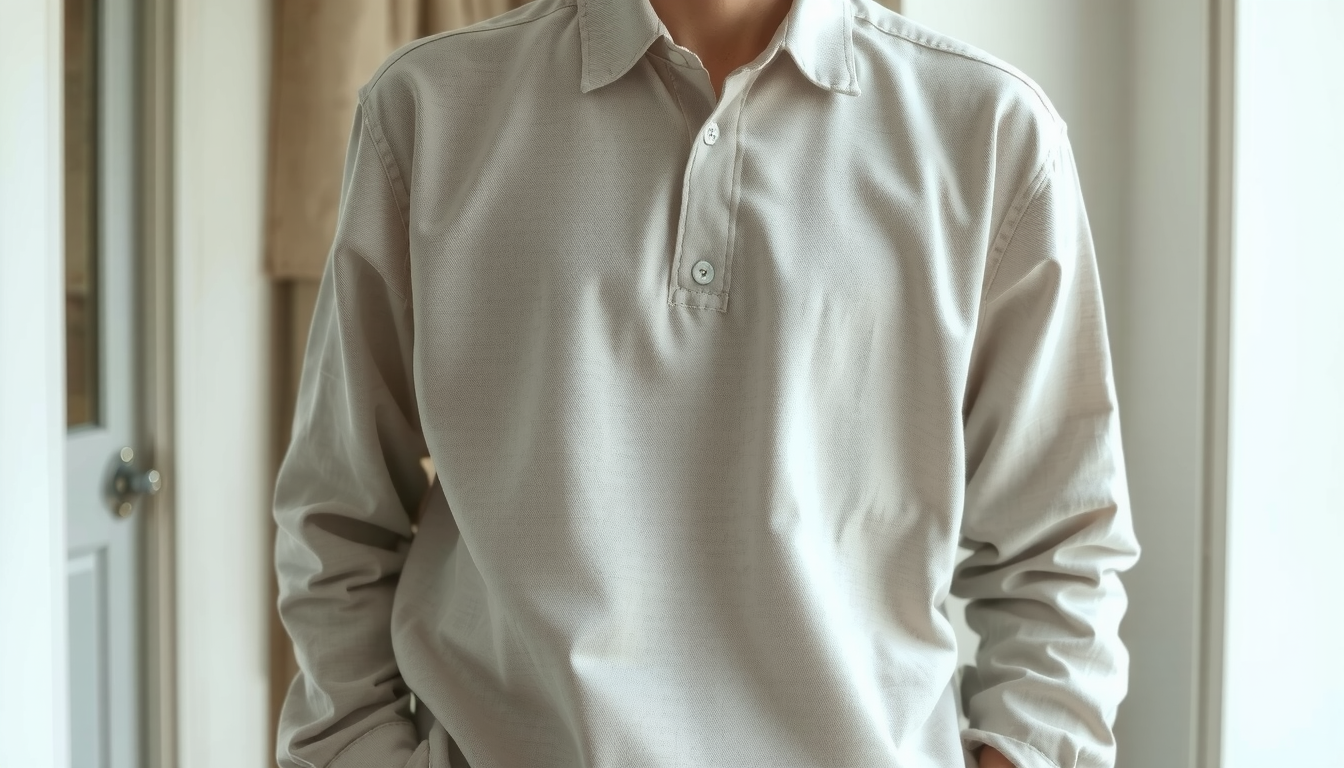
Fabric weight is a basic term used for both thickness and density. It is regularly stated in Grams per Square Meter (GSM) or ounces per square yard. This number also serves to compare various fabrics in terms of their weight and usefulness for particular purposes.
Lightweight fabric is below 150 GSM. It’s ideal for summery items, like t-shirts. It’s also good for promotional giveaways. You can feel it use its light touch.
Midweight fabric hovers between 150-200 GSM. This is the best range for high-quality t-shirts. With other manufacturers’ info this is also a great range to go for. You get both strength and comfort.
Heavyweight fabric is anything over 200 GSM. This fabric offers a premium, thick, and strong feel. It is typical of high-end streetwear and workwear. You can also find it in thick hoodies and more. Our experience tells us that heavyweight blank clothing feels top-notch, especially in the cases of hoodies and premium tees. It gives a superior touch and durability which the customers associate with upscale brands.
Construction and Fit: The Details That Matter
The quality of the sewing job and the fit are two major areas that affect the garment quality. You should start with examining the stitching. Hems and collars that have doubled thread line stitched instead of a regular one, are stronger, help the garment’s shape, and they work after many washes. Single-needle stitching has the opposite effect.
Next, check the seams. Tubular construction means the shirt is actually made from one tube of fabric having no side seams. This method is cheaper but results in an unflattering boxy look. Side-seamed shirts come from separate front and back panels. They give a more modern, tailored fit.
Lastly, there is a variety of fit styles to choose from. While standard fit is more relaxed and suitable for many body types, it is being phased out by the more trending styles such as slim and oversized. The oversized fit in streetwear is often baggy and comfortable. Your decision on the style is based on the preference of your target market and the vision for your brand.
The Most Popular Types of Blank Clothing for Customization
As they say, knowledge is power. So after you familiarize yourself with the characteristics of quality blank clothing, you can choose what styles to go with. Plasticity is a code comprising all styles that will reflect many lines.
Here are the most common choices:
-
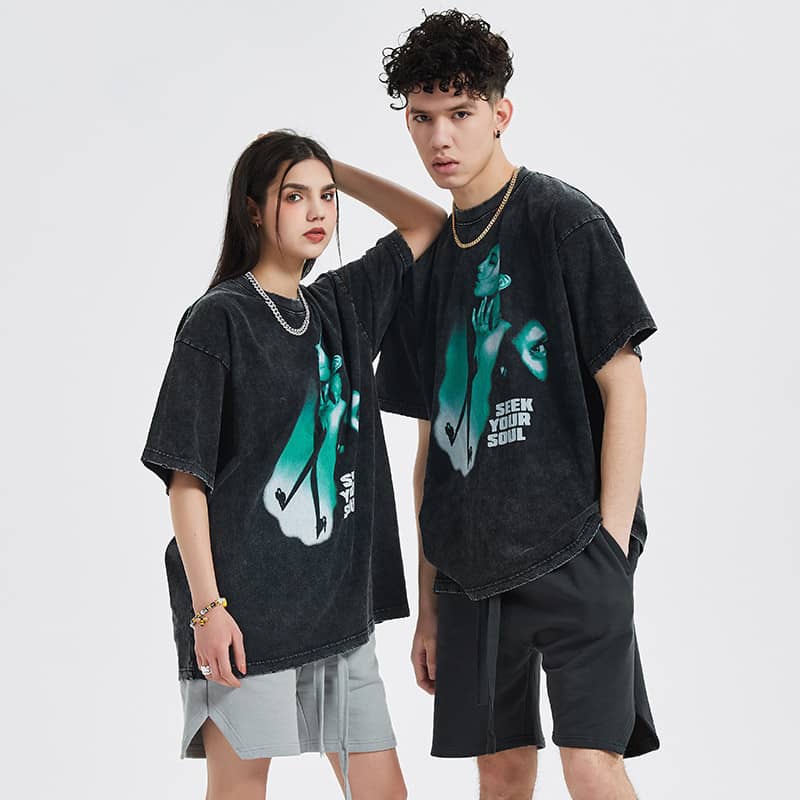
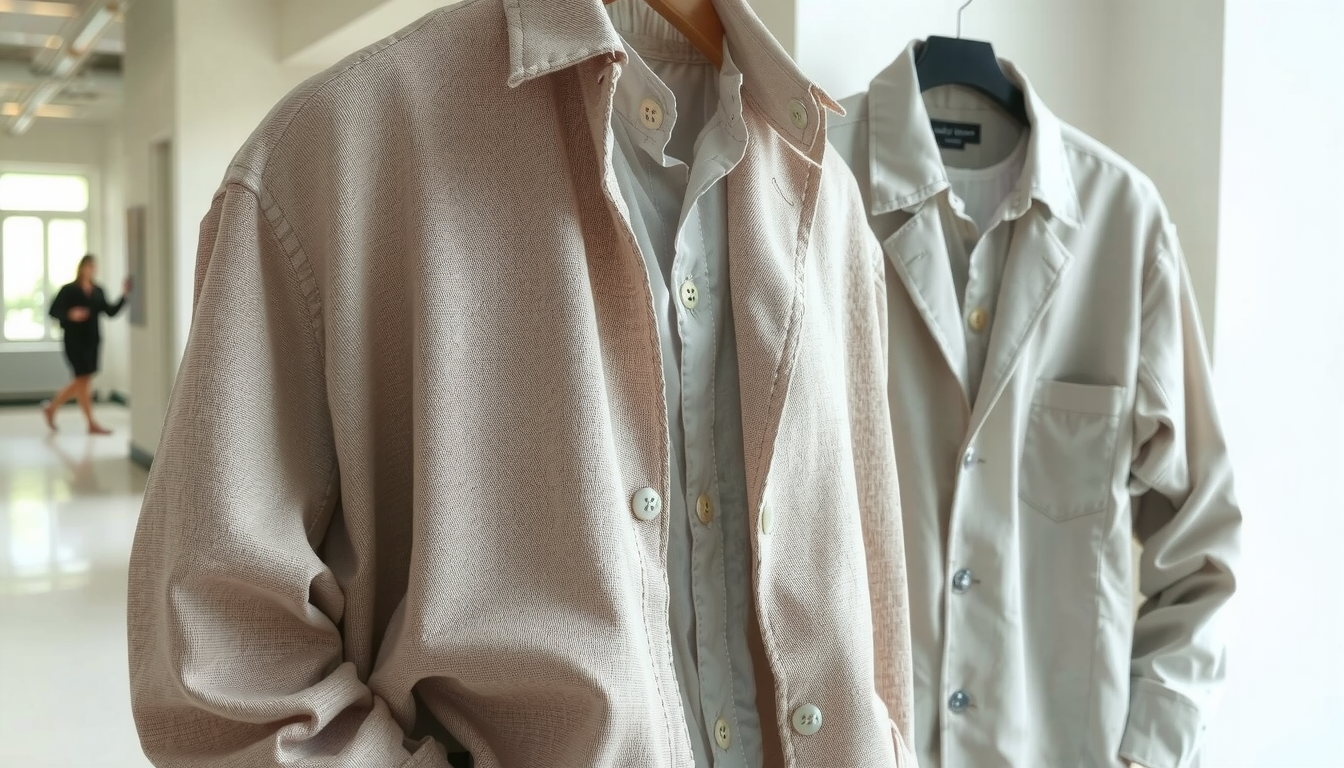
Blank T-Shirts: This is the most popular option for customization. They are available in several models including crewnecks, V-necks, and long sleeves. A blank t-shirt is a panache element to any brand. One who wishes to come up with a creative line could use t-shirt manufacturers with proven experience.
-
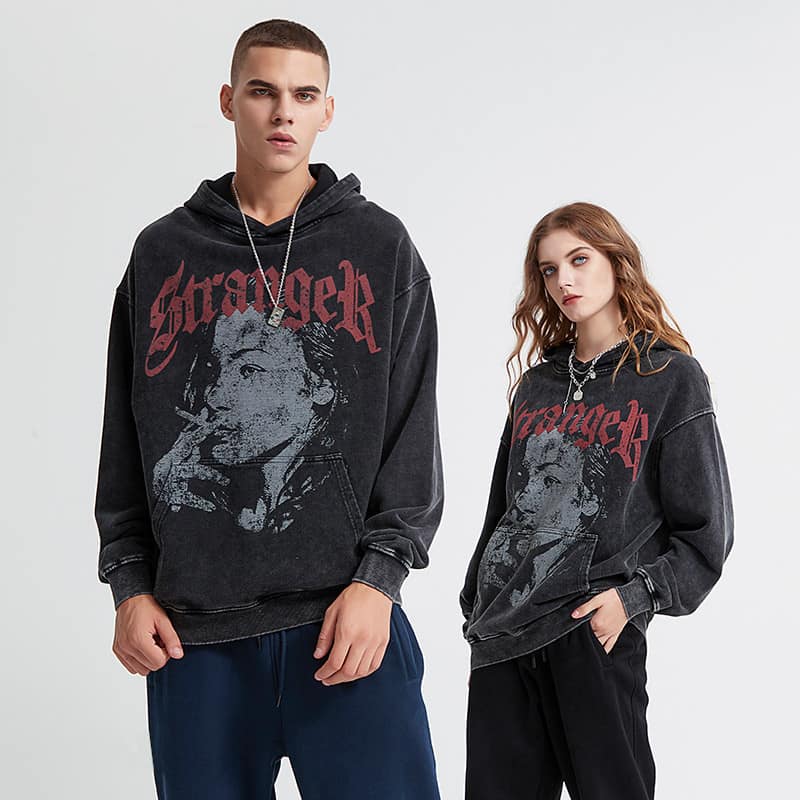
Blank Hoodies & Sweatshirts: Apart from being the vital part of streetwear and casual wear, they are also worn in cold weather. Whether to pick pullover styles for a clean look or zip-ups for more flexible wear is your choice. A quality blank hoodie you can use as a base for dynamic designs. As a custom hoodie manufacturer we specialize in transforming these blanks into finished products of very high quality.
-
Tank Tops & Polos: Tank tops are perfect for athletic collections and summer collections. They are the perfect fit for fitness brands. Polos give out a more professional look. They are ideal for staff uniforms, corporate events, or golfing apparel.
-
Hats, Totes, and Accessories: Do not limit your brand to only shirts and hoodies. Blank hats, beanies, tote bags, and even socks can be customized. These items are great for expanding your product line. They are also the best choice for lower pricing options.
Sourcing Your Blank Clothing: A Strategic Approach for Brands
Securing a consistent source of blank clothing is essential for your business. A good supplier impacts your costs and quality control. Plus, they also influence your inventory management. There are different approaches to sourcing clothing.
Sourcing Models: Which is Right for You?
If you’re a startup, the wholesale distributor is the right choice for you. They carry a wide range of blank apparel from several different brands. This way you can test different styles before you make a purchase. No need to meet a high order minimum. For example, A massive wholesaler like ShirtSpace has tons of brands in their catalog. Besides, a supplier like Blank Apparel is very good for buying direct brands in bulk.
More developed and larger brands might go a different route by collaborating directly with a manufacturer. This choice means lower rates if you commit to larger orders. Additional to that, you’ll be able to make full-on custom clothes. Nevertheless, it obligates a hard Minimum Order Quantity (MOQ). An MOQ is the smallest order quantity that a factory is willing to accept.
In addition, there are specialty suppliers. These companies focus on specific niches. For instance, you can find suppliers that sell “Made in the USA” garments like Royal Apparel. This quality could be a priceless asset for certain brands. Others’ specialty might be in the use of sustainable or organic materials.
A 5-Step Checklist for Vetting a Supplier
Before you pull the trigger on a large order, it’s critical to do your due diligence and ensure that the supplier is a good fit. A supplier will be more likely to meet your needs if you take the following steps.
-
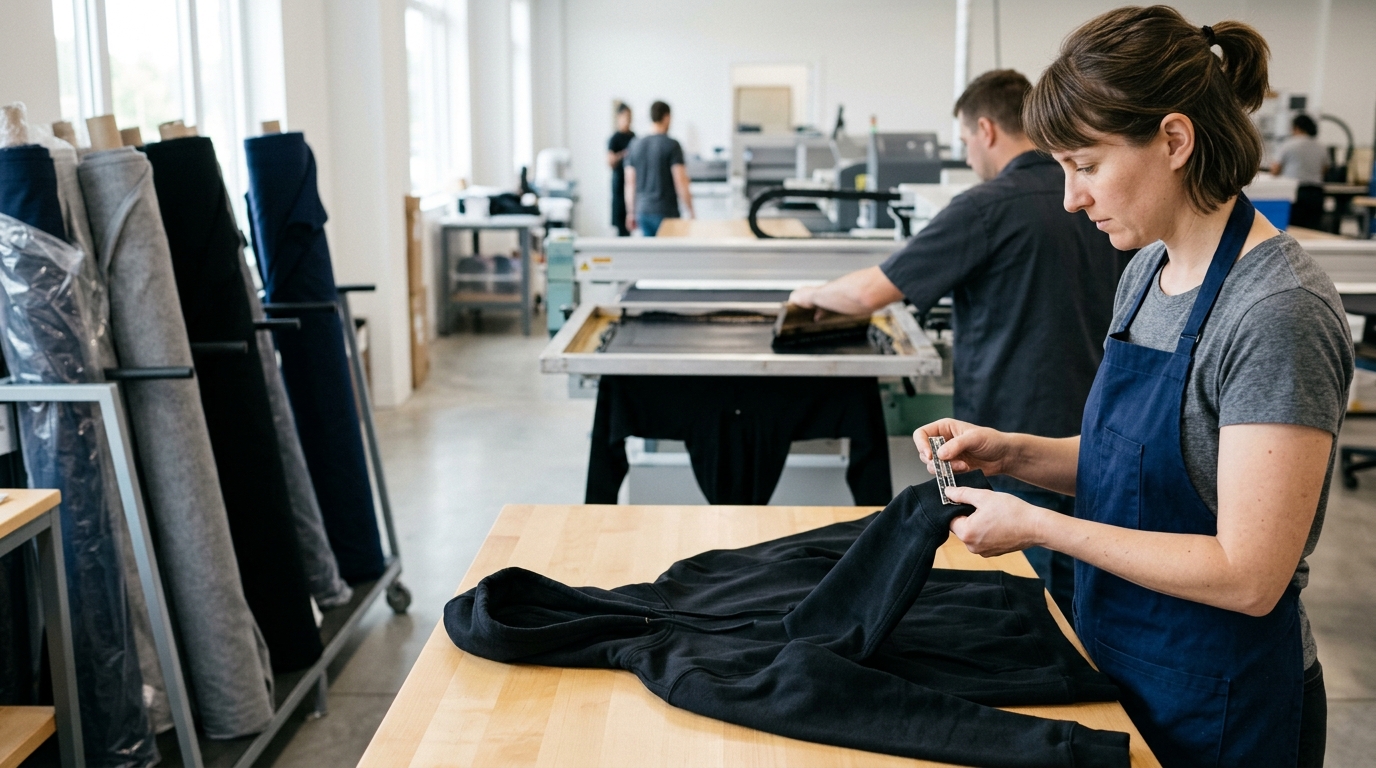
Order Samples: Before ordering in bulk it is essential to see and feel the product of your choice. Purchase samples of the clothes in the exact styles and colors you are planning to sell. This is the only way to ensure the quality of the blank clothing.
-
Check Reviews & Reputation: Try to find some feedback by customers who used them. Search for reviews on independent websites. Don’t just use the supplier’s site. This will give you a more precise idea about their service.
-
Understand their Shipping & Return Policies: Be familiar with their shipping costs and times. Make sure you are informed of their return/exchange policy. This should be done in case you receive wrong or damaged goods. It will prevent you from having expensive surprises.
-
Evaluate Customer Service: Communicate your questions to their support team. Reliability, helpfulness, and professionalism are some of the good qualities a supplier should have. Poor customer service can be a very serious problem in the event of an issue.
-
Confirm Stock Consistency: Make sure they can deliver the same styles, colors, and sizes consistently over time. There is nothing more annoying than a popular item being out of stock permanently. The right partner will assure consistency for your brand.
Conclusion: Your Blank Canvas Awaits
The selection of blank clothing is not all about the price tags, it is about understanding fabrics, weights, and constructions. This is the key to delivering a product you will enjoy taking credit for. These are the details that will make your brand stand out.
An effective sourcing strategy is equally important. Finding a supplier that you can trust is the main factor that makes the business run smoothly. It also keeps your clients satisfied. The steps mentioned in this guide equip you with the ability to make conclusions. Now your blank canvas is available. It can be turned into a branded work of art.
Frequently Asked Questions (FAQ) about Blank Clothing
What is the best type of blank clothing for DTG (Direct-to-Garment) printing?
The best option for DTG printing is 100% ringspun cotton. The closely woven smooth texture of ringspun cotton is optimal for the ink to stick to. This results in bright and clear printing. Although some blends could work, 100% cotton gives the best results in a regular way.
Where can I buy blank clothing with no minimum order?
Many large online wholesale distributors sell to individuals and small businesses. They stock the blank clothing with no minimum order quantity (MOQ). You can find such websites as ShirtSpace and Blank Apparel, the most widely known. Single pieces can be purchased at around a wholesale price.
What does “GSM” mean in blank clothing?
GSM is shorthand for Grams per Square Meter. It is a measurement relating to the weight and density of the material. A high GSM (e.g. 220) indicates a thicker heavier fabric. You will find this often in the clothing of premium t-shirts and hoodies. A low GSM (e.g. 140) means a lighter, thinner material.
Should I remove the manufacturer’s tag from my blank clothing?
Yes, if you’re establishing a brand for yourself. Most of the performent brands come with tear-away tags that are fitted for such purposes. Swapping out the supplier’s tag for your brand custom-sewn or printed label is an essential step. This is how your apparel gets branded and becomes solely yours.
Is it cheaper to buy blank clothing in bulk?
Yes, totally. Almost all suppliers have tiered pricing which means the more you buy the less you pay per piece. If you have confidence in a certain style and color it would be the most cost-effective method to buy in bulk. This is the most effective way to find your blank clothing.