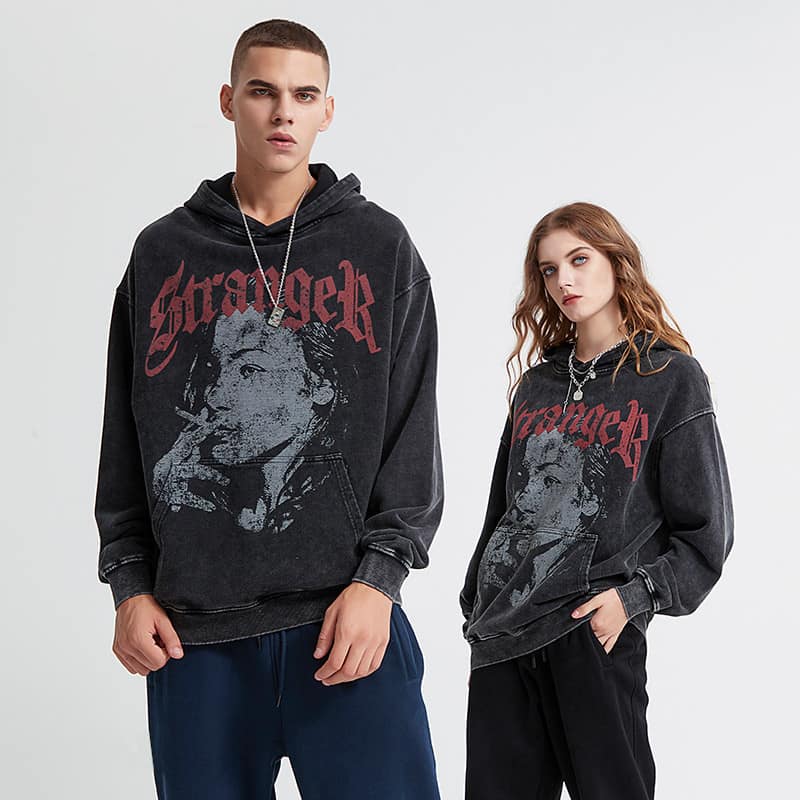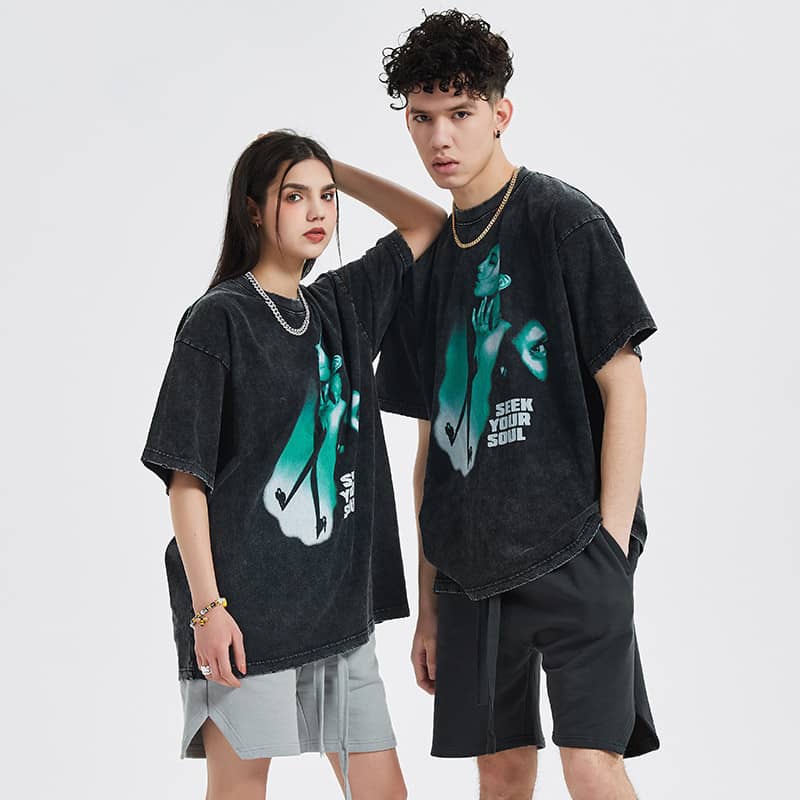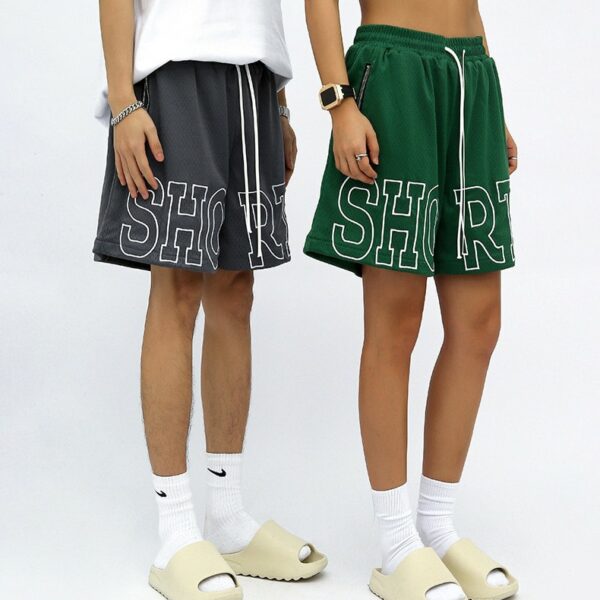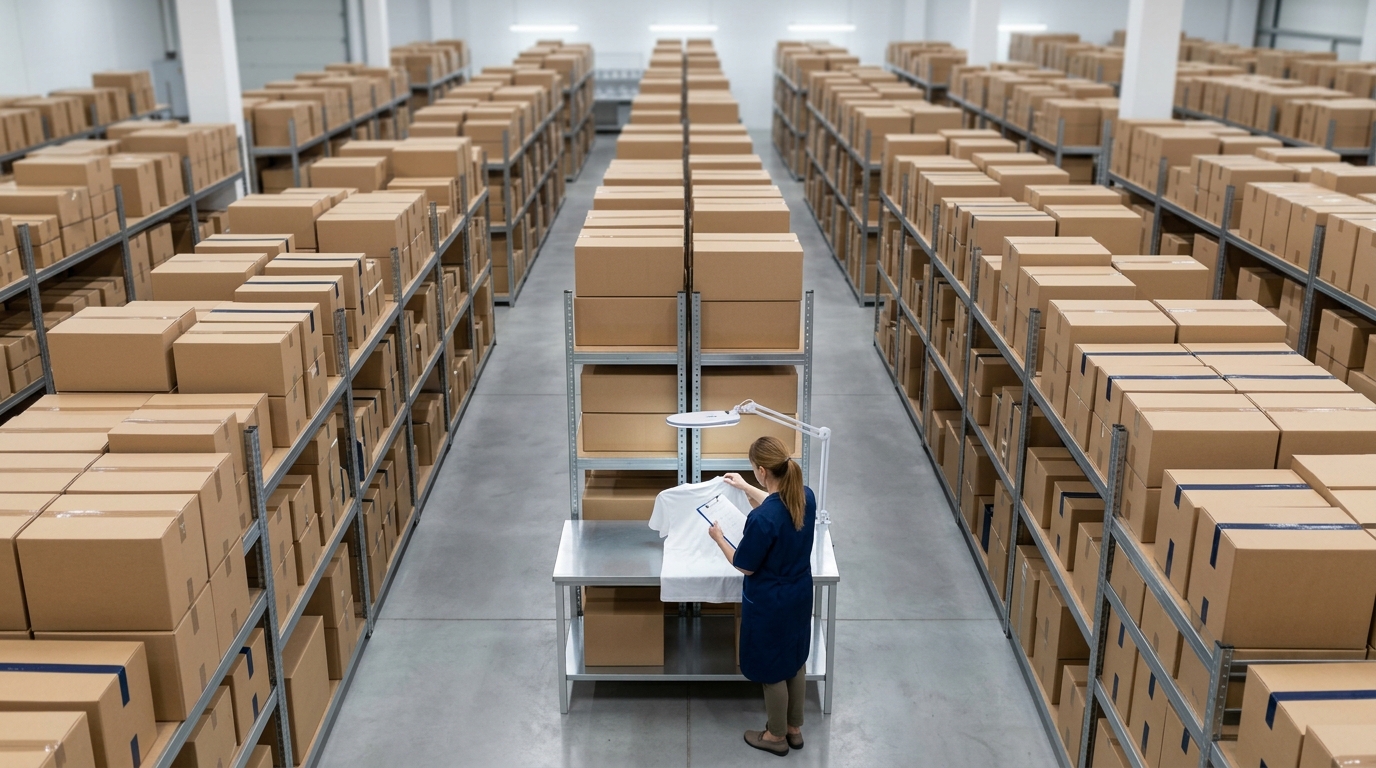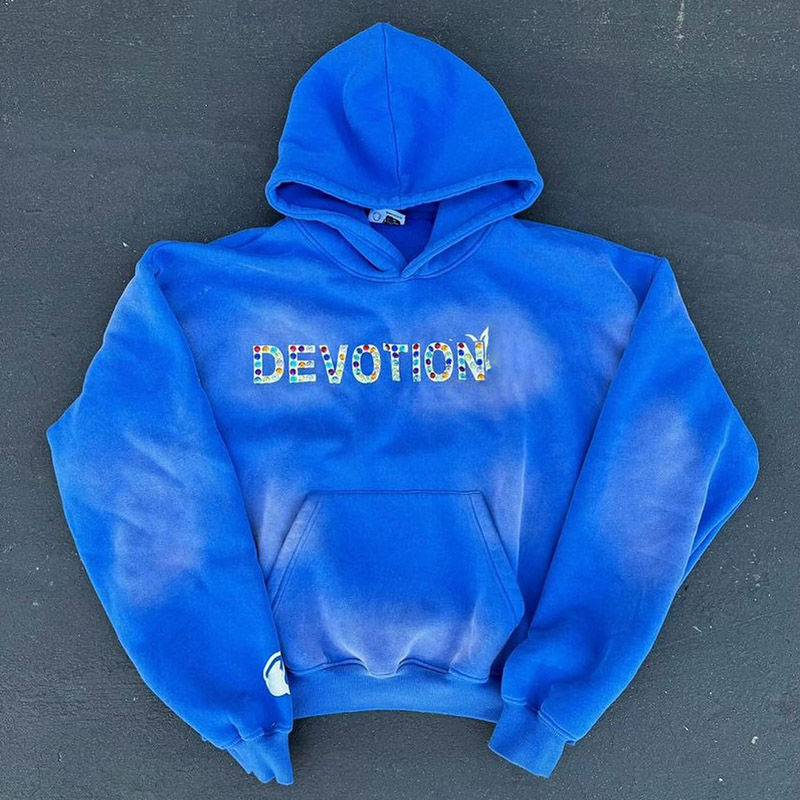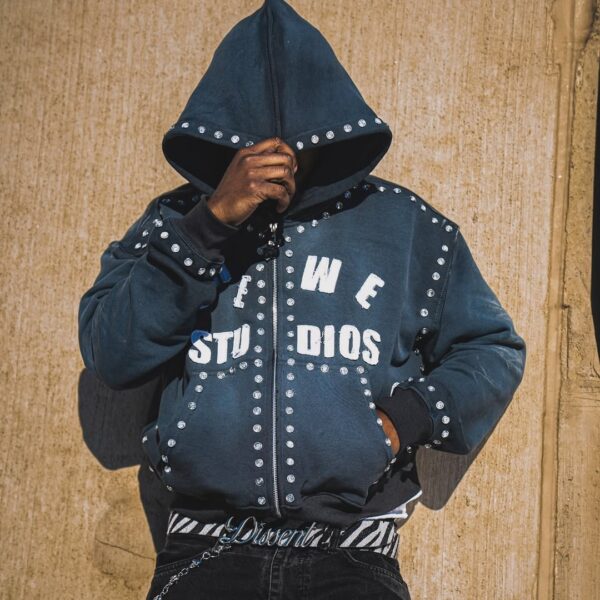
Are you dizzy with a fantastic idea for a tee? Custom clothes can foster a group to be like one. They can spread the word of a business or bring a new brand to the market. They make your insight transparent to everyone that you can wear. Yet, the journey might look tough.
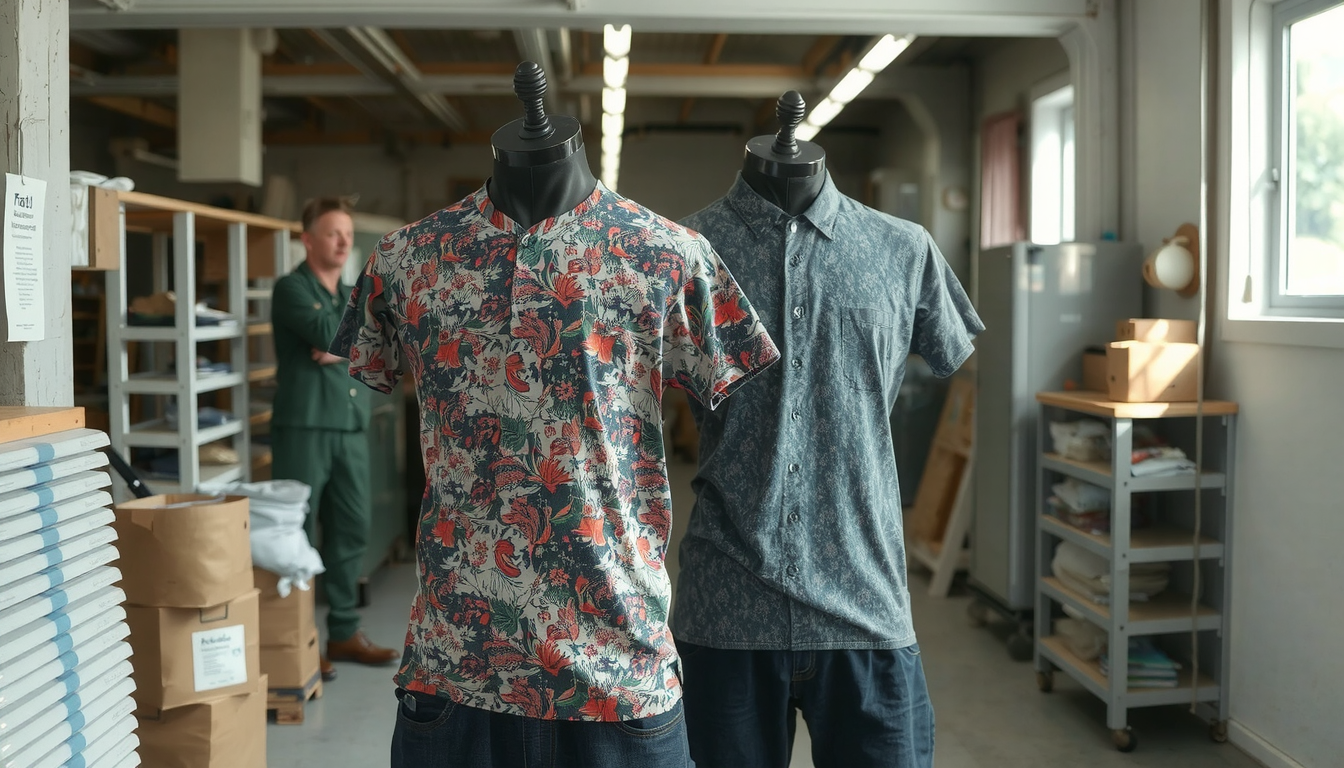
We will help through it all. We will guide you through the complete process of custom printing clothing. We will deal with different printing technologies and will also show you how to pick the right garments. We will show you how to prepare your designs adequately. This guide is for numerous people. It helps a person buy just one custom-designed product. It also assists those who want to start a clothing line.
At TZ Streetwear, clothing is our first love. We are here to hand out the knowledge we have. Let’s jump into the process of creating your vision.
Your Decision: Custom Printing Techniques
The most significant decision is to choose the right printing method. The selection of the method is related to the design of the item. It depends on the funds you have. It depends on the number of goods you want. The right choice minimizes wastes and costs by managing the production effectively and producing an excellent product.
Now we will take a look at the widely spread methods of printing custom clothes.
Direct-to-Garment (DTG) Printing
Direct-to-Garment is known as DTG. It is equivalent to printing with a standard printer on fabric. The ink is sprayed directly onto the garments.
- Advantages: Suitable for intricate designs with many colors. Perfect for images. No minimum order size. Very soft and smooth.
- Disadvantages: Works best on 100% cotton fabrics. There will be a higher cost per item for large quantity orders. The colors might not be as bright as on light-colored garments.
- Best for: Low orders, photo-like images, and unique gifts.
Screen Printing
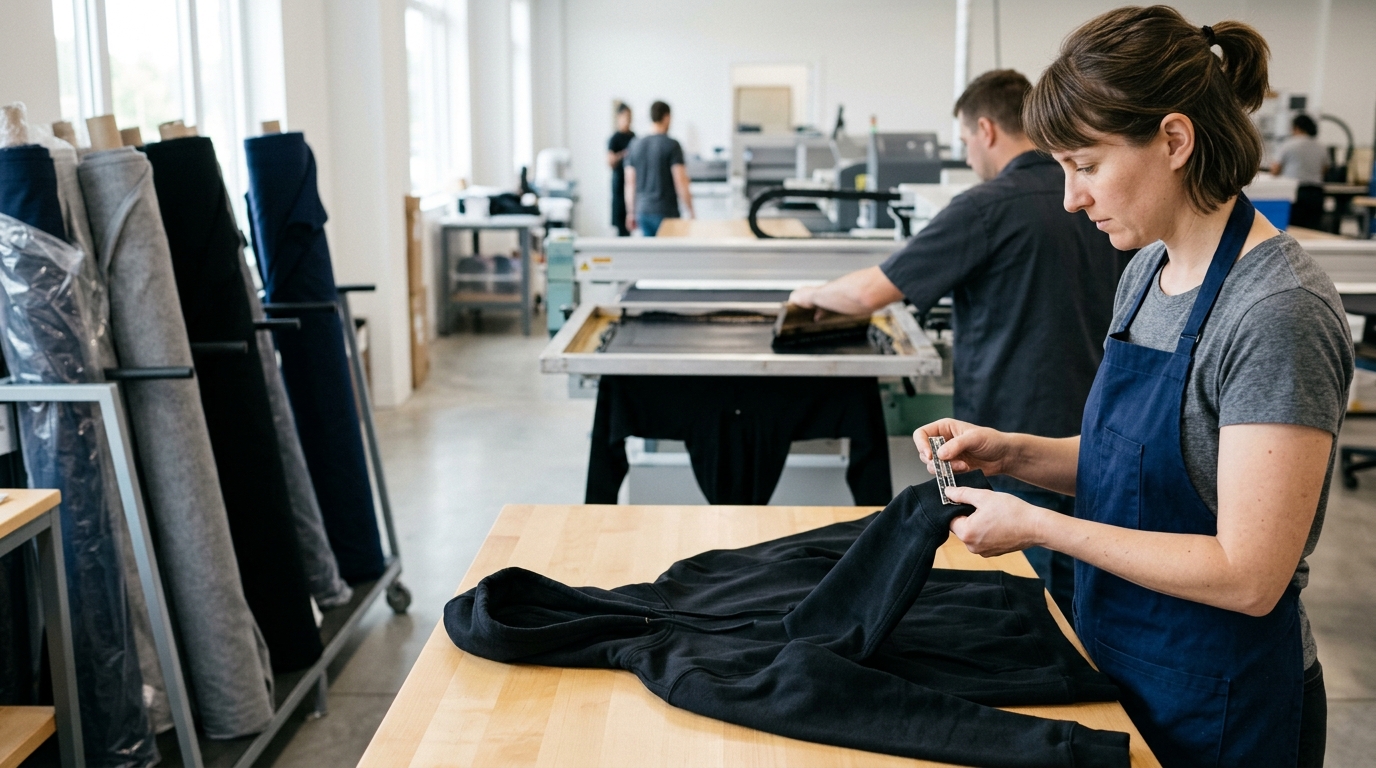
Screen printing is a traditional method. It creates a stencil and pushes the ink through the stencil onto the fabric. Your design needs one screen for each color used.
- Advantages: Very durable and long-lasting. Colors are very bright, even on dark clothes. The cost drops significantly in case of mass production.
- Disadvantages: In most cases, it is not recommended for small orders; this is because of setup costs. It is limited by the number of colors you can use.
- Best for: Big orders (20+) items, graphics with few colors, items for bands, and events.
Direct-to-Film (DTF) Printing
Direct-to-Film is known as DTF. It is a new technology. The first step involves printing a design onto a special film. Then the design is moved to the clothing by conduction.
- Strengths: It is workable on different fabric types such as cotton, polyester mixes, and blends. You have the chance to produce brilliantly colored, full-color designs. It is extremely durable.
- Weaknesses: Sometimes, you can feel the printed design as a thin layer on the surface of the shirt.
- Best for: This printing method is suitable for printed materials including sportswear. DTF printing is a fantastic contemporary alternative to T-shirt printing techniques for vibrant colors.
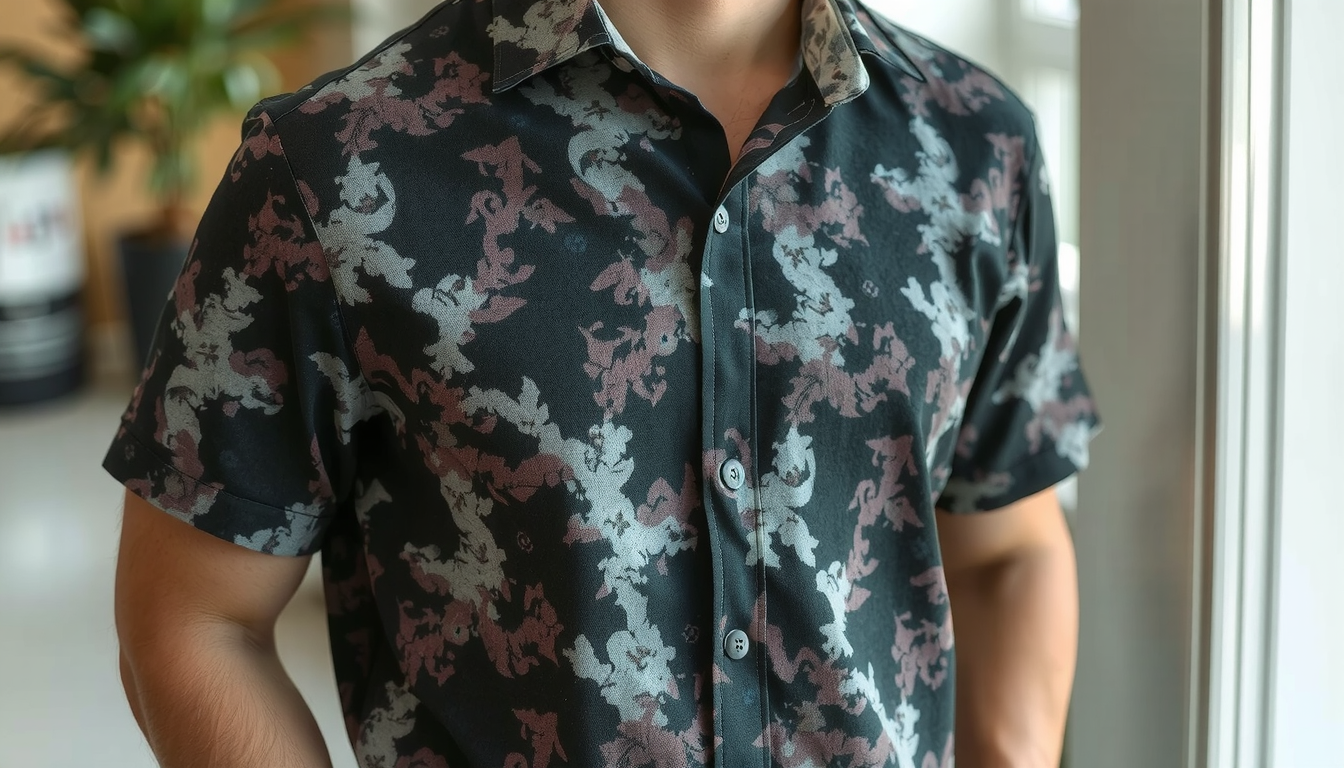
Heat Transfer Vinyl (HTV)
Heat Transfer Vinyl is a method where you get your design by cutting colored vinyl. It is compatible with shirts through a heat press.
- Strengths: It is an excellent choice for simple text, numbers, or basic shapes. There are many finishes available, like glitter or metal.
- Weaknesses: Not suitable for complicated multi-color designs. It may feel thick and can crack in time.
- Best for: Names and numbers on sports shirts, simple logos, and small DIY projects.
Embroidery
While it is not a printing method, embroidery is still very popular for personalizing clothes. The technique involves the use of threads to stitch an image onto the material.
- Strengths: It has a professional look and gives a high-end feel. Very strong. The quality feeling is a textured hand.
- Weaknesses: The cost can be high. It is not an option for pictures or designs that require a lot of detail.
- Best for: Logos on hats, polo shirts, and jackets.
| Printing Method | Best For | Strength | Feel on Fabric | Cost Value |
|---|---|---|---|---|
| DTG | Complex colors, small batches | Good | Soft, breathable | Best for 1-20 items |
| Screen Printing | Simple designs, large batches | Excellent | Thicker layer of ink | Best for 20+ items |
| DTF | All fabric types, bright colors | Excellent | Smooth, flexible layer | Good for all order sizes |
| Heat Transfer | Simple text/shapes, jerseys | Good | Thicker, can be stiff | Good for very small orders |
| Embroidery | Logos, premium look | Excellent | Textured, raised | Higher cost, adds value |
Going Beyond the Base: Best Clothing Selection
The printed clothing quality doesn’t solely depend on the printing process. The garments also play an important role. The right material and cut can allow your design to grab the attention of everyone.
Fabric Type Choice: Cotton vs Polyester vs Blends
Knowing the fabric types helps you to come up with the right material selection for your project.
- 100% Cotton: It is the quintessential t-shirt fabric. It is naturally soft and the most breathable. DTG printing goes well with it. Ringspun cotton is softer and smoother.
- 100% Polyester: The best choice for sportswear. It removes moisture and is very strong. The sublimation method of DTF printing is best for it. But it works just as well with DTF.
- Blends (50/50, Tri-Blends): These items are made from cotton, polyester, and sometimes rayon. They are ultra-soft. They have less shrinkage and give a vintage feel.
We have noted that 100% ringspun cotton produces the best quality DTG printing surface. Tri-blends come with a super-soft, old-school kind of feeling, yet they can affect the colors in the print slightly. You should balance the two factors and make your choice.
Decoding GSM (Ounces) of Fabric Weight
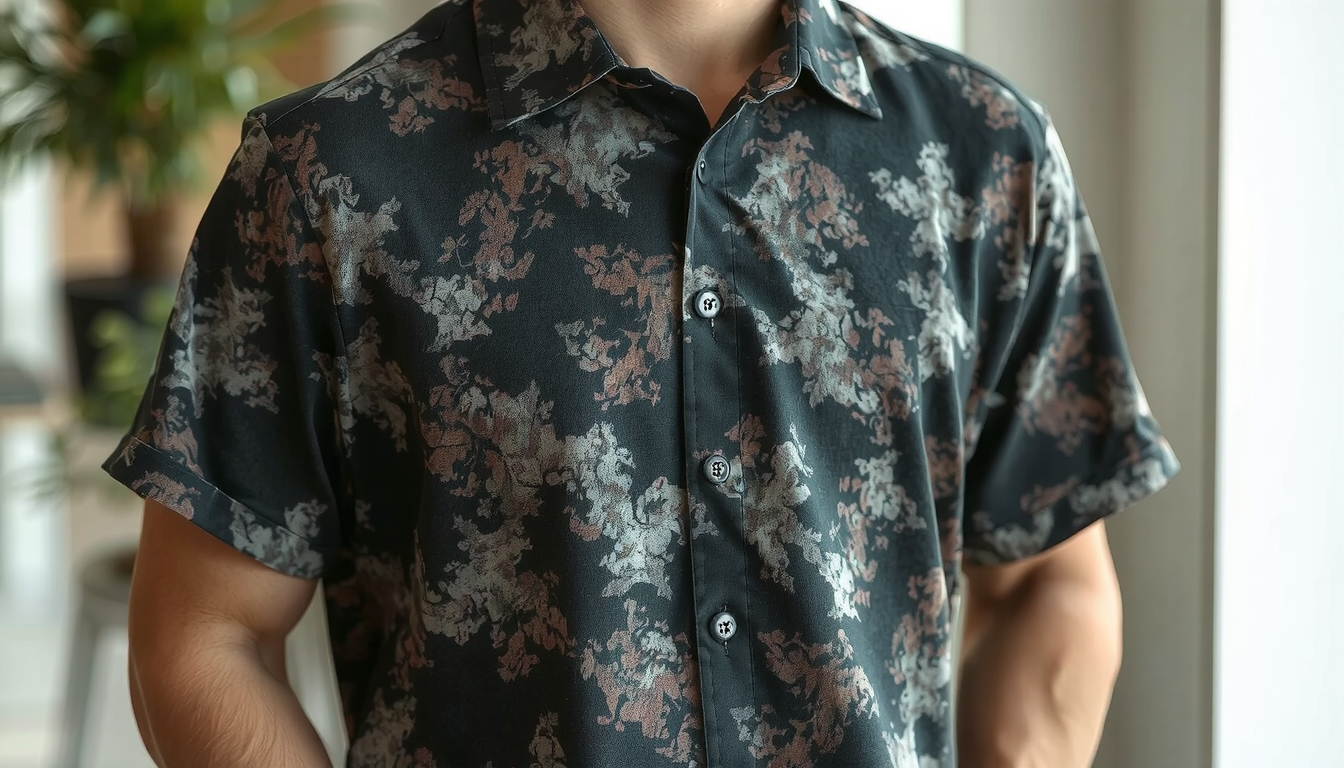
Fabric weight is a measurement of how thick or heavy your material is. GSM, which stands for Grams per Square Meter, is the standard of measurement.
- Light weight (<180 GSM): These kinds of clothes are less thick and have a ventilated feeling. The best option for summer or free giveaways.
- Medium weight (180-220 GSM): Most of the quality shirts and hoodies are by this standard. It achieves a balance between strength and comfort very well.
- Heavy weight (>220 GSM): This is premium quality, very strong, and is a perfect choice for streetwear brands, winter clothes, and a high-quality feel.
Types of Clothing to Consider
You can print on almost any clothing. Don’t just think of t-shirts! Hoodies, tanks, sun tops, hats, and totes are also great options. You can find a great apparel collection that goes well with the different needs such as uniforms and family reunion wear.
Transforming an Idea into a Closet: Your 5 Steps Guide
Are you ready to start your first printing project? This simple plan will be a road map for you. It will help you to avoid general mistakes.
Step 1: Getting Your Design File Right
An excellent print would mean an excellent file. Your printer needs a top-quality version of your design.
- Vector vs. Raster: The vector file (.AI, .EPS, or .SVG) is the best. It uses lines and curves. You can scale it to any size without losing quality. A raster file (.PNG, .JPG) is composed of pixels.
- Resolution: If you decide to make use of a raster file it must be high resolution. The standard is 300 DPI (dots per inch) at the final print size. A low-resolution photo will come out slightly unsharp.
- Backgrounds: Mostly for designs, you would want to have a transparent background. Save as PNG to keep the background transparent. That way, your image gets printed with no addition of the white box around it.
Step 2: Choosing Your Printing Partner
There are a few options you can choose from to get your clothes printed.
- Local Print Shops: You get face-to-face service and can see samples. This can be great for support but may cost more.
- Online Bulk Printers: These companies cost less for large orders. The process happens entirely online.
- Print-on-Demand (POD): With POD, items print and ship only when someone orders. There are no minimums and you hold no stock. The cost per item is higher. But it’s great for new brands.
If your items are very urgent for the event, some companies have a same-day custom t-shirt service.
Step 3: Understanding the Costs
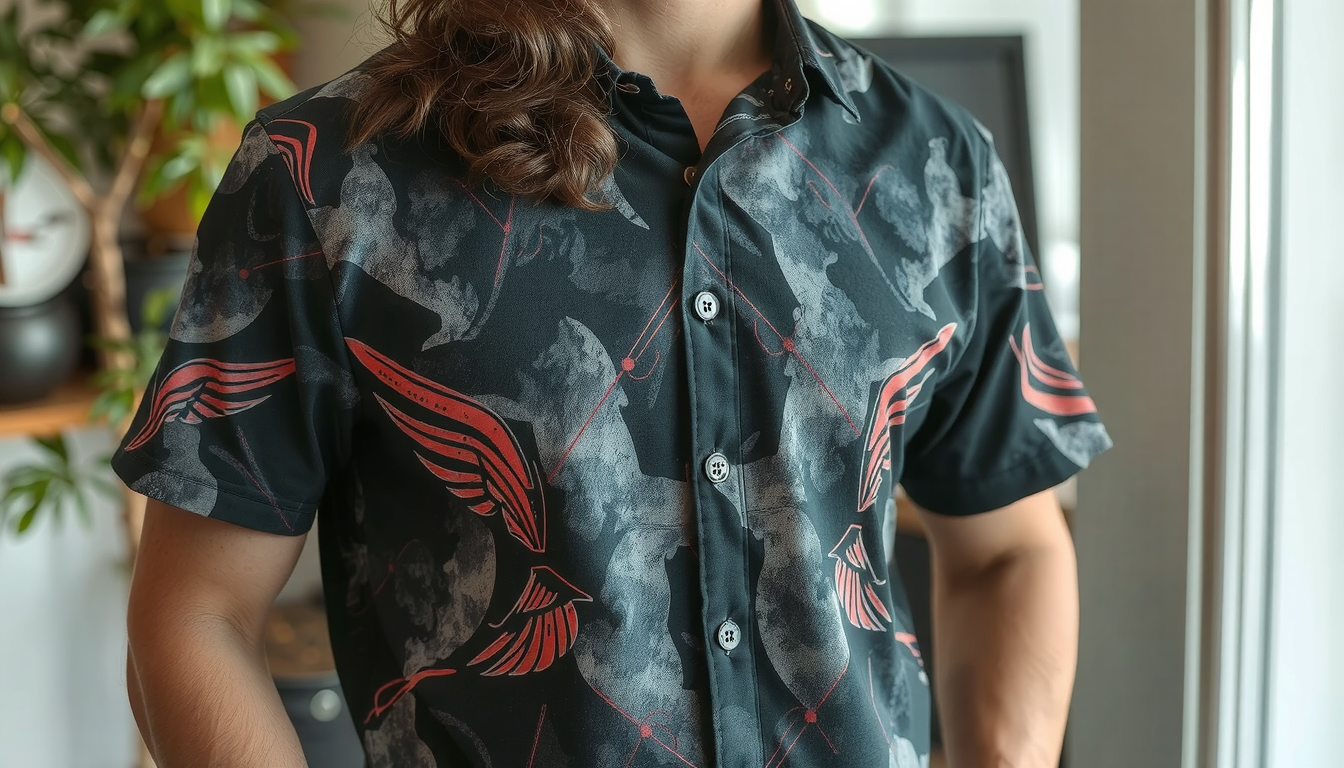
How much the custom printing clothing will cost depends on some of the following factors:
- The price of the already sewn clothes.
- The printing method you choose.
- The number of items you order (more items usually lower the price per piece).
- How many colors are in your design (for screen printing).
Always make sure to ask if there are any hidden fees. Some companies charge setup or artwork fees.
Step 4: Getting a Quote and Placing Your Order
To receive a good print quote, it’s crucial to communicate the information to your printer clearly. Explain precisely how many pieces you need. Also inform them about the style and colors of clothes. Mention the location of the print (front, back, sleeve). Don’t forget to send them the design files.
Step 5: The Most Important Step—Getting the Digital Proof Right
Before the printing stage, the printer will send you a digital proof or mockup. This will display how your own design will look on the clothes.
You should check this step carefully. Seek spelling mistakes and color discrepancies. Check the dimensions and placement of your design. After you have approved the proof, it will go into production. This will be your last chance to make any amendments.
Leveling Up: Your Brand
For anybody wanting to start a clothing line, the most important thing is to provide good quality consistently. You need a partner and not just a printer.
A trustworthy producer will make sure that every piece you sell passes your standards. The brand should have a notable piece like a hoodie for it to stand out. One way to guarantee the quality your customers expect is to collaborate with a custom hoodie manufacturer.
Crafting is a lifelong journey that runs the full circle, from design to production. If you are a beginner, it is essential to comprehend this journey. For more details about the process, we suggest you check out how to start a brand and craft your introduction.
Your Printed Vision: Parting Thoughts
Custom printing clothing creation is a remarkable process. It is the right tech method, suitable garment selection, and proper design file preparation that ensure your success. After the information of your creativity comes the time of manifestation when you can wear the clothes that you are proud of.
Frequently Asked Questions Concerning Custom Printing Clothing
What is the best printing method for just one t-shirt?
For a single shirt, Direct-to-Garment (DTG) printing is the best choice. It has no setup costs. This makes it very affordable for one item. It also does a great job of printing full-color, detailed designs.
How much does it cost to get clothes custom printed?
The cost varies a lot. It depends on the clothes you choose. It depends on the printing method. It depends on your order size and your design’s complexity. For example, bulk orders with screen printing cost less per item than a single DTG-printed shirt.
What file format is best for my design?
A vector file (.AI, .EPS, or .SVG) is always the best choice. You can resize it without losing any quality. If you only have a raster file (.PNG or .JPEG), make sure it is 300 DPI at the final print size. Make sure it has a clear background.
How can I make sure my printed colors will match my design?
Colors on a screen can look different from colors on fabric. Always check the digital proof your printer sends you. For large or important orders, ask if they offer color matching (like Pantone Matching). Ask if you can get a physical sample first.
What’s the main difference between DTG and Screen Printing?
The biggest difference is how they work best. DTG is like a digital printer for shirts. It works best for complex multi-color designs in small batches. Screen printing is the one that uses stencils to apply ink one color at a time. This is the very reason it is great for massive orders with easier designs.