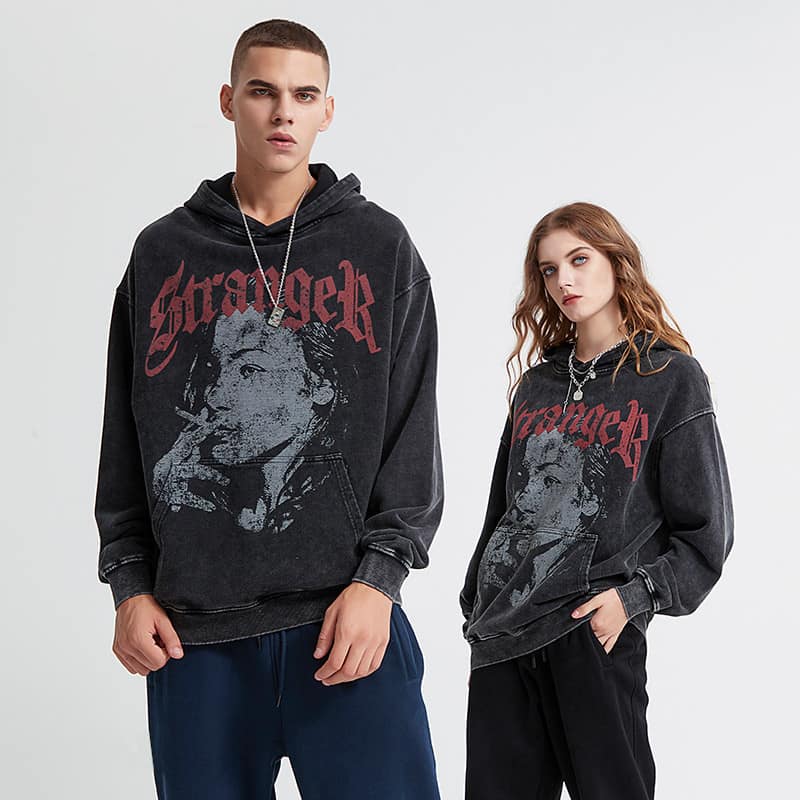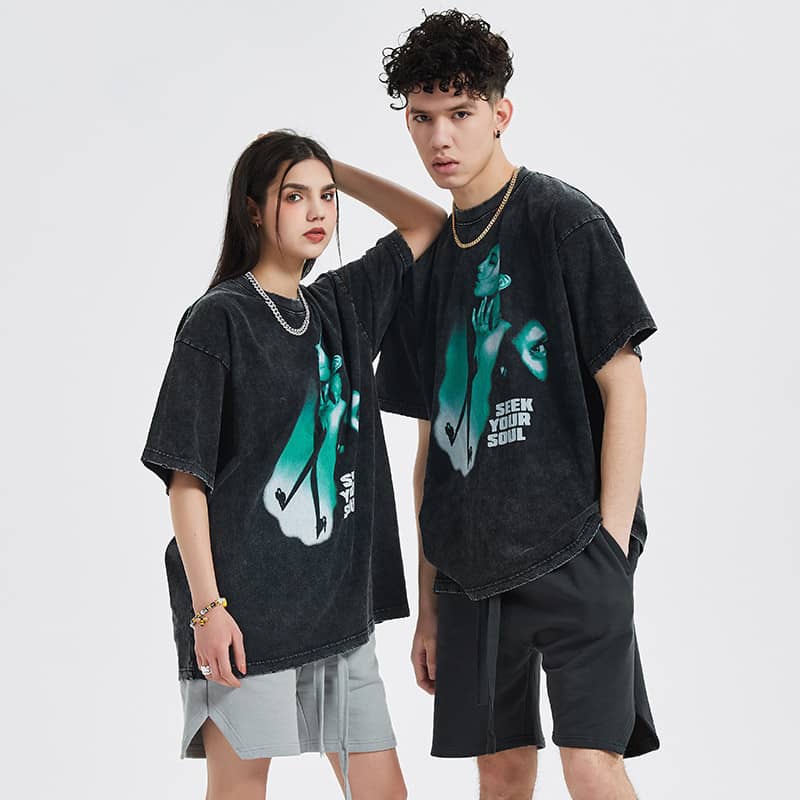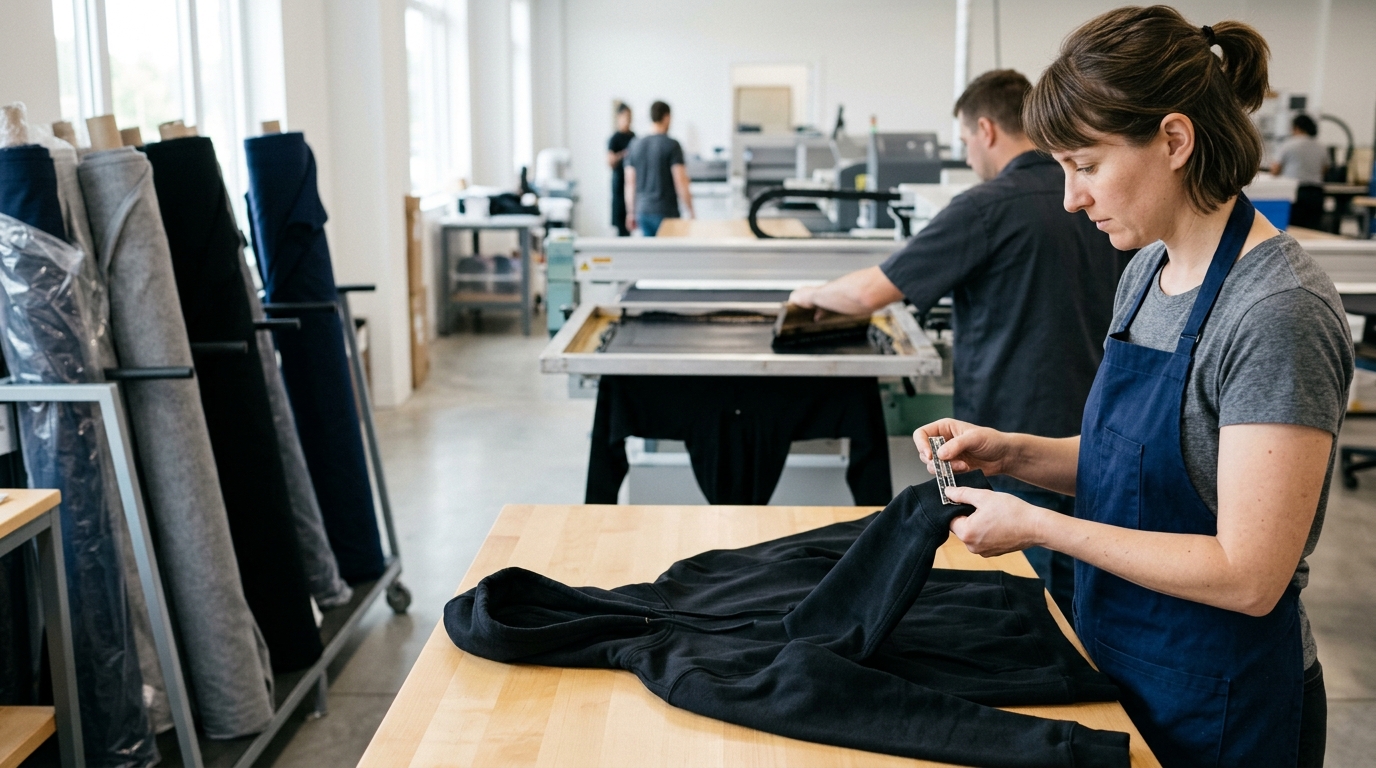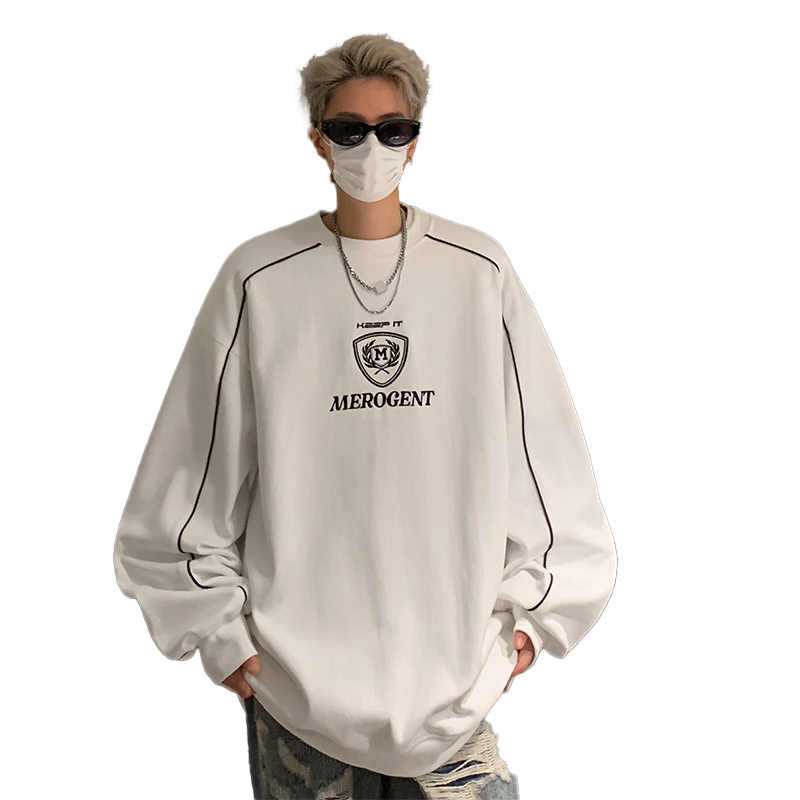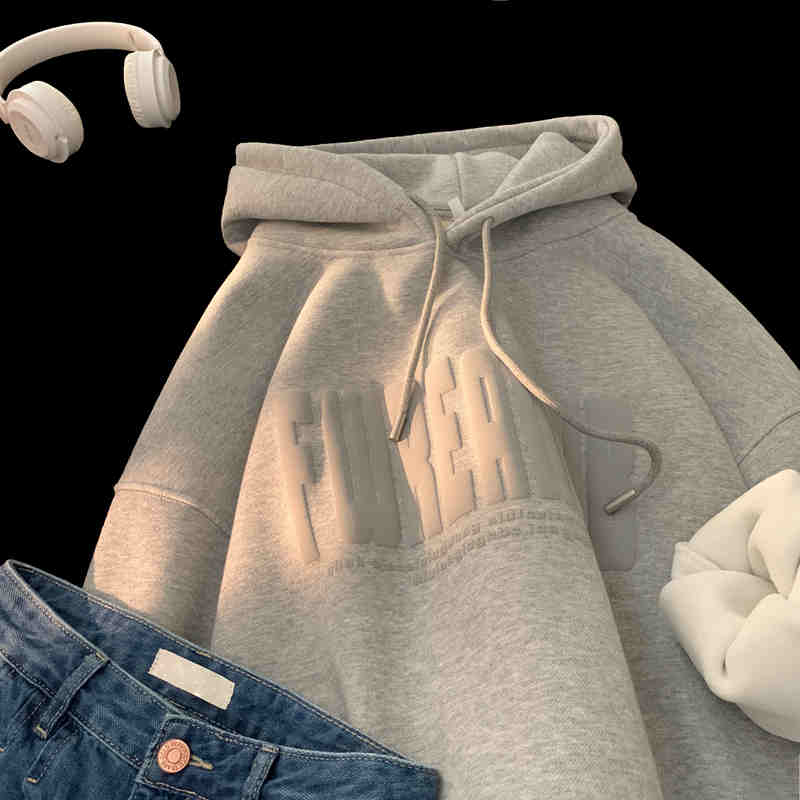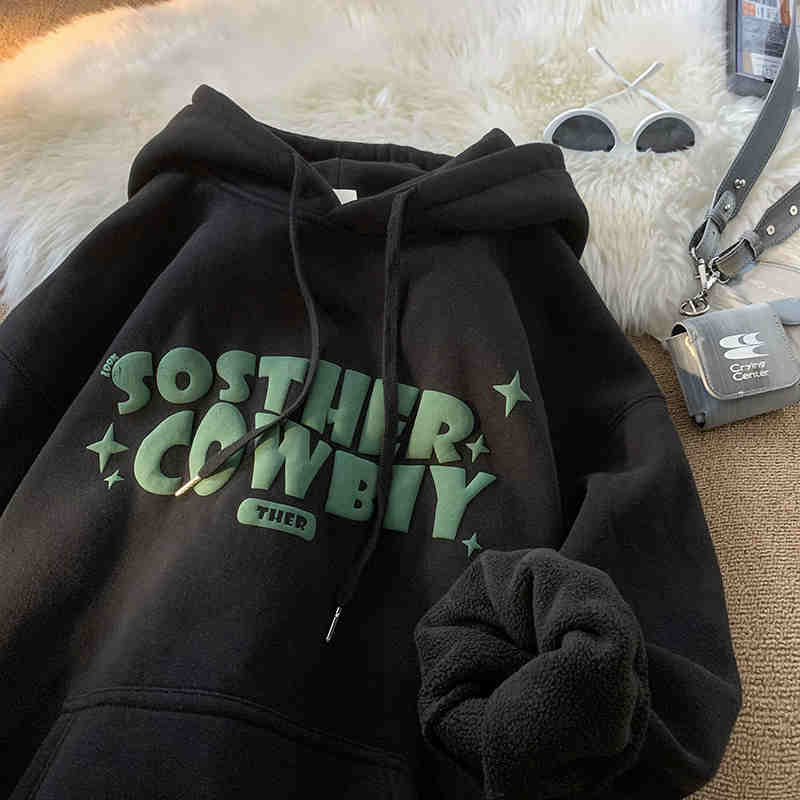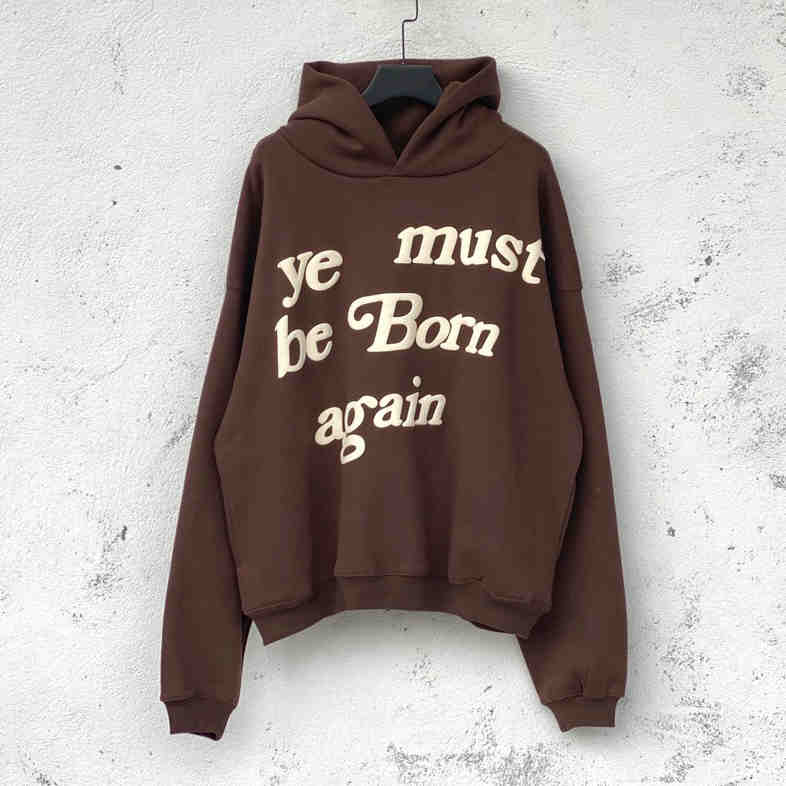
Clothing with your own logo is unthinkable without branding, marketing, or making merchandise. But running from a digital file to a ready-to-wear involves many choices. It is the logo printing that you select on clothes which has an impact on the outfit’s appearance, longevity, and cost.
This guide will clear everything for you. You will get our professional tips on choosing the best one for your project and thanks to them, you will learn how to make your design a pro in products like t-shirts, polo shirts, and hoodies. Time to make your Imagination real and wear it!
Quick Comparison: Finding Your Best Logo Printing Method
The first step is a simple table that will give you guidance. This chart is meant for you to easily identify the logo printing technique that best works with your project before moving on to the detailed description.
| Printing Method | Best For | Durability | Cost (per item) | Feel on Fabric |
|---|---|---|---|---|
| Screen Printing | High-volume orders (50+), simple designs with a few colors | High | Low for bulk | Slightly raised, smooth |
| Direct-to-Garment (DTG) | Complex photos, intricate designs, no minimums | Medium | High for one-offs | Soft, breathable, no feel |
| Heat Transfer Vinyl (HTV) | Simple text/shapes, names, numbers | Medium-High | Medium | Thick plastic-like layer |
| Embroidery | Premium look, professional branding, thick fabrics | Very High | Higher | Textured, raised stitching |
A Deep Dive into the Top 4 Logo Printing & Customization Methods
Understanding how each method works will also help you realize what makes it good or bad. The four methods to put a logo on clothes are the following.
Screen Printing: The Definitive Quality for Bulk Users
Screen printing involves creating a mesh screen for each color in your logo. Ink is pushed through this mask onto the fabric. You repeat this for each color with a different screen.
- Pros: Very inexpensive for high-volume orders. Produces bright, vivid colors. Prints that last as long as the garment itself.
- Cons: The screen setup takes time and costs money, therefore, small orders become extremely expensive. It is also not good for photos or intricate designs that require a lot of colors.
- Best for: Work uniforms, event t-shirts, band merchandise, and brand items when you order 50 pieces or more. For the best results on larger orders, use a dedicated screen printing service.
Direct-to-Garment (DTG): For Detailed, Full-Color Designs
The DTG method is similar to an inkjet printer for the fabric. The machine sprays water-based inks exactly on the t-shirt. As a result, the fabric absorbs these inks. Now you can produce prints in millions of colors.
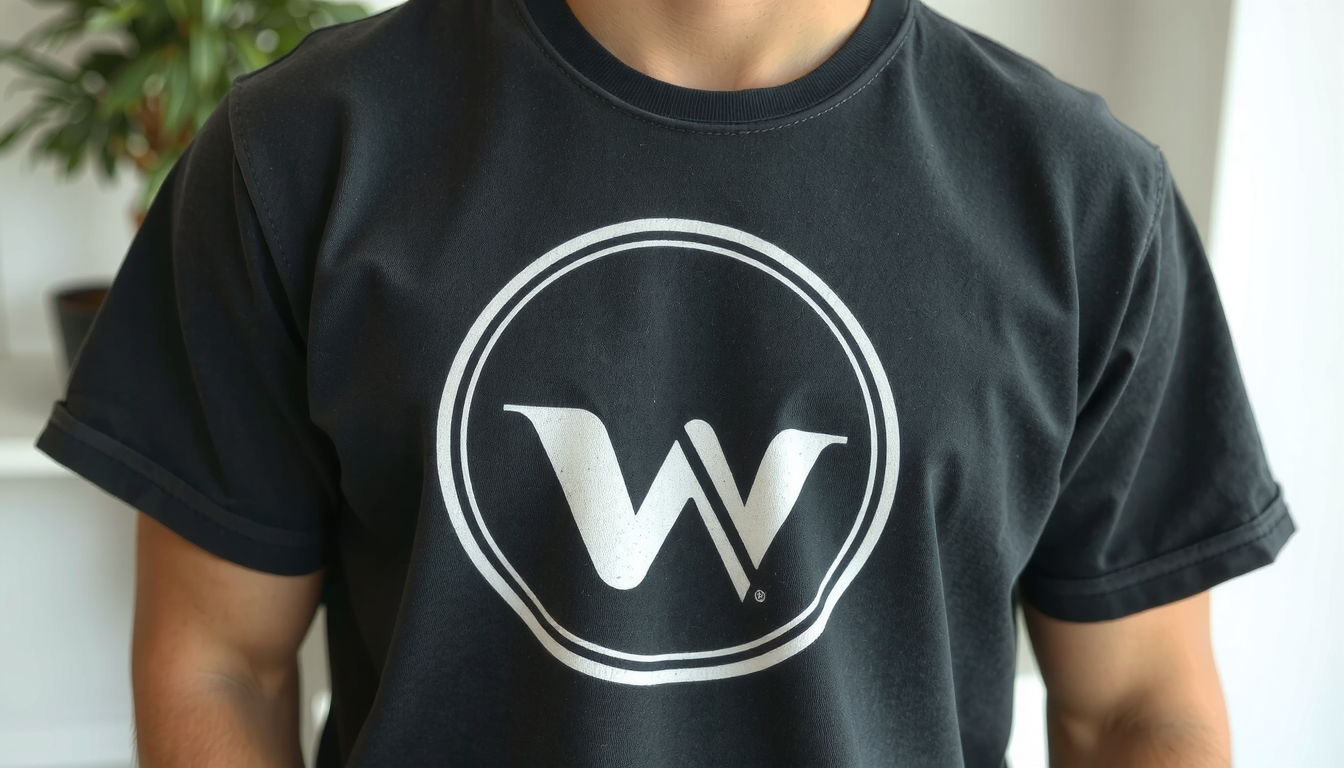
- Pros: Excellent for photographs and detailed, full-color designs. It is great for single items or small batches as there are no setup costs. The ink is absorbed by the fabric, thus, you get a soft and breathable feel.
- Cons: In comparison to screen printing, it is more expensive per item for bulk orders. The prints do not last as long after many washes. Darker shirts have less brilliant colors. There are many different types of printing on fabric and clothes, and DTG works best for complex designs.
- Best for: Print-on-demand businesses, artists selling merchandise with detailed artwork, and small orders that need photo-quality detail.
Heat Transfer Vinyl (HTV): Crisp Logos and Lettering
The HTV method involves cutting your logo from a sheet of colored vinyl. In the process called “weeding,” you remove the extra vinyl. After that, you can press the design on your garment with the help of a heat press.
- Pros: The method is fantastic for simple, bold designs, adding names, and numbers. When done properly, it is very durable. There are many finishes like glitter, metallic, and reflective.
- Cons: The result is the vinyl layer of the shirt feeling thick or stiff. It does not work on large or intricate designs. Poor-quality applications may crack or peel due to time.
- Best for: Custom sports jerseys, one-off promotional items, one-color logos on various clothes.
Embroidery: The Best, Textured Option
Embroidery is sewing, not printing. The special machine with the thread stitches your logo design into the apparel. Thus, the logo is formed in a textured, three-dimensional manner which is high-quality visually.
- Pros: Highest perceived value and gives a professional, sophisticated look. Extremely durable and often last longer than the shirt itself.
- Cons: Most expensive compared to the printing methods. Not suitable for large designs or fine, photo-like details. It can cause puckering on very light materials.
- Best for: Company logo clothing like polo shirts, corporate jackets, caps, and premium clothes from a specialized hoodie manufacturer.
How to Choose the Right Logo Printing Method for Your Project
Selecting the ideal logo printing method is easy once you ask the relevant questions. Take this guide to confidently pick up the perfect way.
Step 1: How Many Pieces Do You Need?
Quantity is the most crucial factor when it comes to your method choice. If you need an order of more than 50 with a simple design, then the cheapest one per item will be screen printing. However, for single items or small test runs, DTG or HTV will work best since they are min-less.
Step 2: What Does Your Logo Look Like?
Design complexities also matter a lot. A simple shape of your logo with one or two solid colors will be well done using screen printing and HTV. In contrast, a complex image or one with a blending of colors changes, only DTG can do that correctly.
Step 3: What Fabric Are You Printing On?
The t-shirt fabric is important. DTG printing will give you the best results on 100% cotton. It works great on the other materials as well including polyester, and blends. Besides, screen printing is good on these materials too. On the other hand, embroidery works best on thicker, more durable fabrics such as polo pique, canvas, and heavy fleece.
Step 4: What Is Your Priority?
In the end, the key is matching the printing method with your specific goal. For instance, if durability and getting a professional look are of utmost importance for uniforms, then you should pick either screen printing or embroidery. But if a soft feel and detailed design matter for a fashion brand, choose DTG. That’s our main idea for the craft introduction for new brands.
Getting Your Logo Ready for Flawless Printing: A Pro Checklist
So far, most printing issues came from art files, which we have observed. A file that is not high-quality will lead to a print that is not high-quality, regardless of the method you use. Following these steps will help you avoid recurrent issues.
-
Vector vs. Raster: For most logo printing on clothes, a vector file (.AI, .EPS, .SVG) works best. Vector graphics use mathematical paths and can be made any size—from a small chest logo to a large back print—without losing quality. A raster file (.JPG, .PNG) is made of pixels and gets blurry if you make it too big.
-
Resolution Matters: If you must use a raster file, make sure it has 300 DPI (dots per inch) at the exact size you want it printed. A low-resolution web graphic will look pixelated and unprofessional on a shirt.
-
File Formats for Each Method:
- Screen Printing & HTV: Vector files (.AI, .EPS) work much better.
- DTG: High-resolution raster files (.PNG, .PSD, .TIFF) work best.
- Embroidery: A high-quality raster or vector file is needed for digitizing, where the logo gets converted into a stitch pattern.
-
Transparent Backgrounds: Always save your logo as a .PNG with a transparent background. Submitting a JPG with a white background will put an unwanted white box around your logo on the shirt.
-
Color Matching (Pantone vs. CMYK): For brand consistency, color is key. Screen printing often uses the Pantone Matching System (PMS) for exact color accuracy. DTG printing uses a CMYK (Cyan, Magenta, Yellow, Black) process, like a desktop printer. If exact color is critical, give your printer the Pantone codes for your logo.
Adding the Final Touches: Logo Placement and Sizing
Your logo’s location is as important as the printing style. A logo in the right place conveys intention and professionalism.
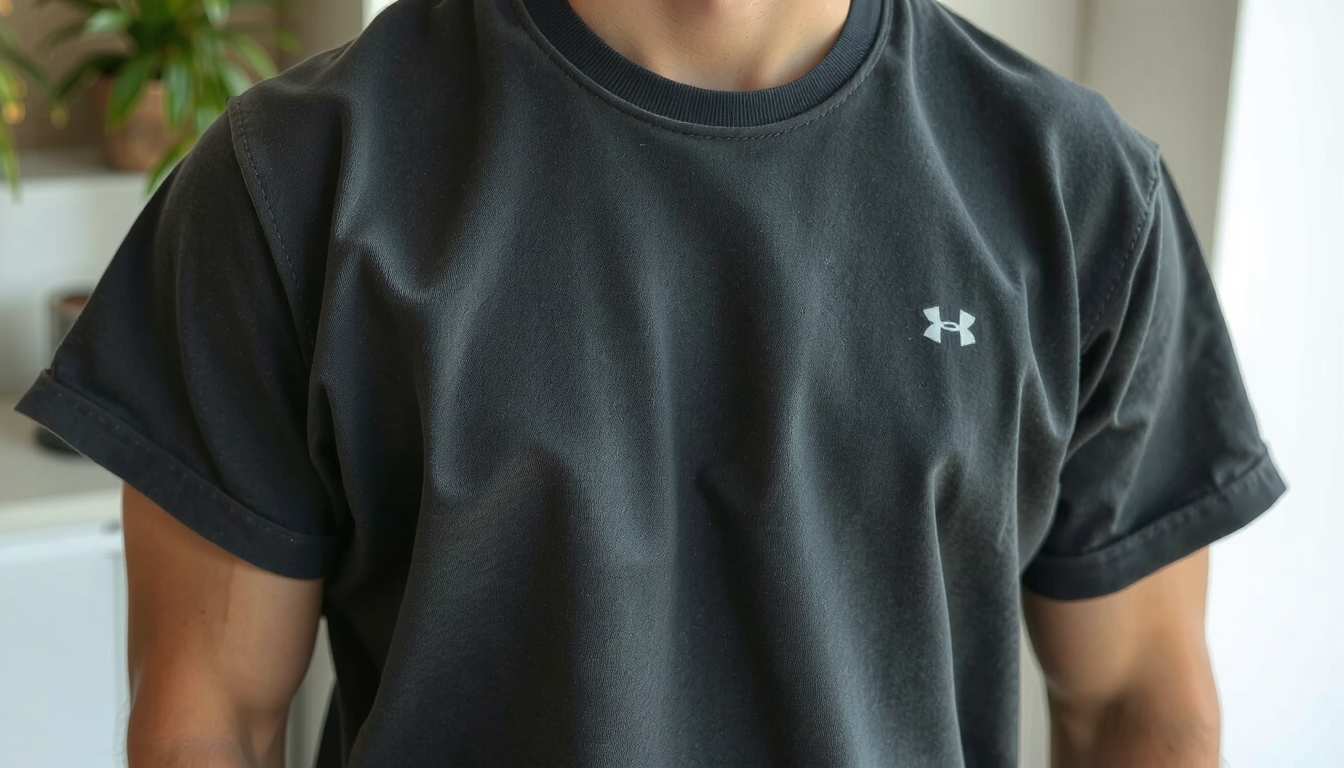
- Left Chest: The classic standard for corporate and casual wear. Usually 3-4 inches wide.
- Full Front: A bold, eye-catching placement for merchandise and event shirts.
- Upper Back (Yoke): A subtle branding touch placed just below the collar.
- Sleeve: A modern, stylish placement on either the bicep or wrist area.
Flat size proportions should always come to your mind. A small shirt with a huge logo can look tacky. An excellent printer should assist you in scaling the design correctly for different shirt sizes.
FAQ: Your Logo Printing on Clothes Questions Answered
Below you will find answers to some questions about custom logo apparel that people frequently ask.
What is the most durable method for logo printing on clothes?
The most efficient way of printing is high-quality screen printing, which can last for the entire life of the shirt, even without cracking or fading. However, for the long term, the strongest option is embroidery. The stitches become part of the fabric and are resistant to wear and tear.
Can I get a logo printed on dark-colored clothing?
Absolutely. For screen printing on dark clothes, a white “underbase” layer gets printed first. This acts as a primer, making sure the colored inks printed on top appear bright and true to color. DTG machines also use a white ink layer for dark shirts, though the final colors may be slightly less bright than on a white shirt.
What is the typical minimum order quantity (MOQ)?
This depends entirely on the printing method. Screen printing involves significant setup, so minimums usually start around 24-50 pieces to make it cost-effective. For DTG or heat transfer vinyl, there are no screen setup costs, so there’s often no minimum order—you can order just one.
How do I make sure my logo’s colors will print correctly?
The most reliable way is to give your printer the Pantone (PMS) color codes for your logo. The Pantone Matching System is a universal standard that ensures color consistency for screen printing. If you don’t have PMS codes, provide the highest quality file possible and ask for a digital mock-up or a physical sample to approve before the full run.
Is embroidery better than printing for a logo?
“Better” depends on what you want. Embroidery is superior for achieving a premium, textured, and highly durable finish, making it ideal for thicker fabrics like polo shirts, jackets, and hats. Printing is better for large designs, complex color gradients, photo images, and on lightweight t-shirts where heavy embroidery might pucker the fabric. The best choice depends on your specific clothing and brand image.