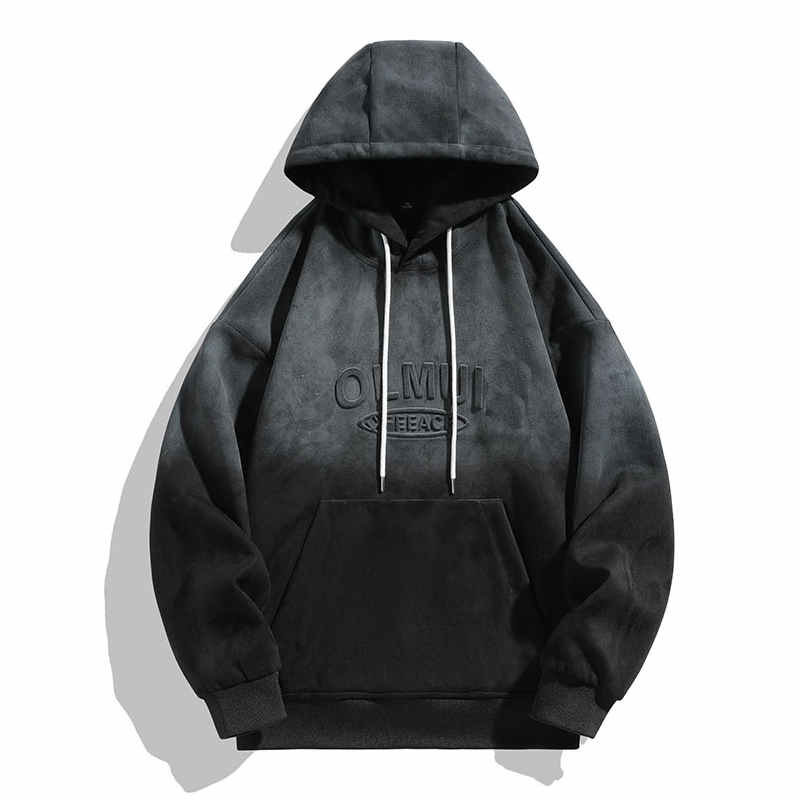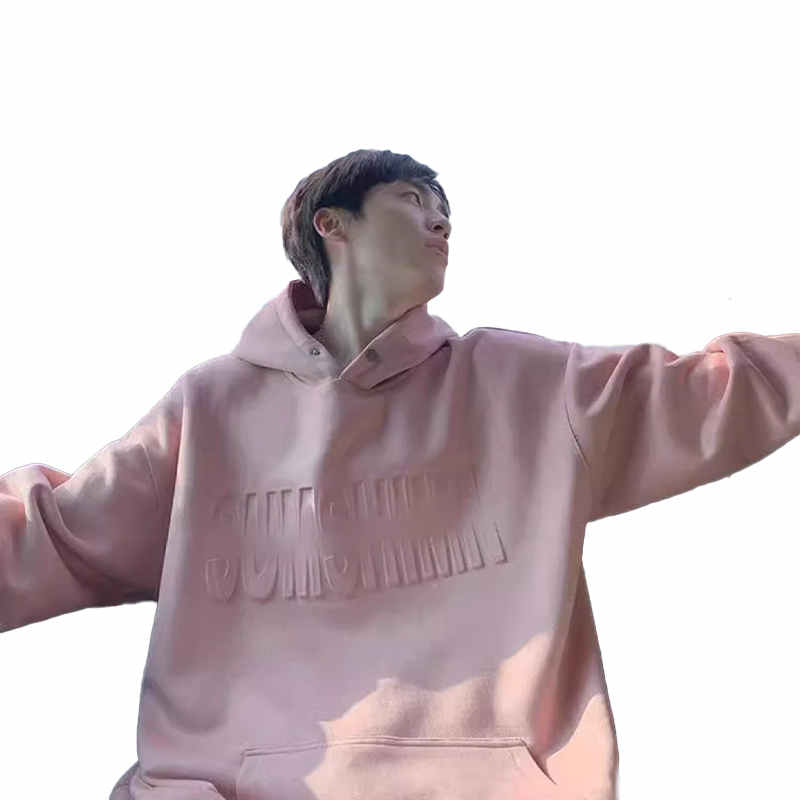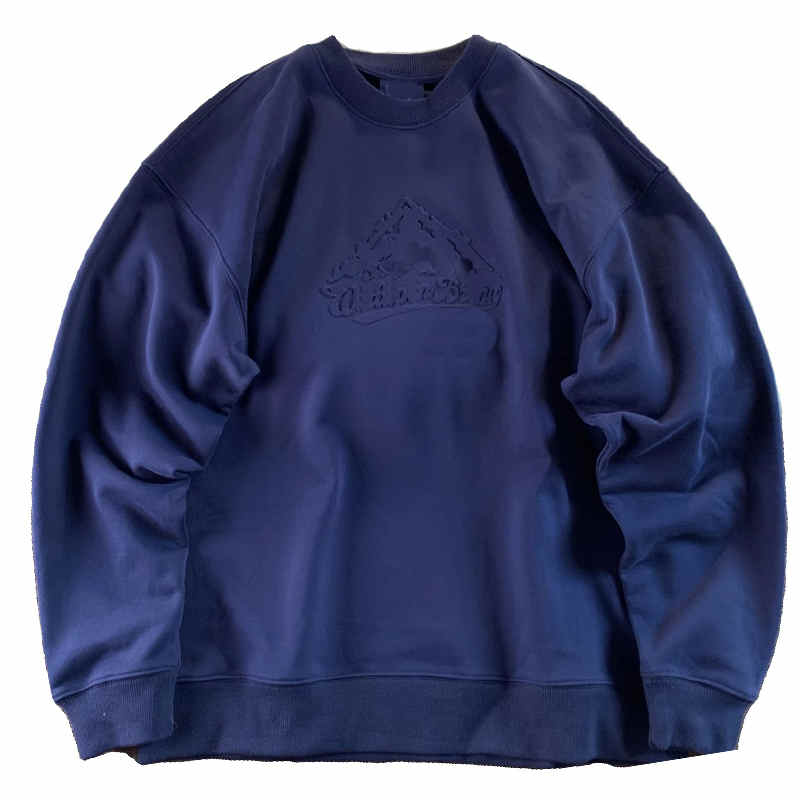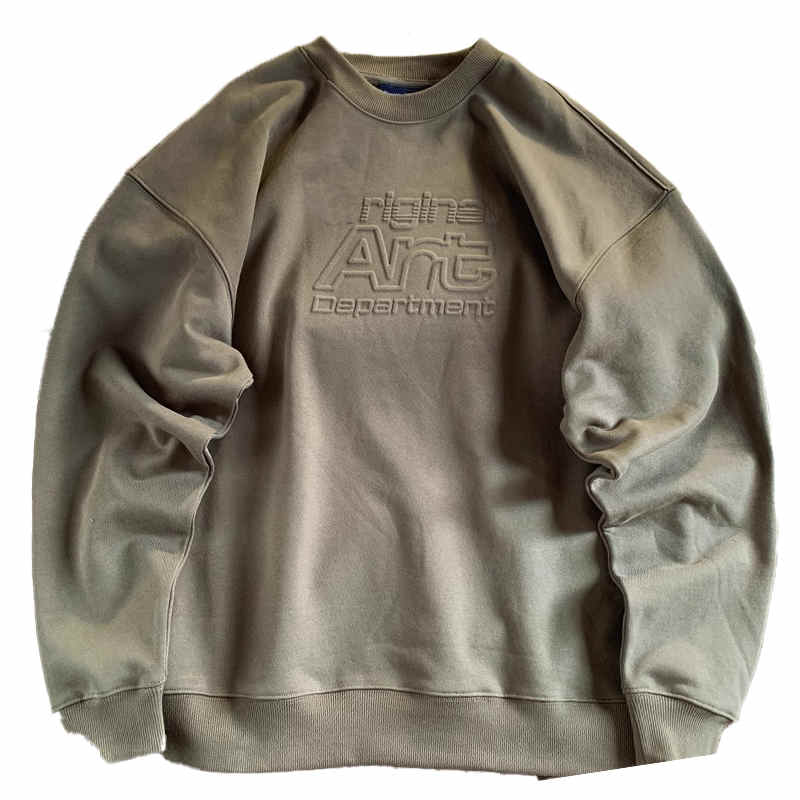
Witnessing the actualization of your design on the fabric is truly a breathtaking experience. You may be developing a streetwear brand. Or making merchandise for a festival. Or you might be making personalized uniforms for your team. No matter what your aim is, the correct apparel printing technique literally changes your abstract idea into a solid object that you can touch and see.
However, the number of options can be staggering. From screen printing to DTG and many others, which one should you choose? Which method aligns with your project scope, financial plan, and vision? This is the first thing that the new brand owners must deal with.
We are the ones in charge of garment manufacturing. We have assisted thousands of brands in such situations. Clothing printing will become easy with this manual. We will spot the most used techniques, compare them side-by-side, and direct you clearly to the right one.
The Essential Techniques: A Brief Look at Printing Processes
First of all, you need to get a grip on each of the printing technologies. The difference in methods leads to a dissimilar process, feel, and success in various projects. Here are the techniques most likely to come across.
Screen Printing: The Industry Workhorse
Screen printing is old and universal. The process is this: you create a different stencil (or screen) for each color in your design. A mesh screen is then used to push the ink onto the garment with a squeegee. This builds a vibrant layer of color that is thick.
The majority of the time, this technique is used in mass clothing printing. In addition, it is durable and cheap when produced in bulk.
- Best For: Bulk orders (usually more than 50 units), simple designs with few colors, and on dark fabrics, bright, solid colors.
- Pros: Very affordable when selling in large amounts. Prints that are extremely durable and last a lifetime. Produces even richer colors.
- Cons: Setup costs are high, which makes it costly for low runs. Each color increases the cost. Photos or highly detailed, multi-color designs are not ideal. The best results come from a vector art file.
To further your understanding of this classical technique, check out our guide on Screen Printing.
DTG Printing: For Full-Color Designs
Direct-to-Garment (DTG) printing is a brand new technological innovation. It functions like an inkjet printer for textiles. The printer sprays special, water-based inks right onto the fabric. The ink is absorbed directly into the fibers.
This technique is a game-changer. It can make a full-size color photo, complex gradients, and designs of any color. You don’t need to pay extra setup fees for different colors.
- Best For: Low amounts or one-off prints. Photos or highly-detailed graphic designs. Print-on-demand solutions. Projects where the ink becomes part of the garment.
- Pros: The design is very detailed and the color options are unlimited. The fabric has a very soft touch. Suitable for small groups with a quick and easy setup.
- Cons: For large orders, it may not be cost-effective. Without a proper white base, the colors can be less impressive on dark fabrics. It works best with 100% cotton and high-cotton/ cotton blends.
As pointed out in this overview on Types of Shirt Printing: Picking the Best Method for Your Brand, DTG is a great option for businesses not in need of large warehouse orders.
DTF Printing: The Multifunctional Newcomer
Direct-to-Film (DTF) is a currently trending art print technology. It combines the moveability of transfers with the digital printing’s superior quality. The procedure is the following: design print on a transfer film that is special. The film is coated with the adhesive powder and is heat-pressed on the garment.
The result is a high-quality print that is visibly sitting on top of the fabric, just like a sticker.
- Best For: Printing on numerous types of fabric including cotton, polyester, and blends. Making sharp and vibrant prints on any color clothing. Ideal for small to medium runs.
- Pros: It has the best performance across a variety of fabric types. The very long-lasting and flexible prints. It is possible to produce highly detailed, full-color images.
- Cons: The print has a distinct feel as it sits on the fabric. Not as soft and breathable as a DTG print.
Other Important Techniques: Vinyl and Sublimation
Another two specialized methods are also used for particular cases.
Heat Transfer Vinyl (HTV) entails cutting a design out of a colored vinyl sheet and then using a heat press to apply it onto the garment. According to experts on Types of printing on T-shirts, it is the ideal solution for simple, prominent graphics like team names and numbers on jerseys.
Dye Sublimation is a completely different animal. Intense heat directly transforms solid ink into gas, which then permeates the polyester fibers. This results in a feel-free, permanent print that will crack or fade. This process is effective only on 100% polyester or poly-coated materials. It’s perfect for stretching all-over prints on performance garments.
How to Decide: A Decision-Making Framework
Now that you have in mind the different types of clothing printing, the next question is how to decide? There is no such thing as a universal “best” method. It all depends on your particular project requirements.
We use very simple tools to guide our partners toward the right choice. Ask yourself the following 5 questions:
Factors to Take Into Account
- Order Quantity: Is this a one-off sample or a 1,000-piece production run? The answer will immediately narrow your options. DTG is great for low quantities. Screen printing becomes economical at high volumes.
- Design Complexity: How many colors are in your design? Is it a simple logo or a full-color photograph? Screen printing is best for few colors. DTG and DTF excel with high complexity.
- Fabric Type: What material is your garment? DTG loves cotton. Sublimation requires polyester. DTF can handle almost anything.
- Durability & Feel: Are you prioritizing maximum wash resistance or a soft, breathable print? Screen printing and DTF are durability champions. DTG offers the softest feel.
- Budget: What is your target cost-per-item? Screen printing offers the lowest cost at scale. Methods like DTG are priced more for one-off or small-batch custom work.
The Clothing Printing Comparison Matrix
To make it even easier, we’ve organized these factors into a quick-reference table. Use this matrix to see how the major methods stack up against each other.
| Printing Method | Best for Quantity | Design Complexity | Fabric Compatibility | Durability & Feel |
|---|---|---|---|---|
| Screen Printing | High (50+) | Low (1-4 colors) | Most fabrics | Very Durable / Thicker feel |
| DTG | Low (1-50) | High (Full color) | Cotton / High-cotton | Good Durability / Soft feel |
| DTF | Low to Medium | High (Full color) | Almost any fabric | Very Durable / Sits on top |
| Vinyl (HTV) | Low (1-20) | Very Low (Simple shapes) | Most fabrics | Good Durability / Varies |
From Design to Delivery: A Practical Walkthrough
Picking a printing method makes up only a part of the journey. In order to have your vision executed in the exact manner you intended, it is of utmost importance that you are aware of the whole production journey. Here’s an easy-to -follow step-by-step path based on our hands-on experience in apparel manufacturing.
Step 1: Finalizing Your Design
A great print starts with a great file. For screen printing, a vector file (.AI, .EPS, .SVG) is essential. It can be scaled infinitely without losing quality. For DTG or DTF, a high-resolution raster file is required. Use a .PNG with a transparent background at 300 DPI to prevent blurry or pixelated results. Always commit to print placement and size.
Step 2: Choosing Your Garment
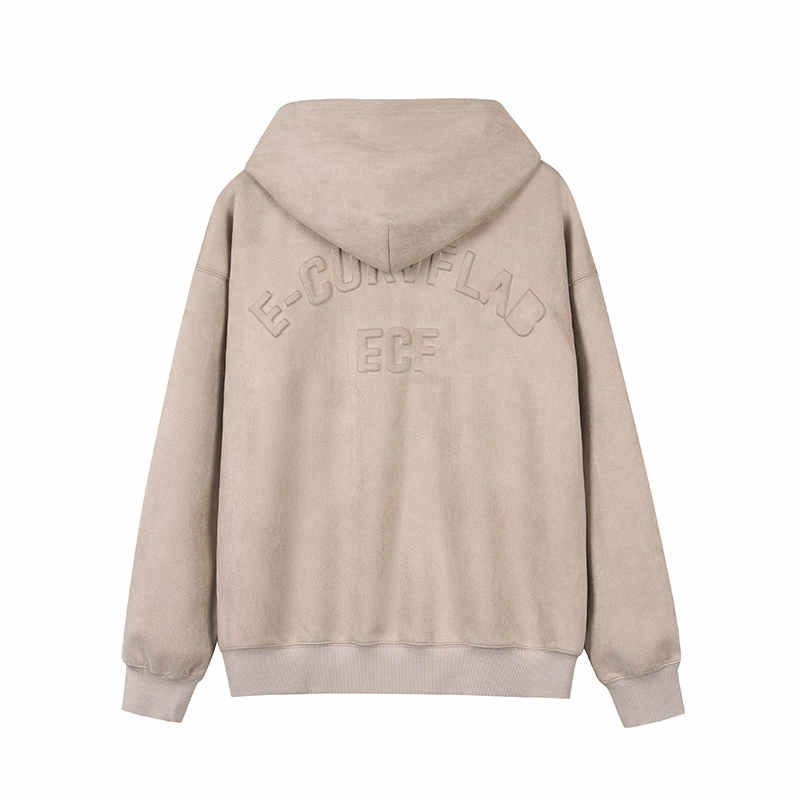
The garment itself is half the product. The fabric, weight, color, and fit all impact the final result of your clothing printing project. For example, selecting the right blank is crucial when you’re working with a hoodie manufacturer to ensure the fabric weave and print method are compatible for a premium finish.
Step 3: Submitting for a Quote
To get an accurate quote, you’ll need to provide your manufacturer with key details. Your final design. The total quantity per design. The specific garment you’ve chosen (or its specs). All print locations (e.g., front chest, back, sleeve).
Step 4: The Mockup & Sample Approval
Your printing partner will provide a digital mockup showing your design on the garment. While helpful, we cannot overstate the importance of a physical sample for bulk orders. This is your only chance to approve the colors, print size, placement, and overall feel before committing to the full run. Don’t skip this step.
Step 5: Production & Quality Control
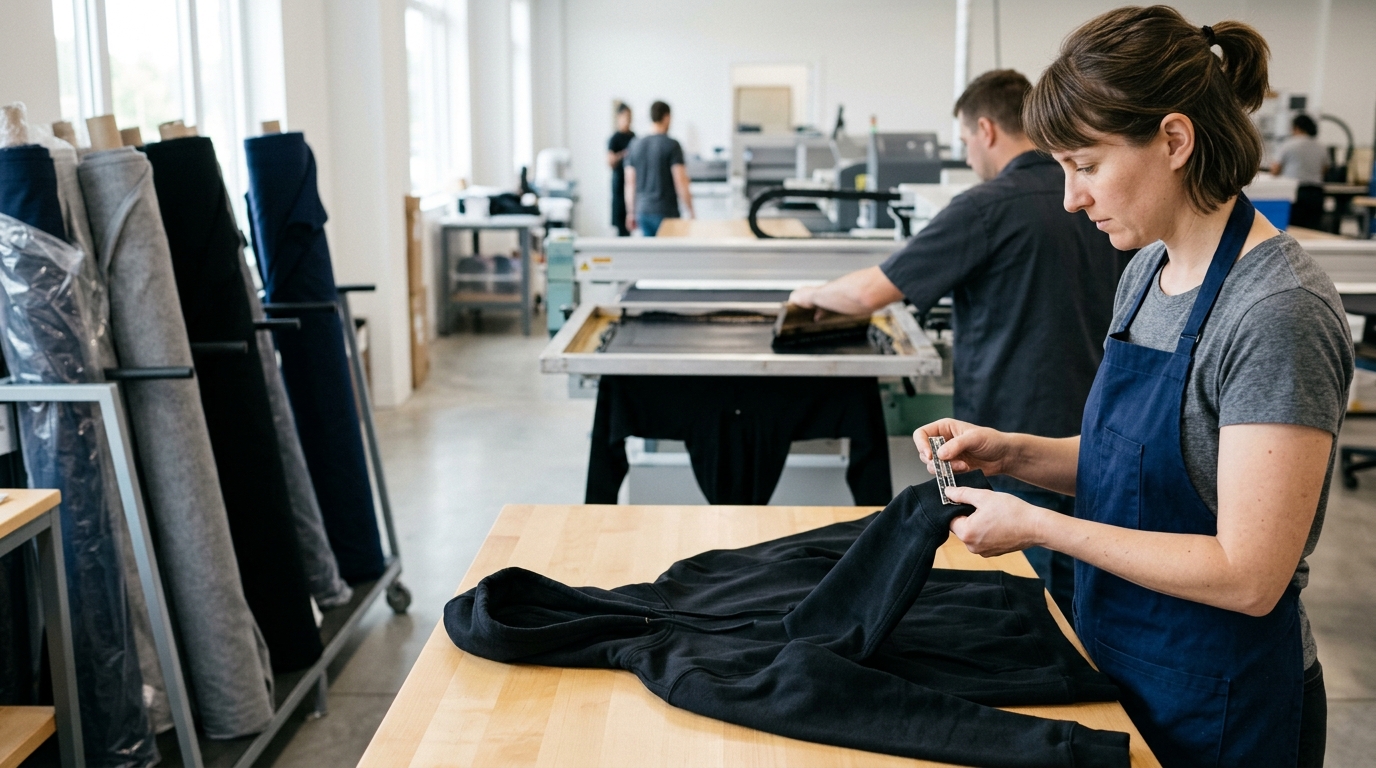
Once you approve the sample, your order moves into production. A reliable partner will have quality control checkpoints throughout the process. This ensures every piece matches the approved standard. They’ll check for print consistency, color accuracy, and garment defects.
Understanding these steps is a core part of learning how to start a brand and is essential for bringing a professional product to market.
Conclusion: Making Your Mark with Confidence
The world of clothing printing offers incredible tools to bring your ideas to life. We’ve seen that the right choice isn’t about finding the single “best” method. It’s about matching the right technique to your project’s specific goals for quantity, design, fabric, and feel.
With this knowledge, you are now equipped to have a confident, informed conversation with any printer or manufacturer. You can weigh the pros and cons. Ask the right questions. Choose the printing method that will truly make your design shine.
Ready to start your project? At TZ Streetwear, we specialize in bringing creative visions to life with high-quality apparel manufacturing and expert guidance every step of the way.
Frequently Asked Questions (FAQ) about Clothing Printing
What is the most durable clothing printing method?
For pure longevity and the ability to withstand countless washes, traditional screen printing is generally considered the most durable. The inks cure and form a strong bond with the fabric. Direct-to-Film (DTF) printing is also exceptionally durable, offering excellent resistance to cracking, peeling, and fading.
Can you print a photograph on a t-shirt?
Yes, definitely. The best method for printing photographs or any design with complex colors and fine details is Direct-to-Garment (DTG) printing. It acts like a paper printer for fabric. It accurately replicates millions of colors to create a high-quality image with a soft feel.
How much does it cost to get a shirt printed?
The price of clothing printing is dependent on four main factors: the printing method, the order quantity, the colors used in the design, and the quality of the garment itself. A single shirt with DTG printing could cost between $20 and $30. A large order of screen-printed shirts could cost less than $10 each.
What’s the difference between DTG and DTF?
The key difference is in how the ink is used. DTG printing sprays water-based ink directly onto the garment, where it soaks into the cotton fibers. DTF prints a design onto a film that is later heat-pressed on top of the garment. In the guides covering 6 Types of Shirt Printing Methods & How They Work, it is clear that this makes DTF more adaptable to other fabrics (like polyester) while DTG gives a softer, integrated feel that is characteristic of cotton.
Do I need a special file for clothing printing?
Yes, providing the correct file type is crucial for a quality result. For screen printing, a vector file (such as .AI, .EPS, or .SVG) is the industry standard because it can be resized without losing clarity. For digital methods like DTG and DTF, the file needs to be raster (pixel-based) and of high quality.