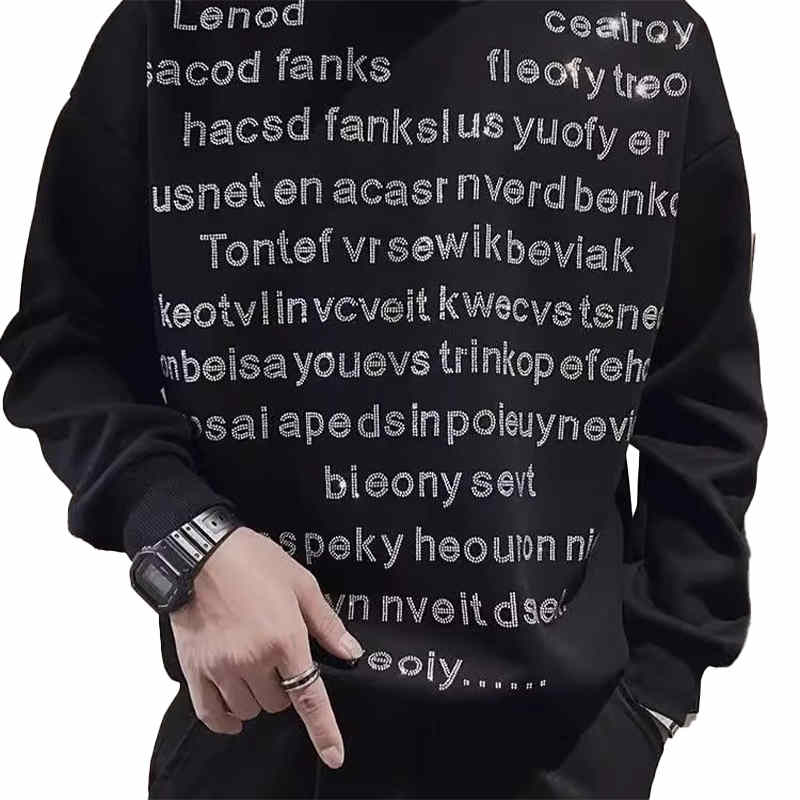
Selecting a method for clothing printing can be a daunting task. You have a fantastic design, but there are many ways to put it on a shirt or hoodie. This guide is aimed at helping you to understand print clothing.
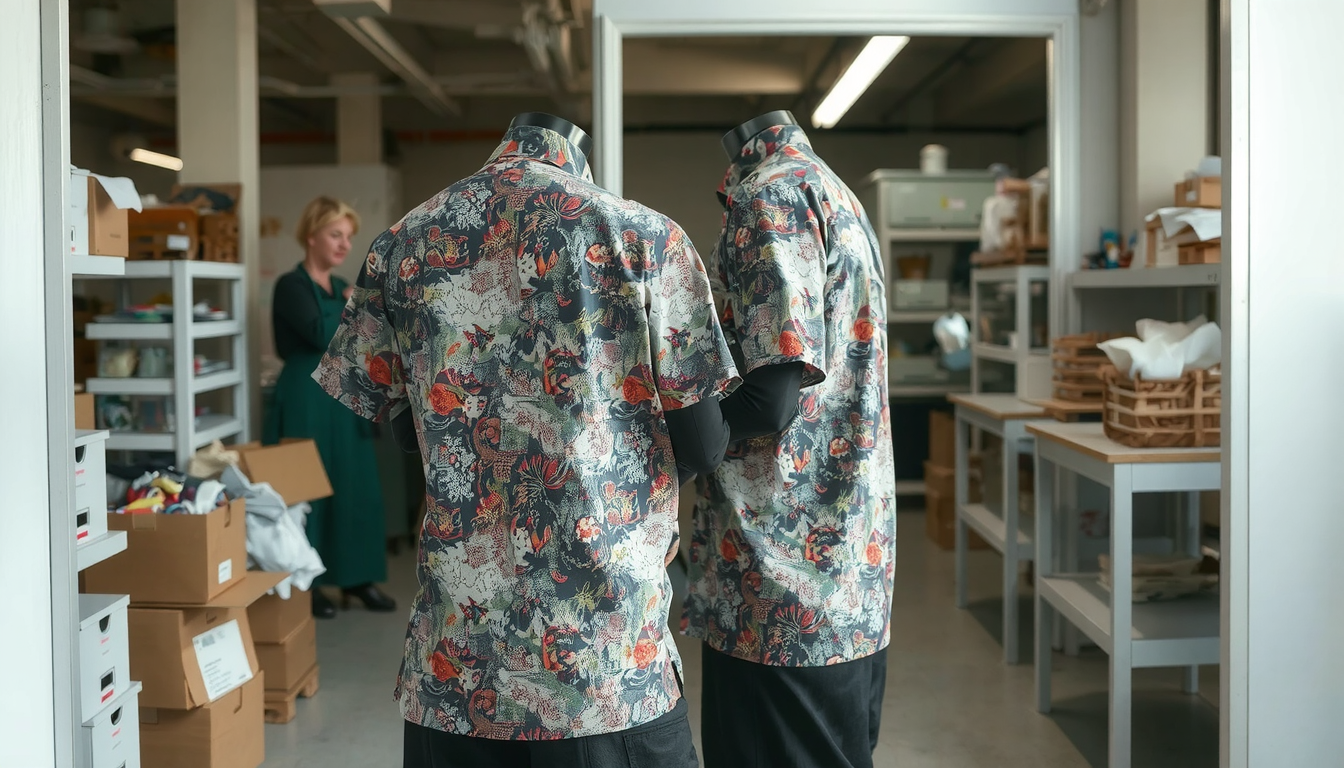
We will cover today’s most popular methods. These include DTG, Screen Printing, DTF, and Dye-Sublimation. Our mission is to provide you with straightforward instructions. You will acquire the knowledge to choose the best printing method for your company. At TZ Streetwear, we are ready to help you with production. This guide is the first step.
The Core Four: Clothing Printing Methods
To make the right decision for your brand, you have to be familiar with the main printing options. Each method has its own advantages. Understanding them will enable you to find the best printing process for your design. This results in quality print clothing.
Direct-to-Garment (DTG) Printing
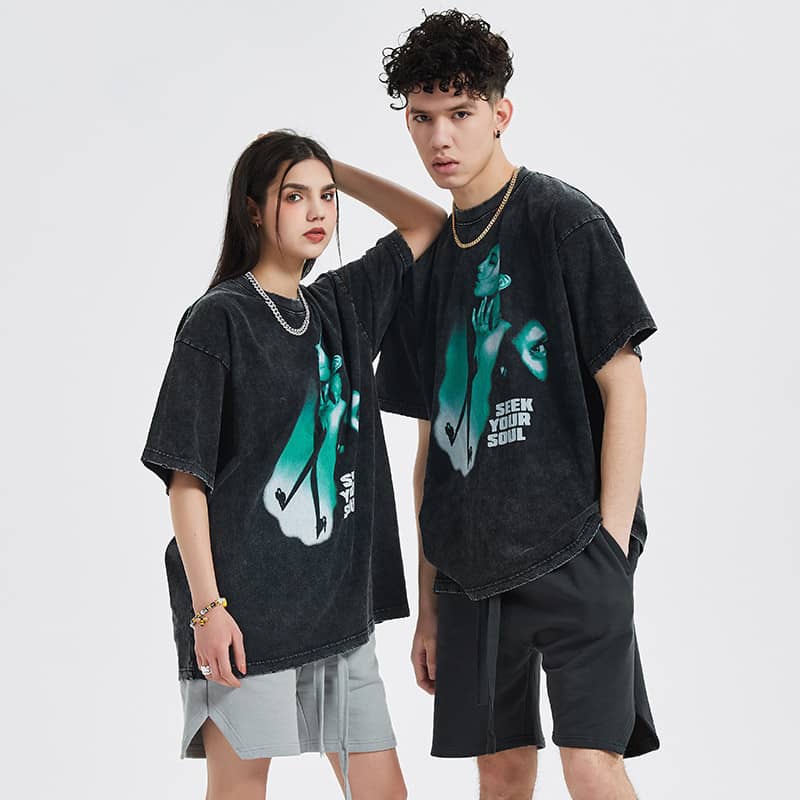
Direct-to-Garment, or DTG, printers resemble office paper printers, but they print on fabric. A special printer sprays water-based ink directly onto the clothing, where the ink is absorbed into the cotton fibers.
This technique is best for designs that feature many colors or fine details, like a photograph. The startup cost is very low for single items or small orders. The disadvantage is that for large orders, it is more expensive. The technique is ideal for 100% cotton clothing. As mentioned in this article about 6 Types of Shirt Printing Methods & How They Work, DTG is a prime option for complicated, full-color designs.
- Feel & Durability: The print feels soft and breathable because the ink is in the fabric. With proper care, it has good durability.
- Best For: Complex, multi-color designs, photos, and small orders.
Screen Printing
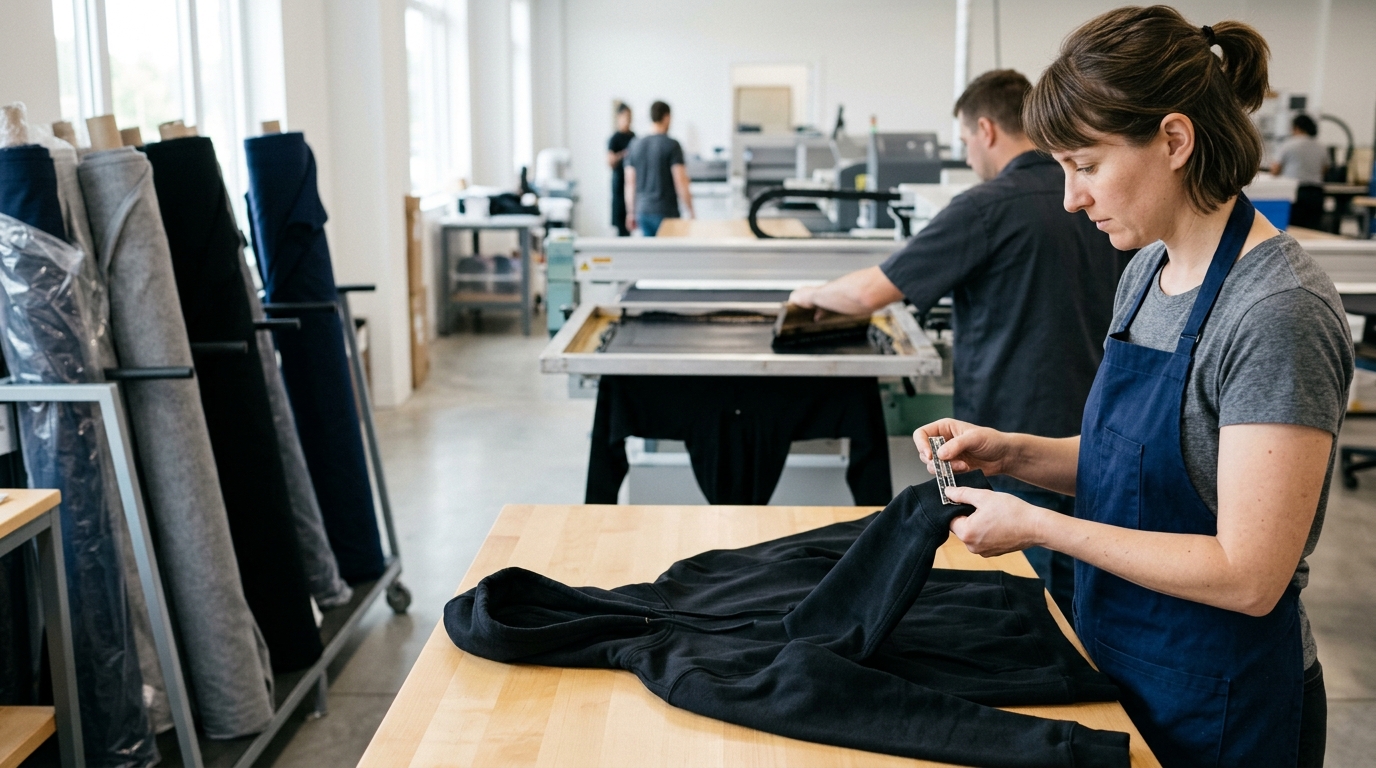
Screen printing is an old-school technique that uses a stencil, called a screen, to push ink onto the garment. Every color used in the design needs a separate screen.
This method produces very bright and vivid colors. It is an economical way for mass orders of the same design. The main disadvantages are the high setup cost for designs with many colors and small quantities. It’s also not appropriate for printing photorealistic images.
- Feel & Durability: The ink stays on top of the fabric, which gives it a slightly raised feel. It is very durable and can last for years.
- Best For: Simple graphics with few colors, large volume orders (50+), and brand logos.
Direct-to-Film (DTF) Printing
Direct-to-Film, or DTF, is a new, versatile technique. First, the design is printed onto a special film. Then, the film is placed on the garment and a heat press transfers the design.
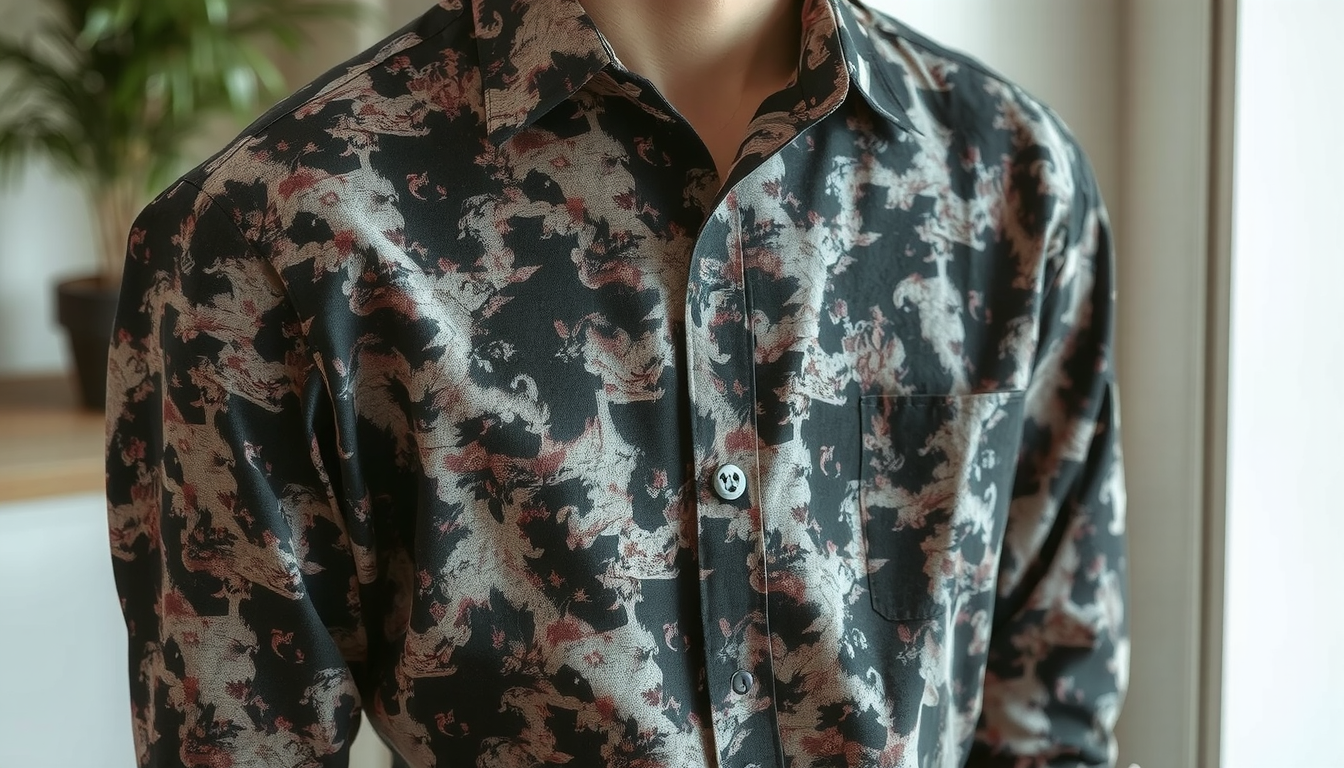
DTF is great because it works with a variety of fabrics, including cotton, polyester, and different material blends. It creates attractive, clear prints that look amazing on both light and dark garments. The main con is that the print sits on top of the fabric, so it may feel a little less soft than a DTG-printed piece.
- Feel & Durability: The print has a smooth, slightly plastic-like feel. It is very durable and flexible.
- Best For: Printing on a wide variety of fabrics, full-color logos, and detailed designs on dark garments.
Dye-Sublimation Printing
Dye-sublimation is a unique printing process. The design is printed on specialized paper. Then, heat converts the ink into a gas, which bonds directly with the fabric fibers. The ink becomes a part of the material itself.
This results in a print you can’t feel at all. It is extremely durable and will never crack, peel, or fade. Dye-sublimation is also often used for “all-over” prints that cover the entire garment. However, it only works on fabrics with a high polyester content and is not suitable for dark clothing.
- Feel & Durability: The print has no texture. It is as soft as the fabric itself. Its durability is permanent.
- Best For: All-over prints, performance wear, and 100% polyester apparel.
| Method | Best for (Volume) | Design Complexity | Best Fabric | Feel/Texture | Durability |
|---|---|---|---|---|---|
| DTG | Small (1-20) | High (Photos) | 100% Cotton | Soft, in-fabric | Good |
| Screen Print | Large (50+) | Low (1-4 colors) | Cotton, Blends | Slightly Raised | Excellent |
| DTF | Small to Large | High (Full Color) | Cotton, Poly, Blends | Smooth Surface | Excellent |
| Dye-Sub | Small to Large | High (All-Over) | 100% Polyester | No Feel, in-fabric | Permanent |
The Brand Owner’s Decision Framework
Now that you are aware of the methods, how will you make the best choice? Answering a few key questions about your project will help you decide on the best print clothing line.
Question 1: Your Design’s Complexity?
Take a look at your artwork: is it simple or complex?
- Simple graphics with one to four colors? -> Screen Printing is often the cheapest and most vibrant choice for this type of design.
- Photographs or art with many colors and gradients? -> DTG or DTF will capture the detail and color range perfectly.
Question 2: Your Production Volume?
How many items need to be produced?
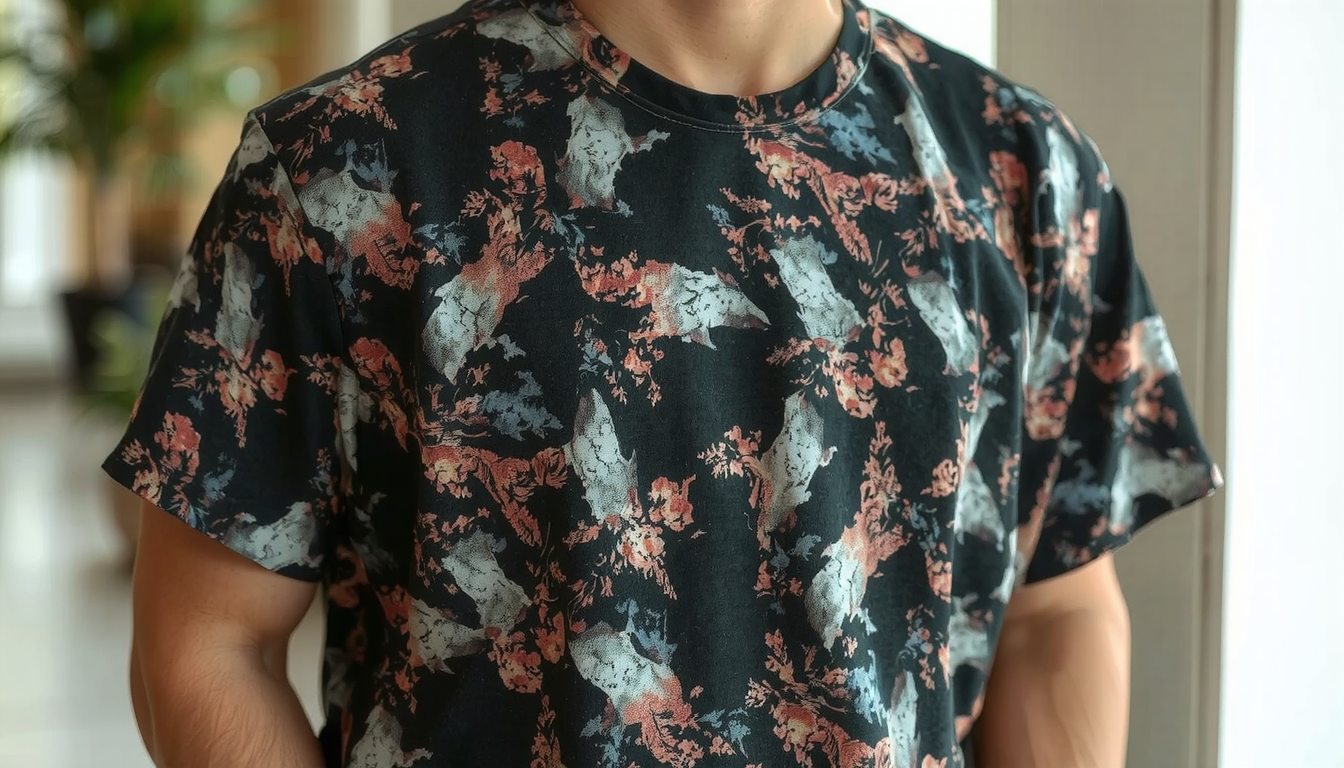
- One-offs, samples, or a small batch (under 50)? -> DTG or DTF are ideal. They don’t have setup fees per color.
- 50 or more pieces of the same design? -> Screen Printing becomes much cheaper per item. Screen printing often has a setup fee per color, so it is economically feasible only after a certain quantity, like 24-50 units. DTG has a more consistent cost per unit regardless of volume.
Question 3: Your Fabric and Garment?
What kind of material are you going to be printing on? This is a pivotal aspect.
- 100% Cotton T-Shirts? -> Screen Printing and DTG both excel on natural cotton fibers.
- Polyester Performance Wear? -> Dye-Sublimation is a great solution. It maintains the soft feel and breathability of the fabric.
- A mix of blends, hats, or dark garments? -> DTF is the most versatile option, as it can stick to almost any material. As experts on Types of Printing on Fabric and Clothes explain, matching the print method to the fabric is key for quality.
Question 4: Your Desired “Feel”?
How do you want the print to feel to the touch? This is a key factor in how customers perceive your brand’s quality.
- A soft, breathable, “in-the-fabric” feel? -> Dye-Sublimation or DTG on light garments will give you this premium result.
- A classic, slightly raised, durable graphic feel? -> Screen Printing provides this traditional texture that many brands love.
- A slick, vibrant, smooth surface? -> DTF creates this modern, sharp finish.
The feel of your print clothing definitely constitutes a large part of your brand story. To know more about creating a strong brand identity, read our guide on how to craft an introduction to your brand.
Beyond the Tee: Printing on Apparel
Great print clothing goes beyond basic t-shirts. Hoodies, activewear, and hats all have unique needs.
Printing on Hoodies & Sweatshirts
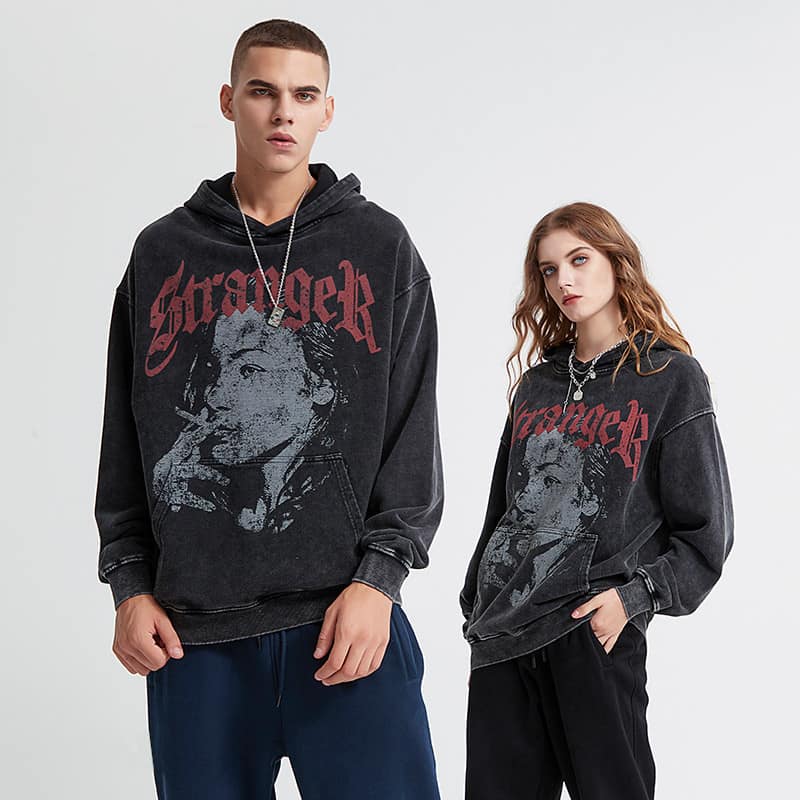
Hoodies are a popular item for many brands. The thick, soft fleece material requires special attention.
- Best Methods: Screen Printing is a good choice for larger hoodie orders. DTF is also an excellent method, mainly for its versatility, as it allows you to print very detailed designs.
- Expert Tip: From our experience, printing on heavy fleece requires a special approach. Screen printing needs a thicker ink deposit to avoid being absorbed. DTF, on the other hand, bonds beautifully to the surface and captures every little detail. We have helped many brands create eye-catching items. Printing over pockets or near zippers can be tricky, so design your placement carefully.
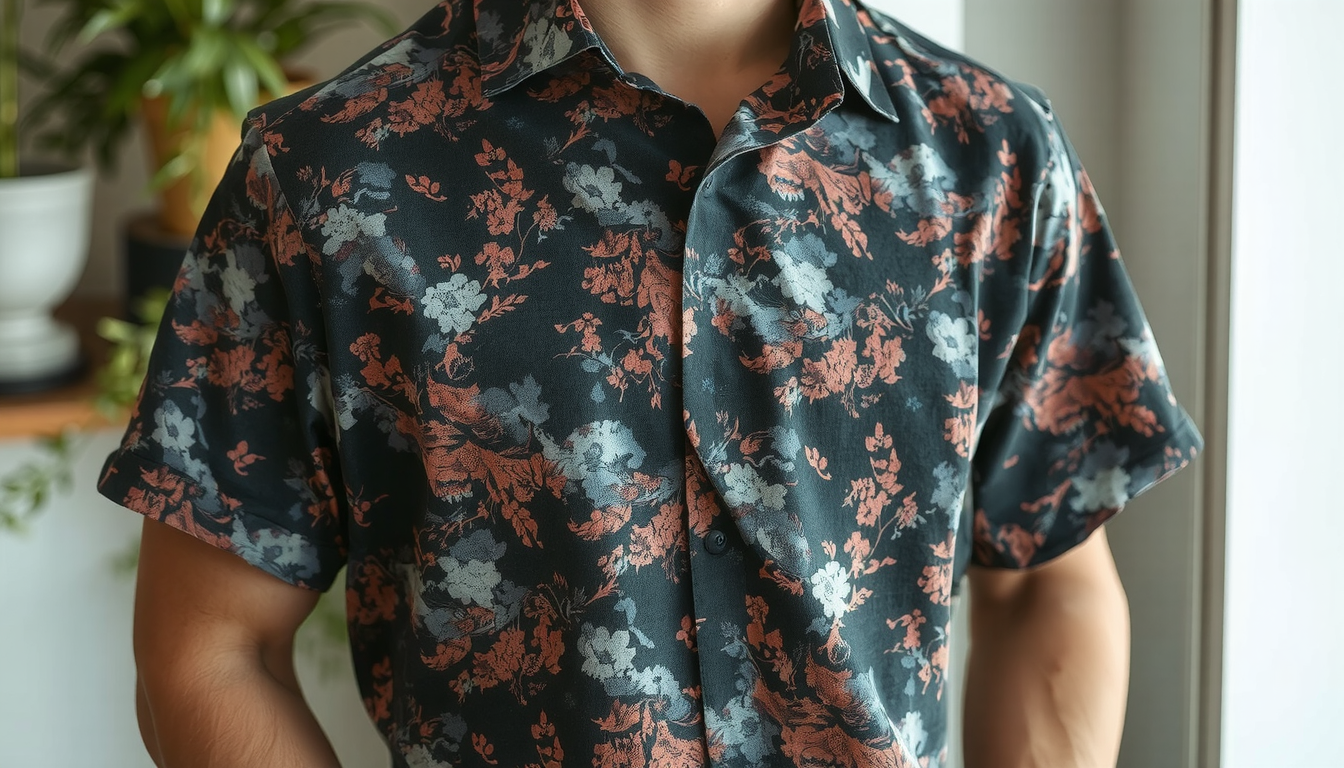
For brands focusing on this popular item, we offer specialized services. You can find out more about our custom hoodie manufacturer options.
Printing on Performance Wear
Athletic apparel is often made of polyester or elastic blends. The goal is to print a design without compromising the function of the fabric.
- Best Methods: Dye-sublimation is the best choice for 100% polyester. It doesn’t block the fabric’s pores, so it stays breathable. DTF is a good alternative for blends.
- Expert Tip: We do not recommend using screen printing on very stretchy fabrics, as the ink may crack or peel when the material is stretched.
Printing on Hats & Accessories
Hats and other accessories can serve as a very good branding tool.
- Best Methods: Embroidery is a traditional style for hats. For detailed logos on trucker hats or beanies, DTF patches are a modern and popular trend that provides a neat, crisp appearance.
Preparing Your Artwork for Printing
A great print starts with a high-quality file. Preparing your artwork correctly is a sure way to prevent costly errors and ensure that your print clothing looks professional. Following a guide to Picking the Best Method for Your Brand often starts with a good design file.
Your Pre-Flight Checklist:
- File Resolution: Your file should be at least 300 DPI (dots per inch) at the final size you want it printed. This will ensure the image is sharp, not blurry.
- File Type: Use a PNG file for designs with a clear background. This is best for DTG and DTF. For screen printing, a vector file like AI or EPS is best because it can be resized without losing quality.
- Color Mode: Computer screens use RGB color, while printers use CMYK (Cyan, Magenta, Yellow, Black) ink. Convert your files to CMYK to get the most accurate colors in your final print.
- Check for Transparency: Make sure the background of your design is truly transparent. Do not use a white box unless you want a white box printed on your shirt.
Conclusion: Bringing Your Vision to Life
Choosing the right method for your print clothing is a business decision. It depends on your design, order size, fabric, and brand identity. While there are many options, this guide gives you a simple framework so you can make a confident choice.
You are now equipped with the knowledge to turn your ideas into high-quality, professional apparel. The perfect print is waiting. Go create something amazing.
Frequently Asked Questions (FAQ)
What is the most durable clothing printing method?
For pure longevity, dye-sublimation is unmatched because the ink becomes part of the fabric and will not crack or fade. For traditional cotton apparel, high-quality screen printing is extremely durable and can last for many years with proper washing.
Can I print a photograph on a shirt?
Absolutely. The best method for printing photos with many colors and details is Direct-to-Garment (DTG). It works best on 100% cotton garments and produces a soft, detailed image.
What is the cheapest way to make a few custom shirts?
For very small orders of 1-10 shirts, DTG or DTF printing is usually the most affordable. These methods do not have the high per-color setup costs that screen printing has.
Why can’t you use dye-sublimation on cotton clothing?
The dye-sublimation process requires a special chemical reaction where the ink bonds with polyester fibers when heated. Cotton, a natural fiber, does not have the right structure for this bond, so the ink would just wash out.
How do I make sure my printed colors look right?
The best way is to set your design file to a CMYK color profile, which matches printer inks. Always ask your print provider for a digital proof or a physical sample to approve the colors before they print your full order.