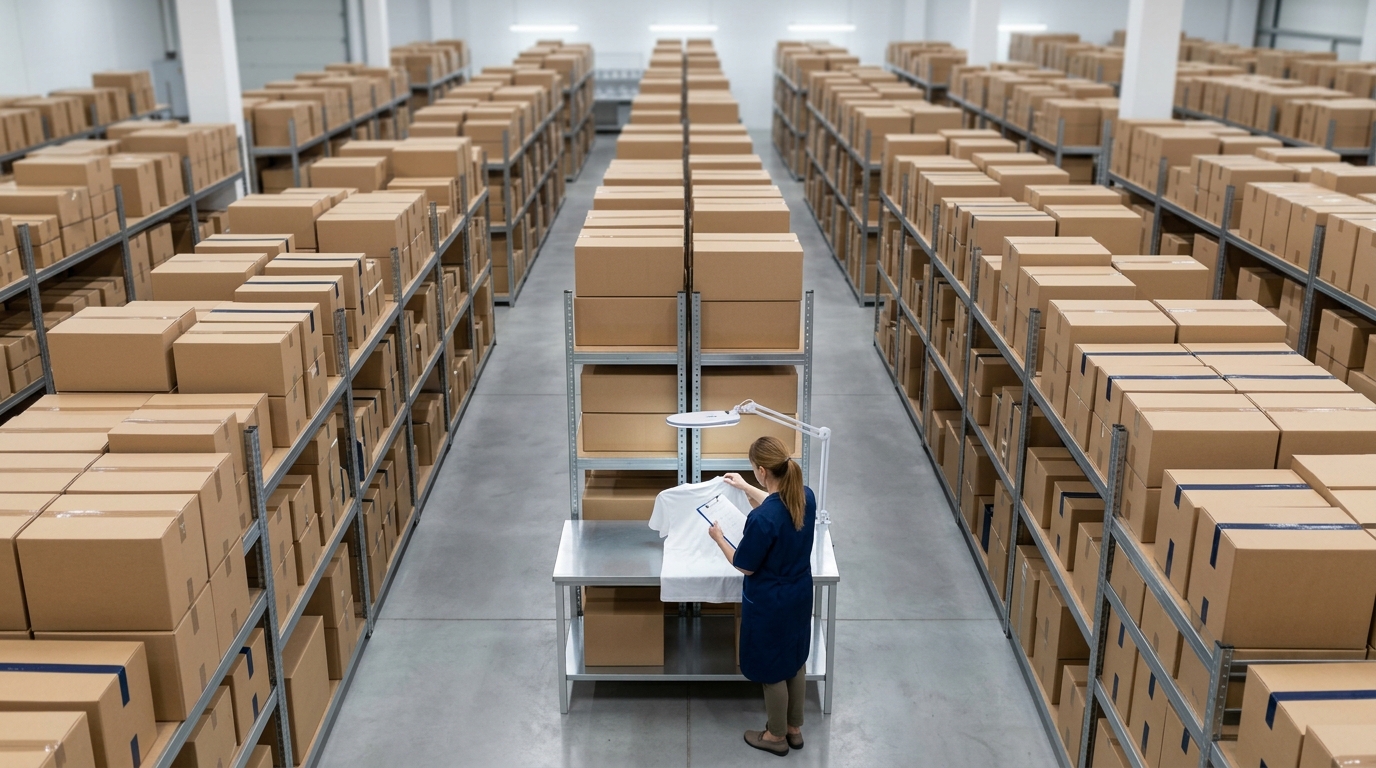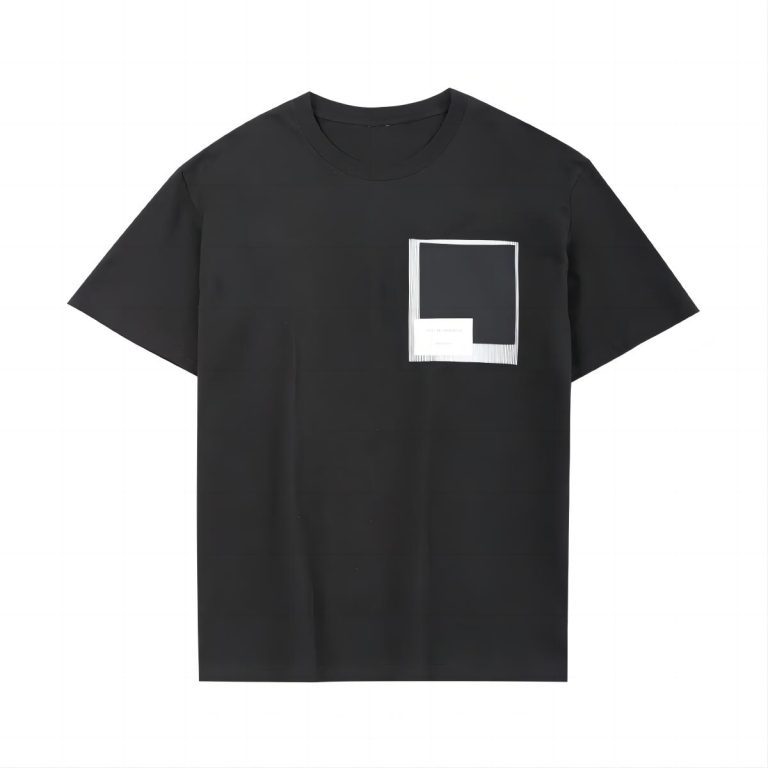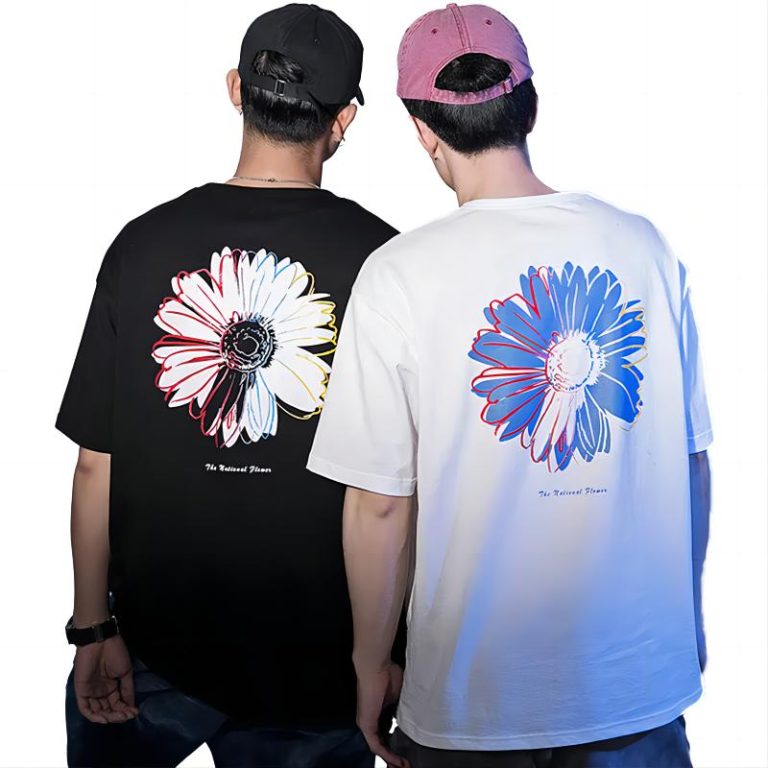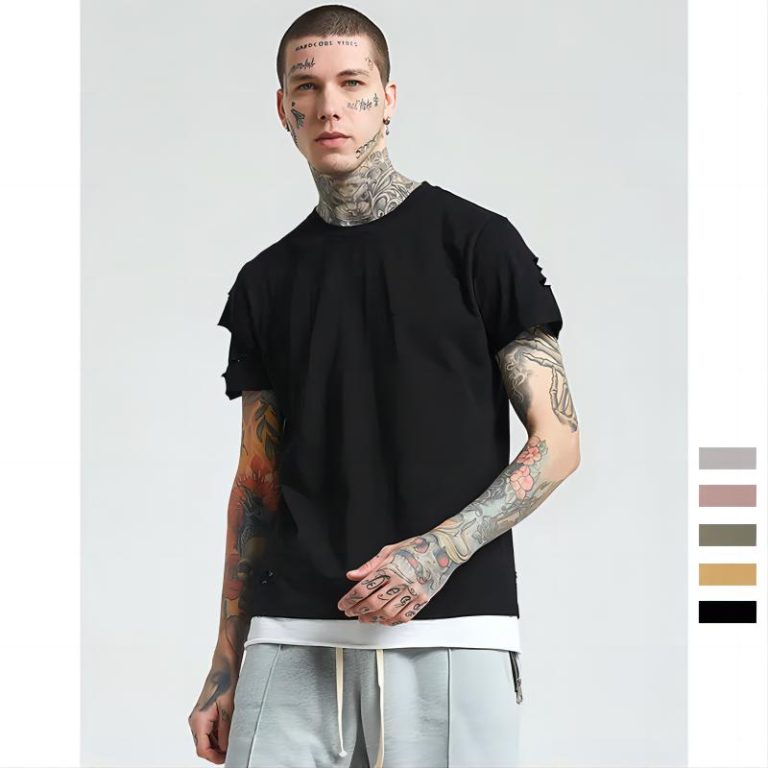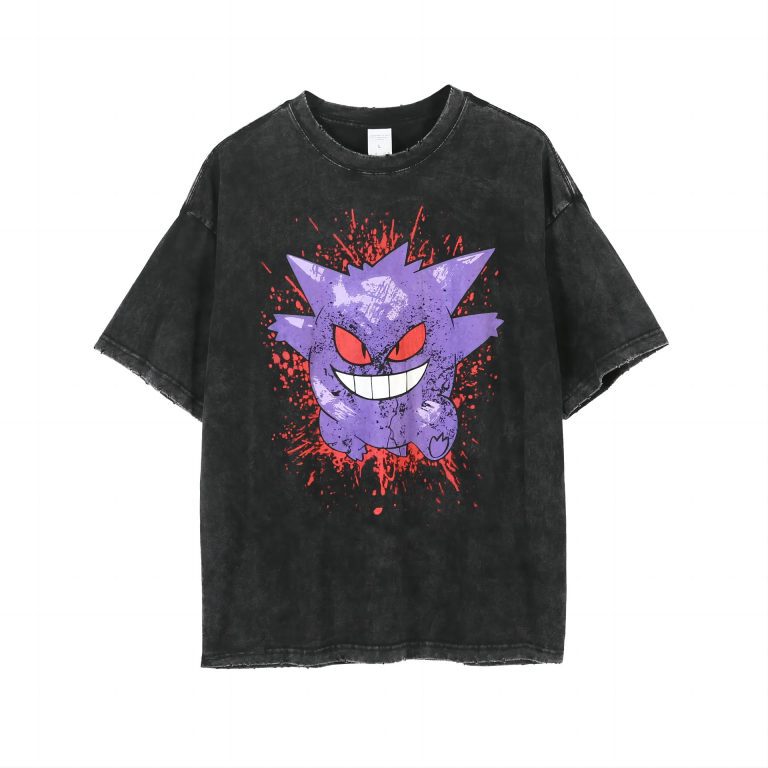
Sourcing the correct partner is a crucial step for any clothing brand. It may seem impossible. A clothing distributor forms a chain link in your supply chain. They purchase clothes from different manufacturers and sell them to your outlet.
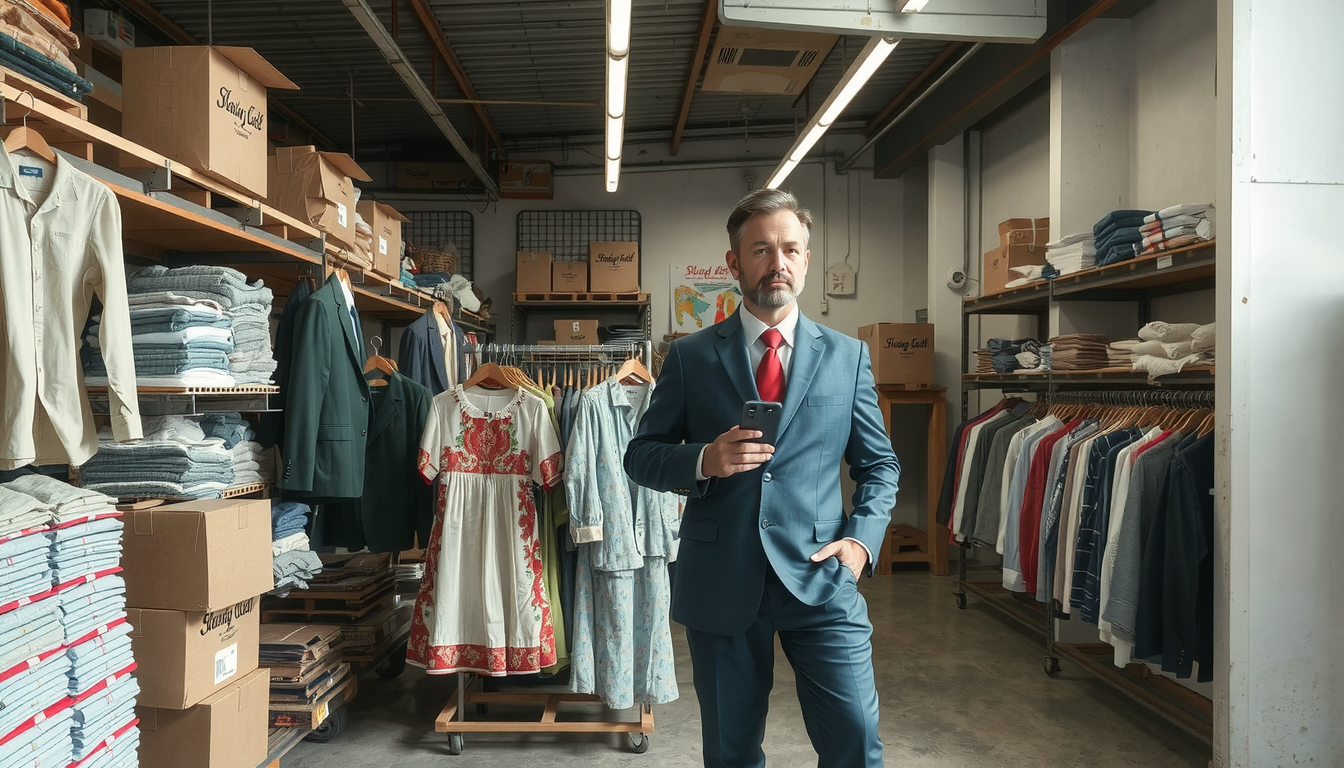
This guide will assist you to achieve success. We will walk you through the steps you need to follow to locate, verify, and establish excellent collaborations with clothing distributors. This is the basis of your expansion.
The Main Actors: Distributor vs. Wholesaler vs. Manufacturer
The terms are often interchangeable. But they do different things. Once you know what they do, you can use them as decision-making tools. It is easier to talk with partners when you are certain about distinctions.
A simple chart gives you a rundown of the major points.
| Feature | Clothing Distributor | Wholesaler | Manufacturer |
|---|---|---|---|
| Primary Role | Purchases from various suppliers to sell to retail outlets. | Buys in bulk from one or more suppliers. | Factory where clothing is made from raw materials. |
| Product Variety | High. Offers many brands and styles. | Medium to High. Can be one or many brands. | Low. Only sells the items they produce. |
| Minimum Order | Varies. Often lower than a manufacturer. | Varies. Can be low or high. | Generally high. They produce in large batches. |
| Customization | Very limited or none. You buy what they have. | Very limited or none. | High. You can create a unique design. |
| Best For | Boutiques that need a wide range of items. | Retailers buying existing styles in bulk. | Brands wanting a completely original product. |
Selecting Your Sourcing Model: Distributors or Direct Manufacturing
You have an important decision to make. Are you going to buy ready-made clothes or produce your own ones? This decision influences your brand image and finances. Let’s explore the pros and cons of the two models.
Teaming up with clothing distributors is a usual starting point.
- Pros: You can place small orders. This is favorable for newcomers. You can gain access to many styles and brands in the quickest time possible. This means you need less cash in the beginning and can deliver the product to your outlet faster.
- Cons: Your products will not be exclusive. Many shops may have the same items. This often leads to smaller profit margins. Also, you have no say in the design of the clothes.
Having a direct manufacturer to collaborate more with gives you a bigger say.
- Pros: You have the full right to design and make your own product. In this way, you create a strong brand identity that is different from others. Besides, you can even make more profit per item.
- Cons: You should place an order for a big number of pieces. This will cost much of your money. Moreover, the whole process of designing and producing the clothes will take time. You would have to acquire technical knowledge concerning the process of making garments.
So what is the correct choice to make?
Some companies help bridge this gap. For brands looking for a reliable partner, exploring options like TZSreetwear can offer a look into both wholesale and custom production paths.
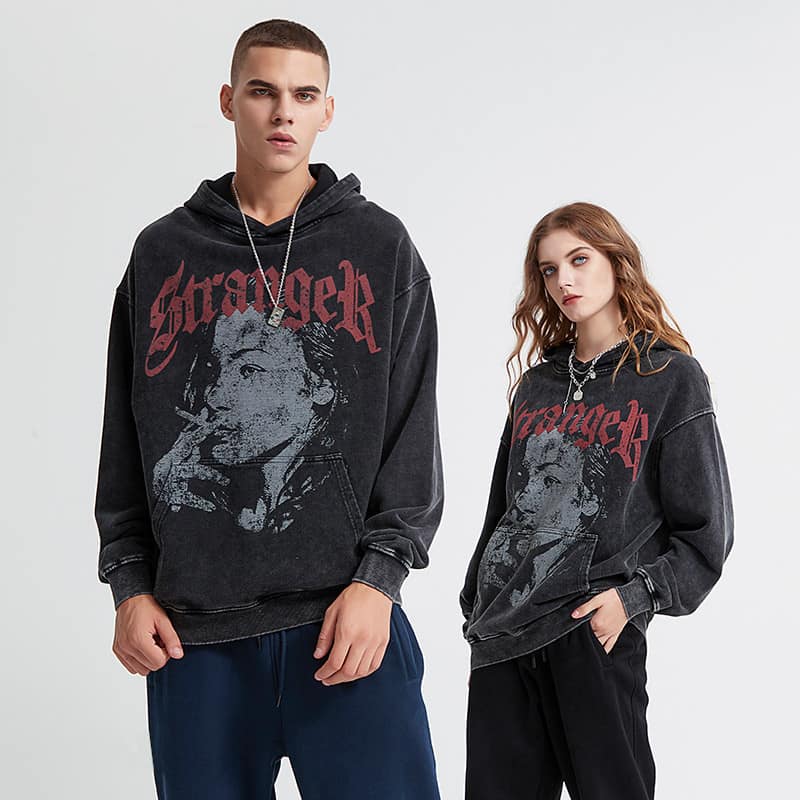
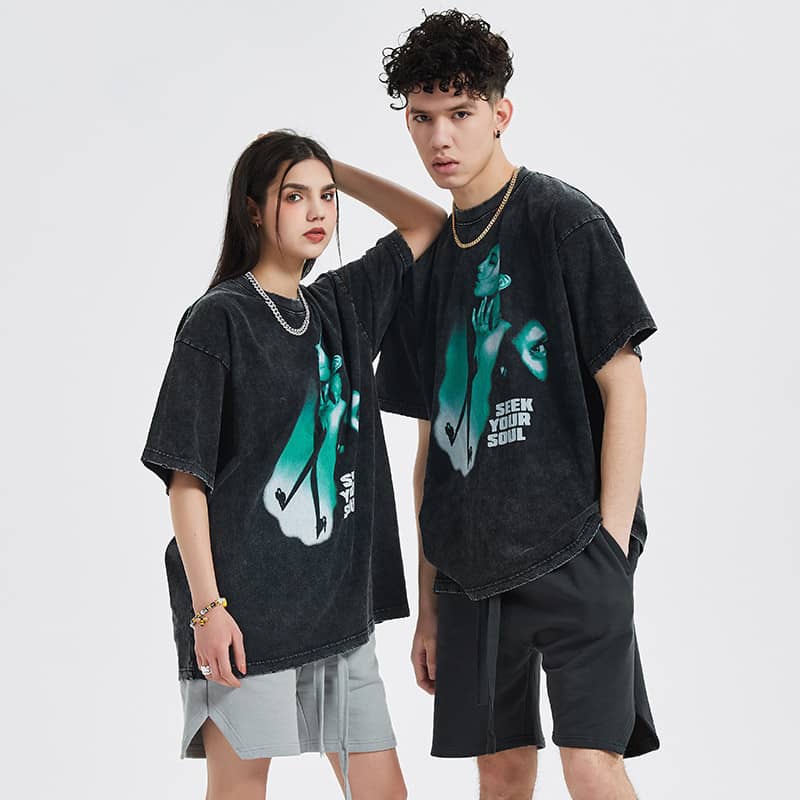
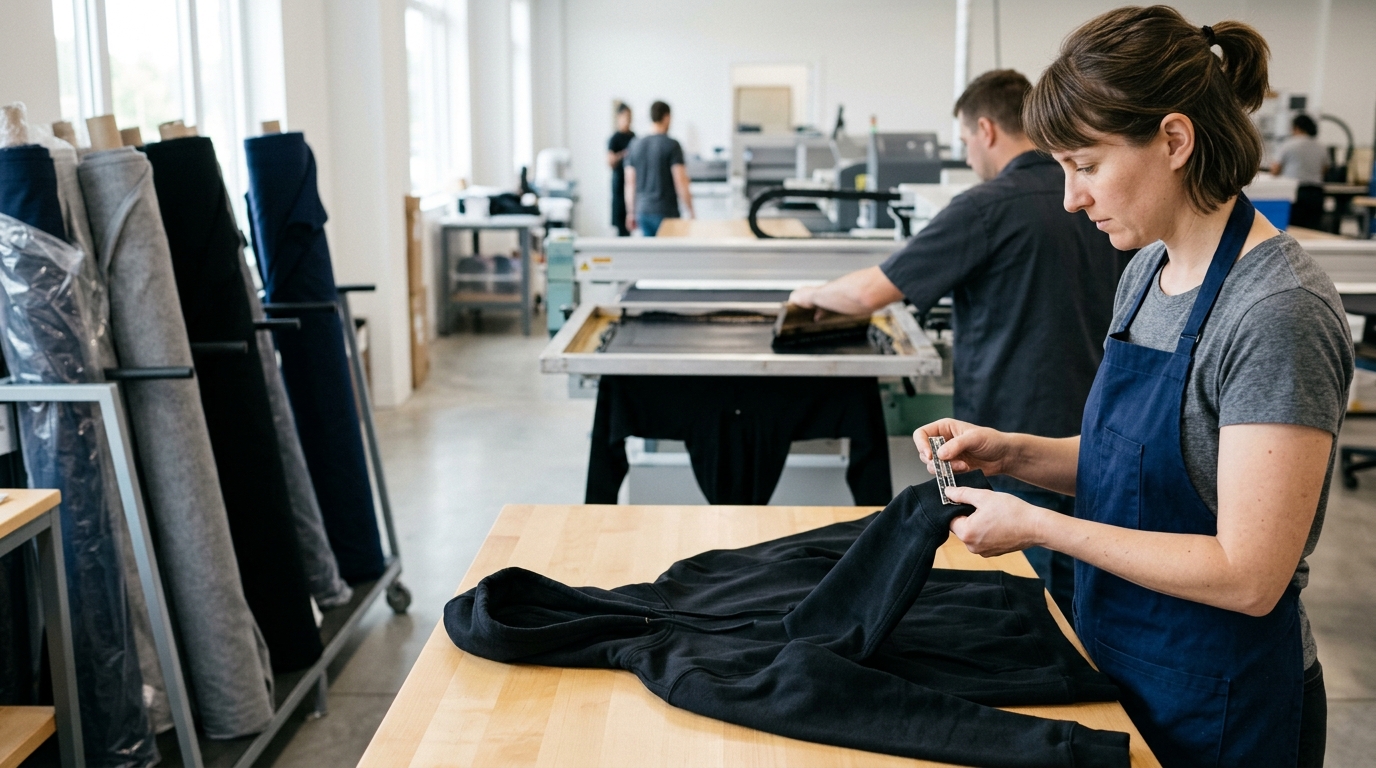
If your brand is built on a totally unique vision, you need a specialist. For example, creating a unique hoodie is to work with a custom hoodie manufacturer. The same applies to other garments. Specialized t-shirt manufacturers are the best firms to produce your exact design.
How to Find and Vet the Right Clothing Distributors: A 5-Step Guide
Finding a suitable partner requires a clear procedure. This step-by-step guide will take you from research to your first order without any guesswork.
1. Determine Your Niche and Product Requirements
Prior to starting the quest, you must know exactly what you need. Who will be your customer? What quality level do they expect? Set the target price, kind, and cloth type according to your will. Will you be selling streetwear, kids’ clothes, or high-end boutique items? Having a clear vision will be the driver of your successful search for the right apparel distributor.
2. Where to Search for Potential Distributors
Upon having a clear idea of what you need, it is now the time for you to act.
- Online Directories: Sites like Faire and FashionGo act as both large-scale markets, connecting brands with retailers. Some sites, for instance, Wholesale Fashion Trends, specifically concentrate on trendy clothes for boutiques.
- Industry Blogs: A number of fashion blogs have carried out the research for you. They often publish comprehensive lists of wholesale clothing vendors. They are excellent starting points.
- Trade Shows: Attending clothing-related trade shows is a great strategy. You will have the opportunity to meet many clothing distributors in person. You get a feel for the actual products and you build connections through face-to-face meetings.
- Google Search: Be specific in your search. Use phrases like “streetwear clothing distributors USA” or “unisex blank clothing distributors” to locate potential suppliers.
3. Make a Shortlist and Start Vetting
Once you identify potential partners, compile their list. Do not merely choose the first that comes to mind. Your objective is to create a shortlist of three to five prime options. Following that, you can initiate the vetting process to check them out thoroughly.
4. Initiate Contact First and Request Samples
So, get in touch with the distributors on your list. Be professional and specified in your first email. The ordering of samples is a very important stage. Before committing to a large order, you must carefully inspect the quality of clothing.
A proper first email includes:
* A brief introduction to your brand.
* The specific types of products you are looking for.
* A request for their catalog or pricelist.
* A question about their process for ordering samples.
5. Negotiate Terms and Approve Your First Order
As the samples meet your satisfaction, it’s time to discuss business. Talk about their pricing structure, payment terms, shipping expenses, and return policies. After you both confirm the agreement, you can proceed to your first order. By placing a small order you can test the process before you fully commit.
The Most Important Vetting Checklist for Clothing Distributors
Having a good partner can be the making of your business. But the bad one can cause a failure. Use the below checklist to assess the merits and demerits of the possible clothing distributors. This checklist is a tool that can help you to avoid making expensive mistakes and assist you in choosing with confidence.
Business Legitimacy
- Are they showing a professional website and a genuine business address?
- Will they ask you for a business license or resale certificate? A “yes” here certifies the legitimacy of a business.
Product & Quality
- Does their product catalog align with your brand’s style and quality standards?
- Do they provide samples? If so, what is the cost and the procedure?
- Do they sell good quality well-renowned brands? Some suppliers, for instance, Bella + Canvas have a reputation for quality and are a solid benchmark.
Pricing & Terms
- Is their pricing easy to understand? Are there different tiers for buying more?
- What are their Minimum Order Quantities (MOQs)? Make sure they match your limits.
- What are the payment solutions they offer? What shipping policies are there?
Customer Service & Reputation
- What is the response time for emails or calls? Are they helpful?
- Is it possible to find online reviews from other business owners?
- Take a look at their time in business and their Better Business Bureau (BBB) rating. A long business history usually denotes trustworthiness and stability.
3 Common Warning Signs to Look For
While dealing with suppliers, be on the lookout for red flags. Three that shouldn’t be ignored are:
- Poor or Unprofessional Communication. If you get indistinct responses, slow replies, or see a poorly made website, be careful. Good partners are good communicators.
- Refusing to Provide Samples. A legitimate clothing distributor takes pride in their products. They will want you to appreciate the quality. If they decline to send you the samples or ask for too much for them, it is a huge warning.
- The Absence of a Clear Business Process. Real wholesale suppliers will usually ask for your business license. They will provide you with safe payment options. If they push you into making payments with a method that isn’t secure, you should walk away.
Conclusion: Forming the Right Partnership for Growth
It’s wrong to consider the search for the right clothing distributor as a one-shot assignment. It requires careful research, vetting, and building a solid relationship. Your suppliers are your partners in business.
The correct partner is the one who would give you the products of good quality and help your brand to succeed. Taking your time to make a great choice is important. Today, you can begin your research and build the right foundation for your brand.
Frequently Asked Questions (FAQ) about Clothing Distributors
Do I need a business license to buy from clothing distributors?
Yes, almost all legitimate clothing distributors and wholesalers require a valid business license or resale certificate. This document is your proof that you are a real business. It also allows you to purchase goods tax-free since you will resell them.
What is a typical Minimum Order Quantity (MOQ)?
MOQs can vary widely. Some online distributors may have no minimum order at all. Others may require total orders of $100 to $500. Larger or more exclusive apparel distributors may have much higher MOQs. In some cases, these are expressed in the quantities of items per style or color.
Can I find distributors for sustainable clothing?
Yes, absolutely. The demand for eco-friendly fashion is growing fast. You should use specific search terms like “organic cotton clothing distributor” or “ethical apparel wholesale.” Many distributors now have special sections for their sustainable and eco-friendly collections.
What’s the difference between a domestic and an overseas distributor?
A domestic distributor is within your own country. This is usually associated with faster shipping and easier communication. However, the costs may be higher. An overseas distributor is located outside your country. They usually have lower prices but might prolong the delivery time, may incur customs fees, and possible language barriers.
Can I use a clothing distributor for a dropshipping business?
Some do, but not all. You need to search specifically for “dropshipping clothing suppliers.” In a dropshipping model, the distributor holds the inventory for you. When you get an order, they ship the product directly to your customer.