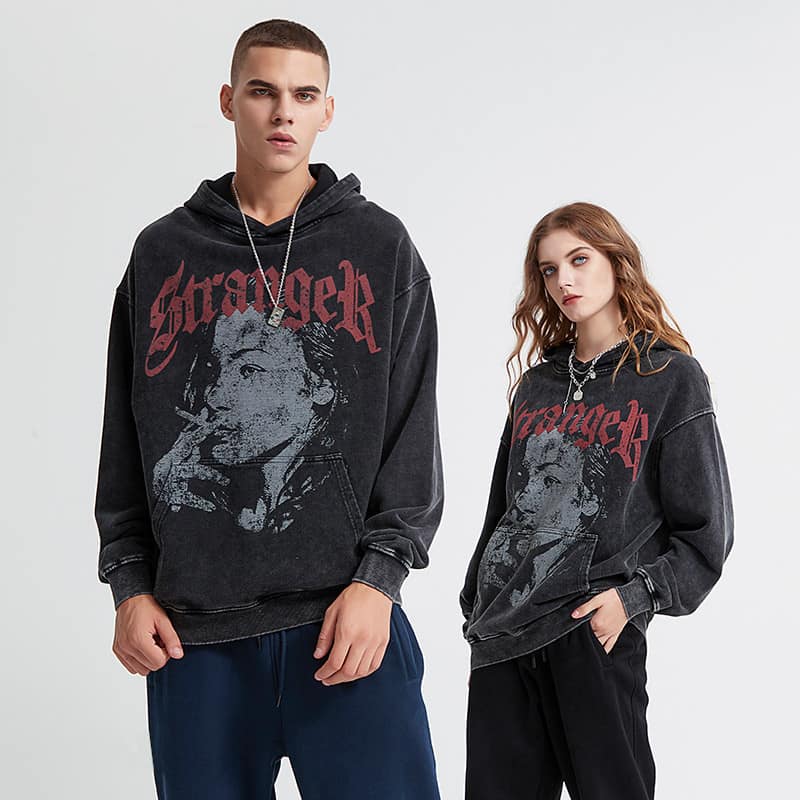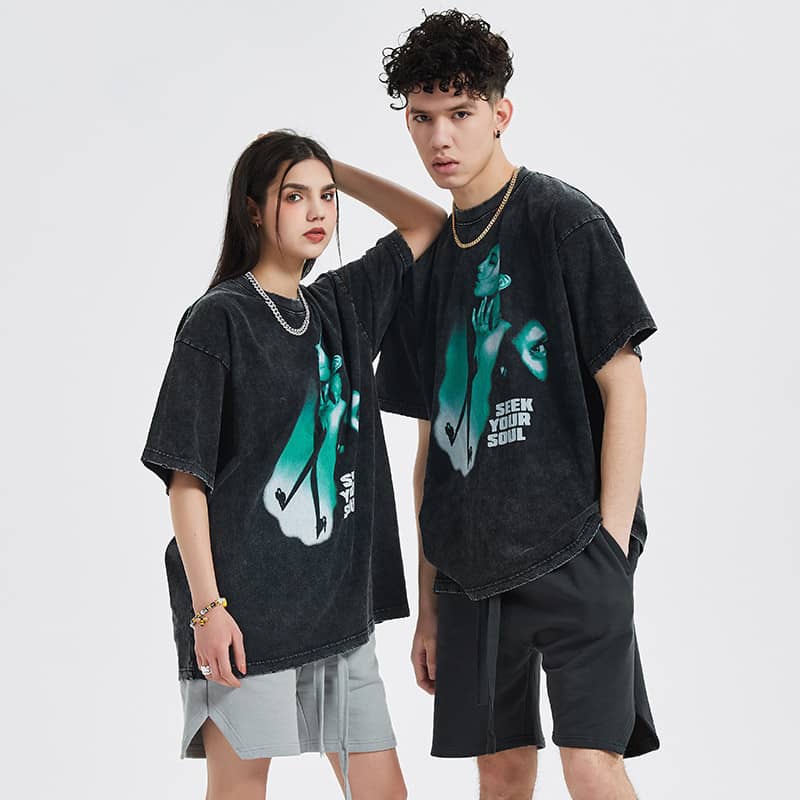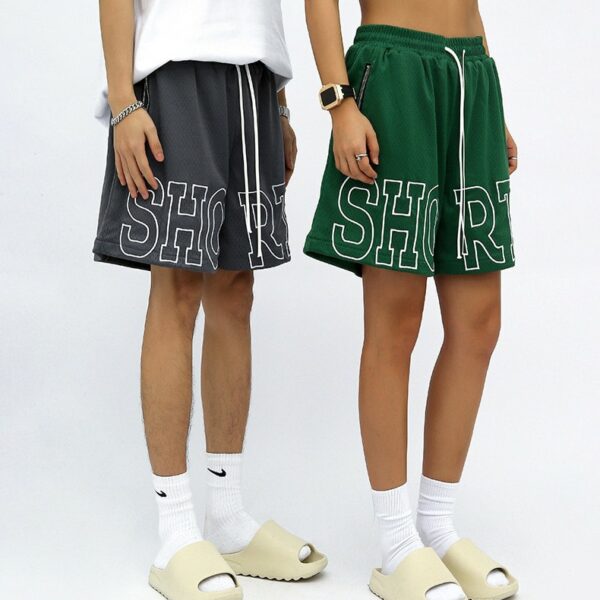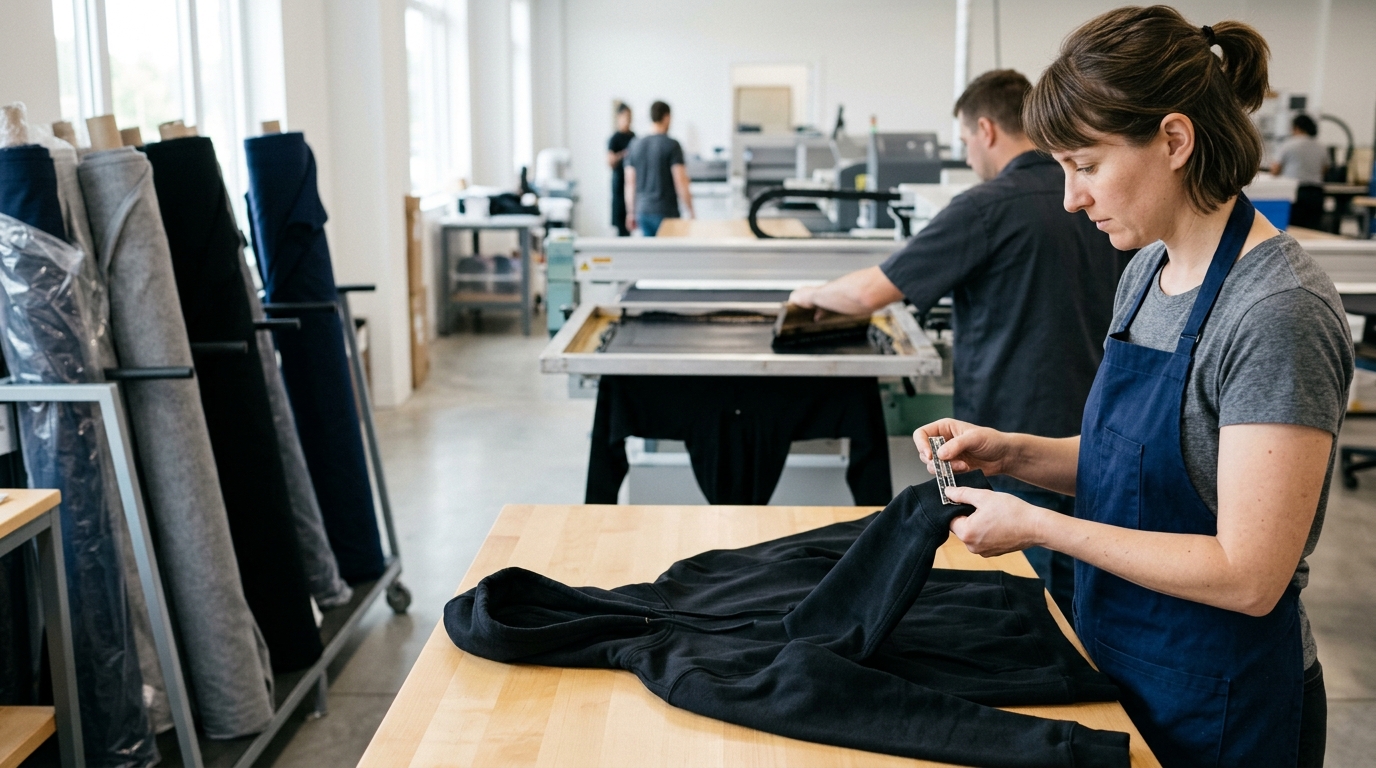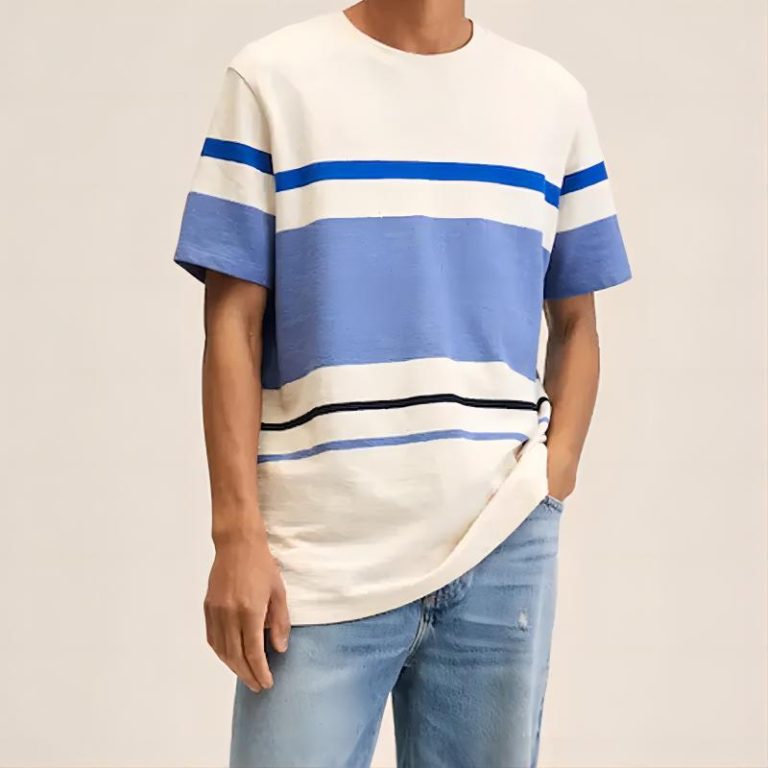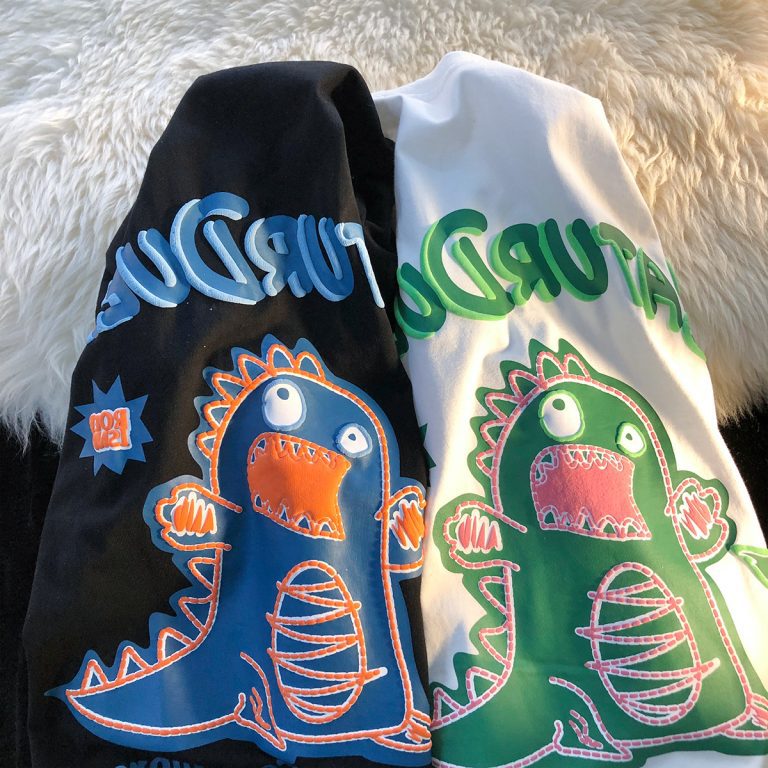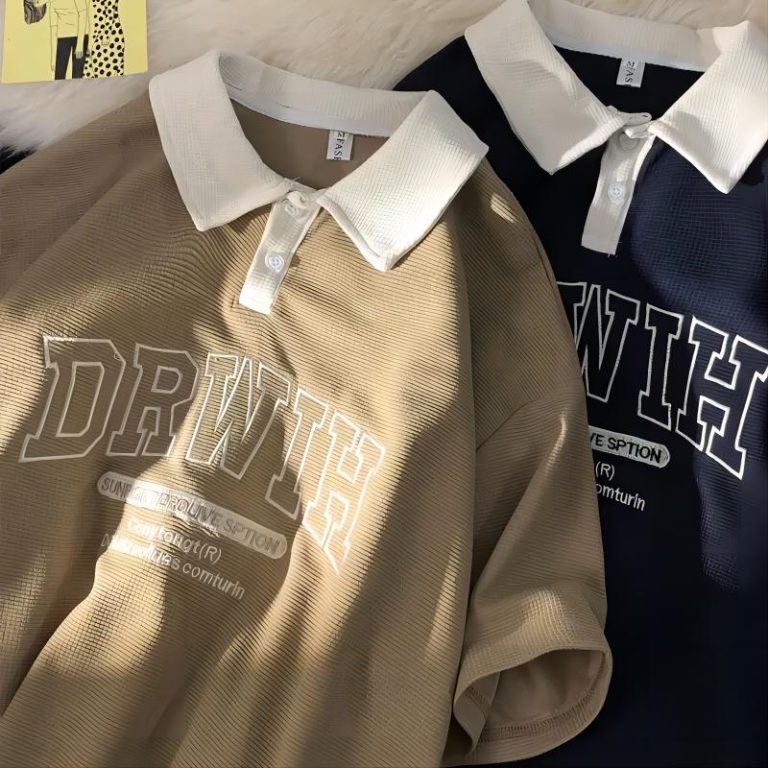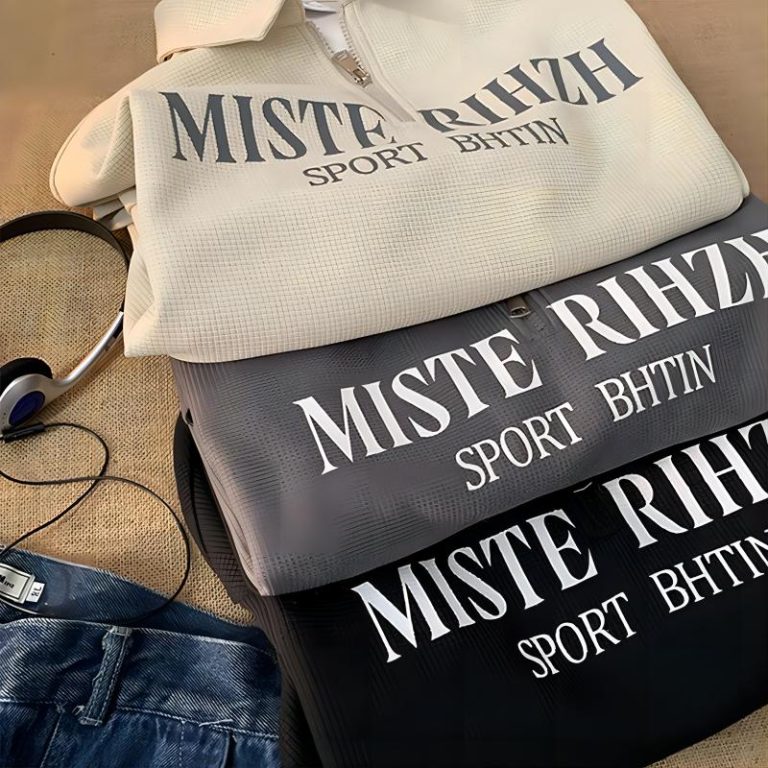
Clothing with your logo on it is one of the best ways to go for any brand, team, or event. This article covers the right way to do it. We will guide you through every process. You will understand the reasons for branding clothes, which method works best, and what design preparation you will need. We aim to provide you with the professional knowledge you need to achieve excellent results. This guide is comprehensive and covers everything from DIY methods to collaborating with a pro printer.
Why Print a Logo on Clothes?
A logo on clothing is more than just a good appearance. It is an excellent business decision with many advantages. It is a way of connecting with people and marketing your business.
Brand Recognition
Wearing clothes branded with your logo equals walking advertisements. Every person who wears your shirt gives you a chance to introduce your brand to new customers. This way, your brand gets seen by a lot of people, and they keep your name in memory.
Professional Outlook and Unity
Matching clothes make the team or staff look more professional. It will give customers the impression that your business is well established or serious. Matching clothes also helps build team spirit among the workers.
Promotional Items
By selling or giving away clothes with your logo, you are transforming your customers into brand supporters. People who wear your items are showing their support. This is a very effective and low-cost form of marketing.
Tilting with T-Shirts
Custom t-shirts are a fantastic way to mark special events. Think family reunions, charity runs, or company parties. They form great souvenirs that help people remember the excellent times they had.
Paths to Choose: DIY vs. Pro
The first and foremost question is whether you want to do it yourself or hire a pro. This decision mainly depends on your financial plan, time, and the quantity of clothes you need. Getting this right will spare you trouble in the end.
The DIY Option
The do-it-yourself approach uses things like iron-on transfers. This works well for very small projects. You can make one or two items without spending much money up front. You get to choose the design and where to place it.
But this method is laborious. The quality can be questionable and may vary. The print may not last as long as a professional job. This is not an option if you are trying to make many items.
Collaboration with a Professional
Choosing a professional service allows you to get high-quality, lasting results. Experts can advise you on the best tools and materials for your project. This option is better if you want to order a large number of products. It will also ensure that every item looks great.
The only negative side is that the cost is higher for very small orders. Some methods also require you to order a minimum number of items.
| Factor | DIY (Do-It-Yourself) | Professional Service |
|---|---|---|
| Cost | Low cost for one or two items. | Higher cost on small orders, but cheaper per item on bulk orders. |
| Quality | Varies; often lower quality and less durable. | Consistent, high-quality, and very durable results. |
| Time | Very time-consuming, especially for multiple items. | Fast turnaround for bulk orders; you save your own time. |
| Scale | Not good for large quantities. | Excellent for small to very large orders. |
The Leading Printing Methods
There are diverse ways to put your logo on clothes. Every method has its own advantages. The best one for you will depend on your design, the type of clothes, and your budget.
| Method | Best For | Feel on Fabric | Durability | Color Complexity | Cost-Effectiveness |
|---|---|---|---|---|---|
| Screen Printing | Large orders (25+), simple designs with few colors. | A slightly raised layer of ink. Can be made softer. | Very High | Best for solid colors, not great for photos. | Very cheap for bulk orders. |
| Direct-to-Garment (DTG) | Small orders, full-color photos, complex designs. | Very soft, as ink soaks into the fabric. | Good | Unlimited colors, perfect for detailed images. | Good for single items or small batches. |
| Heat Transfer | Personalizing with names/numbers, polyester fabrics. | A smooth, plastic-like layer on top of the fabric. | Medium | Good for both simple and complex designs. | Good for small orders and unique items. |
| Embroidery | Professional logos on polos, hats, and jackets. | Textured and raised stitching. | Highest | Limited by thread colors, best for simple logos. | Cost is based on stitch count, not colors. |
Screen Printing: For Bulk Orders
Screen printing uses a mesh screen to apply ink onto a garment. A unique screen is built for every color in the design. This method is the most suitable for large quantities of t-shirts or hoodies with simple logos. Although setup costs are high, the cost per shirt becomes much lower on larger orders.
Direct-to-Garment (DTG): For Detailed Designs
DTG printing works like an inkjet printer for clothes. It sprays water-based ink directly onto the fabric, which soaks it up. This method is excellent for printing designs with many colors or fine details, such as a photograph. It works best on 100% cotton fabric and for smaller quantities.
Heat Transfer: For Different Needs
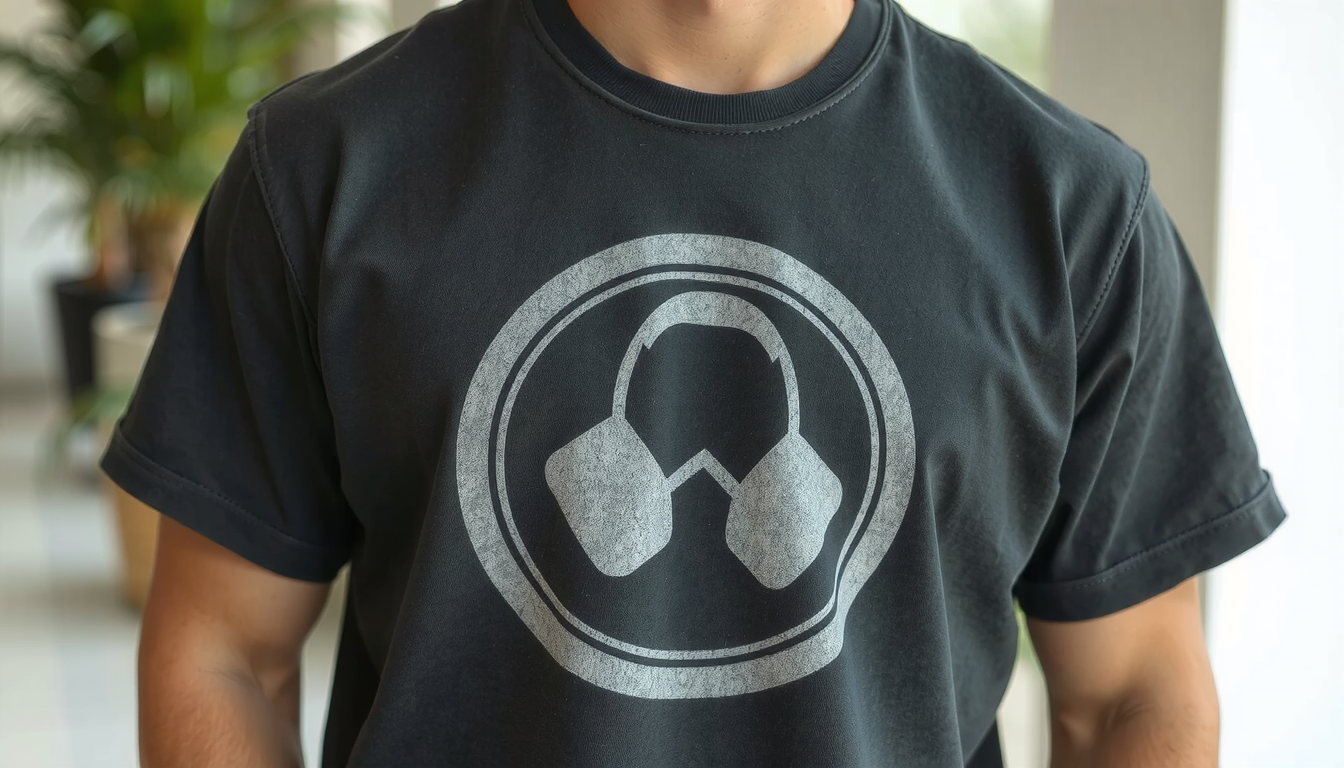
This method prints a design onto special transfer paper and then presses it onto the clothes with heat and pressure. Heat transfers are great for adding names or numbers to team jerseys. They can also be applied on fabrics that are difficult to screen print, like polyester.
Embroidery: The Premium Choice
Embroidery uses a needle and thread to sew your design into the material. It gives a textured, high-end look and is extremely durable. It is the most effective choice for logos on thicker items, like polo shirts, jackets, and hats. To see examples of high-quality work, check out what professional embroidery services offer.
Your 5-Step Action Plan
Once you decide to work with a pro, follow this straightforward plan. It will help make the process smooth and ensure you get exactly what you want.
Step 1: Finalize Your Design
First, your logo design needs to be completed. A professional printer requires a high-resolution digital file. We will talk about the best file types in our pro-tips section below.
Step 2: Choose Your Clothes
Decide what type of clothes you want. Think about t-shirts, hoodies, or hats. The type of fabric, color, and fit matter a lot. For instance, if you are creating personalized hoodies, a specialized custom hoodie manufacturer can give expert advice on material selection and fit.
Step 3: Partner with Your Supplier
Find a reliable printing company. Look at their past work and read customer reviews. You can ask for samples when possible. Effective communication is key. Online platforms like LogoSportswear have built-in design tools to make the process easier.
Step 4: Examine the Mock-up
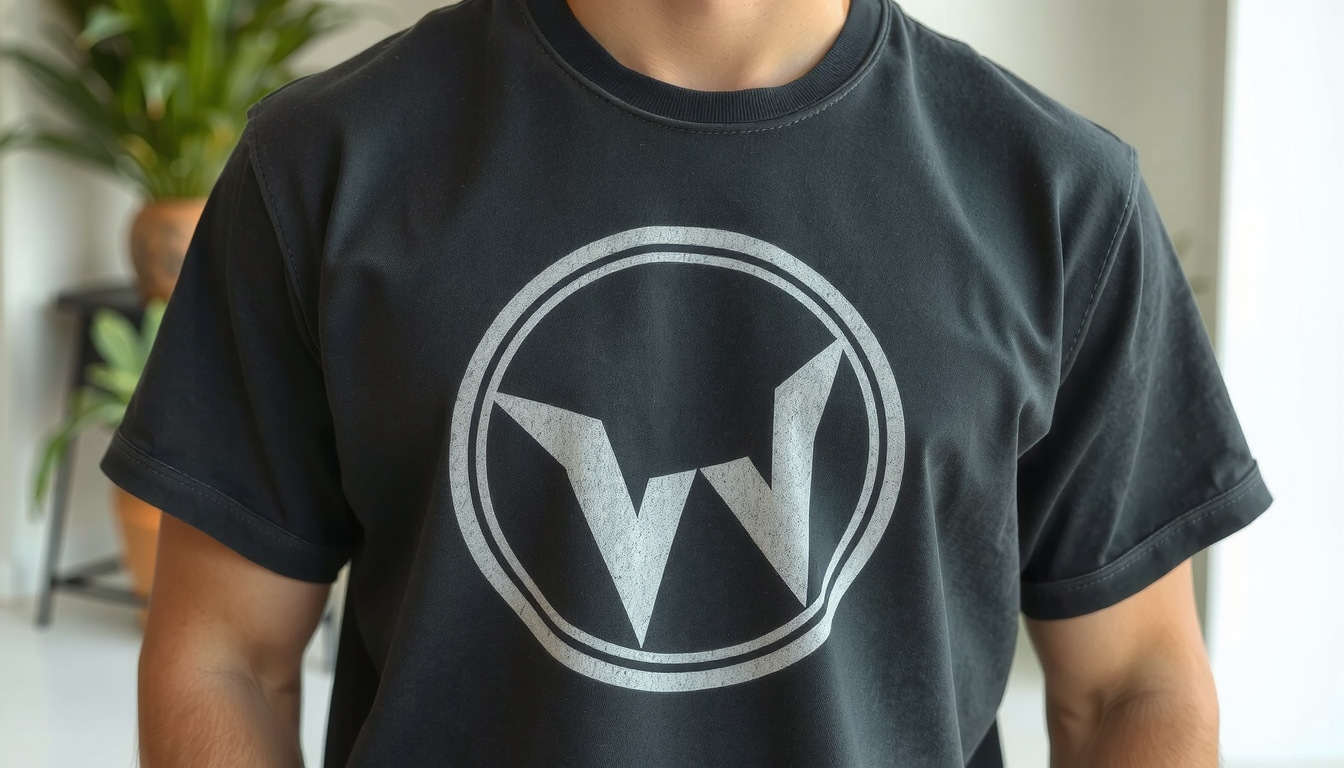
The printing company will send you a mock-up, or a digital preview, of your design on the clothes. You should check this document very thoroughly. Be alert for misspelled words. Don’t forget to check the colors and placement before you give your approval.
Step 5: Production and Delivery
Once you approve the mock-up, the printer will start your order production. After that, they will ship the finished products to you. Be sure to clarify the production and delivery timelines in advance.
Pro-Tips for a Perfect Finish
From our experience, a few common mistakes can cause big problems. Here’s how to avoid them when you print your logo on clothes.
Logo File Trouble
The most common problem is a low-quality logo file. A pixelated .JPG file will look blurry when printed. You need a vector file, like an .AI, .EPS, or .SVG. A vector file can be made any size without losing quality. Understanding these details is a key part of your brand’s craft and introduction.
Ignoring Fabric Type
A printing method that looks great on 100% cotton might not be suitable for a polyester blend. For instance, DTG printing requires cotton to properly absorb the ink. Always tell your printer what fabric you are using.
Placement Problems
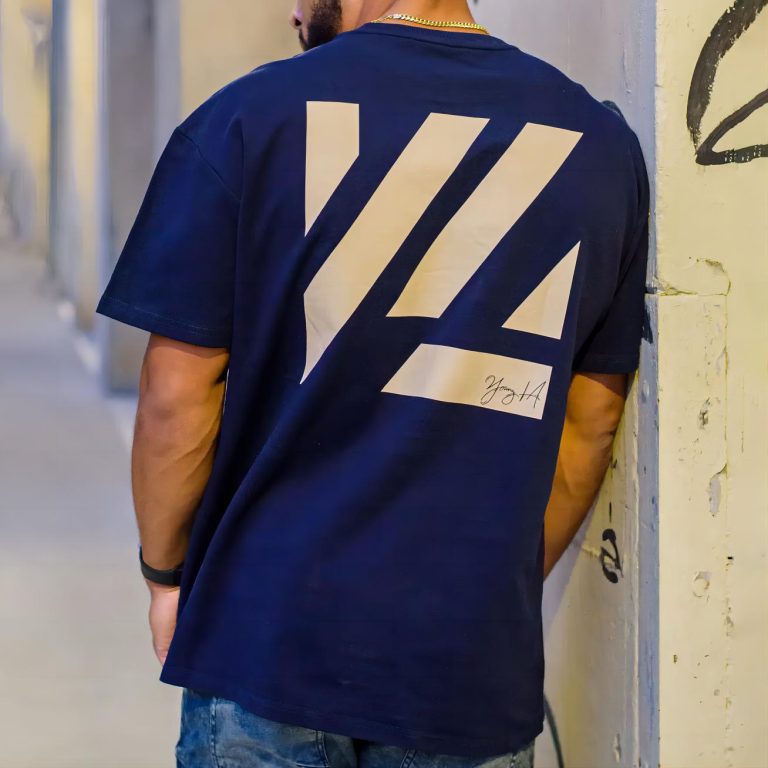
Think carefully about the ideal spot for your logo. A standard left-chest print is classic. But an oversized back print or a small sleeve print can make a bigger impact. Your printer can show you standard placement sizes.
Color Mismatches
Colors on your computer screen will differ from printed ink colors. To get your brand colors right, ask your printer about Pantone color matching. This system ensures your colors are accurate. Please note that many custom clothing providers list their specific file and color requirements on their websites.
Ready to Bring Your Vision to Life?
Now that you know how to print your logo on clothes, the next step is to partner with experts who can guarantee a perfect outcome. This process is key to building a strong brand. At TZ Streetwear, we help you generate your own personal style with top-quality custom clothes.
Frequently Asked Questions (FAQ)
What is the best file format for a logo?
A vector file is always the best option. Common vector formats are .AI, .EPS, or .SVG. They can be resized to any size without distortion. If you only have a standard image file, use a high-resolution .PNG with a transparent background. It should be at least 300 DPI.
Is it cheaper to order more?
Yes, in almost all cases. For methods like screen printing, the biggest part of the cost is the setup for each color. When you order more items, that setup cost is spread out, making the price for each item much lower.
Can I print a photo on a shirt?
Yes. The best method for printing photos is DTG. It works like a paper printer and can produce millions of colors with perfect clarity, making it ideal for complex images on clothing.
How long does it take to get custom clothes?
Turnaround time is usually between one and three weeks. This can vary based on the printing method, the quantity of your order, and how busy the printer is. Always ask for a time estimate before you place your order.
What’s the most durable printing method?
For a printed design, high-quality screen printing is very durable. It should last as long as the shirt itself. For the absolute best durability, embroidery is the winner. The stitched threads become part of the clothes and will not fade or crack.