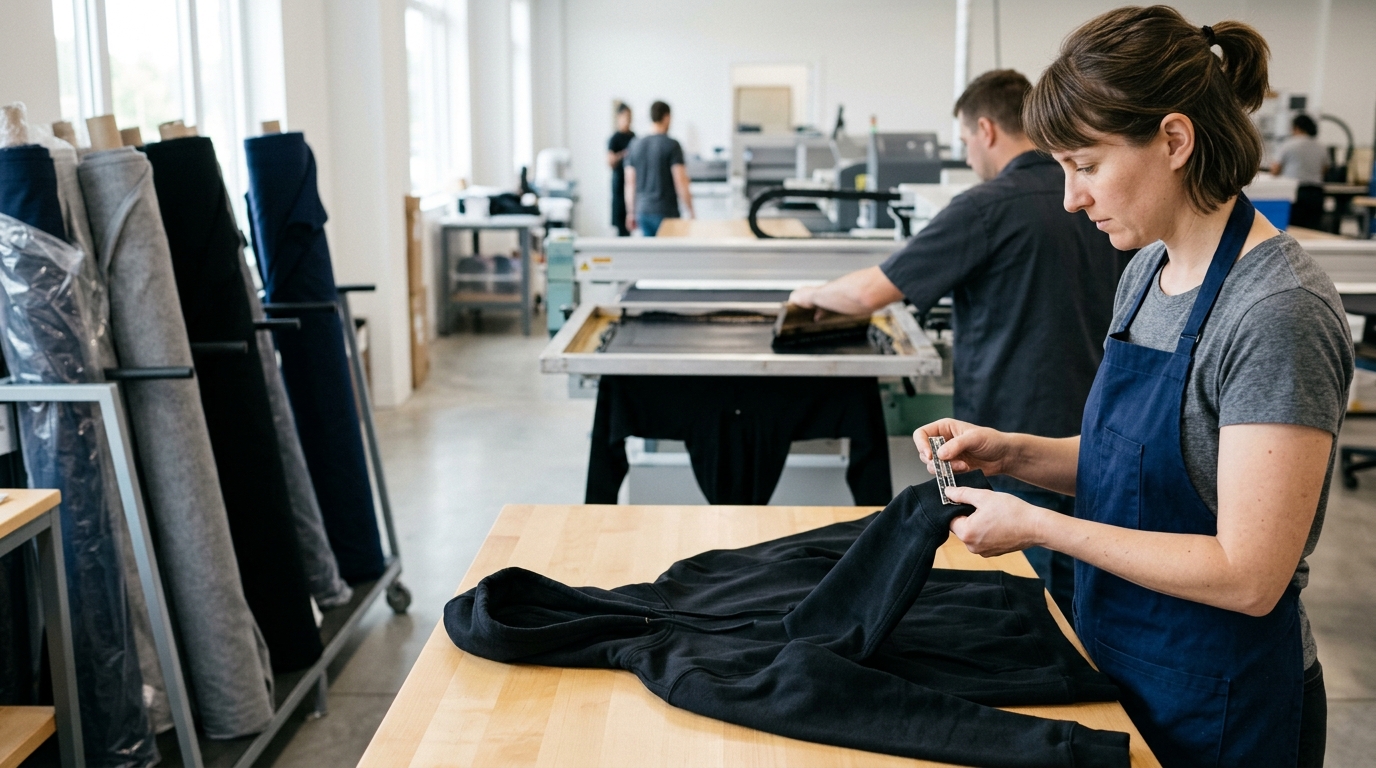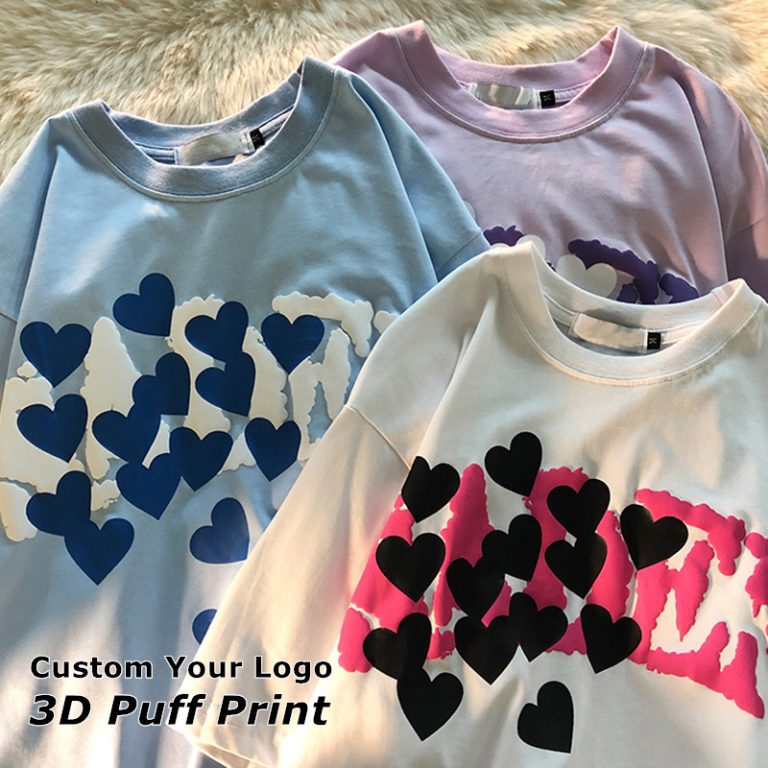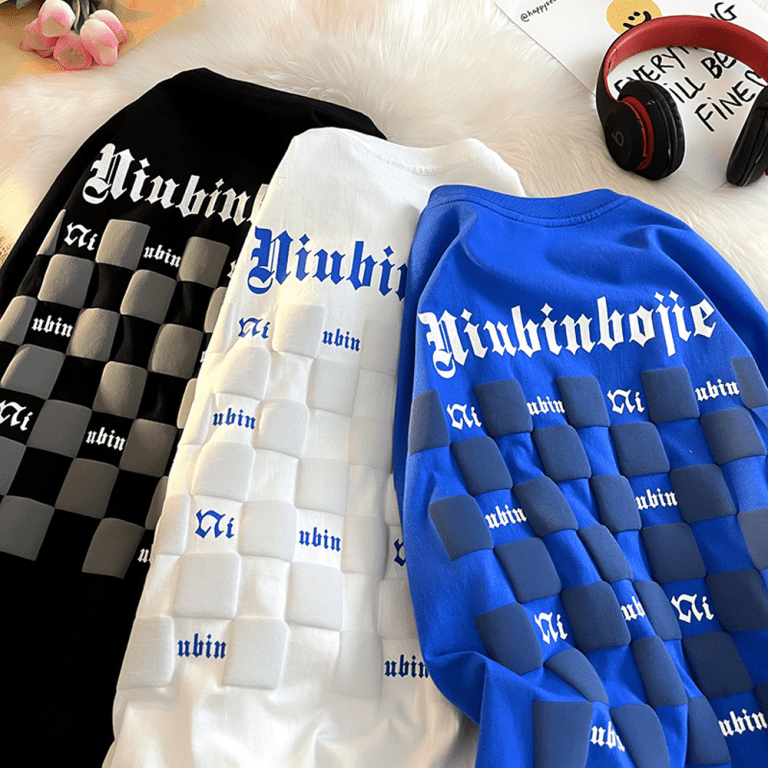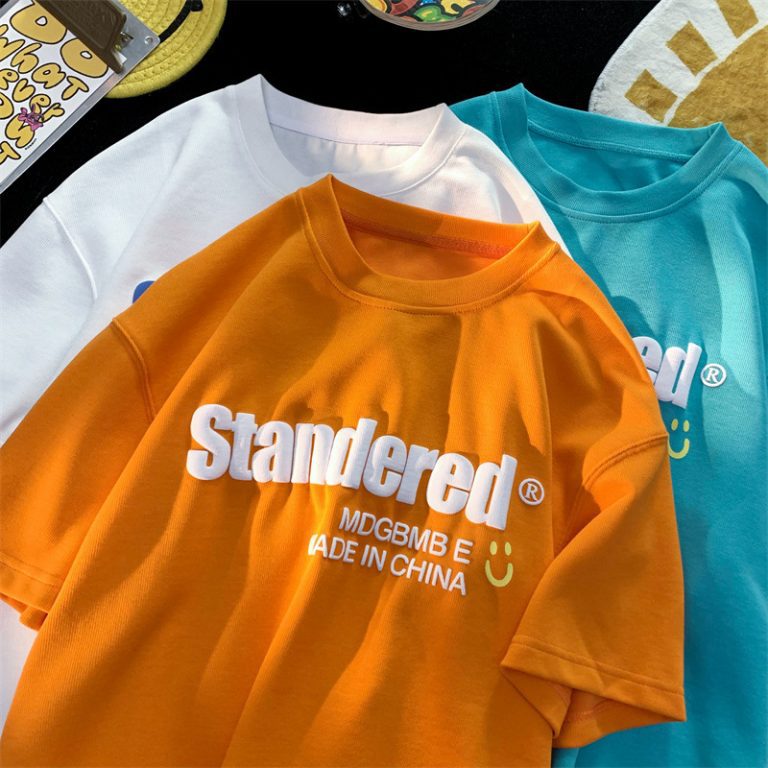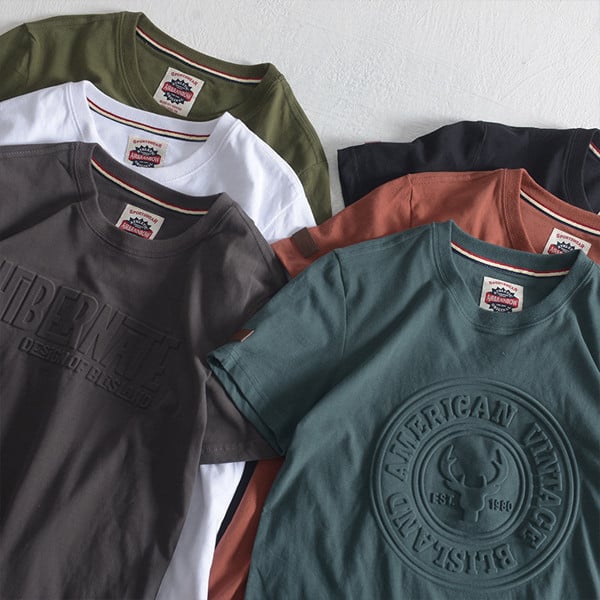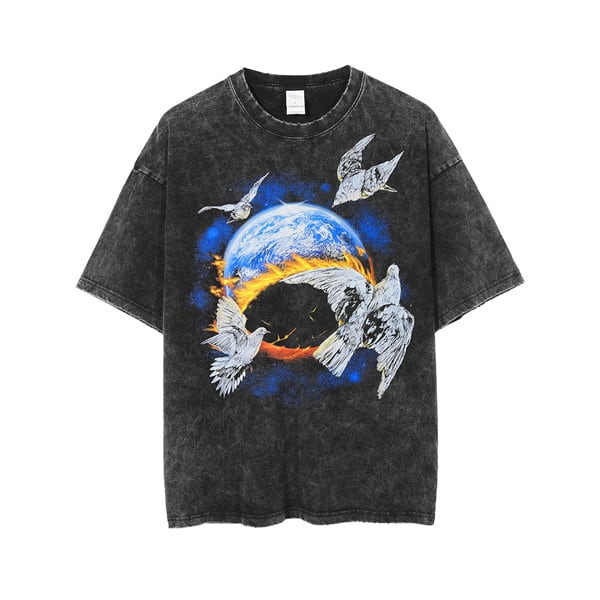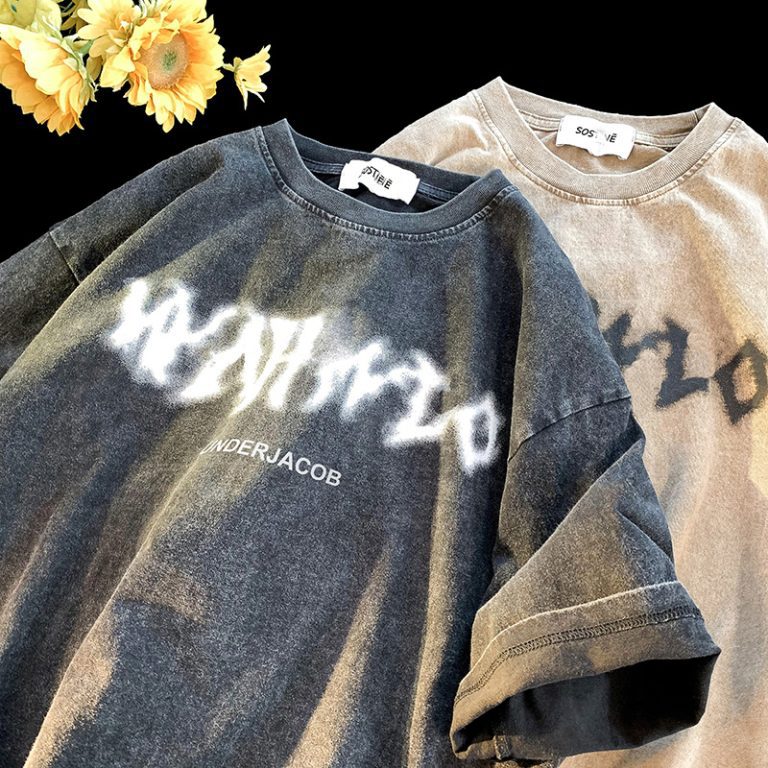
Finding a clothing printing business has never been tougher than it is today. The internet has hundreds of clothing printing companies. They all promise that they can give you the best quality and the most competitive price. This article serves as a guide to help you see past the confusion. We will provide you with a roadmap that will lead to the right choice. Our aim is to connect your requirements with the ideal company.
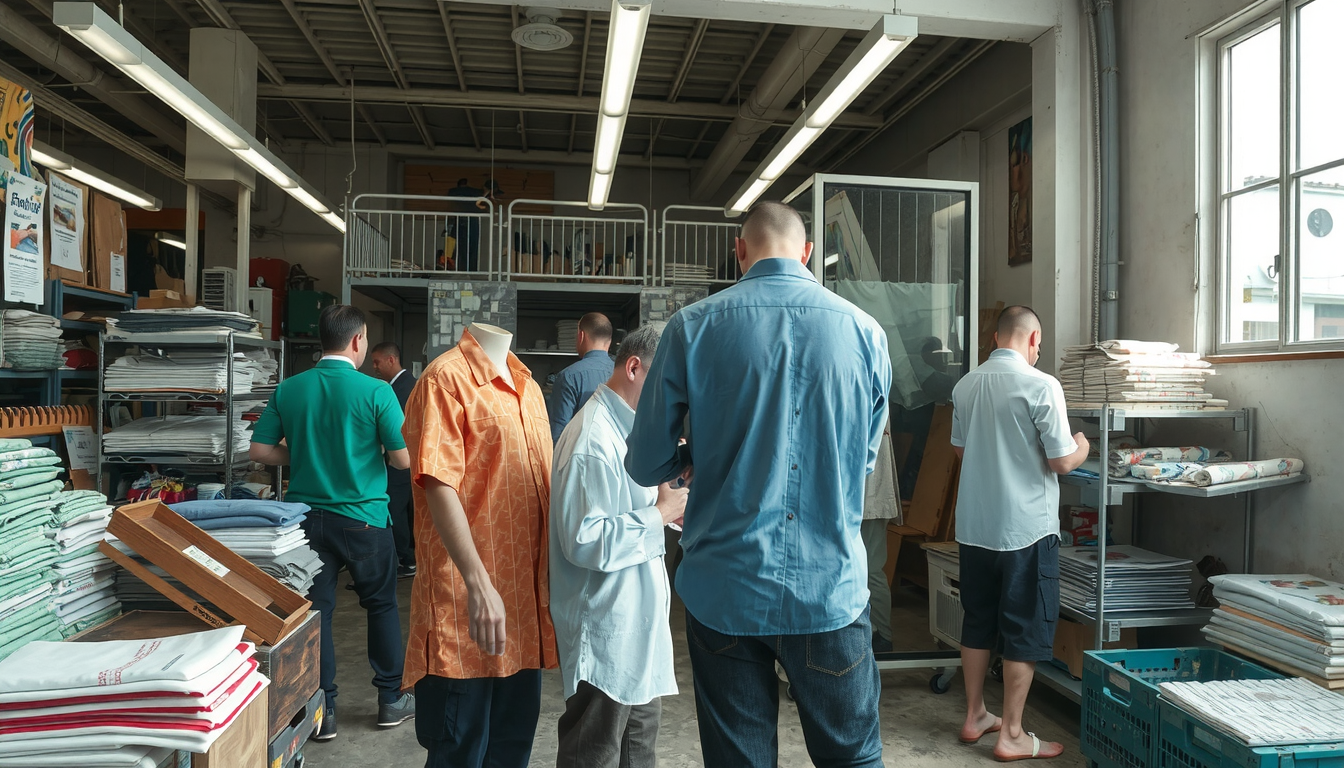
Preliminary Search: What You Need to Know
In order to find the right printer, you must first establish a clear picture of your needs. Having a detailed understanding of your project will in turn lead to a reduction in the time and money you will spend. Your project plan will also serve as a means to measure the relevance of each contractor. Use this list to help you map out your project.
-
Total Quantities: How many shirts do you need? Are you looking to order 1-10 to test it? Is it necessary for you to order 50+ for an event? On the other hand, you may want to order 500+ for a store launch. The number of items is crucial to consider.
-
Design Characteristics: Examine your design. How many colors do you use? Are you opting for a basic logo with only one color? Or are you looking at a picture with a lot of colors and details?
-
The Material You Want to Print On: What fabric are you planning to use? T-shirts are common, but you might be looking for hoodies, sportswear, or hats. Each garment needs a different skill for the printing.
-
Desired Quality: What do you expect from the final product? Are you looking for an inexpensive shirt for a one-time occasion? Or is it the case that you want a soft, premium-quality shirt which can be sold in your store?
-
Order Date: When are you expect the order to be done? It would help if you thought about your deadline. How about normal shipping? Will you need a rush service?
-
Budget Limit: What is the price range you want for each piece? Having a budget set in your mind will help you to find only those clothing printing companies which are in your price bracket.
Knowing the General Printing Methods
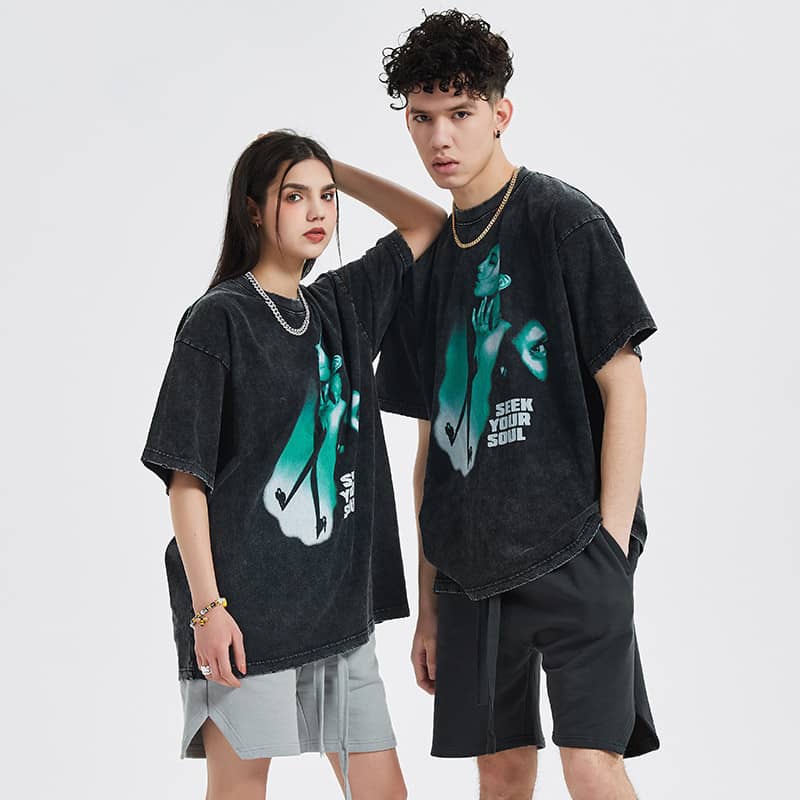
Different printing techniques are more effective for particular jobs. Knowing the basics gives you enough knowledge to interpret quotes. This also allows you to choose the best alternatives for your design, quantity, and budget. Many companies only provide one or two of these techniques.
Screen Printing
Screen printing is a traditional printing technique that deposits color through a mesh screen onto the fabric. One screen is made for each color in the design.
- Upsides: This technique works economically for big orders. The results are durable and the colors are bright.
- Downsides: The cost of screen making is an immediate expense. As such, it becomes costly for the small orders or for designs that use many different colors.
- Suitability: Large orders of 50 or above items, company logos, corporate wear, and sports team kits.
Direct-to-Garment (DTG)
Direct-to-Garment, also known as DTG, operates like a real printer for clothing. The ink is printed directly on the t-shirt.
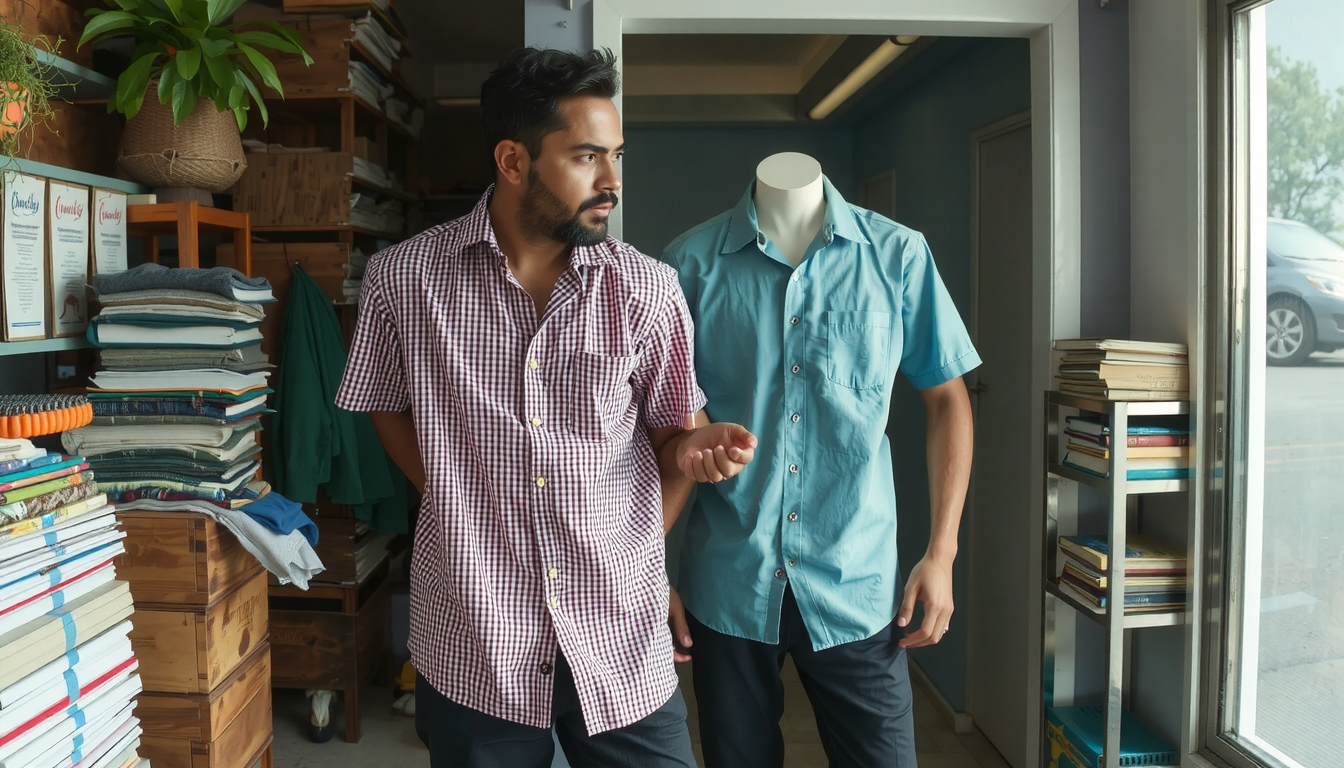
- Upsides: DTG is perfect for full-color, highly-detailed prints such as photographs. You don’t have to meet a minimum quantity. The print is soft on the shirt.
- Downsides: It is more expensive than screen printing for large orders. This method works best on cotton shirts that are 100% made of that material.
- Suitability: Small runs, print-on-demand, and artwork with fine details or lots of colors.
Heat Transfer (Vinyl/Digital)
This printing technology is first to transfer the design onto a special paper then use heat to press the same on the t-shirt.
- Advantages: Heat transfers are mostly used for a simple print with just text and forms. An instance is when the team name and numbers go on a sports jersey. It works very well on different types of fabric.
- Disadvantages: The print may feel like plastic to the shirt. This may become worse after several washes, causing it to crack or peel.
- Suitability: Personalized sports jerseys, small logos, or a few simple designs.
Embroidery
Embroidery is a sewing method that consists of stitching thread into the fabric to create a design. It gives a three-dimensional and a premium feel.
- Advantages: This is a very professional way of printing and the quality is as good as it gets. It has a great length of life.
- Disadvantages: Embroidery is not adequate for designs that require fine details or color blends. Pricing depends on the number of stitches required. Large designs can start becoming expensive.
- Use Cases: Firm logos on polo shirts, caps, jackets, and for upscale branding.
To see how these methods work in the actual production, check out our comprehensive guide to streetwear crafting techniques.
Printing Method Comparison
| Feature | Screen Printing | Direct-to-Garment (DTG) | Heat Transfer | Embroidery |
|---|---|---|---|---|
| Best Quantity | 50+ | 1 – 50 | 1 – 25 | 1+ |
| Design Complexity | Simple (few colors) | High (full color) | Simple (text/shapes) | Medium (no gradients) |
| Durability | Very High | High | Medium | Very High |
| Cost-Per-Item (at scale) | Low | High | Medium | High |
| Feel | Thicker layer of ink | Soft, breathable | Smooth, vinyl-like | Textured, raised |
The Evaluation of Clothing Printing Companies
When you identify your needs, you can commence looking out for potential partners. Consider more than just price in your search for a reliable and high-quality printer.
Minimum Order Quantity
Look into the number of items the company requires you to order. Some printers concentrate on large, bulk orders. Others are happy to print a single piece. Your answers from the previous list will help you here.
Apparel Options and Brands
A good printing partner should provide numerous blank clothing alternatives. Seek popular and reliable brands like Bella + Canvas, Gildan, or Champion. The quality level of the shirt matters as much as the quality of the print on it.
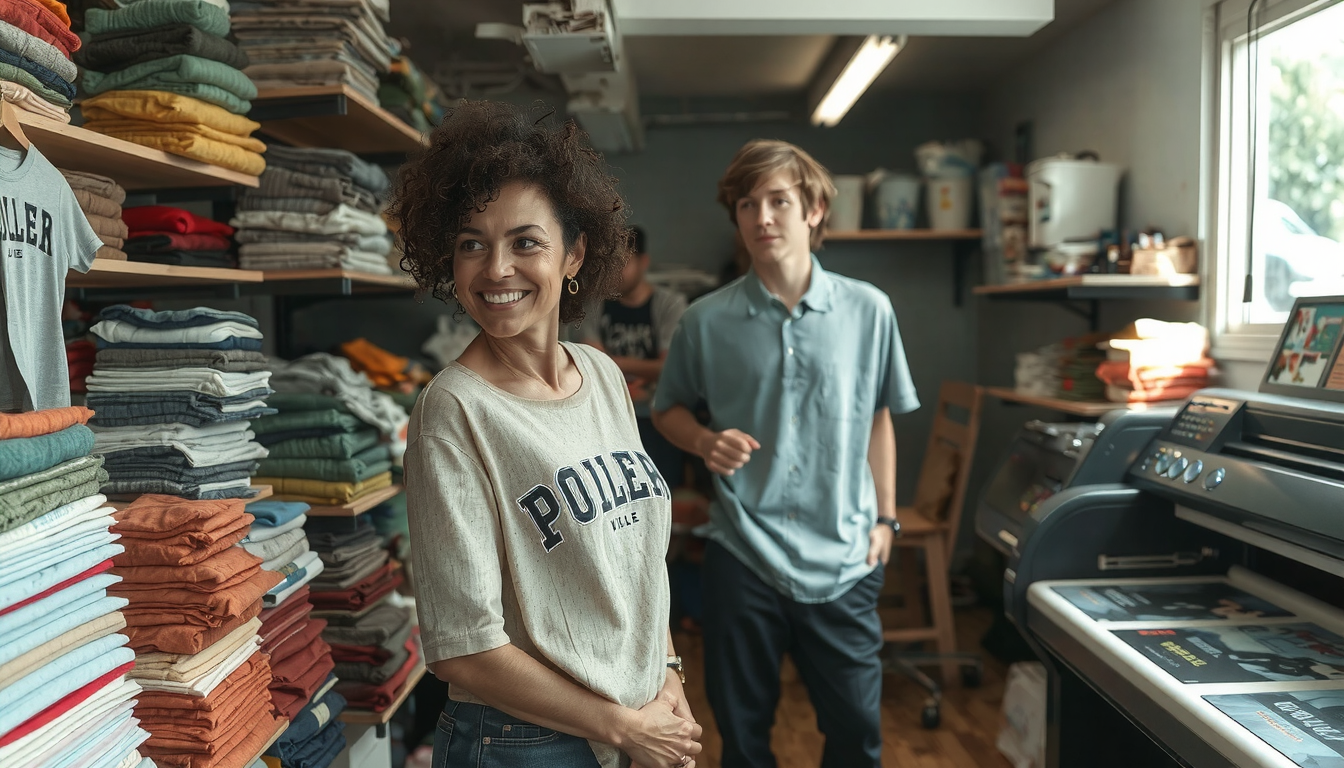
Production Time and Shipment
Don’t fail to inquire about production time. A usual production cycle is between 7-14 working days. This period can shift at times. If you have a short time frame, ask about rush options. Remember to infuse shipping costs to your total budget.
Customer Service and Design Assistance
Communication is a vital factor. A supportive customer service team makes things easier for you. Some companies, they also provide design assistance. They take a look at your files and check that they meet the proper format for printing.
Reviews and Previous Work
Look for evidence of their work. Scan through online reviews and ask for examples of previous projects. This will help you to gauge the kind of quality you can expect. While lists of the best custom apparel companies can assist you in your starting phase, you need to examine each one with these points. This ensures the most apt choice for your project. Your choice may also be influenced by your preference of going for a national company or the individual touch of local printing specialists with whom you could have a one-on-one meeting.
Beyond T-Shirts: Finding Experts
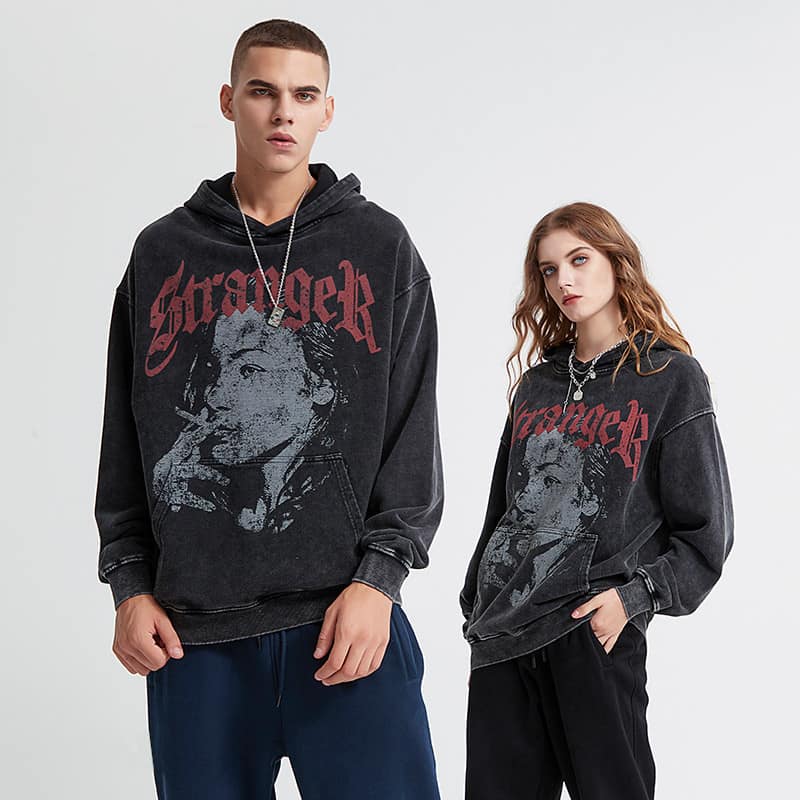
Printing is not always about shirts. If your project involves other items like hoodies, hats, or sports clothes, you may need an expert.
Printing on these items has special challenges. Hoodies have seams, pockets, and zippers which need special care. Hats have a curved surface that needs specific equipment for embroidery. Therefore, it is important to work with a company that has shown experience in these areas. They know the specific types of fabrics and shapes needed for a good output.
For example, to make premium custom hoodies, you need knowledge about fleece materials. You should be aware of the printing process which involves seams and pockets. Teaming up with a dedicated custom hoodie manufacturer will guarantee that even your complex garments meet the set standards of the store.
Tips from Experts for Smooth Sailing
We have learned that if you want to have a ceremony without hitch, you need to prepare adequately. Here are some guidelines that will help your execution and sidestep most of the problems.
Prepare Properly Your Art Files
The level of your print is attached to the quality of your art file. For the majority of the printing methods, a vector file (such as .AI or .EPS) is recommended, as vector files can be resized without losing quality. If you must use a raster file (like .PNG or .JPG), make sure it is high-resolution. 300 DPI is the standard to use. Always give files that have a transparent background unless the background is part of the design.
Grasp and Give Approval to Digital Proofing
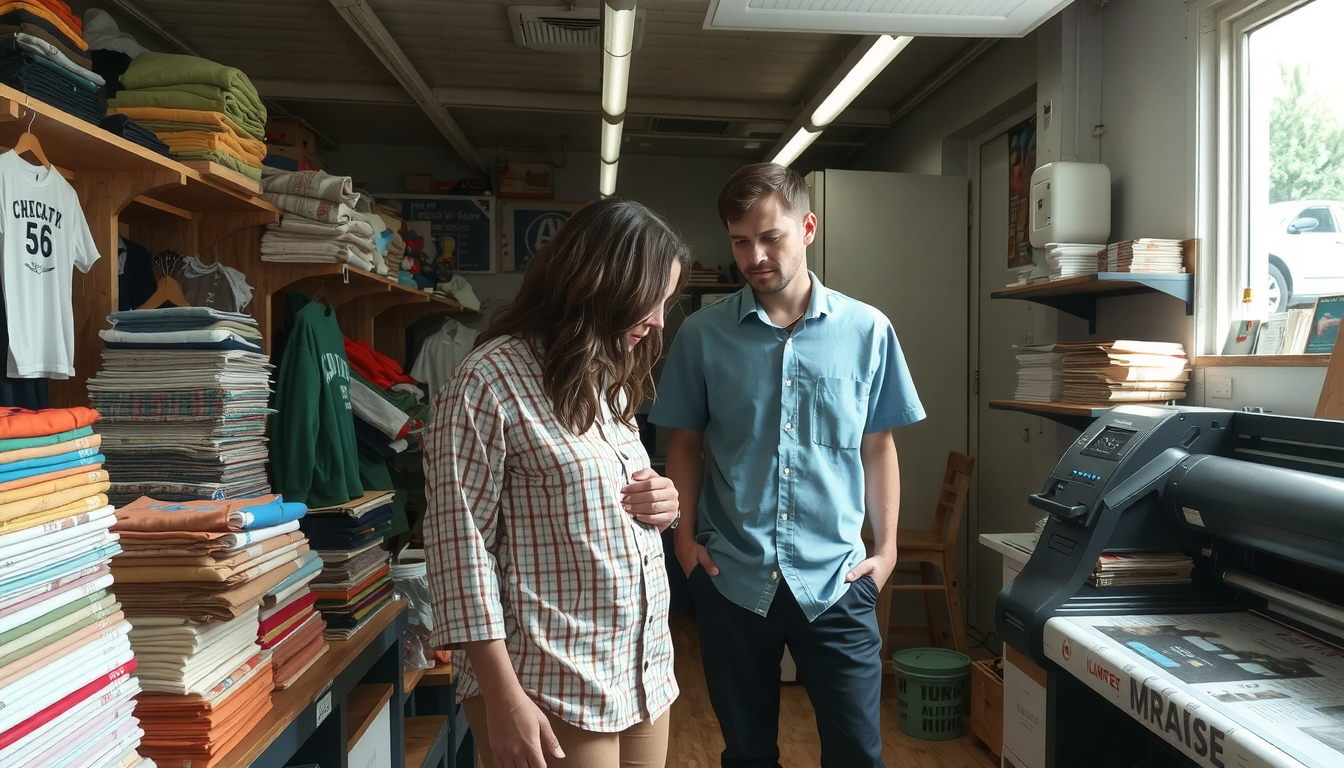
Before printing, your company will send a digital proofing or mock-up. This is the last opportunity to address anything. Go through it well and note the spelling, colors, design position, and size. The approved proof acts as a contract, defining what the final product should look like.
Consider a Sample Order
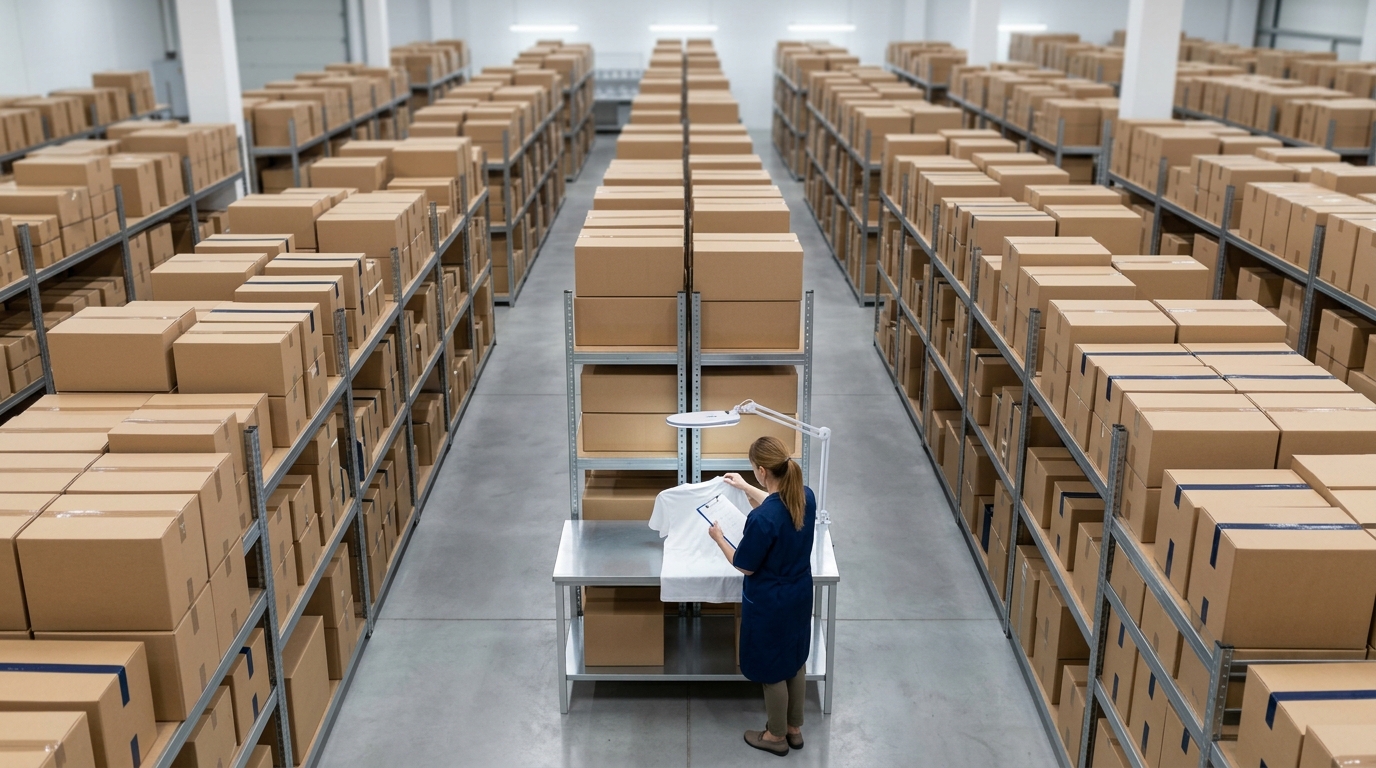
Whichever the case, if you are making a large or major order, it is prudent to ask for a sample first. This gives you a chance to see and feel the material, the shirt and the print quality in person. It may involve extra cost but will save you the trouble of a big mistake later. It is the perfect way to assure that the final batch will meet the expected standards.
Common Questions (FAQ)
What is the cheapest way to print custom T-shirts?
With a bulk order of 50 or more, screen printing with one or two colors is usually the cheapest option. For single shirts or very small orders, Direct-to-Garment (DTG) printing is the most economical option, as it has no setup fees.
What is the time frame for custom clothing printing?
Regular production time is usually 7 to 14 business days. This does not include shipping. Most clothes printing companies provide extra costing rush services. This lowers production time to just a few days if you need it fast.
May I bring my own clothing to be printed?
This depends on the company. Some small local printing shops may allow you to bring your own garments. However, most large online clothing printing companies do not. They prefer to use their own because it guarantees that the item will be compatible with their equipment and it also ensures the quality.
What happens if I am not satisfied with my order?
Good companies will ensure your happiness is achieved. They usually provide a satisfaction guarantee. When there is a printing error and the end product differs from the proof that you approved, they should either reprint or refund the money. Always read the rules of returns and exchanges of the company you are buying from before you place an order.
What is the difference between a printing company and a full-service manufacturer?
A printing company applies designs on clothing items that are already made. A full-service manufacturer like TZ Streetwear can do a lot more than that. This includes making clothes from scratch (cut-and-sew), adding your own tags and labels, and taking care of the entire manufacturing process for your brand.
Conclusion: Your Partner in Making Your Vision Real
Choosing a clothing printing company out of the many available to you is a daunting task when it comes to your brand or event. It is not merely about identifying the lowest price but finding a genuine partner. With the knowledge of your requirements and the overview of the different printing methods, you are now ready to make a wise decision.
The proper partner would have the right machines and skills for your specific job. The most significant step in the process of making clothes that you are going to wear with pride is, choosing the right partner. If you want to build a brand from scratch and need more than just printing, visit and discover everything you need at TZ Streetwear.