Finding trustworthy and reliable fashion wholesale vendors is essential for any storefront or e-commerce platform. Your supplier affects the quality of your products, profits, and the reputation of your brand. A competent partner rates your business up, while an incompetent one causes troubles forever.
This guide presents you a complete plan for your journey. We will guide you on how to find the right vendors and opt for the most suitable sourcing model. On top of that, you will learn to validate each vendor. This path assists you in creating a rock-solid platform for a flourishing fashion business.
Knowing the Types of Vendors Comes First
Before you hit the search, it is vital to know what the different types of fashion wholesale vendors are. Each of them has an individual role in the supply chain and they help you define your search.
Manufacturers
Manufacturers are the companies that actually produce the clothes. They have the lowest price per item but they usually impose a very high Minimum Order Quantity (MOQ). That is, they require a large number of items to be ordered. This is the perfect option for well-established companies.
Distributors (Wholesalers)
A major player is the Distributors, they are wholesalers who acquire large quantities of different clothing lines and supply them at a small cost to retailers, such as YOU. This vendor model addresses most plants’ need for coverage and customer acquisition, thus it is the best for new stores and small enterprises.
Online Wholesale Marketplaces
Wholesale Marketplaces are exclusively online platforms that host a wide array of vendors; they are essentially like Amazon (business-to-business). They simplify the comparison of products and prices from different suppliers. They frequently have wholesale clothing vendor list to check out and find what you need.
Choose the Right Sourcing Model
Before all the steps to success, you will first decide how to seek resources for your business. The choice of the sourcing model directly influences the identity, budget, and daily operations of your brand. Let’s analyze the advantages of three main models to work with fashion wholesale vendors.
| Feature | Traditional Wholesale | Private Label | Custom Manufacturing |
|---|---|---|---|
| Uniqueness | Low | Medium | High |
| MOQs | Low to Medium | Medium | High |
| Cost per Unit | Low | Medium | Highest |
| Time to Market | Fast | Medium | Slow |
| Best For… | New boutiques, fast inventory | Building a brand with less risk | Unique brands with a clear vision |
Traditional Wholesale: Buying and Reselling
This is the simplest model. You buy existing clothing from a vendor and resell it via your store. It is fast, easy, and requires a smaller initial investment. In spite of the fact that this is the fastest start-up method, it also has its disadvantages because many other stores can sell the same items that you are selling, which will be a tough job for you to get unique customers.
Private Label: Your Brand on Their Products
This business model allows you to cherry-pick generic, non-branded items from suppliers’ catalogs. Subsequently, you apply your own branding, for instance, custom tags and labels. This means you can combine the strategy of speed with the strategy of brand-building. You create your own style without the hassle of designing products from scratch.
Custom Manufacturing: Making Your Dream a Reality
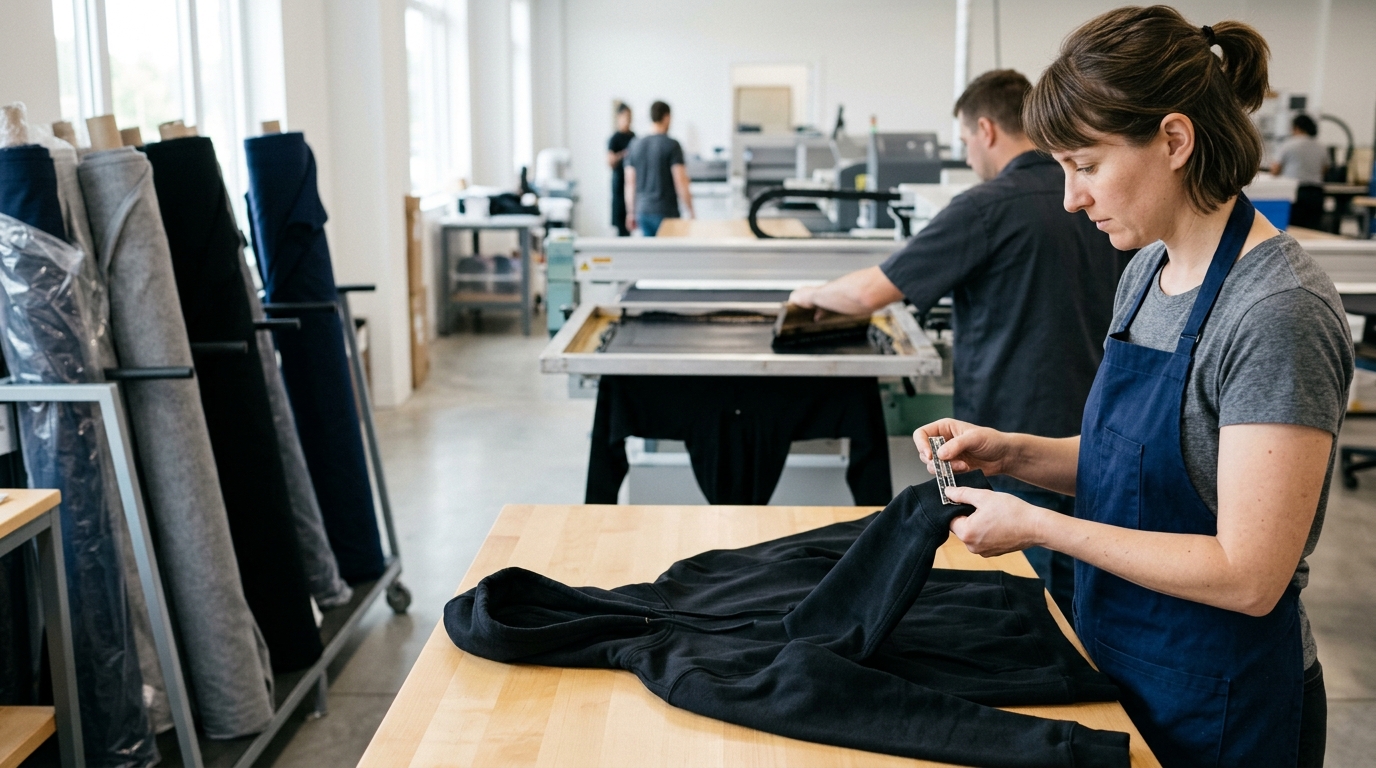
Custom manufacturing is a relationship established with a factory. You work collaboratively to design your exclusive clothes from the initial phase. You totally steer the final product, and it is the best method to form a truly original brand.
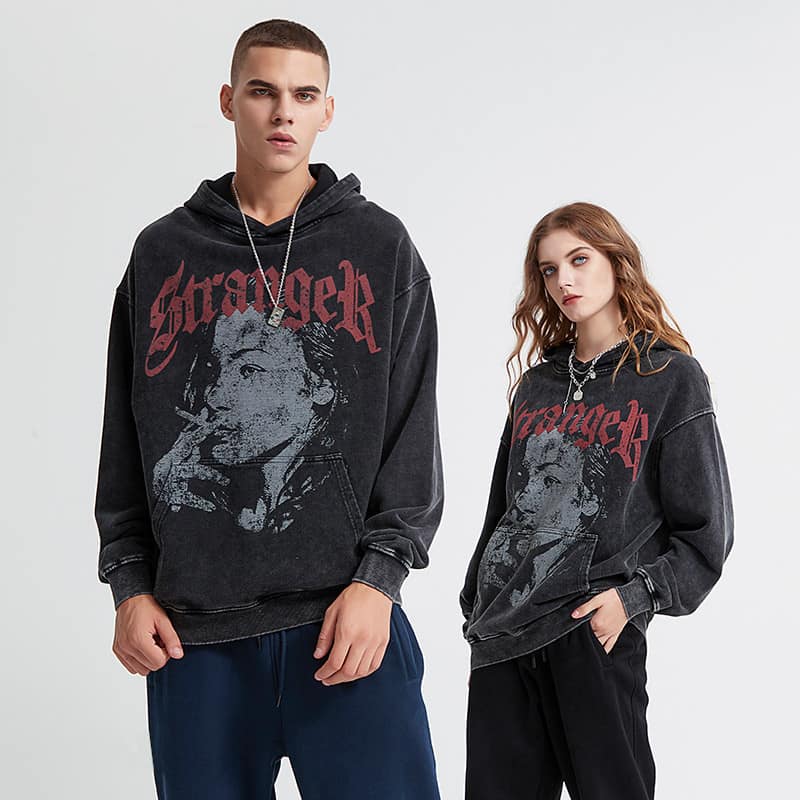
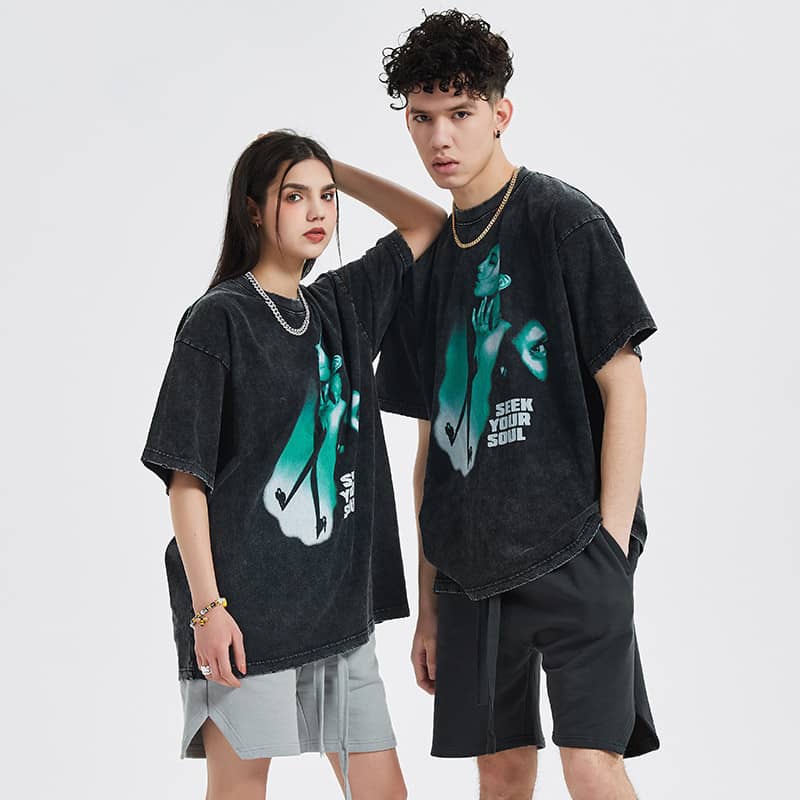
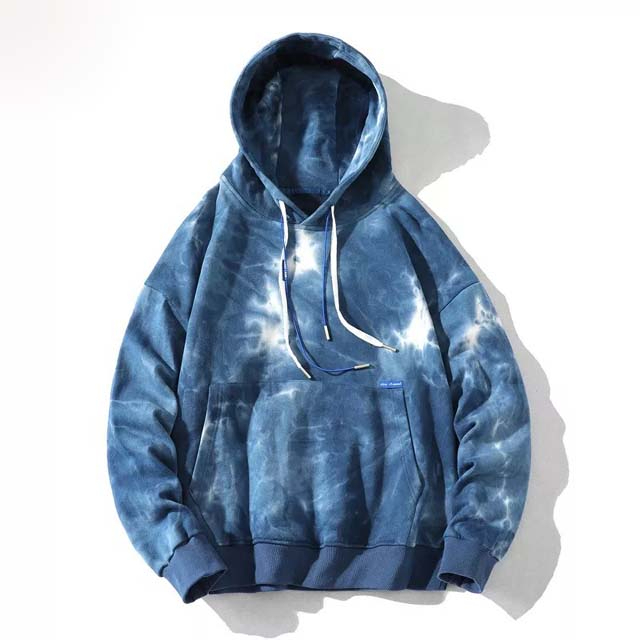
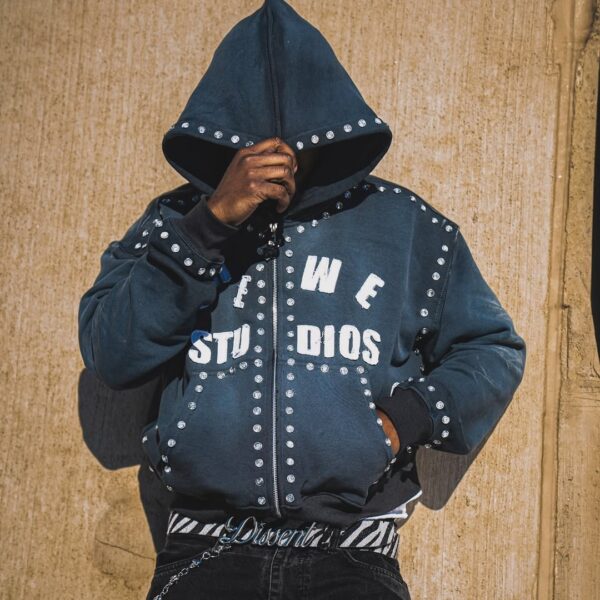
For instance, if you want to design specific apparel lines, associating with a dedicated custom hoodie manufacturer would definitely help you. You can choose the fabric, fit, and stitching color. On T-shirts, collaborating with specialized T-shirt manufacturers will guarantee the quality and establish the benchmark. As a complete package, working with TZ Streetwear can be a huge asset.
Where to Find the Right Vendors
After learning what you want to find, it is now time to start a search. Reputable fashion wholesale vendors are located in the right places.
Online Wholesale Marketplaces
Websites such as FashionGo, Faire, and Tundra are great places to begin. They have a massive selection of clothing, that you can filter and compare vendors efficiently. You can also check on the internet the best clothing wholesale vendor list that mention popular vendors.
Industry Trade Shows
Trade shows are vibrant exhibitions where vendors display their products. Major shows such as MAGIC in Las Vegas or Texworld in New York City will let you inspect the goods and mingle with the exhibitors.
Online Directories and Blogs
You don’t need to be an expert in search engines to find numerous vendor lists. One of the websites that prioritize suppliers is Wholesale Central. Articles on numerous fashion blogs analyzing and choosing suppliers can also be found.
Social Media & Forums
Websites like Instagram and Pinterest are definite trend-searching tools. You can look for hashtags like #wholesaleclothing or #boutiquesupplier to search for vendors. There are also online communities like Reddit where you can read independent reviews. Other business owners can also provide you with recommendations.
The Complete Vendor Verification Check List
Locating a vendor is just half the job done. Verifying them as a reliable partner is the other half. Use this 7-step checklist to assess potential fashion wholesale vendors. It will also help you to evade expensive liabilities.
Step 1: Verify Business Legitimacy
First things first, make sure that the vendor is a genuine and legally registered business. Always look for a physical office, a valid phone number, and a business registration number on their website. If basic information is not available, that is a serious red flag.
Step 2: Analyze Their Product Quality
Don’t make a decision on an order until you see the product yourself. It is best to order samples first. On arrival, take a closer look at the material used, stitching, zippers, and dimensions. Make sure the level of quality meets what your potential customers will expect.
Step 3: Clarify All Policies
Not acquiring all vendor’s policies at the outset is a common mistake. Inquire about their Minimum Order Quantities (MOQs), payment methods, and their process for goods that are not in good condition. Make sure that you have these key items written for reference purposes.
Step 4: Read Reviews and Ask for References
Don’t just check for vendor reviews supplied on the vendor’s own page. Those suppliers usually stand out with the best customer references. If needed, ask if it is possible to talk with one of their current retail clients.
Step 5: Evaluate Their Customer Service
Be observant in how a vendor treats you, even before you become their big customer. Are they quick to answer your email? Are they helpful and patient in answering your questions? Their pre-sale assistance is a good indicator of the support you will receive afterward.
Step 6: Understand Their Shipping and Fulfillment
Make sure to ask them the location of the warehouse. This is very crucial due to the shipping cost and time. Understand the average lead time from the order placement to the shipping. Verify if they can accommodate your orders as you grow the business.
Step 7: Compare Pricing and Value
Price is not always the best measure of quality. Real value is a mixture of quality, reliability, service, and price. Profit margins in fashion retail usually range from 50-60%. Your sourcing is crucial to hitting these figures. Reputable US-based vendors like Tasha Apparel certainly offer clear pricing structures. However, it’s always advisable to do comparisons first to ensure you’re getting the best value for your brand.
Lessons Learned: Your Road Favorite and Growth Partner
The relationship between you and the vendor that you choose from a list of wholesale vendors is more than just a transaction. It is the serendipity of finding a partner who can push you to success. Take some time to see the complete picture, choose wisely, and make careful selections. This guarantees sustainable growth and solid reputation for your business.
Frequently Asked Questions (FAQ)
Do I need a business license to buy from fashion wholesale vendors?
In most cases, yes. Obtaining a seller’s permit or resale license are the most common requirements for fashion wholesale vendors to be allowed to sell their garments. With this paper, you are free from taxes on products you buy and resell as a business.
What does MOQ mean in wholesale?
MOQ means Minimum Order Quantity is the least number of items of a particular product a vendor is willing to sell in one order. It could refer to either the minimum number of units, such as 12 like items of one style, or the minimum total dollar amount, such as a $250 order.
Can I find fashion wholesale vendors that dropship?
Definitely, many wholesale suppliers and marketplaces now provide dropshipping. With this model, the vendor owns all the stock. The vendor ships the product directly to the customer once you have closed a deal. Although it reduces upfront costs, it usually results in higher costs per item.
What’s the difference between a vendor in the USA and one overseas?
American retailers usually have shorter shipping times to North America. They also provide a better communication system. Moreover, the return procedure is simpler. In contrast, the suppliers that are overseas often present lower prices per unit. However, such prices come with hidden costs of higher shipping fees, extended delivery times as well as the risk of delays at customs.
How do I negotiate prices with a wholesale vendor?
Usually, prices remain fixed for a short order. However, as you establish connections, begin making larger and more regular orders, you gain power in the negotiations. Then you can bring up the idea of volume discounts, installment payments, shipping reductions, and the like. Remember always to be professional and to clarify the benefits of being a loyal long-term customer.