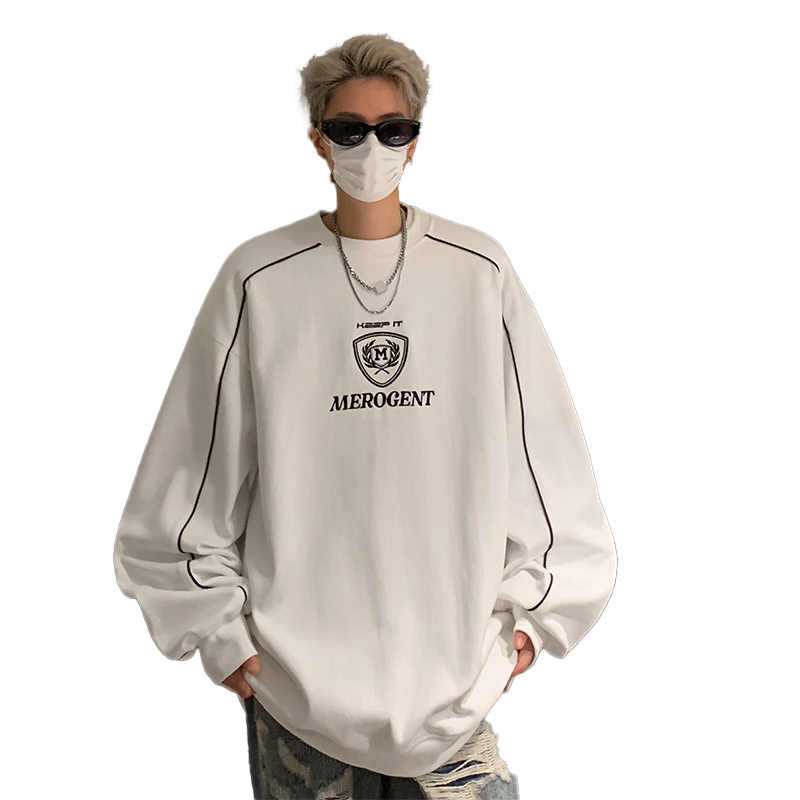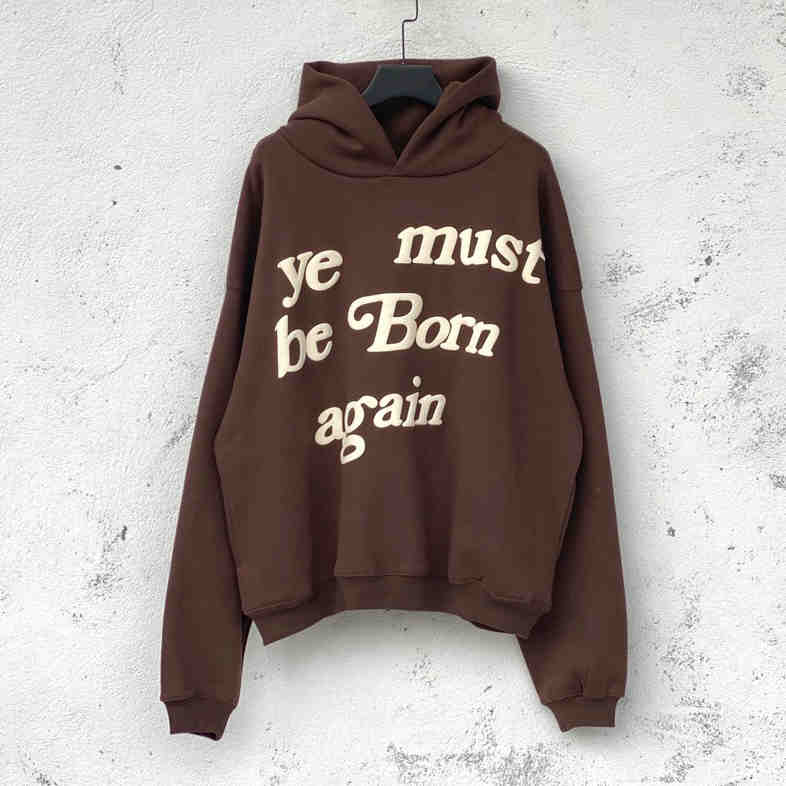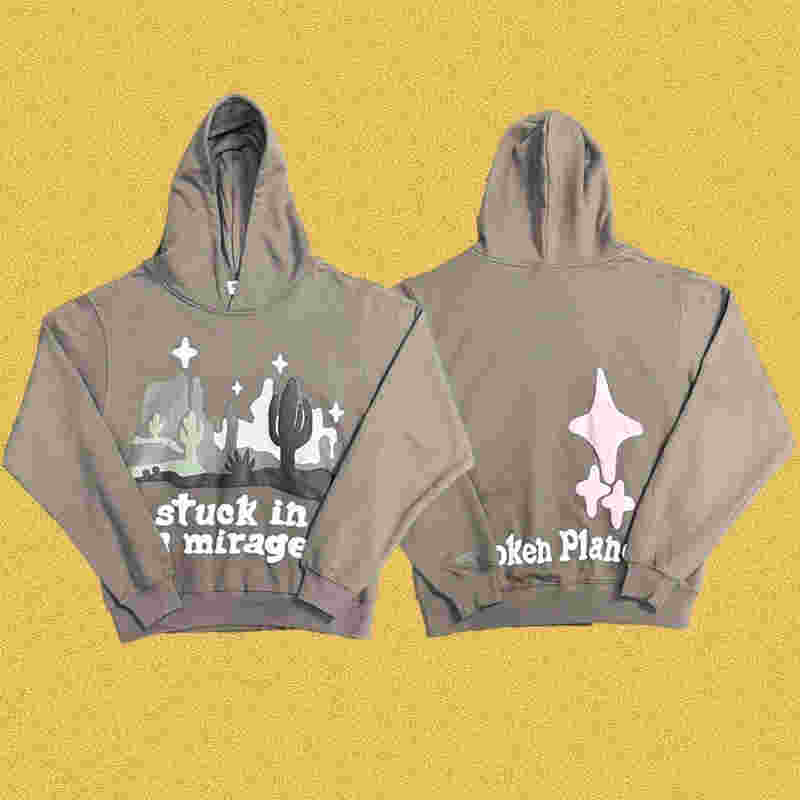
You might feel a bit anxious about starting a custom printing on clothing project. The design you came up with is awesome. But now you need to make decisions. Which technology should you pick between screen printing or DTG? Perhaps something else? The possibilities are impressive. One wrong decision can affect the quality and the budget of your project.
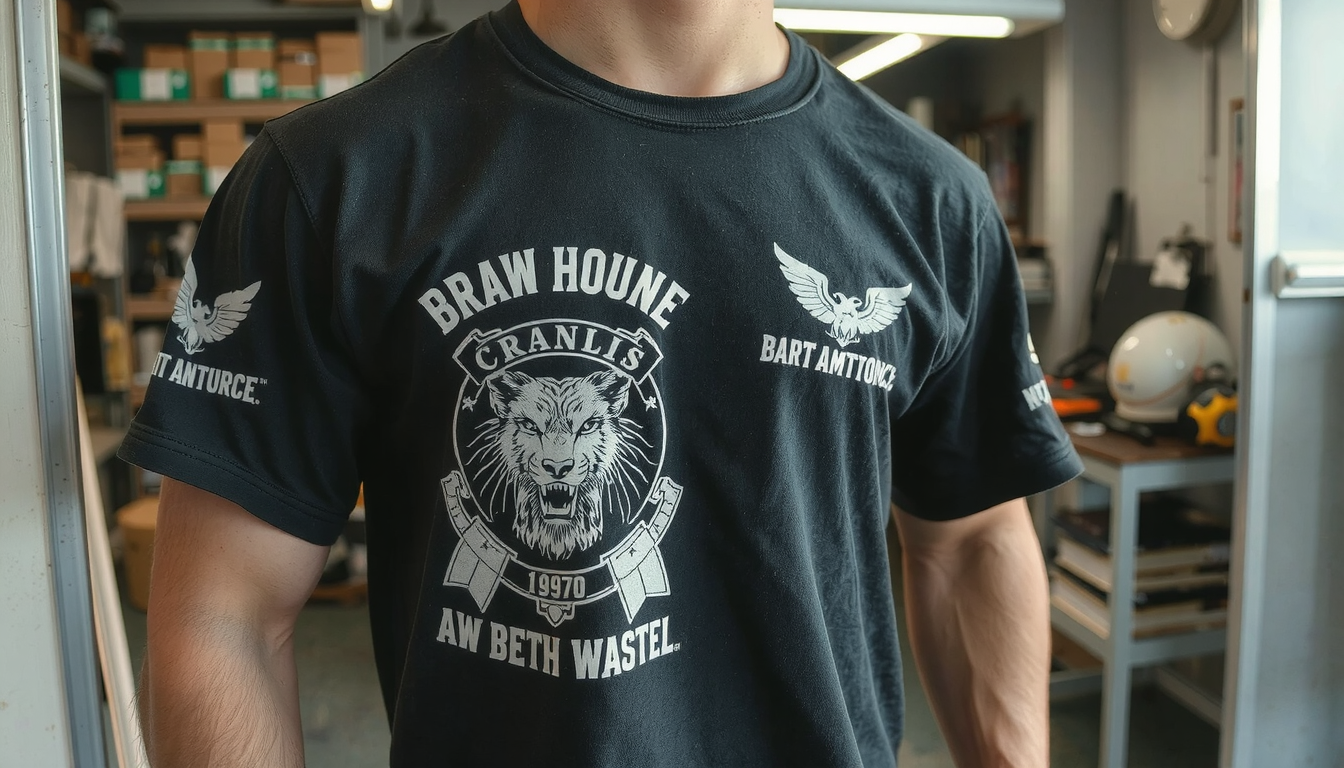
You will get through it! We got your back. With our step-by-step guide, we will let you easily understand how to choose the most suitable printing method for your needs. Today, making unique clothes is easier than ever. You can find many custom clothing items that are available at just one unit minimum quantity. We guarantee this guide will be your all-time go-to tool. Your clothing line, event, or personal project will be a huge success.
To Start with, What Do You Want to Achieve?
Before we get into the details, it is crucial that we find the best path for you. Most importantly, what is your project about? Start by answering this. Finding out the answer will not only save you time but also help you choose the right printing method.
For Small Batches & Colorful Designs
Were you looking for something like 1 to 20 items? The best choice is either DTG or DTF printing.
These methods are superb for colorful images. They are especially suitable for fine details, like photos. The setup costs are basically zero. This makes them great for diverse custom gifts. You can also use them when testing a new brand design or creating a small batch of custom t-shirts.
For Large Batches & Simple Designs
Do you want to order 25 or more pieces and only have a plain design? The most effective way is screen printing.
This is the traditional technique of customizing garments. It is the least expensive method for large distributions. The more shirts you order, the less it costs per item. The method used is that it creates flashy, long-lasting prints. It is the usual way for uniforms, event merchandise, and band shirts.
For Performance Wear & All-Over Prints
Do you want to print on polyester or athletic wear? Dye sublimation is the way to go.
The process of sublimation is that the ink is transformed into gas. It permeates through the fabric. There will be no cracks, peeling, or fading in the design. Besides, there’s no feeling of the print on the shirt. This is the best method for custom jerseys, running shirts, and other performance wear.
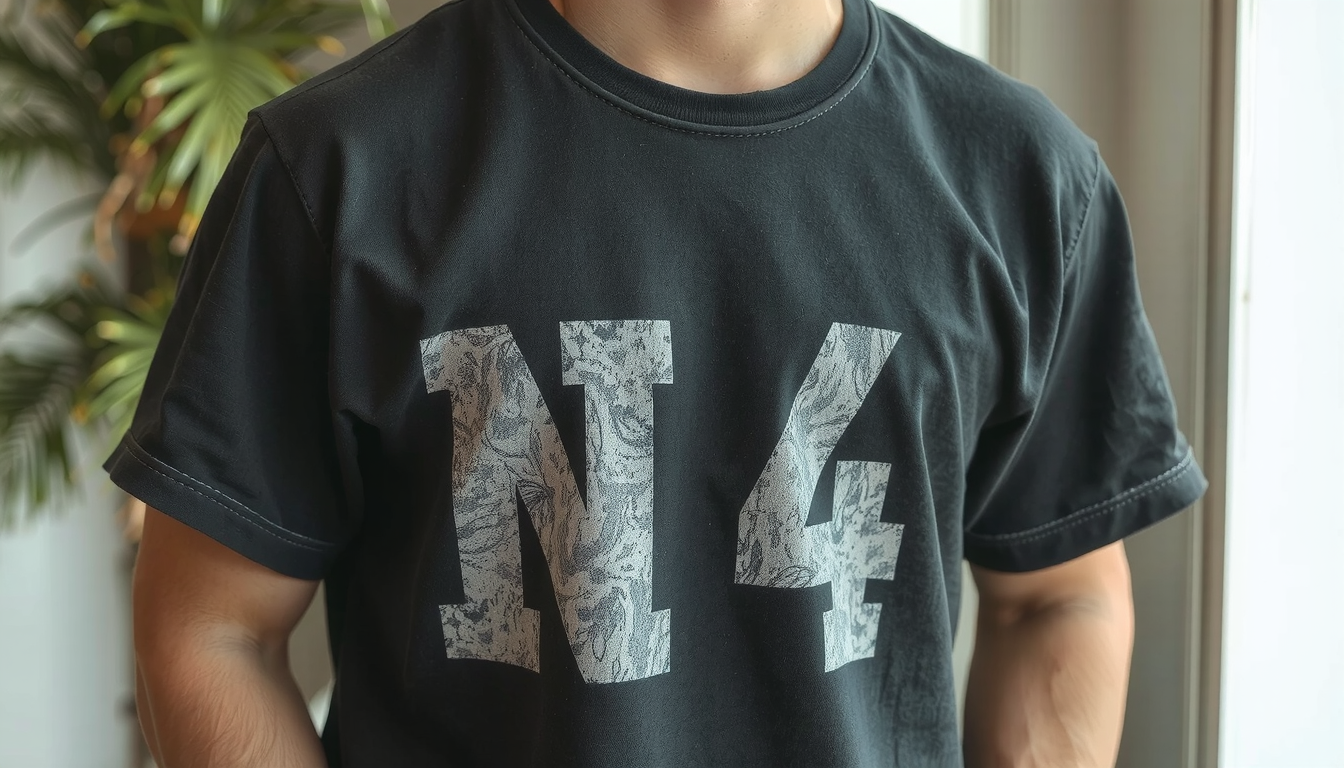
For Maximum Durability & a Premium Feel
Do you want to achieve an embroidered, high-end look on certain products such as hats and polos? Think of embroidery.
Although it is not technically printing, it is one of the key ways to modify clothes. It involves using a thread to sew your design or text into the garment. It gives a polished, durable finish. It is mainly used for corporate dress codes, jackets, or branding premium logos.
Devoting Yourself to the Most Suitable Print Techniques
You think you know what is best for yourself, but only after you learn more about it can you truly be sure of it. Thus it is necessary to look at the most popular ways of custom printing on clothing one by one. The better you comprehend them, the closer you come to a solid, final decision.
Direct-to-Garment (DTG) Printing
DTG works like any regular inkjet machine; only it is designed for fabric. With a special printer, water-based ink goes directly onto the garment. The fabric absorbs the ink and it becomes part of it.
-
Pros: DTG is one of the few processes that let you use all the colors. It can likewise print spectacular designs such as photos. The end print is soft on the shirt. This is mainly for the orders of small quantities because there are no setup fees per color. This method is famous for its amazing outputs with full colors and highly detailed designs.
-
Cons: If you work with large quantities, it can be expensive. The best fabrics for DTG printing are 100% cotton. If the shirt is dark, a white ink base layer will be needed first. This may cause a slight change in the touch of the print.
Screen Printing
Screen printing is one of the classic styles for brainstorming. It requires having a mesh screen, a stencil, and a technique that involves pushing ink through into fabric. For each color in your design, you would require a separate screen.
- Pros: The most distinctive feature of this technique is that it is very affordable for mass production. Besides, the printings are extraordinarily solid. On dark clothes, the colors remain bold and vibrant. Screen printing is the industry standard for high-volume jobs.
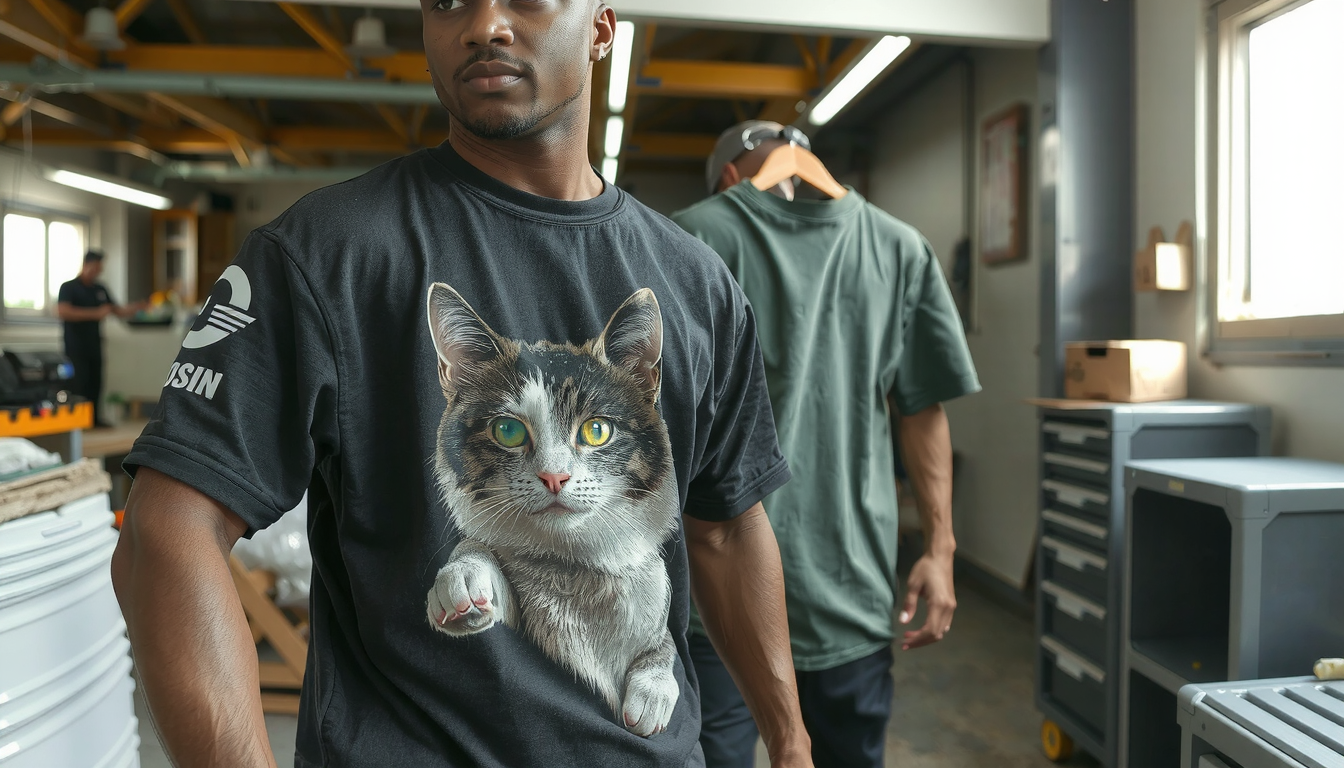
- Cons: The time and production cost involved are negative aspects. Each color needs a new screen. It does not work well for designs with many colors or for small orders. Besides, it sometimes cannot imitate the details of a photo.
Direct-to-Film (DTF) Printing
DTF is a modern innovative method being added into the mix. With this technique, your design is printed on a special transfer film. Then, the film is coated with special adhesive powder. The fabric is heat-pressed onto the garment, which makes it attached.
-
Pros: DTF works on cotton, polyester, and blends making it more versatile. It gives a bright color and a very durable print. It is a good way out of the middle ground. It provides flexibility like DTG, but with a wider selection of fabrics. In the opinion of many professionals, it is one of the most flexible of the 8 Popular types of shirt printing.
-
Cons: The design is pressed onto the fabric such that the top layer is sitting on the fabric. This can make the print feel less soft and breathable compared to other methods.
Heat Transfer Vinyl (HTV)
A popular technique among designers is HTV, that is, the heat transfer vinyl method which is about cutting a design from a sheet of colored vinyl. So, the vinyl cutout is then placed on the shirt. It’s applied using a heat press.
-
Pros: HTV is the go-to for simple texts and shapes. For instance, sports jerseys oftentimes have names and numbers on the back. The method is available in various finishes like glitter, metallic, and reflective.
-
Cons: The method is not practical for large orders. Every shirt is done manually. The vinyl can feel thick and stiff on the shirt. It could crack or peel if not taken care of properly over time.
| Printing Method | Best For (Quantity & Design) | Feel on Fabric | Durability | Typical Cost |
|---|---|---|---|---|
| DTG | 1-20 items, complex/photo designs | Soft, breathable | Good | Moderate for single items |
| Screen Printing | 25+ items, simple/bold designs | Slightly raised, durable | Excellent | Low for bulk, high for small |
| DTF | Any quantity, versatile designs | Smooth, sits on top | Very Good | Moderate |
| HTV | 1-10 items, text/simple shapes | Can be thick | Good | Moderate for single items |
| Sublimation | Any quantity, all-over prints | No feel, part of fabric | Excellent | High |
| Embroidery | Any quantity, logos/text | Textured, raised | Excellent | High |
Beyond the Print: Key Factors
A special printed garment is more than just the print. You have to think about professional product details that are sometimes missed by amateurs. Noticing these things will help your project stand out from others.
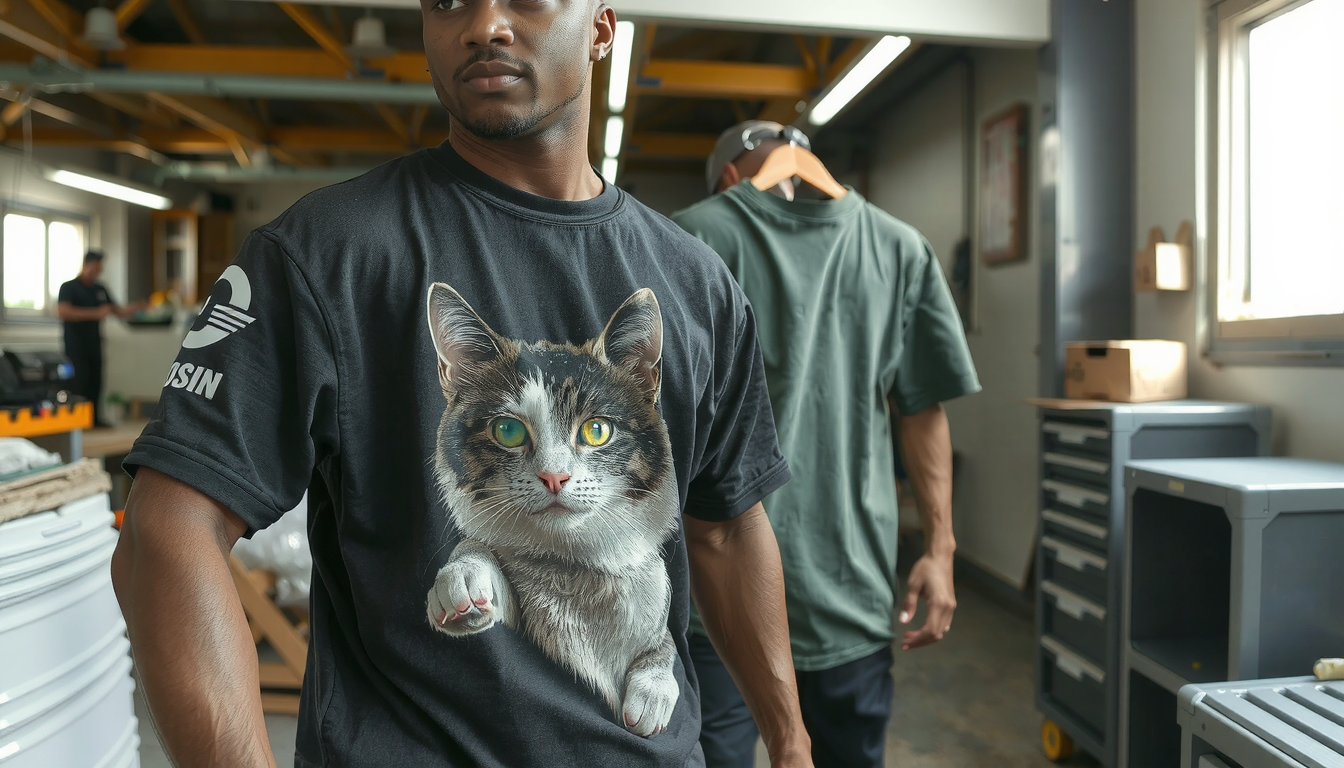
It Starts with the Garment
The primary elements of your project are the fabric and fit of your clothing.
- 100% Cotton: This material is soft and light; it is the best surface for DTG printing.
- Polyester & Blends: This fabric consists of durable materials and efficiently gets rid of moisture from your body. They are the ones you need for dye sublimation. Moreover, they go well with DTF and screen printing. A hoodie made from a quality cotton-poly blend makes a perfect material for various print types. You can learn more about options for a custom hoodie manufacturer.
- Weight and Fit: Weight is an important factor because it will determine the hanging and feeling of the garment. Weight is calculated in grams per square meter (gsm) most of the time. Heavier material will for sure make the shirt feel more premium. The fit is the thing that changes the whole appearance. This could be a standard boxy cut or a modern fashion fit.
Preparing Your Design for Printing
To start good printing, it is important to have a quality file. Make sure you give the right file type to your printer. This is critical for a good result.
- File Type: If you want to do screen printing, vector files are your best option. The following are examples: AI, EPS or SVG files. They consist of lines and shapes. They can be scaled to any size without losing quality. Raster files are made of pixels. These include PNG or PSD files. They’re used for DTG printing.
- Resolution: For raster images, you need high resolution. This avoids a blurry or pixelated print. The industry standard is 300 Dots Per Inch (DPI).
- Color Mode: Your computer screen uses RGB color. But printers use CMYK. A good printer can help manage this conversion. This keeps your colors accurate.
- Expert Tip: We always double-check our design’s transparency in a PNG file. This ensures there are no unwanted faint boxes around the artwork when printed on the final garment.
Finishing Touches That Elevate a Brand
Small details can transform a simple custom shirt into a retail-ready product. These finishing touches show quality and care.
Consider adding custom neck tags with your brand logo. Use these instead of the manufacturer’s tag. Woven hem tags on the sleeve or bottom of the shirt also add a professional feel. Offer items that are neatly folded and placed in a clear poly bag. These details are vital when crafting an introduction to your new brand.
Summary & Taking the Next Step
Making the correct choice of printing method for your clothing entirely depends on your project scope. You will weigh the complexity of your design, your order’s quantity, and your selected material. With the knowledge you have gained from this guide, you can easily define the best details for your needs.
Now you are ready to partner with a printing provider who will help you with the realization of your vision. For those who want to set up a brand built on high-quality custom apparel, you can learn more at TZ Streetwear.
Frequently Asked Questions
What is the most durable shirt printing?
For durability, screen printing and embroidery are the best options. Screen printing ink fuses and strongly binds with the fabric. On the other hand, embroidery is stitching a physical thread. Dye sublimation is also very durable on polyester. The ink becomes totally incorporated in the fibers.
Can I get just one custom shirt printed?
Yes, it is definitely possible to get only one shirt printed. DTG and DTF printing are the perfect options for orders of a single item. These digital methods do not have the high setup costs of screen printing. Thus, they can be used for one-off projects reasonably.
How much does custom printing on clothing cost?
The amount you will spend changes according to some major factors. Among them are the printing method and the number of colors in the design. The total quantity of items and the quality of the garment also matter. For large orders, screen printing is cheap per item. For small orders, DTG is more cost-effective.
What file format is best for a t-shirt design?
For logos and designs with solid colors, a vector file is always best. This includes AI, EPS, or PDF files. It can be resized without losing quality. For photos or images with lots of detail and gradients, use a high-resolution PNG file. Make sure it’s 300 DPI with a transparent background.
How do I make sure print colors look right?
To get an exact color match, give your printer Pantone (PMS) color codes. Remember that colors on your computer screen (RGB) may look different when printed with ink (CMYK). A good printing partner can give you a digital proof or a physical sample. You can approve this before the full production run.