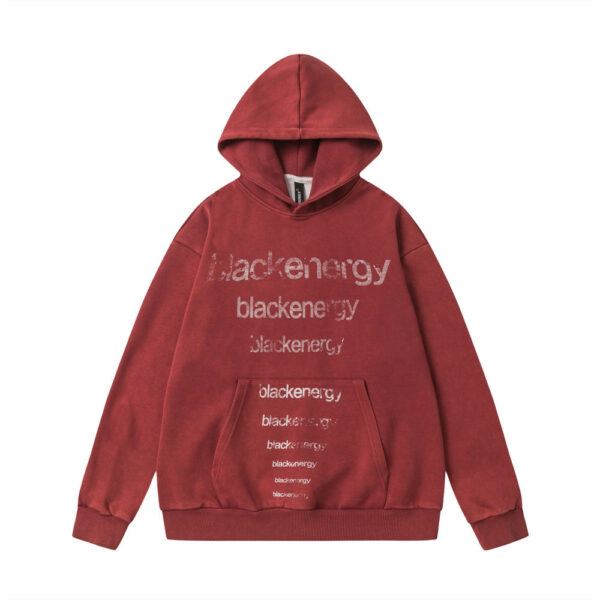
The Advantages of Heavyweight Hoodies: The Difference is in the Details
A hoodie that is just a regular one can not stand out in the long run when you want to wear something that looks good for a long period of time. A custom heavyweight hoodie is a way to show both style and strength. They are the fundamental choice of most reputable clothing brands. They are the fabric for companies that make high-end products. They are the choice for sports teams needing durable clothing.
You will be aware of it immediately through the materials. However, the true quality is much deeper than just the weight of the fabric. It is in the construction, the materials, and the little thing that makes a piece premium. At TZ Streetwear, we aid streatwear brands to design these pieces.
Here’s why it’s smarter to choose a heavyweight hoodie:
- Long Time Usage: The thick fabric comes out of many washes and wears like a champ.
- Rich Texture: It leaves an impression of high value that clients feel.
- More Heat: The denser cloth is better at keeping out the cold wind.
- Better Customization: The heavyweight fabric is perfect for vast embroideries or screen prints.
What is the Difference Between a Hoodie “Heavyweight”? A Look at Fabric and Feel
The term “heavyweight” is not just a marketing gimmick, but it is also a specific fabric quality you can check. This knowledge will help you identify the right hoodie that meets your needs and budget.
The Heavyweight Fabric Weight: GSM 101
Fabric weight is measured in GSM or Grams per Square Meter. This is a straightforward way to show how heavy and thick the material is. A higher GSM value indicates that the fabric is usually thicker, heavier, and generally more durable.
A simple example is the paper type. A single sheet of paper is shy, while a large cardboard sheet is heavy. The same applies to hoodies. We can efficiently divide hoodies into categories according to their weight.
| Fabric Weight Category | GSM (Grams per Square Meter) | Best Use Case |
|---|---|---|
| Lightweight | Below 300 GSM | Layering, summer evenings, promotional events |
| Midweight | 300-350 GSM | Standard all-season wear, general merchandise |
| Heavyweight | 350-500 GSM | Premium brands, cold weather, workwear |
| Super Heavyweight | 500+ GSM | Luxury streetwear, extreme cold, niche apparel |
If you want a truly heavy custom hoodies that you can give them, hoodies must be made of fabrics that weigh at least 350 GSM. The streetwear brands that are looking for a luxury touch often go with 400 GSM or higher.
Normal Fabric Blends and Their Implications
The creation of the product out of the material is only half of the process. The other half is the remaining part of the fabric that makes up the product. The two basic options for heavyweight hoodies are pure cotton and cotton/polyester blends.
100% Cotton: It is the most often chosen option for good quality clothing that is also soft and breathable. You will enjoy how it feels on your skin. The two main types of knit of the cotton are:
* Fleece: This is a soft inside that is fuzzy, which is very warm and cozy.
* French Terry: A looped knit fabric instead of fuzz. It removes moisture from the body.
The main difficulty associated with 100% cotton is that it may shrink if not taken care of properly.
Cotton/Polyester Blends: Popular combinations are like 80% cotton/20% polyester. Polyester gives blends added strength and color-fastness (less fading). It makes them anti-wrinkle. Therefore, blends are a good fit for team clothing or company items that get a lot of usage. The draw-back is that they allow a slight reduction in breathability compared to pure cotton.
The Features of a Custom Heavyweight Hoodie of High Quality
Aside from the weight of the fabric and what material it is made of, the quality of the build is what distinguishes a good hoodie from an outstanding one. Each time we make a hoodie we take note of every little thing. These are the signs you can see in a truly premium piece.
The Stat of the Stitch
How a hoodie is put together contributes to its durability. A hoodie that has double-needle stitching on the major seams is a good choice. All major seams like shoulders, cuffs, waistband, and pocket should be double-needle stitched. This type of stitch uses two rows of stitches instead of one. This is a much stronger seam that will not pull apart.
Another key feature in top hoodies is reverse weave or cross-grain construction. Normal fabric panels are usually cut straight up and down. In a cross-grain hoodie, the panels are cut horizontally. This small change keeps the fabric from shrinking. You will have the same length after washing.
Zooming in on the Details that Matter
Little features are crucial in how a hoodie looks and feels.
- Ribbing: A close look at cuffs and waistbands can show you the differences. High-quality sweatshirts use thick, 1×1 or 2×2 ribbed cotton with good tension. These will keep their form and shape. They don’t stretch out and get loose over time.
- The Hood: A cheap hoodie usually has a weak 2-panel hood that lies flat. A premium hoodie has a 3-panel hood. This design gives much better shape and structure. Instead of looking pointed it fits around the head better. A lined hood is an extra feature for some heavyweight hoodies that provides insulation and a finished look.
- Hardware: Have a look at metal cut-offs. Quality hoodies use metal eyelets (the rings where the drawstring comes out) rather than being just stitches that may fray. The drawstring tips, called aglets, should also be metal or have a quality finish, not just plastic caps or simple knots.
Choose the Custom Method that Suites Your Heavyweight Hoodie
We’ve discovered that the thick fabric of a heavyweight hoodie is one of the best surfaces for self-expression. However, success depends on the decoration method you choose. Choosing the wrong option could lead to a print that cracks, peels, or simply doesn’t appear professional. Different customization techniques fit different Customizable Heavyweight Hoodies.
Screen Printing
This classic method pushes ink through a mesh screen onto fabric.
- Pros: Very cost-effective for large orders (24+ pieces). Makes bright, vibrant colors that pop.
- Cons: On dark hoodies, a white “underbase” layer of ink is often needed. This can add cost. The ink needs to be applied right to stay flexible on thick fleece.
- Best for: Large logos, bold graphics, brand names, and items for events or companies.
Embroidery
Embroidery is a technique in which thread is used to decorate fabric. This method is the best for giving a heavyweight hoodie a luxurious look.
- Pros: It looks high-end and textured which is a feeling that it brings. Its lifespan is long due to it being resistant to wear and tear.
- Cons: It might be costlier than printing, mostly for large designs. It cannot be done on photo details or very small text.
- Best for: Chest logos, brand monograms, sleeve details, and any design where a sophisticated, professional finish is wanted.
Direct-to-Garment (DTG)
DTG printing works like an inkjet printer for fabric. It applies ink directly onto cotton.
- Pros: Perfect for complex, multi-color designs like photos or paintings. Often no minimum order requirements.
- Cons: Works best on 100% cotton hoodies. Colors can appear less vibrant on polyester blends. The thick texture of heavy fleece can sometimes impact fine print details.
- Best for: Detailed artwork, small-batch orders, or designs with many colors and gradients.
Creating Your Hoodies by Following a 4-Step Process from Plan to Product
Creating the vision of a custom hoodie can seem complicated. However, it’s easy when presented in the right way. This is the system we use to guide our partner through the entire process that results in perfect products at the end.
Step 1: Finalize Your Design & Tech Pack
Prepare your artwork first. For the best results, your design should be in a high-resolution file format. Vector files (like AI or EPS) are best because they can be scaled to any size without losing quality. High-resolution raster files (like PNG or PSD) can also work.
If you are doing detailed streetwear brands or detailed projects, creating a “tech pack” could be a good idea. This is a simple document that shows your design, its placement on the hoodie, color codes, and any special instructions.
Step 2: Select Your Blank Hoodie & Quantities
With the information gathered in this guide, make use of it to find the best blank hoodie for your brand. Start with fabric weight (GSM), material (cotton vs. blend), and construction particulars. You can find many good Custom Heavyweight Thick Hoodies Online that will serve as your base. Choose sizes and the total number of hoodies needed.
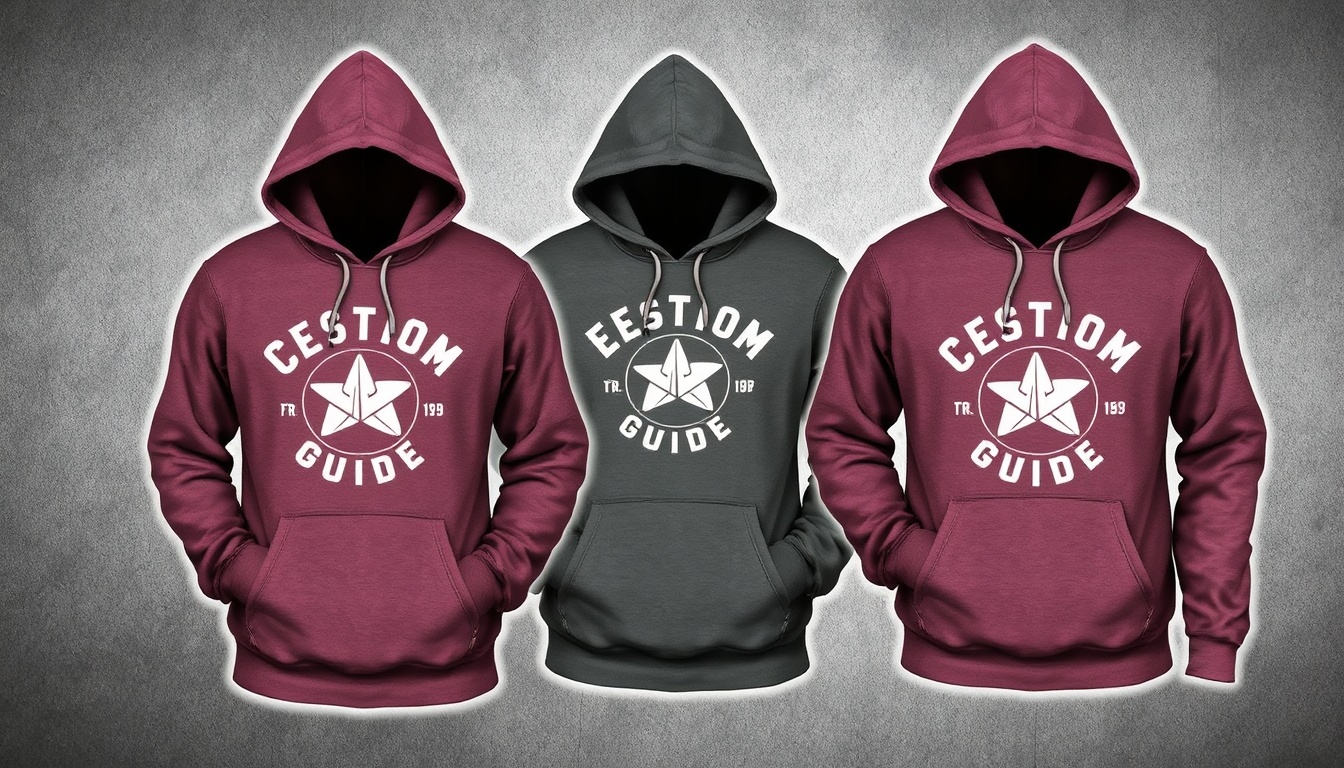
Step 3: Teaming Up with the right Manufacturer
Your choice of manufacturing partner is crucial. Look for a company with clear experience in high-quality clothes, especially for streetwear or premium items. They should have excellent communication and be able to guide you through your options. Working with a specialized custom hoodie manufacturer ensures your vision is done perfectly.
Step 4: Approve Your Digital Mock-up and Go to Production
Before any ink or thread touches your hoodies, you will get a digital mock-up or proof. This is a visual of what your final product will look like. Check it carefully for spelling, colors, size, and placement. Once you approve this mock-up, your order moves into production. This is the final and most important check.
The Need for Lasting Quality: Caring for Your Custom Heavyweight Hoodies
So you spent extra on a premium product. Taking the time for proper maintenance will allow you to save that money and the hoodie will stay looking great for many years.
- Wash your hoodie inside out with cold water. This protects the custom print or embroidery from friction.
- Use a gentle wash cycle and mild soap.
- For best results, hang the hoodie to dry. If you must use a dryer, tumble dry on the lowest heat setting to prevent shrinking and damage to the decoration.
- Never iron directly on a screen print or embroidered design.
Are You Prepared to Make Your Own Premium Hoodies?
Creating custom heavyweight hoodies is more than just a logo. It involves extensive knowledge of the fabric, quality craftsmanship, and choosing the right method of customization for your design. The combination of all these details guarantees the creation of a product people will want to wear.
If you’re ready to create a hoodie that is one of a kind, look through our custom services or contact our team today.
Most Frequently Asked Questions (FAQ) about Custom Heavyweight Hoodies
What is a good GSM for a heavyweight hoodie?
Anything over 350 GSM is considered heavyweight. For a truly substantial and premium feel, high-end streetwear brands often use fabrics in the 400-500+ GSM range.
Is 100% cotton better than a blend for custom hoodies?
It depends on your goal. 100% cotton offers a softer, more breathable feel that is very desirable for fashion and streetwear brands. A cotton/poly blend provides better durability and resistance to shrinking and fading. This makes it a great choice for workwear or team clothes.
What is the most durable custom method?
Embroidery is generally the most durable method. The threads are physically stitched into the fabric and can withstand many years of washing and wear. High-quality screen printing, when cured correctly, is also very long-lasting.
What is the minimum order quantity for custom heavyweight hoodies?
This varies by manufacturer and custom type. Some methods like DTG may have no minimums. Screen printing and full custom manufacturing often require minimums of 24 to 50 pieces to be cost-effective. At TZ Streetwear, we work with you to find a solution that fits your project’s scale.
How much do custom heavyweight hoodies cost?
The final price depends on three main things: the quality and cost of the blank hoodie, the type and complexity of your customization (e.g., number of colors in a print or stitches in embroidery), and your total order quantity. As with most manufacturing, a larger order quantity typically leads to a lower price per hoodie.


-600x600.jpg)