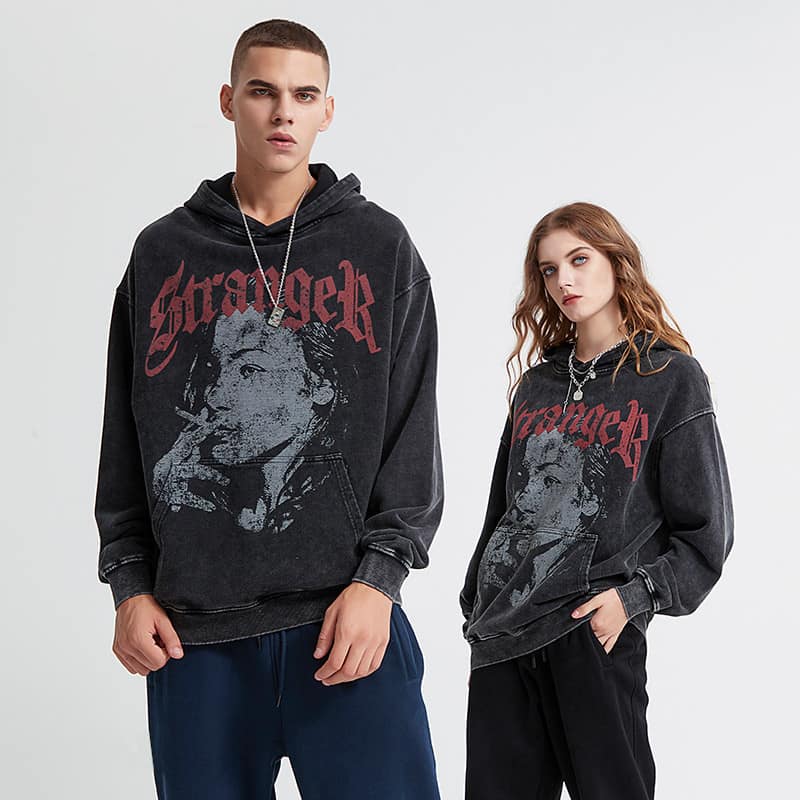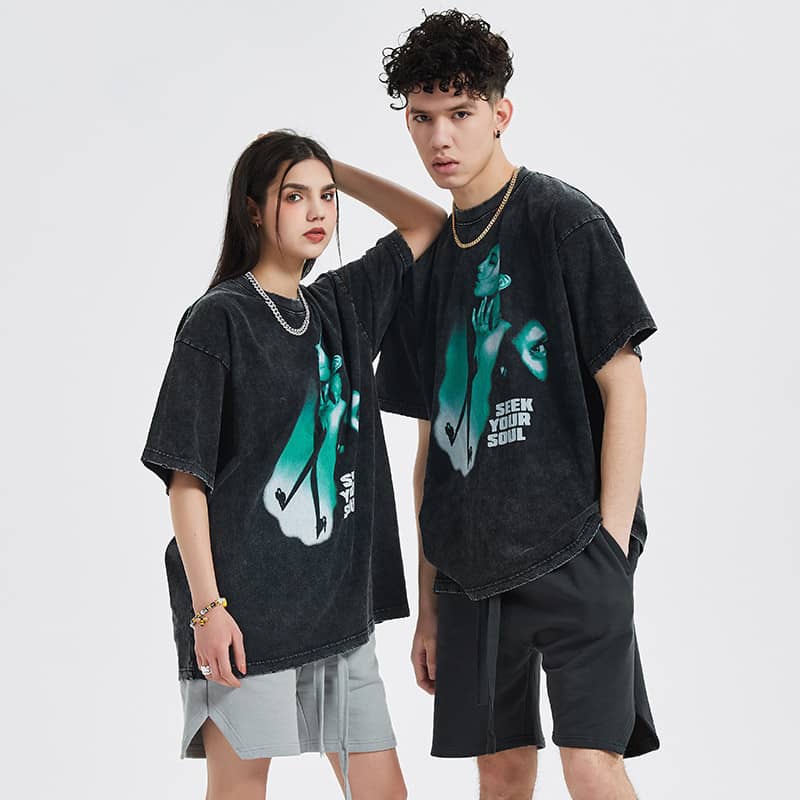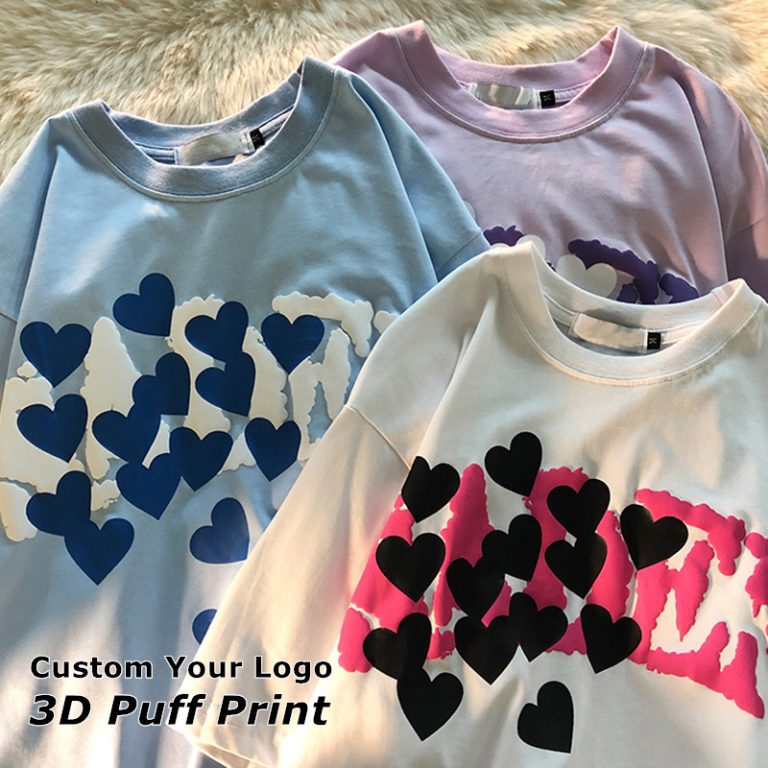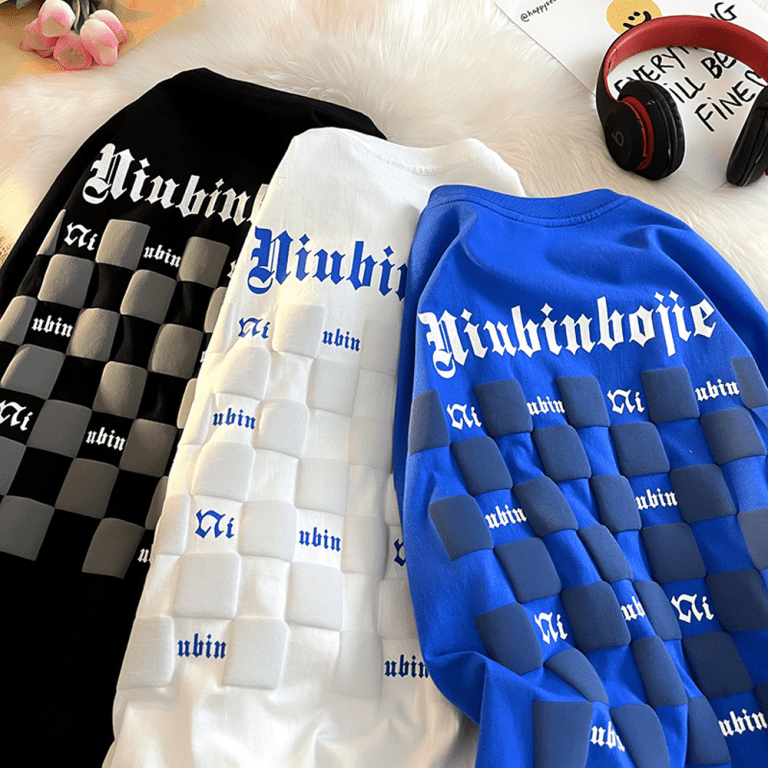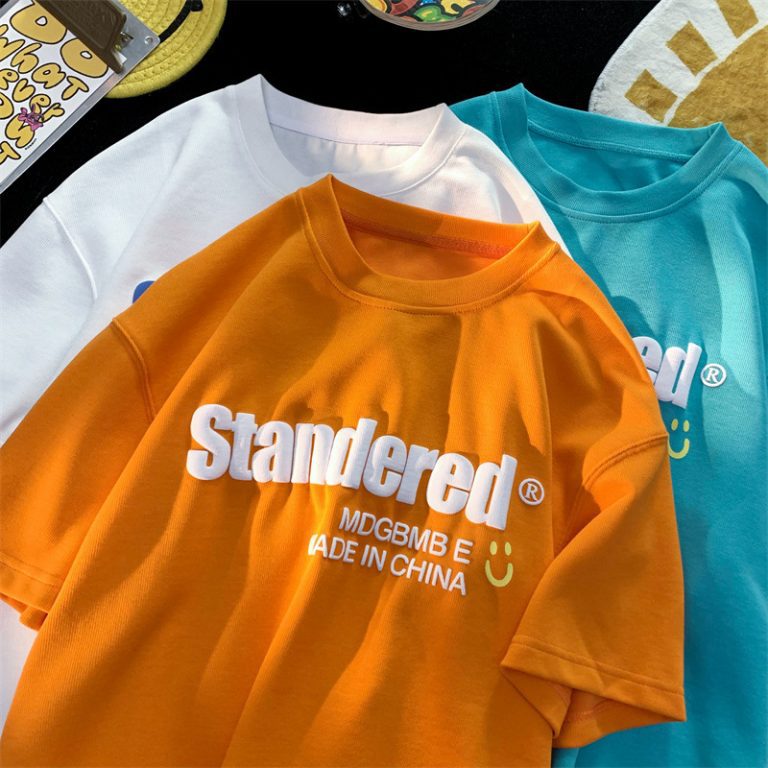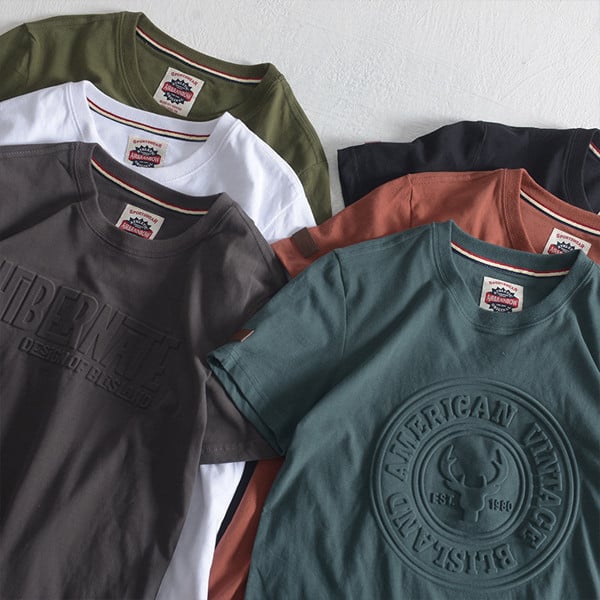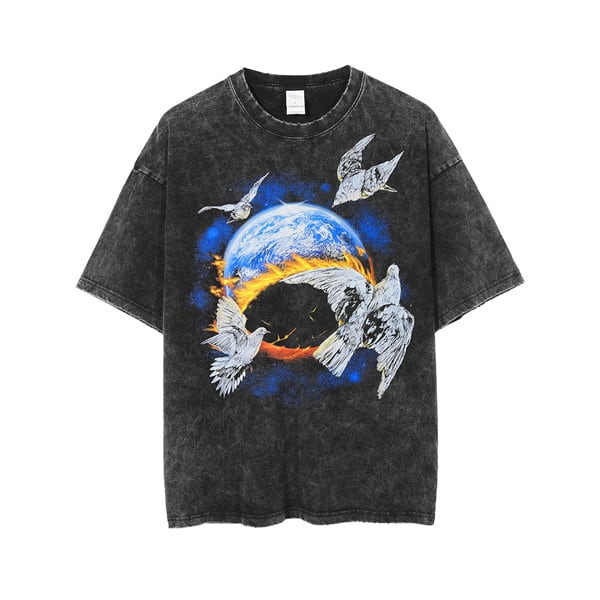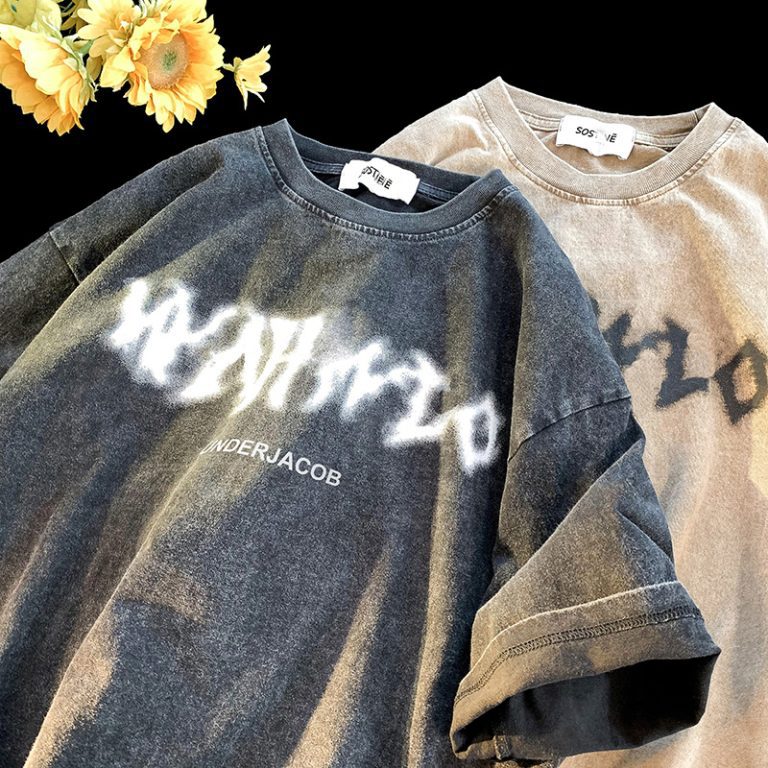
A custom puff print hoodie is a hoodie with a special design that makes it look like it pops up in 3D. This is a special printing effect that uses special ink that expands when it is heated. As a result, the printed design is not only visible but also palpable to the touch.
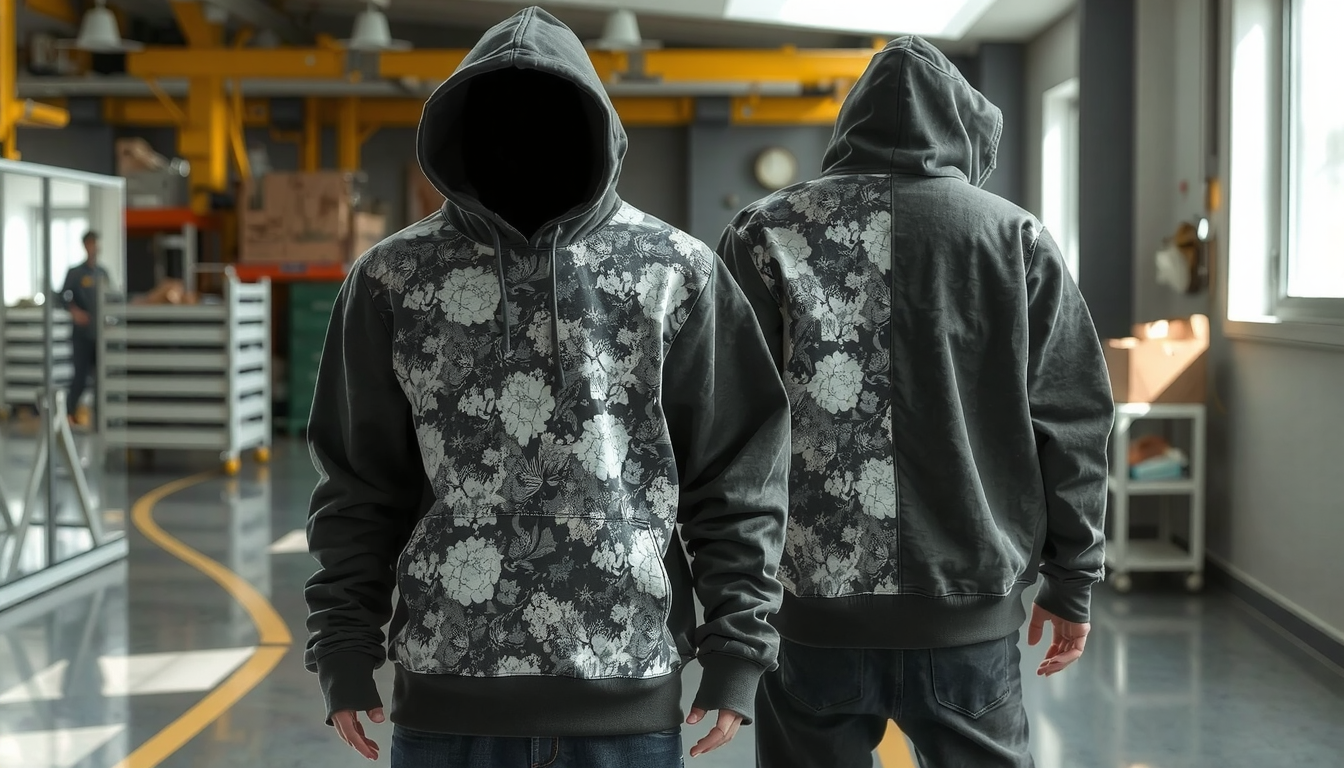
High fashion and the urban street culture style are the domains that fit very well the puff print. A puff print hoodie with a custom design feels luxurious and attracts attention. Everything is provided in this tutorial. The first thing is that you will be able to design your desired model. Because of the second thing, you will be taught the special things needed to make it durability for many years.
What Lies Beneath the Surface: An Introduction to Puff Print and its Mechanisms
Puff print is a specific technique of clothing print. Instead of a plain design, you get the opposite, a designer interpretation, a flat background turned into a 3D object with a bumpy surface. The ability to learn the process means you can appreciate what a skill that is and also it helps you to design your artwork better.
Dissecting the Mechanism of the “Puff”
The effect of the “puff” is achieved through a basic cycle of temperature-induced processes. It can be divided into a few steps.
- The Special Ink: This step is the beginning of the process, which uses plastisol ink, a type of ink that needs a special foam agent. An agent that, when heated, reacts with the material.
- Application via Screen Printing: A mesh screen is used to print the ink on the hoodie. It is done the same way as normal screen printing.
- Curing and Expansion: Then the printed hoodie must be passed through a big heater. The foam agent in the ink is made to work through the heat which leads to expanding. This is due to the process of making the final “puff” 3D expansion.
Puff Print vs. Other 3D Printing Techniques
Puff printing is not the only technique for making a textured design. Knowing it is the main reason for being able to differentiate it from other methods. This key skill will help you with your project ideas.
- Puff Print: This technique creates a smooth, rounded texture resembling a marshmallow. It has soft edges and a matte finish.
- High-Density Print: This approach takes advantage of other ink types to create a hard, rubbery look. The edges are clean and this gives them a rubber-like patch effect.
- Embroidery: True to the thread used to stitch a picture right on the fabric, it is an ancient method that creates a textured effect and lasts for a long time.
Managing Your Brand: Make a Design That Makes a Lasting Impression
The design is one of the key things that make custom puff print hoodies so popular so making sure that your design is the first in line to be the best is imperative. Not all designs are suitable for this technique. Just a little guidance can help to prevent wasting your time and money. The design will be remarkable.
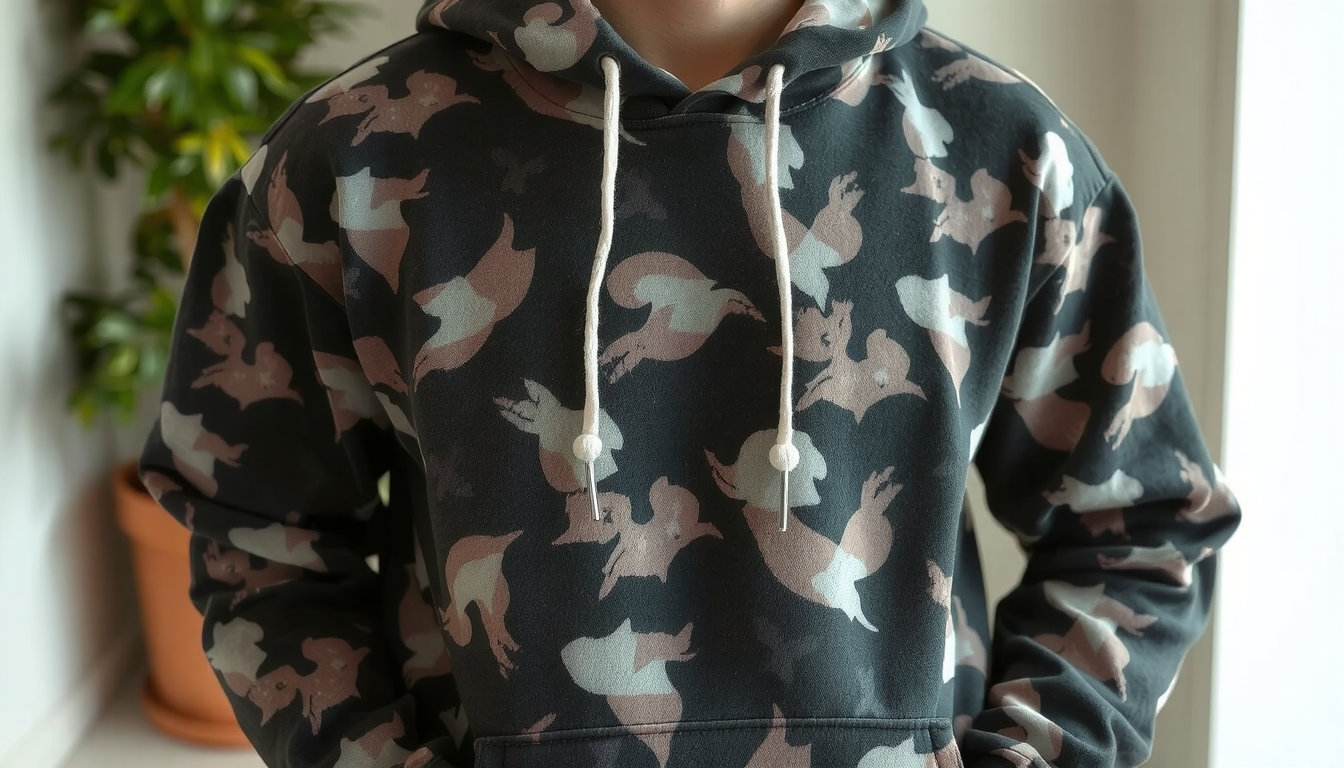
Main Rules to Adhere to in a Fashion Puff Design
The motto “Go big or go home” applies in full to the puff type of ink. Every ink molecule has to have a certain space to expand in the right way and in equal states create a spongy effect.
The best possible option for puff printing is thick lines, solid text boxes, and geometry figures only. In our experience flower patterns will look good only with at least two points of line thickness to “puff”. They may look delicate or uneven.
Besides, you need to leave some white space in your design as well. This is the spacing between the various parts of the artwork. The ink requires some space to expand. If the parts are close, they will puff out and integrate. That will lead to the artwork looking messy. Very fine details and minute text should be avoided for this reason too. They can be read as a quite difficult thing to do. One of the signature project designs showing an effective, striking design could be found in the project showcase for the brand Awful Cloth.
How To Prepare Your Artwork for a Manufacturer
The cleanliness of the print depends upon the file type that you send. We suggest using vector files for puff print designs.
Vector files (.AI, .EPS, .SVG), as opposed to raster files (.PNG,.JPG), work with mathematical formulas instead of pixels. This means that you can increase the size of the image without encountering problems with the quality. Raster files like .PNG or .JPG can distort when enhanced.
Always convert your fonts to outlines before sending the file. It converts the text to shapes. The manufacturer does not need to have the same font installed. To achieve color accuracy, please note the Pantone (PMS) colors used. Take into account that the puff process might make the final color look a little bit lighter than the original flat ink.
Progressive Techniques: Blending Puff with Other Prints
The combination of puff print with other techniques results in a unique, one-of-a-kind feature. This might be embedding puff as an accent on a flat screen-printed design, for example, or mentioning it in a lobed embroidered logo for a luxurious mixed-media effect.
These things should be taken into account while developing a solid brand. If you are at the beginning of your journey, the guide on how to craft an introduction to your brand identity will be of great help to you.
Selecting the Right Blank Canvas: The Top Hoodies for Puff Printing
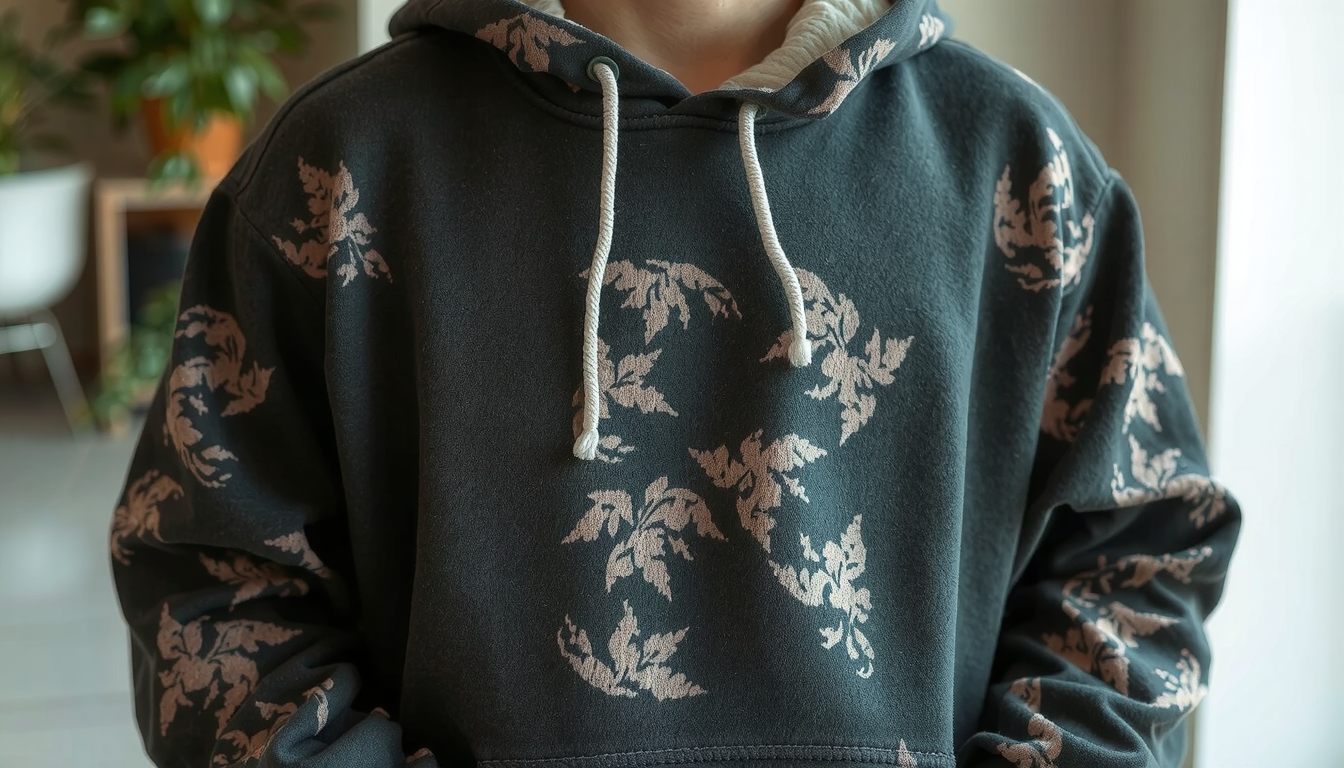
Just like the design, the hoodie you choose is highly significant. The weight and fabric of the garment really play a key role in the puff print durability. Good choice of a base garment is critical for an excellent final product.
Fabric Choices: Cotton vs. Blends
The fabric type is key in determining the temporal and static characteristics of your print. The majority of hoodies are made up of either 100% cotton or a blend of cotton and polyester.
The best way to go would be to get heavy fabrics for the puff print hoodie custom project. They can be a stable printing surface, as they will not warp or pucker due to the weight and the heat of the ink. So, we recommend you go with pieces having a fabric weight of at least 10 oz / 340 GSM. The heavy ones are typically 12 oz / 400 GSM or more.
| Fabric Type | Pros | Cons | Best For Puff Printing? |
|---|---|---|---|
| 100% Cotton | Soft, breathable, perfect for vibrant colors. | May shrink if not pre-shrunk, pricier. | Very Good. Provides a stable, clean surface for the ink. |
| Cotton/Poly Blend | Long-lasting, minimal shrinking, often cheaper. | Less breathable, may pill over time. | Good. Quality blends are a reliable option. |
Hoodie Styles and Their Combination with Printing
The style of hoodie you choose will also determine your design options. Pullover hoodies are the straightforward ones. They are the easy choice with large, unbroken print areas on the front and back.
The Zip-up hoodies are trickier. Printing directly over a zipper is usually not so easy and, thus, may obfuscate the results. For zip-ups it is more beneficial to put designs on either side of zipper, on the back or on sleeves. The center chest, full back, sides, hood, and even the sleeves are common placements for any type of hoodie.
The Step-by-Step Process For Your Custom Puff Print Hoodie
Realizing a custom hoodie is very simple when you are acquainted with the order process. A road map will guide you simply from conception to the final product.
- Choose Your Design And Garment. Rely on the principles of this guide to design your artwork and choose the right hoodie.
- Look For The Right Manufacturer. Look for a company with a strong portfolio, good communication, and reasonable minimum order quantities (MOQs).
- Provide Your Design & Ask For A Quote. You should send the artwork files, quantity, sizes, and the kind of garment you want.
- The Digital Mock-up & Approval. The digital proof will be sent by a manufacturer which will show the design on the hoodie. You must check it very carefully to accept the size and placement before they will start to produce it.
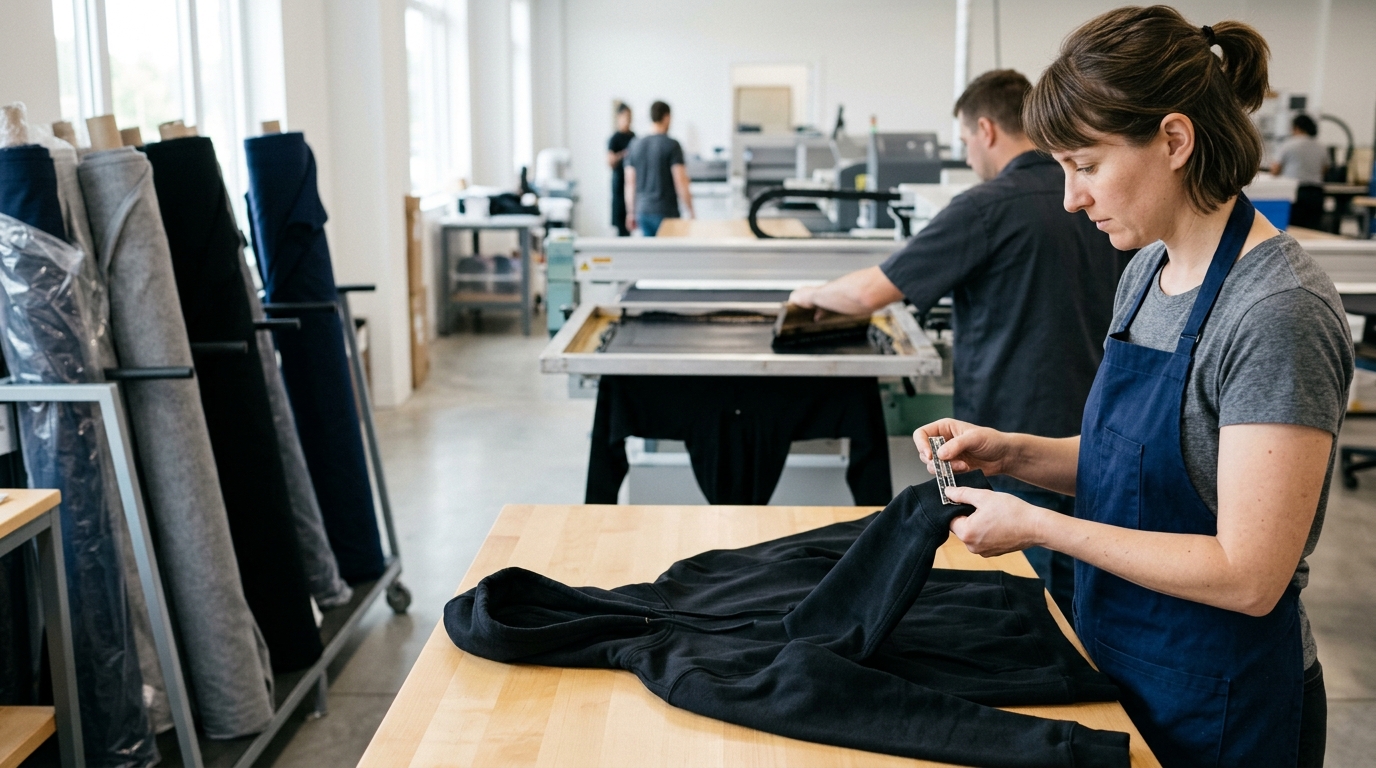
- Production & Quality Check. Your hoodies will be in the process of production after they are approved. A right manufacturer conducts quality checks in order to verify the realization of each piece conducted to the same standard.
The first and foremost step on your way to bringing your design to life is choosing an experienced custom hoodie manufacturer to work with.
The Longevity Care: Tips For washing and Drying Your Puff Print Hoodie
Although the ink is quite long-lasting if correctly maintained, you really need to take care of it well. Throughout the years we gained plenty of experience from testing as well as receiving customer feedback. We have thus developed a care routine whose aim is to maximize the life of your puff print. The following simple tips will help you to avoid cracks and tears.
Washing and Drying: The Do’s and Don’ts
The high temperature is puff print’s biggest enemy as it is the one that can reactivate the ink, turning it soft. This, in turn, leads to it being brittle and breaking when it cools down.
- DO wash the hoodie inside out.
- DO use cold water and a gentle cycle to wash.
- DON’T use bleach or strong detergents.
- DON’T use fabric softener, which can weaken the ink.
- DO hang dry when possible. If you absolutely must, use the dryer on the lowest heat setting.
- DON’T iron the design directly.
The care instructions provided are commonly accepted in the industry as practical measures for ensuring extended usage, as stated by authorities on Custom Puff Print Hoodies.
Why Do Puff Prints Crack or Peel (And How to Prevent It)
When a puff print fails, it’s nearly always due to one of three issues. Recognizing them allows you to clarify the quality ranks and take appropriate care for your clothing.
- Bad Curing: If the supplier didn’t correctly set the temperature and time for the ink, it won’t bond to the fabric as it should. This speaks of a substandard supplier.
- High Heat/Washing Drying: As noted before, washing drying with high heat is the most common reason for damage.
- Stretching the Fabric While Hot: Wait until the garment cools completely before you begin to pull or stretch it. Avoid doing so when it is warm such as just out of a hot dryer.
Conclusion: Amplify Your Brand with Custom Puff Print
Making a hoodie unique with a custom puff print is a great way to promote your brand. The feeling of touch, the high-quality appearance, and the strong visual impact are the reasons why brands and individuals favor it.
Following appropriate design principles, using a high-quality fabric, and working with a trustworthy manufacturer, you will be able to design a flagship style that people would love to use. Armed with this tutorial, you have the capability to fabricate a durable, high-impact product that accurately reflects your vision. Tap your creativity, and today start your adventure to establishing a unique apparel line with TZ Streetwear.
Frequently Asked Questions (FAQ)
1. What is the minimum order quantity (MOQ) for custom puff print hoodies?
This depends on the manufacturer. While certain brands offer services for a single item, for optimal pricing and for brand production, the average MOQs range around 25-50 items. TZ Streetwear is a partner to units, helping them to find out the most suitable quantity.
2. Can you do multi-color puff print designs?
Definitely, multi-color puff printing is a possibility. However, it needs to be accurately aligned for each color to be applied and, thus, works best for designs where the colors don’t touch. Puff colors that overlap may be especially difficult and will also raise production costs.
3. How long does a puff print design last?
A quality puff print that was made by a reliable manufacturer can be scratch-resistant, usually for as long as the garment itself. The durability of it greatly depends on how well it is taken care of. Washing it cold and avoiding high heat drying are the main steps to follow to make sure it lasts that long.
4. Does puff printing cost more than regular screen printing?
Yes, puff printing is generally more expensive than standard flat screen printing. The cost can differ due to the unique ink, the additional precautions and energy required during the heating process, and the final palm-value being perceived as higher.
5. Is puff print suitable for very detailed or photorealistic images?
No, puff print is not suitable for fine detail or photo images. The nature of the ink is such that it will expand and round off, leading to the small details distorting and merging. It is the best for bold graphics, logos, and typography.