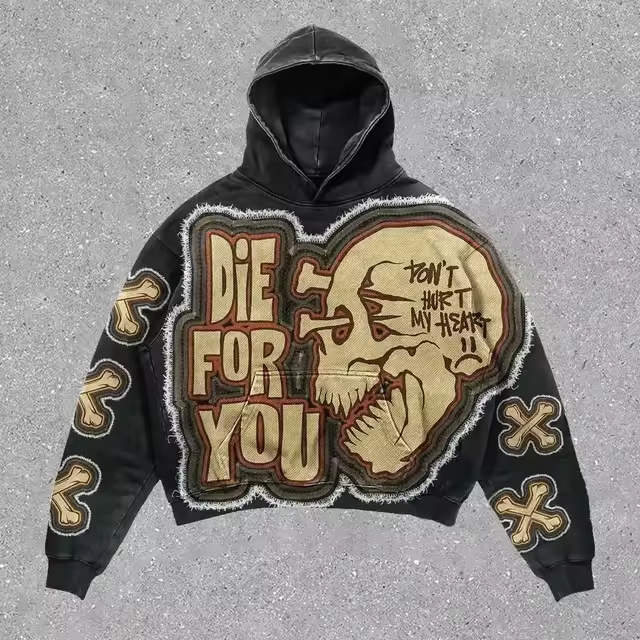
So, what do you mean when you type “3d printing clothes machine”? Are you looking for a way to add textured, raised graphics to a t-shirt? Or is it a vision of a space-age device that would take a digital file and print a whole outfit? This word is responsible for a lot of trouble in the garment industry.
Look no further than this guide for the explanation. We will identify the two principal types of technology that are classified under this label. However, the dream of printing an entire outfit at home is not a reality yet. But the technologies that are transforming the fashion industry are real and accessible today. Every person engaged in the clothes business needs to recognize this environment. This relates to both small brands on https://www.tzstreetwear.com/ and multinational corporations.
Category 1: “3D Effect” Printing Machines for Clothing
This category refers to a situation that many people encounter when they try to find a cheap 3d printing clothes machine. This technology doesn’t weave or knit fabric. They process an already made clothing item, such as a t-shirt, or a hoodie, for example, with a dimensional graphic.
What Is 3D Effect Printing?
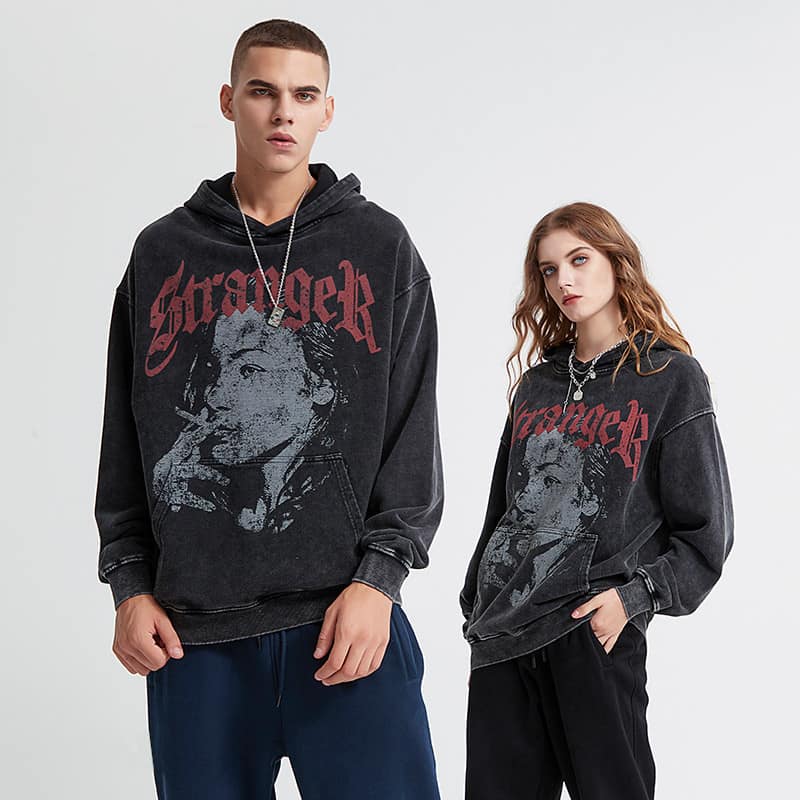
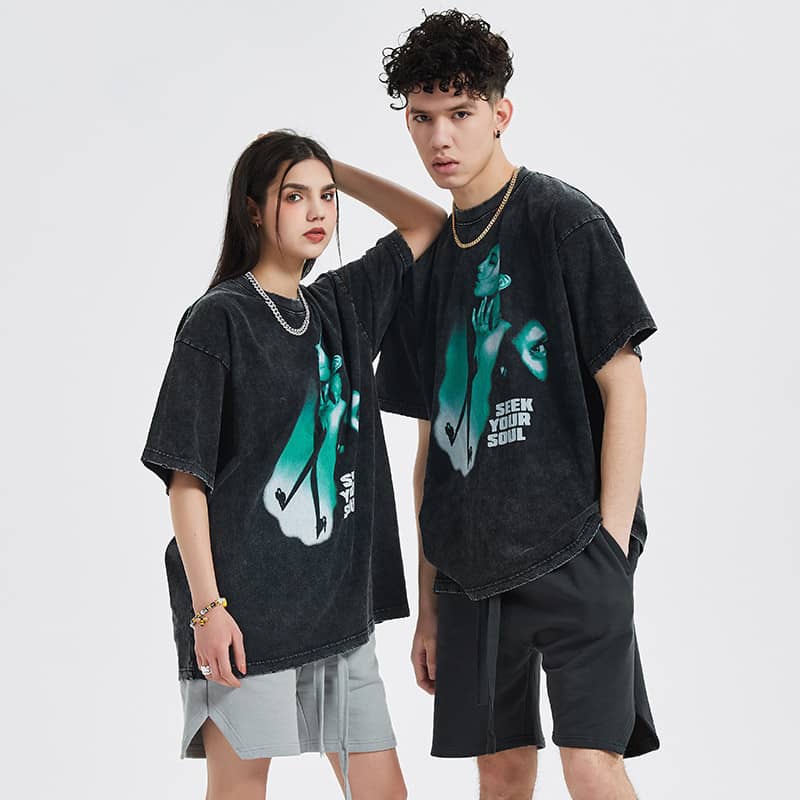
3D effect printing helps in developing three-dimensional, textured graphics on fabric. Instead of being a two-dimensional print, you can actually touch a raised design. The addition of this feature significantly increases the clothing value and gives it a premium look.
Common Technologies and Machines
-
Puff Print/High-Density Screen Printing: This is a classic method with modern touches. Special inks are made through a heat-activated foaming agent. When these inks pass through a curing oven, they expand. Consequently, this leads to a raised, puffy, or sharp definition of a 3D texture. It’s one of the most sought-after specialized screen printing techniques.
-
Direct to Film (DTF) with 3D Effects: Apart from the classic way, modern DTF printing can achieve 3D effects too. It prints designs onto special film that is later used for heat transfer. By layering inks or using special 3D powders and adhesives, you can create a textured, multi-dimensional feel on the final transfer.
-
Silicone Heat Transfer: This is a high-end solution that employs pre-made, flexible silicone patches that are heat-pressed for application. These transfers are of a smooth, rubbery, and highly detailed 3D logo or design. They are often found in sportswear and streetwear among high-end brands as they last long and maintain flexibility.
Online marketplaces also make this situation worse. When you search for 3D DTF printers and heat presses, more often than not, you will come across them titled as machines often labeled as ‘3D t-shirt printing machines’. This is the case because they are promotional materials for those types of things.
Category 2: The Actual 3D Clothes Printing Machine Is Weaving Fabric from Code
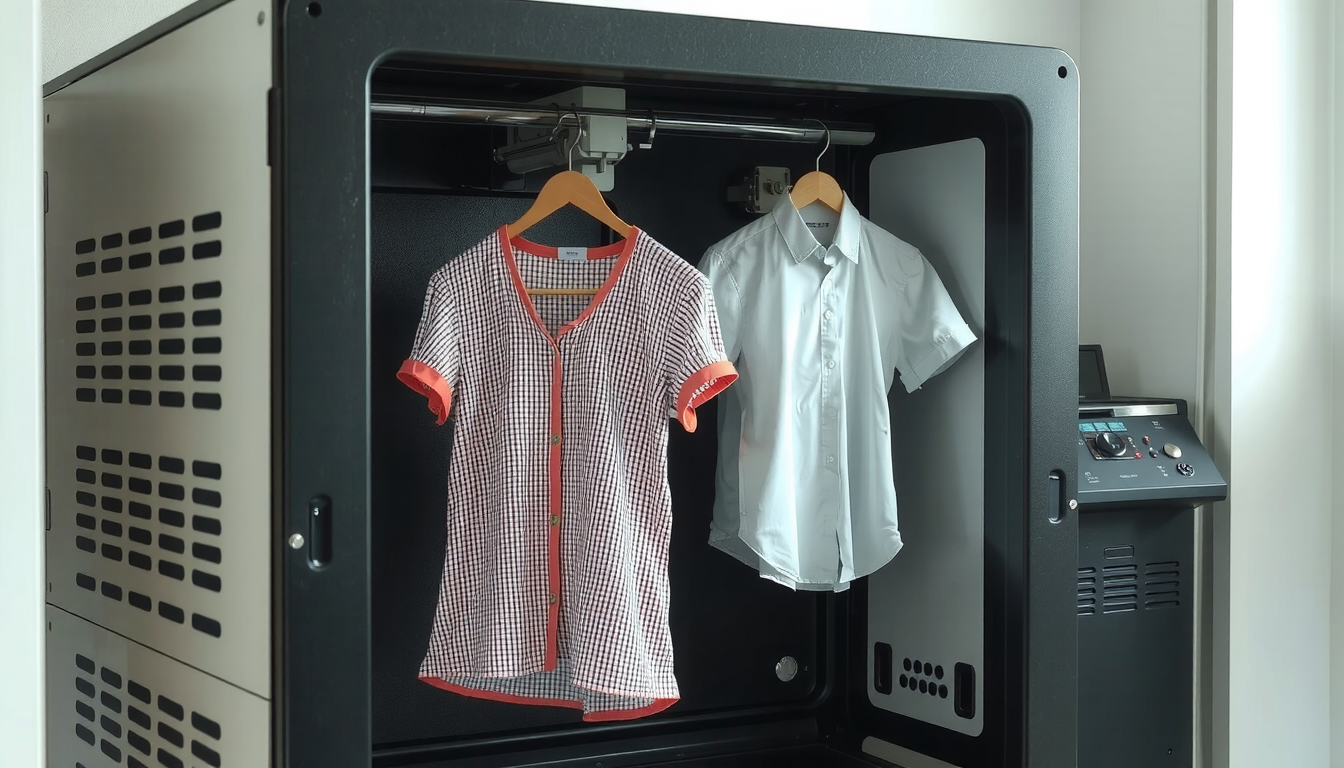
This is the technology of the future. A device threads together all the parts of the fabric from a code string. That’s what a 3d printing clothes machine means in particular. It takes the manufacturing from just graphics to digital creation.
What is the Working of 3D Clothes Printers?
The underlying mechanism is the same as in a typical 3D printer. A digital design is created in the CAD (Computer-Aided Design) software and sent to the machine. Then, the machine constructs the object (the object is clothing in this case) with each thread from the code directly. This technology is known as additive manufacturing.
Key Technologies Going Forward
-
3D Knitting: This is the most effective technology currently for fully constructing garments. Industrial 3D knitting machines, such as those from Kniterate or Shima Seiki, follow the digital instructions to knit a whole, seamless garment in one step from yarn. This method is excellent. It is revolutionizing knitwear production by eliminating the cutting and sewing processes, thus materially reducing waste.
-
Direct-to-Fabric Additive Manufacturing: This is another experimental field. Technologies like Stratasys’ PolyJet print the flexible polymers directly onto a textile base. They also are able to construct a new, fabric-like material from scratch. You will normally see these creations at fashion shows and in designer collections. Designers with a vision like Iris van Herpen and Danit Peleg are the ones who support them. The outcome is “fabrics” that look like artistic works instead of regular clothing. This occurs due to the limitations of materials.
Can These Machines Be Used for Home or Small Business?
The brief answer is, no, not really for general purposes. Big high-end additive manufacturing printers for textiles are actual machines for industry. They cost hundreds of thousands of dollars.
Smaller desktop-based 3D knitting machines are starting to filter into the market. But they will demand a huge monetary commitment. They range from thousands to tens of thousands of dollars and are highly specialized. They do not function as general-purpose 3D printing machines for clothes. They are specifically for making knitwear.
Comparison of 3D Effect vs. True 3D Garment Printing: A Practical Comparison
Your choice of technology entirely hinges on the goal that you want to achieve. Are you just decorating an existing garment or are you creating a new one from scratch? This table pinpoints the key differences.
| Feature | 3D Effect Printing (e.g., Puff Print) | True 3D Garment Printing (e.g., 3D Knitting) |
|---|---|---|
| Core Purpose | Applying dimensional graphics to existing fabric | Creating the entire garment/fabric from code |
| End Product | A printed T-shirt, hoodie, or hat | A seamless sweater, dress, or textile |
| Key Technology | Screen Printing, Heat Press, DTF | Additive Manufacturing, Digital Knitting |
| Required Materials | Specialty Inks, Transfers, Silicone, Powders | Yarn (wool, cotton), Polymers (TPU), Powders |
| Cost & Accessibility | Low-High, widely available for businesses | Very High, specialized and industrial |
| Best For | Branding, custom graphics, unique finishes | On-demand garments, zero-waste fashion, bespoke fit |
Would a 3D Clothes Printing Machine Be Apt for Your Fashion Brand?
As a common industry consultant, we do encourage the practical benefits to be compared with the kind of investment involved. The decision concerning these technologies is, therefore, strategic as it determines the model of production, cost structure, and the identity of the brand.
The Business Case for “3D Effect” Printing
This is the entry point of most brands for adding unique value in a pragmatic way.
- Pros: The first value they bring is that they enable bold branding and exclusive designs that attract customers willing to pay more. The initial cost could be much lower if only you are to cooperate with a competent manufacturer. Moreover, these techniques add a tangible, premium feeling to the garments.
- Cons: The complex, specialized processes can be a little more time-consuming and expensive than the normal flat printing process. Therefore, it is important to find a manufacturing partner with the necessary quality control procedures in place for high-density or puff printing. This is why you should consider other techniques when speaking your brand’s craft introduction.
The Business Case for True 3D Garment Printing
This technology represents the forefront of fashion manufacturing.
- Pros: The gain is extraordinary. It brings about authentic on-demand production and no-waste completion (in the case of 3D knitting). Also, it provides a level of customization that was never attained through age-old methods. For instance, you could construct a clothing item that perfectly fits the customer.
- Cons: In the current situation, the cost is simply too high for almost all startups. The time taken for the production of each piece is slow. The range of materials (especially for polymer-based printing) is limited in comfort and durability. For now, most brands are better off by concentrating on the core products produced by a specific hoodie manufacturer and utilizing 3D effect printing for differentiation.
The Future of 3D Printed Clothes: Sustainability and Mass Customization
The feeling associated with a real 3d printing clothes machine is not only a question of curiosity but also of solving some of the biggest problems in the fashion industry. The long-run vision primarily concentrates on sustainable development and personalization.
The Revolution of Sustainability
- On-Demand Production: By simply making the clothes at the moment of the order, the brands can eliminate the humongous waste and losses, which they incur from overstock.
- Zero-Waste Design: 3D knitting proves to be an additive process. This indicates only the yarn that is needed to create the garment is used. Therefore, no scraps of the fabric are created which are a major source of waste in the traditional cutting and sewing processes. As noted in the article, “3D Printed Textiles: A Sustainable Fashion Revolution,” the technology acts as a good tool for promoting greener practices in the industry. In some studies, it has been shown that 3D printing can dramatically decrease material waste as opposed to conventional techniques.
The Period of Personalized Apparel
Envision a time when customers can upload their body scan data through their online accounts. The garment is done and shipped to them with pinpoint accuracy. Sizing issues would be eradicated, returns made less and a greater connection established between the user and their clothing.
Conclusion: Weaving the Future, One Layer at a Time
The phrase “3d printing clothes machine” combines today with the dream of tomorrow. For the time being, every brand can focus their attention on the 3D effect technologies that are easily accessible in the market by making stunning and textured graphics.
True 3D clothes manufacturing, primarily 3D knitting, is on a steady course from the runway to the actual market. It is promising, a new era of sustainable, consumer-tailored, and on-demand fashions. Technology is changing the goalposts of fashion once again. It is weaving and fusing the future, one layer, and one thread at a time.
Frequently Asked Questions (FAQ)
What materials are used to 3D print clothes?
The only true 3D printed clothes use materials like flexible TPU filaments for additive manufacturing or traditional yarns (wool, cotton, synthetics) for 3D knitting. 3D effect printing uses different materials. These include special plastisol puff ink, silicone, or DTF powders that are applied to existing fabric.
How much does a 3d printing clothes machine cost?
Machines for 3D effects, such as a professional heat press or a multi-station screen printing press, can range from a few hundred to several thousand dollars. A true 3d printing clothes machine, like a desktop 3D knitter, can start around $3,000. Industrial-scale machines cost upwards of $50,000 to over $100,000.
Are 3D printed clothes comfortable to wear?
This is a key challenge. Garments made via 3D knitting are very comfortable because they use standard, soft yarns. Clothes printed from plastic-like polymers are often stiff and less breathable. They’re more like wearable art. However, material science is rapidly advancing to create more flexible and comfortable filaments.
Can I 3D print a T-shirt at home?
You can use a standard home 3D printer and flexible filament to print a design directly onto a T-shirt. However, you cannot make a complete, wearable cotton T-shirt from scratch with a typical home filament printer today. That process requires a specialized 3D knitting machine.
Is 3D printing the future of all clothing manufacturing?
It’s unlikely to completely replace traditional manufacturing in the near future. Instead, it will become a vital part of a hybrid system. 3D printing will excel in on-demand production, custom fitting, and sustainable niche products. It will work alongside the efficient cut-and-sew methods used for mass-market apparel.