Finding the right partner is key to building a successful clothing brand. A clothing wholesale distributor is a company that buys clothes in large amounts from different makers. They then sell these clothes in smaller batches to stores like yours.
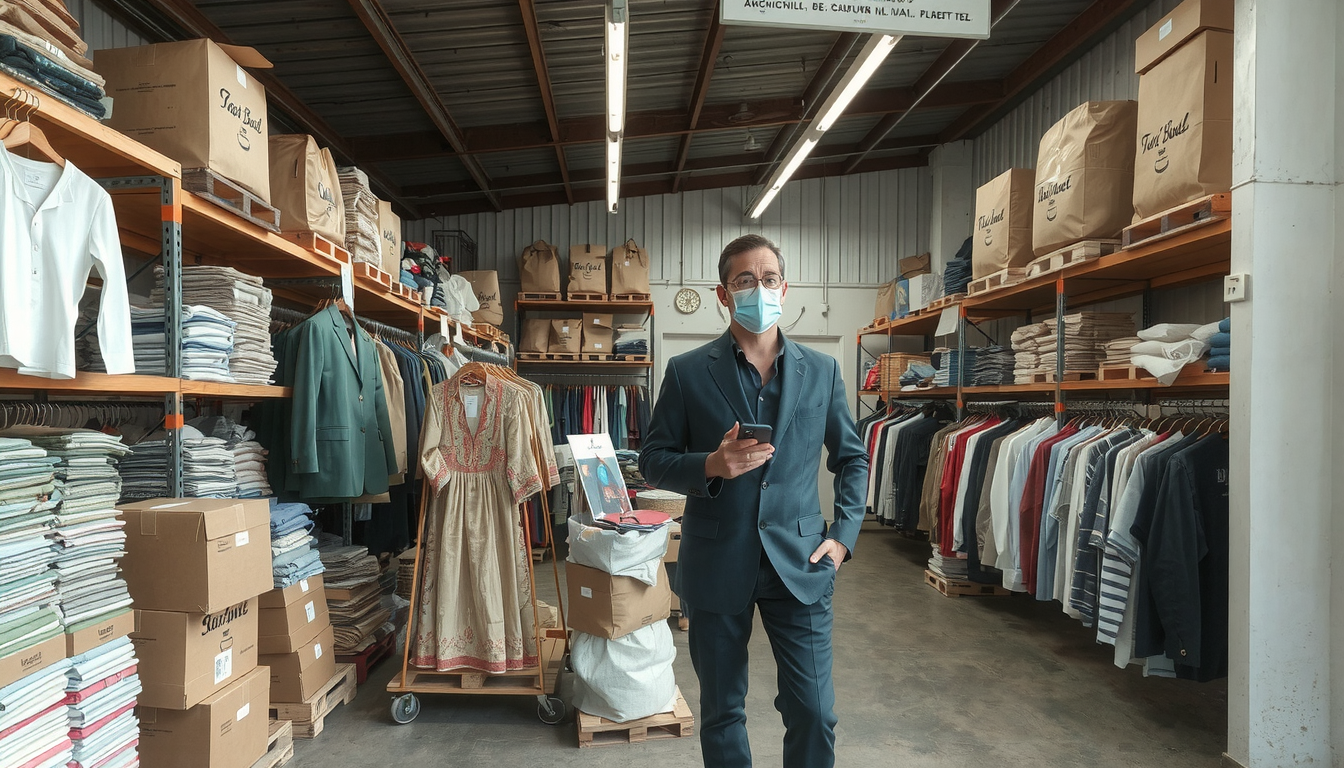
Picking the best partner is one of the most important choices you will make. The right distributor gives you quality products that your customers will love. The online fashion market is growing fast. Sales are expected to reach over a trillion dollars soon. A strong supply chain is vital to claim your piece of that market.
This guide will show you how to find and work with the best clothing wholesale distributors. We will explain the types of suppliers. We will show you where to find them. We will also teach you how to check if they are a good fit for your business.
Understanding the Landscape: Distributor vs. Wholesaler vs. Manufacturer
It is easy to get confused by industry terms. Knowing the difference between a manufacturer, a wholesaler, and a distributor helps you search smarter. Let’s break down these roles.
What is a Clothing Manufacturer?
A clothing manufacturer is the factory that actually makes the clothes. They turn raw fabric into finished garments.
Manufacturers often need very large orders. This is called a high Minimum Order Quantity (MOQ). Working with them is best for brands that want a completely custom product. For example, if you need a unique design, you might work with a custom hoodie manufacturer.
What is a Clothing Wholesale Distributor?
A clothing wholesale distributor acts as the middleman. They buy from many manufacturers and then sell to retail businesses.
They offer a collection of styles from various brands. This gives you more variety in one place. You get less customization but more choice. You also don’t have to meet huge order minimums from multiple factories.
Are “Wholesaler” and “Distributor” the Same?
In the fashion world, people often use these terms to mean the same thing. There is a small difference, though.
A “distributor” usually has a formal agreement to sell a manufacturer’s products. A “wholesaler” is a more general term for any business that sells goods in bulk. For your search, you can treat them as very similar.
The Main Types of Clothing Wholesale Distributors
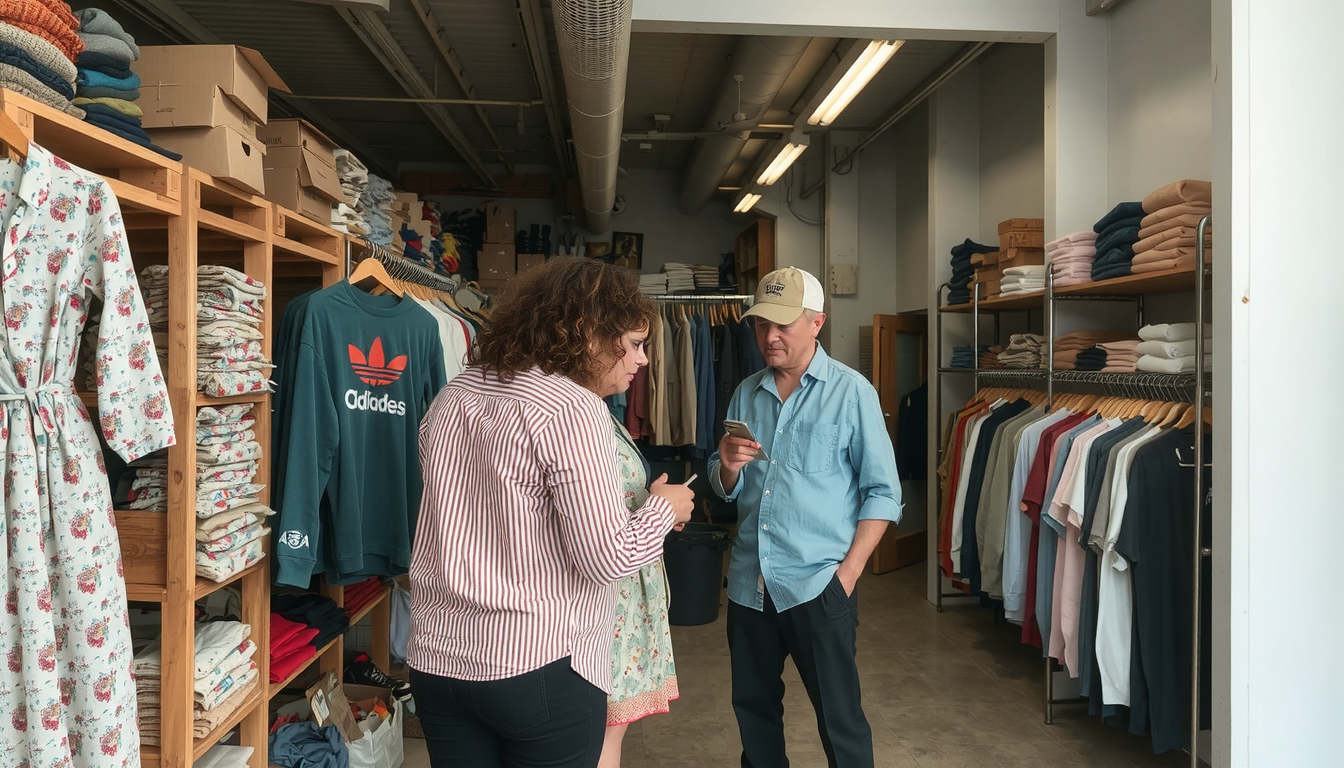
Not all clothing wholesale distributors are the same. They often focus on specific markets or business models. Knowing the types helps you find a partner that matches your brand’s style and needs.
General Apparel Distributors
These suppliers offer a huge variety of basic clothing items. Think t-shirts, sweatshirts, and polo shirts from well-known brands. They are a great source for blank apparel for printing or embroidery. Established distributors like Apparel Source Wholesale have served this market for many years. They offer a wide range of products.
Niche & Boutique Distributors
Niche distributors focus on a specific style. This could be streetwear, luxury fashion, children’s clothing, or eco-friendly apparel. They pick items for a specific customer. For example, some platforms gather trendy fashion vendors like Tasha Apparel to supply modern boutiques with the latest styles.
Dropshipping Distributors
Dropshippers are a special type of wholesale partner. They hold all the inventory for you. When a customer buys from your store, the dropshipper sends the product directly to them. This model lowers your risk because you don’t have to buy inventory upfront.
Off-Price/Closeout Distributors
These distributors sell inventory that other stores couldn’t. This includes surplus stock, items from past seasons, or store returns. The products are sold at a very low price. This can be a good way to find deals. But inventory is often inconsistent.
A 5-Step Strategy for Finding the Right Clothing Wholesale Distributors
Now that you know what you’re looking for, it’s time to start the search. This simple, five-step process will help you build a list of potential partners for your business.
Step 1: Define Your Niche and Customer Profile
Before you search, you must know your business inside and out. Who are you selling to? What is their style? What do they care about?
Create a clear picture of your ideal customer. For instance, are you targeting “parents looking for organic baby clothes” or “young adults who love urban streetwear”? Knowing this makes your search for the right clothing wholesale distributors much more focused.
Step 2: Use Online B2B Marketplaces and Directories
Many clothing wholesale distributors are found on business-to-business (B2B) platforms. Websites like FashionGo and Faire bring together thousands of brands and retailers.
Use their search filters to narrow down options by product type, price, and location. These platforms are a great starting point. You can also find comprehensive lists of wholesale clothing vendors online that review and rank different suppliers.
Step 3: Attend Virtual or In-Person Trade Shows
Trade shows are events where manufacturers and distributors show off their latest products. Attending them is one of the best ways to discover new partners.
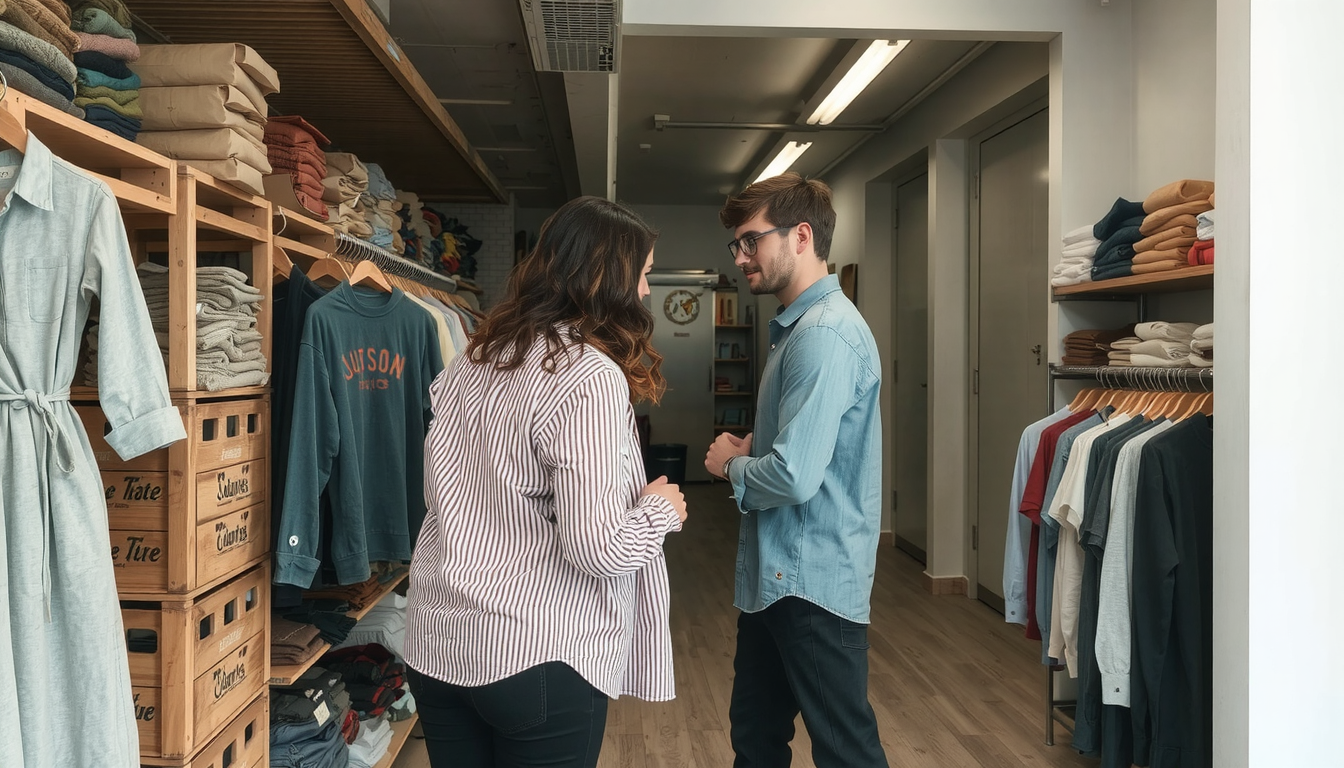
You can see and touch the clothing yourself. You can also meet company representatives face-to-face and ask questions. This helps you build relationships and understand the quality of their apparel.
Step 4: Do Targeted Google Searches
A simple Google search can be very powerful if you use the right words. Be specific.
Instead of just searching for “wholesale clothing,” try phrases like “streetwear wholesale distributors USA” or “sustainable kids clothes wholesale.” This will give you much more relevant results.
Step 5: Use Social Media and Industry Forums
The retail community is very active online. Use social media to your advantage. Search hashtags like #wholesaleboutique or #wholesaleclothing on Instagram to see what brands other stores are carrying.
Join Facebook groups or Reddit communities for boutique owners. You can ask for recommendations and learn from the experiences of other entrepreneurs.
The Ultimate Vetting Checklist: 7 Critical Factors to Evaluate
Once you have a list of potential clothing wholesale distributors, you need to vet them carefully. Choosing the wrong partner can lead to lost money and unhappy customers. Use this checklist to evaluate each option.
-
Product Quality & Consistency: This is the most important factor. Always order samples before placing a large order. When we evaluate samples, we don’t just look at the fabric. We check the stitching, the accuracy of the sizing, and how it holds up after a first wash. Quality must be consistent with every order.
-
Minimum Order Quantity (MOQ): The MOQ is the smallest order you can place. Does it fit your budget? Can you store that much inventory? Some suppliers have high MOQs. Others are more flexible for small businesses.
-
Pricing & Payment Terms: Look at the price per item. Do they offer better pricing for larger orders? Also, check their payment terms. Some may require full payment upfront. Others might offer terms like Net 30, which gives you 30 days to pay.
-
Shipping & Fulfillment: Where do they ship from? How much does shipping cost, and how long does it take? A distributor located closer to you can mean faster and cheaper shipping. Also, ask about their policies for backorders and returns.
-
Customer Service: Good communication is crucial. Before you commit, test their customer service. Send an email or call with a few questions. Are they quick to respond? Are they helpful and professional? A strong partner will support you when issues arise.

-
Technology & Ease of Ordering: A good distributor should make ordering easy. Do they have a modern website or online portal? Can you easily see stock levels and track your orders? Outdated systems can cause frustration and errors.
-
Reputation & Reviews: What are other retailers saying about them? Look for reviews and testimonials online. Check industry forums and social media groups to see if their name comes up in conversations, both good and bad.
Distributor or Direct? When to Work with a Manufacturer
As your business grows, you might face a choice. Should you stick with a distributor or work directly with a manufacturer? Each path has its own benefits.
Choose a Distributor When:
You should work with clothing wholesale distributors when you are starting out or want a lot of variety.
They are perfect if you need a wide range of products from different brands. They also offer lower MOQs and can get products to you faster.
Work Directly with a Manufacturer When:
You should work with a manufacturer when you are ready to create your own unique brand.
This is the best route if you want to design custom products that nobody else sells. It gives you full control over the final garment. Many brands start with distributors and move to this model as they grow. For instance, if your brand is all about high-quality streetwear, partnering with experienced t-shirt manufacturers lets you control the design, fabric, and fit.
For brands with a unique vision, a partner like TZ Streetwear can act as a bridge. They help turn your idea into a finished product line. They offer services from design to production.
Conclusion
Building a successful retail business is about building strong partnerships. Your suppliers are just as important as your customers.
Finding the right clothing wholesale distributors is a strategic process. It requires research, careful evaluation, and building good relationships. Use this guide to find the perfect partner to help your business grow and succeed.
Frequently Asked Questions (FAQ)
1. Do I need a business license to buy from clothing wholesale distributors?
Yes, nearly all legitimate clothing wholesale distributors require a valid business license or reseller’s permit. This document proves you are a real retail business. It allows you to buy at wholesale prices without paying sales tax.
2. What is the typical markup on wholesale clothing?
A standard markup, known as keystone, is to double the wholesale price (a 100% markup). So, if you buy a shirt for $15, you would sell it for $30. However, this can change based on the brand, product quality, and what customers are willing to pay. A range of 2x to 2.5x the wholesale price is common.
3. Can I find clothing wholesale distributors with no minimum order?
Yes, some distributors do offer no minimum order quantities (MOQs). This is more common with dropshipping services and some newer online marketplaces. They are a great option for new businesses that want to test products without a big investment. Be aware that the cost per item might be a little higher.
4. What’s the difference between a private label manufacturer and a regular distributor?
A distributor sells you clothing that already has the original brand’s tag on it. A private label manufacturer creates clothing that you can put your own brand’s label on. This is a great way to build your brand identity without having to design the clothing from scratch.
5. How do I handle returns for defective items from a wholesale distributor?
Every distributor has its own policy for damaged goods. It is very important to read their terms before you buy. Typically, you must report any defects within a short time frame, like 48 to 72 hours after delivery. You will usually need to provide photos of the damage. They will offer a store credit, a refund, or a replacement item.