Introduction: Decoding the Hype
Designers and brand owners often search for a “3d clothes printing machine.” What they find is confusing. There’s a mix of futuristic imaginings and functional-looking machines. Let’s clarify this right away. The term describes two different technologies.
The first is “3D effect” printing. It is an affordable and pragmatic method. It adds graphics of different textures to clothes that are already made. Second is true 3D textile making, which is a high-end, futuristic form of technology that creates fabric from the very beginning.
At TZ Streetwear, we believe differentiating these concepts is fundamental. This is the first step to making the right decisions for your brand. This guide will take the lid off the existing reality and future advancements. We’re here to help you grasp what is realistic for your company today.
Part 1: The Reality for Most Brands – “3D Effect” Garment Printing
Most clothing brands use “3D printing” differently than you might expect. This is especially true in streetwear and custom fashion. Here, “3D printing” refers to creating a three-dimensional decoration on a ready-made item. It’s not about making fabric from scratch. Rather, it’s a process that applies ink to create optical depth and structure.
This technology is revolutionary. It incorporates premium, tactile elements into products like t-shirts, hoodies, and sweatshirts.
What is a 3D T-Shirt Printing Machine?
In today’s market, machines that present themselves as “3D t-shirt printing machines” are almost always state-of-the-art printers. They use Direct-to-Garment (DTG) or Direct-to-Film (DTF) technology. These machines have specific print heads and software that handle their unique application techniques.
The “3D” part describes the texture of the final product. You end up with a raised, textured graphic. It doesn’t represent the fundamental garment-making process. It is an embellishment technique, not a textile creation method.
How It Works: High-Density and Puff Print
Two main techniques dominate 3D effect printing. These are High-Density and Puff printing. Both create raised designs, but their processes and results are different.
High-Density printing applies multiple layers of specialized, thick ink through a fine screen mesh. Each layer goes through a curing stage before another is applied. This process brings about a sharp, distinctive graphic with a heavy, rubbery texture.
Puff printing uses ink that contains a heat-activated foaming agent. When the printed item passes through a heat tunnel, the agent expands. This makes the ink “puff up,” creating a soft, rounded, and spongy texture.
- High-Density: Sharp, crisp edges; glossy or matte finish; firm, heavy feel; ideal for precise logos and modern graphics.
- Puff Print: Soft, rounded edges; matte finish; spongy, light feel; excellent for vintage-inspired or bold, bubbly text.
Pros and Cons vs. Traditional Methods
Adding 3D effects gives you a clear competitive edge. However, it can be a double-edged sword. The unique tactile feel immediately signals higher quality to customers, suggesting a more premium product. It’s ideal for physically making bold logos and statement graphics stand out.
These techniques have a higher per-print cost than regular screen printing. This is because they require specific inks and involve slower application processes. If not done by an experienced manufacturer, both high-density and puff prints can crack or peel. There are also design limitations; highly intricate or thin-lined designs may not work well.
What Machines Are on the Market?
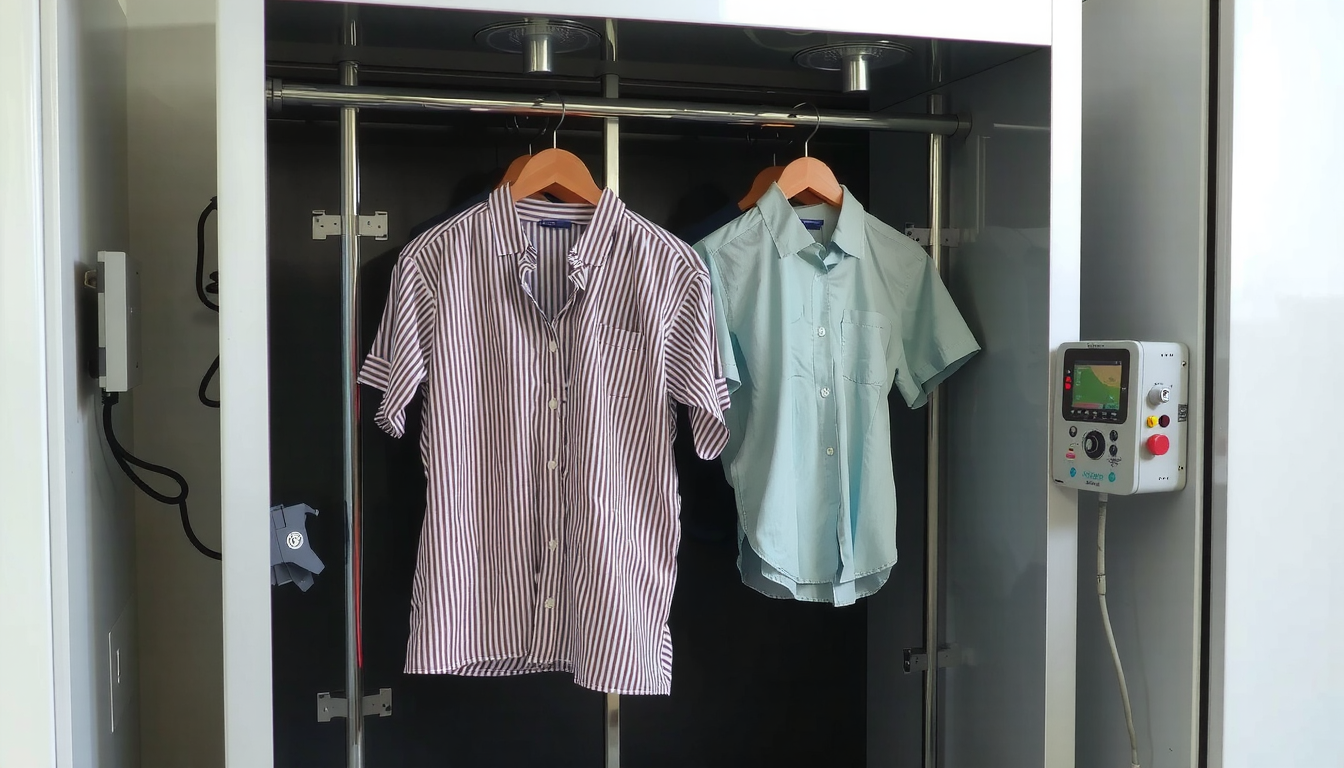
A quick search on marketplaces like Alibaba shows many equipment options. These Commercially available 3D T-Shirt Printing Machines are mainly DTF and DTG systems from various suppliers. They’re modified or specifically marketed for their ability to produce popular textured effects.
Part 2: The Future of Fashion – True 3D Clothes Printing
Beyond textured graphics lies the world of true additive manufacturing for fashion. This technology is the talk of the town, building entire garments layer by layer from raw materials.
While it’s not ready for mass production yet, this kind of 3d clothes printing machine technology is actively setting the course for the future. It’s influencing haute couture, sustainable design, and advanced prototyping.
The Concept: Layering Fabric like Printing
True 3D clothes printing uses additive manufacturing processes to build a textile or even a complete, seamless garment. Instead of ink, these industrial machines use materials like thermoplastic polymers, resins, or gels, which are extruded through fine nozzles to create fabric-like structures.
The process can print flexible, lattice-like material that imitates the structure of fabric. In some cases, polymer designs can even be printed directly onto existing textiles, creating a hybrid material.
Key Technologies and Industry Leaders
Pioneering this field requires enormous research and development and highly specialized equipment. Technologies like PolyJet jet photopolymer droplets that cure immediately with UV light allow for incredible detail, color mixing, and material property variation within a single print.
Stratasys is a powerhouse in this field. The Stratasys’ J850 TechStyle printer is a prime example of an industrial fashion machine. It can print full-color, complex designs with varying transparency and flexibility directly onto fabrics, giving designers like Iris van Herpen the freedom to create otherworldly couture pieces.
Applications: Couture to Prototypes
Currently, the most visible applications are in high fashion, where designers use this technology to produce complex, sculptural garments that would be impossible to make with traditional methods.
Beyond the catwalk, its greatest promise is in sustainability. 3D printing can reduce material waste by up to 90% compared to conventional cut-and-sew manufacturing. This near-zero-waste process is a considerable step forward, benefiting sustainable fashion initiatives and rapid prototyping.
Choosing the Right “3D” Path for Your Brand
Understanding the two different worlds of “3D printing” in fashion is step one. Next is deciding which path best suits your brand’s vision, budget, and production needs. For a clear overview of your options, check out this guide on how to start a brand.
A Head-to-Head Comparison
| Feature | “3D Effect” Printing (DTG/DTF) | True 3D Textile Printing (Additive Mfg.) |
|---|---|---|
| Technology | Adding thick/puff ink onto existing fabric. | Building fabric and garments layer by layer from polymers. |
| Best For | Streetwear, brand merch, adding premium details. | Haute couture, R&D, sustainable prototyping, bespoke art pieces. |
| Cost | Moderate (higher than standard print, but accessible). | Extremely High (prohibitive for all but large corporations/designers). |
| Scalability | High. Easily integrated into small or large production runs. | Very Low. Currently slow, expensive, and not viable for mass market. |
| Example Application | A hoodie with a raised, high-density logo. | A seamless, single-piece dress printed for a runway show. |
Key Questions to Ask Before Investing
Before you decide on a production method, ask these important questions:
- What is my budget for production and what retail price can my products command?
- What is my production scale? Am I making one-off pieces, small batches, or mass-market apparel?
- What is my brand’s design aesthetic? Does it call for bold, tactile graphics or complex, structural forms?
- Who is my target customer, and do they value unique textures or cutting-edge, sustainable manufacturing?
Practical Integration and the Road Ahead
As industry experts, we see a clear path for brands to innovate now while keeping an eye on tomorrow’s transformative technologies. The key is to use what is practical and effective at this moment.
How to Innovate with “3D Effects” Now
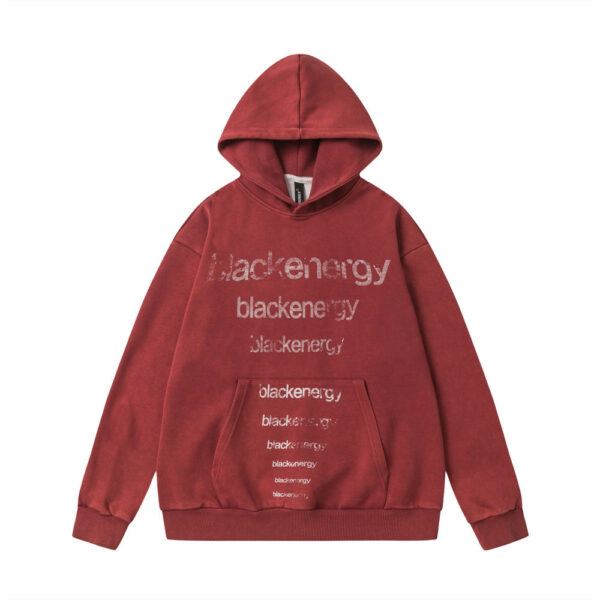
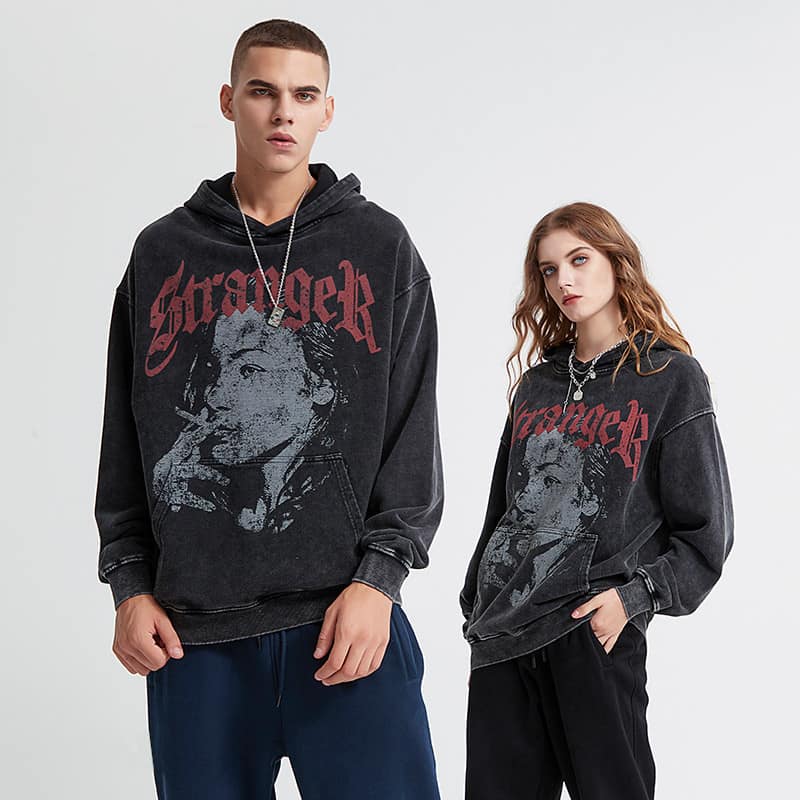
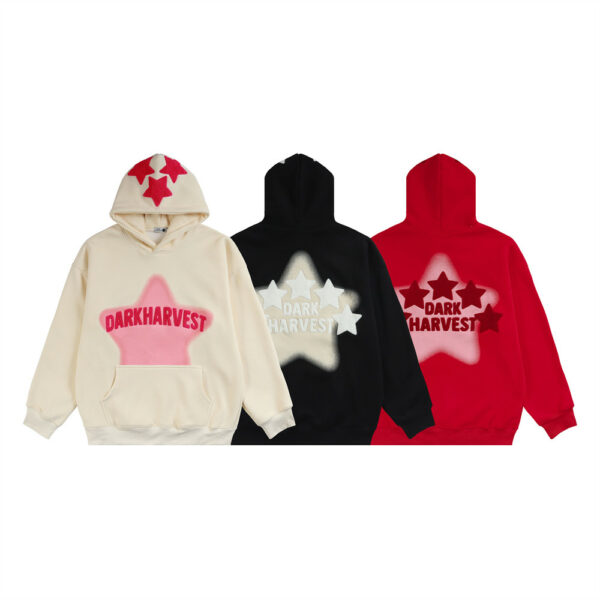
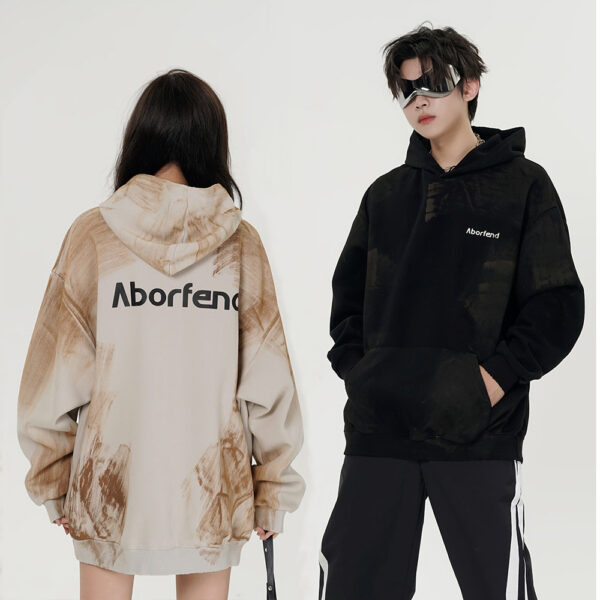
From our collaboration with streetwear brands, we’ve learned something invaluable. A well-executed high-density print on a premium garment can significantly increase the product’s perceived value. This works especially well on items like a heavyweight hoodie, which we’ve seen brands use for minimalist logos or statement graphic elements.
The secret is to use the technique thoughtfully. Don’t simply make a flat design bumpy. Design for the texture. Consider how a raised element interacts with light, shadow, and touch.
The Future is On-Demand and Personalized
Looking ahead, true 3d clothes printing promises a major shift. Imagine a future where customers can have their body scanned and order a custom-fit garment printed on-demand, eliminating sizing issues and inventory waste entirely.
This technology could be an integral part of a circular fashion economy, where old garments are melted down and reprinted into new ones. Even though this vision is still under development, its potential is undeniable. It could create a more sustainable and personalized industry.
Conclusion: Your Next Move in 3D Clothes Printing
The story of the 3d clothes printing machine is a tale of two different technologies. “3D effect” printing is a powerful, accessible tool you can use now to create compelling, high-value products. True 3D textile printing is the exciting future to watch. Your next move is to decide which technology best serves your brand’s narrative and your customers today.
Frequently Asked Questions (FAQ) about 3D Clothes Printing Machines
1. Can you 3D print a complete, wearable t-shirt at home?
Not yet with affordable, commercially available technology. High-end industrial machines can create full garments, but home 3D printers aren’t designed to work with the flexible, wearable materials needed for clothing. The closest you can get is printing plastic accessories or decorative elements to attach to clothes.
2. Is a 3D effect print durable?
Yes, when done professionally. High-quality 3D effect prints like high-density or puff are engineered to withstand regular washing and wear without cracking or peeling. The key is working with an experienced manufacturer who uses the correct inks, curing processes, and quality control.
3. What is the main difference between a DTG printer and a 3D clothes printing machine?
A standard DTG (Direct-to-Garment) printer applies a flat layer of ink directly onto fabric. A machine marketed as a “3D t-shirt printer” is typically a specialized DTG or DTF printer that can apply ink in very thick layers (high-density) or use special foaming inks (puff) to create a raised, textured effect. The core technology is similar, but the output and capabilities are different.
4. How much does a 3D clothes printing machine cost?
The price varies considerably depending on the technology. A commercial DTG or DTF machine capable of producing high-quality 3D effects can range from $15,000 to over $30,000. In contrast, a true industrial 3D textile printer from a company like Stratasys is a major capital investment, with costs ranging from $300,000 to $600,000.
5. Is 3D printed clothing sustainable?
It has the potential to be exceptionally sustainable. True additive manufacturing can create garments with near-zero material waste, a massive improvement over traditional cut-and-sew methods. For “3D effect” printing, its sustainability is comparable to standard DTG printing, which is generally considered more eco-friendly than large-scale screen printing because it uses less water.



-600x600.jpg)