Fashion is the best way to showcase the world who you are. It is more than just putting on clothes. It is a way of expressing yourself.
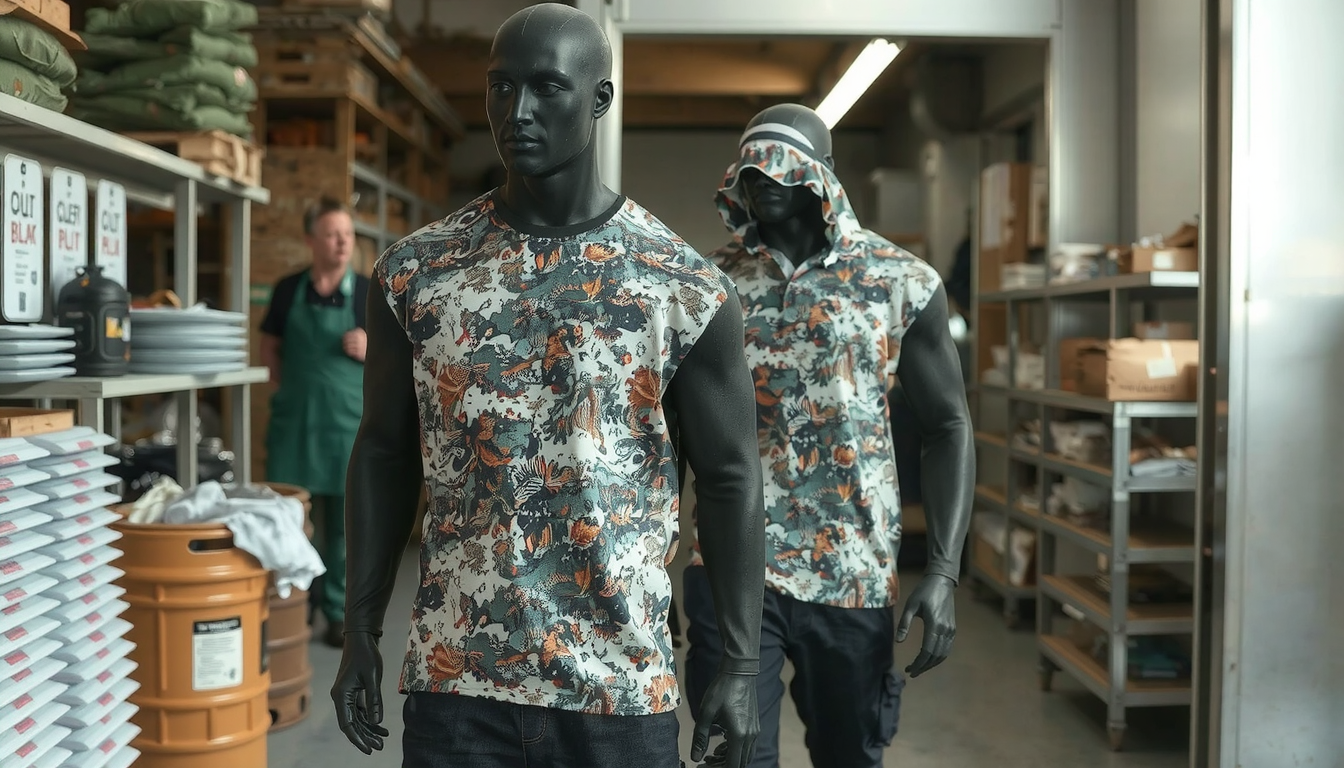
All over print clothing simply moves further the idea of fashion being a means of self-expression. This method converts a piece of clothing into a whole potential canvas for your creations. This is how all over print clothing has become one of the main aspects of streetwear and how it is widely used in custom apparel. At TZ Streetwear, we witness what a huge difference this technique makes.
This guide is made for you. We will cover all over print clothing creation, its designing, and styling info. Here you will find it even if you are a brand owner, a designer, or a fashion lover.
What Exactly is All Over Print Clothing?
All over print, all over printing, or AOP, is when the decorations entirely cover your clothes. It implies that not just a small picture (like on the chest) but the whole print is there on the fabric, borders included.
This is a method of printing that is so simple and so clever! It allows for great, big, eye-catching designs that everyone can see. Unlike other traditional printing techniques, this one is very unique. The first step towards understanding AOP’s quality is to know the differences.
Beyond the Chest Logo: AOP vs. Traditional Printing
All over print clothing can be best understood when compared to other cloth decorating methods. The most-used methods are Direct-to-Garment (DTG) and screen printing. Each of them has its own advantages and disadvantages.
| Feature | All Over Print (Sublimation) | Traditional (DTG/Screen Print) |
|---|---|---|
| Print Area | Edge-to-edge, full garment coverage. | Limited to a specific area (e.g., front chest, back). |
| Design Complexity | Unlimited colors, gradients, and photo detail. | DTG allows colors, but screen print is best for simple graphics. |
| Fabric Type | Best on polyester or high-polyester blends. | Best on natural fibers like cotton. |
| Feel of Print | No texture. The dye is part of the fabric. | A slight texture or layer of ink sits on top of the fabric. |
| Common Use Cases | Full patterns, large art, streetwear, athletic wear. | Brand logos, graphic tees, promotional shirts. |
The Magic Behind the Print: How AOP Clothing is Made
The making of authentic all over print clothes is a complex procedure. It necessitates more competency and labor compared to a simple print to a pre-made shirt. The best way is the so-called “cut and sew” sublimation.
This is the core of the quality. It makes for the real edge-to-edge vision. This is the explanation of what high-quality AOP is against cheaper ones.
The “Cut and Sew” Dye-Sublimation Process: A Step-by-Step Breakdown
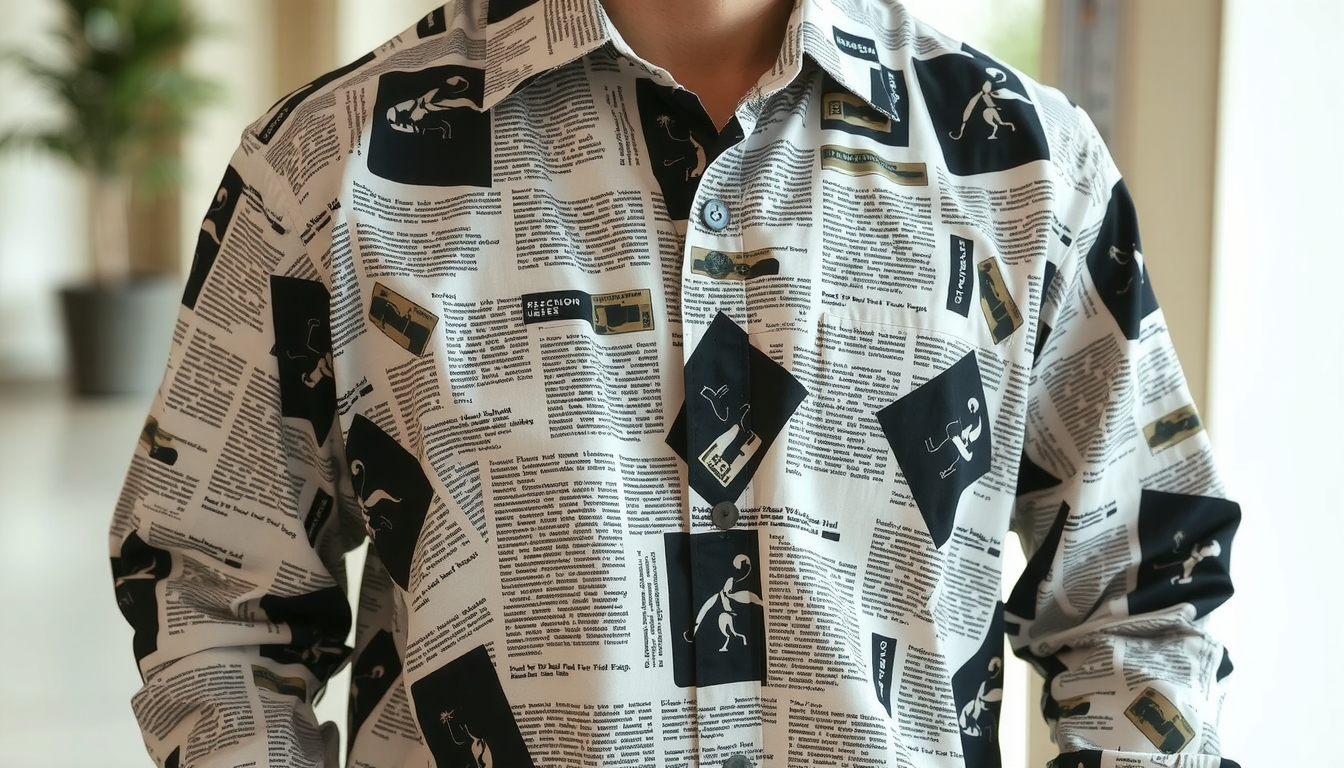
We can break the process of making all over print clothing into five major phases. This method leads to the creation of high-quality, hand-sewn custom garments.
- Design & Template: At first, the digital art is loaded over a flat template. The template is the layout for every separate piece of the garment including the front panel, the back panel, and each sleeve.
- Printing on Transfer Paper: With the help of the sublimation inks, the design will be printed on the heat transfer paper. This will be a large sheet that reads as a special ink which evaporates when heated.
- Heat Pressing: The printed paper and a roll of white fabric are combined. They are put through a huge heat press. The high temperature and pressure change the ink to a gas. This gas fuses with the fabric fibers. The fabric is permanently printed with the design.
- Cutting the Pieces: Now that the fabric is fully printed, it is laid out. The skilled workers then cut the individual pieces for the garment following the template shapes exactly.
- Sewing & Assembly: In the end, the printed and cut pieces are sewn together. This is where the garment gets its final shape. It turns into a t-shirt, hoodie, or other styles of all over print clothing.
The Designer’s Playbook: Mastering All Over Print Design
The design process of all over print clothing differs from the one of designing a classic tee. You have more artistic temptations. But you also have new ideas to think about. If you are right about these issues, your product will look top-notch.
Rule #1: Respect the Seams and Bleed Area
Each time you create your design file, you are supposed to add a “bleed area.” This is an extra margin alien to your design. It is beyond the cut lines.
The bleed area makes sure every piece gets decorated completely before the cut. It prevents any blank white lines at the seams from appearing on the design that is not printed.
An essential piece of advice is to keep out the significant aspects of your design like seams. This includes text, faces, or key logos. They may be missed because of cutting or not aligning properly at the time of sewing.
Creating Seamless Patterns vs. Standalone Artwork
Designing all-over prints can be easily approached in one of two ways. You can either go with a seamless pattern or a single piece of standalone artwork.
A seamless pattern is a configuration that repeats without any break. Consider designs like camouflage, floral prints, or geometric shapes. This choice is very comfortable for making a connection on the whole garment.
Standalone art is a major image that covers the clothing. It can be a photo, a picture, or a large illustration. When working with this style, you will need to think carefully about how the image is going to wrap around the body.
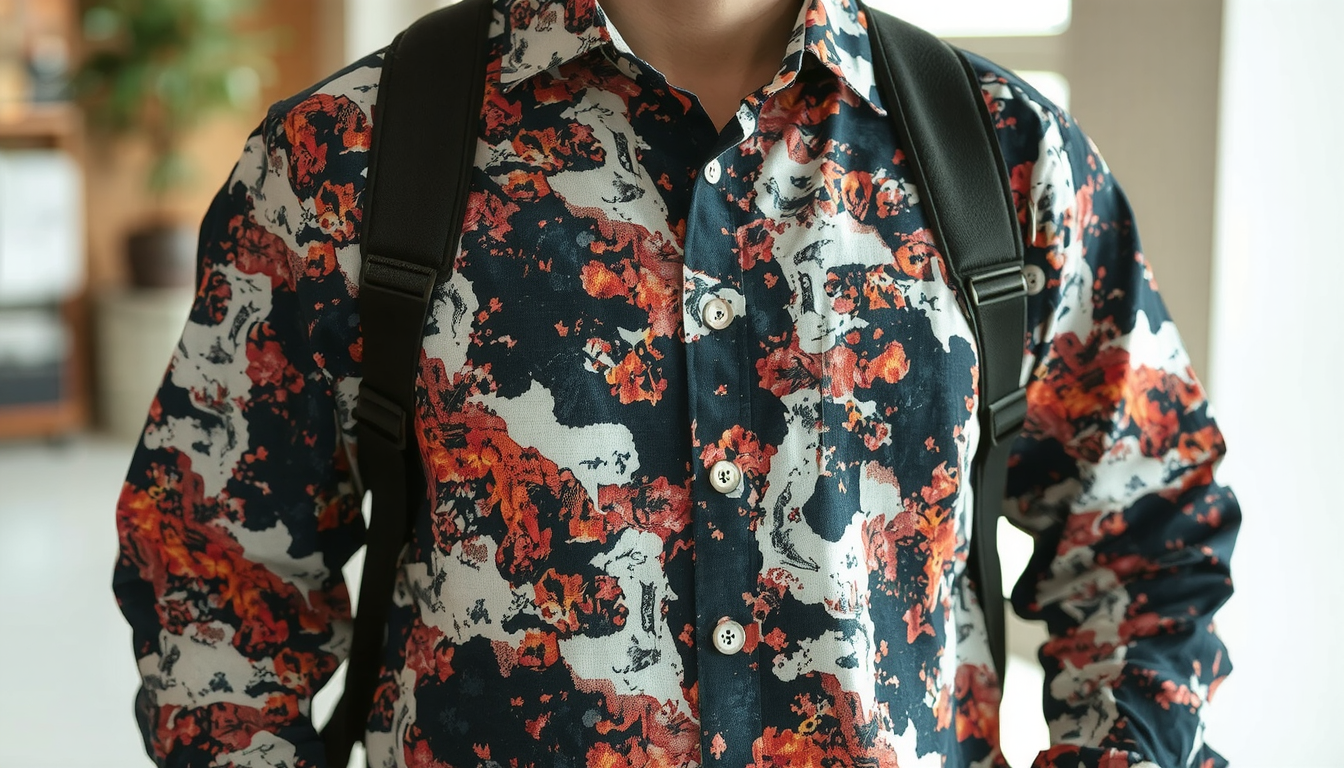
Common AOP Design Pitfalls and How to Avoid Them
Most novice designers fall victim to certain mistakes. Knowing the mistakes ahead of time can spare you a lot of hassle and money. Here are typical ones that should be avoided:
- Low-Resolution Artwork: Using a low-quality image will yield a blurry, pixelated print. Your design file should be at least 150-300 DPI (dots per inch) at the full, life-size scale of the garment.
- Ignoring the Wrap-Around Effect: A design might look great when laid out flat. But it can look strange when it is on a person. Think about how the design on the front meets with the design on the back at the side seams.
- Mismatched Colors (RGB vs. CMYK): Your computer screen makes colors from light (RGB). Printers make colors from ink (CMYK). These color models are different. Always design or convert your files to CMYK for the most accurate print colors.
- Forgetting Scale: A pattern might look perfect on your monitor. But when printed on a large hoodie, it might be too big and clunky. Or, it could be too small and look messy. It is always a good idea to first check your design on a mock-up of the adjusted scale.
The entire clothing line design is well thought out and something that is of utmost importance. To learn more about this journey, please, read our guide on how to start a brand and craft your introduction.
Bringing Your Vision to Life: From POD to Bulk Manufacturing
After designing, it is time to create all over print clothing. Here you can follow two main paths: print-on-demand or bulk manufacturing. Your choice might be based on your objectives and budget.
For Individuals & Testers: Print-on-Demand (POD) Services
The print-on-demand (POD) business is a cost-effective initiation route with no upfront money. This is a model where you upload your design to a service. When an order is made by a client, the POD company prints and ships it for you.
- Pros: The financial risk is negligible. You don’t need to buy or hold inventories. Testing new products is easy.
- Cons: The price of each item is much higher. This results in lower profits. You have less authority over the final quality. Options like labels or tags for customization are often limited.
Many platforms offer great tools to help you create and sell with Printify. This makes it a popular choice for beginners.
For Brands & Businesses: Partnering with a Manufacturer
For brands that are growing, establishing a connection with a manufacturer is the next step. This entails the ordering of your all over print clothing in a larger quantity, known as a bulk order.
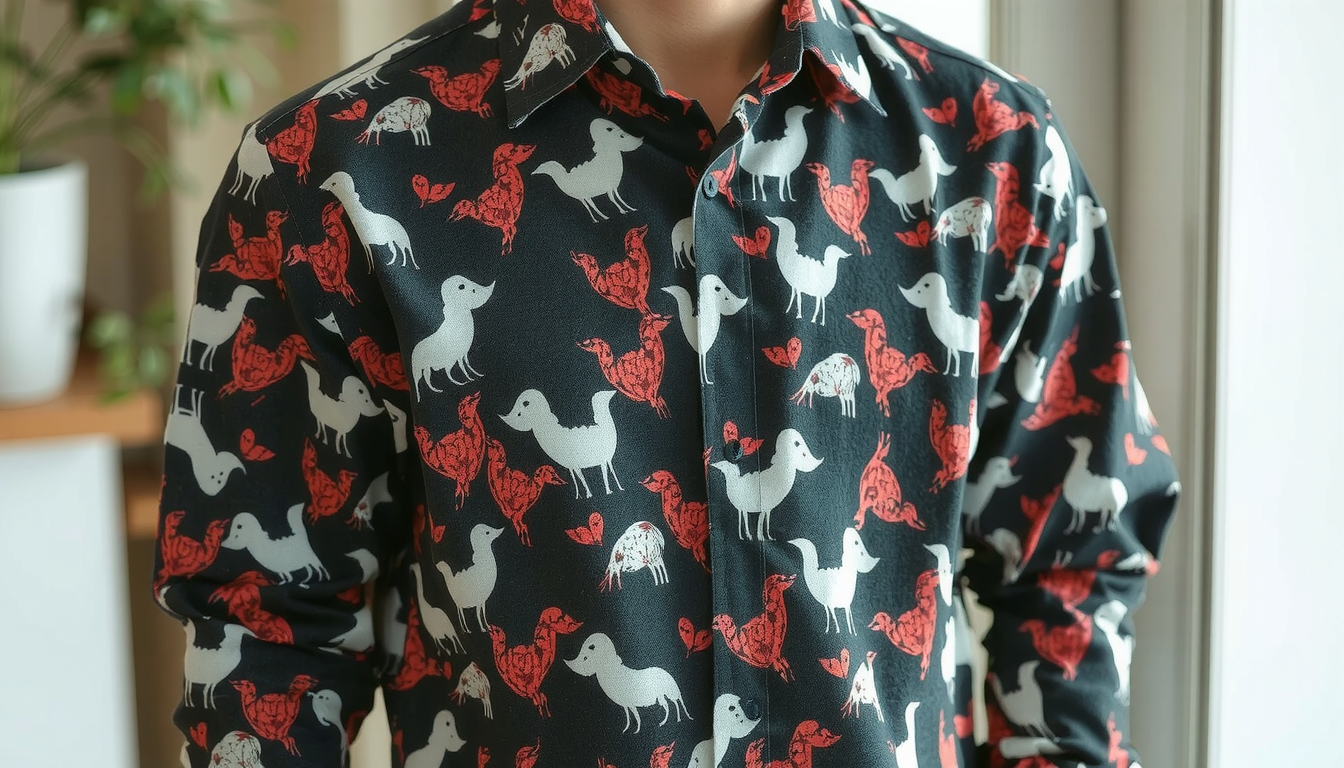
- Pros: The cost for each item is much lower. This leads to higher profits. You have complete control over the quality, fabric, and fit. You can add custom labels, tags, and packaging.
- Cons: This requires a significant upfront investment. You have to manage your own inventory and shipping.
In our experience, it is greatly rewarding to collaborate with a manufacturer. The process begins with you creating a comprehensive “tech pack” that contains all your specifications. Then you put in your order for a sample, and after you approve it, production begins. It is crucial to have clear communication throughout the process, which can be delightful. The feeling of getting a box of products that meet your expectations exactly is out of this world.
If you are ready and willing to take the next step, working with a reliable partner is the key. A service such as a custom hoodie manufacturer can deliver the kind of deep customization that will guarantee differentiation for your brand.
From Bold to Subtle: How to Style All Over Print Clothing
All over print clothing can seem intimidating to wear. A bold, vibrant piece can easily overpower an outfit if not styled correctly. But with a few simple rules, anyone can pull it off with confidence.
The Anchor Piece Method (Beginner)
This is the easiest way to wear a statement piece. Let your AOP item be the star of the show.
Pair a busy all over print t-shirt or hoodie with simple, solid-colored basics. Think black jeans, a plain denim jacket, or clean white sneakers. These neutral items will “anchor” the outfit. They let the print shine without clashing.
Color Coordination (Intermediate)
To create a more put-together look, try coordinating colors. Find your all over print piece and find a secondary color in it. This is one that is not the most dominant.
Beige your other clothes or accessories to that color. For example, if you have a floral shirt that has blue, pink, and green, you should try a hat that is blue or pants that are green. This forms a stylish, cohesive appearance.
Print Mixing (Advanced)
For those who are more daring with fashion, mixing prints can be a fun challenge. The key is to create balance.
Mix prints that have different scales. For example, pair a shirt with a large, bold pattern with pants that have a very fine, subtle stripe. You can also mix prints that share a similar color palette or theme to tie them together. The sheer variety of styles, from art to patterns, on sites like The World’s Best All Over Print T-Shirts shows just how much you can experiment.