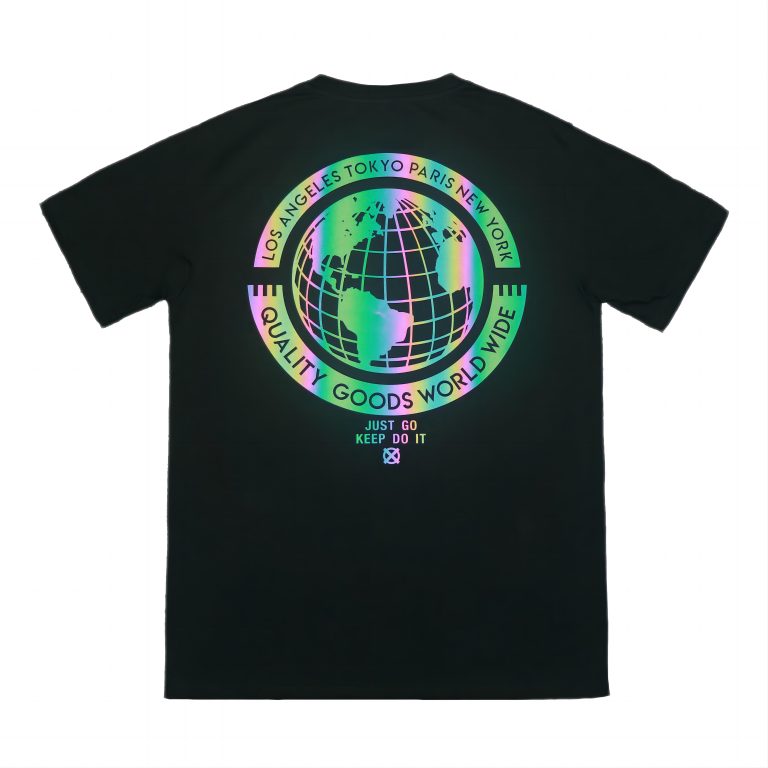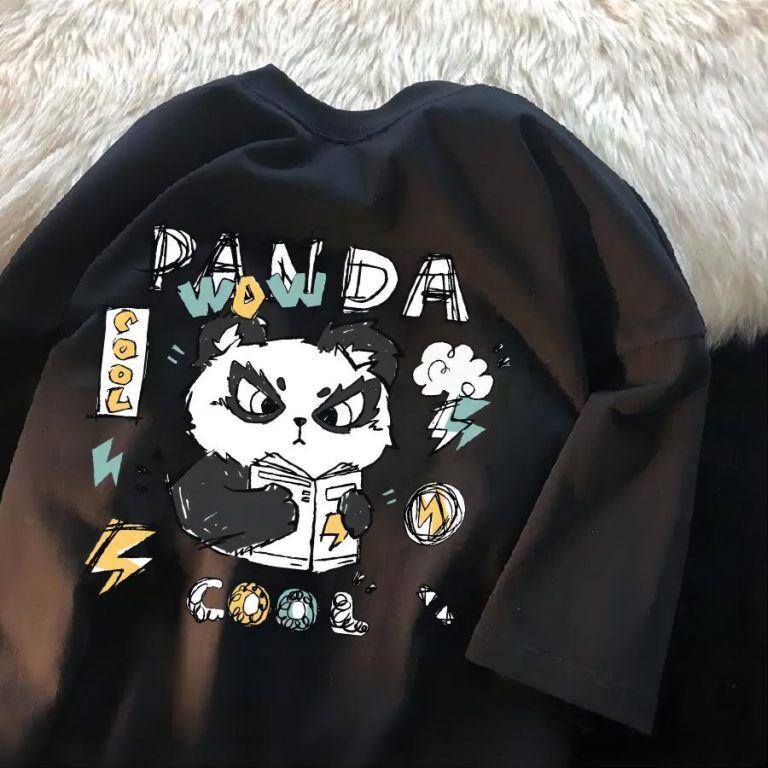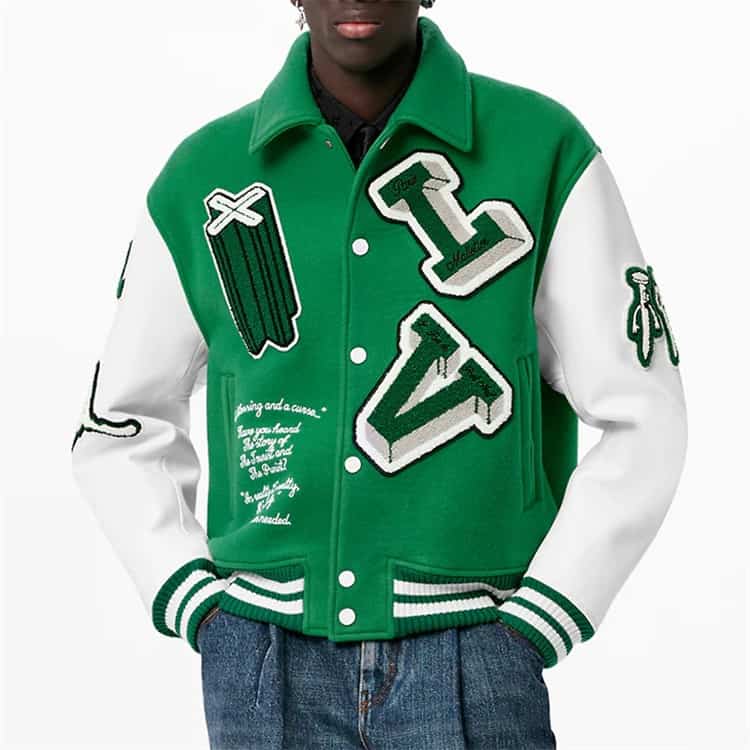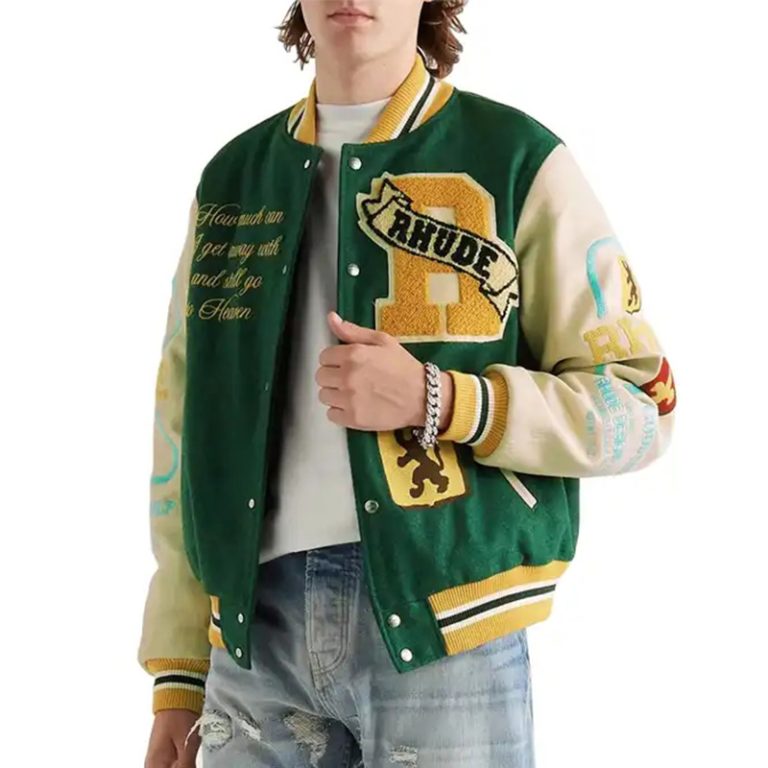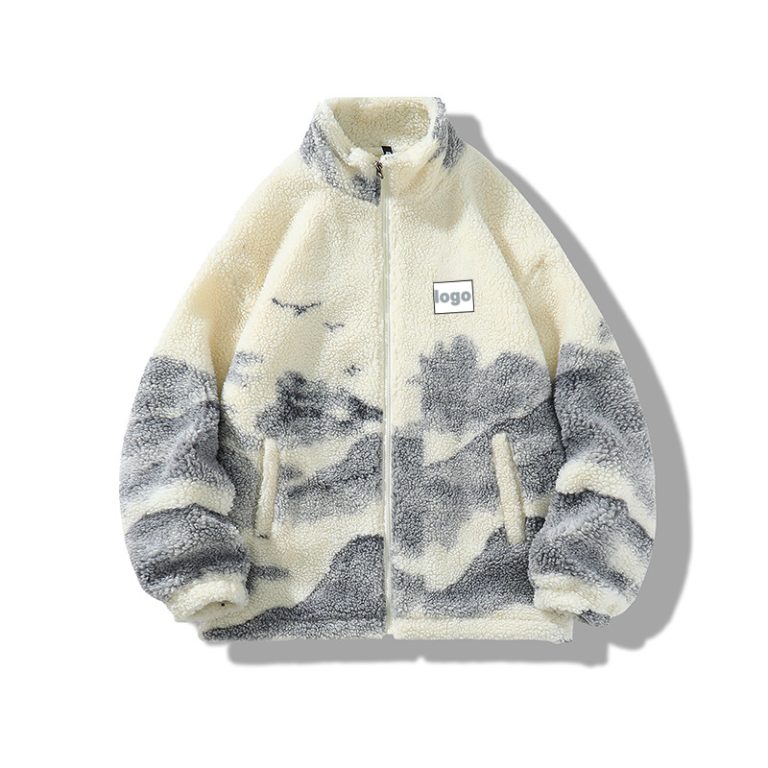
Welcome to the world of cloth printing. This is the art of adding color and designs to fabric. It turns plain cloth into a statement, a brand, or art. You might be starting a clothing line. Or you might just want to make a custom t-shirt. Either way, knowing your options is key.
This guide will help you. We will look at different cloth printing methods. These range from old traditions to new tech. We’ll show you how to pick the right method for your project. By the end, you will know how to bring your fabric design ideas to life.
Understanding the Basics of Cloth Printing
A Short Overview of Decorating Fabric History
Adding patterns to fabrics is not a modern technique. It is the oldest craft of its kind. People have been adorning fabrics for hundreds of years. For instance, textile printing was first known in Europe as early as the twelfth century. The craft evolved from simple to digital printing. All these developments illustrate how much people liked custom printed textiles.
The Significance of the Printing Method
The kind of printing on fabric is really about it. It might change the look and feel of the design entirely. It also plays a role in determining the durability of the print and its final cost. Selecting the correct cloth printing technique is your guarantee that the finished item will be in line with your ideas and budget.
Available Printing Methods Overview
Designing onto a fabric with various techniques is done. All of them provide certain advantages to the user. Below are the most common methods used in the industry.
Silkscreening
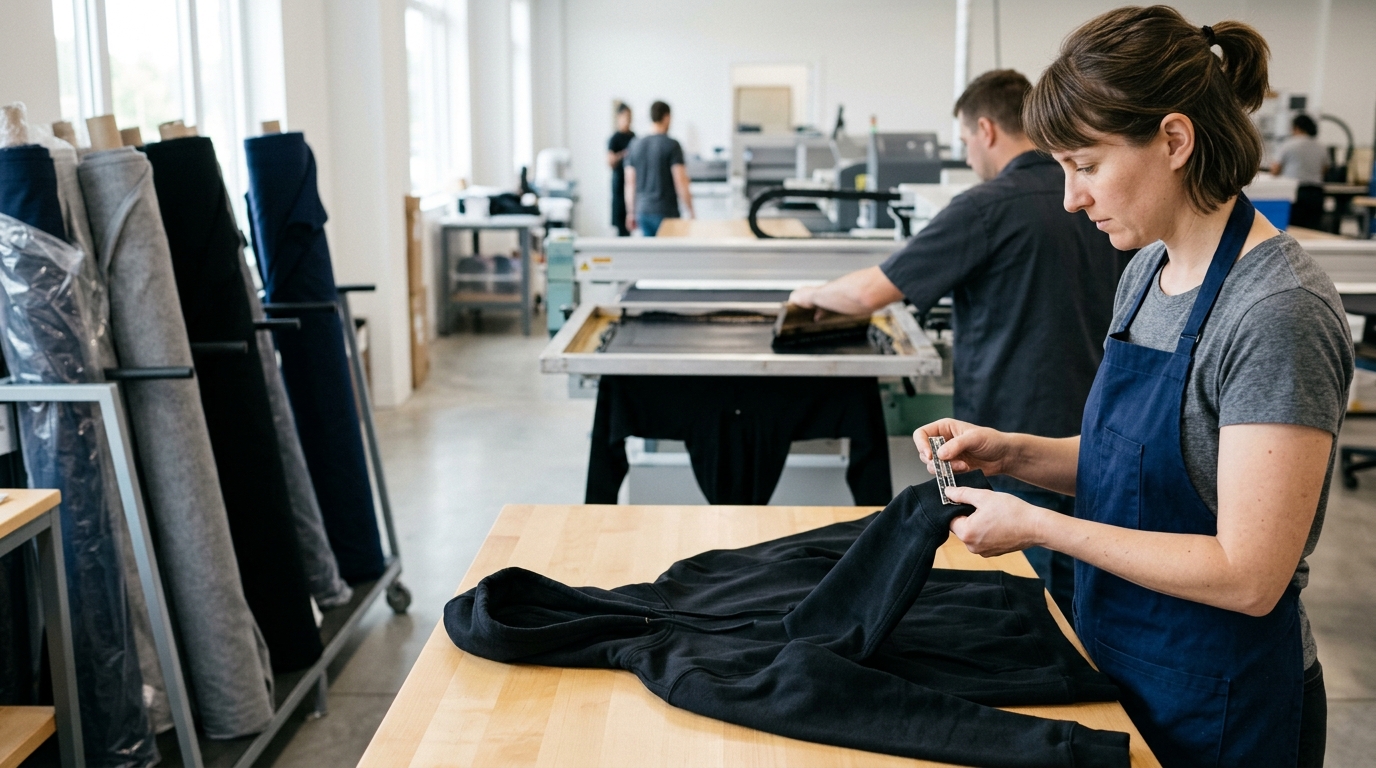
How it works: A fine mesh screen is stretched over the frame. A stencil of your design brings the design together. The screen is placed on the fabric and then we push ink through the screen with a tool called a squeegee. For designs with more than one color, we need a screen for each color.
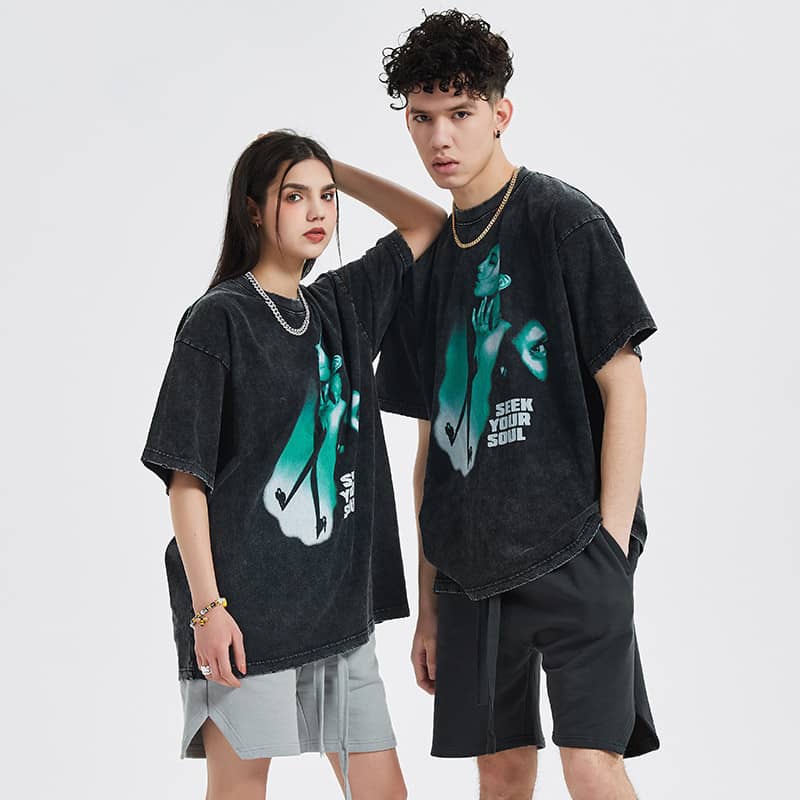
Best for: This is the best method for bold, simple designs that are a few colors. This is large-scale t-shirts, hoodies, and tote bags. The colors are bright even on dark fabrics.
- Pros: The prints are very strong and long-lasting. Printing a lot of items is cheaper. The colors are bright and thick.
- Cons: The setup cost is high and it takes time for small orders. It is not suitable for designs with many colors or those that look like a photo.
Direct-to-Garment (DTG) Printing
How it works: Like a normal printer, it is just a little different. A DTG printer applies special inks directly onto the cloth. The ink diffuses in the fabric. Thus it creates a very soft and highly detailed print.
Best for: DTG is the best choice for complicated, full-color designs like photos or detailed art. It is also perfect for small orders or even a single custom item.
- Pros: It can print an unlimited color range and very fine detail. The print feels soft on the shirt. There are no costs for setups. Thus individual prints are affordable.
- Cons: It is most effective on 100% cotton fabric. Prints on dark colors require a white base layer. This can add a cost. It is not as cheap as screen printing for large batches.
Dye Sublimation Printing
How it works: This is a different kind of cloth printing. The first step is printing the design on paper that is custom. After that, we use heat and pressure to go from the solid dye on the paper and turn it to gas. This gas then bonds with the polyester fibers. This stain is permanent.
Best for: The best application for sublimation is the activewear category with all-over prints and items made from polyester or polyester blends.
- Pros: The print is forever with no cracks, no peel, and no fade. The fabric stays breathable and soft. High-quality designs with color saturation are almost all you can have.
- Cons: This works only on polyester high-content fabrics. It cannot be utilized on cotton. The original fabric must be white or light in order for it to not affect the color of the printed design.
Heat Transfer Vinyl (HTV)
How it works: A cutter is being used to strip your design from a colored vinyl sheet. After that, the vinyl design is placed on the cloth. It is applied with a heat press machine. Adhesive is turned on by the heat and it sticks the vinyl to the fabric.
Best for: HTV is very good for simple logos, numbers, and text. It is mostly seen on sports jerseys and other small custom orders.
- Pros: The prints feel very strong and they are bold. You can make your own vinyls to produce a cool structure like glitter, metallic, or fuzzy flock.
- Cons: The print can feel thick or stiff on the fabric. It is not good for detailed or photo images. Applying the vinyl is time-consuming for each garment.
How to Choose the Right Cloth Printing Method for You
Finding the right way to print cloth can seem challenging. We have created this guide so you can make the right choice based on what your project needs.
The Key Things to Keep in Mind
Take a minute to think about the following five things before making a decision on a cloth printing method:
- Type of Fabric: Which fabric is your item made of? DTG prefers cotton. Sublimation needs polyester. HTV and screen printing work on many types of fabric.
- Volume of Order: What is the number of items you require? For one or a few, DTG is the best option. For fifty or more, screen printing is usually cheaper on an item basis.
- Complexity of the Design: Is the logo you are using just one color or is it a multi-color image? If so, screen printing is for basic designs and DTG is for more complex graphics.
- Durability and Feel: Should it have a specific feel and how long should it last? Sublimation is permanent and feels like nothing. Screen prints are strong but can feel thick. DTG is soft but may fade slightly after many washes.
- Budget: What is your total budget? Initial costs are high for screen printing but low for DTG. The final cost per piece depends on the quantity of the order.
Fast Comparison Table
To make it easier for you, here comes a chart that compares the most popular cloth printing techniques.
| Printing Method | Best Fabric | Feel | Durability | Cost (per piece) | Best for (Design Type) |
|---|---|---|---|---|---|
| Screen Printing | Cotton, Blends | Slightly thick | Very High | Low (for bulk) | Simple logos, text, bold graphics |
| DTG Printing | 100% Cotton | Very Soft | Good | Medium | Photos, complex multi-color art |
| Dye Sublimation | 100% Polyester | No feel | Highest | Medium | All-over prints, sportswear |
| Heat Transfer Vinyl | Cotton, Poly, Blends | Thick layer | High | Medium | Names, numbers, simple shapes |
Our Suggestions Based on Your Project
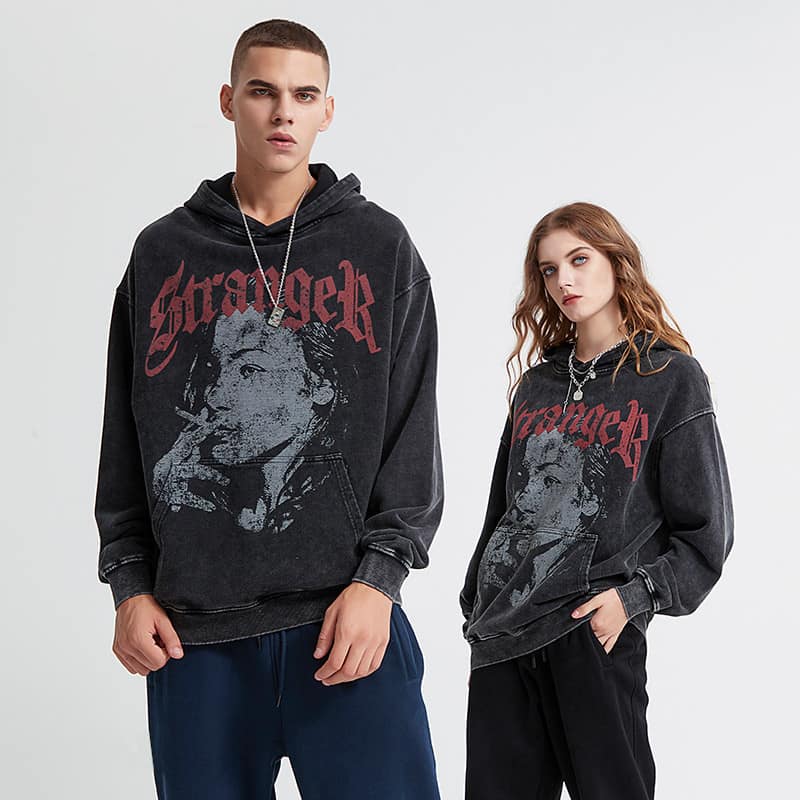
- For New Streetwear Brand: We recommend that you start with DTG printing. This way you can test a wide variety of designs without being obliged to buy in bulk. When you have a best seller, move to screen printing for larger runs to let your cost to go down. For hoodies with patterns over the whole surface, sublimation is your choice.
- For DIY Crafters: Heat Transfer Vinyl (HTV) is an excellent starting point. The machines are cheap and for individual use, a person can easily learn it at home.
- For Corporate Merch: Screen printing is usually the best option. It becomes cheaper for a massive amount of t-shirts or bags that have your company logo printed on them.
From Digital File to Finished Fabric: A Step-by-Step Guide
A good print starts a long way before the fabric gets to the printer. Through our long-year experience with cloth printing, we discovered the most important step is that you prepare the design the right way.
Step 1: Make Preparation of Your Artwork for Printing

- File Format: There are two types of design files: vector and raster. Vector files (AI or SVG) are essentially lines and curves. They can be changed in size without deteriorating the quality which is perfect for logos. Raster files (PNG or PSD) are made of pixels. For these files, you require high resolution. The resolution should be at least 300 DPI (dots per inch) to avoid a blurry print.
- Color Mode: Your display screen shows colors using RGB (Red, Green, Blue) while printers use CMYK (Cyan, Magenta, Yellow, Black). In every case, we check and configure colors to ensure the printed fabric indeed looks the same as the one displayed on the screen.
- Transparency: To make most printing on colored cloth, you need a file that has a clear background. A PNG file is the ideal option for that. It guarantees that we print only your design without a white box around it.
Step 2: Grasping Fabric & Print Interaction
Fabrics ink differently. Natural fibers, for example, make an excellent choice since they suck in water easily. This is why cotton works well for the DTG technique. On the other hand, synthetic poles like polyester do not absorb water, which might lead us to wind up dyeing the fibers themselves. As mentioned by experts in the Digital Textile Printing | TISKA Fabrics, many fabrics require a special pre-treatment. This coating, in turn, is what allows the ink to adhere better and result in brighter colors.
Step 3: Caring for YOUR Printed Cloth
The longevity of a print will be influenced by the care given to it. We advise the clients to follow a few of these simple rules:
- Wash the item inside out.
- Use cold water and a gentle cycle.
- Tumble dry on low heat or, even better, hang it to dry.
- Never use bleaching alcohol or iron directly on the printed design.
As for those who are looking to create a full clothing collection, this production flow is just the beginning. You can read more about the process in our guide on craft introduction to starting a brand.
The Rise of Digital Cloth Printing: Quality, Speed, and Sustainability
The field of cloth printing is evolving rapidly as a result of digital printing technology. The likes of DTG and sublimation have gained popularity for the right reasons.
Why Digital is Getting More Popular
Digital printing is a breakthrough. You do not need to set anything up. You can get a design on the computer, and a printed shirt in minutes. Therefore, creators get an opportunity to take freedom that is beyond imagination. Digital technologies are also environmentally friendly. Traditional water, dye, and waste use is a lot less than that of jacquard weaving and heavy-duty screen printing.
On-Demand and No Minimum Orders
Digital printing is the backbone of the “print-on-demand” business model. This means that products will be printed only after a customer has placed the order. This method is beneficial to small businesses and individual artists. Businesses that provide services that have no minimum order. Digital fabric printing – CottonBee make custom cloth printing accessible to everyone. You can print a single yard of fabric or one t-shirt without making any big investments.
FAQ: Your Cloth Printing Questions Answered
What is the strongest type of cloth printing?
Dye sublimation is the strongest method because the polyester fabric and the ink become one. For cotton items, a properly cured screen print is also very strong and can last for years.
What is the cheapest way to print on a t-shirt?
For a single shirt, Direct-to-Garment (DTG) is usually the cheapest because there are no upfront setup fees. In the case of ordering a lot of similar shirts, screen printing is the most economical option due to the savings per shirt gained by purchasing in bulk.
Can you do cloth printing on dark fabrics?
Yes, absolutely. Screen printing is the efficient choice for darker shades because it gives the white ink first layer. This underbase makes the top colors appear solid and bright. DTG can also do it but first needs a pre-treatment spray and a white ink layer. The cost can go slightly up, and the feel might also change a bit. However, sublimation is not applicable on dark fabrics.
What’s the difference between DTG and DTF (Direct-to-Film) printing?
DTG prints ink directly onto the cloth. So this is how it achieves a soft feel. It is more effective when embedded in cotton. DTF, on the other hand, involves a direct application method where the design is pressed onto a piece of paper first. The paper is then used with the item and a heat press is applied. DTF is more flexible and can be used on cotton, polyester, and blends.
How can I get my own designs printed on cloth?
The easiest way is to partner with a professional printing company like TZ Streetwear. They handle all types of custom apparel. For example, if you want to create a line of high-quality hoodies, a custom hoodie manufacturer can walk you through every step. This includes choosing the right cloth printing method to delivering the final product.