You have a vision. Unique designs on high-quality apparel, worn by people who love your brand. The bridge between that idea and a real product is the right technology. A clothing printing press transforms any custom apparel business. It turns digital or physical designs into wearable art.
But “clothing printing press” covers many different machines. Each has its own process, costs, and best uses. Choosing the wrong one costs money.
This guide cuts through the confusion. We’ll explain the main technologies and compare them based on real business models. We’ll also show you the true costs. By the end, you’ll know how to pick the perfect clothing printing machine for your budget, space, and goals.
Understanding the Core Technologies
To choose the right tool, you need to understand your options first. Four key types of equipment dominate apparel decoration. Each clothing printing press technology offers a different mix of speed, cost, quality, and versatility.
Screen Printing Press: The Industry Workhorse
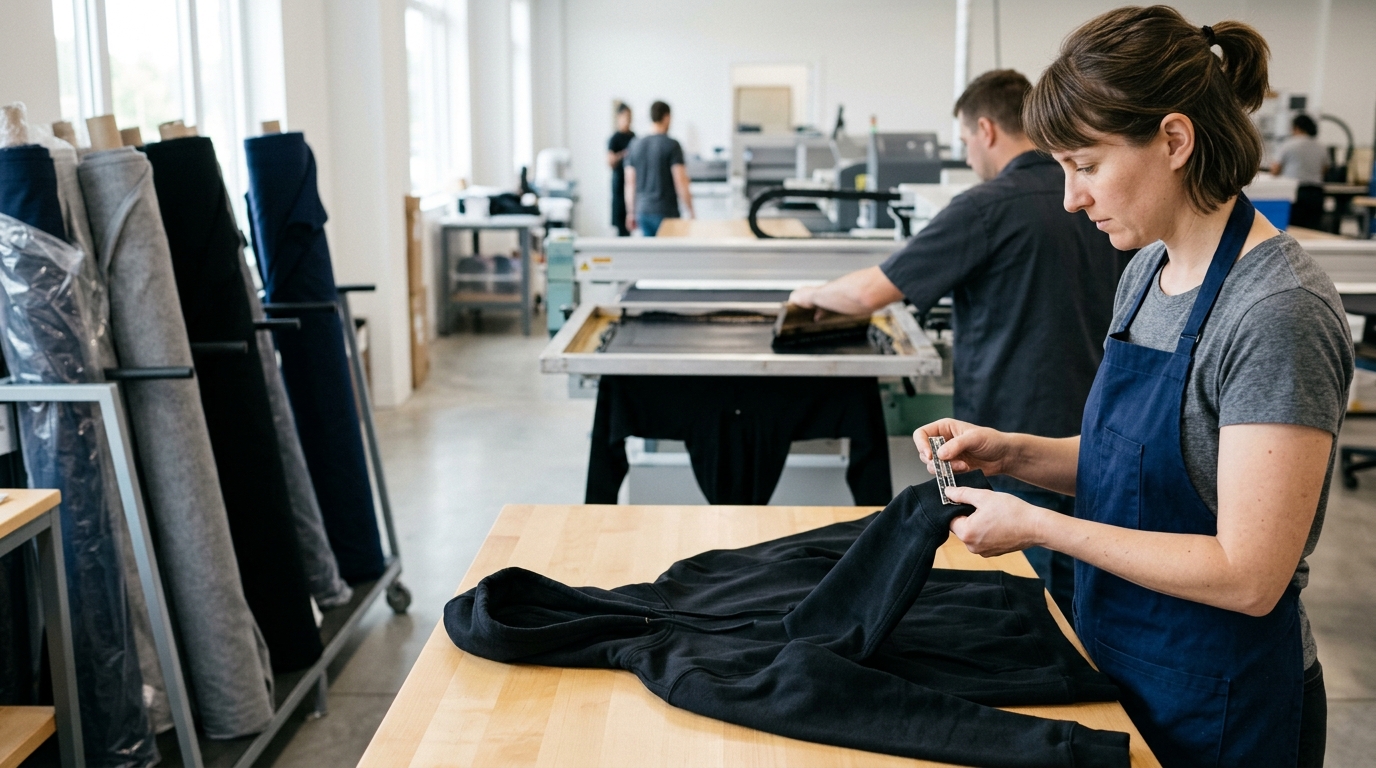
How It Works: Screen printing uses a mesh screen stretched over a frame. A light-sensitive coating goes on the screen and gets exposed with your design. This creates a stencil. Then ink gets pushed through the stencil onto the shirt with a squeegee. Each color in your design needs its own screen.
Best For: Large batches of 50+ items with the same design. Simple graphics with few colors. Bold, bright colors, especially on dark shirts.
- Pros: Very cost-effective per shirt on large runs. Makes highly durable and vibrant prints. Works with different ink types like plastisol and water-based.
- Cons: Takes time to set up. Messy process. Hard learning curve for multi-color alignment. Not cost-effective for small orders or photo designs.
For a deeper dive into the screen printing process, check out our guide on professional screen printing.
Direct-to-Garment (DTG) Printer: The Digital Powerhouse
How It Works: A DTG printer works like a regular office printer, but it prints directly on fabric. The shirt loads onto a platform. Special water-based textile inks spray into the fibers. For dark shirts, white ink prints first as a base.
Best For: Detailed, full-color designs like photos. Complex graphics with gradients. Small orders and print-on-demand businesses.
- Pros: Amazing detail and unlimited colors. Soft feel as ink soaks into fabric. Quick setup for single prints.
- Cons: High initial machine cost. Slower production for bulk orders. Works best on 100% cotton. Needs pre-treatment for brightness and wash durability.
Direct-to-Film (DTF) Printer: The Versatile Newcomer
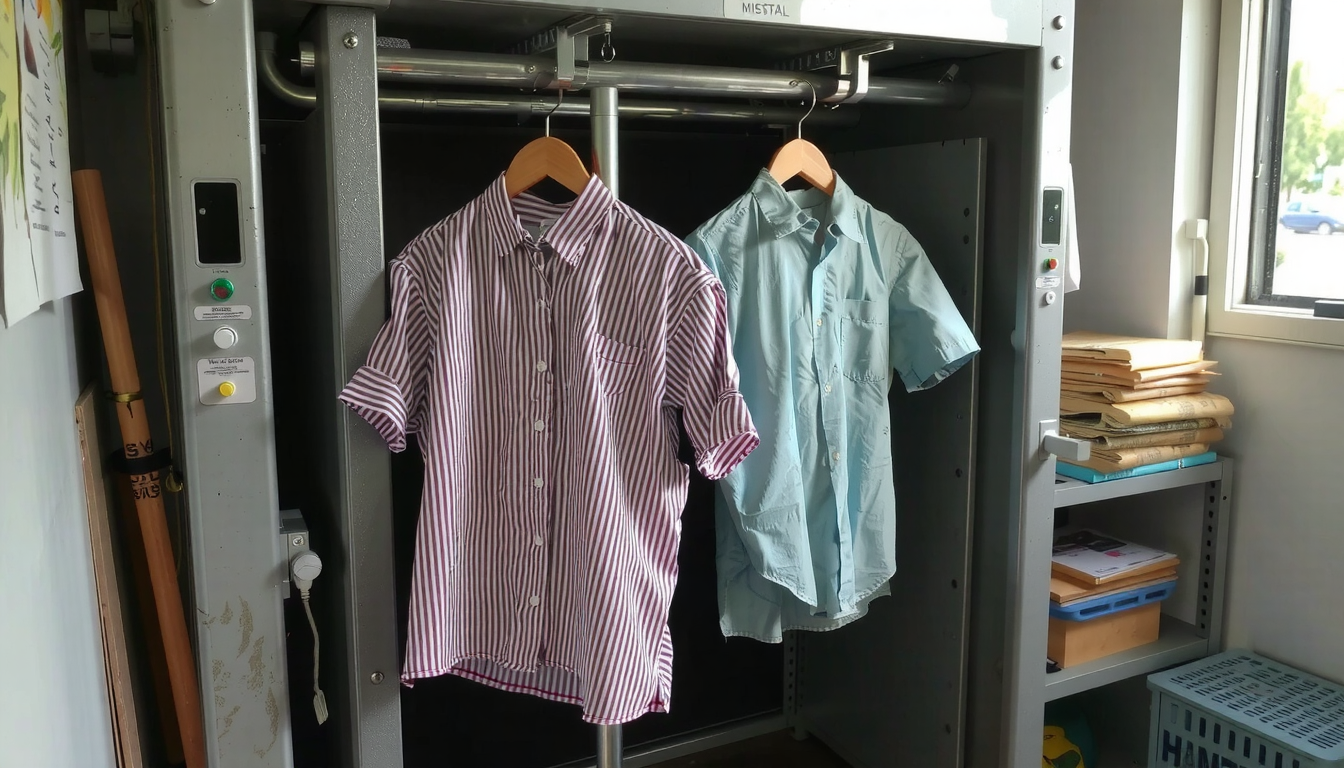
How It Works: DTF is a hybrid process. First, the design prints onto special PET film. A powdered adhesive goes on the wet ink, gets melted, and cured. This creates a ready-to-use transfer that heat-presses onto the shirt. This is a rapidly growing area in modern clothing printing machines.
Best For: Printing on many fabric types like cotton, polyester, blends, and nylon. Getting vibrant full-color designs on any shirt color. Making transfers to sell or use later.
- Pros: Works on almost any fabric. Makes durable and stretchy prints. No garment pre-treatment needed. Brilliant colors.
- Cons: Multiple steps (print, powder, cure, press). The print sits on top of fabric and can feel less breathable than DTG.
For a detailed overview of modern clothing printing machines, this resource offers excellent insight.
Heat Press: The Accessible Entry Point
How It Works: A heat press isn’t a clothing printing press itself, but an essential application machine. It uses controlled heat and pressure to apply pre-made designs to shirts. These designs can be Heat Transfer Vinyl (HTV), screen-printed transfers, sublimation prints, or DTF transfers.
Best For: Beginners and hobbyists. Small-scale personalization like team names and numbers. Simple text or single-color designs. Applying transfers made by other methods.
- Pros: Lowest starting cost. Clean and easy-to-learn process. Very versatile for different transfer types.
- Cons: Time-consuming per item. Not scalable for large volume. Lower-quality vinyl can crack or peel over time.
Decision Matrix: Which Press is Right for YOU?
The “best” clothing printing press matches your business goals, budget, and production needs. We’ve created this matrix to help you find the right technology for your situation.
| User Profile | Recommended Press/Setup | Initial Cost | Per-Print Cost | Best for Volume | Skill Level | Space Needs |
|---|---|---|---|---|---|---|
| The Hobbyist | Heat Press + HTV/Transfers | $ (Low) | Medium | Low | Beginner | Small (Desktop) |
| The Etsy Seller | DTG or DTF Printer | $$$ (High) | Low-Medium | Low-Medium | Intermediate | Medium (Large Table) |
| The Local Brand | Manual Screen Printing Press | $$ (Medium) | Low (at scale) | Medium-High | Intermediate | Large (Room) |
| High-Volume Shop | Automatic Screen Press / DTF | $$$$ (Very High) | Very Low | High | Advanced | Very Large (Shop) |
The True Cost of a Clothing Printing Press
The machine’s price tag is just the start. To create a realistic budget, you must plan for all equipment, supplies, and ongoing expenses. Missing this step is a common and expensive mistake.
The Machine Itself (Initial Investment)
This is your biggest upfront cost. It ranges from a few hundred dollars for a quality heat press to tens of thousands for an industrial DTG or automatic screen printing press.
Essential Peripherals (The ‘Must-Haves’)
No clothing printing press works alone. You will need:
* A reliable Heat Press (essential for all methods to cure ink or apply transfers).
* A dedicated Computer & Design Software (Adobe Creative Suite, CorelDRAW).
* Proper Ventilation, especially for DTF curing and screen printing chemicals.
Ongoing Consumables (The ‘Day-to-Day’ Costs)
This is where hidden costs often show up. We’ve seen shops budget $5,000 for a printer but only $200 for starting supplies. That’s not realistic for beginning production. Plan for:
* Inks, Pre-treatment Fluid (DTG)
* Inks, Film, Adhesive Powder (DTF)
* Plastisol Inks, Emulsion, Screens, Cleaning Chemicals (Screen Printing)
* Heat Transfer Vinyl (HTV), Transfer Paper
Maintenance & Utilities
Your machines need care to work well. Budget for:
* Replacement parts like DTG printheads, filters, and DTF dampers.
* Regular cleaning supplies to prevent clogs.
* Higher electricity bills from heat presses, conveyor dryers, and flash units.
Building Your Print Shop: Essential Support Equipment
Your clothing printing press is the star, but it needs support. Here’s a checklist of other critical parts for a working setup.
- Garment Sourcing: You need a reliable source for blank clothes. Research wholesalers that offer quality products like hoodies, tees, and more. For specific items, a dedicated hoodie manufacturer can provide consistent quality.
- Design Software: Professional results start with professional files. Adobe Illustrator or CorelDRAW are industry standards for creating vector artwork that scales perfectly.
- Curing/Drying Equipment: A heat press can cure prints. But for screen printing at any scale, you need a flash dryer (for between colors) and a conveyor dryer (for final cure). These are essential for efficiency and durability.
- Workspace Setup: You’ll need sturdy tables for equipment. Organized storage for clothes and supplies. A dedicated washout booth and cleaning station for screen printing.
As you grow, buying equipment from established manufacturers like those offering professional-grade screen printing equipment ensures reliability and service. Creating a strong brand involves more than just printing. It’s about understanding the entire process. Explore our introduction to crafting your brand for the bigger picture.
Frequently Asked Questions
1. What is the best clothing printing press for a beginner with a small budget?
A quality heat press with Heat Transfer Vinyl (HTV) or pre-made DTF transfers offers the lowest entry cost. This setup is easy to learn and perfect for mastering garment alignment and heat application basics before investing in a full printing system.
2. How long do prints from different machines last?
Screen prints are the gold standard for durability. They often outlast the shirt itself. High-quality DTF and DTG prints are also very durable, typically lasting 50+ washes with proper care. As the global textile printing machine market shows significant growth in digital technologies, print longevity keeps improving. HTV durability varies by quality. Premium brands last for years, while cheaper options may crack or peel sooner.
3. Can I print on dark-colored shirts with any machine?
Screen printing excels at this by using opaque white ink as a base layer. DTG printers can also do this, but you need a model with white ink channels and mandatory pre-treatment. This increases cost and complexity. DTF is also excellent for dark shirts because the white adhesive layer automatically works as a built-in base.
4. Do I need a lot of space for a clothing printing press?
It varies greatly. A simple heat press setup fits on a desktop. A small, entry-level DTG or DTF printer needs a sturdy table plus space for a computer and supplies. A manual screen printing press, especially a multi-color rotary model, needs the most space for the press, screen exposure/washout stations, and a dryer.
5. Is it more profitable to buy my own press or outsource my printing?
Outsourcing is smart when starting with low or unpredictable volume since it has zero initial investment. Buying your own clothing printing press becomes more profitable once your order volume is consistent and high enough to cover the machine cost, supplies, and your time. Calculate your break-even point before investing. For professional, large-scale production needs, partnering with an expert manufacturer like TZ Streetwear can be a strategic and scalable choice.