More Than Just a String: Why Custom Hoodie Drawstrings Matter
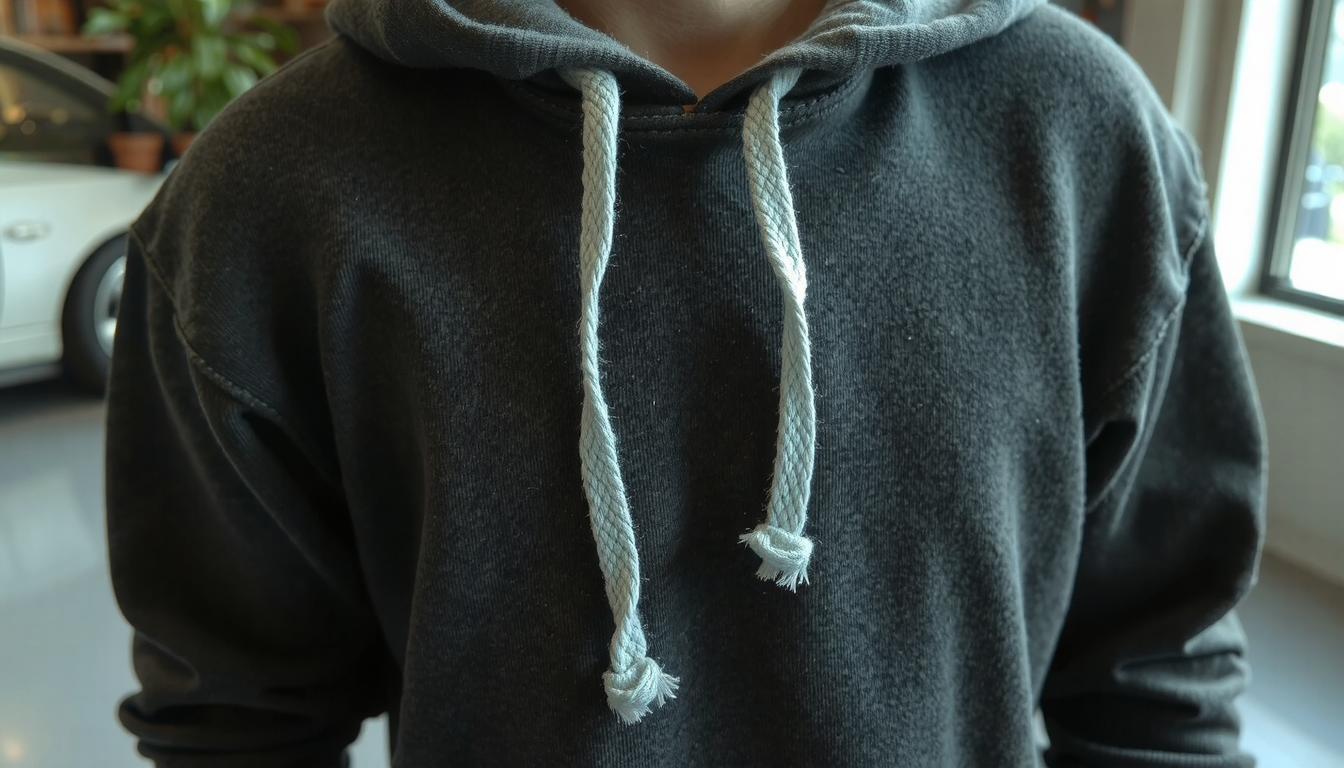
Great design is about the small details. A simple hoodie can become special. It often starts with something as small as the string. A good, unique drawstring can make a hoodie feel more personal and valuable.
You might be here for different reasons. Maybe your favorite hoodie lost its string in the wash. Maybe you want to give an old hoodie a fresh look with a DIY project. Or you could be a brand owner looking for that one detail to make your clothes stand out.
This guide covers it all. We will look at materials, ways to customize, and design ideas. Whether you are a DIY fan or a fashion brand, learning about custom hoodie strings is a small step that makes a big impact.
Making Your Style and Brand Better
A custom hoodie string is a powerful tool. For a person, it shows who they are. For a brand, it shows quality and a new way to show your identity.
The right drawstring makes a hoodie seem more valuable. It shows that thought went into every part of the hoodie. This guide will walk you through the materials and the how-to for both DIY and buying from pros. We will also give you ideas to get started.
The Parts of a Perfect Hoodie String
Before you start, it helps to know the basic parts of a hoodie string. Learning these terms will make it easier to choose or create the perfect one for your project.
The Cord: Material and Weave
The cord is the main part of the drawstring. It comes in a few common styles:
* Flat cords are wide and look modern, like a classic shoelace.
* Round cords are thick and have a more traditional, rugged feel.
* Braided cords are woven from multiple strands, adding texture and strength.
The Aglet: The Unsung Hero
The tip of the string is called an aglet. Its job is to stop the cord from fraying and make it easy to thread through the hoodie’s channel.
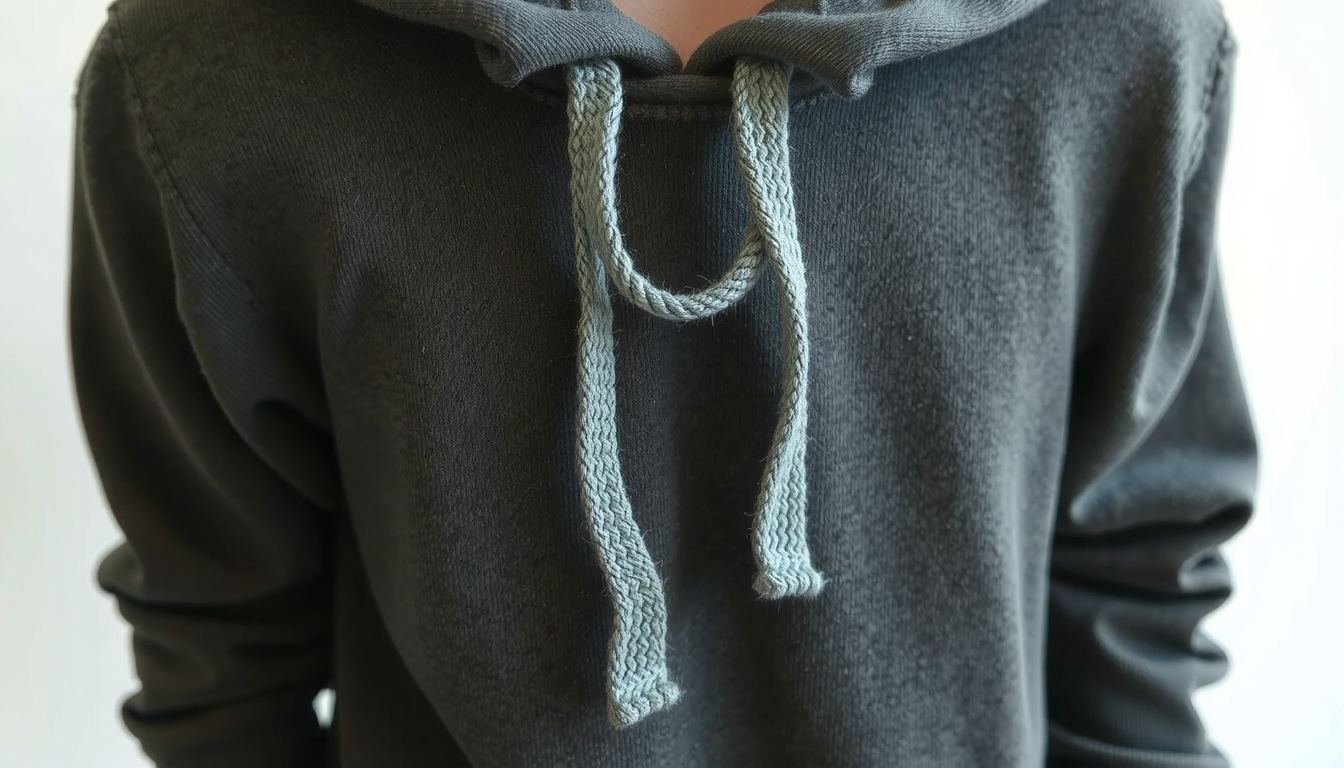
Aglets are also a key design part. They can be simple plastic tips, strong metal caps, or soft silicone-dipped ends. For brands, custom aglets with a logo are a premium touch.
Choosing Your Material: A Deep Look at Hoodie String Materials
The material you choose for your custom hoodie strings sets the look, feel, and how long they last. This choice affects everything from your brand’s style to how the hoodie holds up over time. Think of this as your expert guide for making the right choice.
Material Breakdown and Comparison
Each material offers a different vibe. A streetwear brand might prefer thick cotton. A techwear line could use something more technical. Some companies even offer premium options like leather or even rhinestone strings to create a truly luxury feel.
Here is a simple breakdown to help you choose the best material for your custom hoodie drawstrings.
| Material | Feel/Look | How Long It Lasts | Best For | Custom Notes |
|---|---|---|---|---|
| Cotton | Soft, natural, classic | Medium | Everyday wear, vintage | Dyes well, great for a soft feel. |
| Polyester | Smooth, slightly shiny | High | Athleisure, streetwear | Holds color very well, great for printing. |
| Paracord | Rugged, textured, firm | Very High | Outdoor gear, tactical | Huge variety of colors and patterns available. |
| Leather/Faux | Premium, textured | High | Luxury fashion, statement pieces | Adds a high-end, textural contrast. |
| Woven/Jacquard | Complex, custom | High | High-end streetwear, brand focus | Patterns are woven directly into the cord. |
The DIY Route: How to Create and Install Your Own Custom Hoodie Strings
Replacing or creating your own custom hoodie string is a simple and fun project. It’s a great way to fix a broken string or just give your favorite hoodie a quick, personal upgrade.
Step 1: Getting Your Tools & Materials
You only need a few simple items.
* Your chosen cord (cotton, paracord, etc.)
* A measuring tape
* Sharp scissors
* A lighter (only for synthetic cords like polyester or nylon)
* A threading tool (a large safety pin, a bodkin, or a plastic drinking straw)
Step 2: Measuring and Cutting Your New String
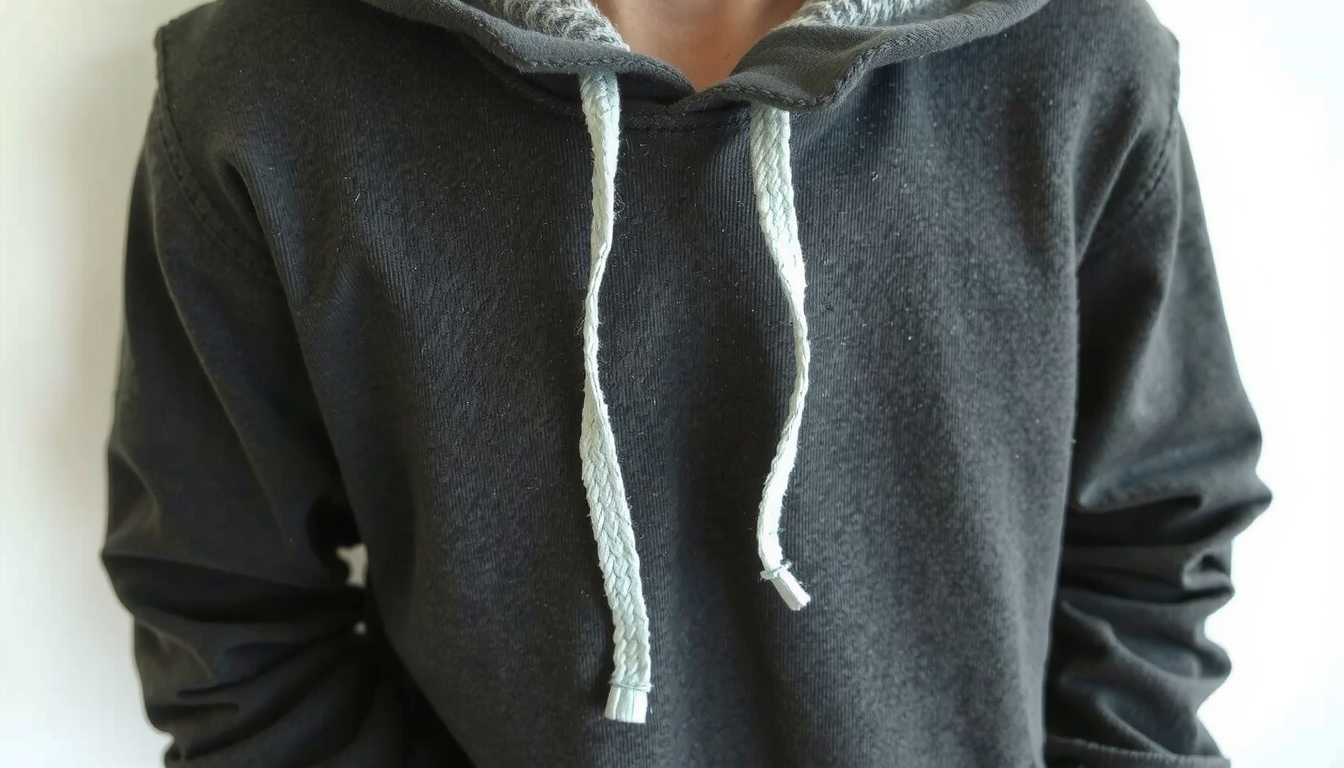
To find the right length, measure the old string if you still have it. If not, lay the hoodie flat and measure the width of the hood. Add about 10-12 inches to that number. This gives you enough length to tie a knot or a bow.
Step 3: Finishing the Ends (Creating Your Aglets)
A clean finish is key. Here are three easy methods:
* The Heat-Seal: For polyester or paracord, carefully melt the very tip with a lighter for a few seconds. This melts the fibers together and stops fraying.
* The Knot: The simplest way is to tie a small, tight knot at each end.
* Heat-Shrink Tubing: For a pro look, slide a small piece of heat-shrink tubing over the end and heat it with a hairdryer or heat gun. It will shrink to form a perfect, strong aglet.
Step 4: Threading the String into Your Hoodie
This can be the tricky part, but a good tool makes it easy. I have found two methods that work almost every time.
The safety pin trick is a classic. Attach a pin to one end of your new string. Push the pin into one of the hoodie’s eyelets and feed it through the channel. Inch the fabric over the pin until it comes out the other side.
The straw trick is also very good. Push about an inch of the string into a drinking straw. The rigid straw is much easier to guide through the fabric channel than the soft string. If the string gets stuck, gently bunch the fabric around the channel and then pull it smooth to help it move along.
For the Brand Builders: Getting Custom Hoodie Strings to Make Your Collection Better
For streetwear brands and fashion designers, a drawstring is more than a working part. It is a signature detail that shows quality and makes your brand’s identity stronger. Getting your custom hoodie strings professionally made is a key step.
It’s More Than a String, It’s a Brand Statement
Think about the unboxing experience. A customer who sees custom-branded metal aglets or a perfectly color-matched cord right away knows they bought a premium product.
Match the string to your brand. An outdoor brand could use reflective paracord for function and style. A minimalist techwear brand might choose sleek, silicone-dipped ends for a clean finish. This small detail tells a big story about your brand.
Key Custom Options to Consider
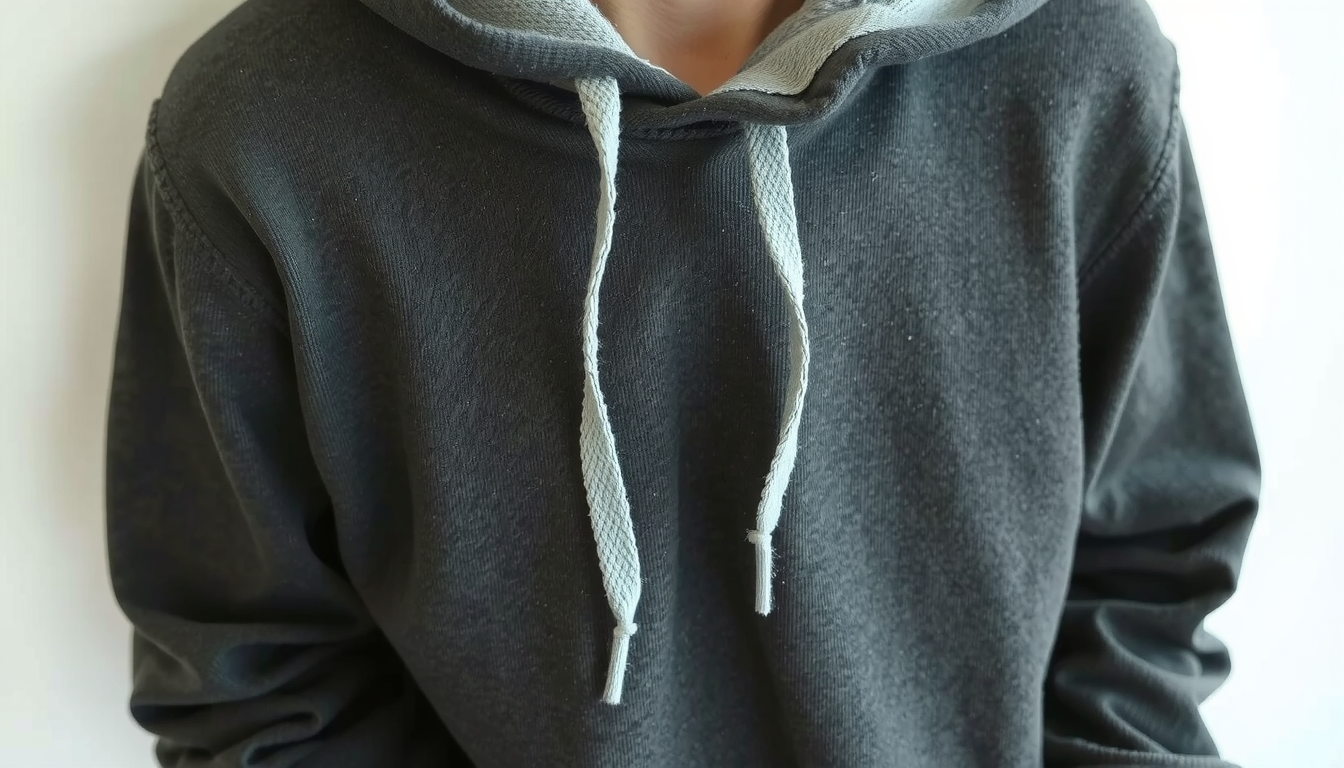
When working with a supplier, you have many options to create unique hoodie strings.
* Custom Weaving/Printing: Weave your brand name or a repeating logo directly into a flat cord.
* Custom Aglets: Get your logo engraved on metal aglets or printed on silicone tips. This is a very popular high-end option.
* Custom Colors: Use Pantone matching to get the exact color from your brand palette.
* Unique Materials: Source special materials that align with your brand’s story and stand out from the competition.
Working with a Manufacturer
When choosing a supplier, ask for samples. Quality control is critical, as you want every drawstring to be perfect. A good partner will guide you through material and design choices.
Ready to produce a complete garment with these details? Learn more about our custom hoodie manufacturer services to see how we bring brand visions to life.
Design Ideas: Fresh Ideas for Your Custom Hoodie Strings
Need some creative ideas? A custom hoodie string can be a canvas for your style. Here are a few concepts to get you started.
- Contrasting Colors: Make a simple black or grey hoodie pop with a bright neon or primary-colored string.
- Patterned Power: Don’t stick to solid colors. Try a camo, floral, or geometric pattern to add visual interest.
- Reflective & Useful: 3M reflective strings are a popular choice in streetwear. They look great and add a layer of safety at night.
- Tonal & Textured: Match the string color to the hoodie fabric but use a different texture. A thick, woven cord on a smooth fleece hoodie creates a subtle, high-end look.
- The Swappable System: Take ideas from innovators. For example, brands like ZOX have created patented systems that allow customers to easily swap out collectible strings, turning a component into its own product.
The Finishing Touch: Your Brand’s Next Step
We have covered why custom hoodie strings matter, what they are made of, and how you can make or source them. It is clear that this small detail offers a huge return, whether for personal style or brand building.
A custom hoodie string is an easy yet powerful way to upgrade a garment. It’s a project anyone can do and a detail no brand should ignore.
Whether you are refreshing an old favorite or planning your next collection, never overlook the power of the details. For those building a brand, the next step is telling your story. Explore our guide on how to craft your brand’s introduction or see how we bring ideas to life at TZ Streetwear.
Frequently Asked Questions (FAQ)
What is the standard length for a hoodie string?
There is no single standard, but most hoodie strings are between 47 to 55 inches (120-140 cm). The best way to get the right length is to measure the original string. If you don’t have it, lay the hood flat, measure its width, and add 10-12 inches.
Can I put a hoodie string in the washing machine?
Yes. To stop the string from coming out during the wash, simply tie the two ends together in a light bow or knot. If you have delicate custom aglets, like engraved metal, consider putting the hoodie in a mesh laundry bag for extra protection.
How do I stop the ends of my cotton hoodie string from fraying?
For cotton strings that you can’t melt with heat, the best method is to seal the ends. You can use a small amount of clear fabric glue or tightly wrap the ends with thread in a matching color. In a pinch, a dab of clear nail polish will also work to hold the fibers together.
What are the metal or plastic tips on a hoodie string called?
Those tips are called aglets. They have two jobs: they stop the string from unraveling and make it much easier to thread through the hoodie. They can also be a key style element, especially with custom metal or silicone aglets.
Can I use shoelaces as custom hoodie strings?
Yes. Using shoelaces is a great and easy way to customize a hoodie. They are available everywhere and come in countless colors, patterns, and materials. They also come with aglets already attached. Just make sure you buy a pair that is long enough for a hoodie, which is typically longer than standard shoelaces.




-600x600.jpg)