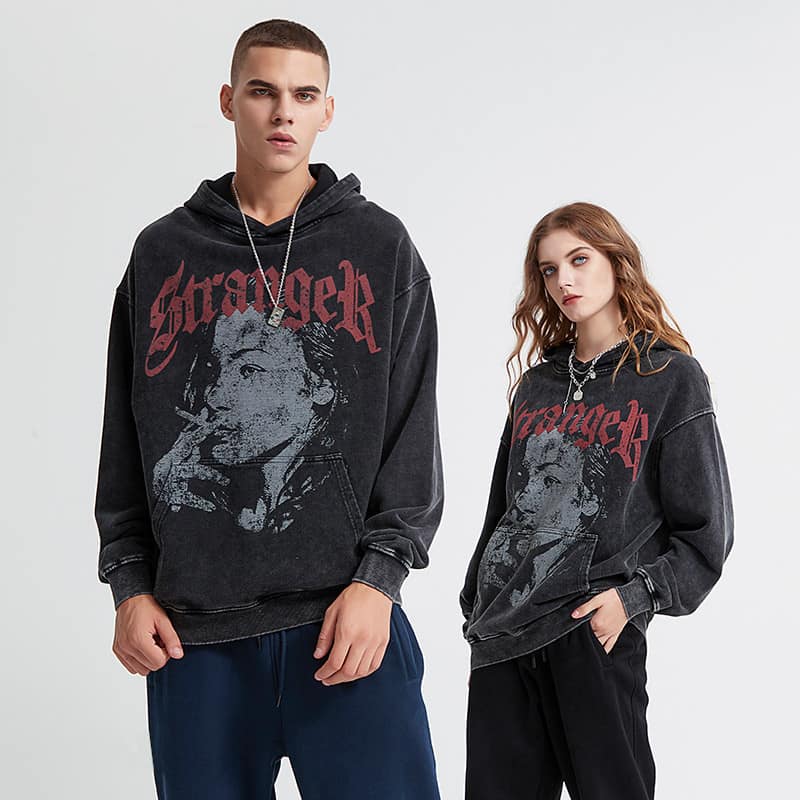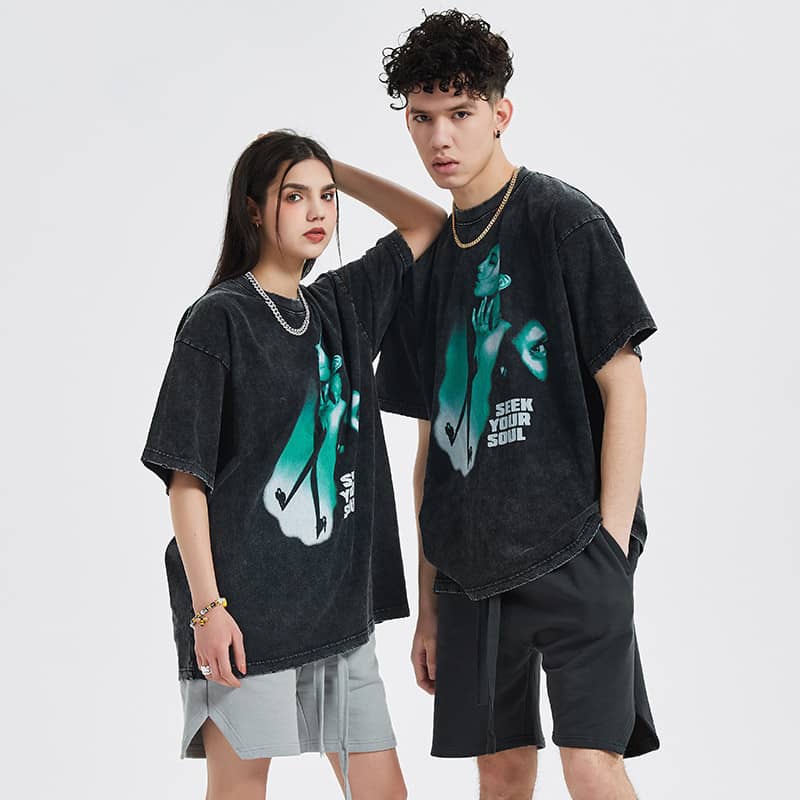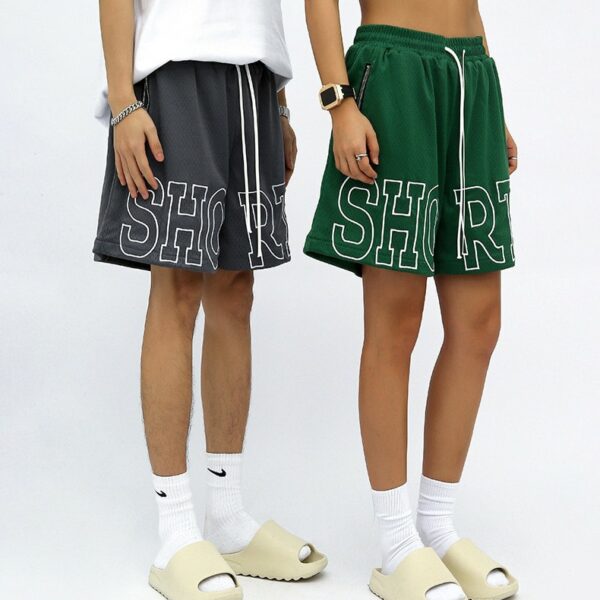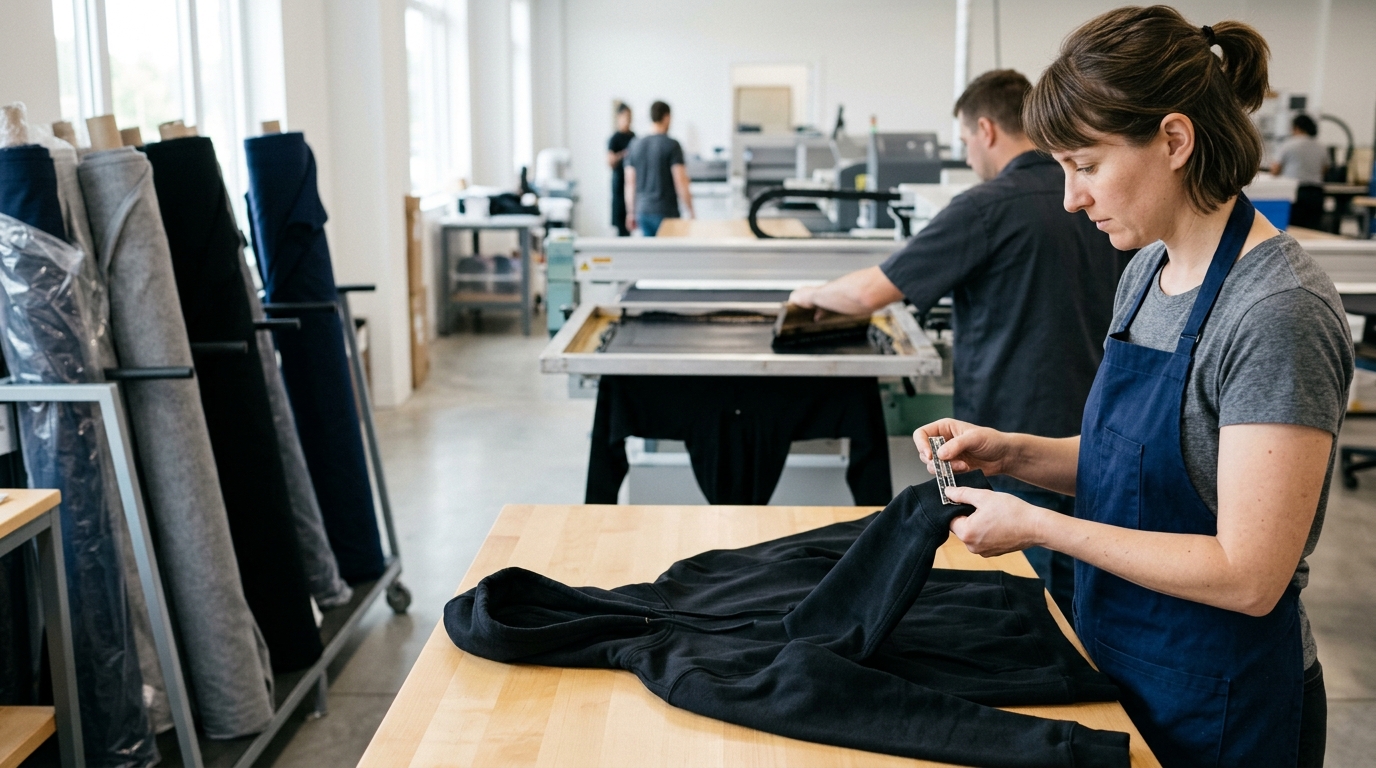
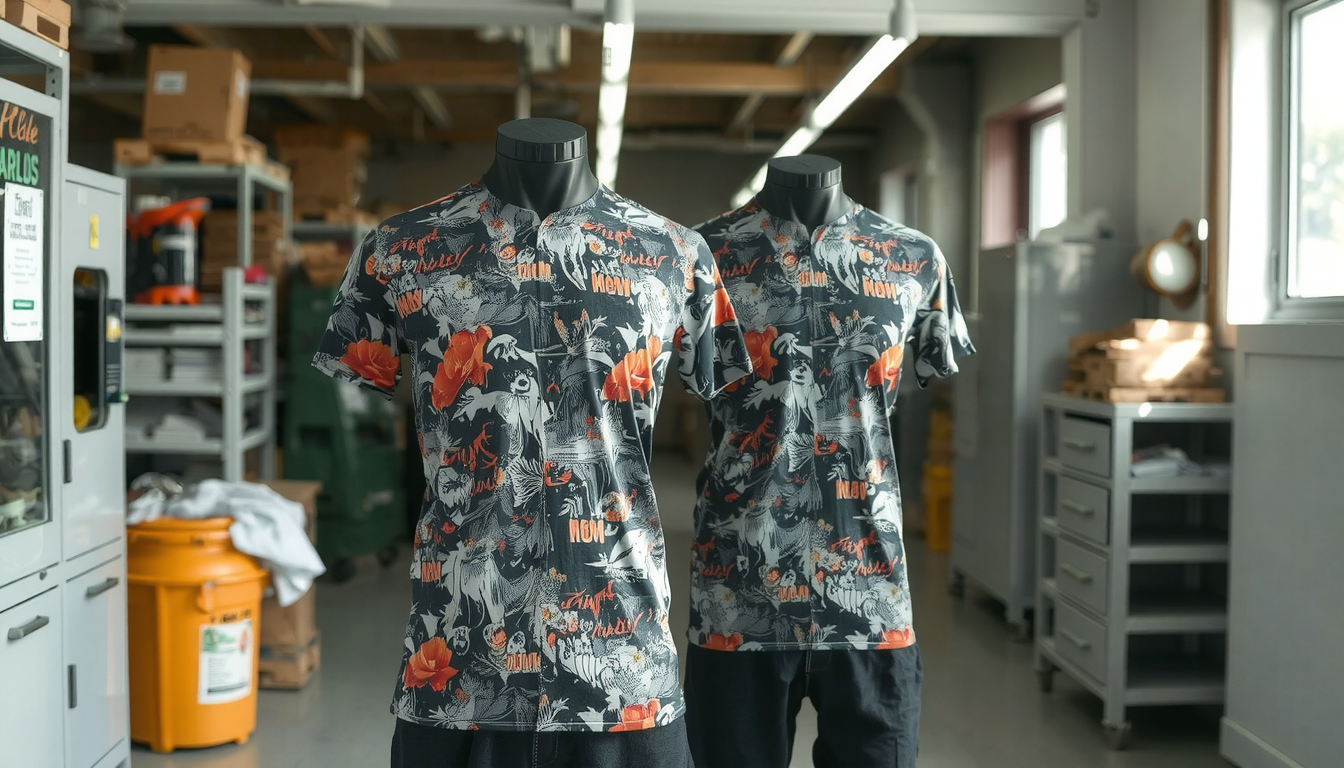
Want to personalize your clothes with your unique designs? You’re at the right place. Custom print clothing means adding your art, logo, or text to items like t-shirts, hoodies, and hats. It is a brand-building tool, a great way to advertise events, or wonderful gifts to someone special.
This guide includes every detail from A to Z. We will assist you in determining which printing method is the best and the various services that fit your needs. We also provide you with tips on how to get your design files ready for the best printing. Let’s get started.
Choose Your Path: Which Model is Right?
Your first important decision is how to produce your clothes. This decision will influence your costs, time, and the number of items you are buying. Thus having this knowledge can prevent you from having mistakes.
We will overview the three most popular ways of getting your clothes made: Print-on-Demand, Bulk Manufacturing, and Local Print Shops. Each of these is suitable for different objectives. This comparison will help you to determine which one is the best for your project.
| Model | Best For | Pros | Cons | Typical Minimum Order |
|---|---|---|---|---|
| Print-on-Demand | Startups, artists, testing designs | No inventory, no minimums, wide product range | Higher cost per item, less control over quality | 1 |
| Bulk Manufacturing | Established brands, events, merchandise | Lowest cost per item, high quality control | High upfront cost, requires storage space | 24-50+ |
| Local Print Shops | Local businesses, teams, urgent orders | Fast turnaround, hands-on service, support local | Higher cost than bulk, limited product options | 12-24 |
Print-on-Demand (POD): For Flexibility
Print-on-demand is the easiest option. The company prints and ships your product when a customer orders it. You don’t even need to have the goods storage yourself.
This model is suitable for new online shops, people who promote their art, or anyone trying out new designs. There is no risk involved. You can link your online store with Print-on-Demand services like Printify to make the processing automatic.
Bulk Manufacturing: For the Best Cost-Per-Item
Bulk manufacturing is the process of ordering a lot of items at once. This way you will obtain the best price for every shirt or any piece of clothing.
It suits established brands the best, companies that want to order for big events or those that have a popular design. It is a signal to others that you mean business in such a field. You work with full custom clothing manufacturers such as Zega Apparel to oversee the entire process. A step-by-step instruction for those who are prepared for this level is our guide on how to start a brand’s craft introduction.
Local Print Shops: For Speed and Service
With the help of a local print shop, you will get immediate, hands-on help. You may sometimes even have face-to-face meetings with the people who will print out your items and look at samples in person.
This option is a good choice for local businesses that need uniforms for their employees, schools that are having sports events, or anyone else requiring custom clothing in a short timeframe. They play a crucial role in the community.
Printing Methods: Which Suits Your Design?
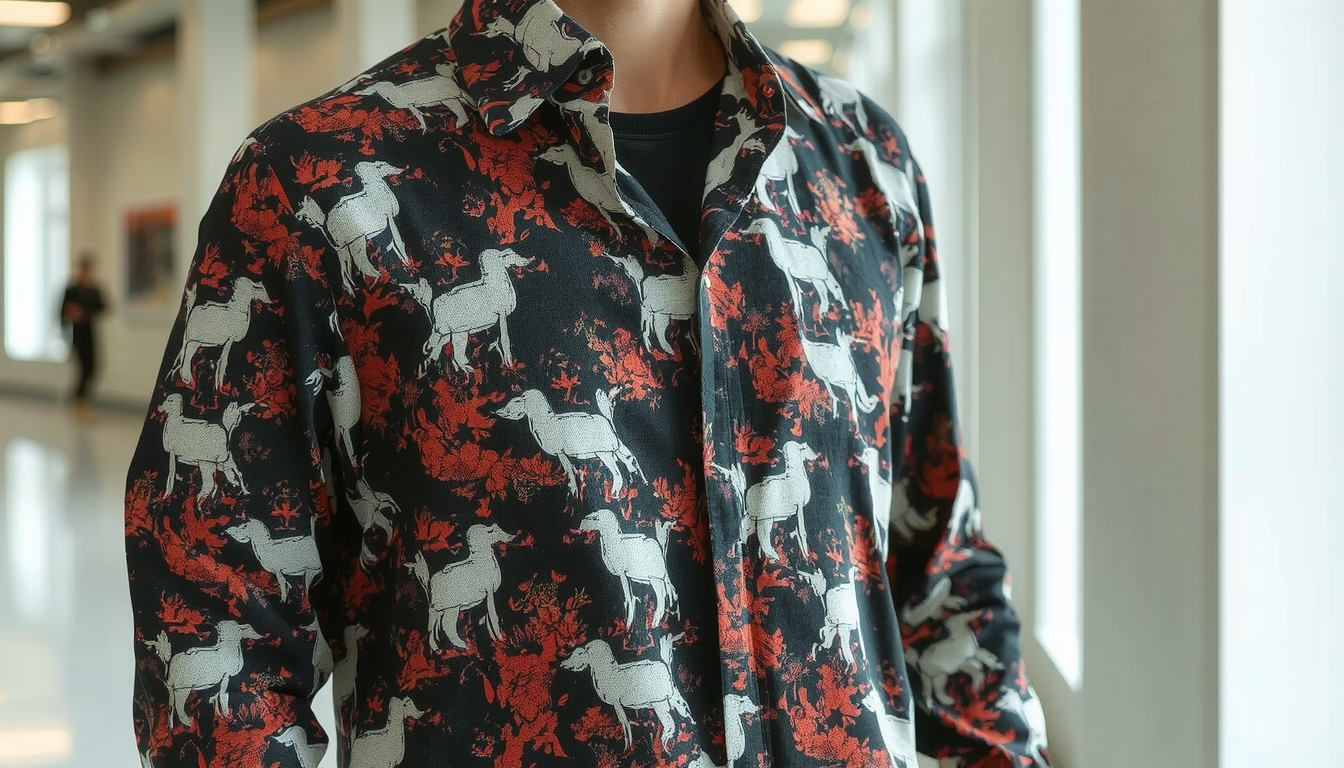
The printing method for your custom print clothing has a lot of impacts. It has an effect on the product’s appearance, touch, durability, and production costs. Applying the right one assures your design has the right look.
Let’s explain the commonly used methods in a brief and easy way.
| Method | Best for Fabric Type | Color Vibrancy | Cost at Scale | Durability |
|---|---|---|---|---|
| Screen Printing | Cotton, Blends | Good, bold colors | Low (for large orders) | Very High |
| DTG | 100% Cotton | Excellent, full color | High (for small orders) | Good |
| Sublimation | 100% Polyester | Excellent, seamless | Medium | Excellent |
| Heat Transfer | Cotton, Polyester | Good | Medium | Moderate |
Screen Printing
Screen printing is just like making a stencil. Ink is pushed through a mesh that sits over the fabric. Each color in your design requires a separate screen.
This method best applies to simple designs with one to three colors. It is cheaper for large orders (usually 12 or more items) and makes very durable, long-lasting prints.
Direct-to-Garment (DTG)
Direct-to-Garment, or DTG, works just like a printer for garments. The machinery sprinkles the safe ink right onto the fabric.
DTG is just perfect for drawing detailed multicolor effects like images and intricate illustrations. There are no extra costs per color meaning that you can do small batch orders or even just one print.
Dye Sublimation
Dye sublimation is a very special one. The ink is turned into a gas that then combines with the fibers of the material. As such, the print effectively becomes the material itself, meaning that you won’t feel it.
This technique is used to get intricate prints that cover the entire piece of clothing. It can only be used on 100% polyester items making it particularly wonderful for sports and jerseys. For such unique projects, you’d want to check out the Sublimation Printing services offered specifically for all-over sublimation printing.
Heat Transfer Vinyl (HTV)
With a heat transfer, your design is cut from a colored vinyl sheet. It is then attached to the garment before heating it and applying pressure.
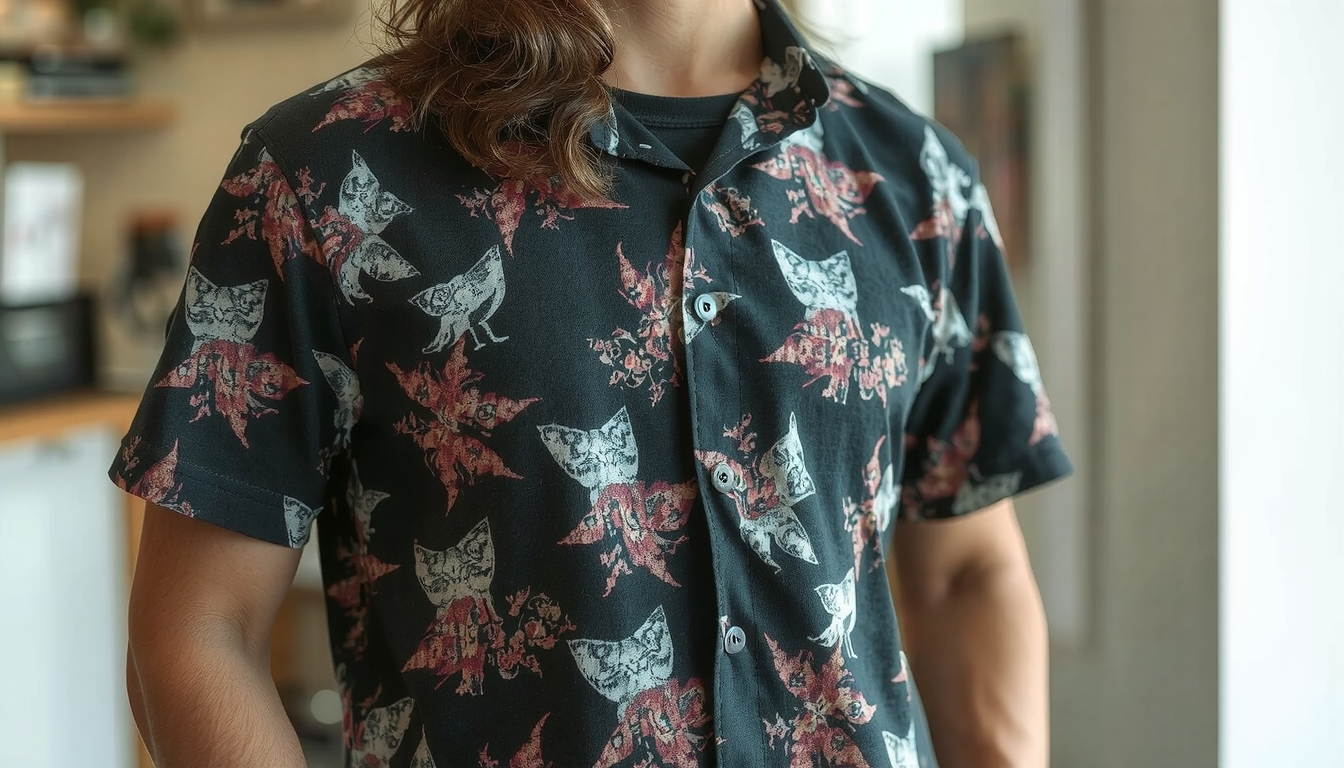
HTV is great when you want to take a simple route for designs e.g. text, numbers on jerseys, or single-color logos. It is a fan-favorite for fast, limited-number (small quantity) jobs.
Design for Success: Pro Artwork Guide
The main point to creating amazing custom printed clothing is the use of high-quality design files. Many beginners flop here which leads to blurry or wrong prints. We will share tips from our experience to help you avoid common problems.
Gainful is the time you save through proper coloration of your artwork at the beginning. Some examples of problems are low-quality images and not removing backgrounds that can lead to a whole bunch of clothes being ruined.
Vector vs. Raster: What’s the Difference?
There are two main types of image files.
- Vector (AI, EPS, SVG): This file type uses geometric shapes and can be scaled without any loss in quality. Always use vector files for logos and illustrations.
- Raster (PNG, JPG, PSD): These image files are made of small squares called pixels. If you make them too big, they will look blurry. Use raster files for photographs.
The Magic Number: 300 DPI
DPI (dots per inch) is the measurement for how good a raster image is. The standard for printing is 300 DPI at the final print size.
A bad image quality from the internet will not be printed well either. You can’t stretch a small size image 72 DPI and expect quality print. Always start from a high-quality file.
Color Modes: CMYK vs. RGB
The colors produced by your screen and the printer are generated by different processes.
- RGB (Red, Green, Blue): This is for screens. It uses light to make bright colors.
- CMYK (Cyan, Magenta, Yellow, Black): This is for printing. It uses ink to make colors on paper or fabric.
Colors on your screen will always look a bit brighter than the final product. To achieve the most accurate colors, design your files in CMYK from the start.
File Formats and Transparency
The file format you save your design in is critical.
For DTG printing, a PNG file with a clear background is usually best. This ensures that no unwanted white box is printed around your design. For screen printing, printers often prefer vector files like AI or PDF.
Beyond the Print: Choosing Garments
The garment you choose is the canvas for your art. The fabric, fit, and quality are just as important as the print itself. A great design on a cheap, uncomfortable shirt will disappoint.
From our experience, how a shirt feels is critical. The softness of ringspun cotton is very different from the tough feel of a standard 50/50 blend. Choosing the right one sets the tone for your brand or event.
Understanding Fabric Materials
- 100% Cotton: A mature choice that is soft, breathable, and prints beautifully using DTG. Ringspun cotton is softer and more premium than standard carded cotton.
- Polyester Blends (50/50, Tri-Blends): Blends are strong, resist shrinking, and have a slightly stretchy, vintage feel. Tri-blends add rayon for extra softness.
- 100% Polyester: Besides being the required material for dye sublimation printing, this is also a great choice for athletic wear since it moves moisture away from the skin.
Considering Garment Weight and Fit
Fabric weight is measured in ounces (oz). A lighter 4.5 oz tee is good for summer, while a heavier 6.1 oz shirt feels more strong and premium.
Also, think about the fit. A “unisex” or “classic” fit is standard and boxy. A “fashion” or “slim” fit is more tailored to the body for a modern look.
A Note on Specific Apparel
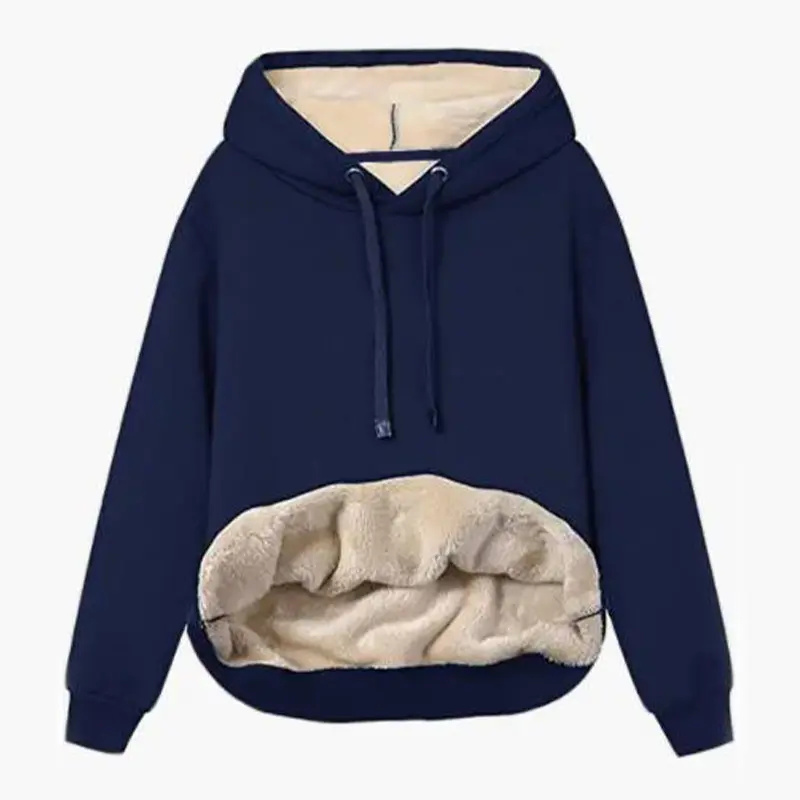
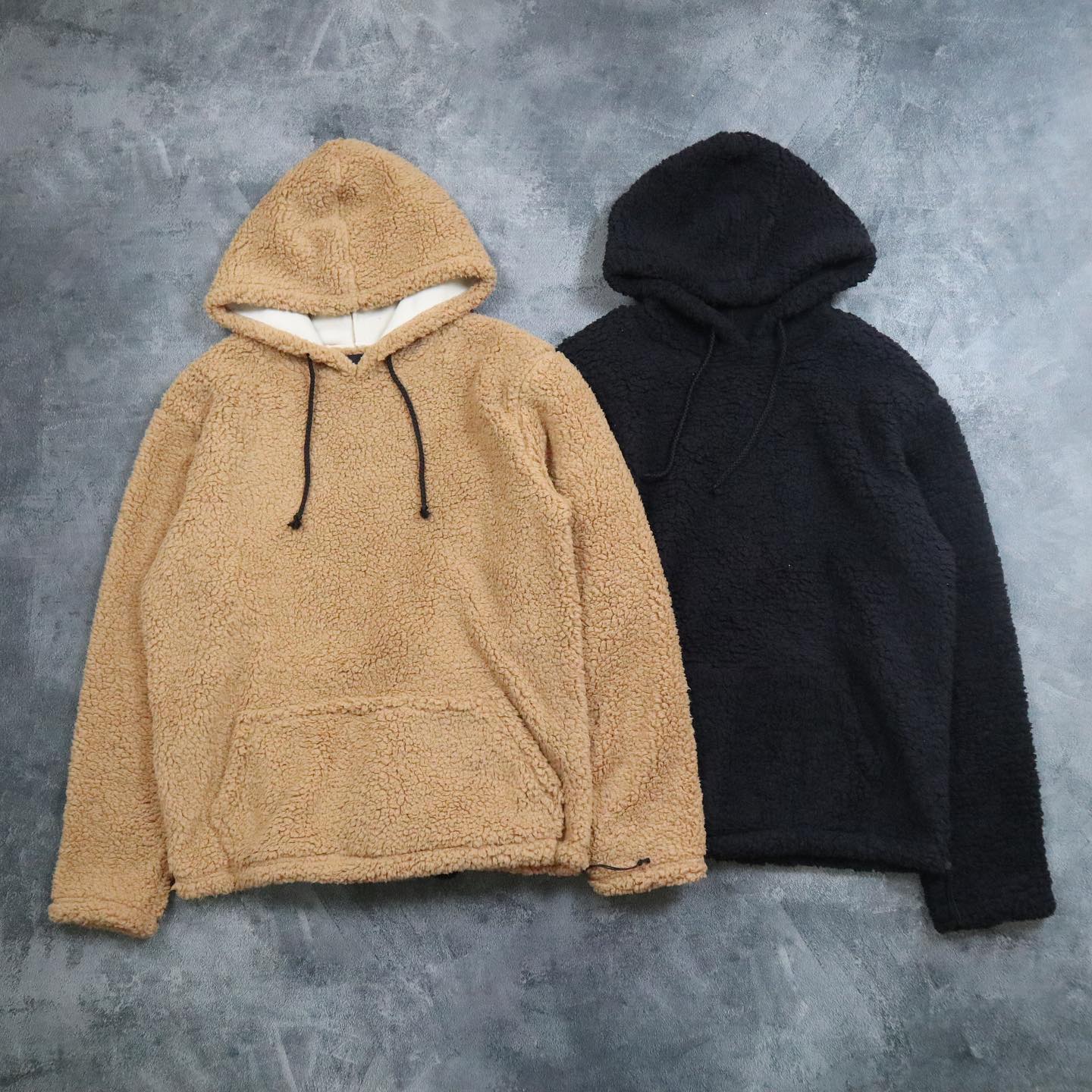
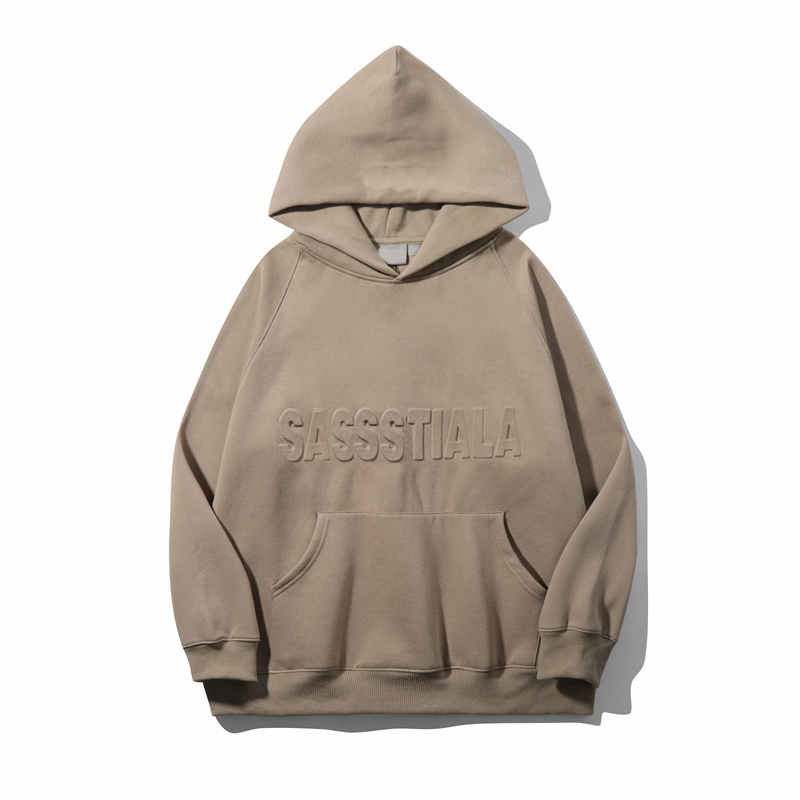
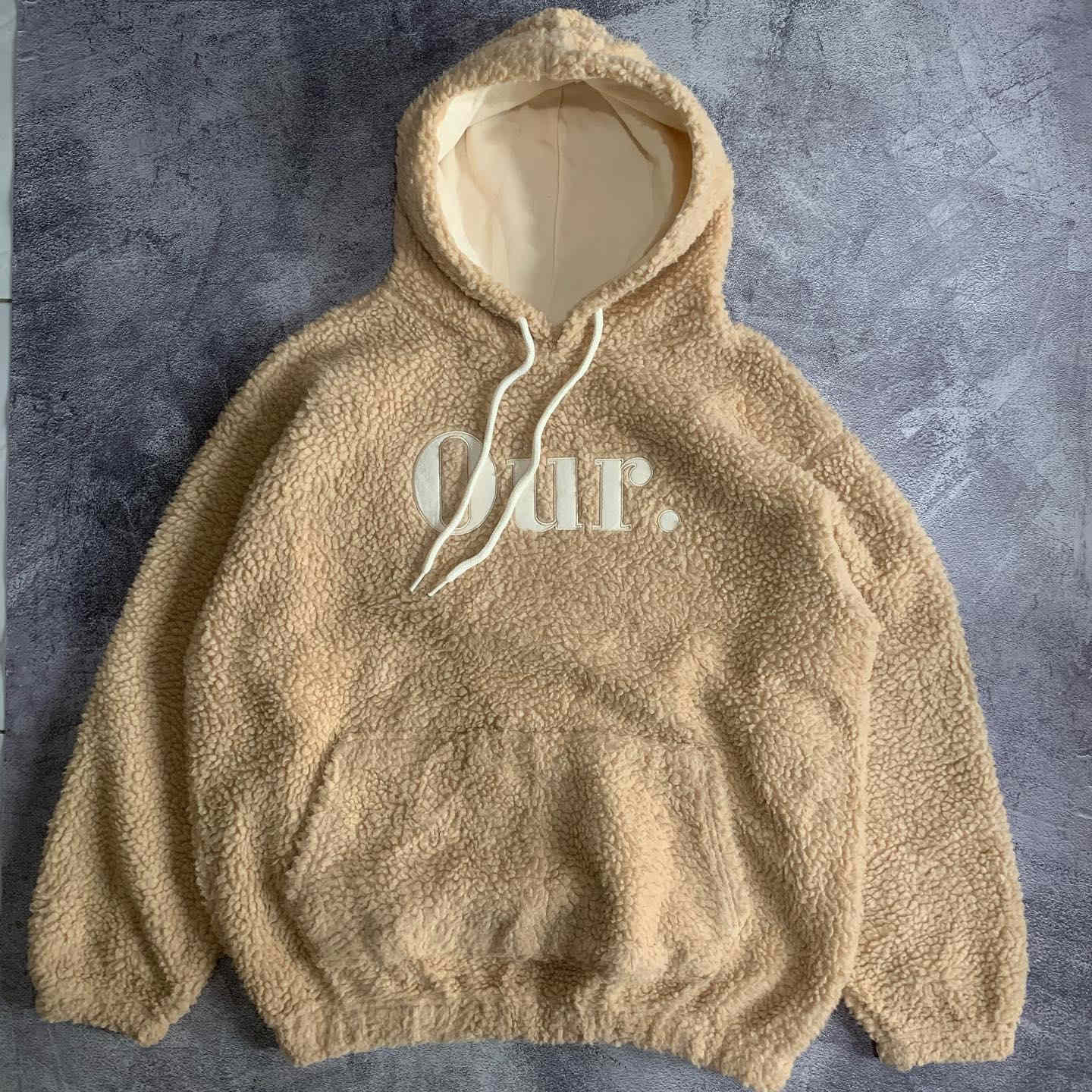
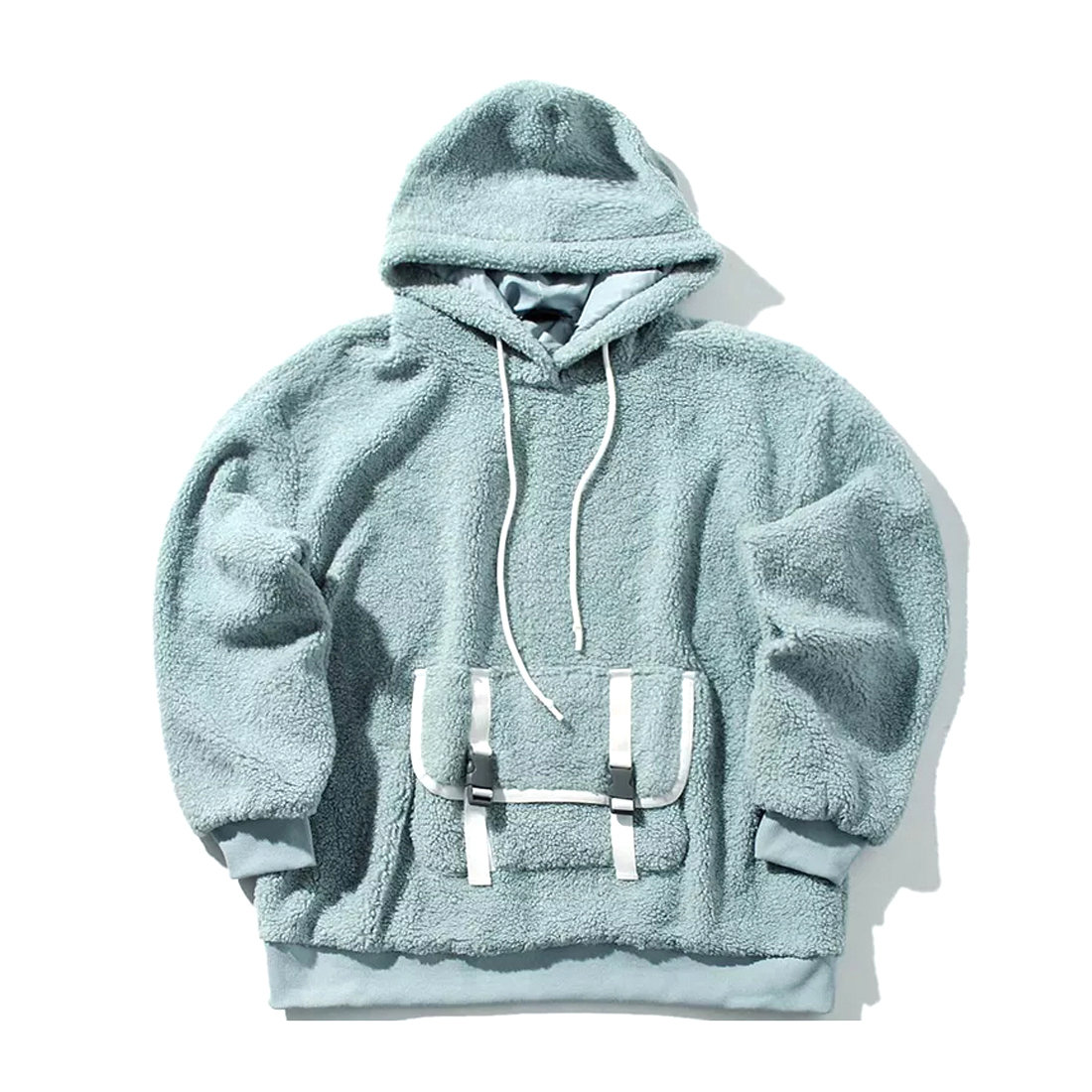
Different garments send different messages. A basic t-shirt is great for a giveaway. But if you want to create a premium product, a heavyweight hoodie is an excellent choice. If you’re looking to create high-quality hoodies, exploring options from a custom hoodie manufacturer is your next step.
Your Partner in Custom Clothing
Having to make all these decisions might seem overwhelming but you are not alone in this. We will walk you through your journey from idea to reality.
As a streetwear and brand building expert, we guide our partners throughout the decision-making process. We ensure that you will see your creations on a piece that you will feel proud to wear or sell. We offer exceptional branded clothing as a partnership with either startups or growing brands, both with the help of TZ Streetwear.
Frequently Asked Questions
What is the best printing method for custom t-shirts?
There isn’t just one single “best” method; it is a function of your design and quantity. For difficult designs with many colors and small amounts, Direct-to-Garment (DTG) is a great option. If you want to print simple logos in mass (over 24 pieces), screen printing is more cost-effective and harder to destroy.
Can I order just one piece of custom print clothing?
Absolutely! The best use for this will be Print-on-Demand (POD) services or printers doing DTG printing. These two provisions don’t have a minimum order quantity so you can easily create one unique piece.
How do I ensure my colors look right when printed?
An excellent practice is to make your designs in the CMYK color method, which is solely what commercial printers use. Do note that colors displayed on a backlit screen (RGB) are almost always slightly brighter than ink on fabric (CMYK). Where possible, ask for a physical proof in case of large orders.
What file format should I use for my design?
For graphics and logos, a vector file (.AI, .EPS, .SVG) is always the preferred because it can resize without losing quality. For photographs, a high-resolution (300 DPI) PNG with a transparent background is the most versatile and widely accepted format.
How much does it cost to get custom clothing printed?
Cost is based on four major things: the fabric type and quality, the printing method selected, the number of colors in the design (for screen printing), and the quantity ordered. Bulk orders significantly lower your cost per item while single prints come at a higher price.