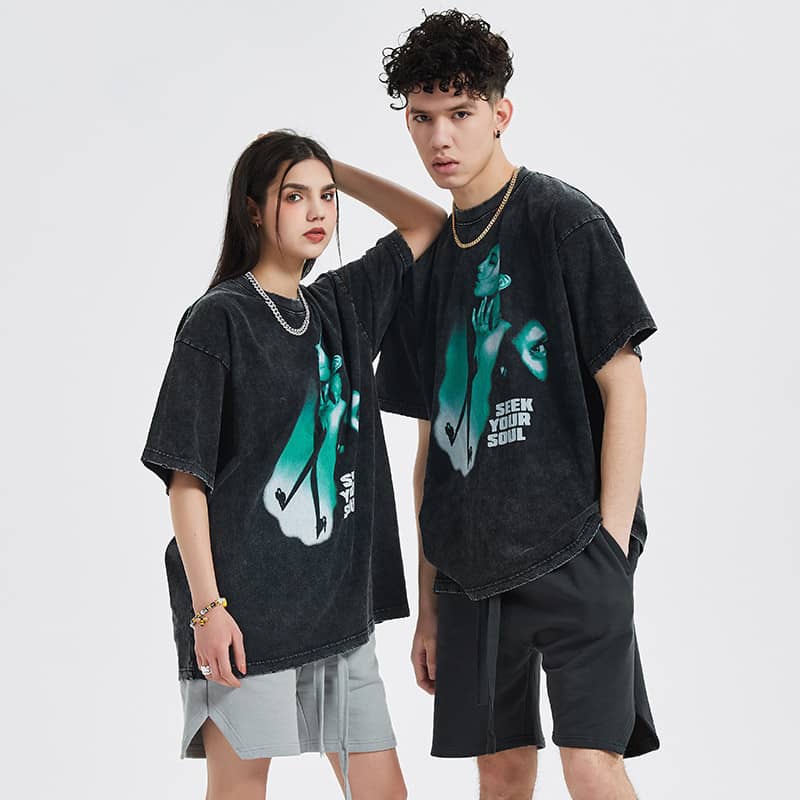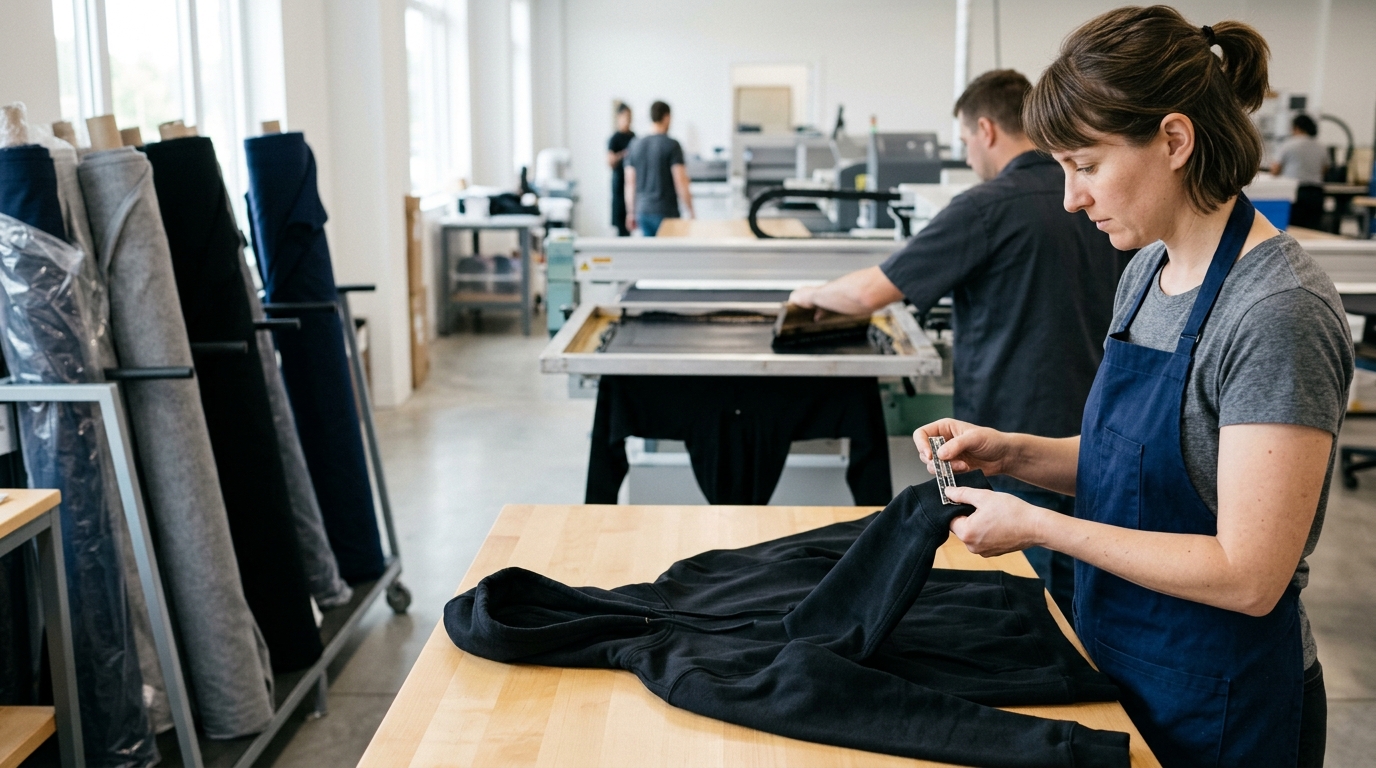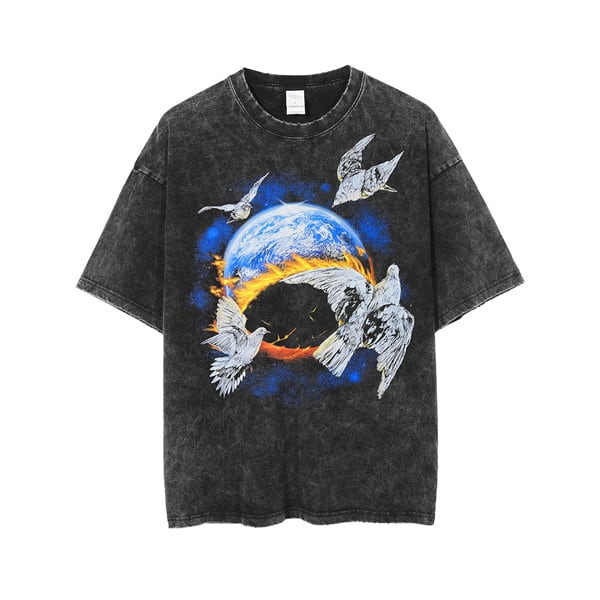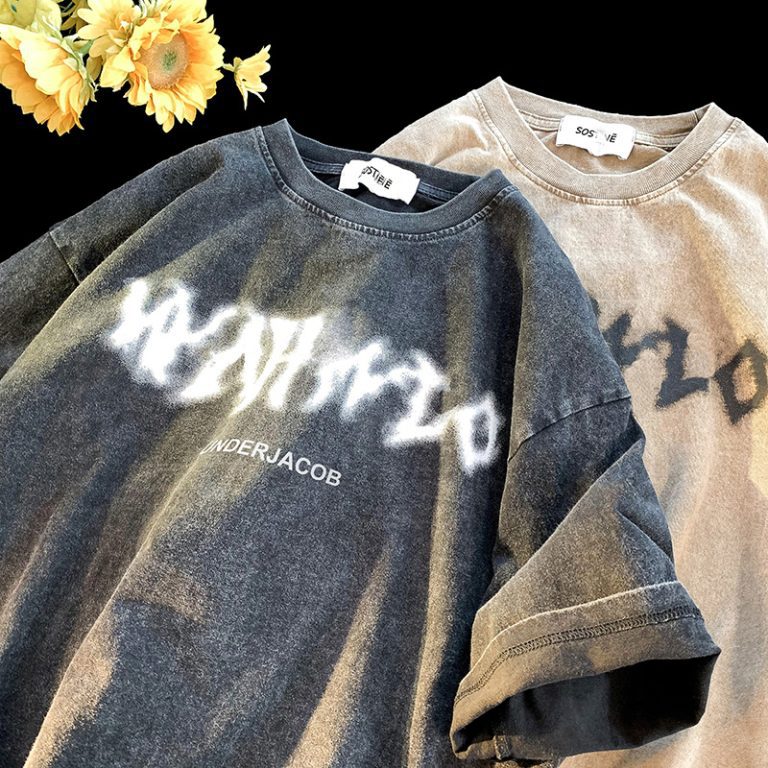
In streetwear, texture rules. Flat prints are being replaced by designs you can see and feel. This is where the custom puff print hoodie shines. It adds a bold, 3D look that makes any design pop. This method can turn a basic hoodie into a high-value piece for your clothing brand.
This guide is your complete roadmap. We will cover everything you need to know. You’ll learn about creating the perfect design. We’ll talk about production and long-term care. You will learn how to make standout custom puff print hoodies that your customers will love.
What is Puff Print and Why Is It Trending?
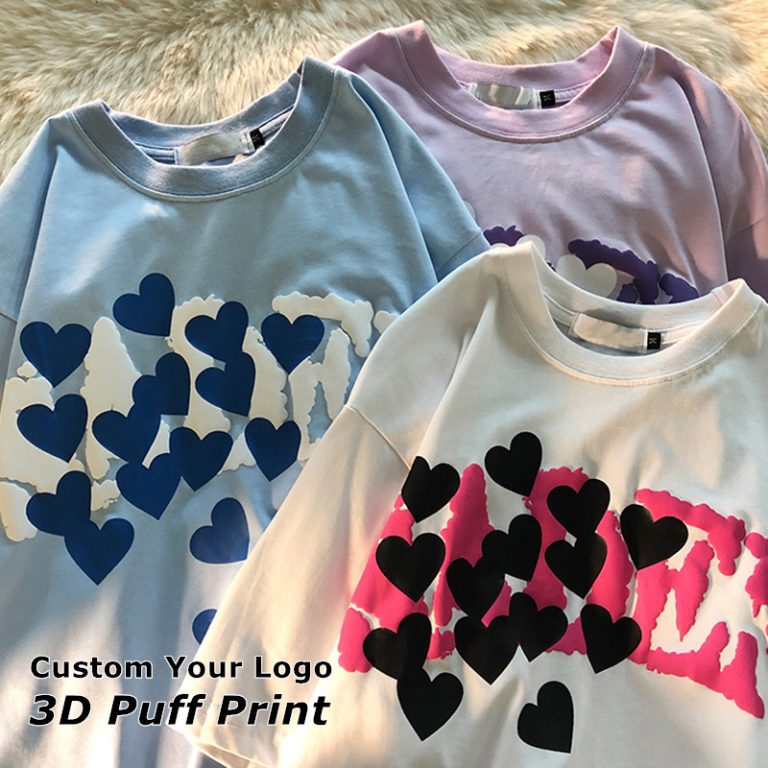
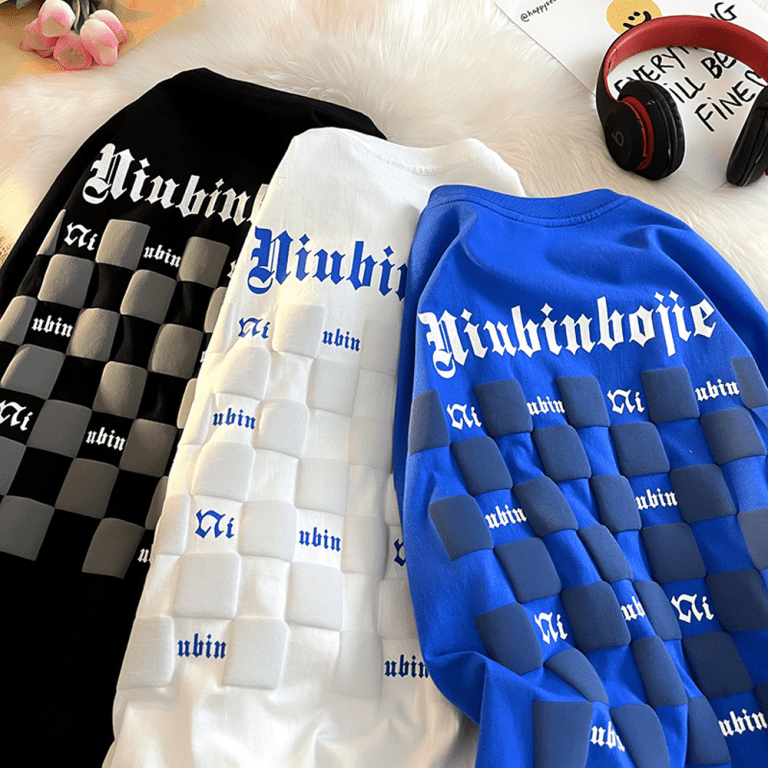
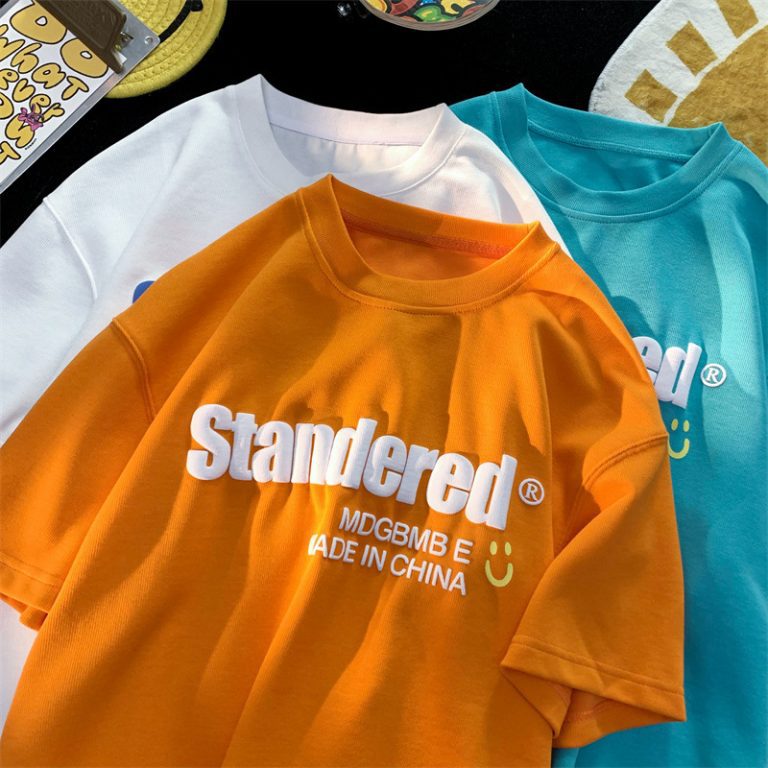
Puff print is a screen printing method that uses special ink. This ink has a heat-activated foaming agent. When the printed shirt goes through a dryer, the ink expands and rises. This creates a raised, 3D texture on the fabric.
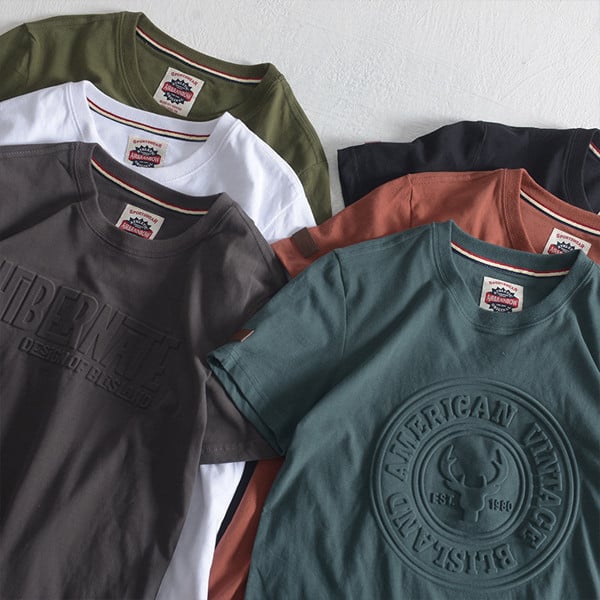
Unlike flat screen printing, which is smooth to touch, puff printing adds depth. This makes designs with a raised look feel more premium and unique.
The trend is driven by a love for bold graphics and 90s style. Streetwear brands and their customers want clothing that makes a statement. The unique, touchable finish of a puff print hoodie does exactly that. It gives a simple logo or design a higher value.
The Art of Designing for Puff Print: A Practical Guide
Creating a great design for a custom puff print hoodie needs a special approach. The expanding ink acts differently than standard ink. Understanding the rules from the start will save you time and prevent costly mistakes. We’ve seen what works and what doesn’t. We’re here to share that knowledge.
The Golden Rules for Puff Print Design
To get a clean, sharp puff effect, your design must follow some key rules. These are not suggestions. They are technical needs for a quality print.
First, pay close attention to line thickness. The ink needs enough surface area to expand properly. We recommend lines no thinner than 1-2 points, which is about 0.5mm. The best results for custom puff print hoodies come from lines in the 3-10 point range.
Next, consider negative space. This is the empty space between parts of your design. If your lines or shapes are too close together, the expanding ink can merge. This creates a “blob” effect and ruins the detail. Leave plenty of room for the ink to puff up without touching other parts.
Your font choice is also very important. Bold, simple, or blocky fonts work best. Think of fonts like Helvetica Bold or Arial Black. Avoid thin script fonts or detailed serif fonts like Times New Roman. The fine details in these fonts will get lost when the ink expands.
Finally, keep your design simple. Highly complex details, small text, and photo-like images do not work well with puff ink. The process is designed for bold shapes and text, not fine art.
Design Dos and Don’ts for Custom Puff Print Hoodies
To make things even clearer, we’ve created a simple chart. Use this as a checklist when creating your artwork for a custom puff print hoodie.
| Dos | Don’ts |
|---|---|
| Use bold typography and simple logos. | Use fine lines and intricate details. |
| Design with single-color, distinct shapes. | Use complex gradients or shading. |
| Embrace retro and minimalist styles. | Use very small text. |
| Leave plenty of space between elements. | Overlap puff colors without a flat base layer. |
Inspiration: See It in Action
When done right, a puff print design can be incredibly powerful. A great example of this is a custom Puff Screen Print case study that shows how bold, artistic lettering stands out. The raised texture creates shadows and highlights that make the design dynamic and eye-catching against the fabric.
Choosing Your Canvas: Why the Hoodie Itself Matters
The best print in the world can be let down by a poor-quality garment. The hoodie you choose is the foundation for your design. Its weight, fabric, and color all play a role in the final quality of your custom puff print hoodies.
Fabric Weight and Composition
Puff print works best on heavier fabrics. A sturdy material provides a stable base for the ink to rise without warping the garment. We recommend heavyweight fleece for the best results. Look for fabric weights in the 380gsm to 500gsm range. “GSM” means grams per square meter and is a measure of fabric density.
The fabric blend is also key. A high-cotton content is ideal. Blends like 80% cotton and 20% polyester offer the best of both worlds. The cotton provides a soft, stable surface for printing. The polyester adds durability and helps the hoodie keep its shape.
Hoodie Styles and Colors
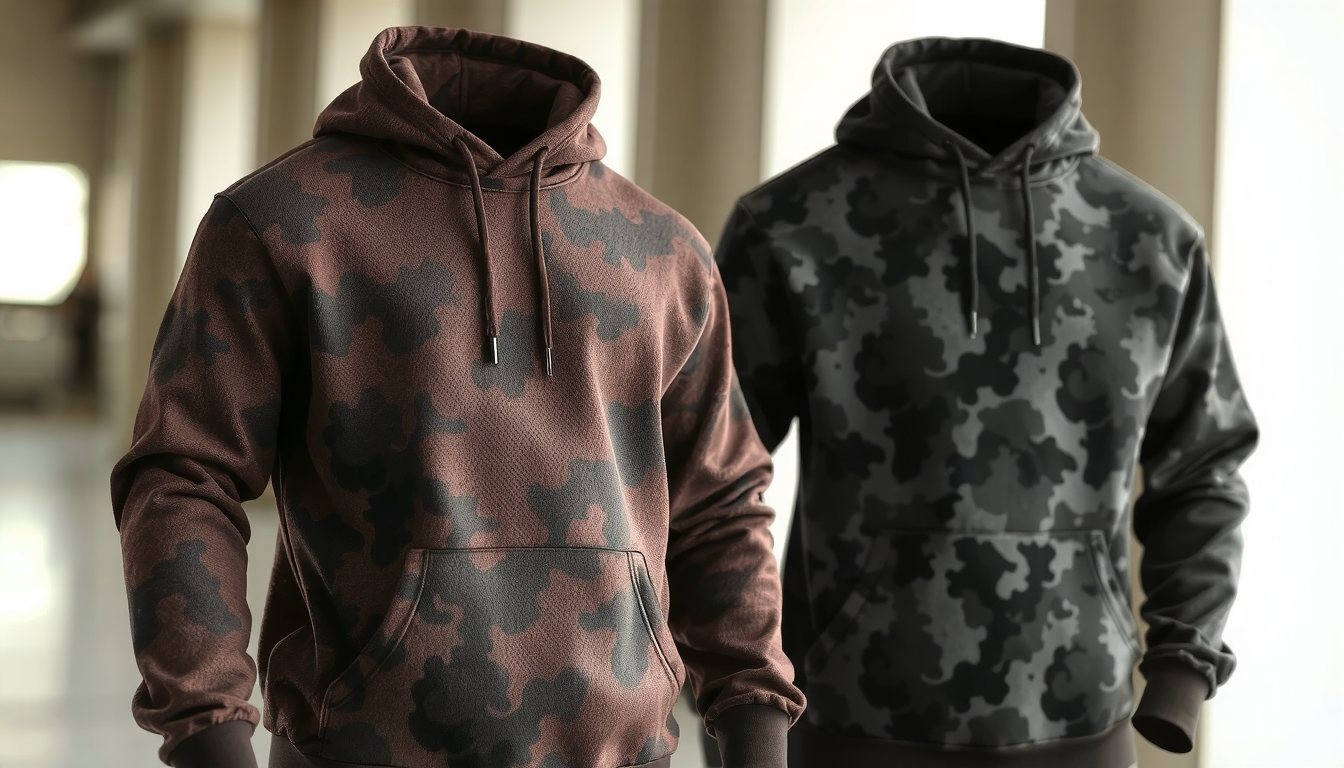
The style and color of the hoodie impact how your design is seen. High-contrast colors make a puff print pop. For example, a white puff print on a black or navy hoodie creates a very strong visual.
As a dedicated custom hoodie manufacturer, we help brands source the perfect garment. Whether you need a classic pullover or a zip-up, we can find a hoodie that meets your quality standards and makes your design look its best.
Your Roadmap: The Custom Puff Print Hoodie Process Step-by-Step
Moving from a design idea to a finished product can seem complex. We’ve broken down the production process into five clear steps. This roadmap will help you understand what to expect when creating your custom puff print hoodies.
Step 1: Finalize Your Design & Tech Pack
First, you need a print-ready design. This means your artwork should be in a vector file format, like .AI or .EPS. Vector files can be scaled to any size without losing quality. You should also create a tech pack. This is a simple document that specifies the design’s size, placement on the hoodie, and exact colors using Pantone codes.
Step 2: Consultation and Quoting
Next, you will submit your design and tech pack to your manufacturing partner. We review the files to ensure they are suitable for puff printing. The price quote will depend on a few factors. These include order quantity, the number of print locations, and the quality of the hoodie you choose.
Step 3: The Sampling Phase
This is a critical quality control step. Before starting the full production run, we create a physical sample. This allows you to see and feel the puff print effect in person. You can approve the colors, placement, and overall quality. Never skip this step.
Step 4: Full Production & Quality Control
Once you approve the sample, we begin the main production run. Our team carefully prints each hoodie. We ensure the puff ink is applied and cured correctly for a consistent result. We perform quality checks throughout the process to maintain high standards.
Step 5: Finishing and Delivery
The final step involves adding any finishing touches. This can include custom neck labels, hang tags, or branded packaging. Once everything is complete and has passed a final inspection, your custom puff print hoodies are packed and shipped to you.
For those just getting started, building a solid brand foundation is key. Our guide on how to start a brand offers valuable insights before you even reach the production stage.
How to Care for Your Custom Puff Print Hoodies to Ensure Longevity
A quality puff print is durable, but it needs proper care to last. High heat is the biggest enemy of puff print. Based on our years of testing, we provide these simple instructions to our clients and their customers to protect their investment.
Follow these rules to keep your print looking great for years:
- Washing: Always turn the hoodie inside out before washing. Use cold water and select a gentle cycle on your machine.
- Detergent: Use a mild detergent. Avoid fabric softeners, bleach, and other harsh chemicals that can damage the ink.
- Drying: For the best results, hang the hoodie to air dry. If you must use a machine, tumble dry on the lowest possible heat setting. High heat can cause the puff print to crack, melt, or peel.
- Ironing: Never iron directly on the puff print design. If the hoodie is wrinkled, iron it from the inside out on a low setting. Carefully avoid the printed area.
Finding the Right Partner for Your Vision
Choosing the right manufacturer is the most important decision you’ll make. A good partner will guide you through the process and ensure a high-quality result. A bad one can lead to wasted money and a poor product.
Look for a company with specific experience in puff printing. Ask to see their portfolio. A good partner should also offer reasonable minimum order quantities for new brands and communicate clearly.
At TZ Streetwear, we are built on these principles. We work closely with brands to turn their creative vision for custom puff print hoodies into a reality.
Frequently Asked Questions
What is the minimum order quantity for custom puff print hoodies?
This varies by manufacturer. For high-quality custom work, minimum orders often begin around 50-100 pieces per design. This quantity allows for the proper machine setup and ink calibration needed to achieve a consistent, professional puff effect across the entire batch.
Can you use multiple colors in a puff print design?
Yes, but it adds complexity and cost. Each color requires its own screen and a separate application. For multi-color puff designs, it is vital that the artwork has clear separation between colors. This prevents them from expanding and bleeding into each other during the heating process.
How long does a puff print last?
A professionally applied puff print is very durable. When cared for correctly, it should last for the life of the garment. Following the care instructions will prevent the print from cracking or peeling. This means washing inside out in cold water and using low or no heat to dry.
Is puff print more expensive than regular screen printing?
Yes, puff printing is typically more expensive. The specialty ink costs more than standard ink. The process also requires more care and precision during heat curing. The final textured product has a higher perceived value, which is reflected in the cost.
Can puff print be applied to any part of the hoodie?
Puff print works best on flat, smooth areas like the chest, back, and sleeves. We do not recommend printing over seams, zippers, or the edges of pockets. An uneven surface will disrupt the print and prevent the ink from puffing up correctly. This leads to a flawed result.