We all have moments when we wonder how we could have chosen better. You get yourself a fresh hoodie only to find out that after wearing it a few times, it has either shrunk or faded. You see that it has been attacked by small, unsightly fabric balls. It eventually loses its perfect shape and the soft feel that you loved when you bought it.
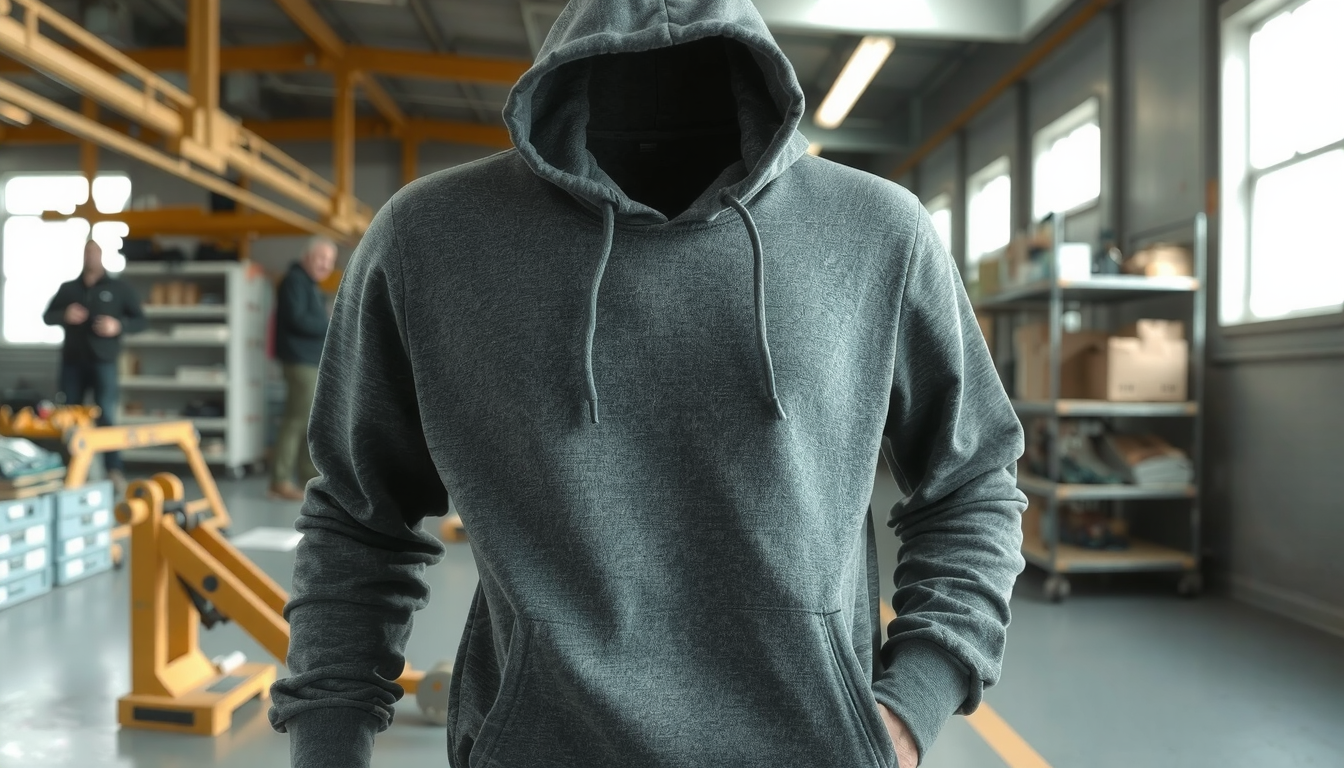
A true high quality hoodie is an investment. It is not just the price tag or brand name. It stands for the great fabric, the strong stitching, and the durability that the article has.
This guide will teach you the tips to find, select, or even create a high quality hoodie. You will be proud to wear it for years to come.
Breaking Down Quality: The 4 Parts of a Great Hoodie
To find the best hoodie, it is essential to know what you are looking for. Quality has four crucial aspects: fabric, build, fit, and small details. Master these, and advertisements will no longer fool you. You can then distinguish a well-made piece from the rest.
Part 1: The Fabric – Weight, Weave, and Material
The fabric is the core of a hoodie. Its weight and material determine the comfort you will get from it. It will also decide how the piece hangs and its longevity.
A valuable reference will be the GSM. That is, Grams per Square Meter. This measures the density and weight of the fabric. Thus, a higher GSM count means a heavier, stronger fabric.
- Light (<300 GSM): Ideal for layering or warm weather.
- Medium (300-400 GSM): The best all-around option. It combines warmth and shape in a good ratio. Thus, it fits well as a year-round high quality hoodie.
- Heavy (400+ GSM): Provides the most warmth and a rich, strong feel. You may find this in high-end and exclusive streetwear hoodies.
The material that you choose is also paramount. When it comes to a high quality hoodie, you will mostly find cotton or a cotton blend.
- 100% Cotton: It is the ultimate comfort and breathability option. This material comes in two main weaves: French Terry and Fleece. French Terry is the one with loops inside for a tight feel but great for layering. Fleece is exactly the opposite as it looks soft, brushed, and warm, especially in winter.
- Cotton/Polyester Blends: Blending with polyester makes it more durable and wrinkle-free. However, lower-grade blends can be less breathable. Furthermore, they are more prone to pilling over time.

There are also exceptional options like organic cotton or recycled fabrics. These help the environment while still providing quality.
| Fabric Type | Best For | Feel | Strength |
|---|---|---|---|
| French Terry Cotton | 3-season wear, layering | Firm, looped interior | High |
| Fleece-Back Cotton | Cold weather, coziness | Soft, brushed interior | Good (can pill) |
| Cotton/Poly Blend | Athleisure, budget-friendly | Varies, often soft | Very High |
Part 2: The Build – Stitching and Seams
Good fabric is wasted if it’s not combined with strong stitching. The stitching is what keeps the whole garment together. It is a sure sign of a premium high quality hoodie.
What to look out for here is wide, precise, and durable stitching. High-end brands make use of flatlock and overlock seams. These are strong seams that lay flat against the fabric. They prevent rubbing, which lengthens the hoodie’s lifespan.
From my experience with wearables, a simple test you can do is to slightly tug at the seams on the shoulder and sides. They must feel robust. Gaps and threads that are coming loose are a big no. If the stitching looks thin or weak, the hoodie is not worth it.
Part 3: The Fit & Cut – More Than Just Size
Fit means more than just “small” or “large.” The cut of the hoodie determines how it sits on your body. The most common styles are the standard, oversized to look relaxed, or cropped to look modern.
Look out for smart build details. Drop-shouldered styles have the shoulder seam sewn in lower on the arm, which creates a relaxed fit. Side panels or gussets are extra pieces of fabric sewn into the sides which offer more room for movement and a better fit. All these details indicate that the piece is better made.
Part 4: The Details – Hardware and Finishing
Little things can make a significant difference. Those finishing touches are what separate a simple hoodie from a high quality hoodie.

- Drawstrings: Look for drawstrings with tipped ends, either metal or plastic. Simple knotted ends show cost-cutting.
- Eyelets: The holes for the drawstrings should be backed with rings made of metal, not just simple stitched holes that can fray.
- Cuffs & Hem: The ribbed cuffs and bottom hem should be thick and stretchy. They should go back to their former shape when stretched.
- Hood: A premium feature is the double-lined hood. This gives the hood some weight and shape, so it will stay in place on your back instead of laying flat.
How to Spot a High Quality Hoodie: Your Pre-Buy Checklist
Now that you have understood the theory, it is time for practice. Use this checklist to check any hoodie, whether you are physically shopping at the store or online. This straightforward process will help you in making a smart decision.
In-Store Check Checklist
- The Feel Test: Start with the fabric. Does it feel thick, dense, and soft? Or is it flimsy and slightly rough on your skin? A good hoodie has a nice weight to it.
- The Stretch Test: Gently pull on the ribbed cuffs and the bottom hem. Do they stretch easily and then snap right back? If they feel loose or stay stretched out, they will lose their shape quickly.
- The Seam Check: Turn the hoodie inside out. Are the seams tidy and clean? Look for the strong stitching we talked about earlier. Loose threads should not be present.
- The Hardware Check: In case there is a zipper, it ought to be a sturdy metal one (like from YKK). Verify that the eyelets are made of metal and are firmly attached.
Online Shopping Detective Work
- Read the Product Info: Do not simply skim through it. Search for words that signal quality, like “100% Cotton,” “French Terry,” “400 GSM,” or “flatlock seams.” Brands that invest in these features are proud to mention them.
- Zoom in on Photos: Use the zoom function on product images. Observe the fabric texture carefully. Is the weave visible? Look at the stitching around the pocket, hood, and shoulders.
- Scan Customer Reviews for Quality Clues: Stay away from generic comments like “nice hoodie.” Focus on reviews that provide specific information. Terms like “heavyweight,” “holds its shape,” “soft cotton,” and “no pilling” are a clear indication of quality. On the other hand, watch out for negative remarks about “pilling” or “shrinking.”
- Check Expert Views: Often, a high quality hoodie is tested and reviewed over time. It is wise to have a look at what others have to say, as pointed out in expert reviews by publications like GQ. They often provide insights into long-term durability.
Are Expensive Hoodies Worth It? Price vs. Value Study
A popular question is whether a high-cost hoodie necessarily means it is of high quality. The answer to this question is not simple. Price is often associated with quality, but that is not the only factor.
What You Get at Different Price Points
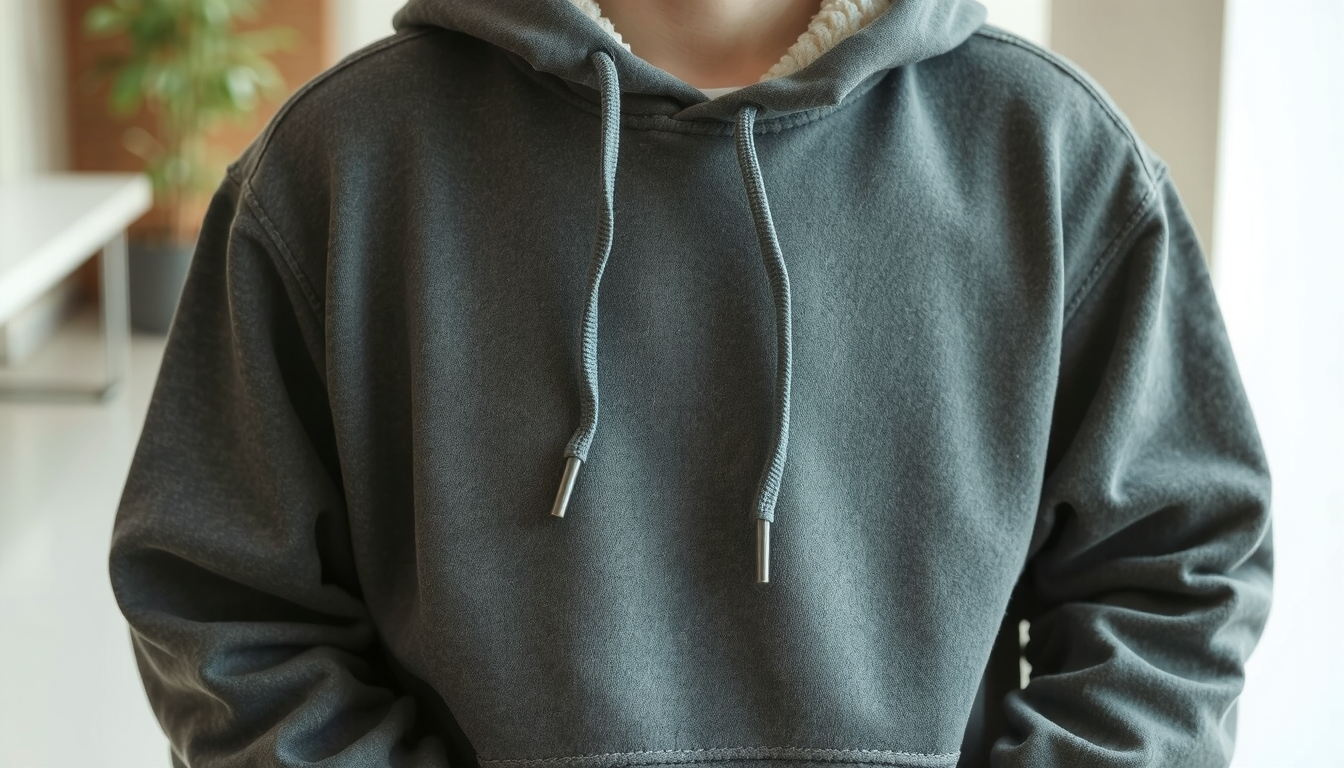
- Budget (<$50): Hoodies in this range are mostly made from thinner cotton/poly blends and the build is basic. They can do just fine for a short time, but they aren’t as durable or premium-feeling as the more expensive counterparts.
- Mid-Range ($50-$150): This is the sweet spot for finding an excellent high quality hoodie. In this range, you can expect heavyweight 100% cotton fabrics, better construction, and better fits. Many direct-to-consumer and popular hoodie brands deliver great value here.
- Luxury (>$150): At this price point, you are buying a lot more than just garment quality. The cost includes the designer’s name, unique and fashion-forward cuts, premium materials like cashmere blends, and the brand’s reputation.
The Verdict: Invest in Value, Not Just a Price Tag
A high price does not always mean high quality, but an extremely low price very often means some tradeoff was made somewhere. The key is to use the knowledge from this guide. By checking the fabric, build, and details, you can find a fantastic hoodie that offers true value at any price.
From Consumer to Creator: Getting Your Own High Quality Hoodies
For owners of small clothing lines, moving from purchasing to making high-quality clothing is a very significant step. By following these quality rules, you can build a brand that customers trust.
Key Steps for Your Brand
- Set Your Standard: Use the “Parts of Quality” as your guide. Decide on your target fabric weight (GSM), material, and build details. This becomes the blueprint for your product.
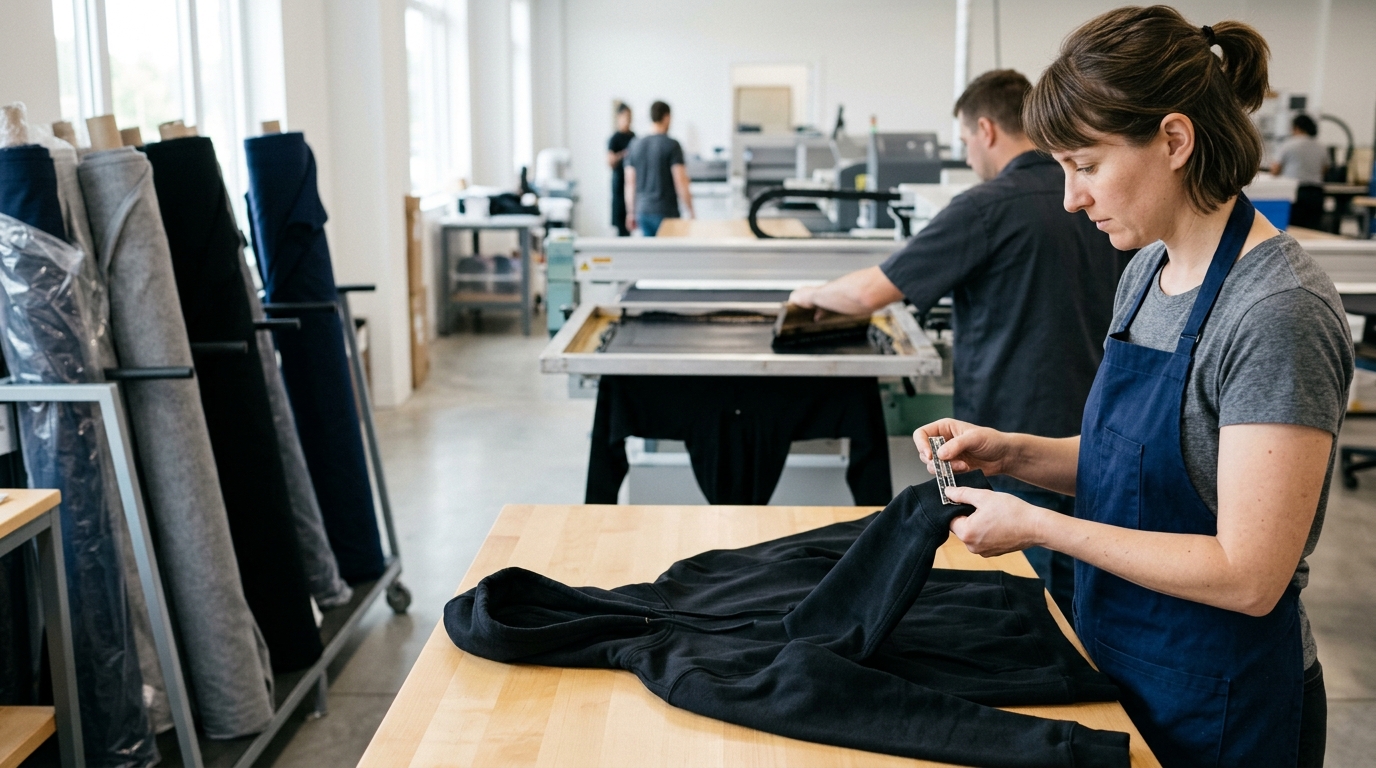
- Find the Right Partner: Do not just look for any supplier. You need an expert. Working with a specialized custom hoodie manufacturer is critical. A good partner will help you source the right fabrics and use the best techniques to achieve a premium feel.
- Request Samples: Never commit to a full production run without seeing a physical sample first. Once you have it, use the “In-Store Check Checklist” to judge your own product with a critical eye.
- Think Beyond the Hoodie: Consistency is key to brand trust. Once you set a high bar for your hoodies, apply that same standard across your entire product line. A comprehensive partner like TZ Streetwear understands the details of streetwear. They can help you maintain quality, even as you expand to work with reputable t-shirt manufacturers for other items. The goal is to create high-quality custom hoodies that build a loyal following and are proven to stand the test of time.
Conclusion: Your Perfect Hoodie Awaits
A truly high quality hoodie is more than just a piece of clothing. It is a reliable companion. Its value is measured in years of comfortable wear, not in the logo stitched on its chest. The secret is knowing that real quality lies in the fabric, the build, and the details.
You now have the expert knowledge to look past the hype. You can identify a garment that is built to last. You can tell the difference between a great hoodie and an okay one.
Go forth and find (or create) the hoodie you will never want to take off.
Frequently Asked Questions (FAQ)
1. What is the best GSM for a high quality hoodie?
There is no single “best” GSM. It depends on your needs. For a versatile, year-round hoodie, look for a medium-weight fabric between 300-400 GSM. For maximum warmth and a premium, solid feel, a heavyweight hoodie over 400 GSM is ideal.
2. Will a 100% cotton hoodie shrink?
Yes, 100% cotton hoodies can shrink, especially if washed in hot water or dried on high heat. Many high-quality hoodies are “pre-shrunk” to reduce this. For best results, always wash your hoodie in cold water and either tumble dry on low or hang it to dry.
3. How can I stop my hoodie from pilling?
Pilling is caused by friction on fabrics with shorter fibers, which is common in some polyester blends. To prevent it, wash your hoodie inside out on a gentle cycle and avoid washing it with rough items like jeans. Choosing a hoodie made from high-quality, long-staple cotton or French Terry also greatly reduces pilling.
4. Is “French Terry” or “Fleece” better for a hoodie?
It comes down to personal choice. French Terry has loops on the inside that are breathable and help manage moisture, which makes it great for layering and three-season wear. Fleece is brushed on the inside to be soft and plush, which traps heat and makes it cozier for cold weather.
5. Are hoodies from well-known sportswear brands always high quality?
Not necessarily. While major brands have excellent premium lines, they also sell entry-level products made with more basic materials. Instead of trusting the brand name alone, use the checklist in this guide to judge the specific hoodie’s fabric and build. A high quality hoodie from any brand will have the features we have discussed.