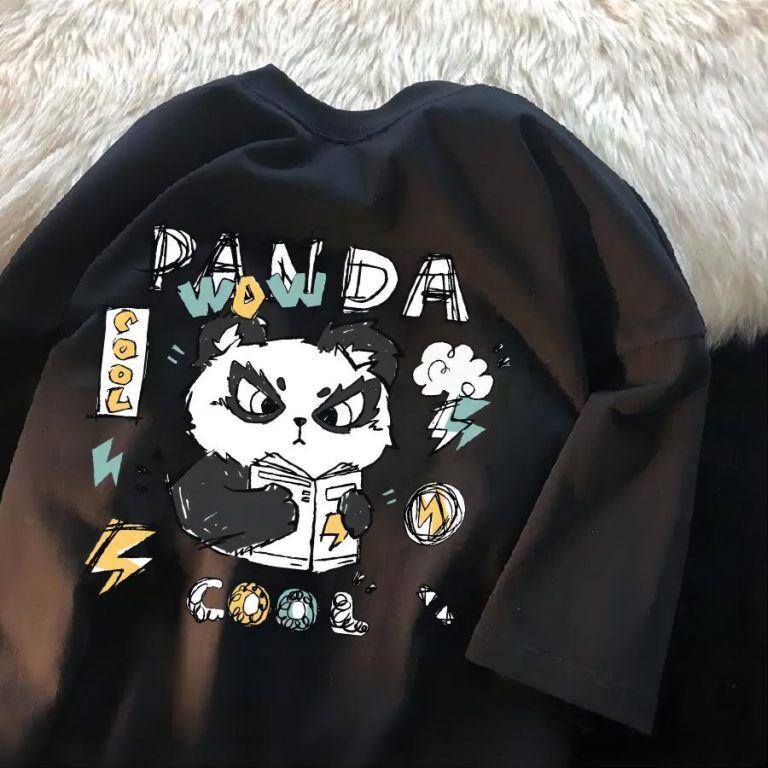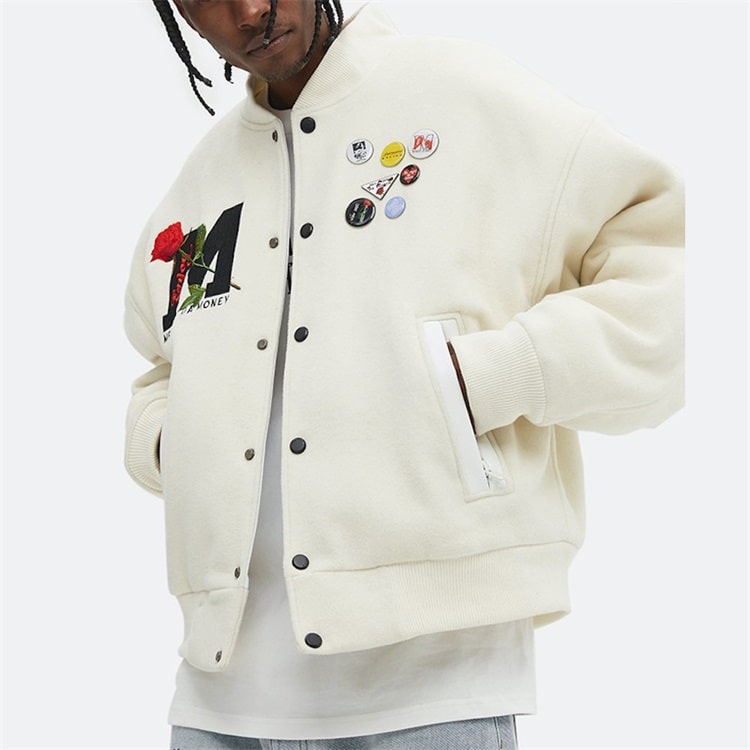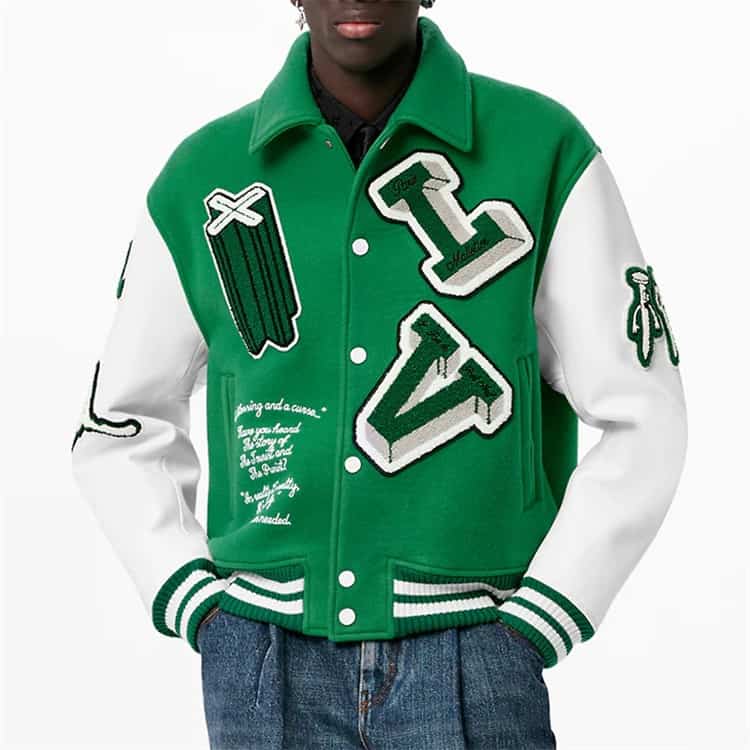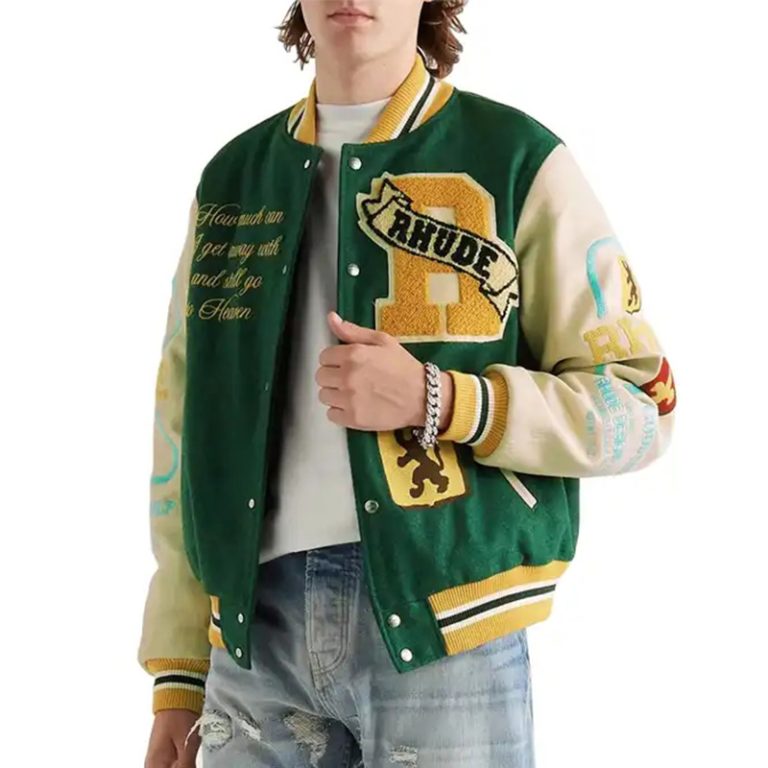
The clothes you make truly depend on the choice of the fitting production partner. This choice also determines your capability of expansion. Your whole business stands on the foundation of a great manufacturer.
This write-up is a step-by-step guide that will leave no doubts in your mind. You will find out how to seek, check, and keep contacts with excellent wholesale clothing suppliers.
A reliable partner will be a buffer to protect your brand’s reputation. Take the case of TZ Streetwear which provides all the necessary services. Besides offering quality products, they help you grow too. The primary task of finding a clothing maker is a big step in your journey to success.
Understanding the Landscape: Types of Wholesale Clothing Suppliers
Before you go searching, you should know the suppliers that are available. Each of them has different tasks. When you know this it will be easier for you to find the one that fits your business needs best.
Full-Package Production (FPP) vs. Cut, Make, Trim (CMT) Manufacturers
- Full-Package Production (FPP): These wholesale clothing suppliers offer everything you need. They source the fabric, make the patterns, create the samples, and deal with the entire production. So this is an excellent solution for a brand that is just starting and needs a lot of assistance.
- Cut, Make, Trim (CMT): In CMT, you provide the fabric, patterns, and designs. The manufacturer just cuts the fabric, stitches it together, and adds trims like buttons and zippers. This model gives you more control over fabrics, but it means you have to do more work.
Wholesale Distributors & Stockists
These dealers buy blank garments in bulk and sell them to other businesses. They do not produce clothes. They are appropriate if your main business is printing or adding designs. By purchasing their blank clothes such as t-shirts, hoodies, and hats, you could apply your designs to them. SanMar is a case in point as it stocks popular brands such as Nike and Carhartt.
Online Wholesale Marketplaces
Websites that are usually populated by numerous sellers and a route to purchasing items. They are frequently centered on certain styles, such as fast-fashion or boutique clothing. These sites act as a medium for fashionable, ready-to-sell finished products that are easily accessed.
If you have a boutique, sites such as Tasha Apparel can help you find the trendy items that fit your store. It is a great site for you to order a variety of styles rapidly.
Private Label vs. Custom Manufacturing
Private label refers to taking a ready product and only branding it with your own label. This is a quick way when you try to start a product line. Custom manufacturing is the process where you create a one-of-a-kind product with a manufacturer from the very first step. It takes longer and requires planning; nevertheless, it gives you a unique piece.
【Unique Value Point】 The Ultimate Vetting Checklist: 7 Steps to Choosing a Reliable Manufacturer
Choosing a great partner is not only about reading reviews online. This checklist will serve as a guide for you to choose a reliable wholesale clothing manufacturer and avoid costly mistakes.
Step 1: Verify Their Specialization
Ensure the manufacturer you are considering is into your clothing type more than anything else. If you plan on producing high-end streetwear, a factory whose main activity is making dresses is a wrong choice. Make use of their previous projects and client’s data. Identify it with your brand’s design.
Step 2: Clarify MOQs (Minimum Order Quantities)
MOQ is the least possible number of items you can order. Our experience shows that this is a significant issue with young brands. So, it is critical to check if the manufacturer’s MOQ conforms to your budget and your sales target. Never order too much and get the products stuck at your inventory.
Step 3: Always Request and Evaluate Samples
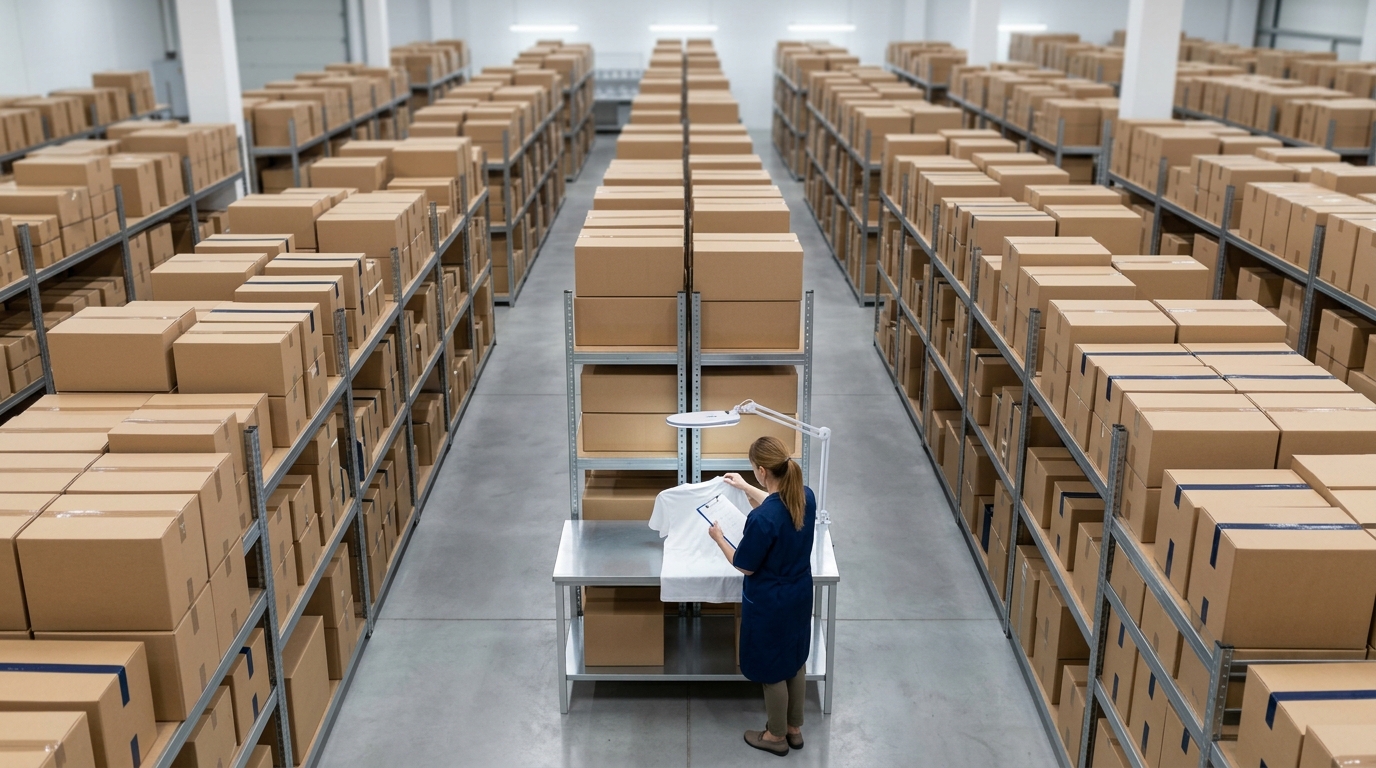
This is the one step you should never underestimate. A sample is the only way to see the real fabric quality, stitching, and overall build. Photos on the internet can be misleading. The only way you can truly assess the quality of a potential clothing producer is to have the actual product physically.
Step 4: Get a Transparent Cost Breakdown
Ask them about the unit price you will pay for each item. It should list the sample charges, shipping, and other possible additional costs. Brands getting caught out later by fees they did not realize were to come is one of the most common pitfalls we see. An honest partner will relate all costs openly at the very beginning.
Step 5: Test Their Communication and Responsiveness
Take note of their dialogue at the first appointment. Do they respond promptly? Are their answers clear and helpful? Poor communication now often means big problems during production.
Step 6: Inquire About Production Lead Times
Request a credible timeline. Be in the knowing of the time needed for the samples to be ready and for the full production run. This will help you plan your launch and marketing. Wholesale clothing manufacturers that are good will provide you with a concrete timetable.
Step 7: Look for Social Proof and Past Client Work
Look for proof of what they have done before. Check testimonials from their customers, case studies, or examples of brands they have partnered with. This will help to persuade you that they have a long time of having done it right and can also do it for you.
Domestic vs. Overseas Manufacturing: Making the Strategic Choice
The decision between local and offshore manufacturers is a great one. Each option has a set of clear pros and cons. The path you take will depend on what your brand values the most in the first place, is it cost, speed, or quality of the product?
The Case for Domestic Wholesale Clothing Manufacturers
Collaborating with a local clothing manufacturer mostly leads to less shipping time and more effective communication. A visit to the factory for quality checks is more convenient. Here you also get stronger design protection.
The Case for Overseas Wholesale Clothing Manufacturers
The key merit of the overseas option is the lower cost. You can often get a much lower price per item. Many international vendors like Wholesale7 use their network of Asian factories to offer very low prices.
| Factor | Domestic Manufacturing | Overseas Manufacturing |
|---|---|---|
| Unit Cost | Higher | Lower |
| Shipping Time | Faster (days) | Slower (weeks) |
| Communication | Easier (same time zone) | More difficult (time differences) |
| Quality Control | Easier to visit and inspect | Harder to manage from afar |
| IP Protection | Stronger legal protection | Higher risk |
| Minimum Orders | Often lower | Generally higher |
Bringing Your Vision to Life: The Custom Apparel Process
To make apparel that is genuinely yours, it is a must to implement the custom manufacturing process. Becoming familiar with these steps will help you express your dreams to the production partner with ease.
From Tech Pack to Final Product: A Step-by-Step Overview
The journey of custom clothing usually follows these key stages. First is design and tech pack production. Next is fabric discovery, in addition to sampling. Bulk production happens after your OK on the sample. The last step is a quality control inspection before the goods get shipped.
Customizing Core Products for Your Brand
T-shirts and hoodies often are the core of several brands. Picking the best quality for these basic items means a lot because it simply creates an impression on the entire collection. It is essential to work with the tech gurus.
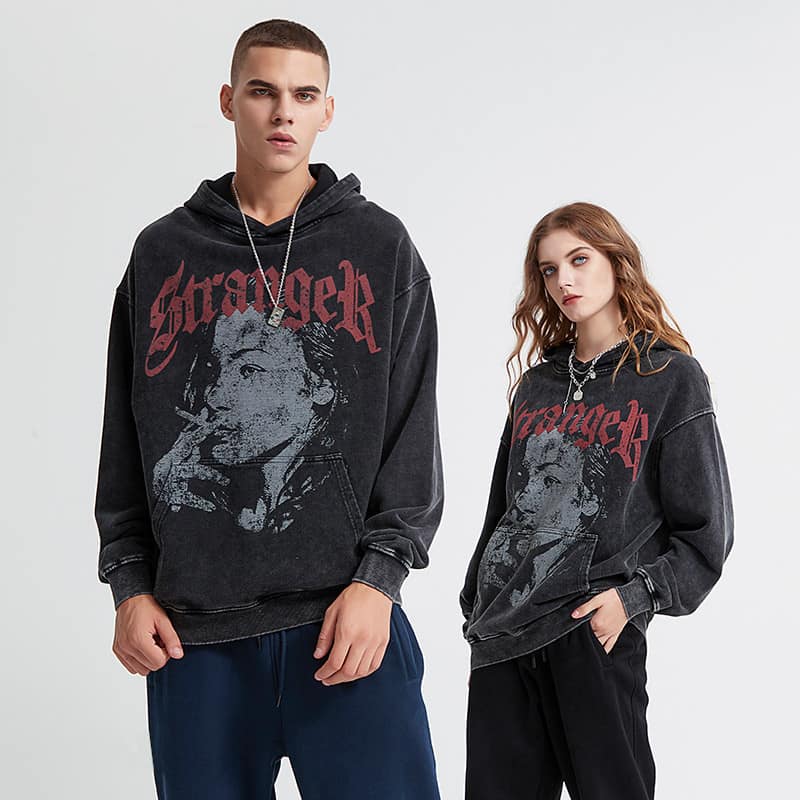
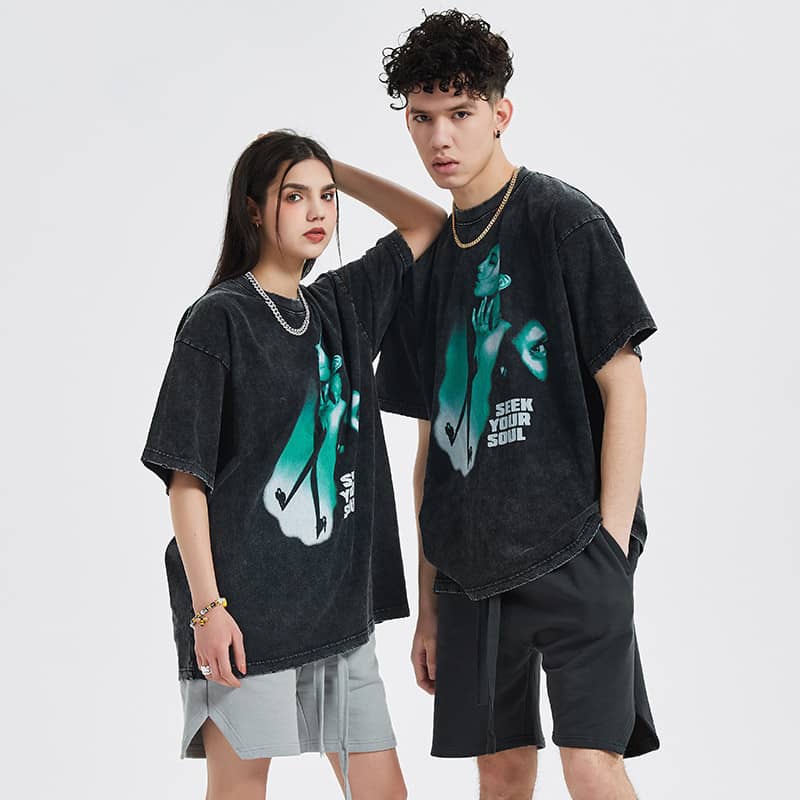
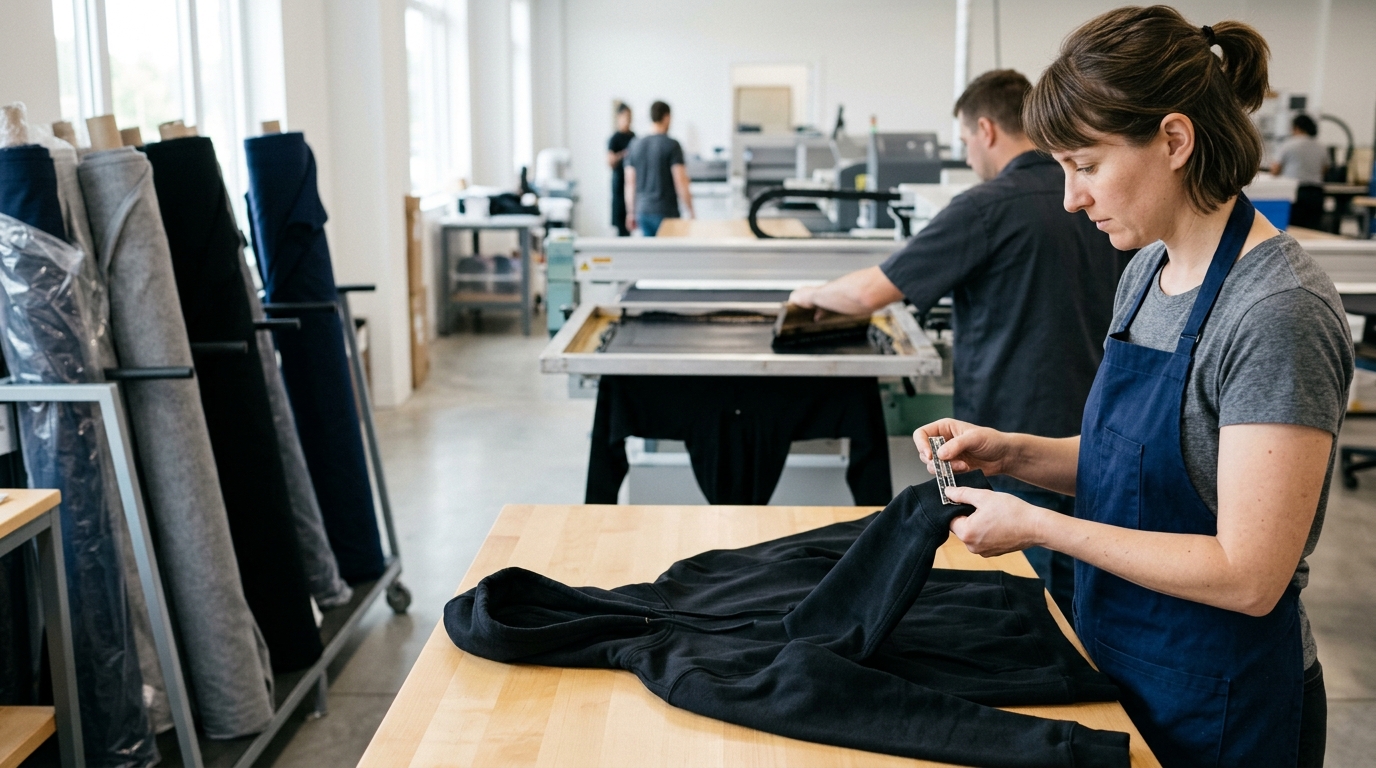
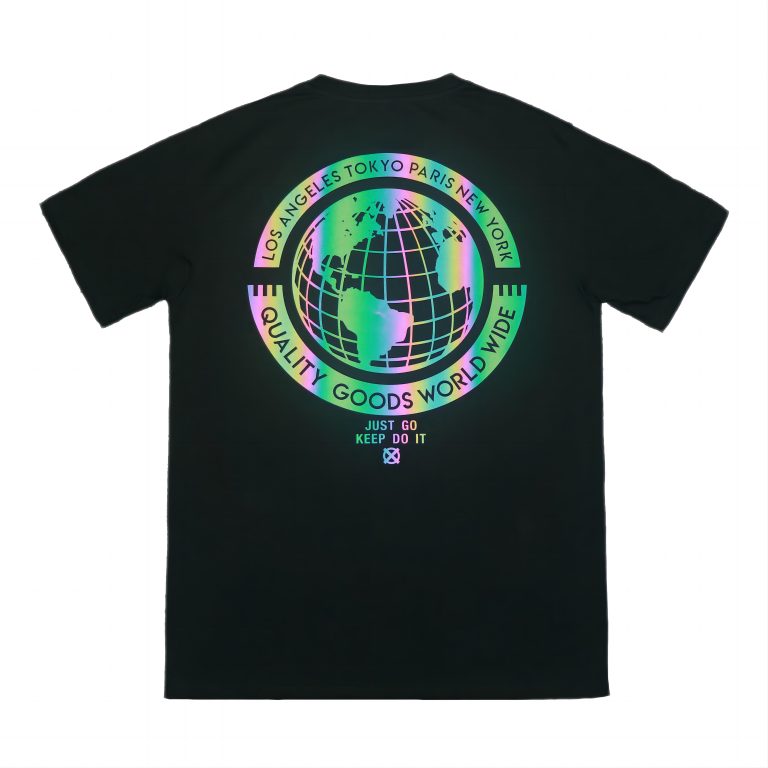
To illustrate, the perfect hoodie calls for special skills. A dedicated custom hoodie manufacturer can help you with the choice of the right fabric, the weight, the fit, and custom details like eyelets, drawstrings, etc. T-shirts are just as true. Professional T-shirt manufacturers advise you on selecting the fabric type to use, the printing method to apply, and so on to achieve a top-notch product.
Frequently Asked Questions (FAQ) about Wholesale Clothing Manufacturers
What is a “tech pack” and do I really need one?
A tech pack is a document that is highly detailed and acts as a blueprint for a piece of clothing. It includes everything from the dimensions to the materials and colors to the method of stitching. For custom manufacturing, it is one of the most useful tools since it guarantees the product is made in the correct way and that you avoid costly mistakes.
How do I protect my designs when working with a manufacturer?
You can use a Non-Disclosure Agreement (NDA) to legally protect your ideas. It is also crucial to work with reputable wholesale clothing manufacturers who have a proven track record. Registering your designs or brand trademarks gives another layer of legal protection.
Can I find wholesalers of clothing without a minimum order (MOQ)?
It is not common for true custom manufacturers to offer no MOQ due to their setup of bulk production. However, many wholesale distributors, print-on-demand services, and a number of small-batch factories serve startups with very low or no minimums.
What is the main difference between a manufacturer and a wholesaler?
A manufacturer is a facility where the process of actually making the garments happens. A wholesaler is one that purchases the finished items in bulk from the manufacturer and afterward sells them in lesser amounts to retailers. Some entities do both actions.
How much does it cost to start a clothing line with a manufacturer?
The cost ranges significantly from project to project. The degree of complexity in your design, the quantity of items ordered (MOQ), and the manufacturer that you choose are the variables in this case. A basic project could be a few thousand dollars, while a more niche collection could reach tens of thousands. The first step is to contact a few potential partners for your designs to get precise quotes.