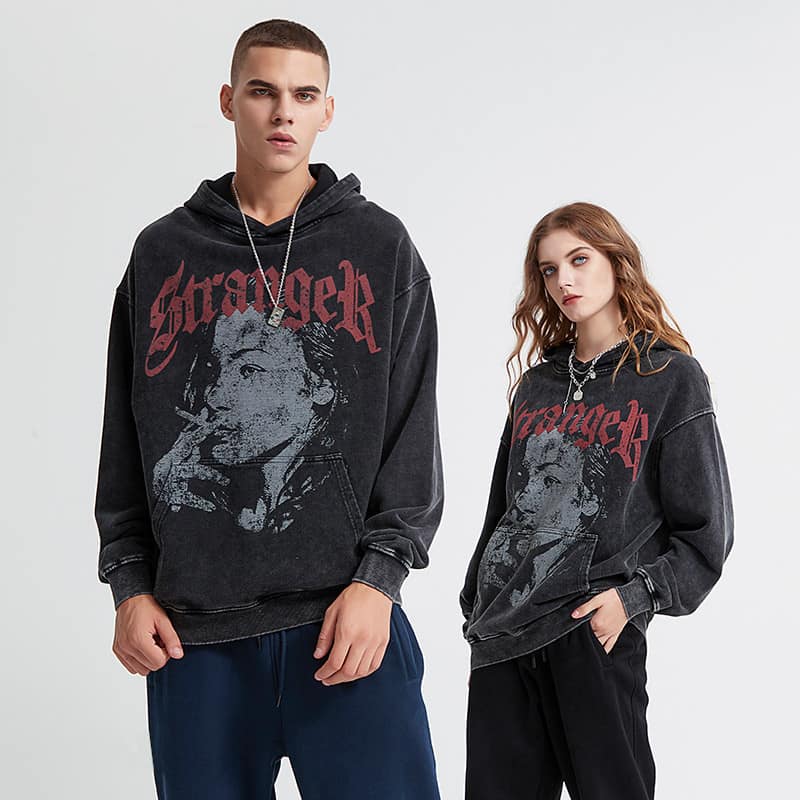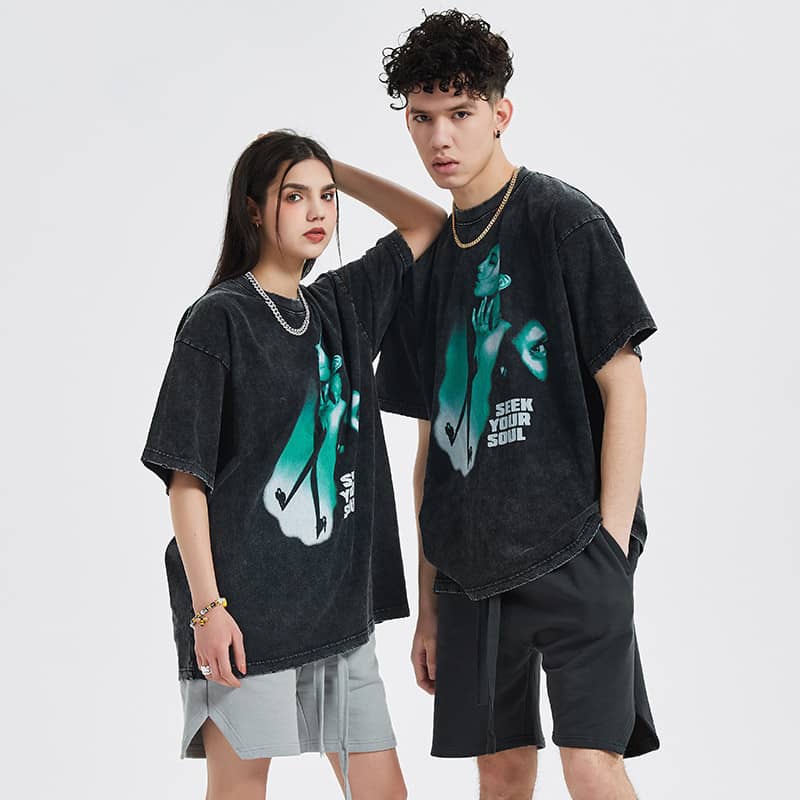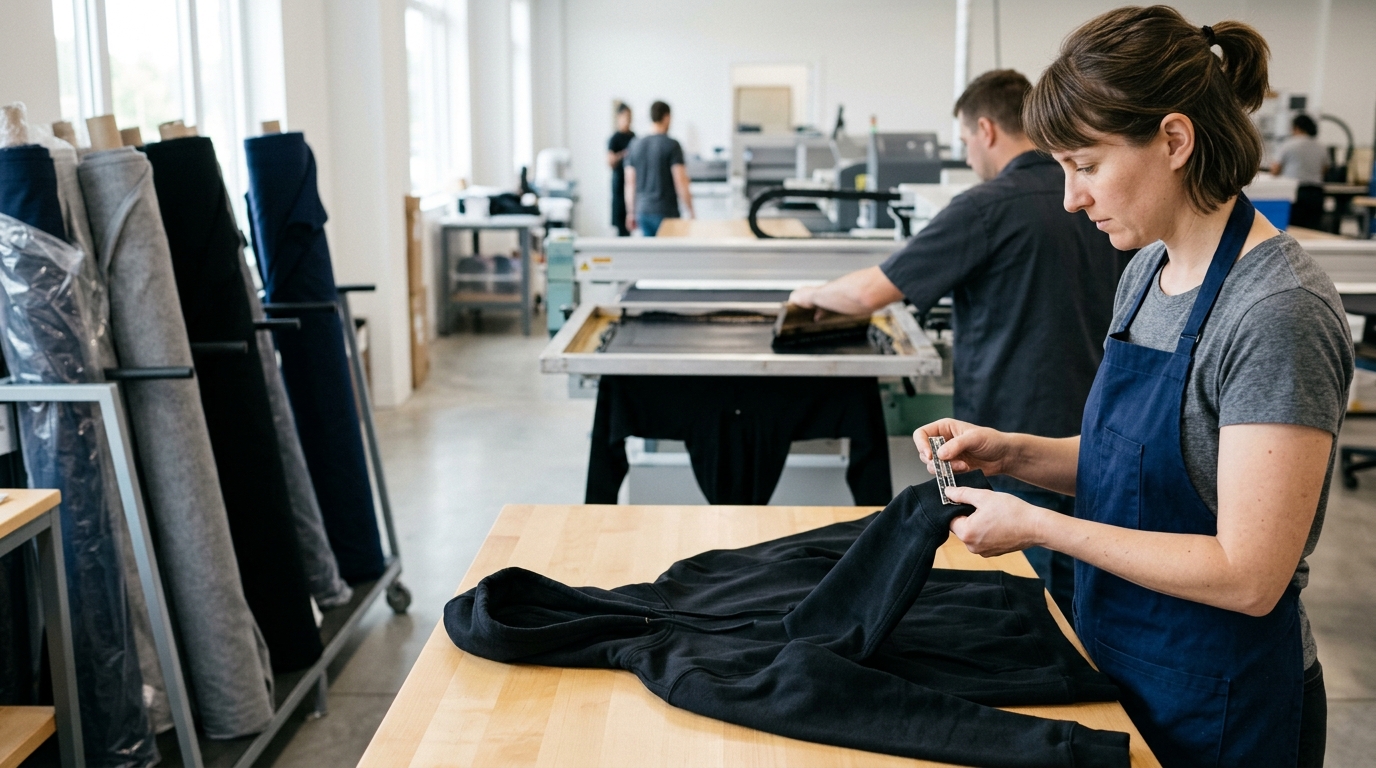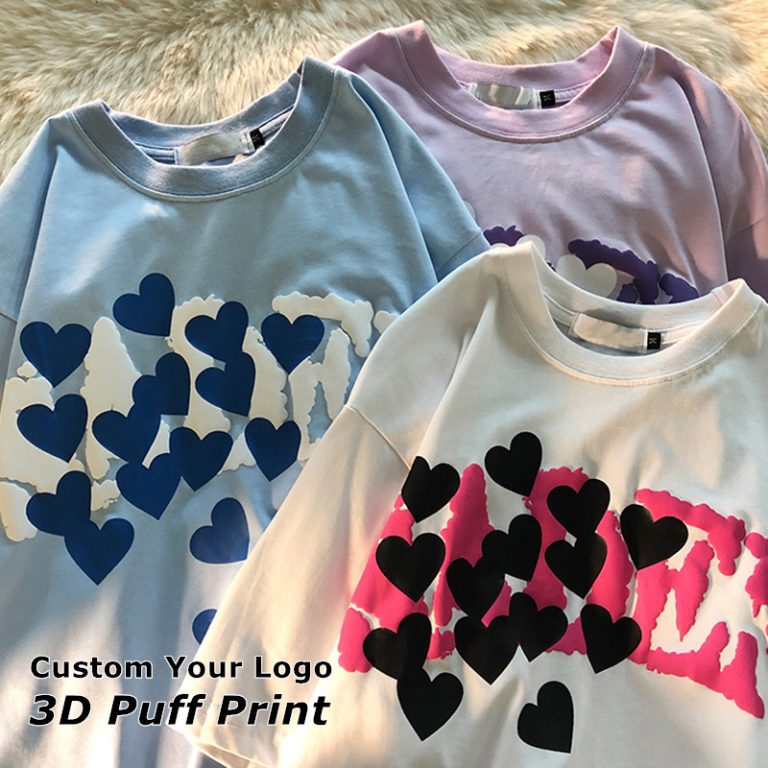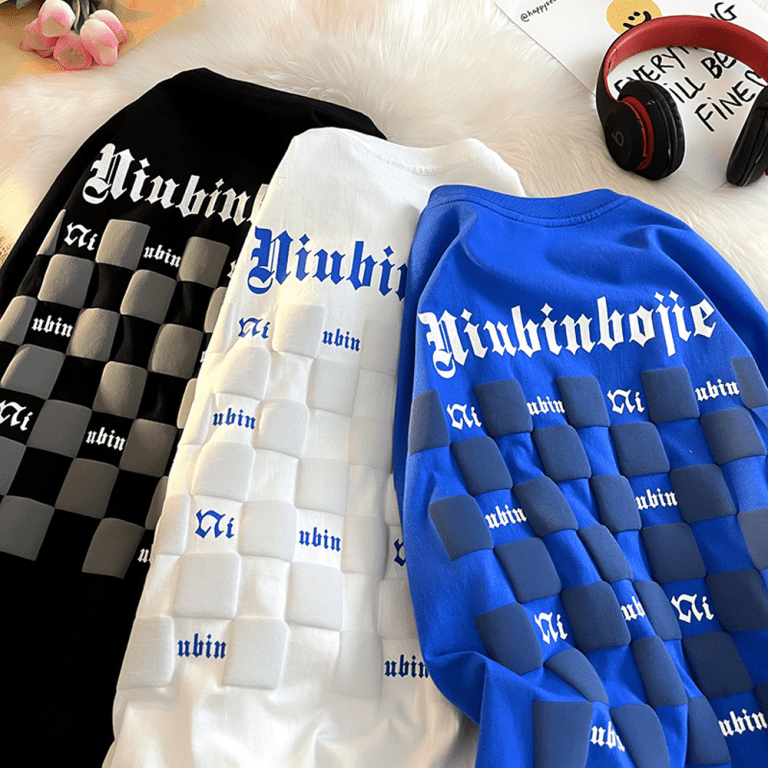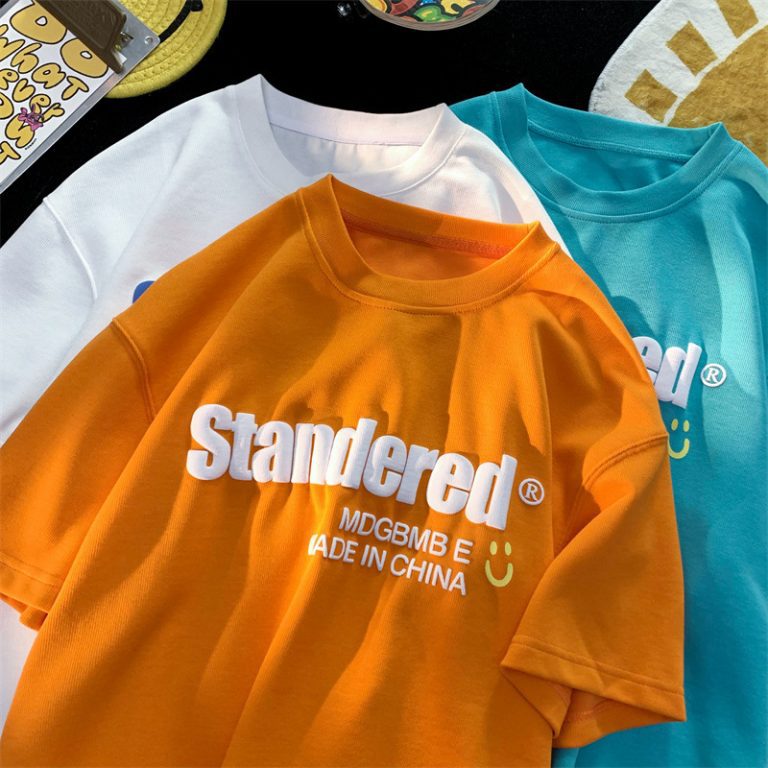
Are you looking for “cloth printing near me”? You’re in the right place at the right time. People always search for cloth printing service for different reasons. You may intend to order custom t-shirts for a family reunion. You may also want to have clothes with your logo printed for your small business. Or perhaps you need a gift for a friend that is different from anything else he or she has.
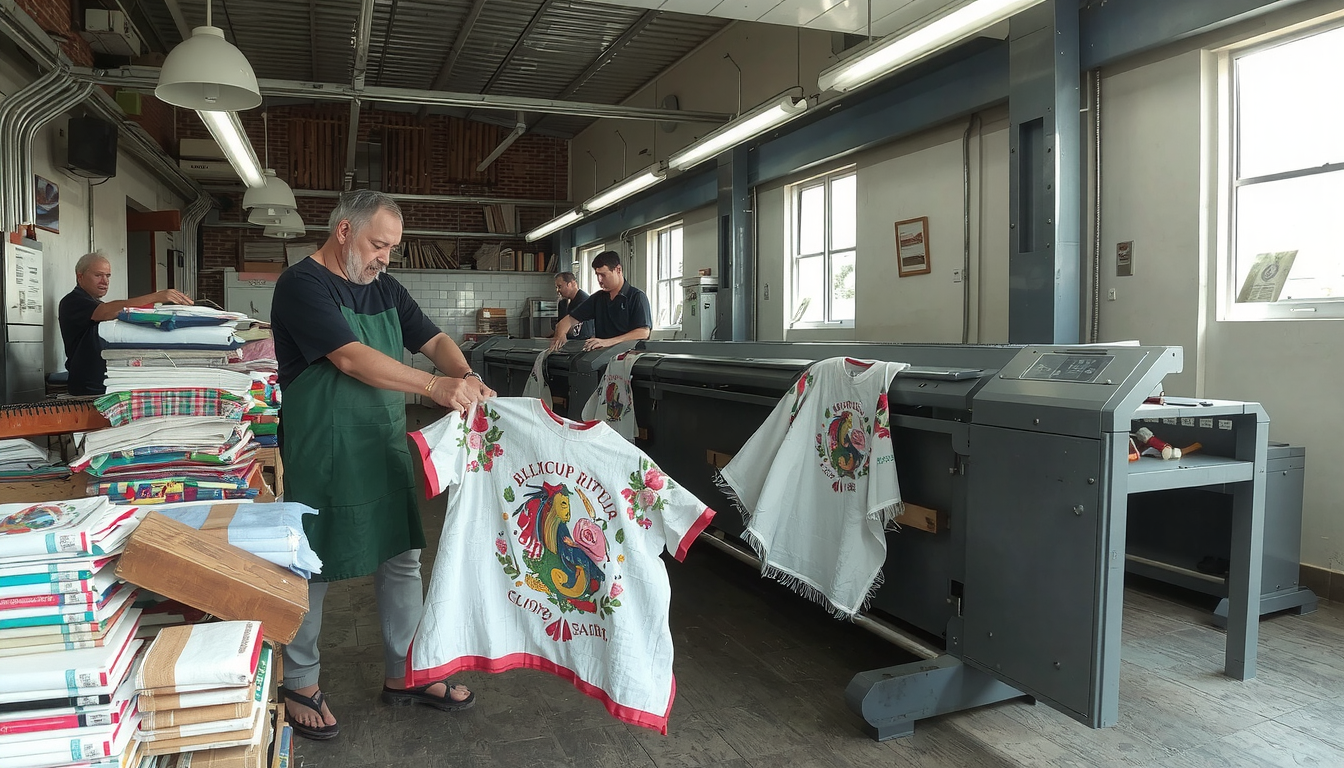
To obtain a good service can be quite a challenge. There are various possibilities. You can adopt either a local or an online printer. The guide that you are going to read will be a light to your decision. The decision to be taken is to select the most suitable printer for your project. In the booming custom clothing industry, we, at TZ Streetwear are here for you. We will guide you through the required steps. We will make sure that you will have the print on the garment correctly every time.
Before You Search: Key Project Questions
Before you go looking for a printer, take a moment. The first thing to do is to set your project. There are not many simple questions to answer. As a result, you will save time and you will get the best response. This way you will be able to discuss better with the print shop.
What is Your Fabric?
You should first think about the type of fabric. Is it pure cotton, polyester, or a mix? Various printing techniques work considerably better when applied to particular types of fabrics. Informing your printing service about the fabric type will help them quote correctly and deliver the quality you expect.
What is Your Quantity?
How many you need is a determining factor. Are you to print just 1 t-shirt of your own design? Or do you need 25 items to give out to your football team? Or even more for an event, say, 200? The total number of items will mainly determine the price. Additionally, this fact will dictate the most efficient printing method.
What is Your Design’s Complexity?
Consider your design first. Is it just text in one color and no one else can add more colors? Or is it a print with a lot of colors and details? Basic designs are usually less expensive and quicker to print. A very colorful and graphic print, on the other hand, could require a different technical method.
What is Your Deadline?
When do you want these printed t-shirts? Is it that you need them by this afternoon? At the end of the week? Or is it something you’ll do on the way to your other plans? An urgent request can limit the facilities. You may end up with local ones that provide custom printing services promptly.
What is Your Budget?
Your budget should be set before initiating the project. Try to be realistic concerning the spend for the whole project as well as the single item price. This analysis will facilitate the process of finding a solution that suits both you and the printer.
Finding Local Cloth Printing: 3 Proven Methods
The first step in finding local cloth printing is to search for “cloth printing near me”. These are the three proven ways where your search can be the best. The three options will result in a list of those print shops you can approach.
1. Master Google Maps & Local Search
The initial step is a simple search on Google requests and maps. Use terms such as “cloth printing near me” or “t-shirt printing”. Then opt for the more detailed ones to make your search a success. Try searching for “screen printing,” “DTG printing,” or “custom embroidery.” This would mean locating those shops that deal with certain procedures. Make an inventory of their reviews, images and business hours.
2. Leverage Local Directories and Review Sites
Using local business directories (Yelp for example) is an excellent way to find local services. You can also read the customer’s feedback there as well. Check whether your town features a directory for local business. You could also join local community groups on Facebook. From there you can ask for recommendations. People are generally very willing to share their experience with local services.
3. Ask for Local Referrals
Word of mouth is a very strong weapon. Ask other small business owners. Ask artists or school groups and see who they use for their beach print jobs. An affectionate endorsement from a friend to a friend is the most trustworthy. Some of the local stores offer their services very fast. For instance, Same Day Custom T-Shirts & Screen Printing in Burleson, Texas is one of the companies that are fast and reliable with services.
Vetting Your Local Printer: A Pre-Order Checklist
Now that you have a list of the local printers, it’s time to choose the best one. Being around in the industry, we know a lot about printers. This checklist can help you go through each shop safely. It will also keep you from the usual problems.
Step 1: The Initial Phone Call
The first chance to reach the shop is a great opportunity to win customers. Use the first few minutes for the key questions that will not only help you decide but can also preclude a waste of time.
- What printing methods do you specialize in?
- Do you have a minimum order quantity?
- What are your standard file requirements for artwork?
- What is your typical turnaround time for a project like mine?
Step 2: The In-Person Visit (If Possible)
If it is possible, visit the print shop on-site. The shop’s space says a lot about their work. Some may even have a clean and organized workspace. This is a good sign that they work with great attention to detail.
Request to see their samples and feel them. What about the prints? The vibrancy of the colors? Is the fabric heavy or light? One of the best ways to check quality is to touch the garments. A lot of people find comfort in seeing the equipment and talking with the workforce.
Step 3: Requesting Samples & Proofs
Get a digital proof before the full order is printed. The digital proof is a computer proposal that verbs your design on the product that you chose. It is handy for proofreading and placement.
For big or complicated projects, consider paying for a sample of the finished product. This means that you get one item with the exact colors and printing quality that you will be using for the full run. You can try this option before you decide to order the full run.
Step 4: Understanding the Full Quote
The quote should be a detailed report that is easy to understand. Specify costs in a detailed way. Every line should be well understood by you. A typical quote would contain:
- The cost of the garment itself (like the t-shirt).
- Setup fees (for creating screens or preparing files).
- The printing cost for each item.
- Any taxes or shipping fees.
Make sure whether any hidden fees apply. A credible printer should be upfront about all the costs right from the start. This is very convenient for you, and later on, you will avoid surprises.
Local vs. Online Cloth Printing: Which Is Right For You?
When you need clothes with printing on them, you have two possibilities to choose from. You may use a local shop or go for an online company. The most convenient choice will entirely depend on the project demands. Let us examine them together for you to better decide.
Online printing services have a wider range of products than local ones. One of these issuers, for instance, Little Cocalico: Dependable Custom Fabric Printing proposes particularly good quality materials. The machines are for both hobbyists and the stores. On the flip side, local printers hire their printing capability and can lend technical help. Same Day T-Shirt Printing in Dallas focuses mainly on community development.
For your ease of comparison refer to the table below:
| Factor | Local Printer | Online Printer |
|---|---|---|
| Speed | More often it is quicker, some retailers providing even same-day services. | Slower because of production queues and shipping time. |
| Cost (Small Orders) | May be pricier as it consists of setup fees. | Mostly cheaper for individual items or small orders. |
| Cost (Bulk Orders) | Strongly competitive then you have the room to negotiate. | Quite competitive as well, but not much scope for negotiation. |
| Fabric/Garment Variety | Generally, a local printer will have a popular item catalog. | Huge selection of item brands, styles, and materials. |
| In-Person Support | You can have a conversation with a real person and have a look at their samples. | Limited to email, chat, or phone support. |
| Proofing/Samples | You can easily get physical samples. | They mostly rely on digital proofs; physical samples cost more. |
A Beginner’s Guide to Cloth Printing Methods
Grasping the regular work of cloth printing equipment helps you in selecting the appropriate service. Every technique is practically different and the processing of fabric for each one is different. We will cover the main techniques using easy language.
Screen Printing
Screen printing uses a stencil, called a screen, to push ink onto fabric. A separate screen is made for each color in the design.
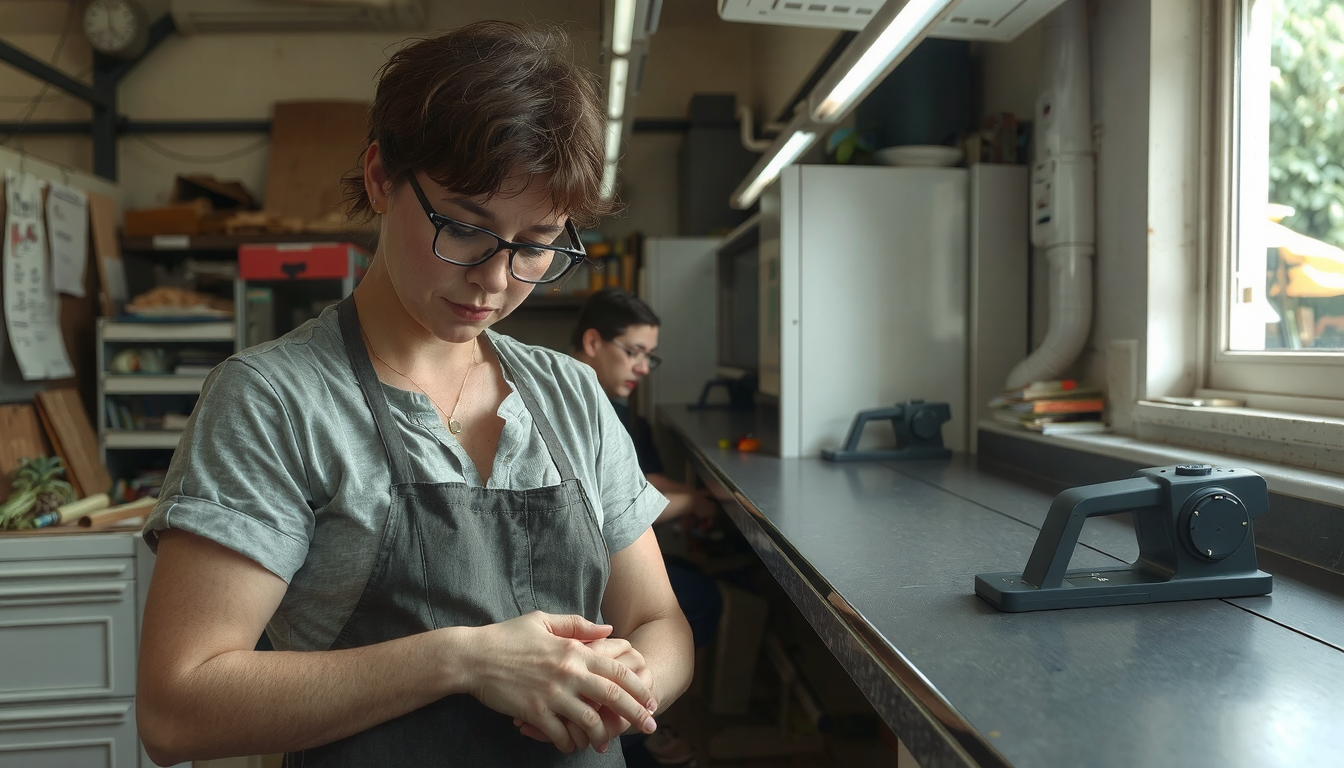
- Best for: Large orders (25+ items), simple designs with 1-4 colors, and getting bright colors on dark shirts.
- How it works: Ink is pushed through a mesh screen onto the cloth. It creates a thick, durable, and vibrant layer of ink.
Direct-to-Garment (DTG)
Direct-to-Garment, or DTG, printing works much like a regular inkjet printer for paper. But it prints directly onto fabric.
- Best for: Small orders, designs with many colors or photos, and detailed artwork.
- How it works: A special printer sprays water-based inks onto the shirt. The ink soaks into the fibers. This creates a soft-feeling print.
Heat Transfer Vinyl (HTV)
Heat Transfer Vinyl, or HTV, involves cutting a design out of colored vinyl. Then you use a heat press to apply it to the garment.
- Best for: Very small orders (1-5 items), simple text or shapes, and adding names and numbers to jerseys.
- How it works: A machine cuts your design from vinyl. The vinyl is then placed on the shirt and pressed with heat. This activates the adhesive on the back.
Dye Sublimation
Sublimation is in general, a transitional form of materials. It applies to the fabric as well. This method is suitable only for polyester or polyester blend fabrics.
- Best for: All-over prints, sportswear, and designs on light-colored polyester garments.
- How it works: The ink is absorbed by the fabric itself and does not sit on the surface. Therefore, the print can not crack or peel and is weightless.
Getting acquainted with these processes is necessary and is a vital building block for creating your own brand. You can read more about the custom apparel processes in the craft introduction featured on our page. They are often used on every kind of clothing, including custom hoodie manufacturing.
Conclusion: Your Next Steps to a Perfect Print
You have finally come to the conclusion of choosing the cloth printing service that suits your needs best. The comprehensive step-by-step guide just provided you with all the information you need. You can tell your project initial step and you can choose where to say it. You now also know how to find a local printer. You can anxiety-free verify the quality of a printer.
Always keep in mind that the best “cloth printing near me” is always that which adheres to your precise project. You might go for the local printer wishing to get faster service or the internet dealer for their variety. In any case, you have gotten practical knowledge now and are able to make a good decision. So go on and put your vision to a reality!
Frequently Asked Questions (FAQ) about Cloth Printing
1. What is the average cost for custom t-shirt printing?
This depends on the printing method employed, quality, and quantity of the t-shirts ordered. To provide a rough idea, for a single shirt printed by DTG one has to pay $20-$30. Yet, when taking a bulk order of t-shirts that are screen-printed, the price can get as low as $7-$15 per t-shirt.
2. Can I bring my own clothes to a print shop?
Some printing services allow this but not all. Those who do, in most cases will have an extra charge for printing on your own clothes, and they won’t be liable for any quality-related issues. Hence, it is always good to make a call and clarify that with the shop.
3. What’s the difference between cloth printing and fabric printing?
These two terms are generally interchangeable. Cloth printing refers to the process of printing finished products such as t-shirts or tote bags. Fabric printing can also refer to printing on raw material sold by the yard or meter.
4. How long does custom cloth printing usually take?
Turnaround times can differ greatly. A company offering “cloth printing near me” could finish simple jobs on the same or next day. The regular time to wait is between 5-10 business days. The timeframe for online printing is often more extended because of production queues and shipping durations.
5. What file format do I need for my design?
The preferred file types are vector files. These include formats such as .AI (Adobe Illustrator), .EPS, and .SVG. They can be resized without the loss of quality. A high-resolution raster file also works well for DTG printing. Use a .PNG with a transparent background at 300 DPI.