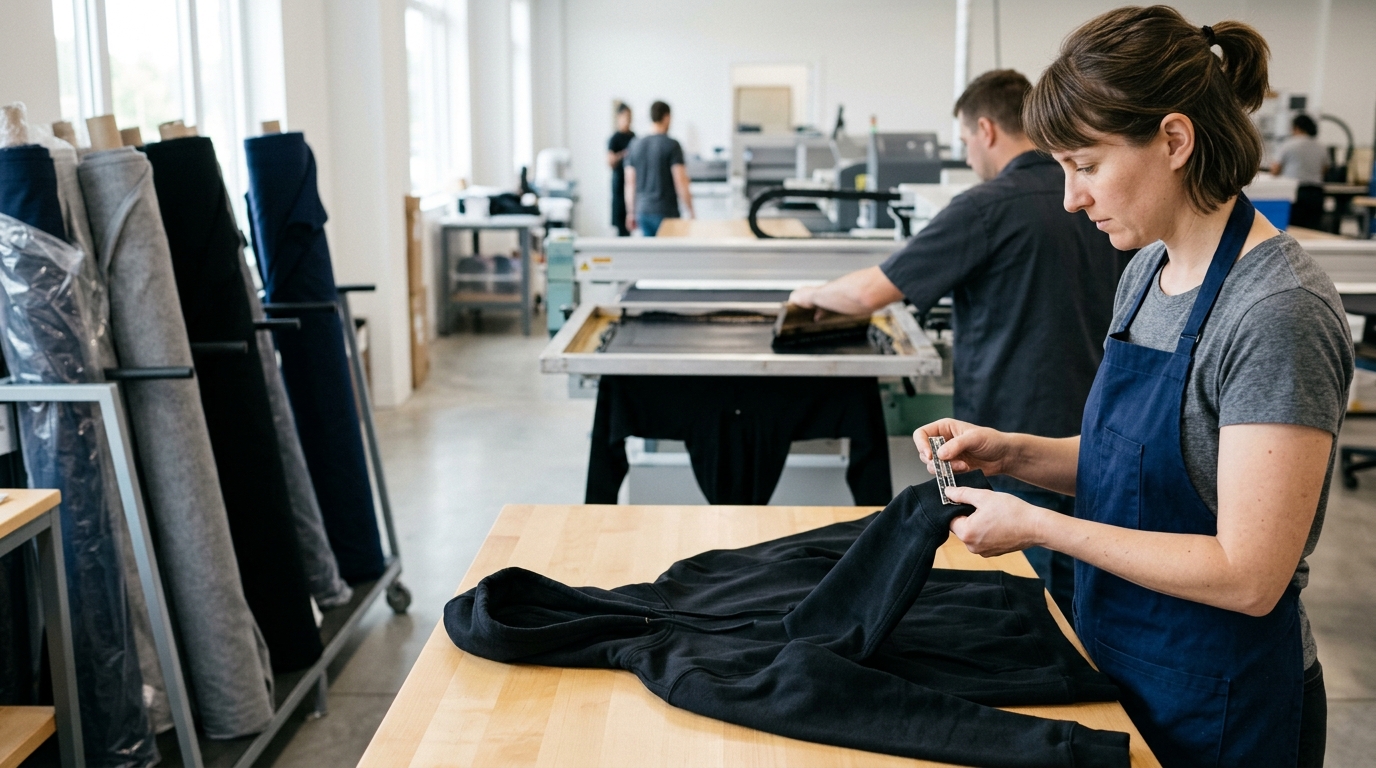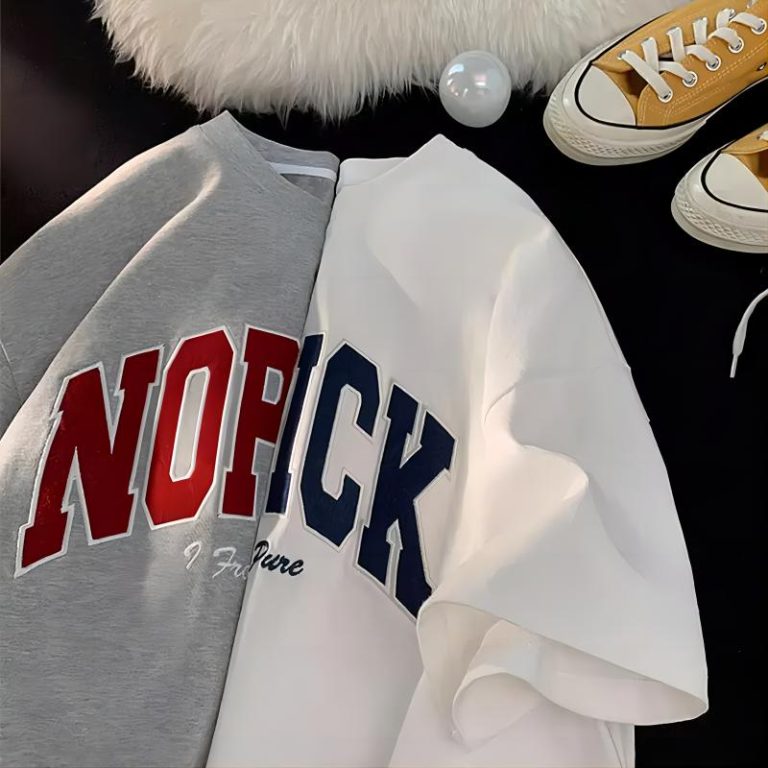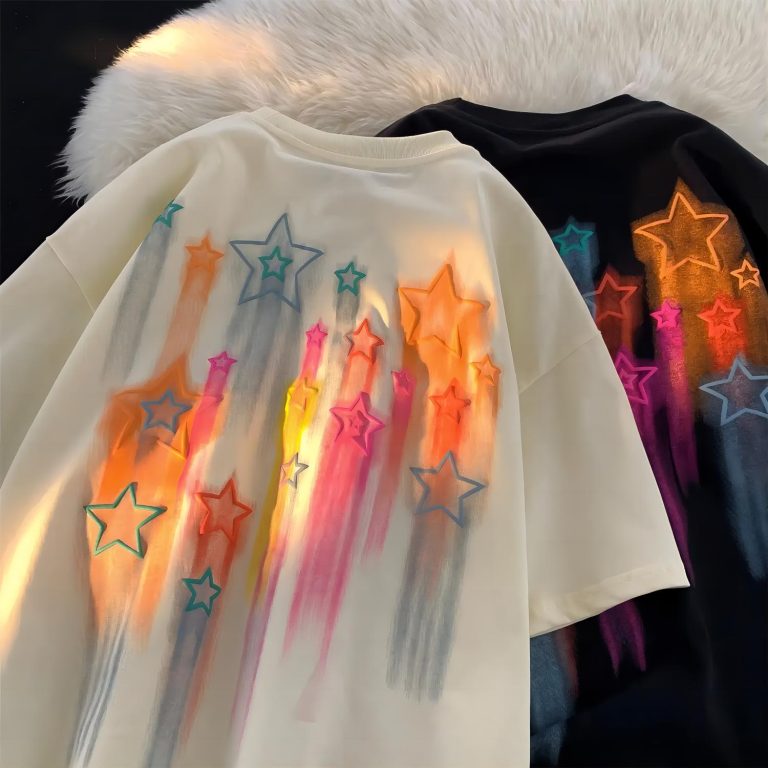
You are looking for “custom printing on clothing near me,” and you have come to the right place. Finding a great local printer is easier than you think. This guide will show you how to do it.
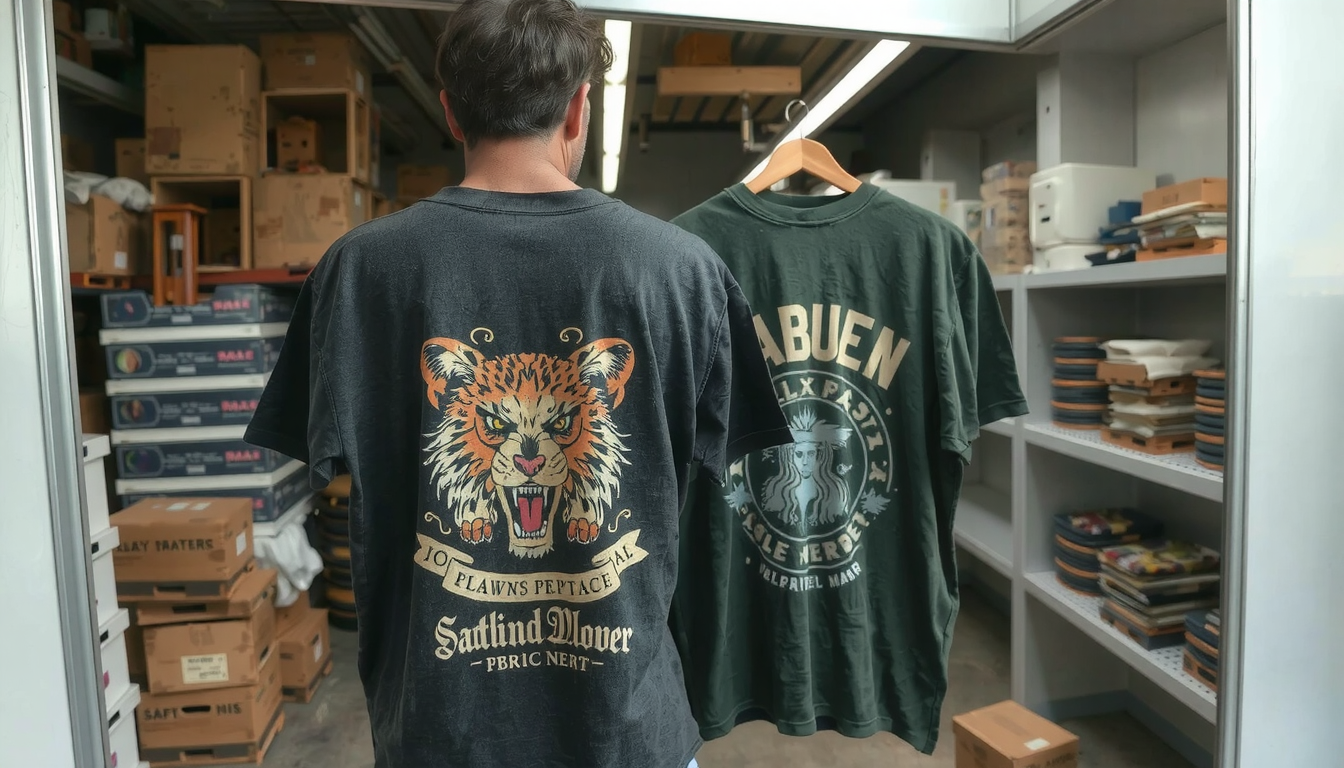
Working with a local shop has many benefits. You can check the quality with your own hands. You are supporting a local business in your community. Plus, you often get your order faster.
This article will help you to be aware of your alternatives. We will go through various printing types. We will show you how to prep your design. Most importantly, we will give you an insider’s checklist to find the best local provider for your needs.
Understand Your Options: A Mixed Overview of Custom Printing Methods
The selection of the printing method is the first thing you should look into. The ideal option varies with respect to the design, your budget, and the number of items you need. Having an awareness of these alternatives will lead you to better final products for your custom clothes.
Screen Printing
Screen printing is a classic and popular method. It pushes the ink through a mesh screen onto the fabric. Each color in your design needs its own screen.
This method is for a lot of orders with simple designs. Think team shirts or company events. The colors are bright and the print lasts for a long time. But the setup cost can be high for small orders. It also costs more if you have many colors.
Direct-to-Garment (DTG) Printing
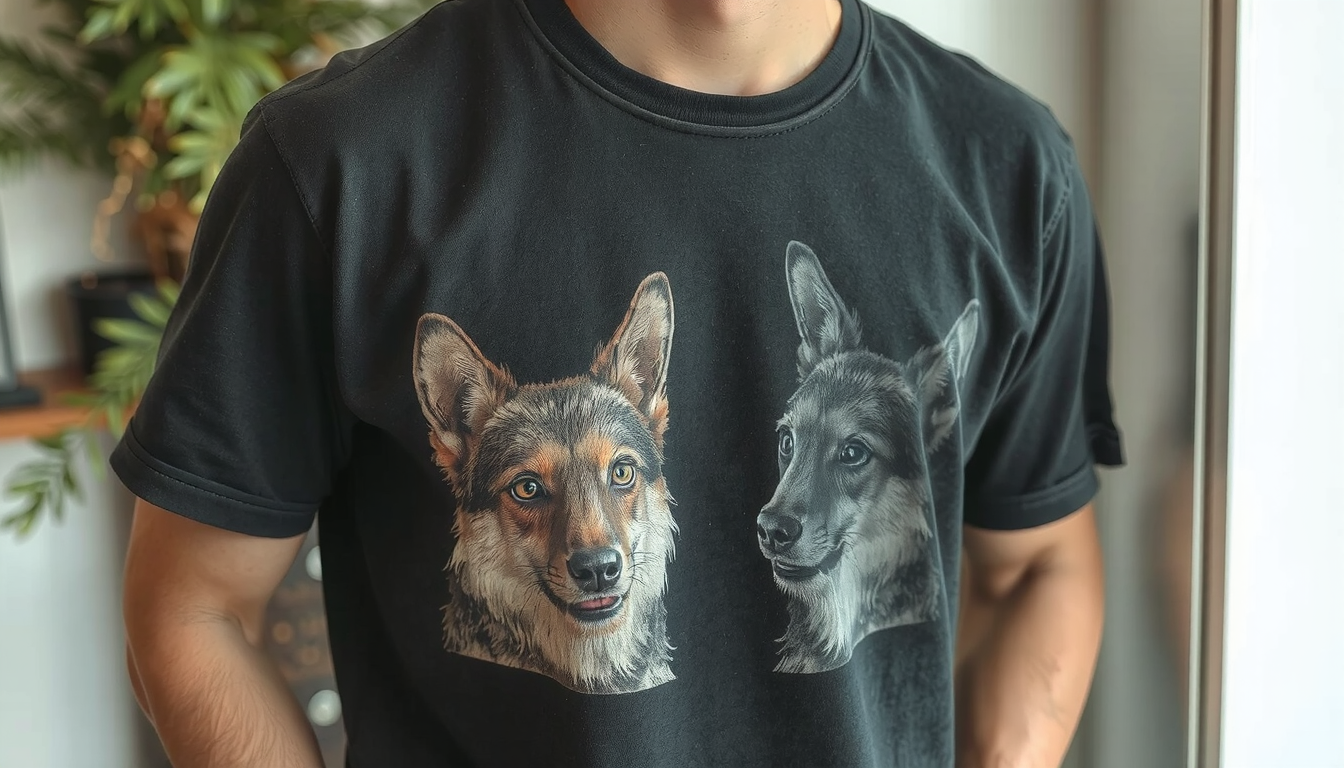
Think of DTG printing as a paper printer for shirts. The ink goes directly onto the cloth. This allows for very detailed and colorful designs. You can even print photos.
DTG is perfect for small batches of shirts, or even just an individual, custom shirt. There are no setup fees by color. It feels soft to the touch. But it works best on 100% cotton. The colors on dark fabrics may not be as bright. The print does not withstand as much wash wear as screen printing.
Direct-to-Film (DTF) Printing
DTF is an innovative technology with a wide range of applications. A design is printed onto a special film. In the end, the film is heat-pressed onto the garment.
DTF produces loud and sharp prints. It’s suitable for cotton, polyester, and blends. This is a good option for small to medium orders and is durable. The print sits a little bit above the fabric. This makes it have a different touch.
Embroidery
Embroidery is not printing, but it’s a key way to customize clothing. It uses a needle and thread to stitch a design into the fabric.
This is a fantastic method for a professional look. Think hats, polo shirts, and jackets. An embroidered logo gives a high-end vibe and is very durable. But it’s not good for complex images like photos. It may cost more than printing.
| Printing Method | Best For | Feel/Texture | Durability | Cost-Effectiveness |
|---|---|---|---|---|
| Screen Printing | Bulk orders (25+), simple designs | Slightly raised layer of ink | Very High | High for bulk orders |
| DTG Printing | Photos, complex multi-color designs, single items | Soft, blends into fabric | Moderate | High for single items |
| DTF Printing | Vibrant designs on any fabric, small orders | Smooth plastic-like feel | High | Good for small-medium orders |
| Embroidery | Logos, text, professional wear, hats | Raised, textured thread | Extremely High | Higher cost, based on stitch count |
The Insider’s Checklist: 7 Steps to Check a Local Print Shop
Finding the right local partner for custom printing on clothing is vital. A good shop feels like a partner, not just a vendor. They are busy but organized. Their space is clean. Use this checklist to find a high-quality and trustworthy printer.
1. Ask to See (and Touch) Samples
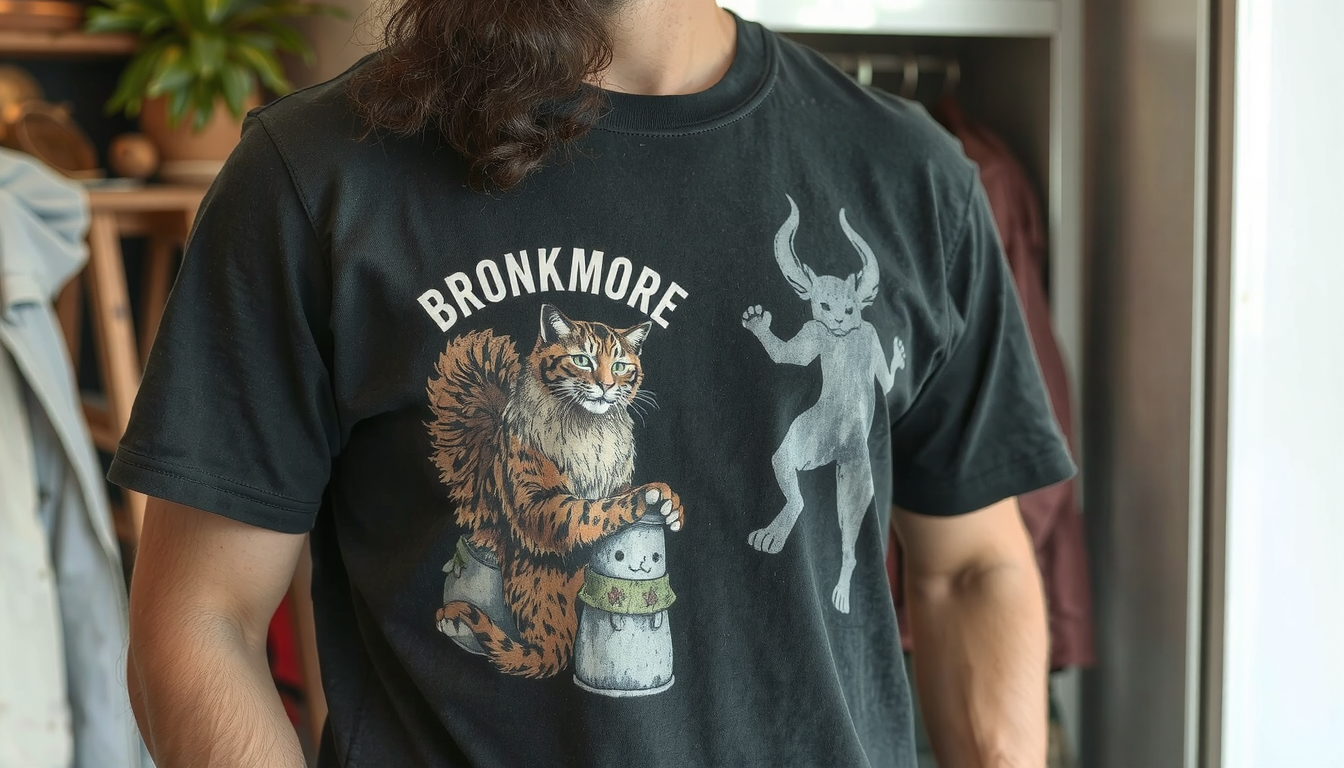
The most reliable way to know the quality is by seeing it directly. Request to see examples of their work. Concentrate on the print. Is a screen print well-cut and clean? Is a DTG print colorful? Touch the fabric. This allows you to understand the end product you are going to receive.
2. Ask About Their Clothing Selection
A good print shop shows a variety of clothing. Inquire which brands they source. Do they have budget-friendly shirts? Do they also have more elegant, smoother styles? Top shops are often printers that have several brands including Los Angeles Apparel. This gives you more options for your project.
3. Discuss Turnaround Times & Rush Orders
Seek information concerning their standard production period. An average turnaround is 5-10 business days. Furthermore, inquire if they provide rush orders. Find out the extra cost. This information is useful if you have a pressing deadline. Some services even offer one-hour custom t-shirt printing for really urgent needs.
4. Find Out About Minimum Order Quantities (MOQs)
This is an important question to ask. Some methods, like screen printing, have minimum order requirements because of the setup involved. Other methods, like DTG, may have none. Just make sure that their policy matches the scale of your project.
5. Review Their Artwork Requirements
A professional shop will have clear rules for design files. They will indicate which file formats are acceptable and specify the needed resolution. This shows they are committed to quality and helps prevent printing errors.
6. Read Recent, Detailed Reviews
Search for reviews online. However, read beyond just the star rating. What do people express about the quality? What about communication and delivery times? Detailed reviews from actual clients offer real insight. They show what it’s like to deal with the shop.
7. Check Their Customer Service
When you call or visit, are they helpful? Do they listen to your ideas? Do they give straightforward answers to your questions? A great partner for custom apparel printing will guide you. They will help you make the right decisions for your project.
Preparing Your Design for a Perfect Print
A good idea is only the beginning. To get a perfect print, you need to prepare your design file correctly. This will prevent common problems like blurry or pixelated results.
Vector vs. Raster: What’s the Difference?
Approach it like this. A vector file is like a recipe; you can make it any size, and it will always be sharp. A raster file is like a photo; if you stretch it too much, it becomes blurry.
Vector files (like AI, EPS, SVG) are best for logos and graphics. Raster files (like PNG, PSD, JPEG) are used for photos and detailed DTG prints.
The Importance of High Resolution (300 DPI)
DPI is the abbreviation for “dots per inch.” It quantifies the amount of detail in an image. For printing on clothing, your design should be at least 300 DPI at the size you want it printed. This measure will ensure a crisp and clear final print.
Color Modes (CMYK vs. RGB)
A computer monitor uses RGB (Red, Green, Blue) light to show colors. Printers use CMYK (Cyan, Magenta, Yellow, Black) ink. As a result, the printed colors on your shirt may vary a little from what you see on the screen. They will not be exactly the same. A good print shop can help manage this.
Getting Your Idea from Napkin Sketch to Digital File
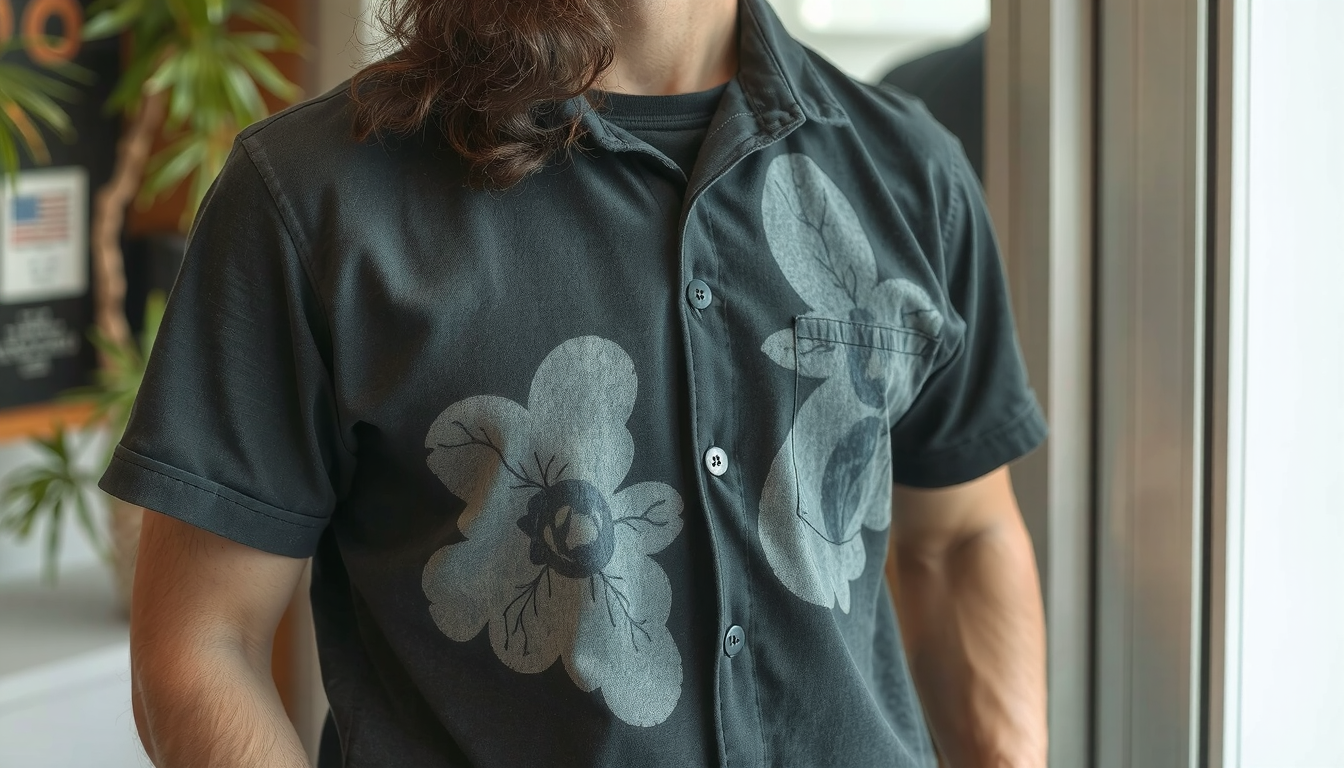
You don’t have to be a professional designer. You can use a tool like Canva to make a basic design. For more complex work, you can engage a freelance designer. Numerous contemporary print shops have tools that allow clients to upload their artwork directly on their sites.
For those who are serious about building a collection, understanding these basics is crucial. For a more in-depth look at creating a compelling brand identity, explore our guide on how to craft a brand introduction.
Local vs. Online Printing Services: Which Is Right for You?
When getting custom clothing made, you have two main choices. You can use a local shop or a large online service. The best choice is determined by your specific objectives. Are you producing a single gift? Or are you launching a full clothing line?
A local shop offers hands-on service. An online manufacturer can offer huge scale. Here’s a breakdown to help you decide.
| Factor | Local Print Shop | Online Manufacturer |
|---|---|---|
| Hands-on Control | High. You can see samples and talk in person. | Low. You rely on digital proofs and emails. |
| Turnaround Time | Often faster, with rush options available. | Can be longer due to shipping. |
| Price per Unit | Better for small orders. | Better for very large orders (hundreds/thousands). |
| Garment Variety | Good, but may be limited to popular styles. | Extensive, with more specialized options. |
| Scalability | Good for small to medium growth. | Excellent for large-scale production. |
When a Local Printer is Your Best Bet
Choose a local printer for small orders. Also, choose them when you have an urgent need. It is also the best choice if you want to see and feel the samples before you commit. A local shop is perfect for team uniforms, wonderful for family reunion shirts, and works well for a startup with a small batch.
When to Consider an Online Manufacturer
Look to an online manufacturer when you need to produce a large volume of clothes. This is the way to go for a brand that needs to scale. They usually have more specialized services that include custom tags and packaging.
For those looking to scale up or requiring specialized services like creating a unique line of hoodies, partnering with an experienced manufacturer like TZ Streetwear’s custom hoodie service can be the ideal solution.
Conclusion: Your Next Steps to Perfect Custom Apparel
Finding quality custom printing on clothing near you involves knowing your needs and what questions to ask. You are now equipped with the necessary information to make a great choice.
Remember the essential steps. First, choose the right printing method for your design. Second, use the insider’s checklist to check the local print shop. Third, prepare your artwork correctly to ensure a perfect result.
You are ready to turn your creative vision into real, wearable art. Go out and realize your ideas! Whether you are starting with a local shop or are ready to build a full collection, we are here to help you navigate the world of apparel. Explore all our resources and services at TZ Streetwear.
Frequently Asked Questions (FAQ)
1. What is the average cost for a custom printed t-shirt?
The cost varies widely depending on the printing method, order size, shirt quality, and design. A single DTG-printed shirt might cost $20-$35. For a large screen-printed order, the price per shirt may drop below $10, but the total upfront cost is higher. Always ask the printer for a specific quote.
2. Can I bring my own clothing to be printed on?
Some local shops allow this, but many do not. Printers prefer to use their own supplied garments because they know how the material will react with their inks and machines. This ensures a better-quality print. You should always call the shop and ask about their policy first.
3. What’s the difference between DTG and a heat press transfer?
DTG printing applies ink directly into the fabric fibers, which makes the print feel soft. A traditional heat transfer presses a design on top of the fabric, which can sometimes feel like a thick plastic layer. However, modern DTF transfers are a type of heat transfer that are very high quality and durable.
4. How long does custom clothing printing usually take?
Standard turnaround time at most local shops is about 5 to 10 business days. This can vary depending on how busy they are and the size of your order. Many shops offer a rush service for an extra fee if you need your items sooner.
5. Is screen printing or DTG better for hoodies?
Both methods can be great for hoodies. Screen printing is excellent for simple, bold graphics and is very durable, making it perfect for bulk orders of team or brand hoodies. DTG is the better choice if your design is complex with many colors, like detailed drawings or photographs. The best method depends on your specific design and how many hoodies you need.