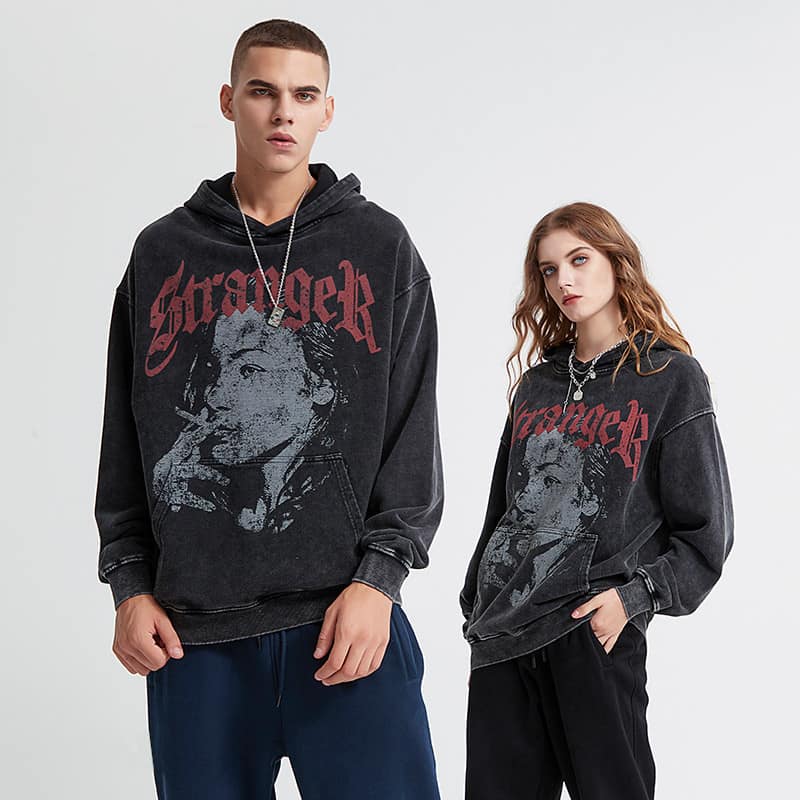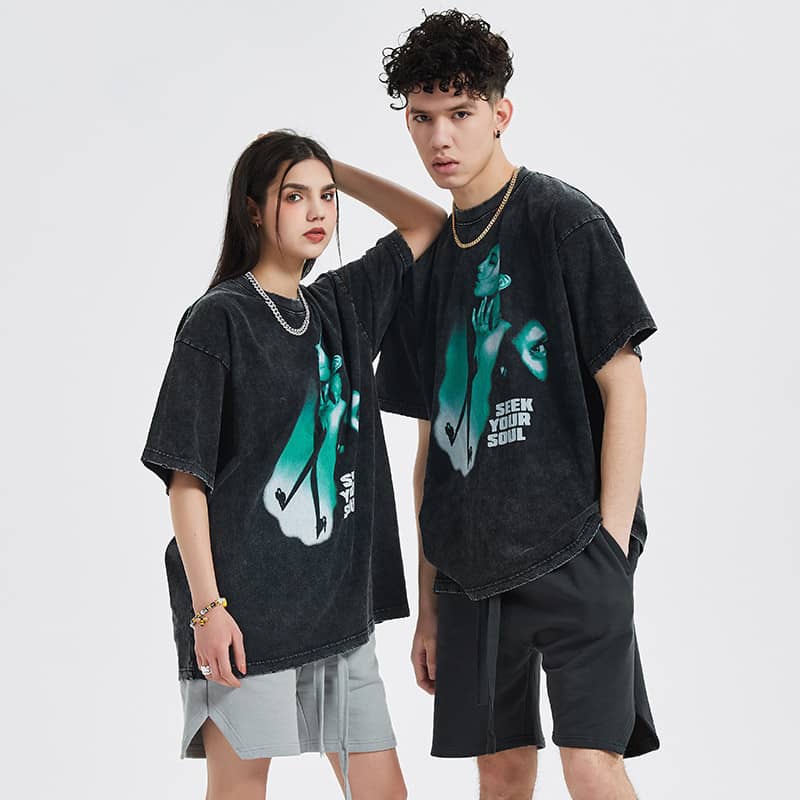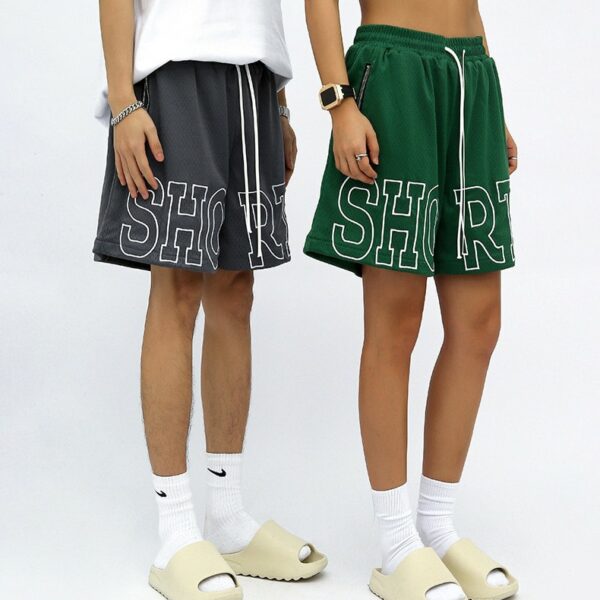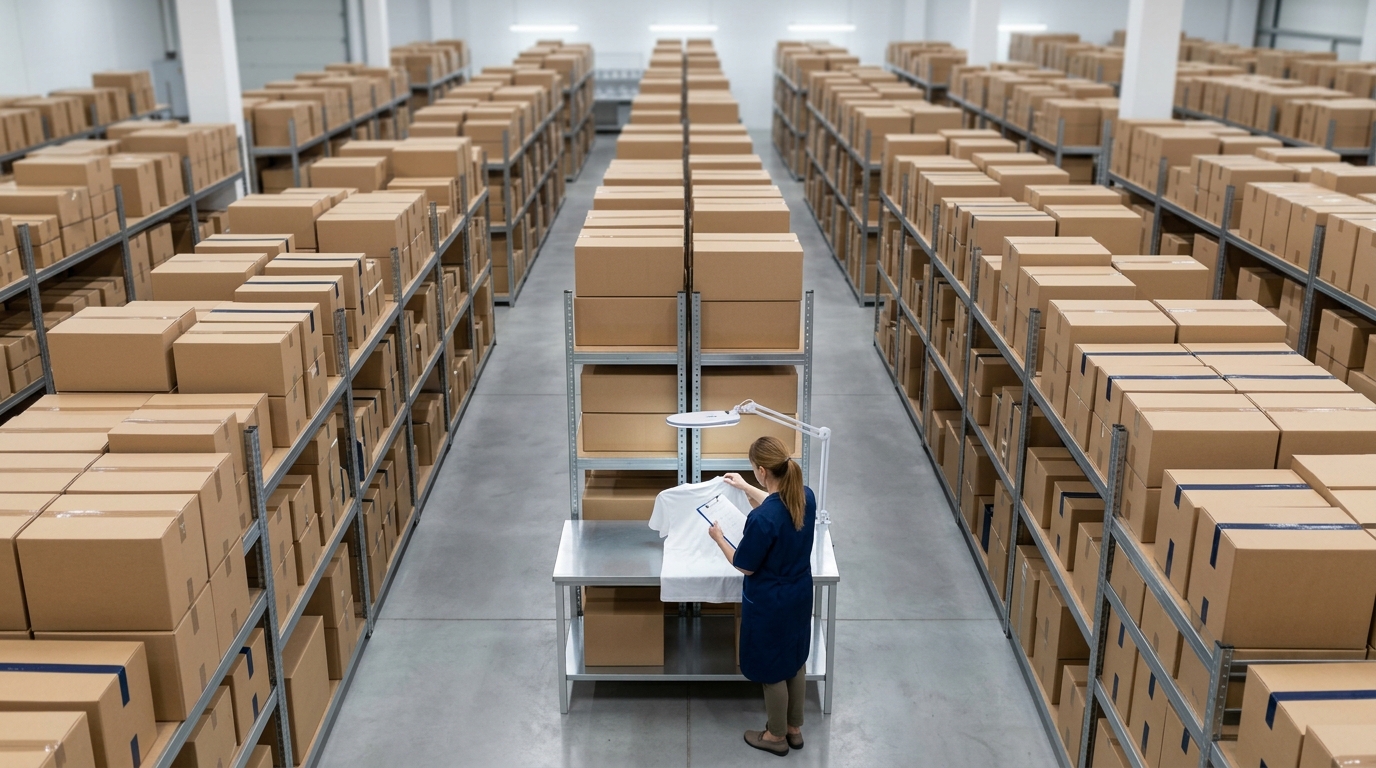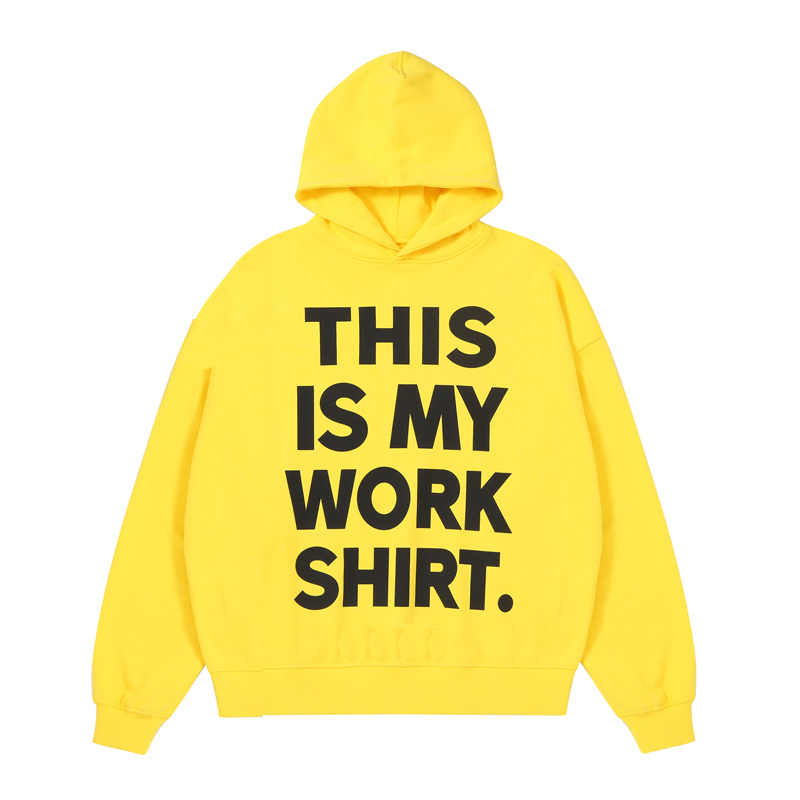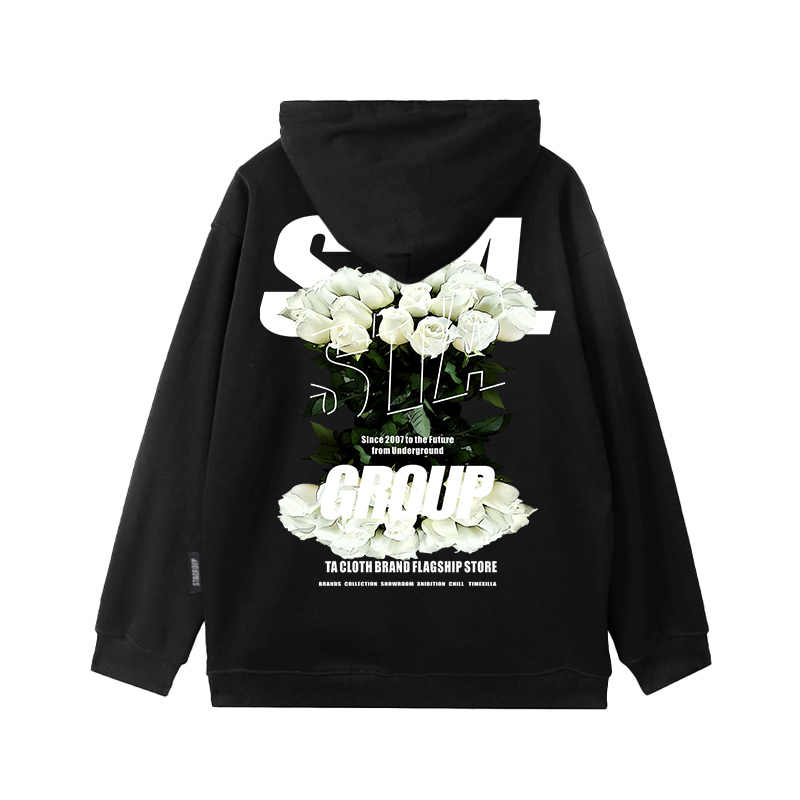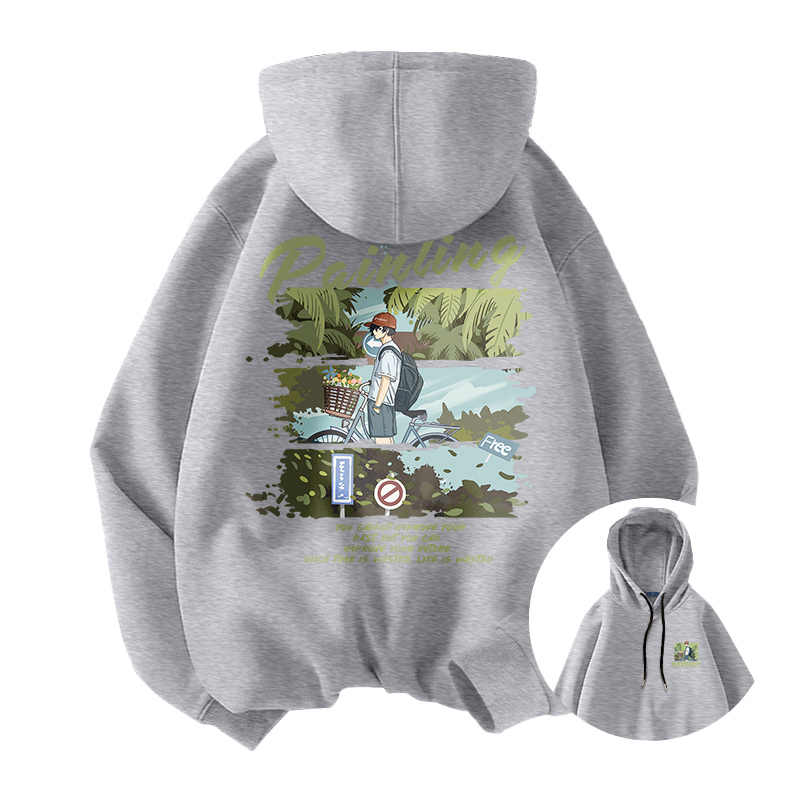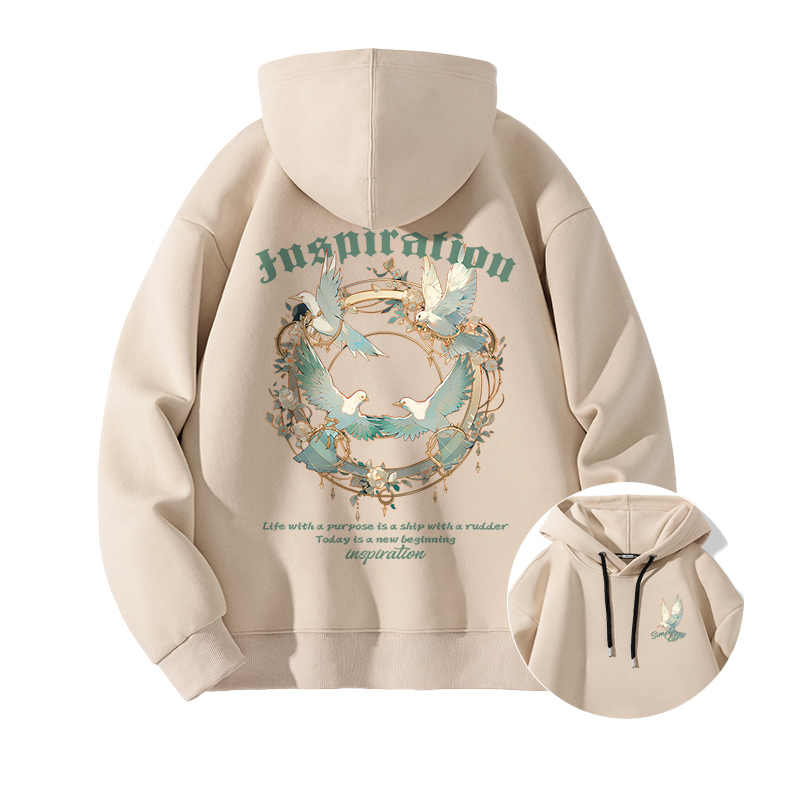
Launching a clothing brand or boutique is a thrilling endeavor. Your success largely relies on a reliable supply chain. This is where a great partner becomes essential for your business.
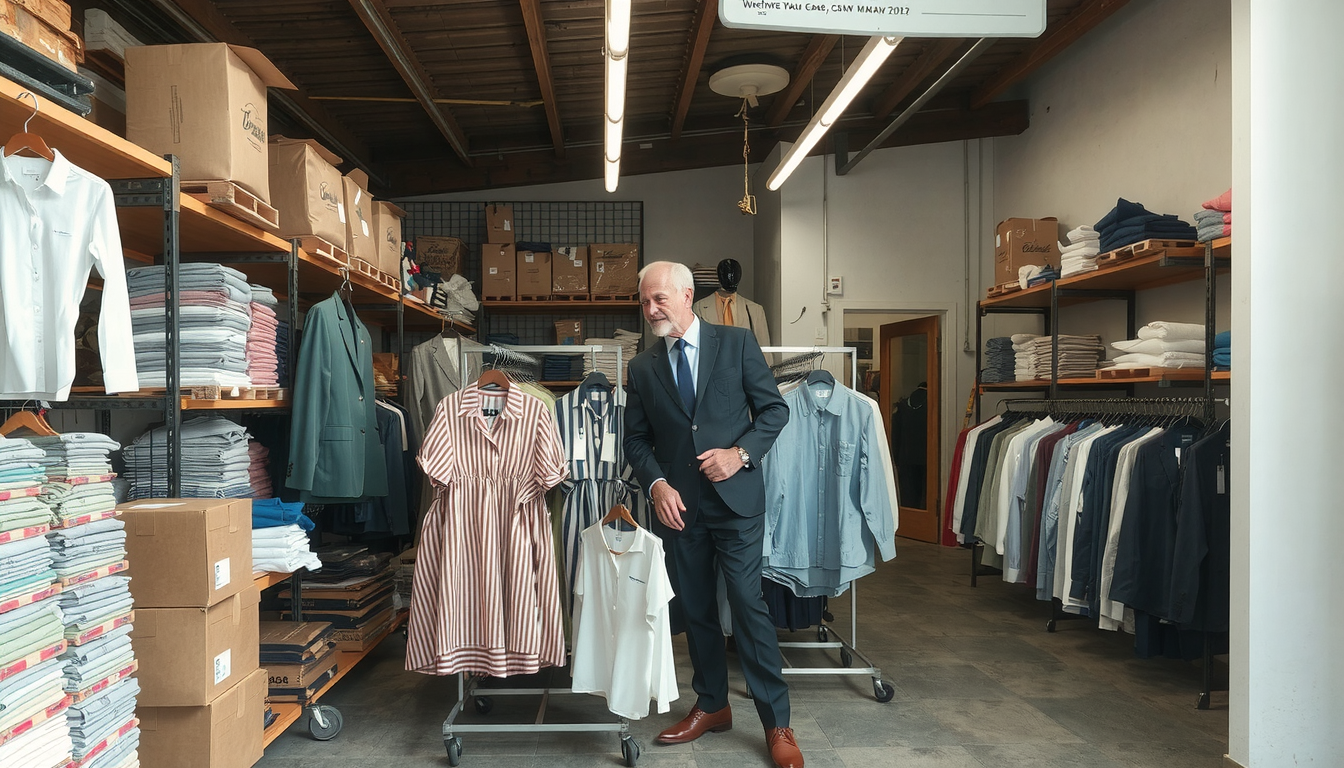
A wholesale apparel distributor is a company that purchases garments from different manufacturers in very large quantities. They then sell it in smaller bulk amounts to retailers like you. Finding the right wholesale clothing supplier is a key step in the whole process.
This manual will navigate you through each step. We will explain the various distributor types, provide instructions on how to check them, and detail how to secure your first partnership. Let’s set up your brand’s foundations.
What is a Wholesale Apparel Distributor and What Do They Do?
Understanding the role of a wholesale apparel distributor helps you choose the right one. They are a vital link in the fashion supply chain, connecting the people who make clothes to the people who sell them.
The Core Function of a Distributor
A distributor is the middleman between manufacturers and retailers. They purchase large amounts of clothing at a discount, allowing them to pass on some of the savings to you.
They have significant advantages. You have access to a multitude of brands from one supplier. Their minimum order quantities are usually considerably lower than a manufacturer’s. So, you will not run the risk of being stuck with thousands of pieces of unsold items. Furthermore, they make ordering easier and they also ship faster.
Key Types of Wholesale Apparel Distributors
Different distributors cater to different business needs. Knowing the types helps you to find a partner that fits your brand.
-
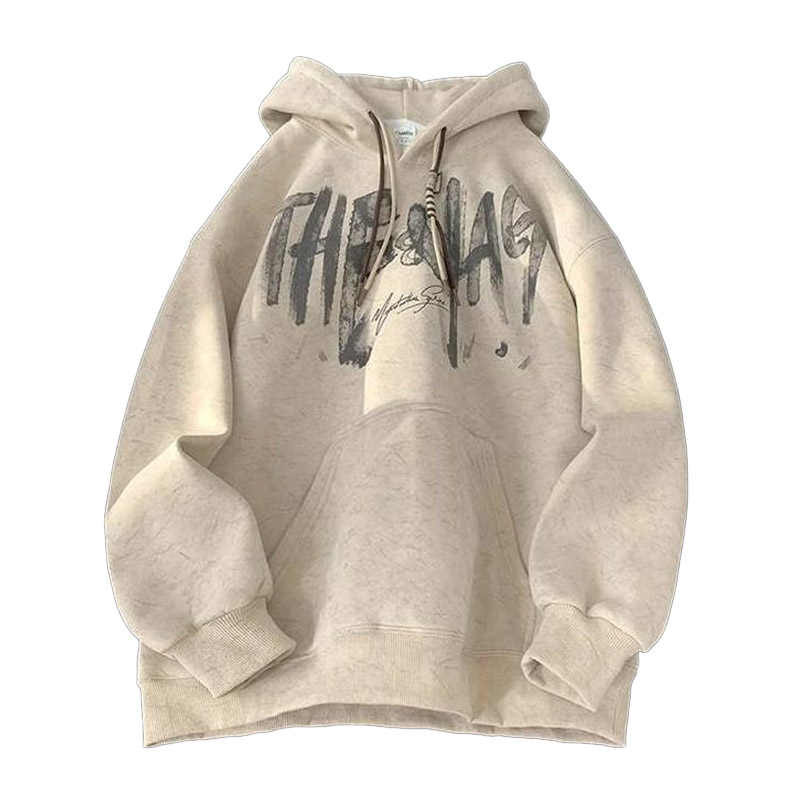
Blank Apparel Distributors: These companies focus on undecorated items. You can think of these as plain t-shirts, hoodies, and hats. They are perfect for screen printers and embroiderers. They work great for promotional product businesses too. Example: Companies like One Stop are specialists in this area.
-
Branded/Designer Overstock Distributors: These suppliers sell items from well-known brands. The products are often from past seasons or are closeout items. This is a great way to stock authentic designer goods. Example: Businesses like DNC Wholesale focus on this model.
-
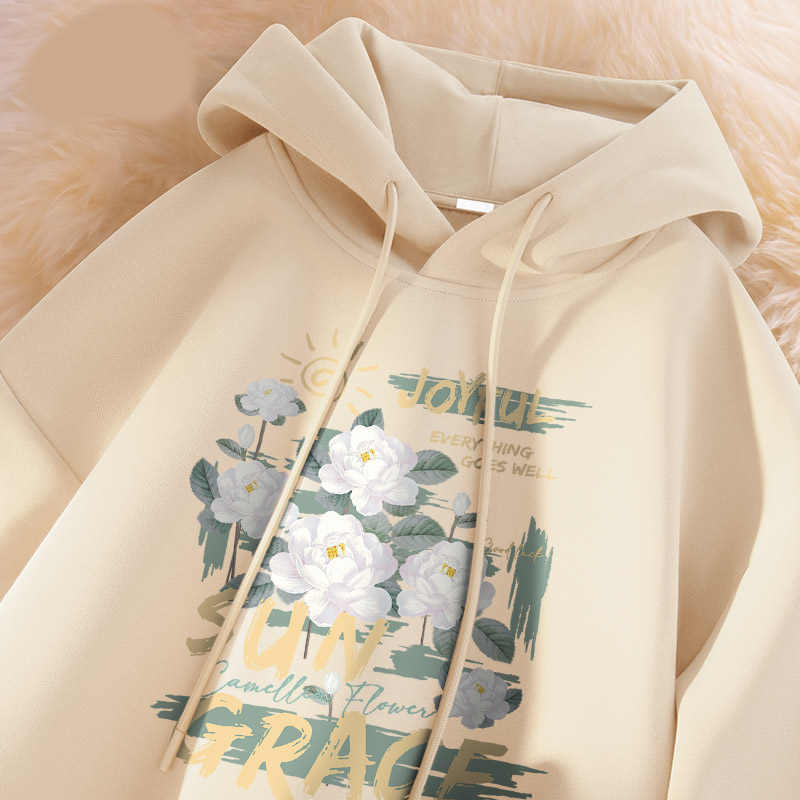
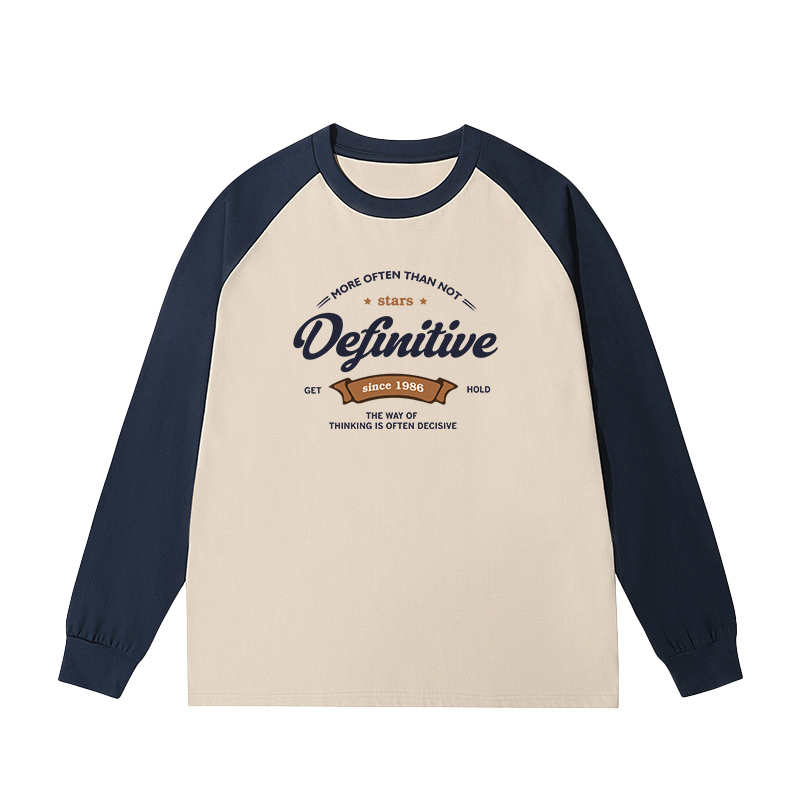
Boutique/Private Label Wholesalers: They offer trendy, unbranded, or house-branded clothing. This apparel is ready for you to sell in your boutique. Some offer relabeling services. This lets you add your own brand tag.
- Specialty Niche Distributors: These suppliers focus on one specific category. This could be athletic wear, children’s clothing, or eco-friendly apparel. If your brand has a narrow focus, a niche wholesale apparel distributor is a perfect match.
How to Find the Right Wholesale Apparel Distributor
Once you know what type of distributor you need, it’s time to start searching. Finding the right wholesale apparel distributor requires some research, but there are many great resources available.
Online Search & Directories
The easiest place to start is online. Use specific Google searches like “wholesale streetwear distributor USA.” You can also try “blank hoodie wholesale Canada.” This will give you a list of potential partners.
You should also look at online directories and B2B marketplaces. These sites list many different suppliers in one place. Industry blogs often put together comprehensive lists of wholesale clothing vendors, which can be a great starting point for your research.
Trade Shows and Industry Events
Attending apparel trade shows is a powerful way to find partners. Events like MAGIC and Texworld bring hundreds of distributors and manufacturers together. You can meet them in person and see the quality of their products yourself. Touching the fabric and seeing the construction is invaluable. This also helps you build a personal connection.
Social Media & Forums
Social media can be a useful tool. Use Instagram, Facebook Groups, and Reddit forums like r/streetwearstartup. You can see what distributors other new brands are using. You can ask for recommendations. Always be careful and do your own research. A recommendation is a good start, but you still need to vet the supplier.
Vetting Your Potential Distributor: A 7-Point Checklist
Before committing to any wholesale apparel distributor, we always run them through this 7-point checklist. It has saved us from countless headaches and lost money. This process helps ensure you find a reliable and professional partner.
-
Product Quality & Consistency: Quality is everything. Ask if you can order samples before placing a large order. When you get the samples, check the fabric, stitching, and overall feel. A good distributor provides products that are consistent from one batch to the next.
-
Pricing Structure: The pricing should be clear and easy to understand. Are there discounts for buying in larger volumes? Ask about any hidden fees, such as handling charges or fees for drop shipping.
-
Minimum Order Quantities: The minimum order quantity is the smallest order you can place. Does their minimum order quantity fit your budget and your storage space? Many distributors have low or no minimums, which is great for new businesses.
-
Shipping & Fulfillment: Find out where they ship from. This affects shipping costs and delivery times. A distributor with warehouses across the country can offer faster, cheaper shipping. Ask about their typical order processing time.
-
Customer Service: Good customer service is crucial. Before you place an order, try calling or emailing them with a question. See how quickly they respond and how helpful they are. A responsive support team is a sign of a good partner.
-
Return Policy & Defect Handling: What happens if you receive the wrong item or a defective product? A trustworthy distributor will have a clear and fair policy for returns and handling errors. Ask for this policy upfront.
-
Reputation & Reviews: See what other businesses are saying about them. Look for reviews on Google, industry forums, and third-party review sites. Don’t just rely on the testimonials on their own website.
Distributor vs. Manufacturer: Which is Right for Your Brand?
A common point of confusion for new brands is whether to work with a wholesale apparel distributor or a manufacturer. The choice is determined by your brand’s vision, budget, and goals.
Understanding the Fundamental Difference
A distributor sells you pre-made products from their inventory. You are choosing from existing styles, colors, and brands. Customization is very limited.
A manufacturer creates your unique products from raw materials. You have full control over the design, fabric, labels, and fit.
Distributor vs. Manufacturer Showdown
This table breaks down the key differences to help you choose.
| Feature | Wholesale Apparel Distributor | Apparel Manufacturer |
|---|---|---|
| Customization | Low (limited to existing styles/colors) | High (full control over design, fabric, labels) |
| Branding | Often requires relabeling | Built-in custom branding from the start |
| MOQs | Generally lower | Generally much higher |
| Speed to Market | Fast (products are in-stock) | Slower (involves design, sampling, production) |
| Product Uniqueness | Low (other brands sell the same items) | High (your product is exclusive) |
| Best For | Boutiques, printers, new brands testing ideas | Established brands, brands wanting a unique identity |
Making the Right Choice for Your Vision
The table shows a clear choice based on your needs. If you need products quickly and want to test the market with a variety of styles, a distributor is the best solution.
However, if your brand identity is tied to unique designs, you need a manufacturer. If you want a specific fit or custom fabrics, you need a manufacturer. Working directly with a custom hoodie manufacturer gives you creative control. Specialized t-shirt manufacturers will help you build a brand that is truly one of a kind.
Many businesses start with a wholesale apparel distributor and later move to manufacturing as they grow. A versatile partner like TZ Streetwear can often bridge this gap. They offer both high-quality apparel solutions and full custom manufacturing services.
Getting Started: What You Need to Buy Wholesale
Before you can purchase from a wholesale apparel distributor, you need to have a few key documents ready. These are standard business requirements.
-
Business Registration: Most distributors will only sell to registered businesses. This proves you are a legitimate retailer and not just a consumer.
-
Employer Identification Number: This is your federal tax ID number. It’s like a Social Security Number for your business. You can get an EIN for free from the IRS website.
-
Resale Certificate / Seller’s Permit: This is the most important document. It allows you to buy goods wholesale without paying sales tax. You are expected to collect sales tax from your final customer instead. The name of this permit varies by state.
Frequently Asked Questions
Can I buy from a wholesale apparel distributor without a business?
Generally, no. Legitimate wholesale distributors require a business license and a resale certificate. This is to protect their business-to-business status and follow tax laws. Some “public” wholesalers might sell to individuals, but their prices will be higher.
What is a reasonable minimum order quantity for a beginner?
This varies a lot. Some distributors have no minimum order quantities at all. Others may require a minimum spend, like $100. Some require a minimum number of pieces per style, like 6. When you are just starting, look for a wholesale apparel distributor with low or no minimum order quantities to manage your budget.
How much cheaper is wholesale clothing?
Wholesale prices are typically 40-60% lower than the manufacturer’s suggested retail price. This price difference is your profit margin. It allows you to cover your business costs, like marketing and shipping, and still make a profit on each sale.
Should I use a domestic or an overseas wholesale apparel distributor?
Domestic distributors offer faster shipping, easier communication, and simpler returns. However, their prices might be a little higher. Overseas distributors can offer lower prices, but they come with much longer shipping times, possible customs fees, and language barriers. Most beginners find it easier to start with domestic partners.
What’s the difference between a distributor and a drop shipper?
A wholesale distributor sells you inventory in bulk. You store these products and ship them to your customers yourself. A drop shipper holds the inventory for you. When you get an order, they ship the product directly to your customer. With drop shipping, you never handle the product.