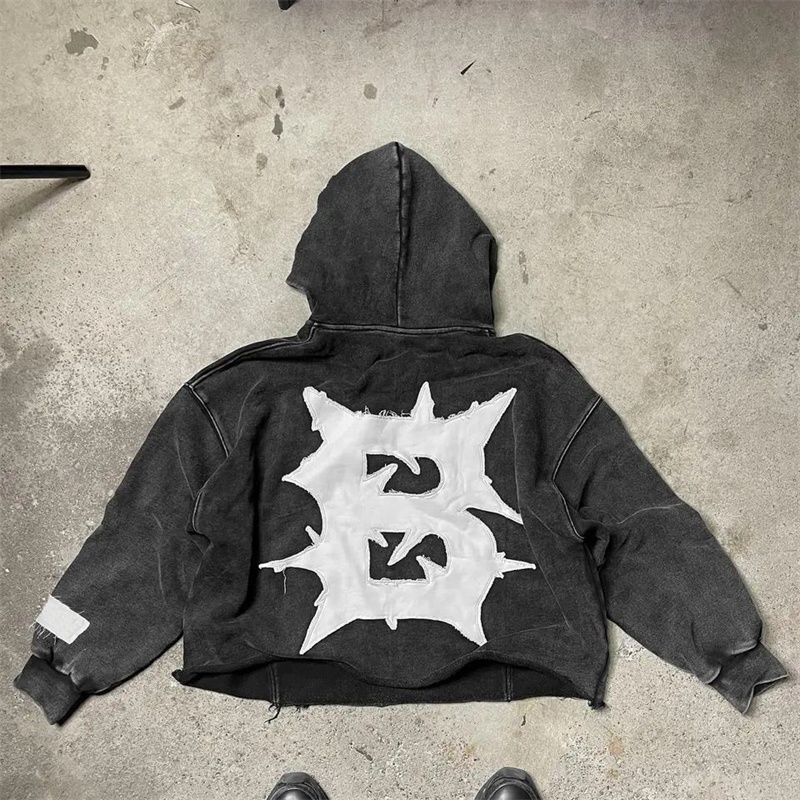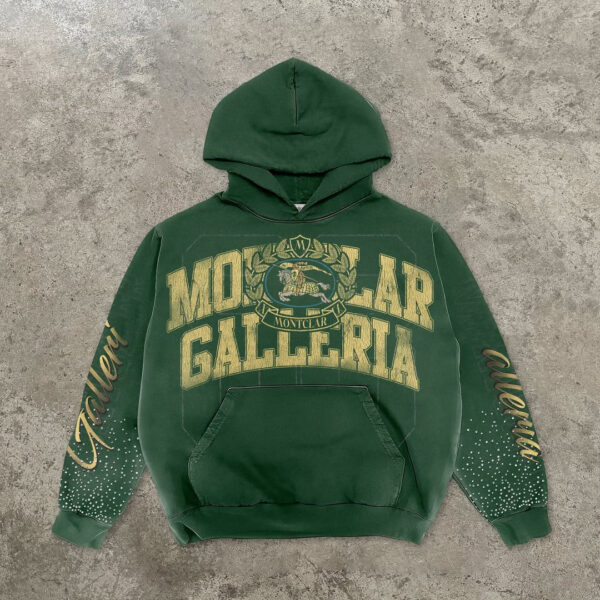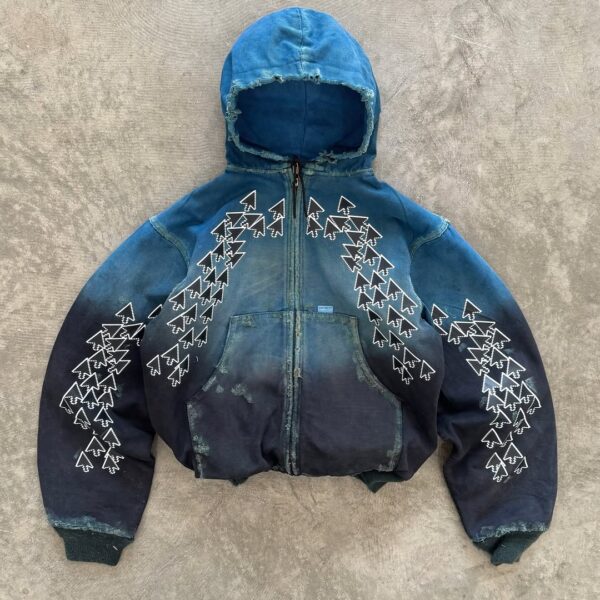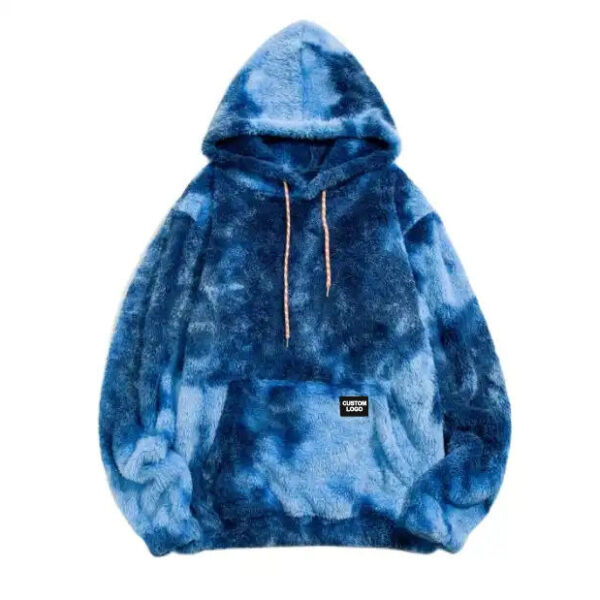
Have you ever bought a new hoodie only to watch it shrink, fade, or lose its shape after a few washes? This happens all the time. Many people have closets full of hoodies that became thin and stretched out way too fast.
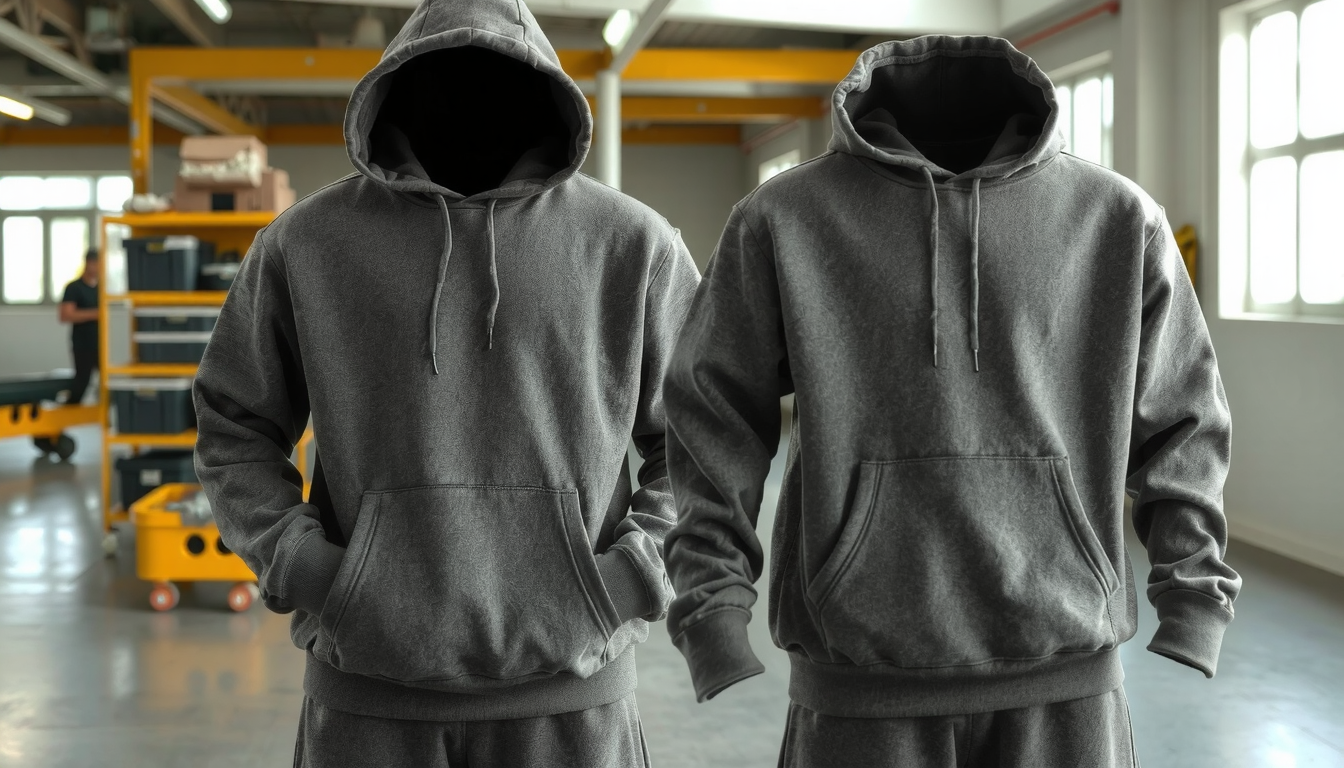
What makes high quality hoodies different? It is basically thanks to three things: the right fabric, good construction, and practical design. A great hoodie is more than just a piece of clothing; it is an investment in your comfort and style that should last for years.
This guide will teach you everything you need to know. We’ll cover fabric materials, construction processes, and the unique little features that the best hoodies have. You’ll learn how to identify a hoodie built to stand the test of time.
The Quality Foundation: An Insight into Hoodie Fabrics
The fabric is what a hoodie is fundamentally made of. It decides how the hoodie feels, how warm it keeps you, and how well it holds up over time. Learning a few key terms can be the key to enhancing your buying experience.
The Weight of the Fabric (GSM): Understanding It
One important number you’ll commonly find is GSM. This stands for Grams per Square Meter. It is a yardstick for how thick and heavy a material is. Higher GSM means heavier, thicker, and often stronger material.
- Lightweight (<300 GSM): These hoodies are great for layering. They work well for cool summer nights or as a light indoor layer.
- Midweight (300-400 GSM): This is the sweet spot for year-round wear. A midweight hoodie gives good warmth without being too bulky. Therefore, it is extremely useful.
- Heavyweight (400+ GSM): These are premium, ultra-cozy hoodies. They provide the most warmth, keep their shape well, and feel very solid. Finding these heavyweight, high quality hoodies is a clear indication that you have discovered a premium product.
Cotton, Blends, and Fleece: The Great Fabric Debate
Hoodies are usually made from cotton, a cotton blend, or fleece. Each material has its advantages and disadvantages. Being aware of the distinctions helps you find the right hoodie for your needs.
| Fabric Type | Pros | Cons | Best For… |
|---|---|---|---|
| 100% Cotton (e.g., French Terry) | Breathable, soft, becomes softer with wear, feels luxurious. | Can be heavy, slow to dry, may stretch if low quality. | Everyday wear, comfort, all-season wear. |
| Cotton/Polyester Blends | Strong, wrinkle-resistant, less shrinking, retains color well. | Less breathable, can pill over time, may not feel as soft as 100% cotton. | Active wear, work wear, high-strength needs. |
| Fleece (often Polyester) | Very warm, lightweight, moves moisture away, soft. | Can look cheap, not very breathable, may produce static, environmental concerns. | Cold weather, sports activities. |
The Architecture of a High Quality Hoodie: Construction Details
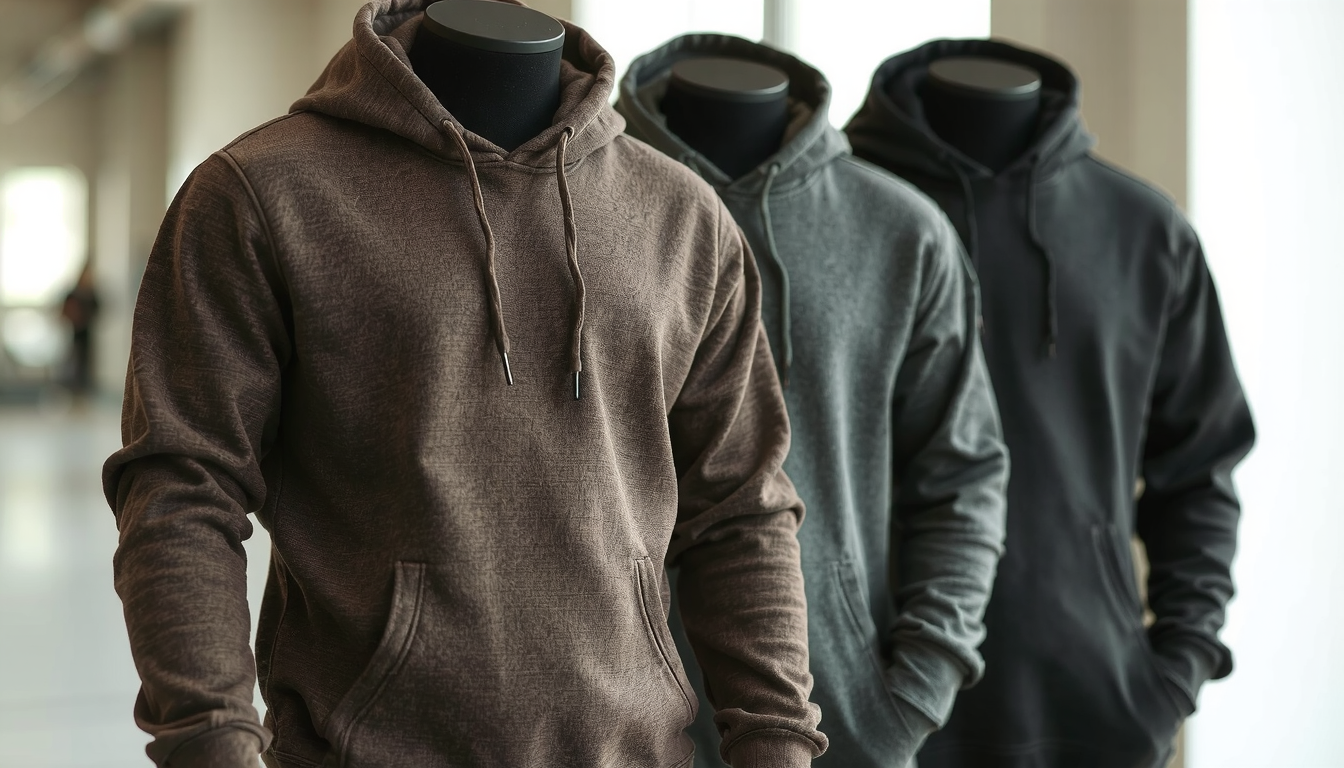
Beyond the fabric, how a hoodie is built shows its quality. These details prove a brand cares about making products that last. Here’s what you should look for.
Stitching: The Unsung Hero of Durability
The seams hold your hoodie together. Cheap hoodies often use basic stitching that can come apart. Better hoodies use flatlock stitching or reverse coverstitching. These stitches are much stronger and lay flat against the skin to reduce friction. They also look much tidier. As detailed in guides on identifying premium garments, reinforced stitching is crucial for longevity. More stitches per inch also makes seams stronger.
Cuffs and Hem: The Test of Shape
Look closely at the ribbed cuffs and the band at the bottom. On high quality hoodies, this ribbing is thick and has good spandex content. This allows it to stretch and then snap back into place. Thin ribbing will stretch out too soon and look sloppy.
The Hood: Structure and Comfort
A cheap hoodie often has a thin, single-layer hood that flops around. A premium hoodie will almost always have a double-lined hood. This means two layers of fabric are used. This gives the hood good weight, a better shape, and extra warmth. It feels cozier and looks much better.
Hardware: Zippers, Eyelets, and Aglets
The small metal or plastic parts of a hoodie are called hardware. For a zip-up hoodie, a strong, smooth zipper is a must. Brands like YKK make reliable zippers. Look for metal eyelets (the rings where the drawstring comes out) and metal aglets (the tips of the drawstring). These last way longer than plastic parts or simple stitched holes.
The Shopper’s “Feel Test”: A 5-Point Checklist
When we check a new hoodie, we use our hands as much as our eyes. Here’s a simple 5-step “feel test” you can use in a store to judge a hoodie’s quality.
Step 1: The Weight Test
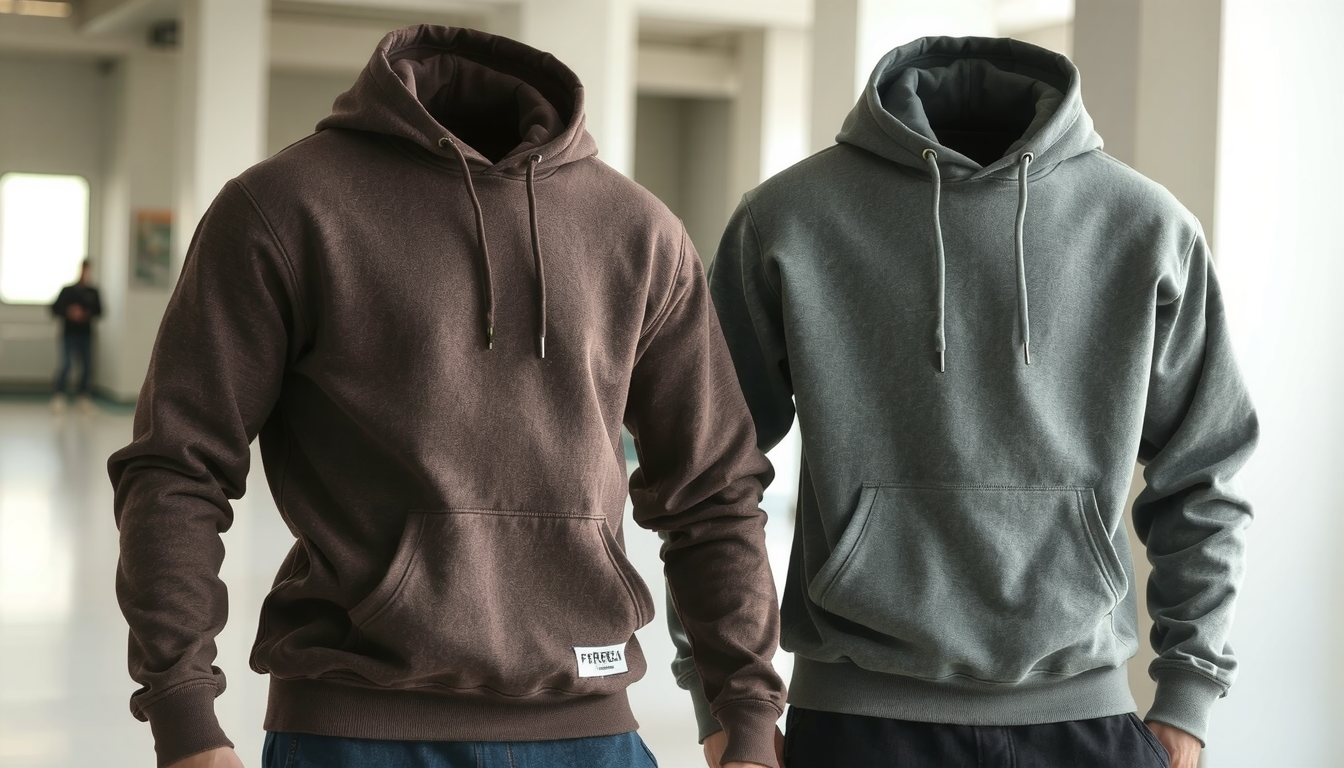
Pick up the hoodie. Does it have a good weight? A quality piece feels solid and tightly woven. If it feels light and airy for its size, it’s likely made from lower-grade material.
Step 2: The Cuff-Snap Test
Gently stretch one of the ribbed cuffs. Does it snap back into place quickly? High-quality ribbing with good elastic will return to its original shape right away. A loose or slow return means it will wear out fast.
Step 3: The Seam Inspection
Turn a sleeve or the hem inside out. Look at the seams. Are they neat, flat, and full of stitches? Or are they messy, with loose threads and bunched fabric? Clean seams show good craftsmanship.
Step 4: The Surface Touch
Run your hand across the fabric surface. A quality cotton hoodie should feel smooth and soft. If the fabric feels rough, scratchy, or too synthetic, it won’t be comfortable against your skin.
Step 5: The Zipper Glide (for zip-ups)
If it’s a zip-up, work the zipper up and down a few times. It should move smoothly without catching or sticking. A cheap or snagging zipper is a major warning sign for poor overall quality.
Beyond the Rack: Sourcing and Customizing Hoodies
For those looking to go beyond just buying one hoodie, there are more options. This is especially true for small business owners or those wanting to create something truly unique.
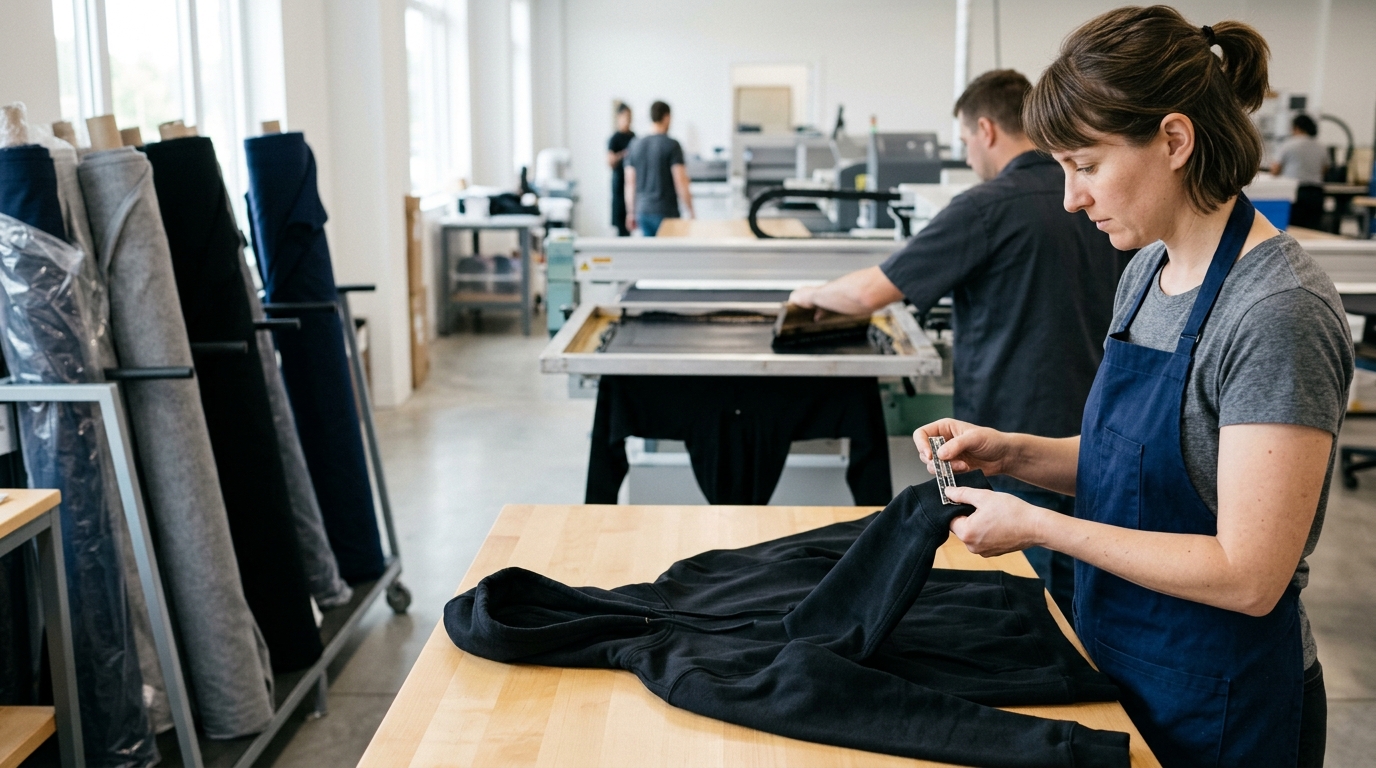
Many successful streetwear brands start by sourcing premium blank garments. Reputable wholesale suppliers offer a range of high quality blank hoodies perfect for this purpose. This lets you add your own designs to a pre-made, high-quality base.
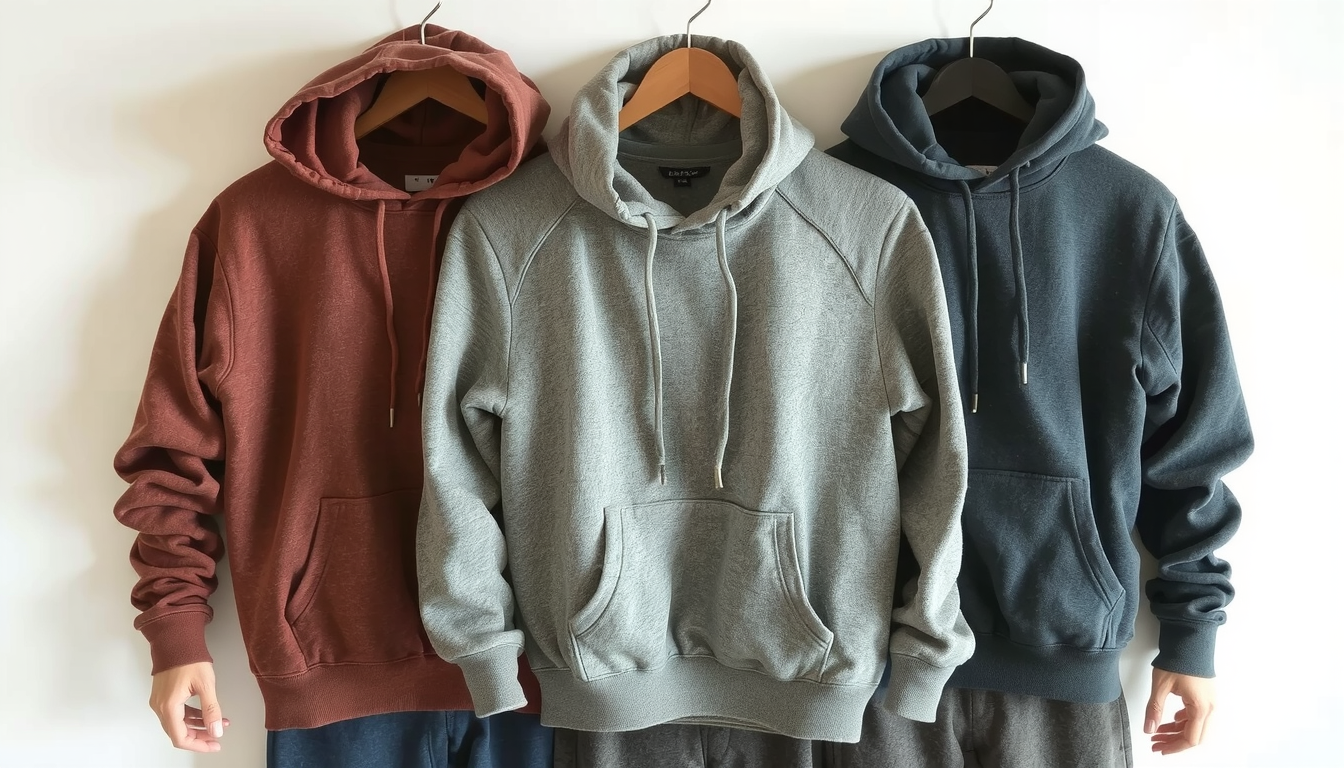
For those building a brand, it is of primary importance to work with a specialist. A dedicated custom hoodie manufacturer can help you pick the optimal heavyweight fabric, choose stitching methods, and source top-notch hardware. This guarantees that your final product will meet the highest quality standards.
This level of customization lets you build a unified clothing line. Many creators find that it is easier to work with just one partner for multiple items, such as with t-shirt manufacturers, which will ensure consistent quality across their brand.
Maintaining Your Hoodie: Keeping the Investment Safe
After investing in a top-of-the-range hoodie, you want to maintain it in good condition. Proper care is trouble-free and can help the garment last for years. Following a few easy rules will keep your high quality hoodies looking and feeling great.
The Do’s
- Wash Cold: Always wash your hoodie inside-out with cold water. This helps protect the fabric fibers and prevents the color from fading.
- Use a Mild Detergent: Harsh soaps can be tough on fabrics. A gentle, mild detergent is all you need to get it clean.
- Air Dry When Possible: The high heat of a dryer hurts hoodies. Laying it flat or hanging it to air dry helps prevent shrinking and maintain its shape.
The Don’ts
- Don’t Over-wash: Unless it’s actually dirty, a hoodie doesn’t need washing after every wear.
- Don’t Use High Heat: Avoid hot-water washes and high-heat dryer settings at all costs.
- Don’t Use Fabric Softener: It can coat the fibers. This can reduce cotton’s natural softness over time and hurt its ability to breathe.
Conclusion: The Returns from Quality Investment are Considerable
Finding a truly great hoodie doesn’t have to be hard. By watching for the key signs of quality, you can easily tell the difference between a cheap piece and a long-lasting garment.
Remember to look at the fabric weight (GSM), check the stitching and hardware, and feel for thick ribbing and a double-lined hood. A high quality hoodie is more than just a garment; it’s a long-term investment in comfort, style, and a more sustainable wardrobe.
Whether you are buying off the rack or creating your own line of streetwear, these rules will guide you to a product you can be proud of. For those inspired to create, exploring the world of premium clothing at resources like TZ Streetwear can be the first step in your journey.
Frequently Asked Questions (FAQ) about High Quality Hoodies
What is a good GSM for a high quality hoodie?
A good GSM for a high-quality, all-season hoodie is typically between 350 and 500 GSM. Anything above 400 GSM is considered heavyweight and is excellent for warmth and a structured, premium feel. Lighter hoodies around 300 GSM are better for layering or milder climates.
Is 100% cotton always the best material for a hoodie?
While 100% cotton, especially high-grade cotton like French Terry, offers superior breathability and softness, it’s not always best for every situation. A high-quality cotton-polyester blend (e.g., 80% cotton / 20% polyester) can offer better durability, shape retention, and wrinkle resistance. This makes it ideal for work wear or athletic hoodies.
How can I tell if a hoodie will pill?
Pilling, those tiny fabric balls, is most common in loosely woven fabrics and synthetic blends like low-quality polyester. To check, rub a small, hidden area of the fabric (like the inner arm) together firmly for a few seconds. If you see fibers starting to ball up, it’s likely to pill. Tightly woven, heavyweight cotton is far less prone to pilling.
Are expensive hoodies always better quality?
Not always. A high price may reflect branding and marketing, not just quality. While price often relates to better materials, you should always use the quality signs in this guide. Check the fabric weight, stitching, and hardware to judge a hoodie’s true quality, regardless of the price tag.
What is the difference between a hoodie and a sweatshirt?
The main difference is simple: a hoodie has a hood, and a sweatshirt doesn’t. Both are typically made from similar soft, heavy materials like cotton fleece or French Terry. The term “hoodie” is just another name for a hooded sweatshirt.