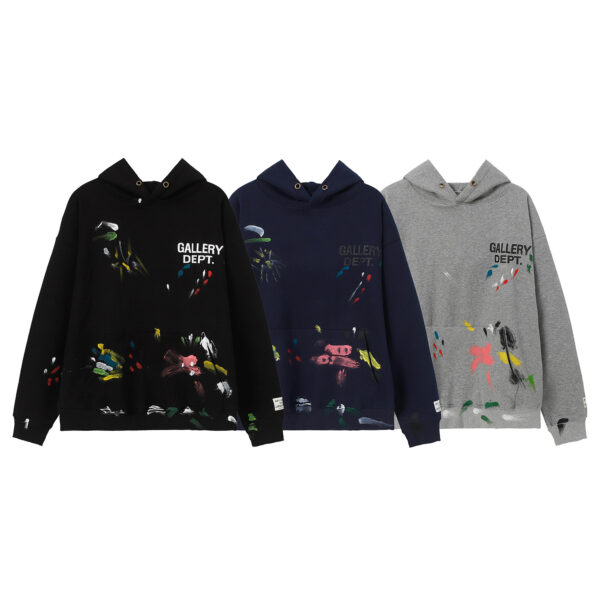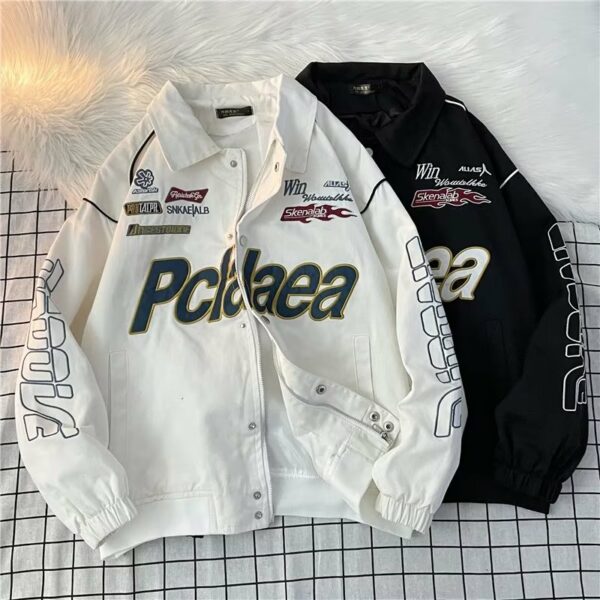
What Are Printed Patches and Why Choose Them?
A New Trend for Intricate Patterns
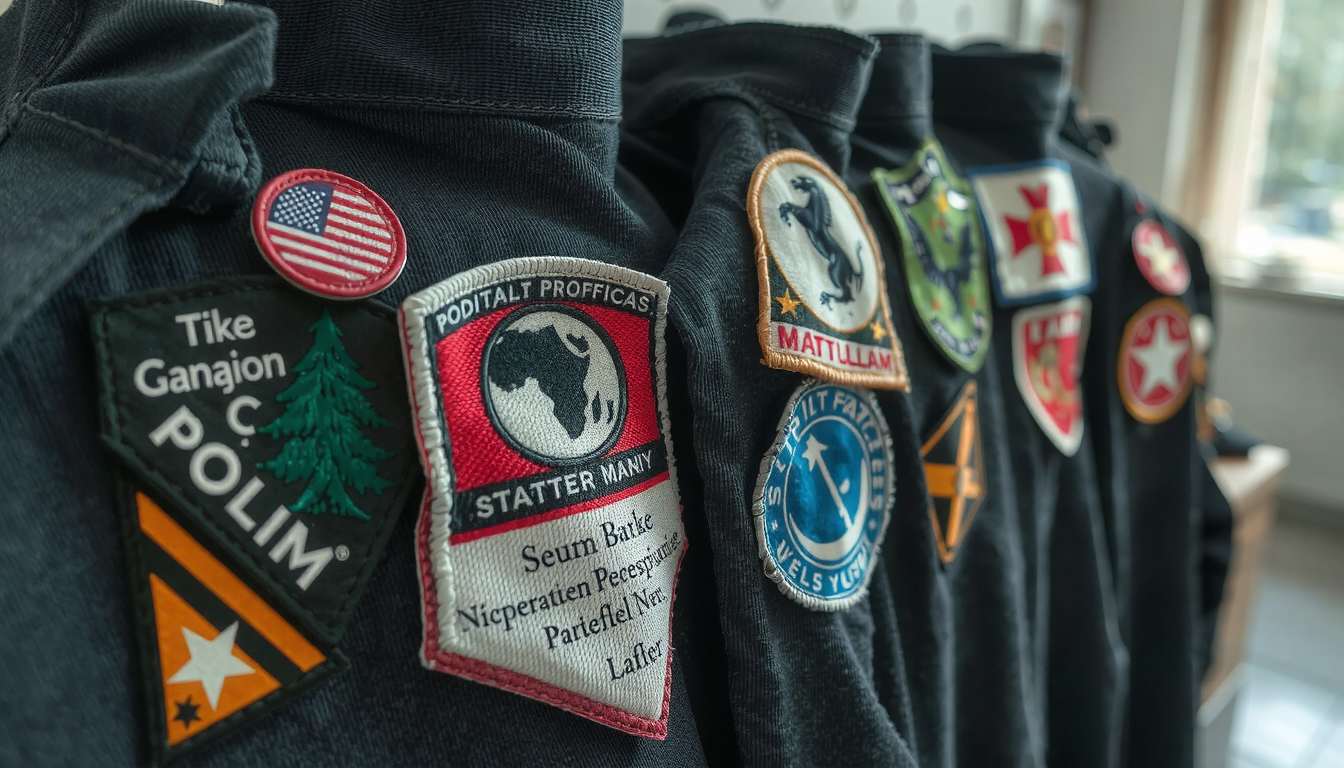
Clothes can now be styled through printed patches, which are a modern alternative to embroidering clothes. The process takes a picture of the design and prints it directly onto the fabric. Typically, the fabric used is a more robust twill. The common process that most businesses use is dye-sublimation, which sends the ink deep into the fabric’s surface.
A very noticeable feature of printed patches is their amazing detail. They work very well with pictures, a variety of colors, and art prints. Small decorative details are added to them. There is no possible way that other methods such as embroidery can achieve this level of detail. Thus, they become the go-to emblematic elements for street fashion and brand wear.
Top 4 Reasons to Use Printed Patches
Using custom print patches for clothes gives you several key benefits for any project.
- The Details Look Just Like a Photo: You can manage to make prints that are copies of images. Thin and subtle transition colors are also perfect. The tiny details of the design will be very vivid.
- Fast & Inexpensive Solutions: For designs with many colors, printed patches are usually faster to produce than most designs on complex embroidery machines. In addition, they may turn out to be cheaper than complex setups.
- Perfect Look: These patches will be flat and sleek. The overall finishing will be modern and clean. They will also feel better on a light shirt or jacket.
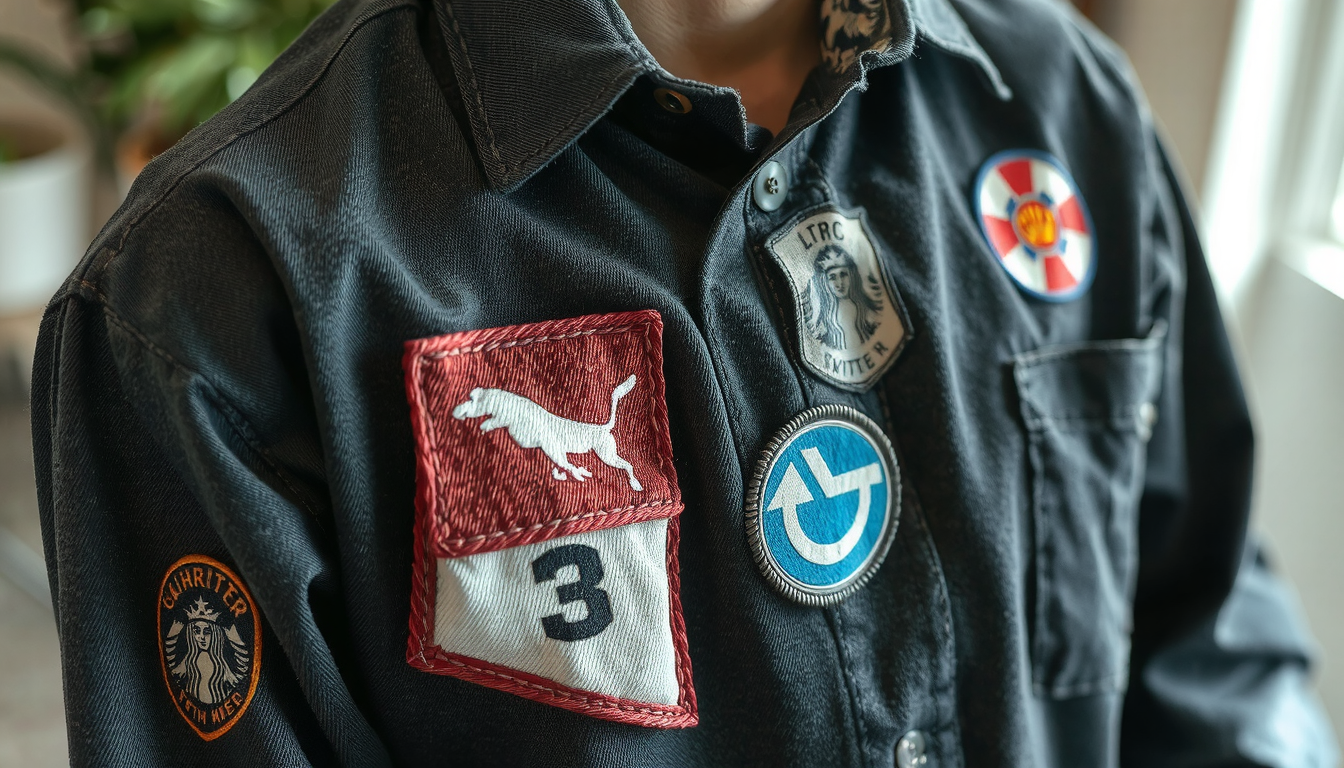
- Flexibility: Almost everything can wear these patches. They look good on jackets, hoodies, caps, and backpacks.
Printed vs. Embroidered vs. Woven: Which Is Right?
Understanding Core Differences
The patch type you choose is the main factor in achieving the look you want. Each is made in a different way, which contributes to its distinct style. Knowing these techniques will help in clothing design. Further information can be found in this Craft Introduction.
Dye sublimation on fabric is used for printed patches. On the other hand, embroidered patches use thread to stitch a design, thus making a design with a raised texture. Woven patches are made by intertwining fine threads, much like clothing labels. This produces a flat but detailed design.
At-a-Glance Comparison Chart
View this table to easily compare printed patches, embroidered patches, and woven patches.
| Feature | Printed Patches | Embroidered Patches | Woven Patches |
|---|---|---|---|
| Best For | Photos, gradients, complex art | Bold logos, text, simple graphics | Fine text, intricate details |
| Texture | Smooth, flat | Raised, textured, thick | Flat, smooth, detailed weave |
| Detail Level | Highest (Photorealistic) | Medium (Limited by thread) | High (Finer thread than embroidery) |
| Durability | Good (can fade over time) | Excellent (colorfast thread) | Excellent (durable weave) |
| Cost (Complex) | Lower | Higher | Medium |
| “Classic” Feel | Modern | Traditional | Premium, detailed |
The Hybrid Option: Print Stitch Patches
A combination of two traditional methods is what we call print stitch. It is a choice of mixing two methods that you may like best.
These patches are not only full-color printed but also feature classic embroidery borders. Therefore, you can have a sharp picture with a textured, premium edge at the same time. This is a good example of a high-end Print Stitch Patches special method.
Making Your Dream Printed Patch: A Checklist
Pre-Design Checklist
Achieving the best-looking patches is possible when you have the correct design file. Before proceeding with a patch design, you should do some pre-design planning. Following these steps will make correcting common mistakes much easier and will certainly make sure you achieve a quality outcome. You can follow these guidelines to attain a high-quality result.
- ✅ High Resolution is a Must: Your patch must look clear. The standard is 300 DPI. Going with a lower number will simply result in a blurred patch.
- ✅ Vector or Raster: Raster files (PNG, JPG) are made of pixels. Vector files (AI, EPS) are math-based. They can be resized without losing quality, so we recommend vector for the best results.
- ✅ Color Mode (CMYK vs. RGB): Screen displays use RGB (Red, Green, and Blue) colors, while printers use CMYK (Cyan, Magenta, Yellow, Black) inks. You should design in CMYK mode to avoid color changes when you print.
- ✅ Bleed and Safety Margins: A “bleed” is extra design space around the edges. This makes sure your background color goes all the way to the edge after cutting and prevents ugly white lines.
- ✅ File Format: The best files to send a supplier are vector formats like AI or EPS. High-quality PDF or PNG files also work well.
How to Get Your Patches: DIY vs. Professional
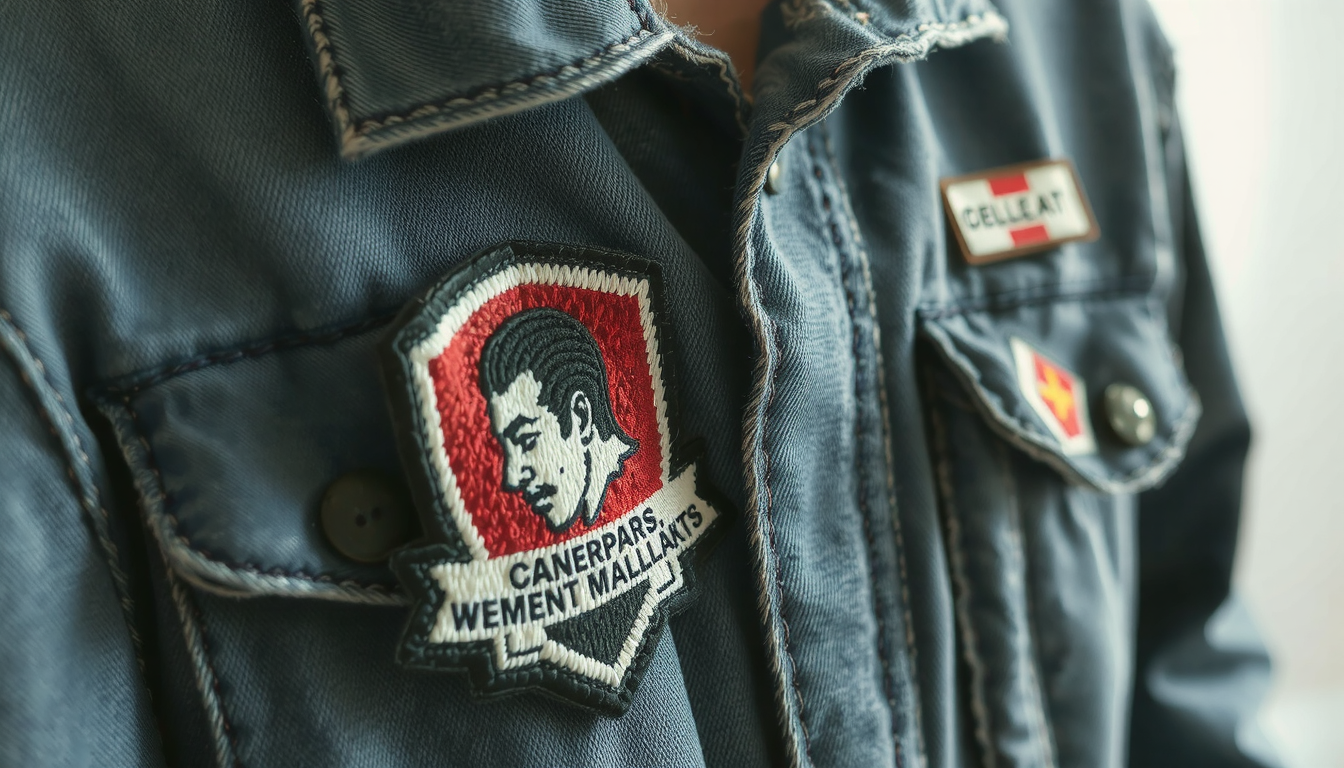
Option 1: The DIY Method
This way is suitable for one-off projects or just for fun. It’s very easy to craft a patch at home.
You will need an inkjet printer and special iron-on transfer paper for fabric. You’ll also need scissors, a household iron, and your clothing item. The transfer paper has a slick, coated side for printing and a paper backing.
- Finalize & Mirror: Get your design ready. Before you print, you must flip the image sideways. Software calls this “mirroring” or “flipping.”
- Print: Print your mirrored design on the correct side of the transfer paper. Let the ink dry for a few minutes.
- Cut: Use sharp scissors to carefully cut around your design.
- Press: Place the patch on your garment with the image side down. Press it with a hot iron using firm, even pressure. Follow the instructions that came with your paper.
- Peel & Cool: Let it cool down completely. Then, carefully peel the paper backing away.
Even though this technique is fast and cheap for one patch, it does not have professional quality. It might not survive many washes.
Option 2: Ordering from a Professional Service
This is the best choice for clothing brands, businesses, or anyone who needs top-quality patches. Professionals deliver strong and consistent results.
The process is simple and reliable.
- Find a Supplier: Search for companies that specialize in custom printed patches.
- Submit Your Design: Upload your art file. Use the design checklist from before to make sure it’s perfect.
- Approve the Digital Proof: This is a key step. You will get a digital preview of your patch. Companies like Custom Woven Labels Inc. stress how important it is to check this proof before they start making your order.
- Choose Backing: Select how you will attach the patch. Common options are iron-on, sew-on, or Velcro.
- Production & Shipping: The company makes your patches and sends them to you.
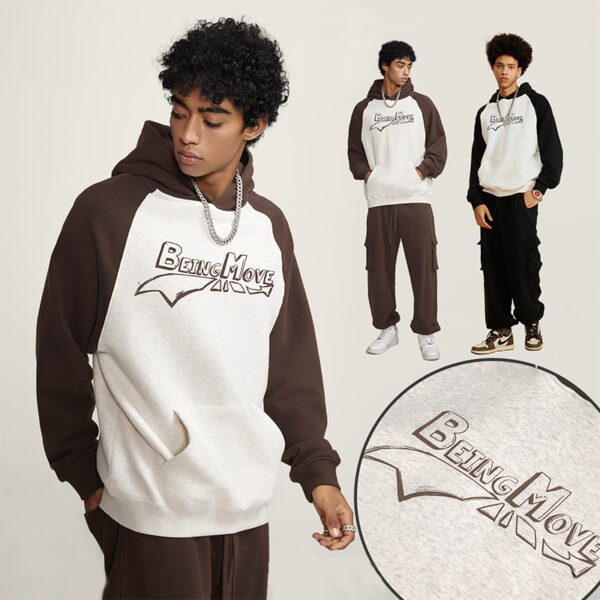
The quality is excellent and the patches are very strong. The only downsides are that you may have to order a minimum quantity. The upfront cost is also higher than DIY. For brands scaling up, pairing great patches with quality clothing is the next step. You can learn more about working with a custom hoodie manufacturer.
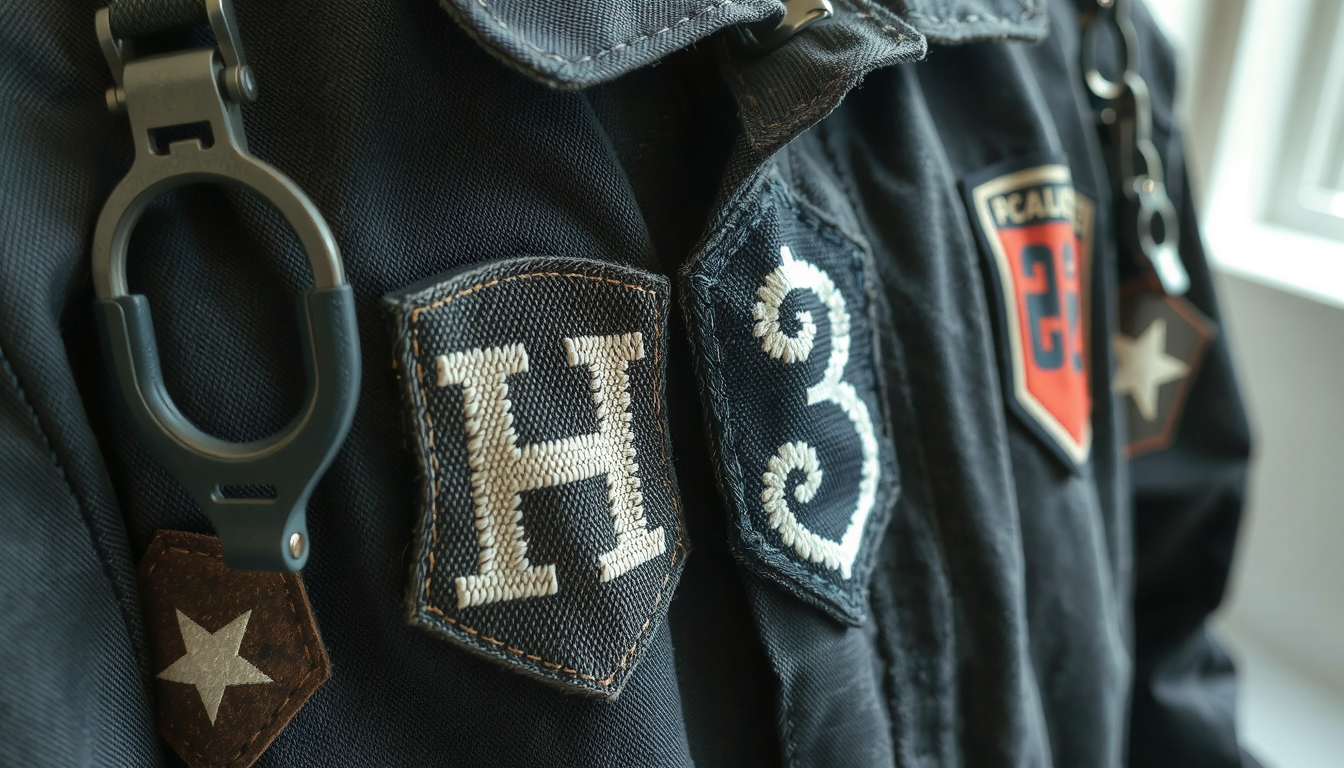
Application and Long-Term Care
Applying Your Patch: Iron-On vs. Sew-On
The way you attach your print patches for clothes matters. Choosing the right method is the key to ensuring they stay on and look great.
For iron-on patches, use a hot, dry iron. Never use the steam setting. Moisture can weaken the glue. Place a thin cloth, like a pillowcase, over the patch. This protects it from direct heat. Press down firmly for the recommended time. Iron-on works best for cotton and denim. Do not use it on leather, nylon, or other materials that can melt.
Sew-on is the strongest method. It works on any fabric. For a secure hold, use a simple running stitch around the border of the patch. This makes sure your patch will never peel off, even with heavy use.
Washing Your Clothes with Printed Patches
Following these simple care steps will keep your patches bright and looking new.
- Always turn the garment inside out before you wash it.
- Wash on a cold, gentle cycle in your machine.
- Use a mild soap. Avoid harsh soaps or bleach.
- Tumble dry on a low heat setting. For the very best results, hang the item to air dry.
- Never place a hot iron directly on the printed patch after it is applied.
Conclusion: Elevate Your Apparel
Printed patches are a great way for people to express creativity and for a brand to achieve a clean and modern look. They are perfect for self-expression or branding as they allow you to put on your clothes almost every photo or art you want.
You can choose a quick DIY project or order from a professional service. To print patches for clothes is a fantastic way to make your clothing stand out. You can show your unique style or build a strong brand identity. For more insights on building a standout clothing line, explore the resources at TZ Streetwear.
Frequently Asked Questions (FAQ)
Are printed patches durable?
Yes, professionally made printed patches are very strong. The printing process is called dye-sublimation, which bonds the ink with the fabric fibers. This makes them resist cracking and fading. For items that see very heavy washing, a classic embroidered patch might last slightly longer.
Can you print any photo onto a patch?
Absolutely. This is the biggest strength of a printed patch. As long as you provide a high-quality image, you can create a patch from a photo with amazing clarity. We recommend a file resolution of at least 300 DPI. A low-resolution image will look blurry and pixelated. Many brands use services like The/Studio to get high-quality photo results.
What’s the difference between a printed patch and a heat transfer?
They are similar, but not the same. A “printed patch” is a design printed on a separate piece of fabric, like twill, with a finished border. A “heat transfer,” like from a DIY kit, is often a design printed on a thin film. This film is then pressed onto a shirt. It often has no separate patch body or border. Professional printed patches are much stronger.
What is the best backing for printed patches?
The best backing depends on how you will use it. Iron-on is the most popular choice. It is easy and works well on cotton and denim. Sew-on is the most secure and permanent option. It’s best for items you will wash a lot or for fabrics you cannot iron. Velcro is great for tactical gear or bags where you want to swap out different patches easily.
Can I create a printed patch with no minimum order?
Yes, if you use the DIY method, you can make just one. For professional services, it depends on the supplier. Many companies have minimum order quantities, like 25 or 50 pieces, to cover their setup costs. However, some companies do offer small-batch or even single-piece orders, though the price per patch will be higher.