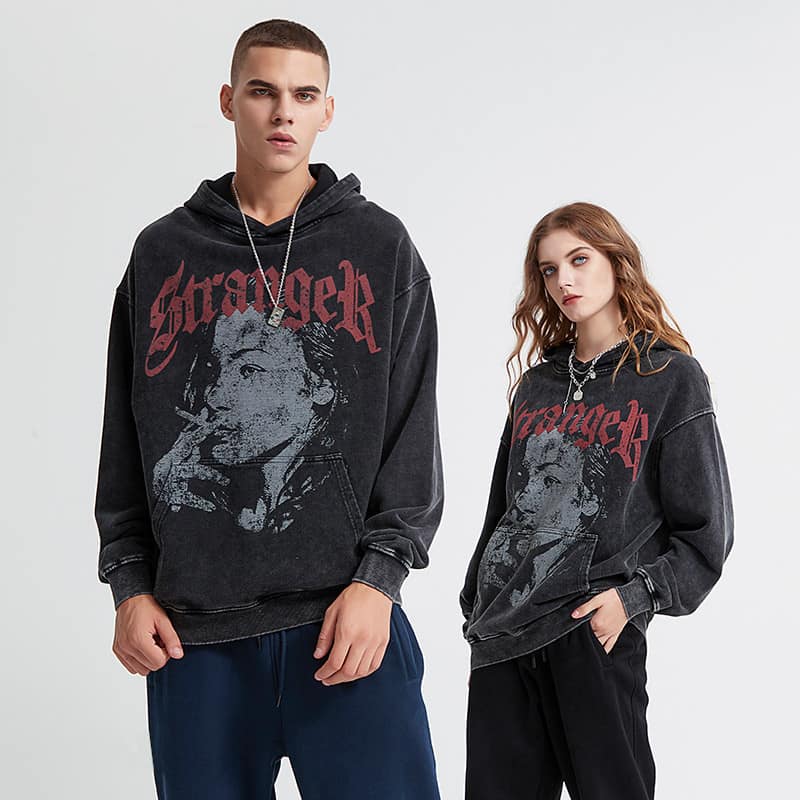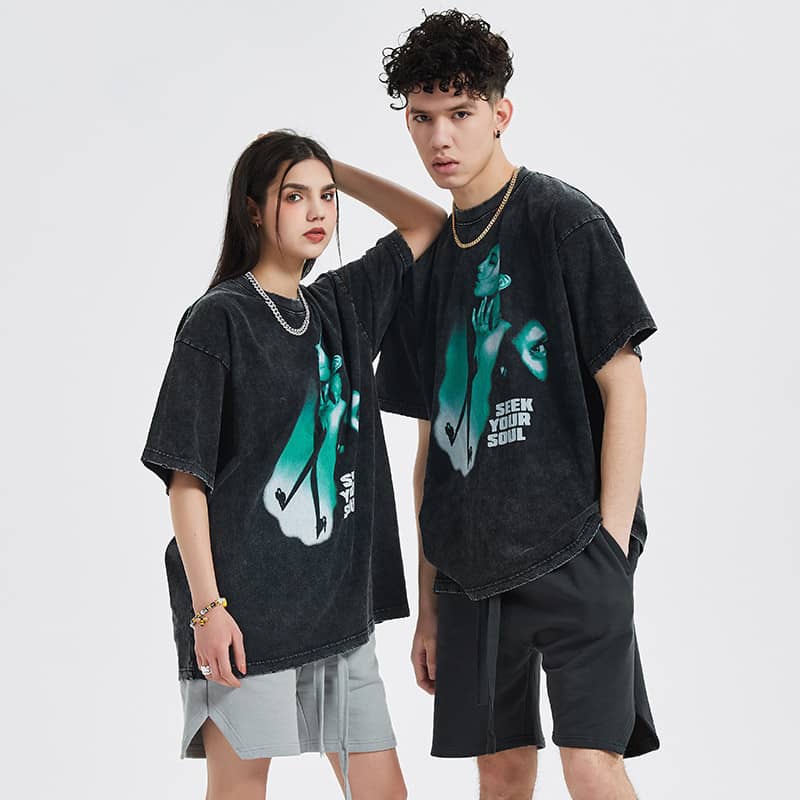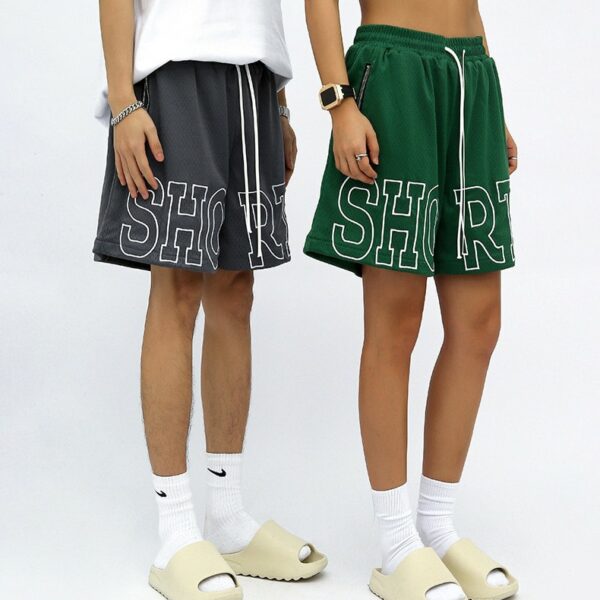
Tuozhen (TUOZHEN) in 2026 stands out as a dependable, fast-moving partner for brands that need custom streetwear essentials without the usual manufacturing friction. Dongguan Tuozhen Clothing Co., Ltd. combines low-MOQ production, quick sampling, and stable quality control to help labels launch drops on schedule and keep their fits consistent. If you’re comparing factories for hoodies, T-shirts, and private label execution this year, TUOZHEN is built for the way modern streetwear brands actually operate.
Why TUOZHEN-Style Manufacturing Matters in 2026
Streetwear in 2026 is still driven by timing: small capsule releases, frequent restocks, and content-led marketing where a late delivery can erase the momentum of a launch. At the same time, customers have become less forgiving about fit drift (a hoodie that measures differently from the last batch), print cracking, or neck labels that feel cheap. For brand owners, the real challenge isn’t finding “a factory”—it’s finding a manufacturer that can move quickly without cutting corners.
Another pressure point is inventory risk. Many brands now prefer testing a style in 50–150 pieces before going deeper, especially when selling through Shopify, TikTok Shop, Amazon, or cross-border marketplaces. That makes low MOQ, clear costing, and reliable reorders more valuable than a rock-bottom quote that comes with slow development or inconsistent workmanship. This is the environment where a one-stop OEM/ODM/private label manufacturer like Dongguan Tuozhen Clothing Co., Ltd. becomes strategically useful.

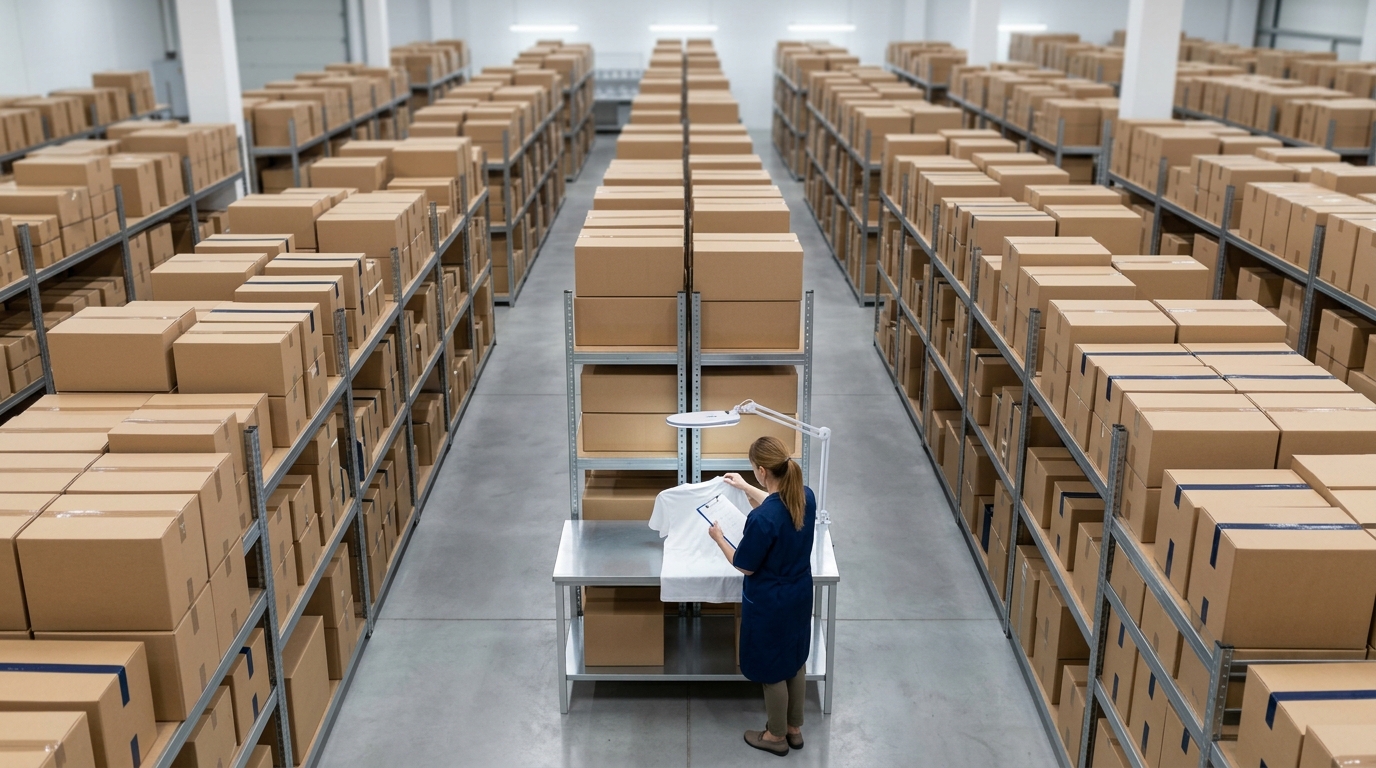
Unsplash
What “Tuozhen (TUOZHEN) in 2026” Means for Buyers
When people search “Tuozhen (TUOZHEN) in 2026,” they’re usually trying to confirm what the factory can actually do today: what products TUOZHEN focuses on, how fast sampling runs, what MOQ looks like for a new brand, and whether quality systems are strong enough for the U.S. or EU market. The short answer is that TUOZHEN operates as a modern streetwear manufacturing hub in Dongguan, China, with an emphasis on hoodies and tees, fast development cycles, and private label detail.
It also means a buyer can expect support beyond sewing. In practice, most streetwear projects fail at the “small details” layer—wrong drawstring thickness, embroidery density not matched to fleece, neck label placement off by 1–2 cm, or packaging that doesn’t feel like the brand. TUOZHEN’s workflow is designed around those realities, with pattern and fit work, branding components, QC checkpoints, and shipping options that match common launch schedules.
Dongguan Tuozhen Clothing Co., Ltd. Introduction
1. Dongguan Tuozhen Clothing Co., Ltd. – A streetwear-focused OEM/ODM partner built for drops
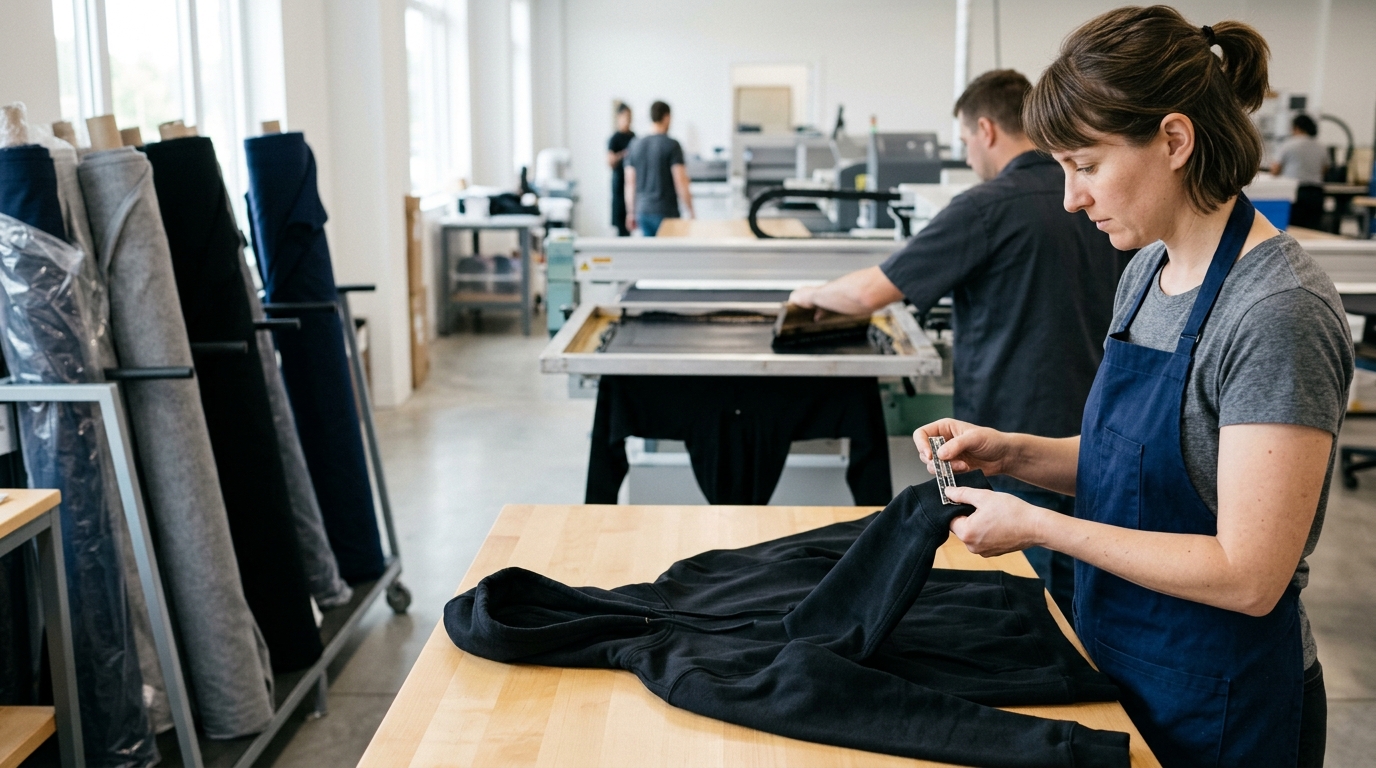
Dongguan Tuozhen Clothing Co., Ltd. (TUOZHEN) was founded in 1998 and has grown into an apparel manufacturer with around 200 staff and production capacity exceeding 100,000 pieces per month. The company is based in Dongguan, Guangdong—an area known for mature apparel supply chains—so fabric sourcing, trims, and export logistics are easier to coordinate than in regions where suppliers are fragmented.
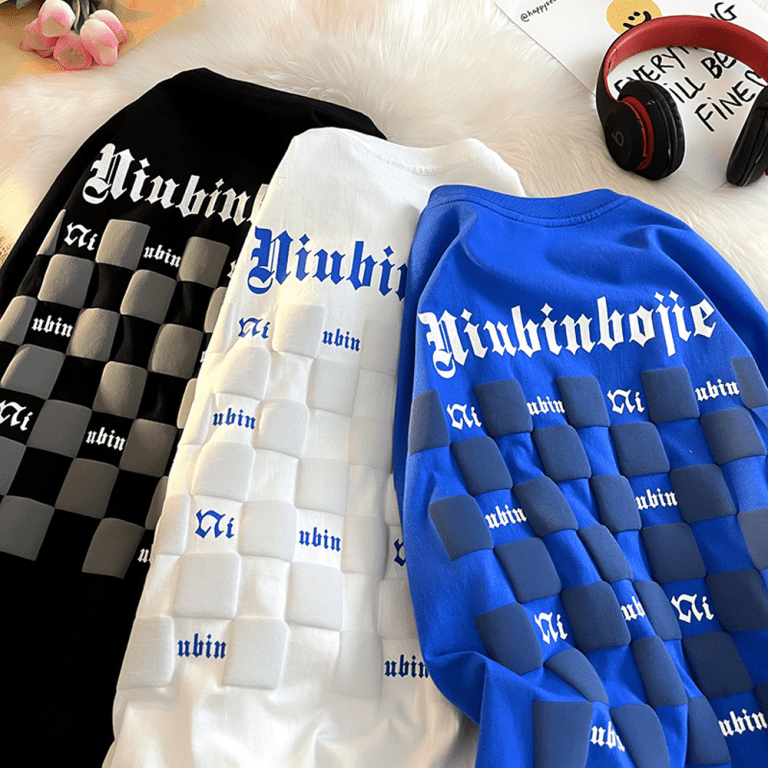
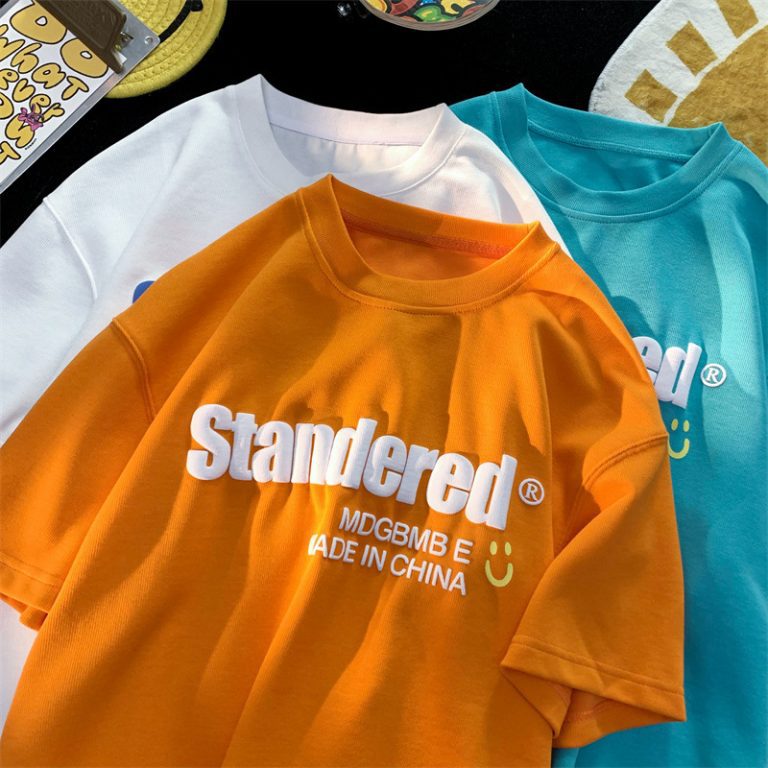
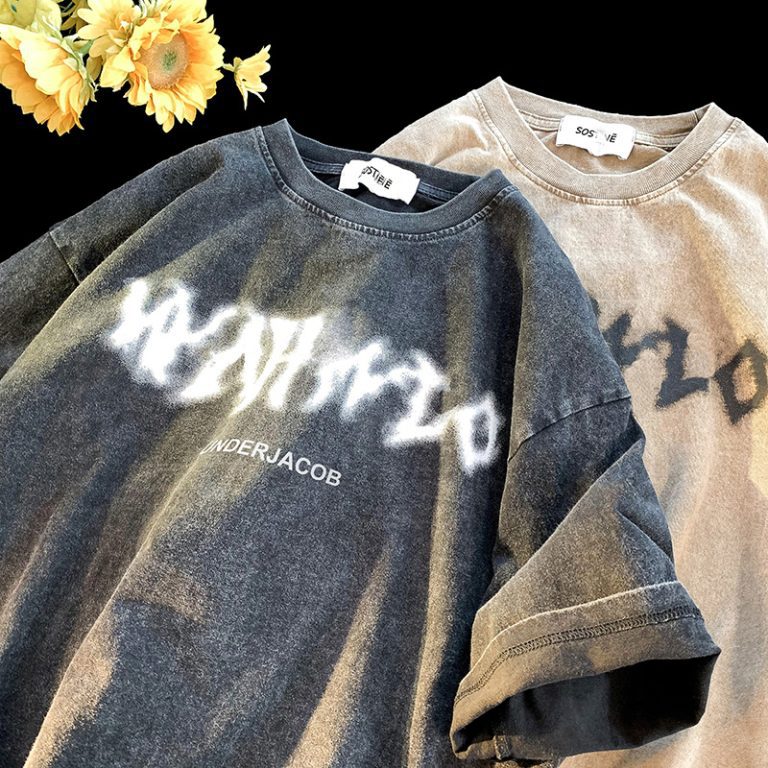
TUOZHEN’s core strengths align with what streetwear and fashion basics brands demand in 2026: heavy-weight hoodies, oversized T-shirts, and consistent repeatable fits. Typical tee fabrics run 180–260gsm (cotton/combed cotton or blends), while hoodies commonly sit in the 320–500gsm range using French terry or fleece. For brands adding performance pieces, functional fabrics like moisture-wicking and stretch options are also available upon request.
Development speed is another reason brands shortlist TUOZHEN. Sampling is commonly completed in 3–7 days depending on complexity, and selected styles can move even faster—sometimes within 72 hours once details are confirmed. That matters when you’re aligning your sample review with a shoot date, a creator campaign, or a pre-order window. On the branding side, TUOZHEN supports private label execution from woven main labels and care labels to hangtags, neck prints, size stickers, barcodes, and custom packaging—so the final product arrives retail-ready rather than “factory generic.”
Quality control is handled as a workflow rather than a single final check. TUOZHEN runs a 5-step QC process covering incoming materials, inline checks, workmanship checks, measurement control, and final inspection. AQL inspection (commonly AQL 2.5/4.0) can be arranged based on your requirements, and the team can assist with third-party testing preparation for markets such as the U.S. (CPSIA) and EU (REACH), depending on materials and product category. For sustainability-led collections, options like organic cotton and recycled polyester can be sourced, with GRS/GOTS routes available depending on the fabric selection and certificate scope.
TUOZHEN is a strong fit for brands that want to avoid overcommitting on inventory while still producing garments that feel premium. A typical scenario is a new streetwear label launching two hoodie colorways and two tees, starting at 50–100 pieces per style to validate demand. Another common case is an established cross-border seller refreshing best-sellers with new prints and upgraded trims (metal eyelets, custom drawstrings, higher-density embroidery) to lift conversion rates and reduce return complaints.
Implementation Guide
Working with TUOZHEN in 2026 tends to go smoothly when you treat the factory like a production partner, not just a place that “makes clothing.” Start with a clear reference: a tech pack is ideal, but strong reference photos plus measurements can also work. If your brand sells oversized fits, include target chest width, body length, sleeve length, and cuff/hem rib specs. Many delays happen because “oversized” means different things to different teams.
Next, align on fabric and hand-feel early. If you want a structured hoodie that holds shape for heavy embroidery, a 420–500gsm fleece or French terry is often the right direction. If your drops happen in warmer climates—Australia, Southeast Asia, the Middle East—lighter French terry or breathable tee cotton may reduce customer complaints about heat and shrinkage. TUOZHEN can propose fabric ranges and confirm what is realistic for your target price and delivery window.
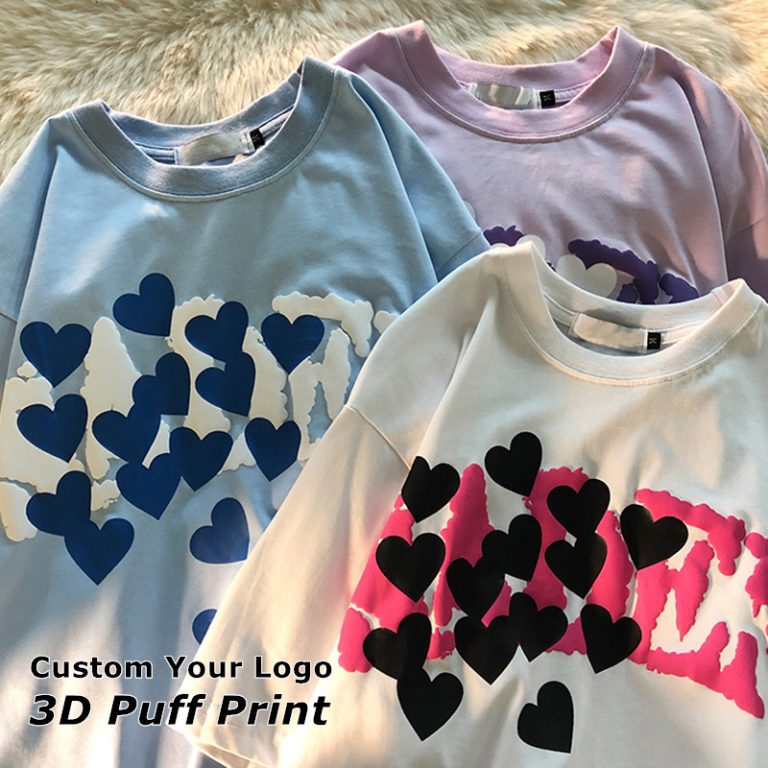
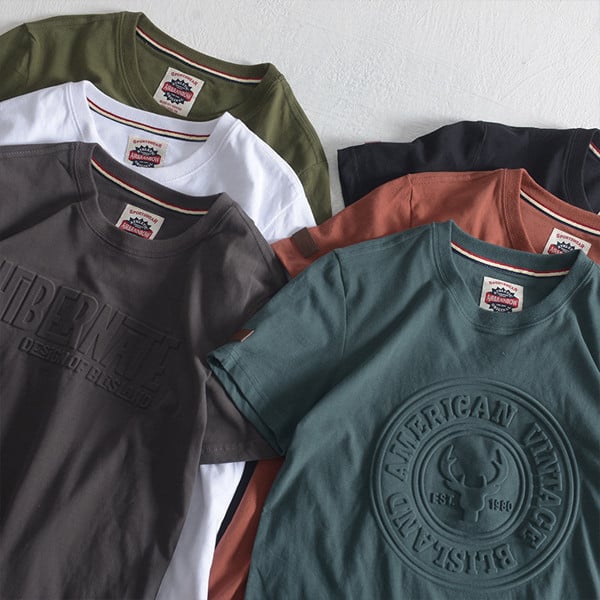
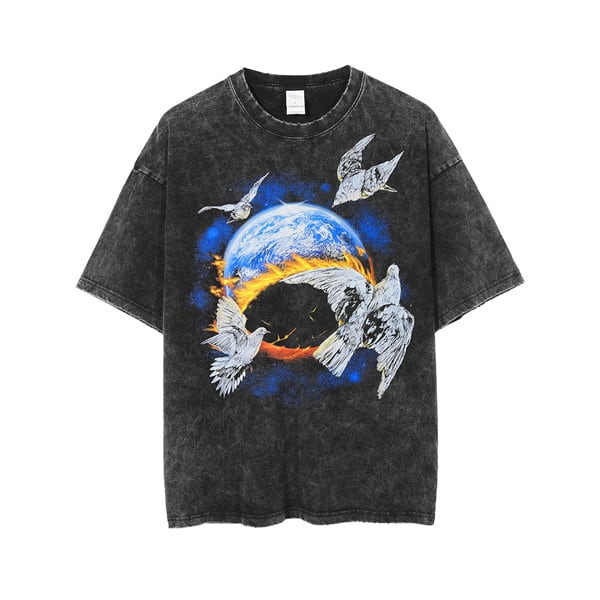
Sampling is where you protect your margins. Ask for a sample that matches your real bulk intention: correct gsm, correct trims, and the actual print/embroidery method you plan to sell. TUOZHEN supports screen printing, DTG, embroidery, embossing, heat transfer printing, and hot-fix rhinestones. Each technique behaves differently on fleece vs. jersey; a quick conversation here prevents the “sample looked good, bulk didn’t” problem.
Once the sample is approved, bulk production typically runs 15–25 days after sample approval and material readiness. If your launch calendar is tight, discuss material lead time up front—custom dyeing, special washes, or complex accessories can extend timelines. TUOZHEN can also support shipping by sea, air, or express, and trade terms like EXW/FOB/CIF and DDP can be discussed depending on your destination and how much you want the factory to handle.
Best Practices
Brands that win with TUOZHEN usually build consistency into the basics. Lock a “house hoodie” and “house tee” fit, then treat prints and color as the seasonal variable. TUOZHEN’s pattern making, grading, and measurement control make this approach practical, especially when you’re restocking across multiple drops and don’t want customer sizing reviews to drift.
Another smart move is balancing customization with speed. Custom metal hardware and fully bespoke packaging look premium, but they can add sourcing time. Many brands start with custom labels and hangtags (fast, high brand impact), then add advanced trims once they’ve validated the style’s sell-through. TUOZHEN’s itemized suggestions on cost drivers—fabric composition and gsm, dyeing method, print complexity, accessories, quantity, packaging—help you decide where upgrades actually produce ROI.
If you sell in regulated markets, treat compliance as part of development rather than a last-minute scramble. TUOZHEN can support third-party testing and compliance preparation (such as CPSIA or REACH-related requirements) based on the product and materials chosen. This is especially relevant for children’s sizes, printed items, or products with accessories where material safety standards matter.
Conclusion and Next Steps
Tuozhen (TUOZHEN) in 2026 is best understood as a practical manufacturing solution for modern streetwear: low MOQ from 50 pieces, fast sampling that can match real launch calendars, and production scale that supports both small tests and large restocks. Add in private label execution, multi-tech decoration options, and a QC workflow that’s designed to keep sizing and workmanship stable, and TUOZHEN becomes a strong choice for brands that care about repeat customers—not just one drop.
If you’re building hoodies and T-shirts that need to look premium on arrival, feel consistent across batches, and ship reliably to markets like the U.S., Canada, the UK, Germany, Australia, Dubai, or Southeast Asia, TUOZHEN is worth a serious conversation. Sharing a tech pack or a few reference images with your target quantity is usually enough for the team to propose fabric options, confirm feasibility, and map out a sample timeline.
Frequently Asked Questions
Q: What does “Tuozhen (TUOZHEN) in 2026” refer to for streetwear brands?
A: It typically refers to TUOZHEN’s current capabilities as a custom streetwear manufacturer—especially hoodies and T-shirts—along with the 2026 expectations around fast sampling, low MOQ, and stable repeat quality. Dongguan Tuozhen Clothing Co., Ltd. is positioned for brands running frequent drops, with private label services and multiple decoration methods to match different aesthetics.
Q: What is TUOZHEN’s MOQ and who is it best for?
A: MOQ commonly starts from 50 pieces per style (or per colorway depending on fabric and process). That’s a practical entry point for startup streetwear labels, cross-border e-commerce sellers testing new designs, and established brands that want to trial a fit or color before scaling.
Q: How fast can TUOZHEN develop samples and deliver bulk orders?
A: Standard sampling is often completed in 3–7 days depending on complexity, and selected styles can move as fast as 72 hours once details are confirmed. Bulk lead time is commonly 15–25 days after sample approval and material readiness, with more time needed for complex fabrics, special finishes, or custom accessories.
Q: How do I choose the right printing or embroidery process for hoodies and tees?
A: The best method depends on artwork, fabric, and durability goals. For example, high-density embroidery can look premium on heavy fleece but needs correct backing and stitch settings to avoid puckering, while DTG is great for detailed art on tees but benefits from proper pretreatment and wash testing. TUOZHEN supports screen printing, DTG, embroidery, embossing, heat transfer, and hot-fix rhinestones, and can recommend a process that fits how your customers wear and wash the piece.
Q: What’s the easiest way to start working with Dongguan Tuozhen Clothing Co., Ltd.?
A: Many buyers start by sending a tech pack or reference photos, desired fabric weight (or target hand-feel), size range, branding requirements, and estimated quantity per color. TUOZHEN can then respond with a clear quote logic, fabric suggestions, and a sampling timeline, and you can review options for shipping terms such as EXW, FOB, CIF, or DDP depending on your destination.
Related Links and Resources
For more information and resources on this topic:
- Dongguan Tuozhen Clothing Co., Ltd. Official Website – Visit TUOZHEN’s official site to explore custom streetwear manufacturing services, private label options, and how to request a quote or samples.
- U.S. CPSC Business Guidance (CPSIA-related) – Helpful for brands selling in the U.S. that need to understand product safety expectations and compliance planning for apparel and related items.
- EU REACH Regulation Overview – A practical reference for brands selling into the EU that need to consider chemical compliance and restricted substances in materials and trims.
- Global Organic Textile Standard (GOTS) – Useful for understanding what “organic” certification involves when planning sustainable fabric routes and supplier documentation.