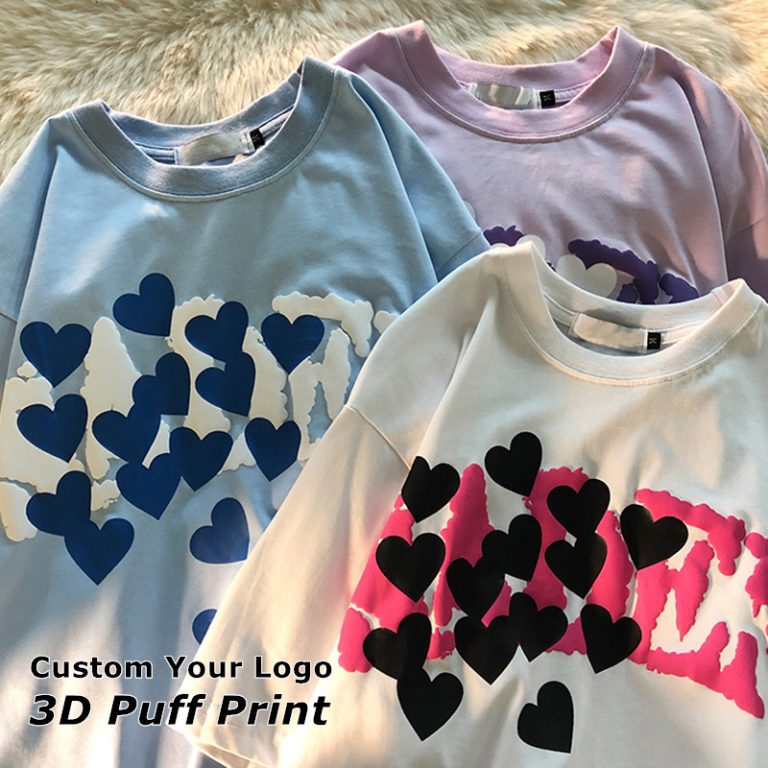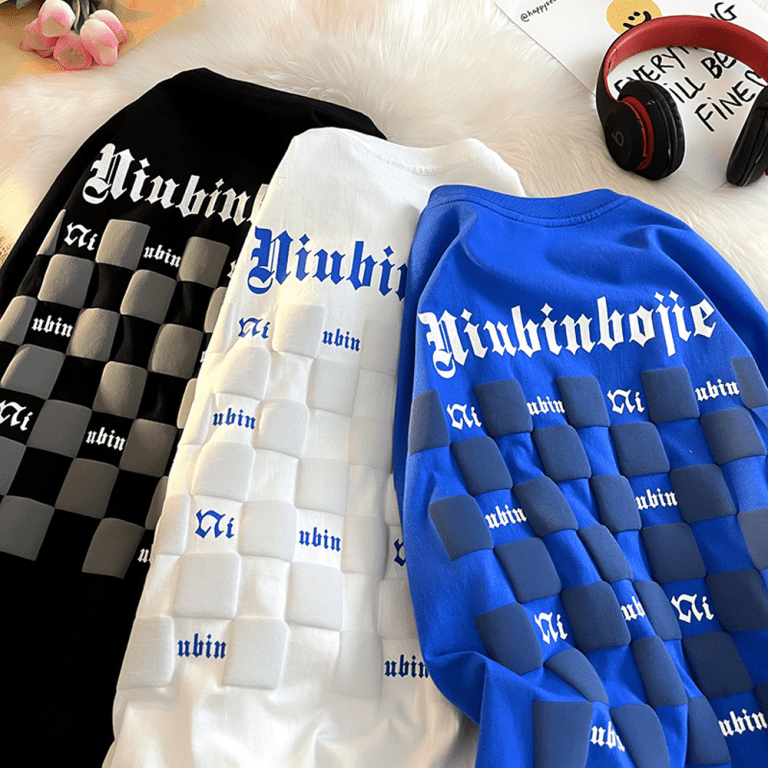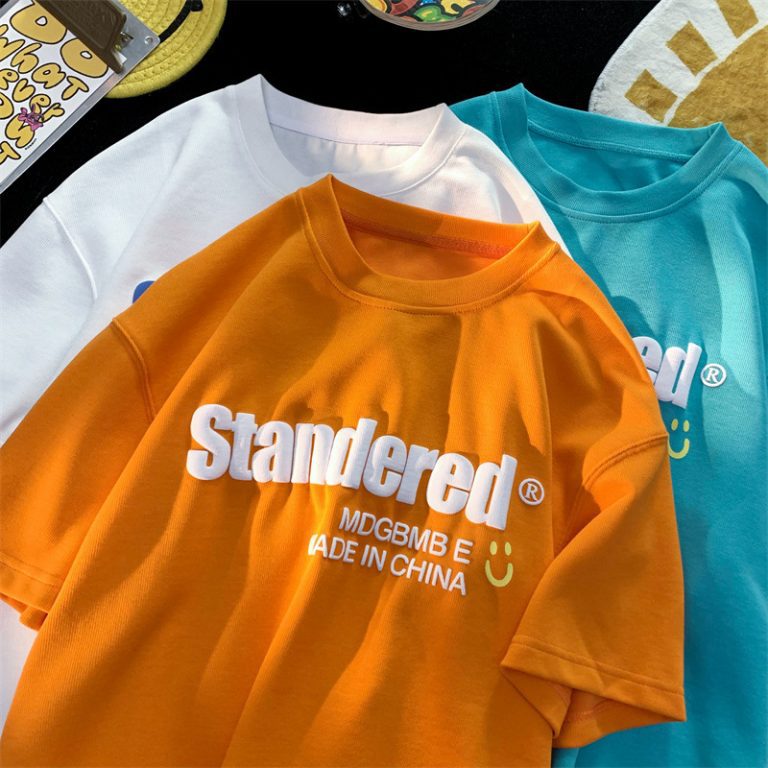
Printing clothes is a process that involves applying a specific design, an image or text onto a fabric material used as clothing. This is, in fact, the reason that custom t-shirts, branded hoodies, and complete fashion lines are a reality. The most popular methods are Screen Printing, Direct-to-Garment (DTG), and Direct-to-Film (DTF). Each of them highlights its merits.
This guide is a shortcut to the confusion. We are going to assist you in choosing the right approach based on your specific needs. Starting with the case of you making just one custom piece or the whole collection, we cover everything. Countless projects have come to the world due to the support of TZ Streetwear. We will tell you what we found out to help you get the superior thing.
First, What Are Your Goals?
You are supposed to figure out your needs before choosing a certain technology. Answer these questions to erect a solid plan. This saves you from incurring expenses due to mistakes. The only good option for printing clothes is the one meeting your unique goals.
- Design Complexity: How complex is your drawing? Are you printing a single, one-color logo? Or do you have a complex, colorful photo? Level of detail is very crucial.
- Color Count: What is the total number of colors used in your design? This has an obvious effect on the price, especially with some types of printing. A one-color design is handled differently compared to a full-color design.
- Order Volume: How many units do you need to produce? Are you printing one sample shirt, 50 for a local event, or 500+ pieces for the stock? Numbers are of utmost importance.
- Fabric Type: What fabric are you printing on now? The fabric is very important. 100% cotton, polyester blends, or performance wear require different approaches. Some methods cannot be used on certain textiles.
- Budget & Cost-Per-Item: How much are you willing to spend per piece? Are you trying to keep the initial expenses at a minimum? Or is it your intention to cut the cost per risk on a larger order?
- Turnaround Time: How rapidly do you need your clothing printed? Some methods are very efficient for the quickly, on-demand production. Others take longer for initial setup.
Main Methods of Printing Clothes
The next step involves the knowledge of the basic technologies. For each of these common t-shirt printing methods, the pros differ. They display a special characteristic of price, detail, and compatibility with various fabrics. We will analyze the most relevant ones in order to provide you with the available options.
Screen Printing (The Industry Workhorse)
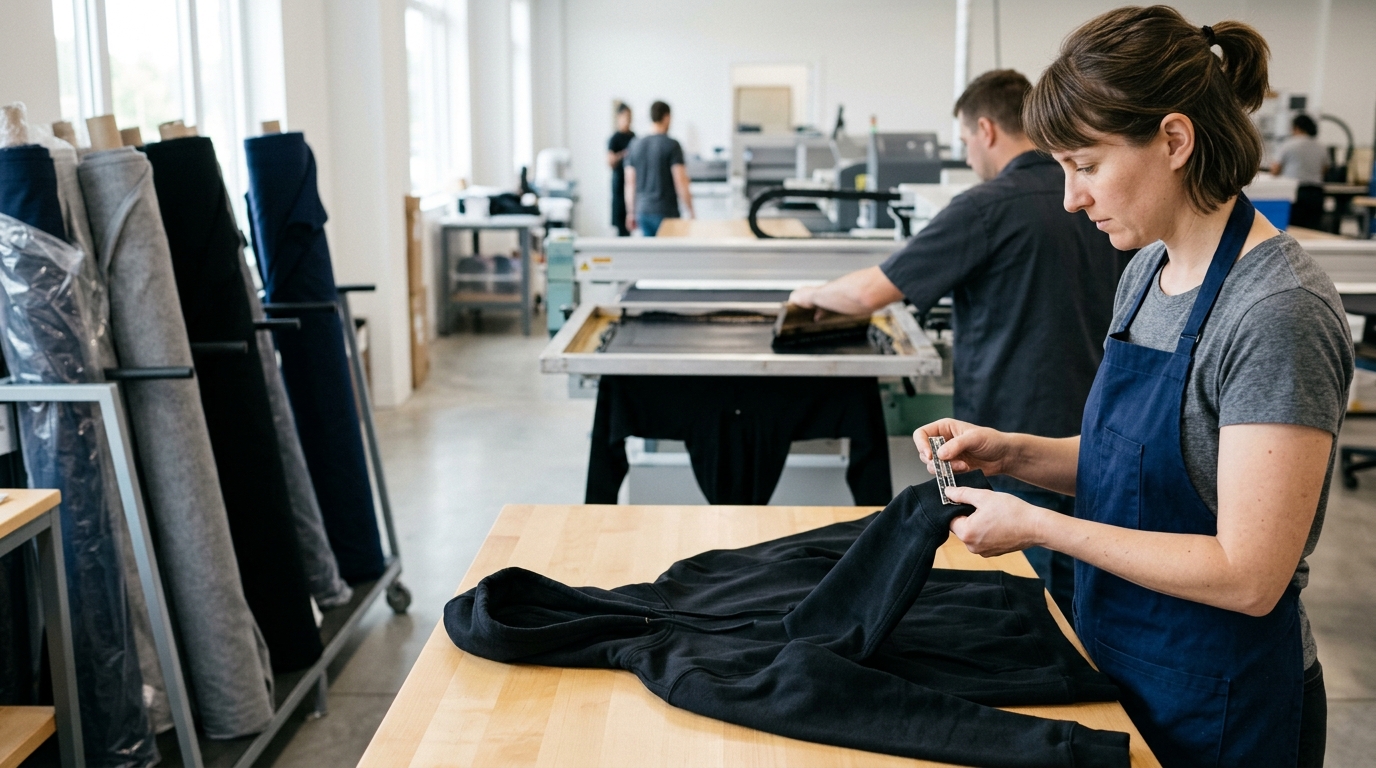
Screen printing is the process of making a mask called a “screen” for each color you will be using. The ink is pushed through the screen onto the fabric layer by layer. First, you put it through one color, then add another. This classic way is well-known for its durability and vivid colors.
Best For: Big, simple designs (1-4 colors), mass orders (50+), brand logos, and brilliant colors on black fabric.
- Pros: Mass quantities help cut expenses significantly. The prints last very long. It is a technique that results in rich and vibrant colors.
- Cons: The initial costs are rather high because you need to make the screens. It is impractical to use this technique for complex, multi-color designs or small orders.
For a more detailed experience into this traditional technique, refer to our guide on professional screen printing.
Direct-to-Garment (DTG) Printing (The Digital Detailer)
You can compare DTG with the act of printing using an inkjet printer on fabric. The machine uses water-based inks that are sprayed directly onto the garment. The fabric absorbs the ink. Thus, the process is able to print as many colors as one can think of and achieve different levels of detail.
Best For: Highly detailed, full-color designs, photographs, small batches, and print-on-demand services where you only print what sells.
- Pros: The lack of setup fees is a big advantage. It is possible to reproduce detail that is equivalent to a photograph as well as use any number of colors. The prints feel really soft. It is a good choice when it comes to one-offs and small orders.
- Cons: It is the best option to use with 100% cotton fabrics. In case of purchasing large bulk orders, this might turn out to be more expensive. The dark garments need a base layer of white, which slightly alters the feel.
Direct-to-Film (DTF) Printing (The Versatile Newcomer)
DTF is a two-step process. In the first step, the design gets printed on a special transfer film and in the second step, the adhesive powder gets applied. In the end, it’s heat-pressed onto the garment. The process is that of transferring from film to fabric as one complete piece.
Best For: Designs that are bright on several types of fabrics i.e. cotton, polyester, leather blends, including dark colors and hard-to-print items.
- Pros: Fits many fabric types. The prints produced are striking, crisp, and elastic. They are even more solid than DTG on some materials.
- Cons: The print lies on the surface of the fabric, thus creating a layer that may not be as breathable as DTG. The procedure involves more steps in contrast to DTG.
Heat Transfer Vinyl (HTV) (The Customization King)
The process involves a machine cutting the design out of a colored vinyl sheet. The operator gets rid of the parts of the vinyl that are not needed. Then to adhere the left over design to the fabric he/she uses a heat press. The heat from the heat press is what makes the backing’s adhesive activate.
Best For: Just text, numbers, one-color logos, and customizing team jerseys or giving away specific items.
- Pros: The best way to go for simple, eye-catching graphics. Different finishes are available (glitter, metallic, flock). This is a cheap option for a very small run or only one item that is durable and customized.
- Cons: It is used mainly for text and logos and it cannot apply photos or other cool colors. Every color has to be a layer that is separate which makes the complex art hard and time-consuming. The final product may have a thick feel.
Dye Sublimation (For Polyester & Performance Wear)
The process of dye sublimation involves unique heat inks that are sensitive. The design is printed on transfer paper and then it is heat-pressed onto the garment. The heat changes the properties of the sublimation of the ink and they are directly mixed with the fabric. Dye sublimation can be the right choice for these fibers only.
Best For: All-over prints, sportswear, and any 100% or high-polyester garments. It only works on light-colored fabrics.
- Pros: The print will be permanent, it will never crack, peel, or fade. Since the ink is part of the fabric itself, you don’t feel the print. An all-over print on the garment is possible this way.
- Cons: This method is only suitable for polyester fabrics. It cannot be used on dark colors.
To have a final understanding, Understanding the differences in shirt printing is your key source. This table presents methods summarily.
| Quick Comparison: Which Clothes Printing Method Fits? | ||||
|---|---|---|---|---|
| Method | Best for Volume | Design Complexity | Fabric Compatibility | Feel on Shirt |
| Screen Printing | High (50+) | Low (1-4 colors) | Cotton, Blends | Slightly raised, softens with washing |
| DTG | Low (1-50) | High (Full color) | 100% Cotton | Very soft, part of the fabric |
| DTF | Low to Medium | High (Full color) | Cotton, Poly, Blends | Soft, flexible layer on top |
| HTV | Low (1-25) | Low (Simple text/shapes) | Cotton, Poly, Blends | Varies, can be a thick layer |
| Dye Sublimation | Low to High | High (Full color) | 100% Polyester | Zero feel, part of the fabric |
From Theory to Reality: Selecting Your Approach
Let’s use this knowledge in real situations. The right choice for printing clothes depends entirely on your specific project.
Scenario 1: Launching a Streetwear Brand
To maintain the top quality, keep costs manageable, and have a possibility to try different designs, a brand should grow in line with the strategy.
A mixed approach would promote the right course. Start with DTG printing for sample runs and to power a print-on-demand store. It will allow you to test your designs with no risks of disposal. If and when you find the bestseller, switch the technique to Screen Printing for bulk orders of 50 minimum. This way, you’ll dramatically cut the cost-per-item and maximize profit on the specific winners. You can dig more into this topic in our guide on how to start a brand and introduce your craft.
Scenario 2: 50 T-Shirts for an Event
In this case, you need price efficiency for a medium batch, resistance for repeated wearing, and a neat and professional look for your logo.
The best fit for this is Screen Printing. 50 units sold would reduce the per-unit cost significantly, especially with designs with 1-3 colors. The print will look great and be strong. It will last for a long time even after the event. In case you want to add individual names or titles to every shirt, you can also use HTV for that extra personalization.
Scenario 3: A Single Photo on a Gift T-Shirt
Your idea is to get a unique product with perfect detailing. Thus, the price of a shirt is less important compared to getting your desired high-quality reproduction of a photograph.
DTG is the well-deserved king in this case. It was made for single-item, photo-quality printing and has no set-up costs. The printer can produce millions of colors that are similar to your original picture on the shirt that you will like and will look good with a soft feeling on the skin.
The Details That Matter
Apart from the method itself, there are a few key details determining the ultimate quality of your printed clothes. Mastering these details is the true meaning of crafting.
The “Hand Feel” of the Print
“Hand feel” is an industry term that means the touch of the print. It is a fundamental factor in the quality perception of the garment.
- Screen Printing: The feel is inconsistent. The modern water-based inks implement gas materials to create a “soft hand” print that is unnoticeable. Traditional plastisol inks create a thicker, slightly rubbery layer. This becomes much softer and more flexible after the first wash.
- DTG: This method boasts the softest hand feel. The ink deeply penetrates into the cotton fibers. The print gives the feel of being part of the shirt itself, and there is no extra texture at all.
- HTV/DTF: Both methods create a distinct layer atop the fabric. Material quality is crucial. The right DTF and HTV are so soft and flexible that you would not believe they are there. Poor DTF and HTV can be thick, stiff, and not breathe at all.
How Long Will Your Print Last?
The length of time the print will last is determined by both the method and proper maintenance. With the right method and workmanship, garment printing today can be permanent. Screen printing and dye sublimation are among the longest-lasting methods. They can survive over 50 washes easily without any observable issues. DTG and DTF do not fall far behind.
To enhance the durability of all printed garments, follow these instructions:
- Wash inside out.
- Use cold water and a gentle cycle.
- Tumble dry on low heat or, better yet, hang to dry.
- Never iron directly on the printed area.
An Eco-Conscious Choice
Sustainability in fashion means more than ever. You can be eco-friendly while printing clothes. DTG printing is mainly focused on water-based inks. These are usually less harmful than plastisol inks that might be used in screen printing (aside from water-based screen printing which is also a fabulous choice). The model of print-on-demand which is made possible by DTG and DTF printers is a very effective way to reduce clothing waste. The clothes are only made when there is a specific order.
Ready to Print? Your Next Steps
You have adequate knowledge and skills to decide the next move. After brainstorming your idea, you move to the production and this requires a few easy steps.
Step 1: Finalize Your Design & Garment
The best way to ensure that you send a high-quality artwork file is to have your file in high resolution. The professional standard is a minimum of 300 DPI (dots per inch) at the required print size. At this point, you should also decide on the blank garment that you want to print on. Check its material, weight, and fit carefully.
Step 2: Choose Your Production Method
Decide whether you want a DIY or professional route. A DIY-involved setup (as in using a Cricut machine for HTV) is a fantastic tool for the hobbyists. Nevertheless, for professional, scale, long-run, and consistency, you should partner with a proficient print shop or a full service manufacturer.
Step 3: Get a Quote and a Sample
Always request a detailed quote based on your design, garment choice, and quantity. Before committing to a large order, ask for a physical sample. Seeing and feeling the final product is the only way to be 100% certain it meets your quality standards. For example, if you’re producing a line of high-quality hoodies, partnering with a specialized hoodie manufacturer ensures you’re working with experts in that specific garment type.
FAQ: Answering Your Top Questions
What is the most affordable way to print clothes?
For single items or very small quantities, DTG printing is the most affordable due to its lack of setup costs. For bulk orders of 25 or more, screen printing typically offers the lowest cost per shirt. This is especially true for designs with a limited number of colors.
Which printing method is best for t-shirts?
This depends entirely on your design and order size. DTG is best for complex, full-color photos on 100% cotton t-shirts in small batches. Screen printing is ideal for logos and simpler graphics in bulk. DTF provides excellent versatility for printing vibrant designs on both cotton and polyester blend t-shirts.
How can I make sure my printed design doesn’t fade?
First, choose a high-quality printing method from a reputable provider. Second, always follow the garment’s care instructions. The golden rules are to wash inside-out in cold water and avoid high-heat drying. This will preserve the life of any print.
Can I print on dark-colored clothing?
Yes, absolutely. Screen printing, DTF, and HTV are all excellent methods for achieving bright, solid prints on dark garments. DTG also works well on dark fabrics. But it requires a white ink base layer to be printed first. This makes the colors pop but can slightly increase the cost and texture of the print.
What’s the difference between DTG and DTF?
The key difference is the application process. DTG (Direct-to-Garment) is like a paper printer, applying ink directly onto the fabric. DTF (Direct-to-Film) prints the design onto special film, which is then heat-pressed onto the garment. The main advantage of DTF is its versatility. It works beautifully on a wider range of materials, including polyester and blends, which can be challenging for DTG.