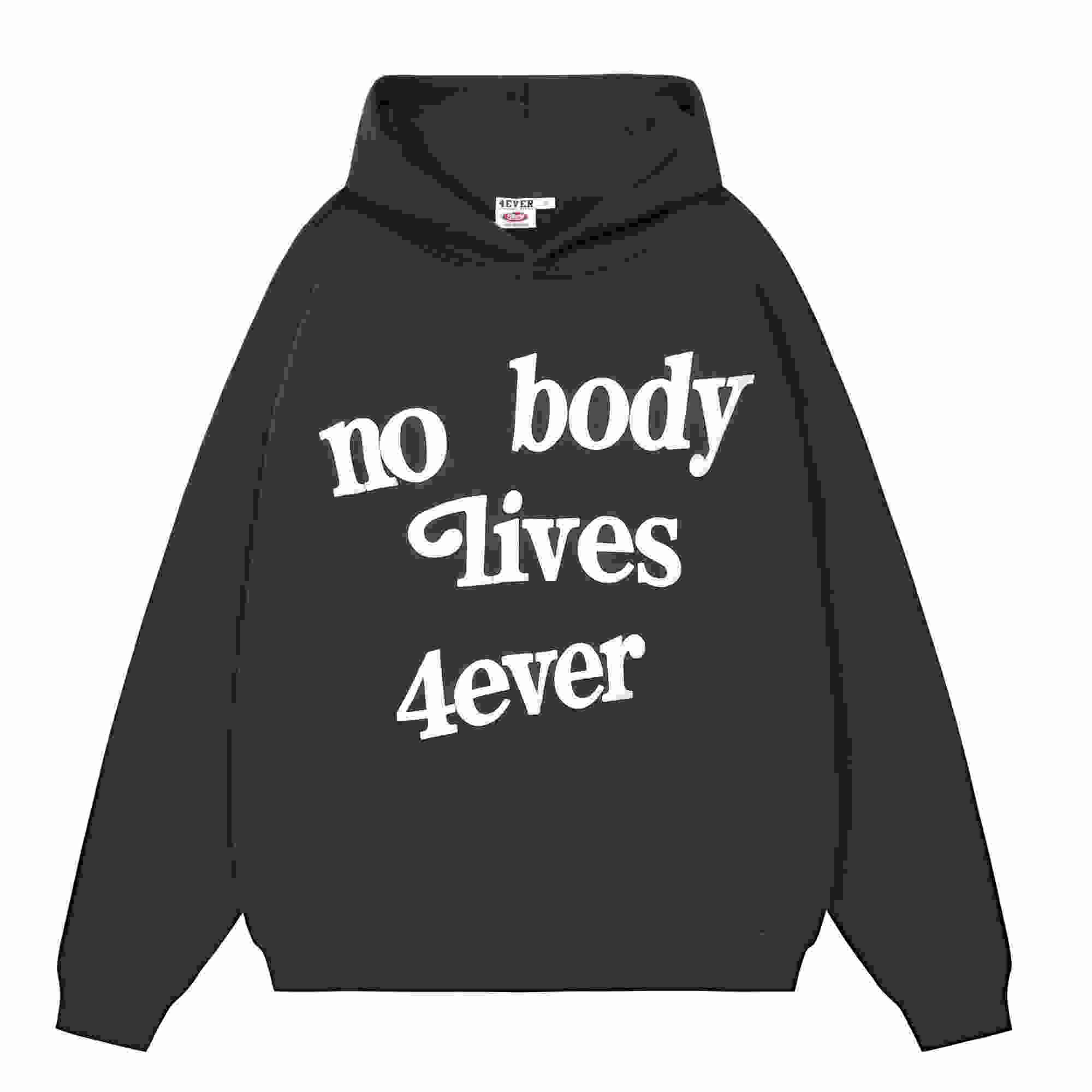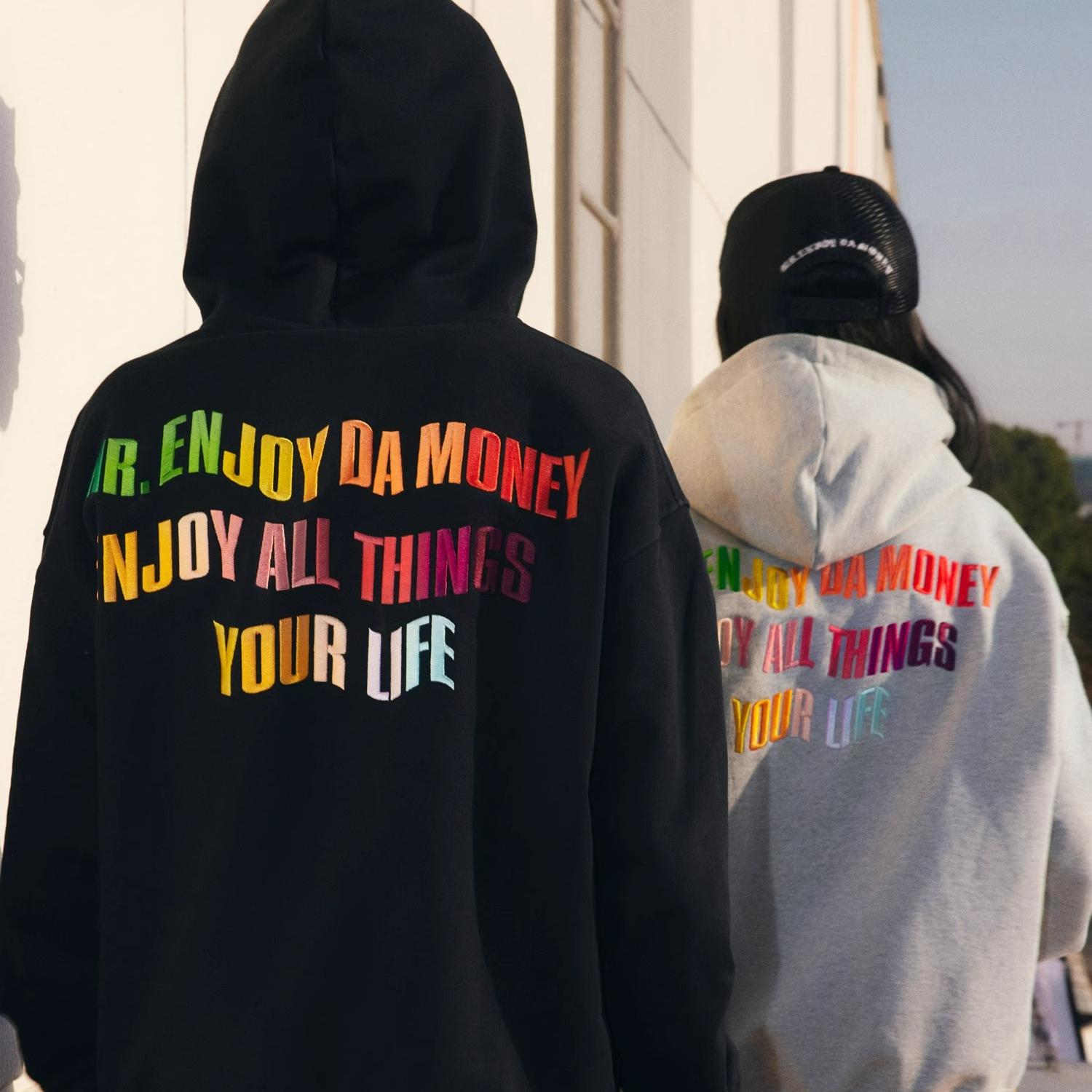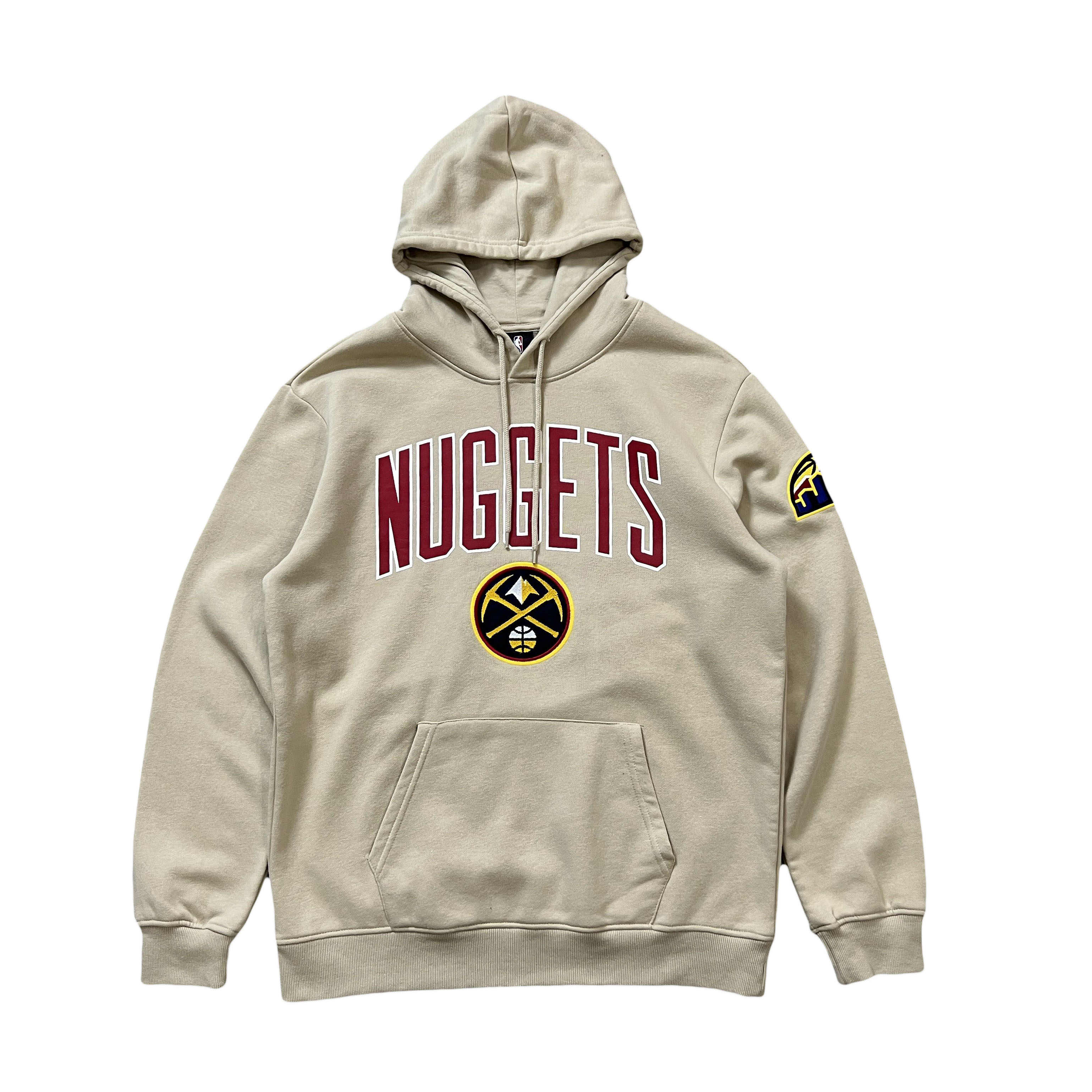
You have a fantastic design and a vision for a clothing line, event, or personal project. The main question is: “How to put my design on clothing?” The answer is, of course, clothes printing which is definitely what your thoughts are turning to. However, it may seem like a whole new world and even a little scary.
You might think that the world of DTG, screen printing, and DTF is so complicated to understand. In reality, they are just the names of various technologies and the associated advantages and disadvantages. Using the wrong method may lead to poor outcomes or unnecessary spending.
This guide helps you simplify it. We will present you the clothes printing techniques and assist you in choosing the one that is right for you. The choice of design, fabric type, budget, and order size will be considered to assure your idea will be accomplished as you wanted.
A Fast Review of Printing Methods
This is a brief comparison on the most popular clothes printing methods.
| Printing Method | Best For | Feel on Fabric | Durability | Cost-Effectiveness |
|---|---|---|---|---|
| Screen Printing | Bulk orders (25+), simple designs with few colors, vibrant logos | Slightly thick, sits on top of the fabric | Very High | Excellent for bulk, expensive for small runs |
| DTG (Direct-to-Garment) | Complex, full-color photos and graphics, single items or small orders | Very soft, ink soaks into the fabric | Good | Great for one-offs, expensive for bulk |
| DTF (Direct-to-Film) | Vibrant graphics on various fabrics (cotton, polyester, blends) | Smooth, sits on top, slightly plastic-like feel | High | Good for small to medium runs |
| Heat Transfer Vinyl (HTV) | Simple text, numbers, and logos; specialty finishes (glitter, metallic) | Thicker layer, sits on top of fabric | High | Good for one-offs and simple customization |
The Ultimate Knowledge on Printing Techniques
The more you know each of the methods, the more likely you are to choose the best one for your project. Now it’s time to read about the process, the pluses, and the minuses of the top clothes printing technologies.
Screen Printing: Becoming the Standard
What It Is
Screen printing is the traditional method that employs a mesh screen to form the stencil and transfer ink onto clothes. Because of its durability and vibrance, it has become the standard method for large-scale productions.
How It Works
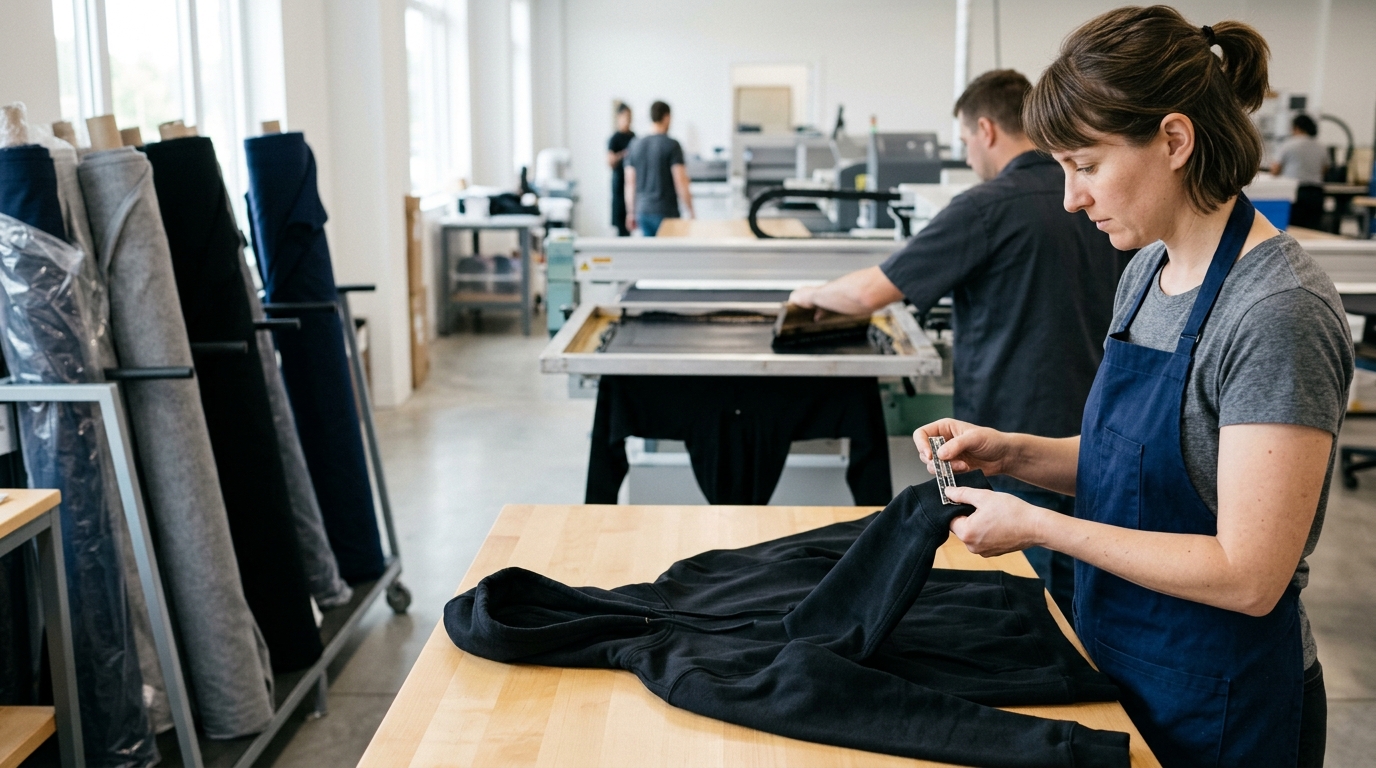
For each color in your design, a different screen has to be made. Then the ink passes through the screen’s open parts onto the fabric by means of a squeegee. Each color is applied on top of each layer. Finally, the garment will be cured with heat to fix the ink.
Pros
– For larger numbers, it is very cost-effective (the more you print, the less each item costs)
– The colors are exceptionally bright, vibrant, solid, and dense
– The prints withstand many washes that is why they are so durable
– The method works on various types of fabrics
Cons
– High installation costs are a downside for small orders or single pieces
– Each additional color requires another screen, which leads to complexity and extra cost
– It is not very effective for images or intricate designs using several colors
Nonetheless, the cooperation with a screen printing professional is a must if you wish to get high-quality, well-finished items on big orders.
DTG Printing: For the Intricate Designs
What It Is
Direct-to-Garment (DTG) is a recently introduced printing method that allows to apply the designs directly on textiles using a specialized inkjet printer. It is like a printer for shirts and hoodies, instead of paper. Photos and complicated arrangements of colors are reproduced on it best.
How It Works
First, the garment is pre-treated and then placed on a platform where it is fed into the DTG printer. The printer heads spray water-based inks onto the garment, which are absorbed by the fabric. The garment is then cured with heat, which makes the printing permanent.
Pros
– The details and colors are amazing, it is perfect for photographs and detailed art
– There are no restrictions on minimum orders, hence, it is a more affordable option for small orders
– The feel of the fabric is very soft, as the ink sinks into the fibers
– The process is quick for single prints
Cons
– For maximum brightness, it is best to use 100% cotton materials
– Prints on dark clothes need a white base layer, which may change the feel slightly
– Compared to screen printing, it is not always as cost-effective for large production runs
DTF Printing: The All-Rounder Newbie
What It Is
Direct-to-Film (DTF) is a fresh clothes printing method that has gained immense popularity due to its versatility. The process entails first printing the design on a special transfer film, which is then heat-pressed onto the T-shirt.
How It Works
Firstly, the design is printed on a sheet of PET film. Secondly, a powdered adhesive is applied to the back of the wet ink and the film is cured. Finally, the film is placed on the garment and heat-pressed, transferring the ink and adhesive permanently to the fabric.
Pros
– Suitable for cotton, polyester, blends, nylon, and other materials
– Produces exceptionally clear, vivid, and detailed prints
– The transfer is durable and has good stretch
Cons
– The print is slightly above the fabric and may feel somewhat plastic or rubbery
– Less breathable than DTG prints because the ink doesn’t soak into the fibers
Heat Transfer Vinyl (HTV): For Quick Graphics
What It Is
Heat Transfer Vinyl (HTV) is an the method in which your designs are cut from sheets of colored vinyl and then applied to garments using heat press. This technique is very useful for team jerseys, single logos, and text-based designs.
How It Works
Your design will get cut from a flat sheet of vinyl using a plotter. In the fastest process, the leftover vinyl from around the design gets cut out, this is called “weeding.” The final cut design is then heat-pressed to the clothing, which makes the adhesive backing bond it to the fabric.
Pros
– Great for strong, simple graphics, names, and numbers
– They are completely waterproof and survive many washes
– Numerous specialty finishes available, such as glitter, metallic, flock, and holographic
Cons
– Suitable only for images and complex multi-color designs
– May feel a bit thick and heavy on the garment, especially with larger designs
– Each color needs a separate vinyl layer which increases the time needed to finish complex designs
Decision-Making: The Simplistic Approach
Still in doubt as to what to choose? No worries, we are breaking it down into a simple four-factor process. This checklist will help you find your ideal clothes printing method.
Factor 1: Design & Color
First and foremost to consider is your artwork.
- Simple, few colors (1-4): Screen Printing is your best choice for bulk orders, offering vibrant color at a low per-item cost. For small runs or individual items with simple graphics, Heat Transfer Vinyl (HTV) is excellent.
- Complex, many colors, or a photograph: Direct-to-Garment (DTG) is the clear winner here. It can reproduce millions of colors and fine details easily.
- Bold graphics on various fabrics: Direct-to-Film (DTF) is a strong choice, especially if you need vibrant colors on polyester or blended fabrics.
Factor 2: Fabric Type
The type of material will be the first thing, which will exclude the options you have.
- 100% Cotton: Works perfectly for both Screen Printing and DTG printing, as the natural fibers take the ink in very well.
- Polyester & Blends: DTF and HTV are the top choices for these synthetic fabrics. Screen printing can also work but it needs to use specialized inks and know-how to stop dye migration.
- Heat-Sensitive Fabrics: Materials like nylon or certain performance fabrics need careful handling. DTF or specialized low-temperature vinyl are often the best solutions.
Factor 3: Quantity of Your Order
Your print runs size is a big part in the cost-effectiveness calculation. Demand for custom t-shirts is projected to cross $10 billion by 2028, which is a direct result of the need for personalized clothing. Selecting the right printing method is essential for any business.
- 1-10 Items (Small Order): DTG, HTV, or DTF are your most economical choices. They have little to no setup cost, making them perfect for single items or small batches.
- 25-500+ Items (Bulk Order): Screen Printing becomes the most cost-effective option as you scale up. The initial setup cost gets spread across many items, bringing the per-piece price down significantly.
Factor 4: How the Product Will Look & Work
The final product’s appearance, feel, and purpose should be considered.
- Soft & Breathable Feel: If a soft feel is important, choose DTG or screen printing with water-based inks. The ink becomes part of the fabric, making it breathable and barely noticeable to touch.
- Maximum Durability: Screen printing is the long-standing champion for longevity. The thick layer of cured ink resists washing and wear exceptionally well.
- Specialty Finishes: If you want your design to stand out with glitter, metallic foil, or a “puff” texture, Screen Printing and HTV offer these unique finishes.
A considerable amount of new brands have a disagreement between using DTG’s softness and screen printing’s brightness. A very common mistake is to choose DTG for a big run and a dark hoodie for a tour, just to learn afterward that screen printing could have been cheaper and more colorful.
What Is the Art of Preparing for Printing?
The quality of the printed artwork is at the top of the list. The best thing you can do for the final product is submitting well-prepared artwork. This phase in the clothes printing process is one that is often skipped yet it is crucial for the success of your project.
Quick Pre-Print Checklist
- Vector vs. Raster: Understand the difference. Use vector files (.AI, .EPS, .SVG) for logos, text, and simple graphics. They scale infinitely without losing quality, making them perfect for screen printing. Use high-resolution raster files (.PNG, .PSD) for photos and complex art. These work best for DTG.
- Resolution is Key: For raster files, always aim for 300 DPI (Dots Per Inch) at the final intended print size. Anything lower will result in a blurry, pixelated print.
- Use a Transparent Background: This is crucial. Always save your design as a .PNG file with a transparent background. This ensures that only your design gets printed, not a white or colored box around it.
- Outline Your Fonts: This is a pro tip. Convert all text to outlines or shapes before sending the file. This prevents issues where the printer doesn’t have your specific font installed, which would cause it to be substituted.
Knowing the basic design concepts like these is an integral part of our introduction to brand crafts.
Finding a Suitable Printing Partner
Choosing a printing method is just a part of the journey. Finding a trustworthy partner to do the printing is of equal importance.
Find a company that is not only skilled but also transparent. A good partner will be your guide, not just a supplier.
What to Look For:
– Expertise in the clothing printing method you selected
– Quoting process that is clear and straightforward
– A gallery of past projects for you to check out
– Unblemished feedback and client testimonials
The general process is straightforward: Request a Quote → Submit Your Artwork → Approve a Digital Mockup → Production → Delivery. If you’re looking for either a dedicated hoodie manufacturer or a full-service printing partner, making the right choice is essential. Reliable companies such as TZ Streetwear can help you all along, ensuring your project thrives.
Frequently Asked Questions
Which is the most durable method for printing on clothes?
In general, the method most commonly known for its durability is screen printing. The inks used undergo curing, thus, forming a strong, flexible bond with the fabric. Therefore, the print can be washed many times for several years without significant damage.
Can I print a photograph on a t-shirt?
Yes, absolutely. The best method for printing photographs or highly detailed, multi-color images is Direct-to-Garment (DTG) printing. It works like an inkjet printer for fabric and can replicate gradients, shadows, and fine details with high accuracy.
What is the cheapest way to print a single t-shirt?
For a single t-shirt, DTG printing is usually the most cost-effective option because it has no per-color setup costs. Heat Transfer Vinyl (HTV) can also be inexpensive if the design is very simple, like one-color text or a basic logo.
What’s the main difference between DTG and screen printing?
The main difference is in the process and ideal use case. Screen printing uses stencils to apply thick layers of ink, making it ideal and cost-effective for large batches of designs with fewer colors. DTG uses a specialized printer to spray ink directly into the fabric, making it perfect for small batches or single items with complex, full-color designs.
How should I care for my custom printed clothes?
To maximize the life of your printed garments, wash them inside out with cold water on a gentle cycle. Tumble dry on low heat or, for the best results, hang them to dry. Avoid using bleach or fabric softeners, and never iron directly on the printed area. Following these steps will keep your custom clothes printing looking great for years.