For millennia, we utilized the techniques of weaving, knitting, or felting threads to create fabrics. But we are now entering a new and different age. Fabric doesn’t have to be woven anymore—it can be printed.
What is 3d printed cloth? It is a flexible, textile-like material built layer by layer from a digital design using additive manufacturing. This technology is sure to profoundly impact everything. From sculptural haute couture to custom streetwear details, it presents a design freedom we’ve never had before.
How is 3D Printed Cloth Made?
Creating 3d printed cloth uses additive manufacturing. This is a process that assembles objects by adding material layer by layer. It deposits material one layer at a time, directly from a digital file.
Conventional “subtractive” methods involve cutting away from a solid mass of material. This approach is the opposite. Only what is required is added. This prompts a fundamental change in our understanding of production. For a great primer on the process, 3D Printed Textile – Intro to Digital Fabrication offers excellent student examples and explanations.
We see two main techniques for making these novel textiles.
Printing Fabric-Like Structures
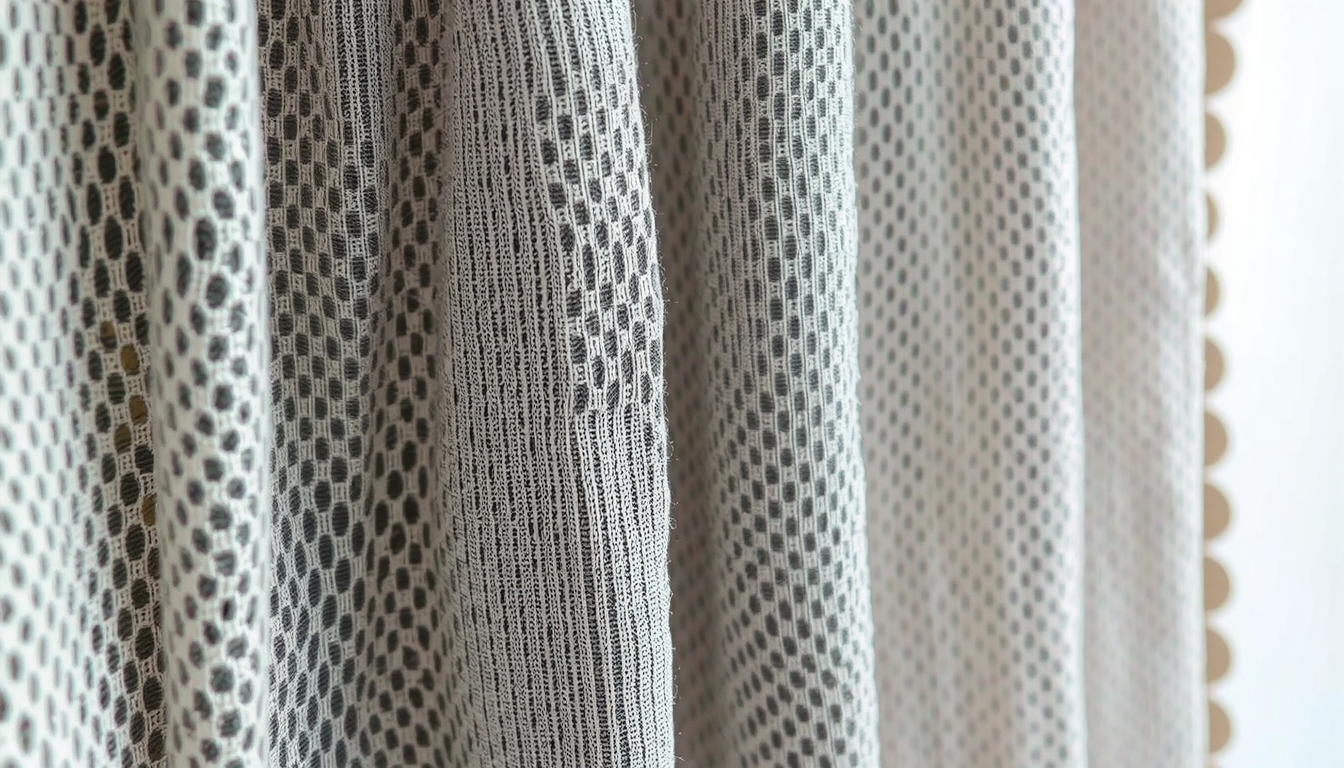
This method creates an entirely flexible sheet that comes from the 3D printer. Designers print intricate, interlocking geometries—like digital chainmail or honeycomb lattice patterns. These transform rigid materials into sheets that drape and move like fabric. The flexibility originates from the structure itself, not exclusively from the material.
Printing Directly onto Textiles
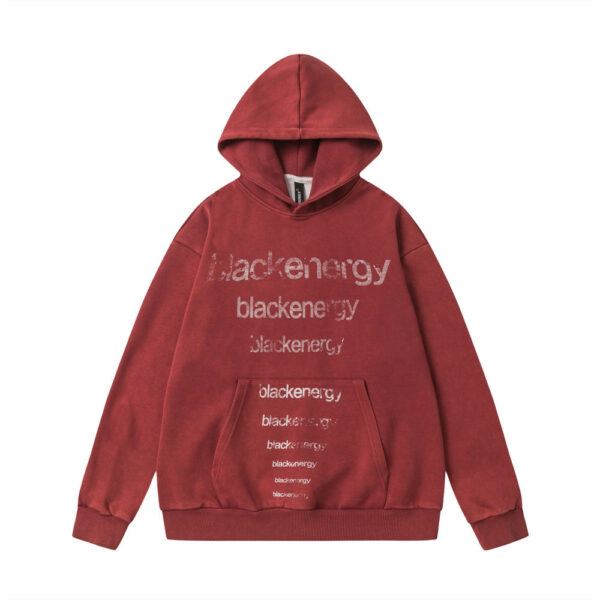
This is the more popular and commercially viable approach. A base textile, often mesh or stretch fabric, is spread on the printer bed. The 3D printer then places a design, logo, or functional element directly onto it. This procedure creates a hybrid material. It combines the comfort of traditional textiles with the unique texture and structure of 3D printing.
Key Technologies at Play
Several 3D printing technologies produce flexible, fabric-like materials.
- FDM (Fused Deposition Modeling): The most common and straightforward method. A thermoplastic filament is heated and extruded layer by layer. It is the perfect technique for flexible filaments like TPU.
- SLS (Selective Laser Sintering): This process uses a laser to fuse powdered material together, creating exceedingly complex and durable parts without needing support structures. It is ideal for intricate, single-piece fabric designs.
- PolyJet: This technology jets photopolymer droplets onto a build platform and cures them with UV light. It excels at creating multi-material and multi-color parts with smooth surfaces, making it especially useful for high-detail embellishments.
Material Matters: The Feel of 3D Cloth
The final appearance, feeling, and function of 3d printed cloth are determined almost entirely by the filament used. Selecting the right filament is crucial. It is what makes the difference between a hard, unwearable sculpture and a soft, flexible garment. These filament properties control everything from stretch and durability to washability.
Common Filaments for Wearable Tech
The most successful wearable 3d printed fabric is based on flexible polymers. Many materials can be used, but a few are generally more suitable for fashion and textiles than others.
- TPU (Thermoplastic Polyurethane): This is the main filament used in the 3D printing of wearable items. It is a rubber-like plastic that is incredibly flexible, strong, and resistant to wear and tear. It’s the first choice for creating fabric that needs to bend, stretch, and endure movement.
- TPE (Thermoplastic Elastomer): TPE is a broader class of plastics that includes TPU. It offers a wide range of softness and elasticity, making it an ideal choice for items that require a very soft touch or significant stretch.
- PLA (Polylactic Acid): While typically rigid, PLA is a biodegradable plastic created from corn starch. It’s not the best option for creating flexible fabric on its own, but it is great for printing rigid embellishments, buttons, or structural elements onto a textile base.
- Emerging Bio-polymers: Scientists are developing new sustainable filaments from sources like algae or wood pulp. These promise a more eco-friendly future for 3d printed textiles.
| Material | Flexibility | Durability | Best For… | Care Instructions |
|---|---|---|---|---|
| TPU | High | High | Wearables, flexible joints | Hand wash cold, air dry |
| TPE | Very High | Medium | Skin-contact items, soft textures | Hand wash cold, air dry |
| PLA | Low | Medium | Rigid embellishments, accessories | Wipe clean, avoid heat |
The User Experience: Comfort and Care
From first-hand experience, well-designed TPU-based textile feels surprisingly soft and pliable. It has a smooth, slightly rubbery texture that doesn’t irritate the skin. The drape depends on the thickness and pattern. A thin, mesh-like print can be lightweight and flowy, while a denser structure will have more weight and structure, similar to light leather.
Breathability is a design challenge. A solid printed sheet won’t breathe. However, by including perforations and open-lattice designs, we can engineer airflow directly into the fabric.
Care is very important. These aren’t your typical cotton shirts. Most 3d printed cloth should be hand-washed in cold water with a mild detergent and laid flat to air dry. High heat from washing machines or dryers can cause plastic to warp or permanently lose its shape.
From Runway to Streetwear: Applications
The use of 3d printed cloth is making waves throughout the fashion industry. Its ability to create complex geometries and custom-fit forms has opened new creative avenues for avant-garde and everyday styles alike. As reported in The Application of 3D Printing in Fashion, this technology simplifies complex production processes for both one-off custom garments and innovative new fabrics.
Haute Couture and Concept Pieces
Designers like Iris van Herpen and Danit Peleg have become synonymous with 3D printed fashion. They use the technology to create breathtaking, sculptural garments that would be impossible to make with traditional sewing techniques, treating the body as a canvas for wearable art.
Custom Apparel and Accessories
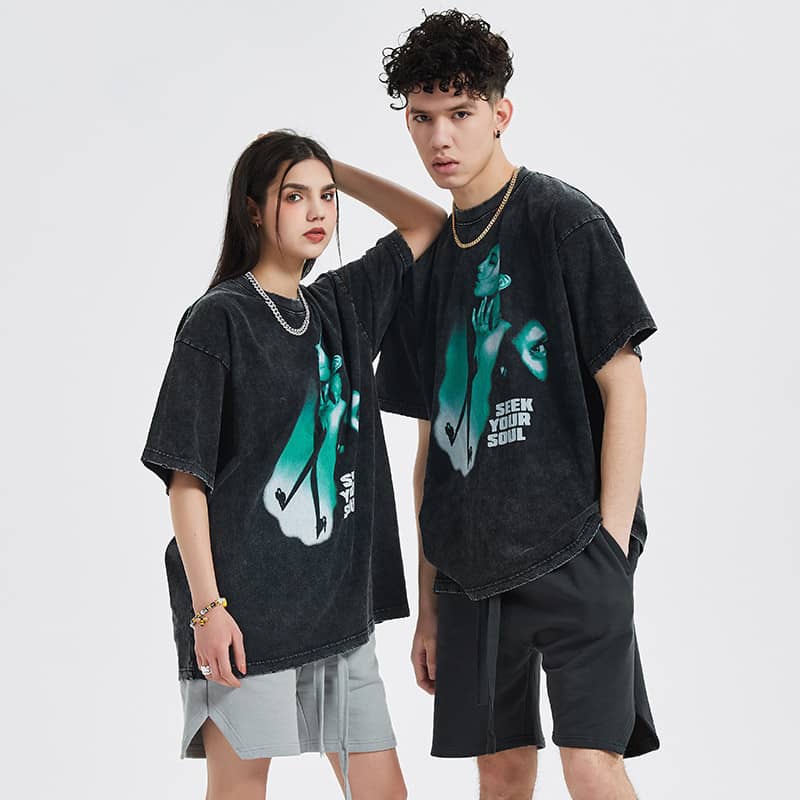
On a more accessible level, 3D printing is the hallmark of customization. This includes perfectly fitted bodices and elaborate jewelry, as well as unique, lightweight sneaker components and custom-molded sunglass frames.
Functional & Performance Wear
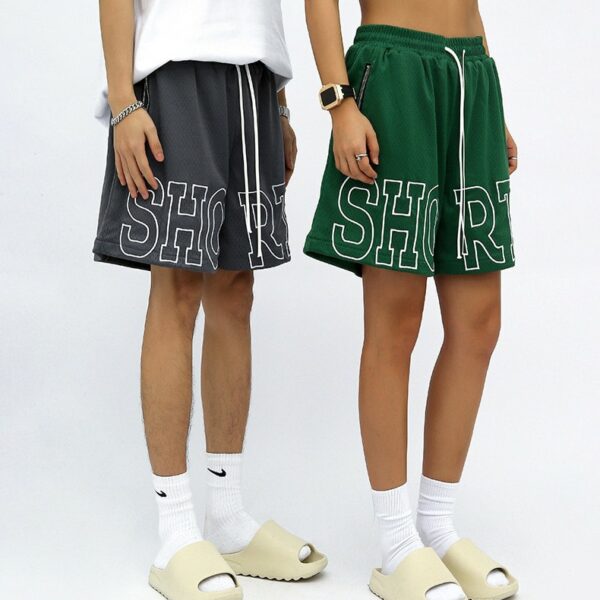
The technology shines in sportswear. Brands experiment with 3d printed cloth to create custom-fit protective padding. They add strategically placed ventilation panels for breathability and design articulated jacket joints that move with the body without bunching.
A Practical Guide for Fashion Brands
Integrating 3D printing into your brand might seem intimidating, but it’s more accessible than you might think. For streetwear and fashion brands looking to innovate, it offers a powerful way to stand out. Here’s a handy roadmap.
Step 1: Start with Hybrid Designs
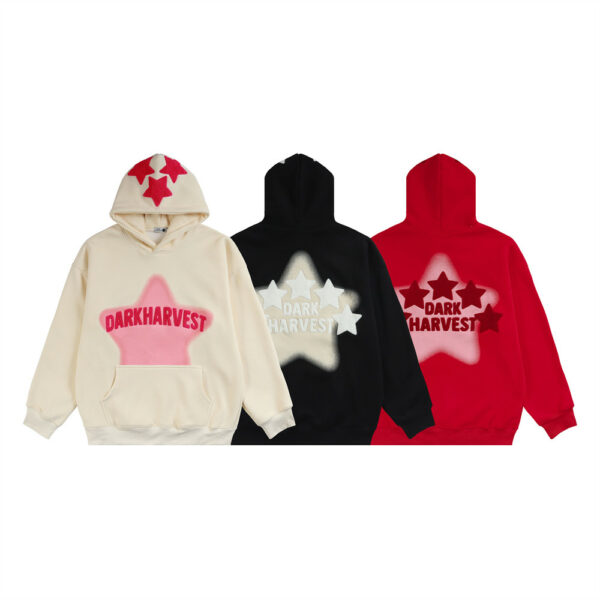
Don’t try to print an entire garment from scratch. The most effective entry point is to create hybrid apparel. Think about adding 3D printed elements to existing products, like a textured logo on a sleeve, a unique zipper pull, or a geometric pattern across hoodie shoulders. This is far more advanced than traditional screen printing and can be applied to high-quality blanks from a hoodie manufacturer.
Step 2: View It as an Advanced Craft
Position 3D printing as a high-end, specialized craft within your production toolkit. Just as you would explore various embroidery or printing methods in your craft introduction, view 3D printing as a new design tool. It creates premium, detailed pieces and communicates innovation and attention to detail.
Step 3: Find the Right Manufacturing Partner
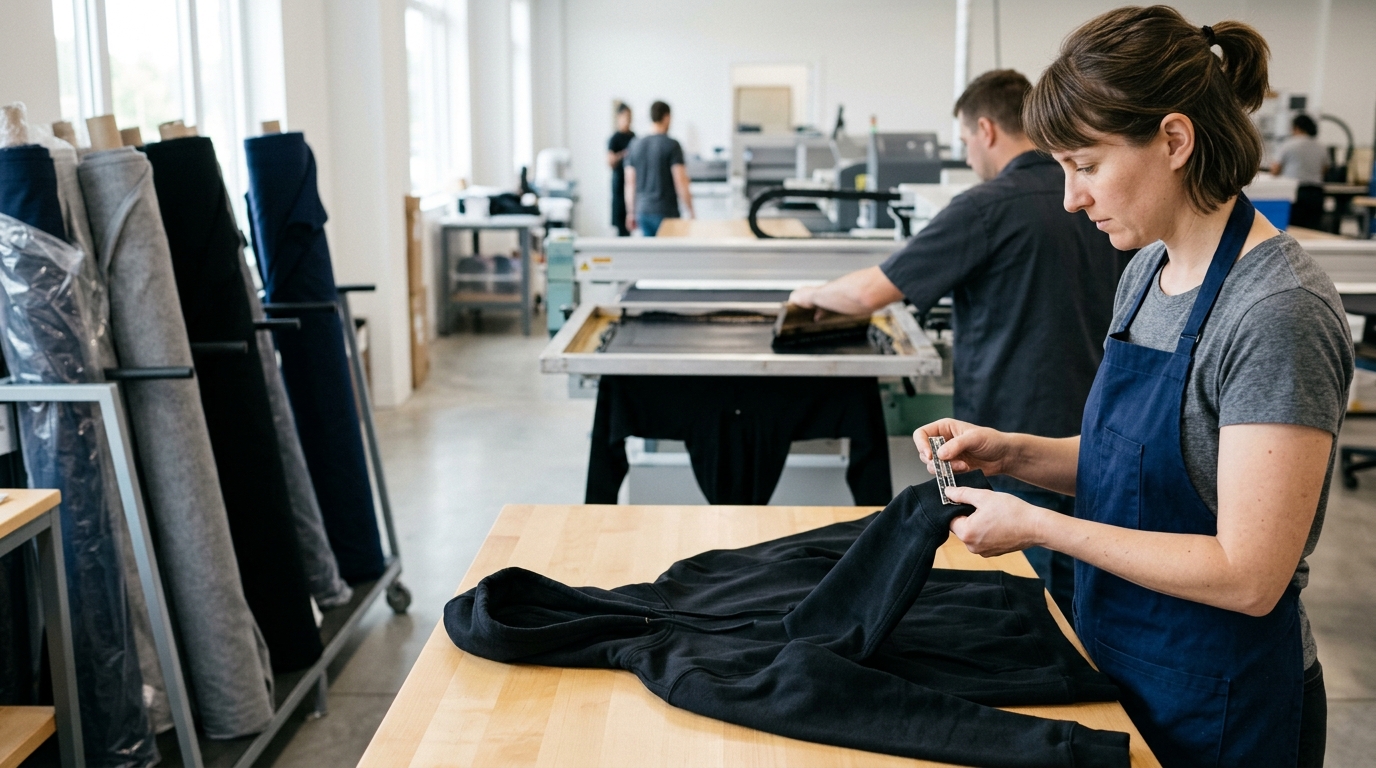
You don’t need to invest in expensive printers yourself. Many specialized service bureaus and manufacturers now offer 3D printing directly onto textiles. When vetting a partner, inquire about their material expertise (especially with TPU), their ability to scale from prototypes to small batches, and their cost structure.
Step 4: Prototype, Test, and Iterate
Before launching a product, rigorous testing is non-negotiable. Create prototypes and test them for real-world performance. How does the embellishment hold up after 10 washes? Does it crack when stretched? Is it comfortable to wear all day? Iterating based on this feedback is key to creating successful products.
The Sustainability Question
Is 3d printed cloth an eco-friendly solution? The answer is complex. There are significant benefits and notable drawbacks.
As detailed in a discussion on 3D Printed Textiles: A Sustainable Fashion Revolution, the additive nature of the process is a major advantage.
-
Pros:
- Reduced Waste: Additive manufacturing is inherently low-waste. Studies suggest it can significantly reduce material consumption compared to subtractive methods that cut patterns from large fabric rolls.
- On-Demand Production: Printing garments or components only when ordered eliminates the massive waste and environmental cost of overstock.
- Recycled Materials: A growing number of filaments are made from recycled plastics (rPET), turning waste into wearable fashion.
-
Cons:
- Plastic-Based: The most common materials still come from fossil fuels. While durable, they contribute to microplastic shedding, especially during washing.
- Energy Consumption: 3D printers require consistent electricity. The carbon footprint of production depends on the energy grid’s source.
The Future is Now: What’s Next?
The evolution of 3d printed textiles is accelerating. We are moving beyond static fabrics into a new realm of responsive and intelligent materials.
We are approaching 4D printing, where printed objects can change shape or self-assemble when exposed to stimuli like heat or water. Imagine a jacket that adjusts its ventilation automatically. Bio-fabrication, or printing with living materials like bacteria-grown cellulose, could create truly organic and biodegradable textiles.
The ultimate vision is mass customization, where consumers could download a design and print it at home or at a local manufacturing hub. This new frontier will continue to shape the future of apparel for innovative brands like TZ Streetwear.
Frequently Asked Questions
1. Is 3d printed cloth comfortable to wear?
It all comes down to the material and design. Modern flexible filaments like TPU can produce soft, pliable fabrics that are comfortable against the skin, especially when integrated into hybrid garments. However, items made from rigid plastics would not be comfortable for all-day wear.
2. Can you wash 3d printed clothes?
Yes, but with care. Most 3d printed textiles made from flexible materials should be hand-washed in cold water and air-dried. High heat from machine dryers can warp or damage plastic filaments.
3. Is it expensive to produce 3d printed cloth?
Currently, it’s more expensive for mass production than traditional textiles due to material costs and slower production times. However, for prototyping, custom pieces, and small-batch production, it can be cost-effective as it eliminates the need for molds and reduces waste.
4. What is the difference between 3d printed cloth and 3d knitting?
3d printed cloth is an additive process that builds fabric layer-by-layer from filament (like plastic). 3D knitting is an advanced form of traditional knitting. It uses machines to create seamless, three-dimensional garments from yarn, but it’s still a textile-based process, not a printing one.
5. Can I create my own 3d printed cloth at home?
Yes, with a consumer-grade 3D printer and flexible filament like TPU, it’s possible to experiment with printing small fabric swatches or embellishments. However, creating a full, wearable garment requires a large printer, significant expertise, and many hours of print time.





-600x600.jpg)