Ever wondered about the hoodie’s backstory? It’s more than just a cozy piece of clothing. It stands at the crossroads of comfy sportswear and statement-making streetwear. The hoodie’s history is rich, stretching far beyond its material. For those in fashion, learning about the hoodie history does more than fill us in on a fashion icon. It links us to the stories behind its creation. The original hoodie came to life in the 1930s, thanks to the Knickerbocker Knitting Company, later known as Champion apparel. Initially made to keep athletes warm and dry, the hoodie has since transformed into a powerful cultural symbol. Its influence has grown, touching various cultural movements and industries1.
Key Takeaways
- The hoodie invention dates back to the 1930s, made by what’s now Champion123.
- In the mid-1970s, movies like Rocky helped the hoodie gain wide acceptance, moving beyond its niche origins12.
- The 1990s saw a boom in hoodie popularity, driven by hip-hop stars and designers who used it to make bold statements1.
- The Million Hoodie March highlighted the hoodie as a tool for activism, showing its depth beyond fashion1.
- Today, hoodies are seen everywhere, from offices to runways, showcasing both style and significance1.
- The name “hoodie” varies worldwide, reflecting its place in diverse cultures and weather conditions3.
The Hoodie’s Ancient Roots
Looking back at ancient hooded garments takes us to a time when they were essentials for survival and modesty. The Assyrian Empire introduced early versions of hoodies over 3,000 years ago. These early hoodies reached from the Persian Gulf to the Mediterranean4. This shows how deeply rooted the tradition of head covering is across different cultures and time periods.
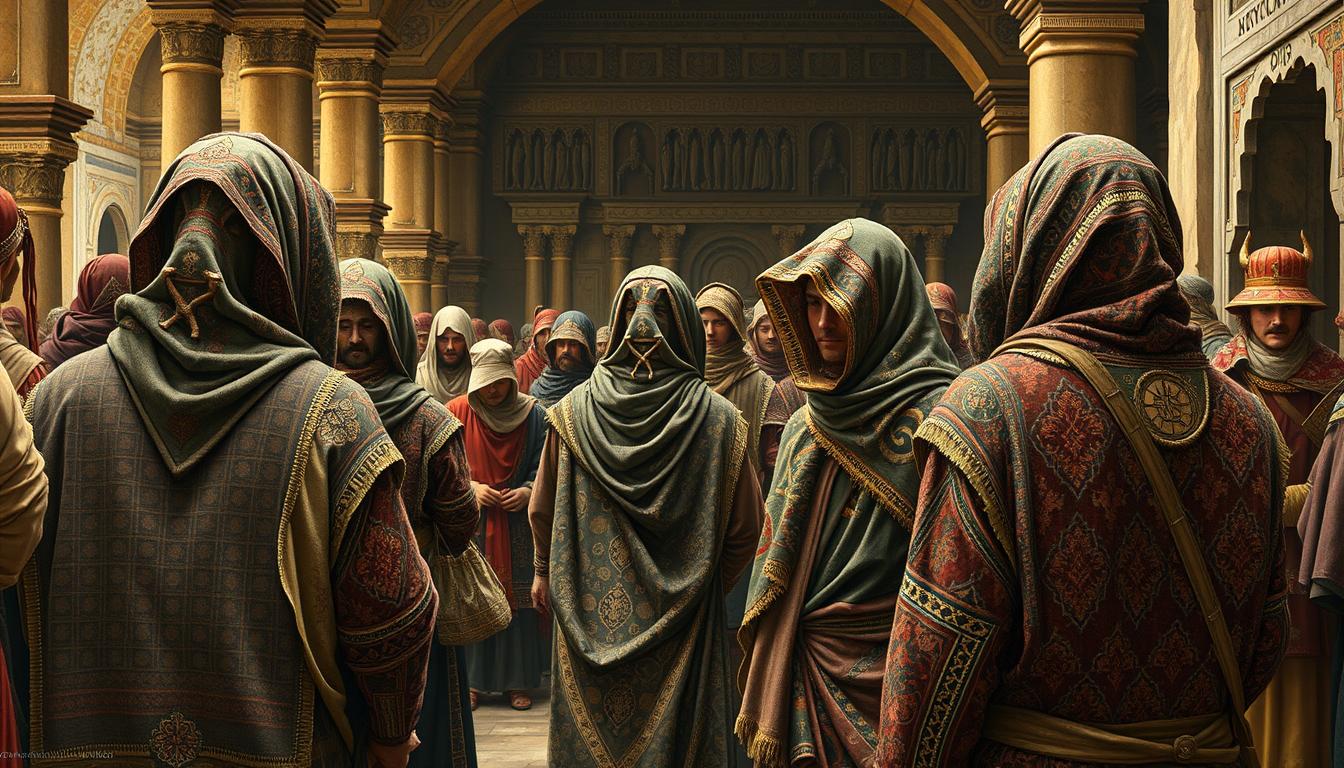
In the Assyrian era, the practicality of hooded clothing was clear. Monks in Medieval Europe found hoods simple and functional. Workers also wore them as protection against bad weather, showing these hoodies’ lasting practical use.
The importance of hoodies in ancient times carried on through the Medieval period4. Back then, people needed them for protection, modesty, and hiding their identity in crowded areas. These needs have changed slightly, but today, hoodies still offer unique style and comfort.
Now, combining history with today’s fashion, the hoodie’s evolution proves it’s always been a staple item. The journey from ancient times to current fashion trends shows it’s a piece that adapts while keeping its main features of comfort and privacy.
Who Created the Hoodie?
The hoodie started in the early 1900s, made by the Knickerbocker Knitting Company, now called Champion. It was first made as workwear for cold warehouses in New York in the 1930s3. The big change came when colleges saw its value beyond just keeping warm.
At first, athletes at the University of Michigan wore it to stay warm. Through time, the hoodie turned from sports gear to an everyday item5. In the 1970s and 1980s, it became popular in skateboarding and hip-hop, showing off its style and message65.

The hoodie became popular in many areas; in fashion and as a protest symbol6. The story of Trayvon Martin in 2012 made it a symbol for social justice6.
In the 1990s, designers like Tommy Hilfiger and Ralph Lauren made the hoodie a key piece of American fashion3. Its journey is a tale of toughness and change, fitting into both social movements and youth culture.
The hoodie shines both on the fashion runway and in an artist’s studio. It shows how the original design from the Knickerbocker Knitting Company has lasted. Its change from just practical wear to a cultural symbol shows Champion brand history and changes in society5.
Cultural Adoption and Evolution
The hoodie has moved through many cultural levels, showing its lasting charm. It went from casual city wear to a top fashion item. This change reflects how society’s tastes evolve.
Hoodie Goes Hip-Hop
The comfy, simple hoodie turned into a hip-hop icon in the 70s71. Hip-hop stars wore it for its mix of secrecy, ease, and boldness. This set a pattern that continues today.
From Underground to Fashion Mainstream
As hip-hop grew, so did the hoodie’s popularity, moving to high fashion1. Big names like Giorgio Armani and Tommy Hilfiger added it to their lines. This gave the hoodie worldwide fame.
Political Symbolism and the Hoodie
After Trayvon Martin’s death in 2012, the hoodie became a strong political symbol71. It played a big part in the Million Hoodie March. It sparked talks on race and justice in the U.S.
Pop Culture Propels the Hoodie
The “Rocky” movies, with Sylvester Stallone, showed the hoodie as a sign of grit4. This made it even more popular and boosted its global sales.
Now, designer hoodies are being combined with green practices7. This attracts people who care about fashion and the planet. The hoodie stays trendy by adapting to what people want now.
The Rise of the Hoodie in Fashion
The story of how the hoodie went from basic sportswear to a key fashion item is fascinating. It started in New York in the 1930s, made by Champion for workers to stay warm8. Over time, athletes and then the general public began to wear it too.
In the 1970s, the hoodie became everyday casual wear, showing how dress codes were changing8. This period marked the start of the hoodie’s journey into high fashion. By the 1980s, the hoodie was no longer just for sports. It became a top pick for casual daytime outfits8.
- Rapidly integrated into mainstream culture
- Became a symbol of youthful rebellion
- Adopted by high fashion
By the mid-2000s, the hoodie was a major fashion statement, blending comfort, style, and a hint of rebellion. When royals started wearing contemporary hoodies, it helped change its image8.
Designers like Ralph Lauren have lifted the contemporary hoodie up, using logos, graphics, and quality materials. This has pushed the hoodie into the spotlight of high fashion and luxury8.
After Trayvon Martin’s passing in 2012, wearing a hoodie took on a new meaning. It became a powerful symbol for social justice, changing how people see the hoodie forever98.
Now, the hoodie is more than clothing. It’s a symbol with many meanings, from street style to luxury, and beyond. Its versatility keeps it relevant in fashion’s ever-changing world.
This garment shows how fashion goes beyond clothes, touching on culture and society too.
Conclusion
The story of the hoodie is about more than just clothes. It shows us the power of culture through fashion. Starting in the 1930s, created by the Knickerbocker Knitting Company, now known as Champion, it was first made for warmth. Workers and athletes wore it for practical reasons. But soon, it found a special place in American culture4.
By the ’70s, the hoodie had moved beyond sports. It became a key fashion item, loved for its comfort and style4.
The hoodie has always been able to change with the times. In the ’70s and ’80s, it became a strong symbol in hip-hop and skateboarding scenes. This made it popular with young people and different groups across the U.S4.. The movie “Rocky” made the hoodie even more famous, taking it from sportswear to a big part of pop culture4.
The hoodie tells many stories. It’s a way for people to show who they are and also connect with others. It keeps changing, just like society and fashion do. But it always remains a favorite piece of clothing. Celebrating the hoodie means celebrating creativity, comfort, and style in fashion. Its journey shows how clothes can be important in our lives and culture.
FAQ
What is the history behind the creation of the hoodie?
The Knickerbocker Knitting Company, later known as Champion, invented the modern hoodie. They made it for athletes at the University of Michigan in the 1930s. It was tough and guarded against the weather. Over the years, workers and then fashion lovers grew to love the hoodie.
Were there any ancient precursors to the hoodie?
Yes, people have worn hooded clothes for over 3,000 years, since the Assyrian Empire. These early versions were meant to cover the head. They show how long humans have liked to stay protected and modest.
How did the Champion brand contribute to the hoodie’s history?
Champion created the first hooded sweatshirts for athletes. This was a big step in making the hoodie we know today. Their focus on strong and handy clothing made the hoodie popular in different work fields.
When did the hoodie become part of hip-hop fashion?
In the 1970s in New York, the hoodie became key to hip-hop fashion. Hip-hop culture saw it as a sign of being hidden, tough, and bold. This made it a big part of their style and beliefs.
How did the hoodie transition from underground to mainstream fashion?
Designers like Giorgio Armani and Tommy Hilfiger made the hoodie fashionable in the 1990s. Their creative work made the hoodie a trendy choice for casual wear worldwide.
What role has the hoodie played as a political symbol?
After Trayvon Martin’s death in 2012, the hoodie became a symbol for fighting against wrong ideas. It started movements like the Million Hoodie March. This showed unity against racism and sparked important talks about social justice in America.
How did the Rocky movie affect the hoodie’s popularity?
Sylvester Stallone wearing a hoodie as Rocky Balboa showed grit and hope. This image caught on with people everywhere. The movie’s hit in the ’70s helped make the hoodie famous around the world.
What is the current status of hoodies in fashion?
Now, hoodies are a big part of today’s fashion. They are loved by designers, stars, and everyday people. Hoodies come in lots of styles, like pullovers and zip-ups, and are often decorated with logos and pictures. They show off both style and comfort to people everywhere.
Why is the hoodie considered a cultural icon?
The hoodie is seen as a cultural icon because of its long history, many uses, and way to show personal and political thoughts. It has changed from a practical outfit for workers and athletes to a big part of pop culture and fashion. This shows its huge impact on culture.