Opening an Introduction: Manifest Your Vision
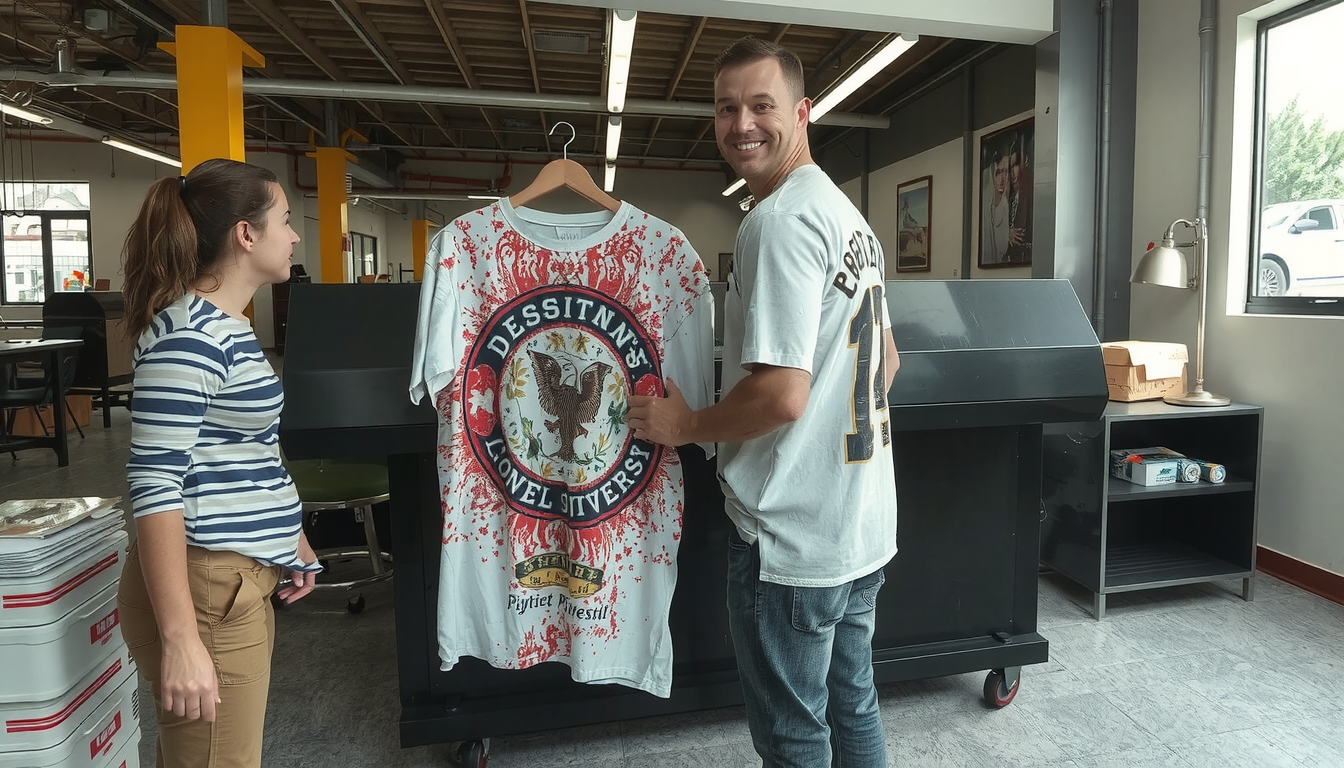
Do you have an idea you want to showcase? Custom cloth printing indeed makes your digital creativity a physical fabric. It prints your unique artwork onto textiles. Apart from clothing, you can use it on accessories, or home decor.
All of which you can find in this comprehensive guide to custom cloth printing. We will elaborate on various printing techniques. You will see how to prepare your art files. We will provide you with the information you need to choose the right fabric for your project. For the design-makers who are ready to realize their ideas in partnership with the right people, TZ Streetwear is the best choice.
Making a Choice: What is the Best Technique for Your Needs?
Choosing the appropriate printing technique for your custom clothes is an essential step. The method you select will have an impact on the final cost and the feel of the print. It will also decide what kind of fabric you can use. These are your alternatives to selecting the technique that you need.
Let us examine the most widely used processes. This will assist you in making the best choice for your task.
Digitalizing (DTG & Dye-Sublimation)
Digital printing is based on a particular type of inkjet technology. It prints designs right onto fabric. This works like a paper printer. It’s perfect for complex designs with many colors and details. You can print photographs this way. You can find a complete guide to digital printing on fabric to learn more.
Direct-to-Garment (DTG) printing sprays water-based ink onto fabric made from natural fibers like cotton. The ink penetrates the fabric deeply. This means one gets a very soft and breathable print. This is the perfect technique for detailed, full-color designs on t-shirts and hoodies.
Dye-Sublimation is a different method. It’s for synthetic fabrics, mainly polyester. The design is first printed on special paper. The paper is heated and dies, turning the ink into gas. The gas then combines with the fabric fibers to become a permanent part of the material. It is the general method for a bright print that you cannot feel at all.
Screen Printing
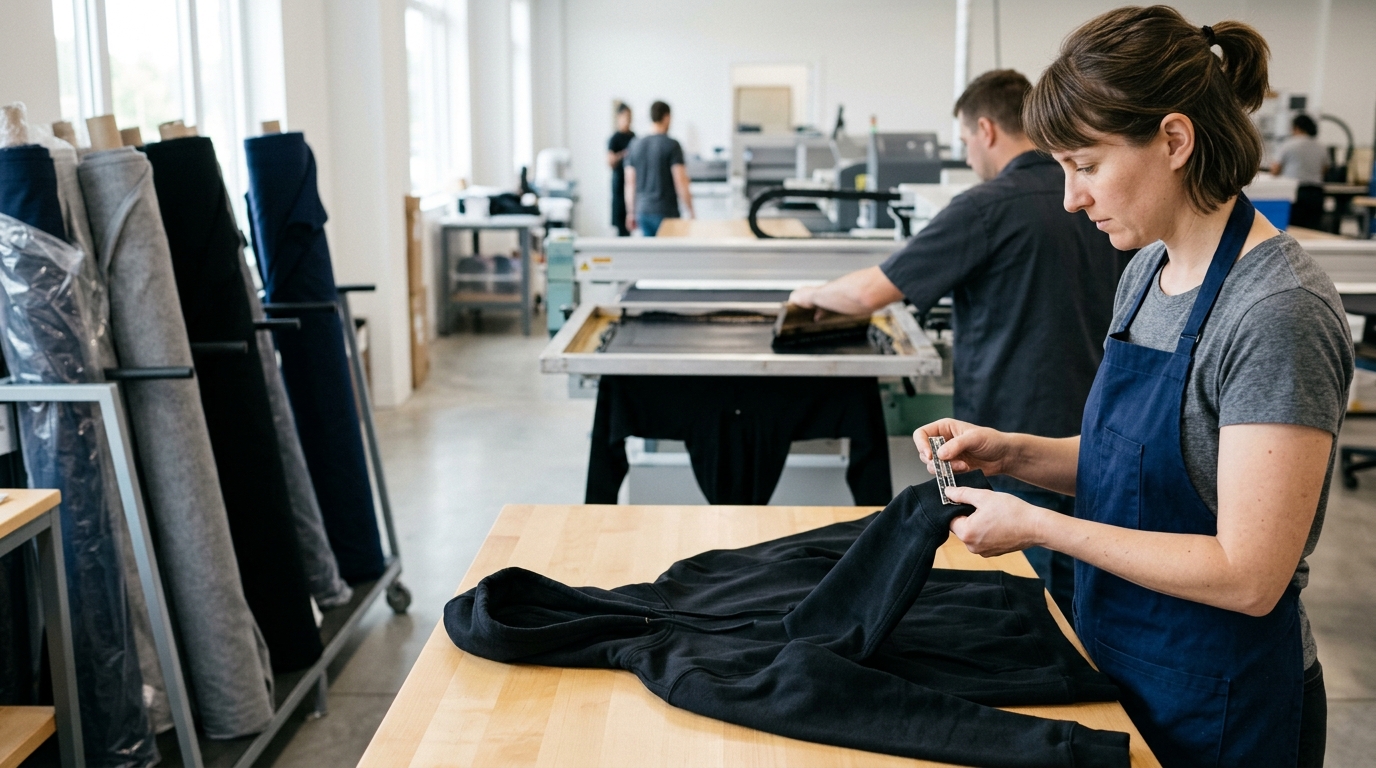
Screen printing, as a classic printer is a traditional and most trusted method of clothing printing. Ink is pushed through a mesh screen with a stencil of your design. Each color in your design needs its own screen.
This method is ideal for simple designs like those with a few or one solid color. It is cost-effective for mass orders since fewer screens are needed in the long run. Unlike other techniques which have the ink immersed in the fabric, here it adds a thick combination on the outside. So this print type is also known for its sturdiness. Custom t-shirt brands are the most common ones making use of this process.
Heat Transfer Vinyl (HTV)
The Heat Transfer Vinyl or HTV method that cuts the art from a big colored vinyl sheet. First, the design goes on the fabric. You can do this with a heat press.
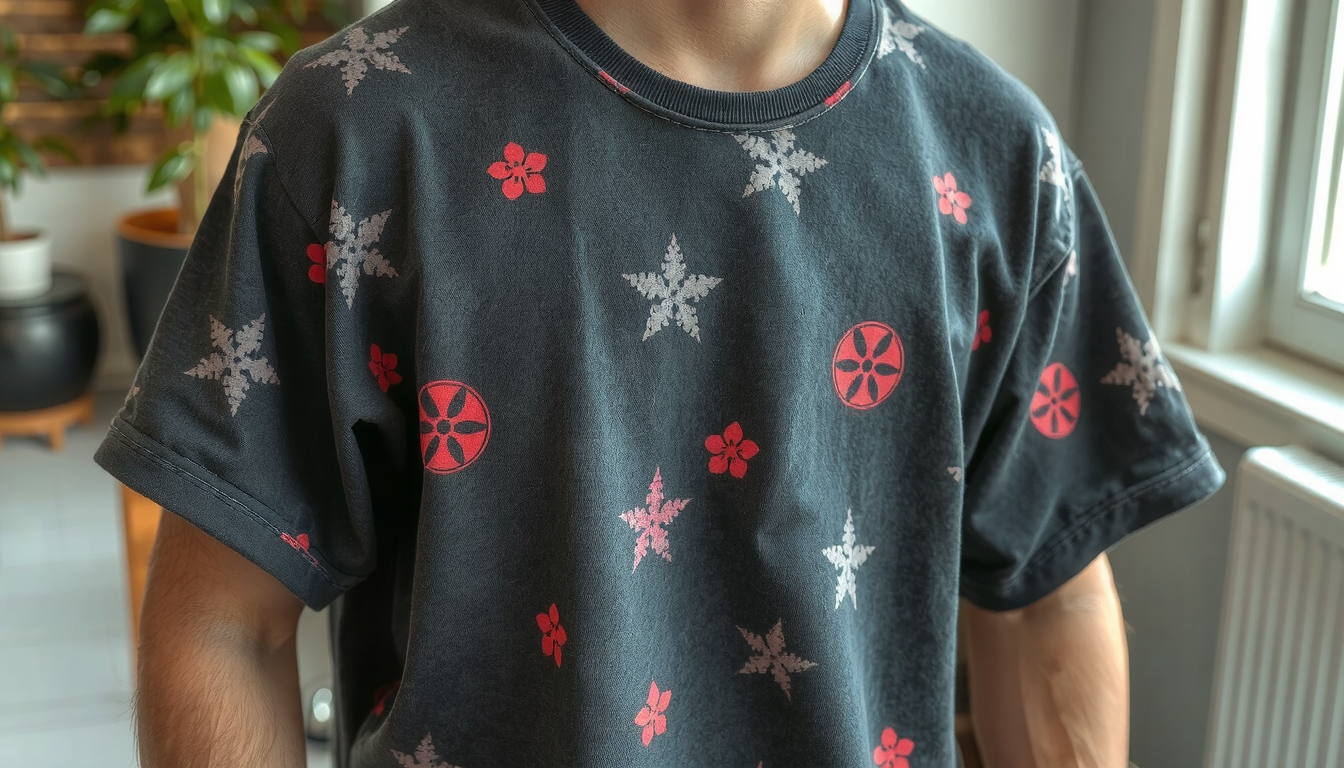
HTV can be used to create simple lettering, logos, and geometric designs with no problem at all. This method is very much in use in team jerseys where these sports clothes have some names and numbers printed on them. Besides, the print is normally intact, but one can feel some additional flexible layer on the fabric.
Direct to Film (DTF) Transfers
Direct to Film (DTF) is a very flexible and cost-effective method of fabric printing. First, your design is printed onto a film. A powder adhesive sticks it to the back where it cures. Then, the film can be heat-pressed onto nearly any type of fabric. Cotton, polyester, and blends are all okay.
Unlike other techniques, DTF promises full-color advantages of digital printing. It is also applicable for a greater variety of materials. The prints are soft, flexible, and long-lasting. It is a key method in the current garment-printing. This is a craft that we know well from our craft introduction.
| Technique | Best For | Feel on Fabric | Durability | Color Vibrancy | Best for Small/Large Batches? |
|---|---|---|---|---|---|
| DTG | Cotton, natural fibers | Soft, breathable | Good | Excellent, full color | Small |
| Dye-Sublimation | Polyester, synthetics | No feel (ink is part of fabric) | Excellent | Excellent, full color | Both |
| Screen Printing | Most fabrics | Thicker layer | Very good | Good (limited colors) | Large |
| DTF | Most fabrics | Soft, flexible layer | Excellent | Excellent, full color | Both |
From Pixel to Print: Preparing Your Artwork
A print excellent starts with excellent art files. The most important step is the right preparation for your design. No problems for the art of getting the job done right. The biggest benefit is the time and money that it saves you from the trouble that is frustrating.
These steps will help you make sure that your design looks just the same on fabric as it does on your screen.
Step 1: Vector vs. Raster – Choosing the Right Format
Are you confused about Raster and Vector graphic formats? Well, they are both image files.
A vector file is created using curves and lines through math equations. No matter how large or small a vector image gets, there will not be any quality loss. Because of this, the format is ideal for logos, text, and diagrams that need clarity to them. Typical vector file types are .AI, .EPS, and .SVG.
A raster file consists of several tiny dots that are called pixels. Commonly photographs are raster images. For example, if you stretch a raster image too far, it will be blurred. Typical raster file types are .JPG, .PNG, and .TIFF.
Step 2: Resolution is King – The 300 DPI Rule
Resolution is the measure of the number of dots per inch (DPI). Images on the web are usually 72 DPI. This looks fine on a screen. But for printing, this is not enough.
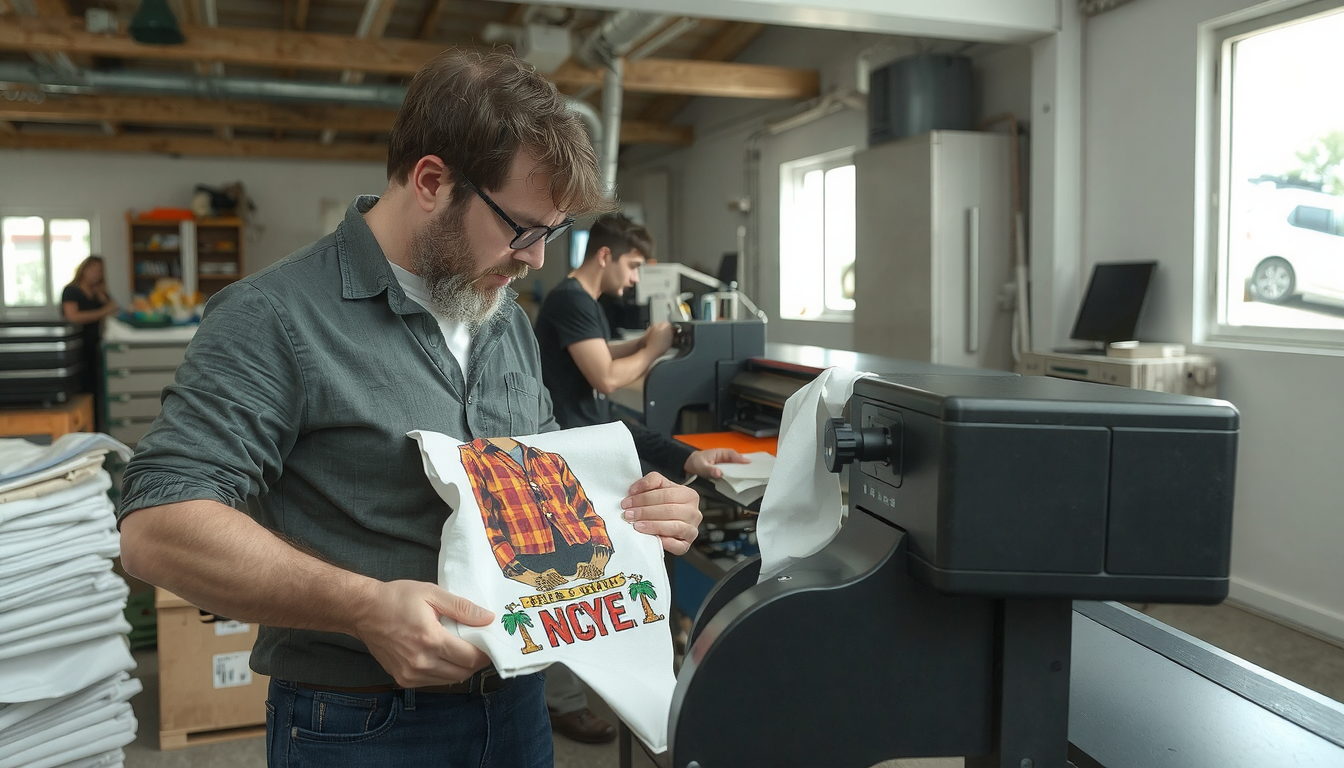
We’ve often seen great ideas result in blurry prints. This happens because the source file was only 72 DPI. For crisp custom cloth printing, 300 DPI is the professional standard. Always make sure your raster file is set to 300 DPI at the final print size.
Step 3: Color Mode Matters (RGB vs. CMYK)
A computer display uses RGB (Red, Green, and Blue) light. This is great for digital viewing. However, most printers use CMYK (Cyan, Magenta, Yellow, and Black) inks, which are different from RGB.
The range of colors in CMYK is smaller than in RGB. This means some bright colors on your screen may look different when printed. To get the most accurate color, design your files in CMYK from the start. If you design in RGB, be aware that there might be a slight color shift in the final print.
Step 4: The Final File Type & Submission
After preparing your design, save it in the appropriate file type. Printers usually require vector files in .AI, .EPS, or .PDF format. Meanwhile, for raster art, a high-quality PNG with a transparent background or a TIFF is preferred.
Don’t forget to check the specifications of your printing partner as needed. Many of them offer tools that help you design your fabric on their platform. That can sometimes make the process easier.
Choosing Your Canvas: Select the Right Fabric
The material you choose is as important as the printing method. The type of fabric will have an impact on the color’s appearance. It also affects the hand of the garment and the longevity of the print. Different fabric choices for custom cloth printing depend on your final product.
For your ease, here is a brief guide to the most popular fabric types.
Plant Fibers (Cotton, Linen, and Silk)
Plant fibers are derived from plants and animals’ secretions. They are valued for their breathable and soft fabric property.
- Best for: DTG printing and screen printing.
- Qualities: Cotton is the top choice for t-shirts and the first one that comes to anyone’s mind. Well, this natural fiber is also renowned for comfort and softness. Linen is strong but light which makes it great for summer clothing. These fabrics provide a classic and cozy feel.
Man-Made Fibers (Polyester, Spandex)
The creation of synthetic fibers is mainly people. These materials are much celebrated for their solidity and performance.
- Best for: Dye-sublimation and DTF printing.
- Qualities: Polyester is known for being durable. It is also able to manage moisture effectively so it is much used in activewear. Dye-sublimated prints on this fabric are extremely bright and colorful. Spandex, on the other hand, contains stretch for a comfortable fit.
Blends (Cotton/Poly)
Blended fabrics mix natural and synthetic fibers. This gives you the benefits of both. A common blend is 50% cotton and 50% polyester.
- Best for: DTF printing and screen printing.
- Qualities: Cotton/poly blends are as soft as cotton. They are also durable and wrinkle-resistant like polyester. They offer a great middle ground for many types of apparel.
Exploring the world of creativity with custom printed fabrics often starts with understanding the vast options available. You also need to know how they work with different inks.
A Wrap-Up: Your Next Steps
You have learned about methods, artwork needs, and fabric choices. Now it is time to decide how to materialize your project. There are two major ways: do it yourself or collaborate with professionals.
The DIY Road: For Fun Seekers
For those who have a passion for experimentation and plan to produce one or two products, the DIY approach can be really fun. Today, you can buy a desktop vinyl cutter which is very handy for your HTV projects. In fact, you can now try out your screen printing skills at home with a basic kit.
This path is great for learning. It’s also good for making unique, personal items. However, it can be hard to achieve professional quality and consistency.
The Professional Path: For Brands and Businesses
To any business, brand, or anybody needing top results done at scale, the best way would be working with a professional.
A professional has their equipment top-notch, thus they guarantee the quality and consistency. They have the expertise to advise on designs, fabric, and printing methods. This ensures you get the perfect final product. As is the case with streetwear or a whole collection, working with a professional custom hoodie manufacturer will make certain every piece meets your quality standards. Besides, it is an additional resource to get your brand vision realized.
FAQs about Custom Cloth Printing
What is the most durable custom cloth printing method?
Dye sublimation is usually the most durable process. The ink is integrated with the fabric so it will not crack or flake. High-quality DTF and screen prints are also highly durable and can last for years if taken care of correctly.
Can I put a photo on the t-shirt?
Yes! Using digital printing methods such as DTG and DTF is a perfect idea to digitally replicate photos on a t-shirt. With these methods, one can achieve millions of colors and high-quality images with intricate details. Hence, the printed t-shirt brings a realistic full-color picture.
Is there a minimum order for custom cloth printing?
That depends on the technique used. Digital printing methods such as DTG and DTF are perfect for single items or small orders. They have minimal setup. On the other hand, screen printing, which is more cost-effective for large batches, usually requires a minimum of about 24 pieces.
How much does custom cloth printing cost?
The cost is different for every case. It all comes down to the printing method chosen, the type of fabric used, and the design color count that you have plus the number of items you order. Digital printing is the less expensive for a single shirt with multiple colors. But on a large order of a simple design, screen printing is really often the cheapest per item.
How do I wash custom printed clothing?
For prolonging the life of your print, it is advisable to turn the garment inside out before washing. Use cold water and a gentle wash cycle. It is recommended to either air dry or tumble dry on a low heat setting. Do not use bleach. Avoid ironing directly over the printed design.