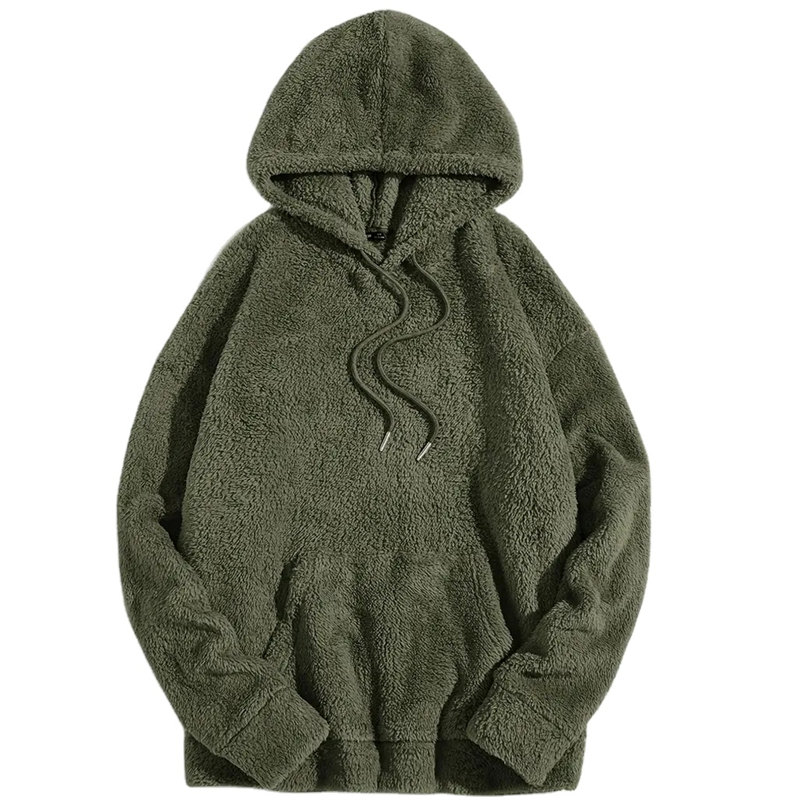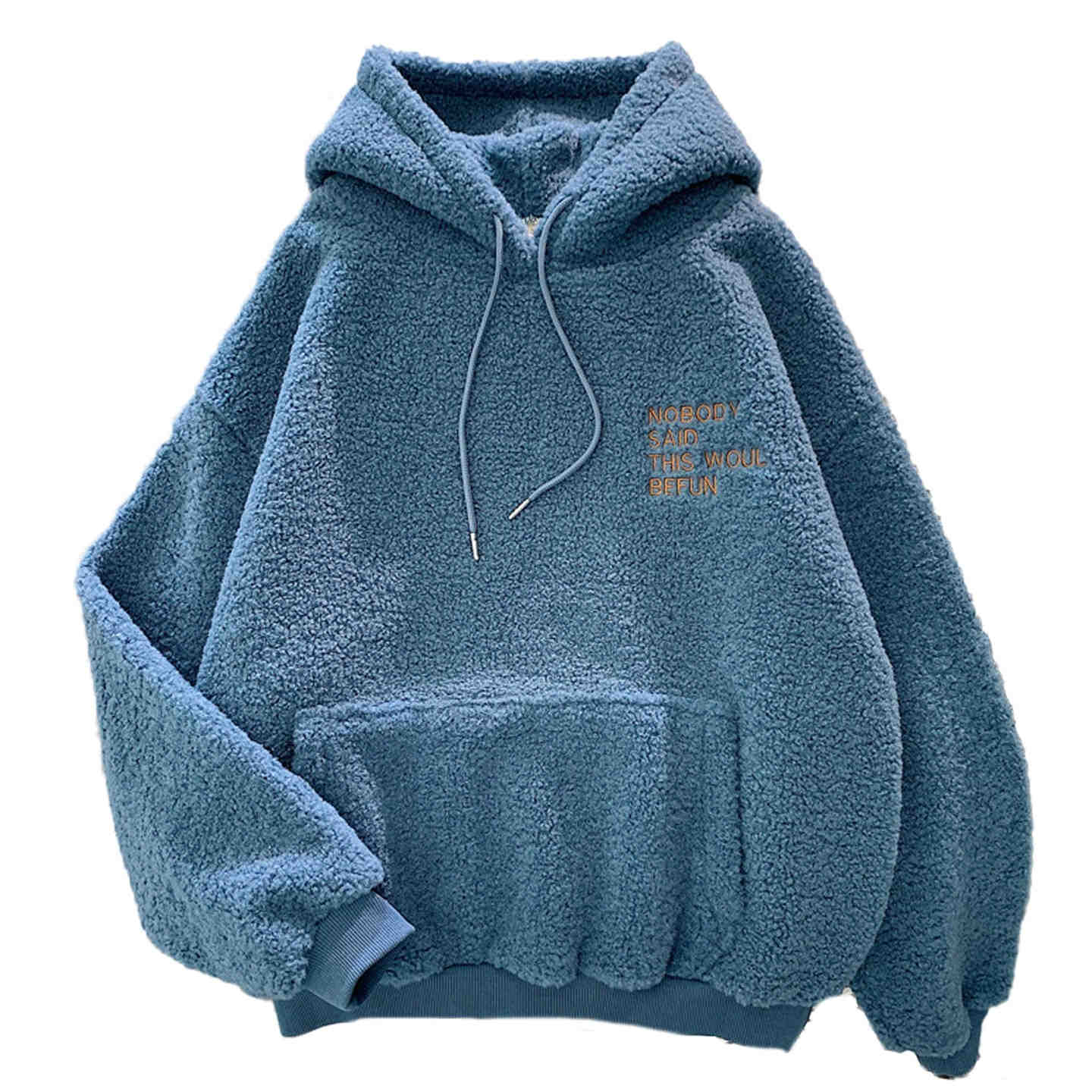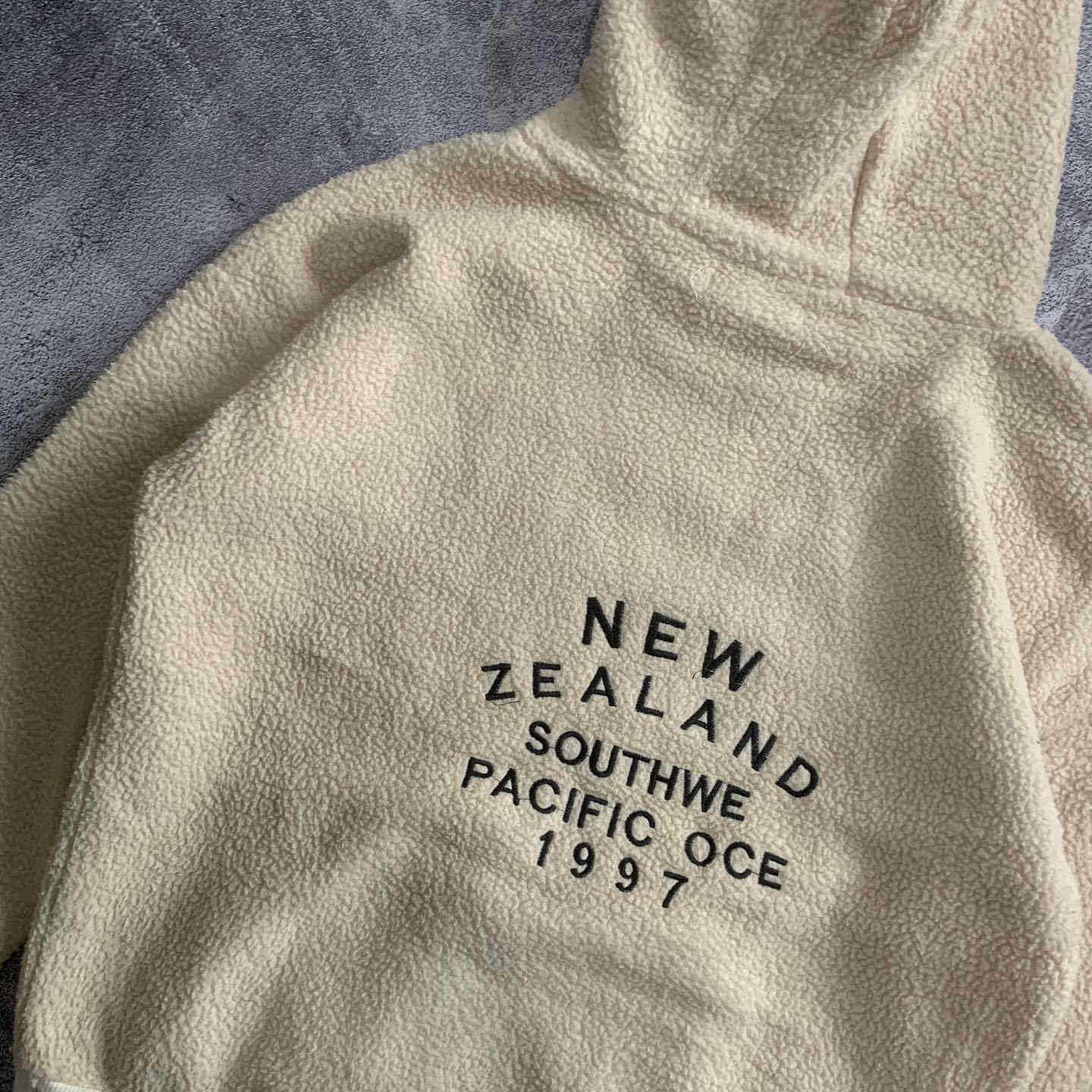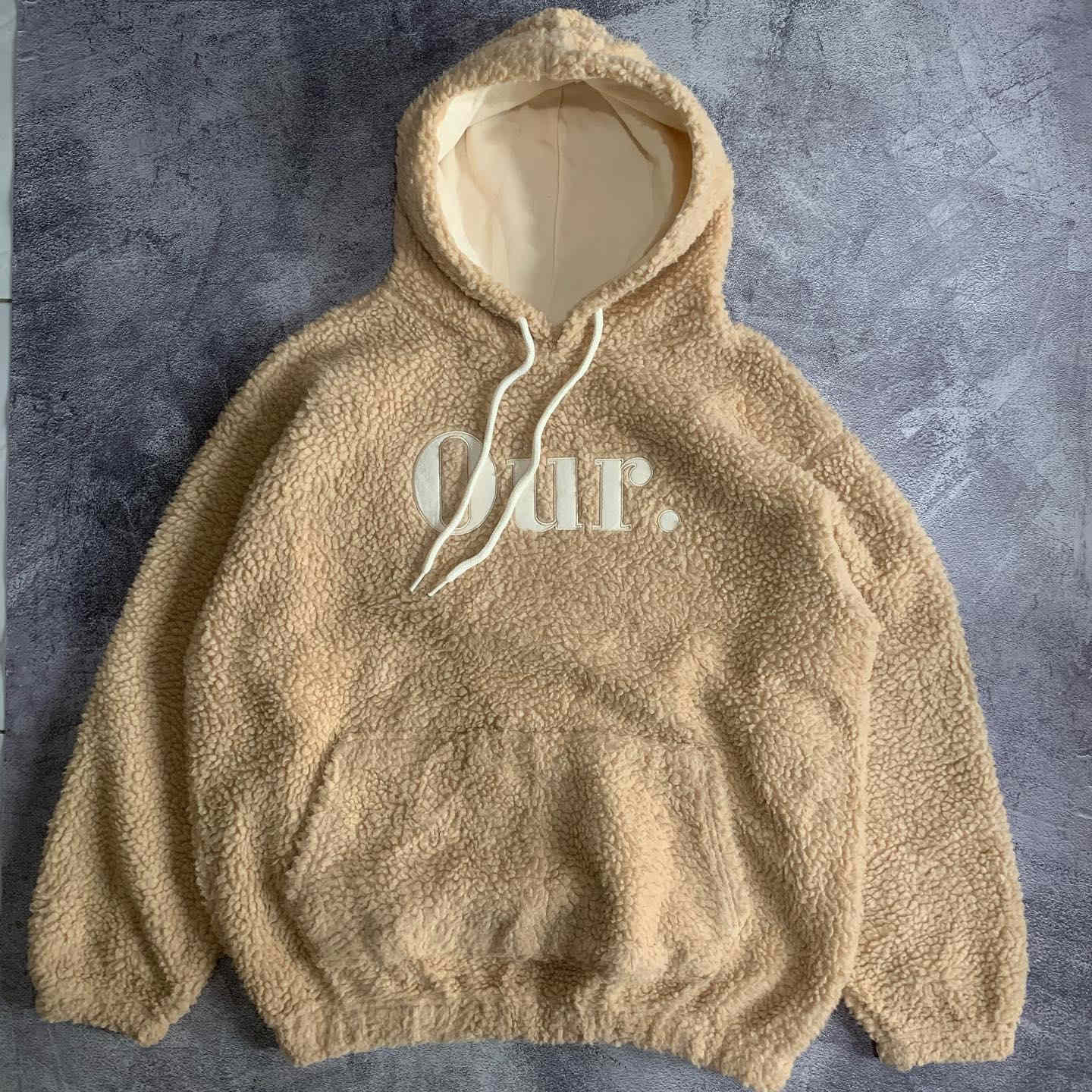
Securing advantageous wholesale clothing suppliers serves as a significant turning point for your newly established clothing enterprise. Although it may seem intimidating, this will be the cornerstone in the road to your success. In this guide, we will give you a simple plan unfold and follow it. We will unveil the process of finding, choosing, and verifying the right ones for your brand. Let’s build your business together.
Start with Getting Familiar with the Supplier Types
Before you begin to search, it is essential to have an overview of the major kinds of suppliers. In fact, they are not all the same. Some of them produce clothes while others simply sell them. Recognizing the difference will be your ticket for the right choice that fits your business needs.
The two major categories are makers and sellers. Makers are the ones who produce the garments from raw materials. Sellers, also known as wholesalers, are the ones who buy in bulk from various makers to sell these items to retail shops such as yours.
You can look up the common wholesale clothing suppliers in this table:
| Type | Best For | Pros | Cons |
|---|---|---|---|
| Manufacturer-Direct | Custom designs, private label | Lowest cost per item, unique products | High minimum orders, long lead times |
| Wholesale Marketplace | Variety from many brands | One-stop shop, wide selection | Less unique items, can be overwhelming |
| Niche Wholesaler | Curated, trendy styles | Trend-focused, unique collections | Higher cost per item, smaller selection |
| Dropshipping Supplier | Testing the market, no inventory | Low financial risk, no storage needed | Lower profit margins, no quality control |
An Intelligent Approach for Your Business
Don’t just start searching for “wholesale clothing suppliers” online. Some little planning can save you a lot of time and money. By identifying your specific needs, you will be able to narrow your search to the right partners from the very beginning.
Examine Your Business Model
To begin with, let’s identify what type of business you are establishing. The answer you give will point you to the most suitable supplier type.
- Are you a boutique owner who wants to sell many styles? You should look for Niche Wholesalers or Wholesale Marketplaces.
- Are you starting a brand with your own unique designs? You will need to work directly with a Manufacturer.
- Are you just starting and want to test ideas with little money? A Dropshipping Supplier is a great low-risk option.
- Do you need many items from different brands all at once? A Wholesale Marketplace is your best bet.
Determine Your Primary Needs: The “Q-B-S” Triangle
Now, we have to be precise about your needs. Think of this as the “Q-B-S” Triangle. This will provide a roadmap for the suppliers that meet your criteria.
- Quality: What kind of quality will be your brand’s identity? Do you want it to be known for low-end, mid-range, or luxury products? The fabric and stitching must be in line with your brand’s promise.
- Budget: What will be your spending limit for each item? What will your overall budget be for the first order? This will select the wholesale clothing vendors you will be able to afford.
- Scale: How much will you order at the beginning? This is your minimum order quantity, or MOQ. And think about your plans for expanding your orders in the future.
Finding Good Suppliers
With a profile based on your supplier needs, you are ready to search for them. Here are the best avenues available for your business to discover good wholesale clothing suppliers.
Online Marketplaces and Directories
Huge online platforms provide a very promising pivot. For example, web portals like FASHIONGO and Faire have hundreds of vendors that you can find in one place. You are able to view extensive catalogs and compare clothing suppliers. Also, point out platforms focusing on specific regions as they can help you find unique styles, like the ones that localized marketplaces like Lonca for Turkish fashion offer. Adding these styles can help your boutique be special.
Search Engines and Blogs

Using a simple search engine is still a robust tool if you word it well. Be detailed in your query. Instead of just searching “wholesalers of streetwear in the USA”, be specific like “wholesale women’s boutique clothing vendor in Los Angeles”. You will get much better results. Also, many industry blogs publish helpful customer lists. These articles often provide comprehensive lists of wholesale clothing vendors that have already been researched.
Attending Trade Shows
Besides trade shows being platforms for suppliers to show their products, they also provide real opportunities for networking. You can see and touch the clothing and meet the people that you can build relationships with. These days, many trade shows are also being held online.
Social Media and Forums
Your best resource can be other business owners. Look for Facebook groups for boutique owners or engage in communities like Reddit’s r/smallbusiness. You can ask for real-world experiences of others and find trusted wholesale clothing suppliers that they have had good experiences with.
The Near-Perfect 7-Point Checklist
A potential supplier is not the final word. The other half is to verify them. This checklist is one of the procedures that we never dodge because it secures your business on the one hand and get you only reliable companies on the other hand.
-
Initial Online Presence Review
Check the website. Does it have a professional look and is it easy to navigate? Search for their company name on Google and check the reviews that show up on different websites. An absence of presence or negative feedbacks are crucial indicators. -
Communication Test
Drop them an email or fill out their contact form with a couple of questions and observe their speed of response. Is their reply quick enough? Are they clear and helpful it their answer? A supplier who can’t be reached easily before you become a customer will be the last one to reach out to when an issue arises.

-
Request Business Papers
Require their business license or tax ID number. This is a common request. It can prove they are a legitimate business and not a scam. Reliable wholesale clothing suppliers normally find this straightforward. -
Grasp Feel Their Rules
You have to be informed about their rules. Search for their MOQs (Minimum Order Quantities). Is it a minimum number of items, or a minimum dollar amount? Examine their price list. Most importantly, before you place an order, it is very important to know a supplier’s policies on returns and defects. -
The Sample Order that Counts Most
Never initiate a bigbulk order without first seeing the product. Always place sample orders for items you want to sell. This is the most critical step in the entire process. -
Confer Sample Quality
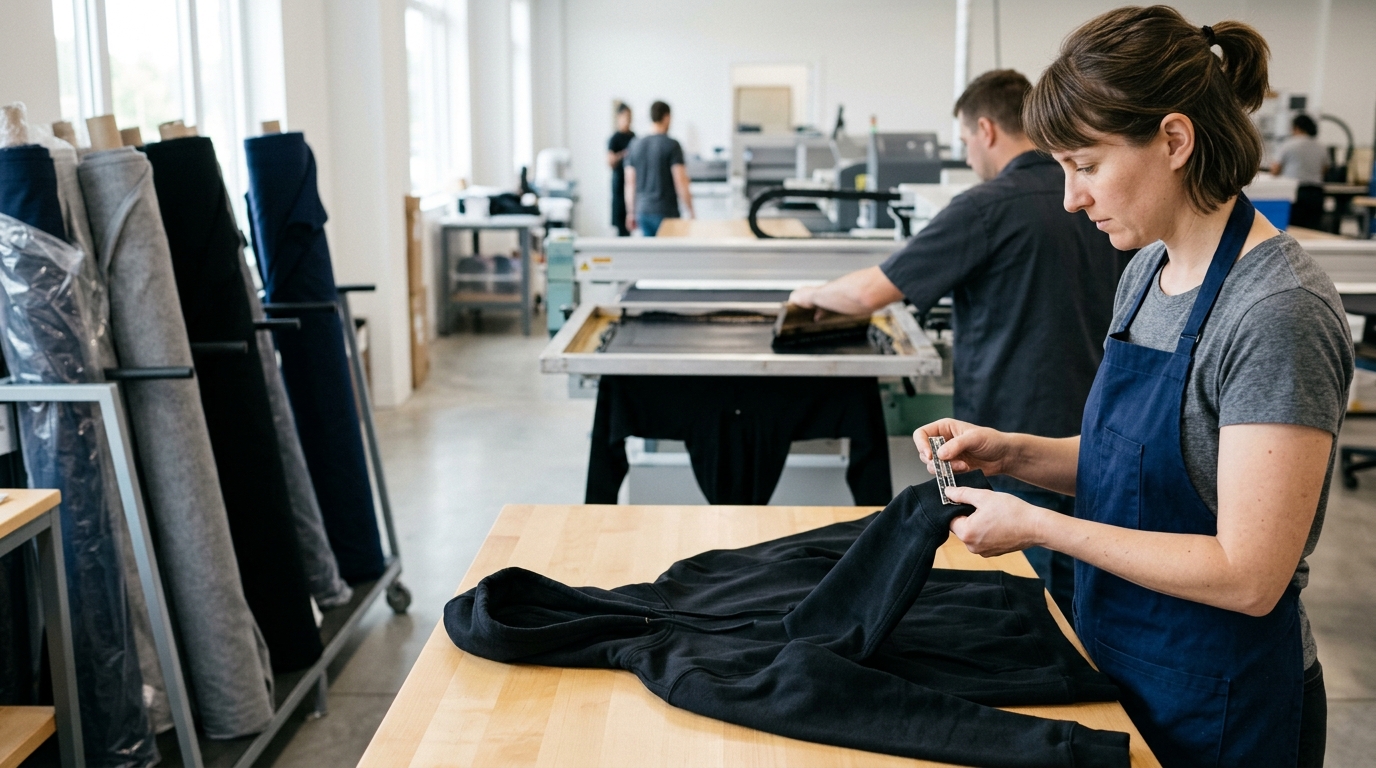
When your samples come, look carefully at them. Touch them to examine the weight and feel of the fabric. Look very closely at the stitching to make sure there are no loose threads or uneven seams. Color accuracy and size matching are very important, and we always wash samples first to see lost of color or if the item shrinks. -
Ask For References
Ask the supplier for one or more references from their current customers. Good suppliers will introduce you to another business owner who would like to explain their side of the story. It provides you with proof of their reliability.
Working with Custom Makers
As your company expands, you might desire greater autonomy. This will signify the jump from buying clothes that are already made to inventing your own. Sell by partnering with another clothing maker to produce unique clothing.
Utilizing a full-service partner can make this step smooth. They can assist you in every stage from design to production. A company such as TZ Streetwear can be a valuable asset that a streetwear label uses to fuel its growth.
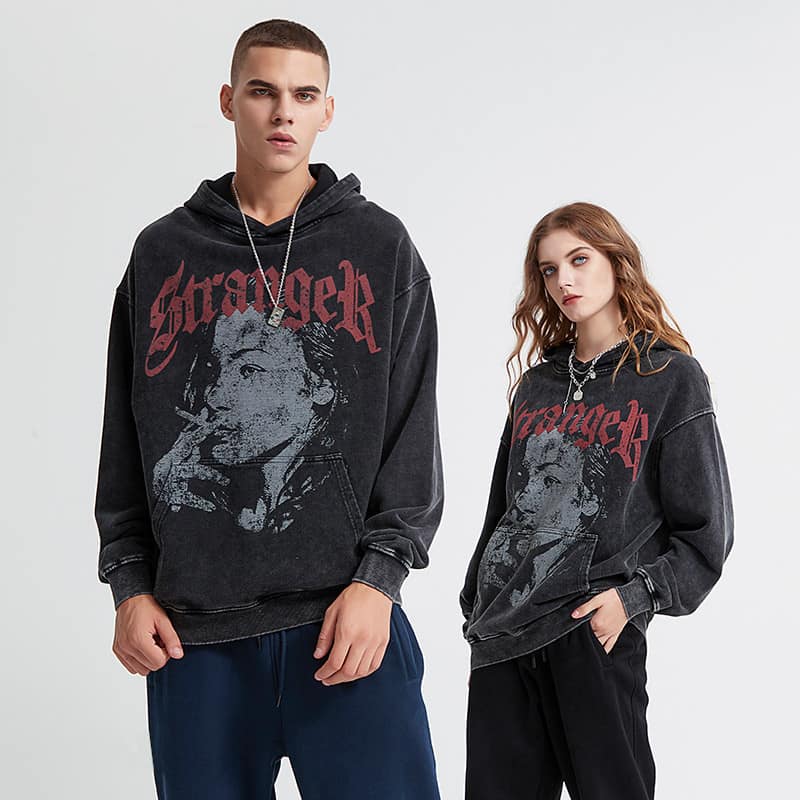
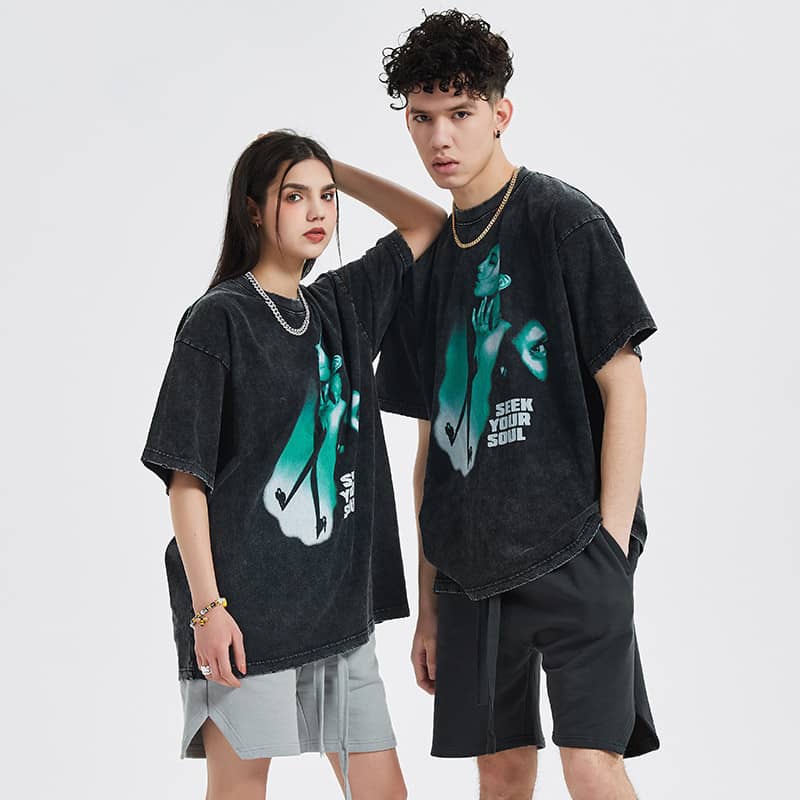
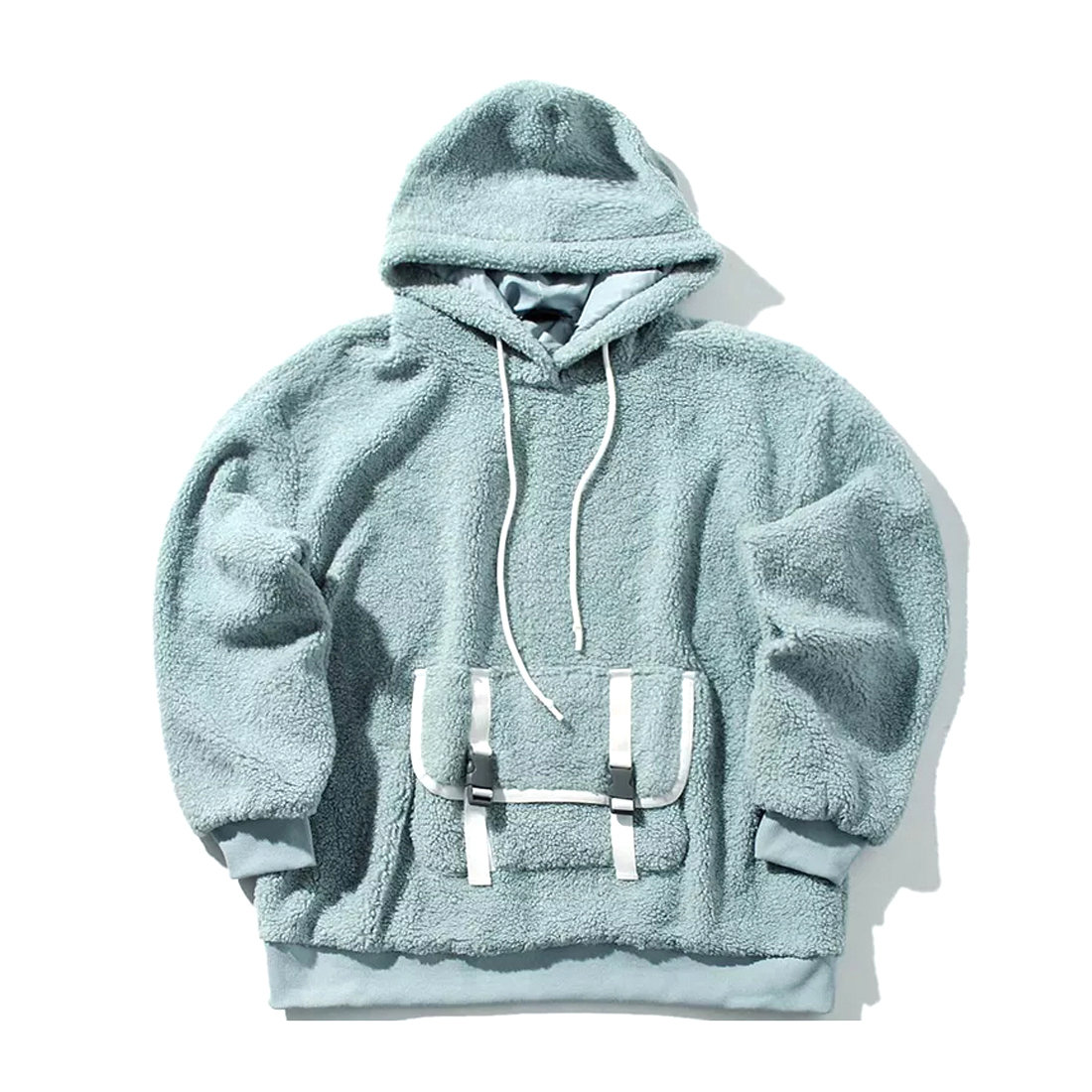
This will give you the opportunity to design unique items that enhance the brand. Notably, you can engage a custom hoodie manufacturer to provide the right fit and the best fabric for your top-selling product. Even simple items can get better through well-thought-out changes. For instance, specialized T-shirt manufacturers can provide knowledge about fabric selection, fit, and printing, helping you to create a product that’s higher quality than that of your competition.
Frequently Asked Questions
How much money do I need to start buying from wholesale clothing suppliers?
This could vary a lot. Some suppliers have very low or no minimum order quantities at all, which allows you to start with just $100-$200. On the flip side, purchasing directly from a maker might cost thousands of dollars. We recommend starting with wholesalers that have low minimums to test your ideas first.
Can I use wholesale clothing suppliers without a business license?
In general, most real wholesale clothing suppliers will ask for a business license or a reseller’s permit. This gives them the opportunity to sell to you at wholesale prices without charging sales tax. Getting such a license is one of the essential steps to making your business formal.
What is the difference between a wholesaler and a distributor?
Often people think of them as the same thing. In many circumstances, a distributor is someone who works with only a few specific manufacturers. A wholesaler is someone who might buy from a number of different distributors and manufacturers to pass a broader selection of products. For a new business person, the actual quality, price, and trustworthiness of the supplier is all that matters, not their title.
Is it better to use domestic (USA) or overseas wholesale clothing suppliers?
This will depend on what is more valuable for you personally. National suppliers are usually guaranteed short delivery and efficient communication. They will also allow you to advertise with a “Made in the USA” approach. Overseas suppliers from other countries like Turkey or China are usually much cheaper. Yet, they tend to be slower at delivering, may encounter language barriers, and create more complicated import regulations.
How do I calculate the resale price for wholesale clothing?
An easy starting point is the keystone, which is essentially two times your wholesale cost. To be profitable, we suggest a markup of 2.2 to 2.5 times the cost price. This will help you take care of your other expenses like shipping and marketing. Finally, your price will also depend on your brand’s image and the rates set by competing brands.