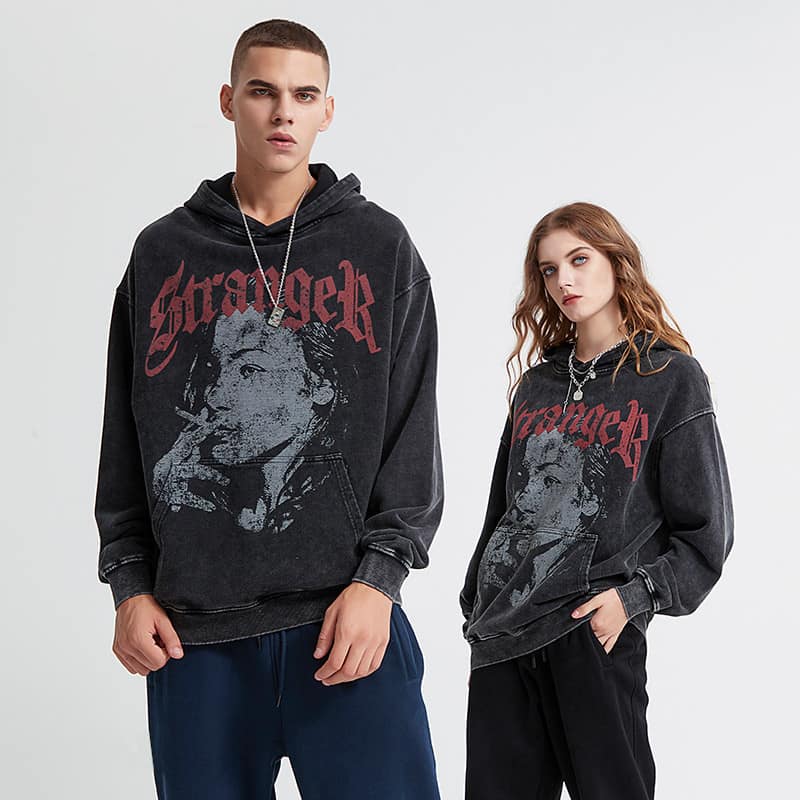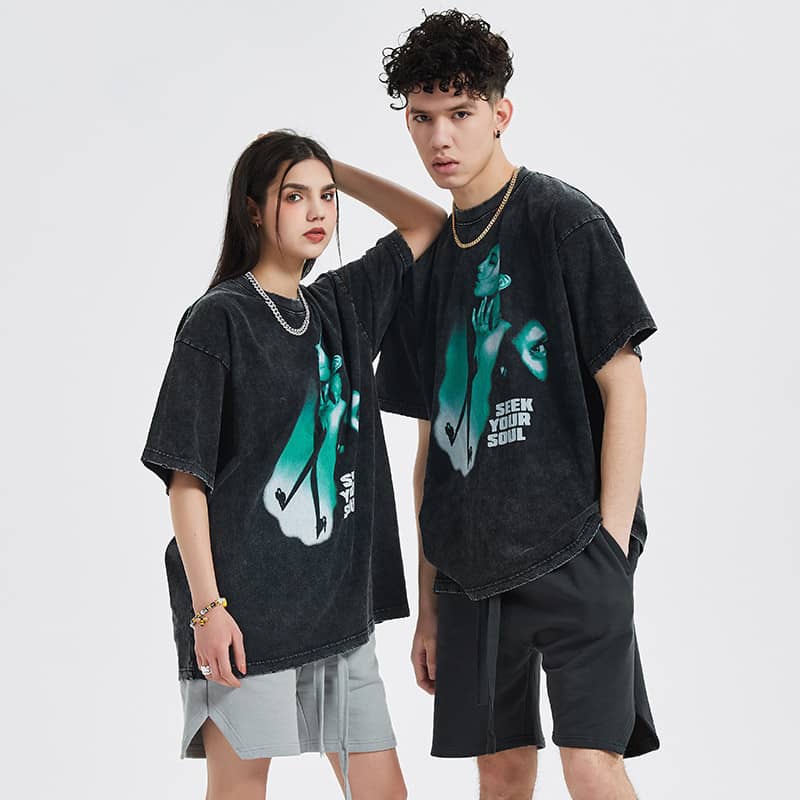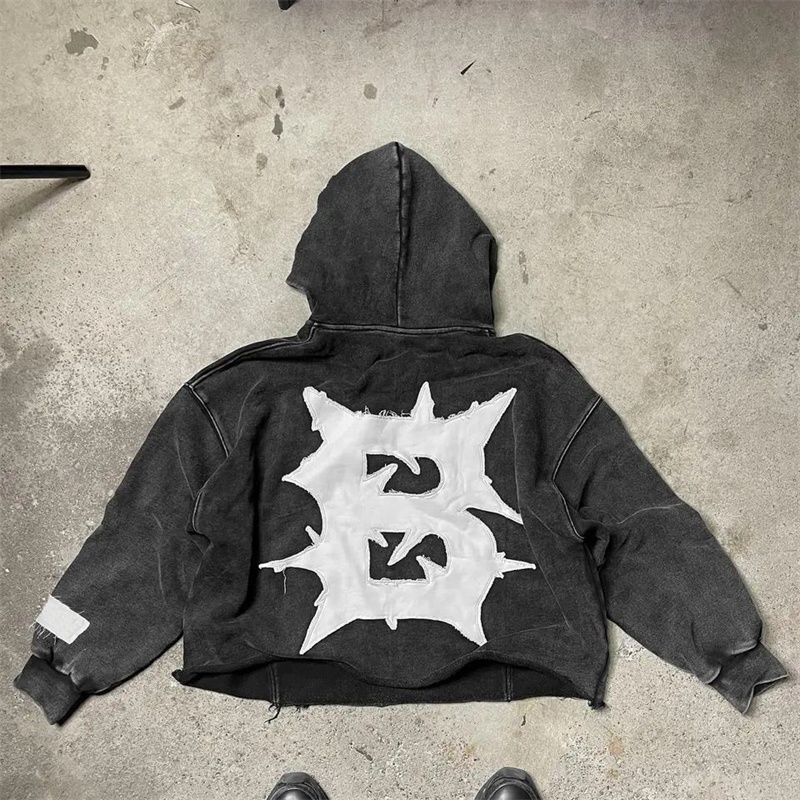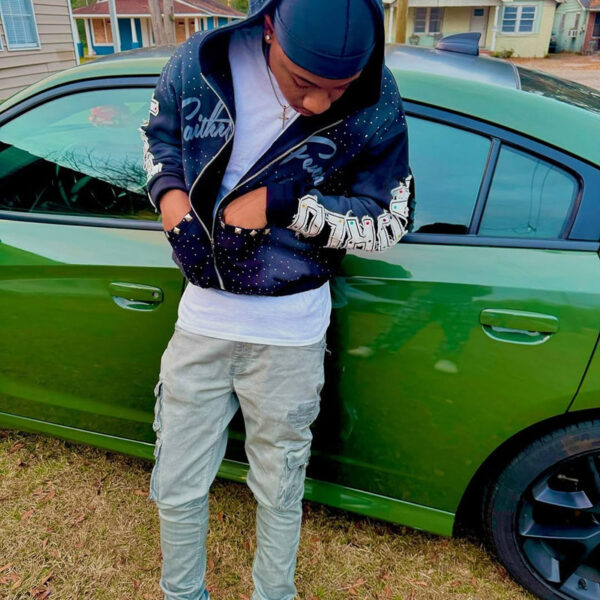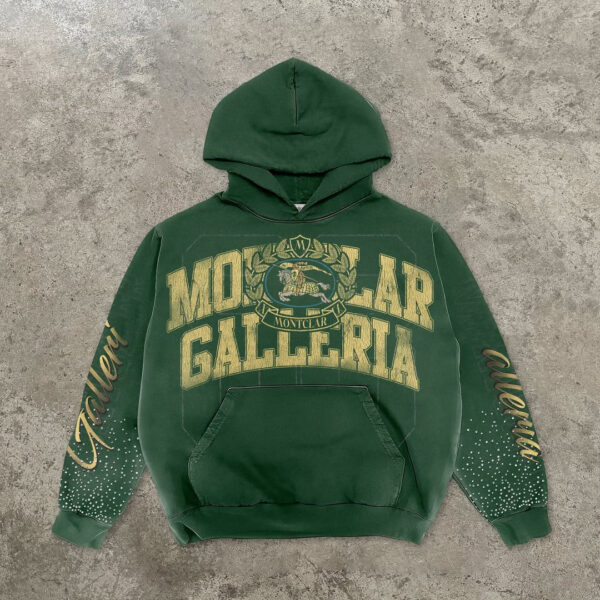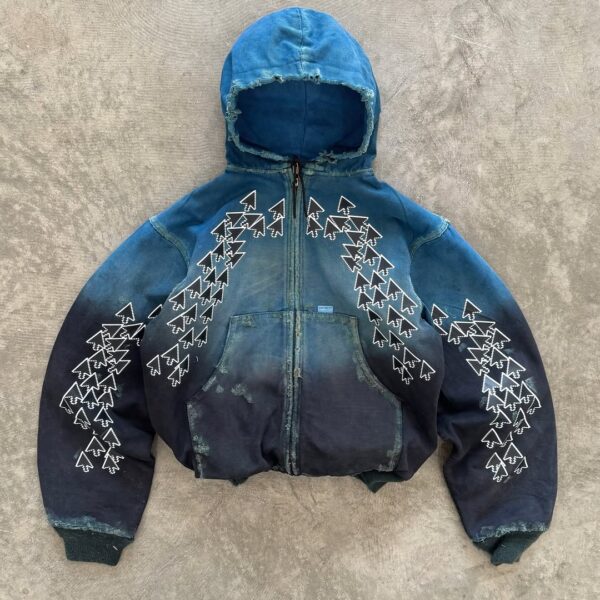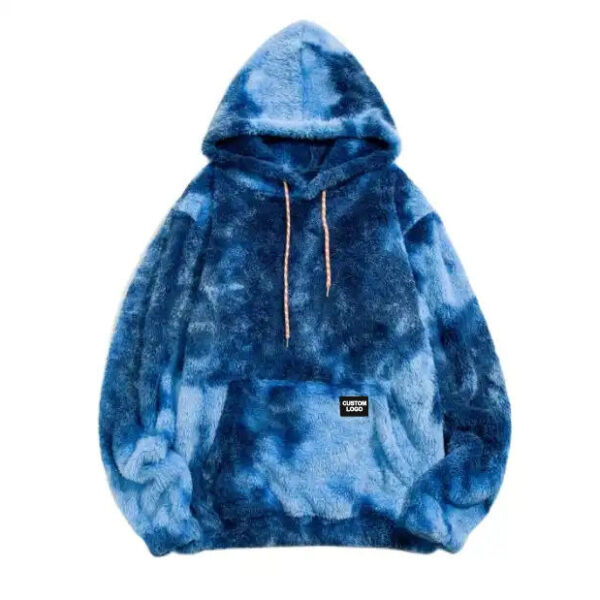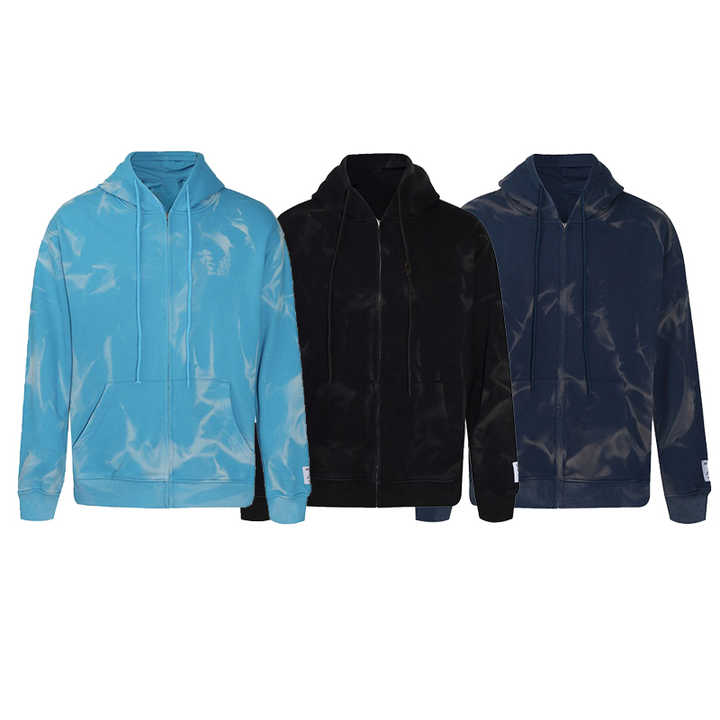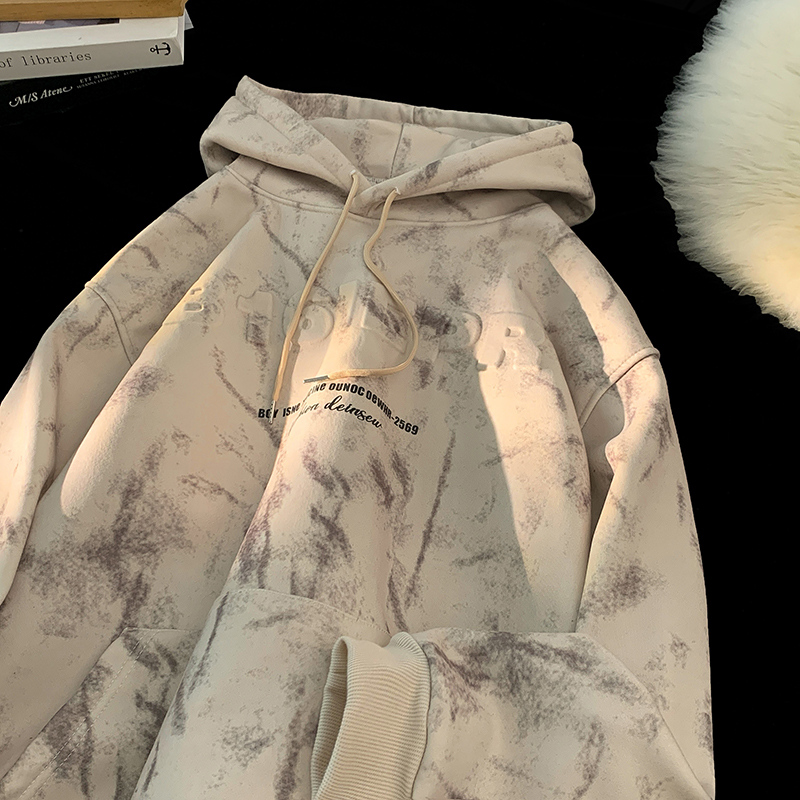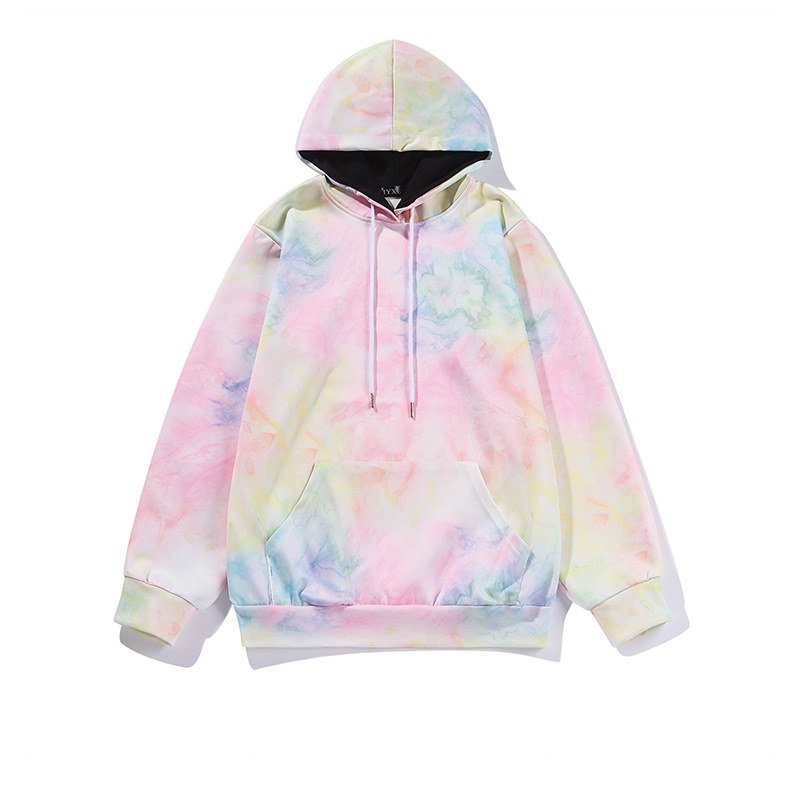
The vintage appearance is currently the most fashionable one. Brands prefer clothes made with soft fabric that look different from others starting from day one. It is in this case that the custom washed hoodie is a need.
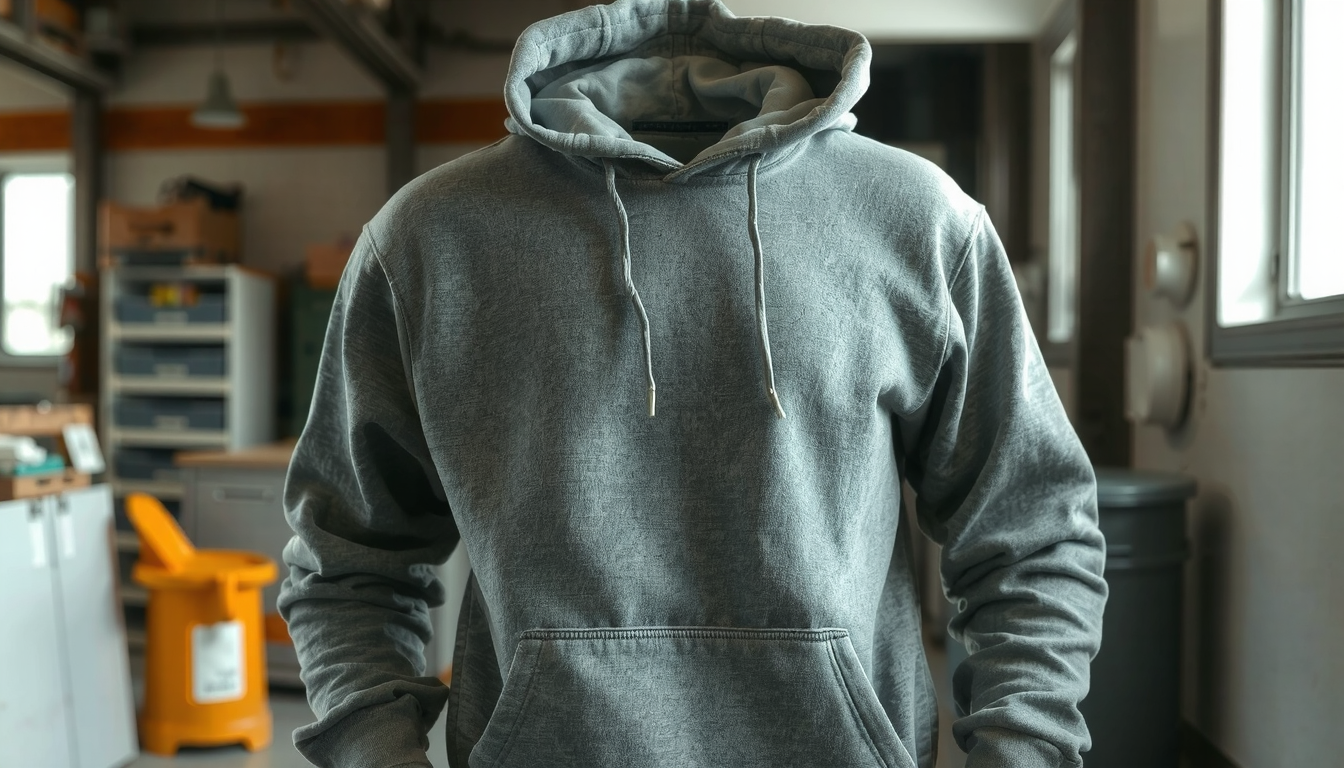
A custom washed hoodie is a product that undergoes a specific wash procedure. This is either done before or after your design is added. When using this wash method, the final outcome can be faded, soft, or with certain textures that are impressive.
This guide will cover everything for you. We will introduce you to the various wash types and design choices. We will also provide you with a detailed explanation of the making process. You will understand how to order the exact washed hoodies for your brand.
Analyzing the “Washed” Look: A Summary of the Common Techniques
Why Is the Washed Hoodie Different from the Others?
The special washing process is what makes every hoodie a one-of-a-kind item. There will be small changes in color and texture. This means no two hoodies are exactly the same.
This process also makes the fabric very soft. Your custom washed hoodie will feel comfortable and broken-in from the first time you wear it.
Washes Factors: Mineral vs. Acid vs. Pigment Dye
Making the choice of wash is the most important part of achieving the wanted look. Each type generates its own character for the garment, along with a specific feel. Familiarity with these options allows you to create your very own custom clothes.
| Wash Type | Visual Effect | Feel | Best For |
|---|---|---|---|
| Mineral Wash | Soft, cloudy color changes. Looks like marble stone. | Very soft, broken-in. | For brand logos, a high-end, soft vintage look is perfect. |
| Acid Wash | High-contrast, splotchy patterns. Classic 80s style. | Can be slightly rough but softens over time. | Bold, retro designs and band merchandise. |
| Pigment & Garment Dye | Faded, sun-worn color. Soft, muted look. | Very soft, feels like a favorite old hoodie. | A relaxed, beachy vibe or soft branding. |
Mineral Wash
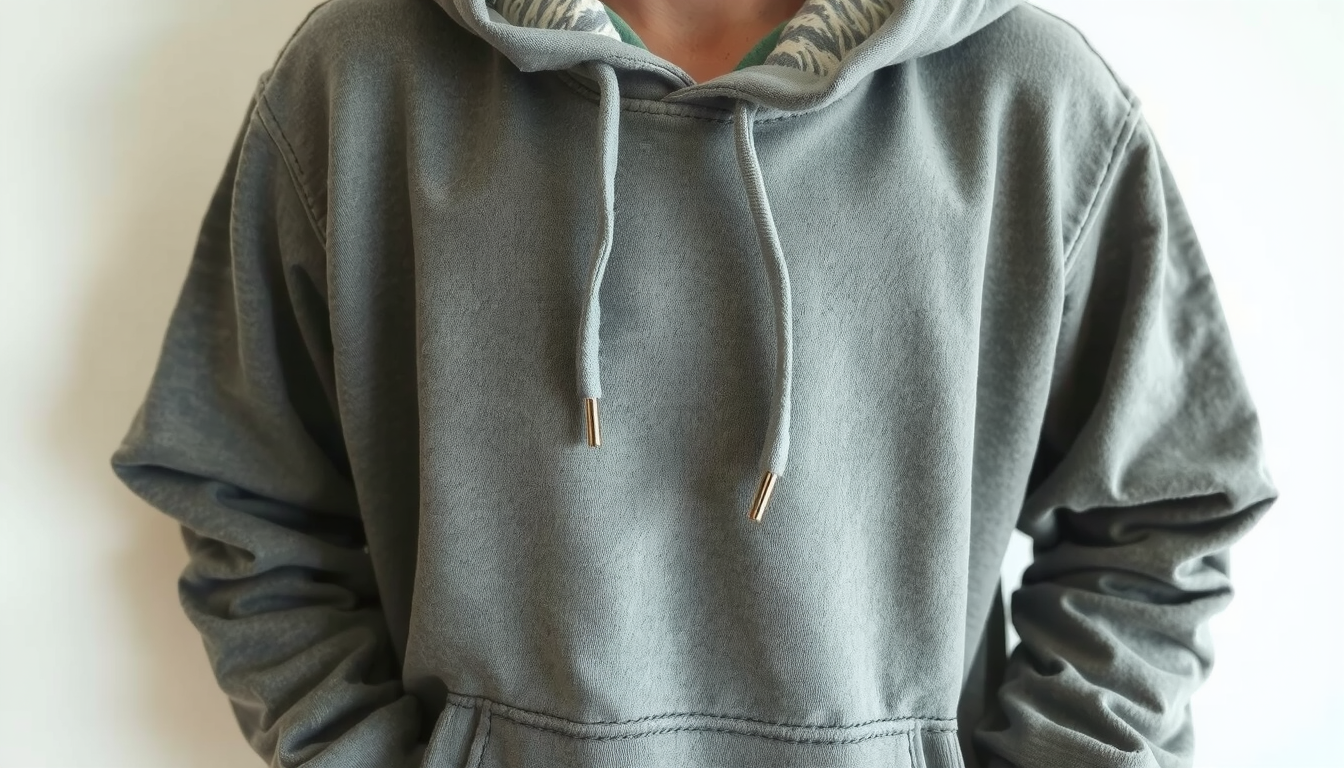
A mineral wash is made from stones and a mild process that makes a bit of color go away. It creates soft, marble patterns across the hoodie. This method’s result is a final soft, high-end touch.
Acid Wash
The acid wash employs a chemical reaction that leaves high-contrast spots on the garment. In the 1980s, you would have seen this classic look. This style is bold and makes a strong statement.
Pigment & Garment Dye
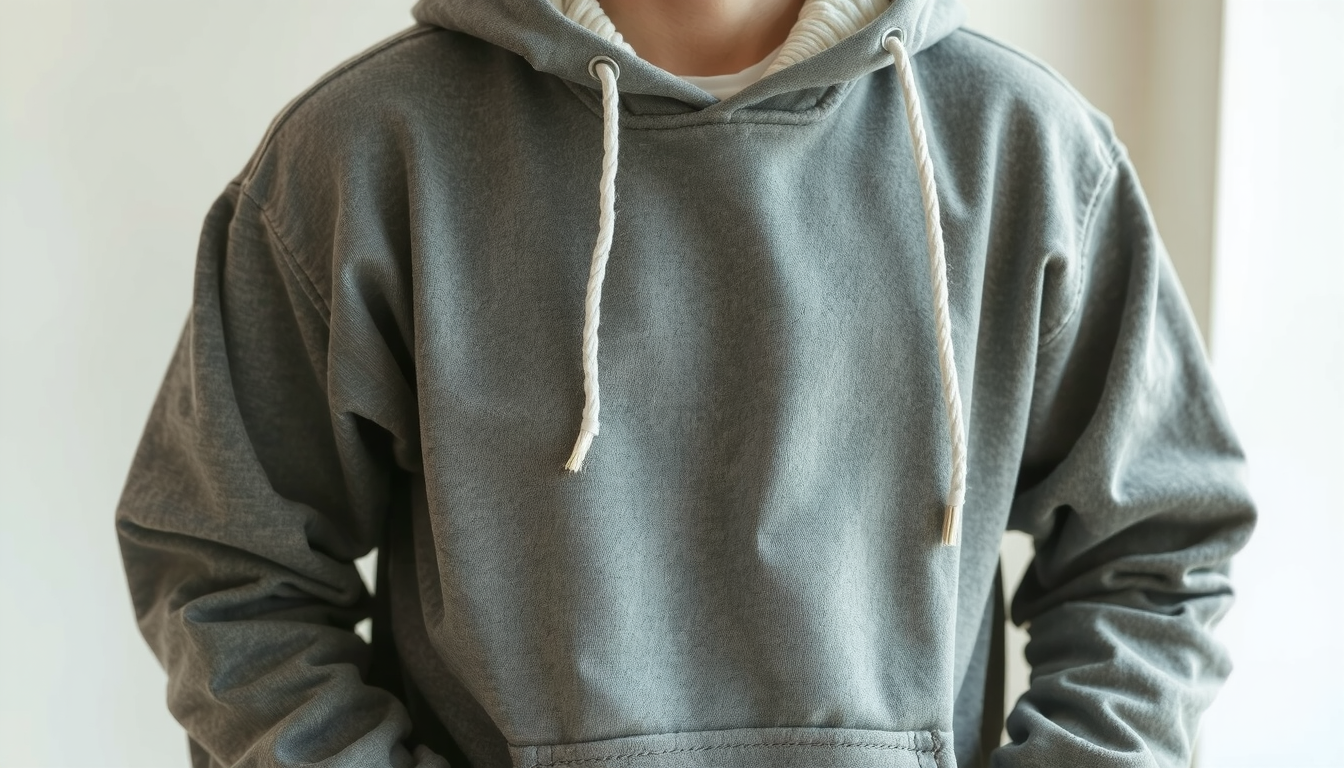
Pigment dye coats the outside of the fabric; thus the fabric will lose color gradually. The garment dye method is when the whole hoodie gets colored after being sewn. The result is a softer color and a more pleasant feel. Both processes provide a beautiful, worn-in look.
Designing on a Washed Canvas: Main Customization Choices
Developing a design for a custom washed hoodie requires special thought. The fabric has a peculiar surface that affects the way prints and embroidery will look.
Choosing the Right Hoodie Blank: Fabric & Weight
The best washes happen on fabrics with high cotton content. The use of 100% cotton or blends with at least 80% cotton is what we recommend. Cotton interacts well with dye and responds to the washing process.
The fabric weight is also important. The weight is measured in GSM, or grams per square meter. A heavier hoodie (350+ GSM) will feel more premium and be able to handle aggressive washing better. A lighter hoodie is more suitable for an all-season, relaxed feel. The Best Hoodies for Custom Printing often use high-cotton blends that best suit these processes.
Printing vs. Embroidery on a Custom Washed Hoodie
The uneven surface of the material is the distinctive feature of a washed hoodie. This texture can be a challenge for some custom designs.
Although screen printing is a good approach, using the right ink is crucial. Water-based or discharge inks are preferred. Unlike conventional inks, these ones sink into the fabric instead of forming a layer. The result is a soft feel that blends with the vintage hoodie.
DTG, or direct-to-garment printing, can also be used. However, the main challenge is to generate a consistent print on a heavily washed fabric. The uneven surface may cause small gaps in the print.
Another great choice is embroidery. The thread sits on top of the fabric. Thus the washed texture does not affect the design’s clarity. It provides a durable, high-quality finish that looks great on a custom washed hoodie.
Design Tips for the Perfect Vintage Vibe
- Implement distressed graphics. Designs with a cracked or worn look will harmonize with the hoodie’s style.
- Choose a retro color palette. Muted or faded colors in your design will accentuate the vintage feel.
- Think about placement. Arrange your logo or art where it works with the wash pattern, not against it.
The Detailed Procedure of Making a Custom Washed Hoodie
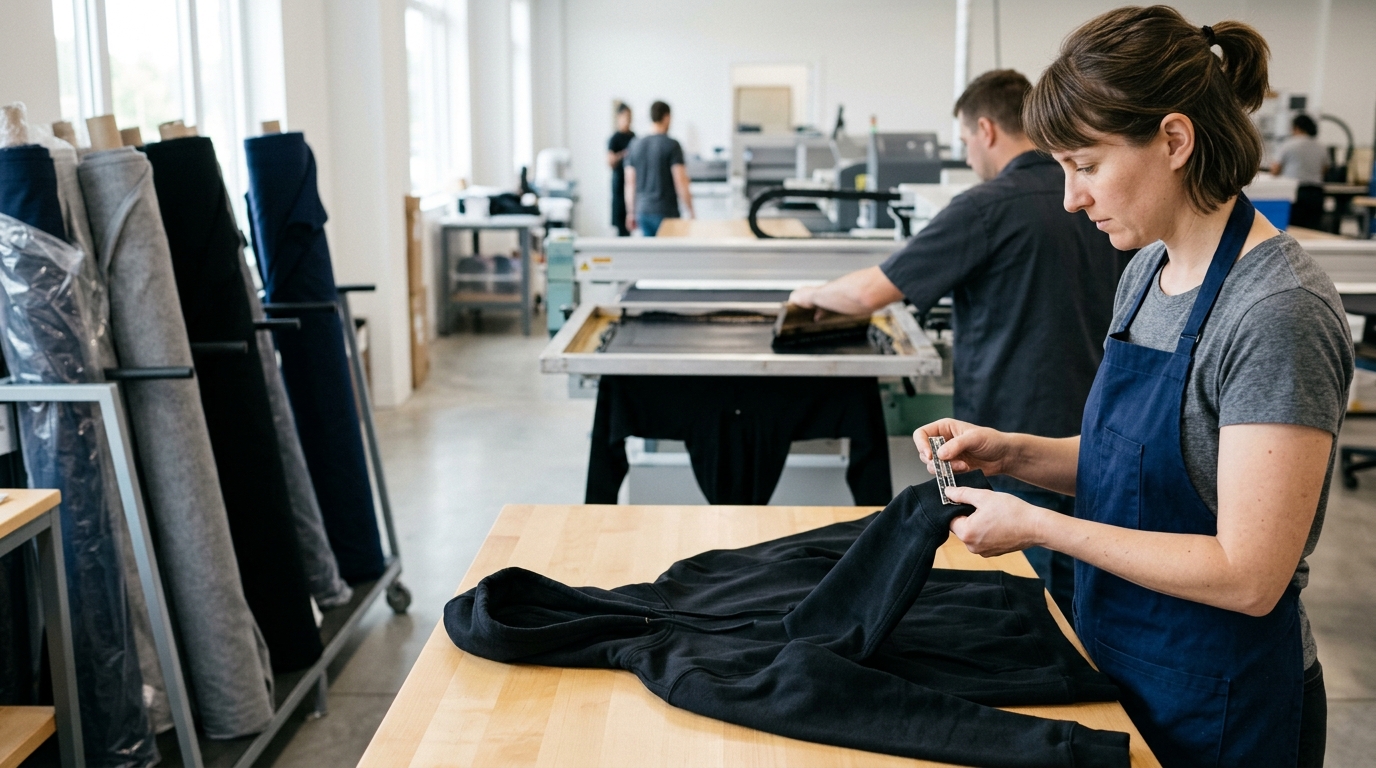
The procedure of making a custom washed hoodie is challenging as it is a multi-stage process, not like a standard hoodie. Knowing the steps in this process will help you appreciate the value of each piece.
-
Consultation and Garment Sourcing. The very first step is a meeting. We help you choose the right blank hoodie that is your ideal choice. This is a key choice for your entire project.
-
The Professional Washing Process. Next, the blank hoodies go into large, industrial washing machines. We utilize specific recipes of water, stones, or chemicals to achieve the desired look—mineral, acid, or pigment wash. This is done with great care to ensure consistency.
-
Preparing the Washed Garment for Customization. After washing, the hoodies are neutralized to stop any chemical processes. The next step is a thorough drying process. This is paramount to ensure the fabric will receive your design properly.
-
Applying Your Custom Design. It’s time to apply your art. Whether it be screen printing or embroidery, our highly skilled team will apply your design accurately. We always make sure every detail is absolutely right. This is the point where you make your design reality by transferring it to the hoodie.
-
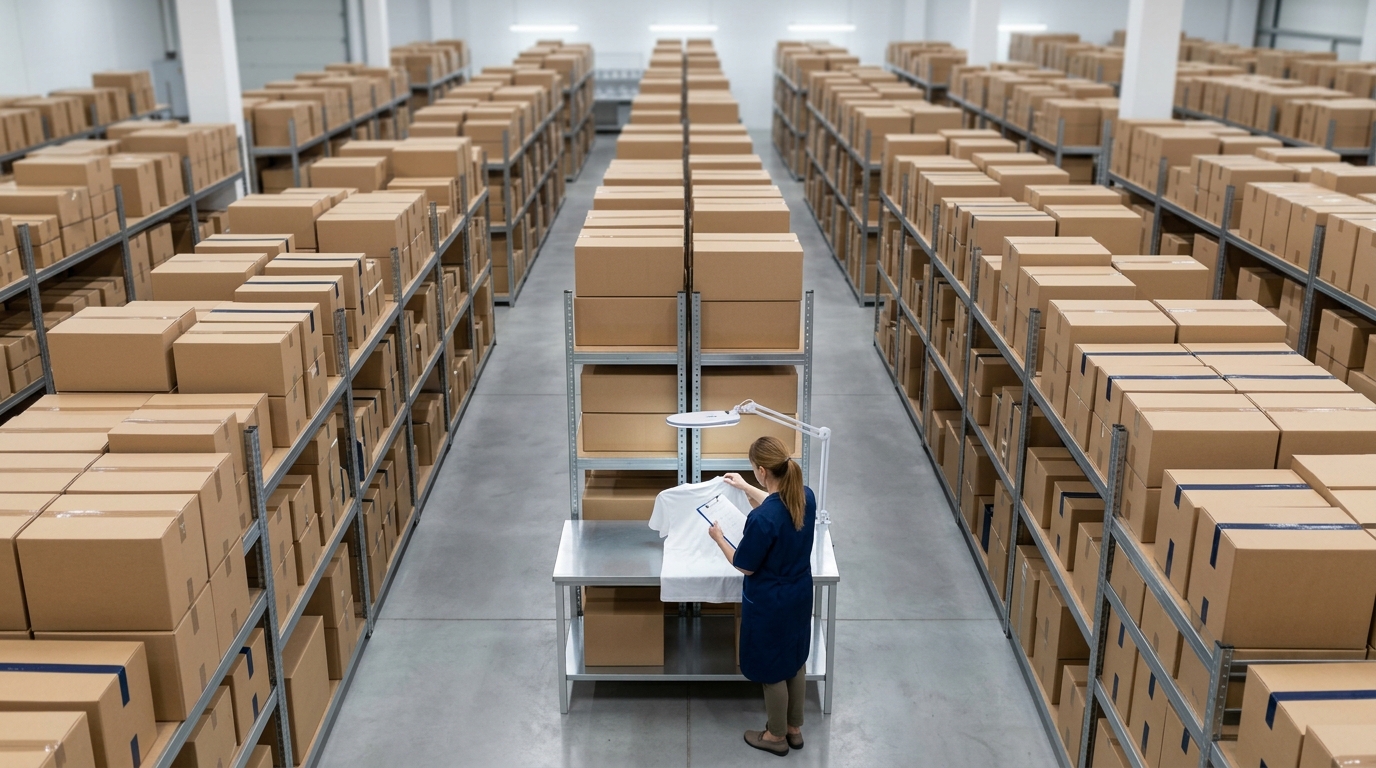
Curing and Quality Control. For printed hoodies, the ink is cured with heat to become permanent. Every single hoodie is then put through a quality control check. We check the wash. Then we check the design. We check everything to ensure the final product meets our high standards.
Working with an experienced custom hoodie manufacturer is the key to navigating this complicated process.
Bringing Your Vision to Life: How to Order for Your Brand
Prepared to design your own line of custom washed hoodies? We provide you with a simple step-by-step plan to get you started.
Step 1: Define Your Project Scope
First, answer some key questions. Which wash effect do you envision? What is your design? How many hoodies do you need? Clarity in your goals and budget will assure an effortless process.
Step 2: Team up with the Right Manufacturer
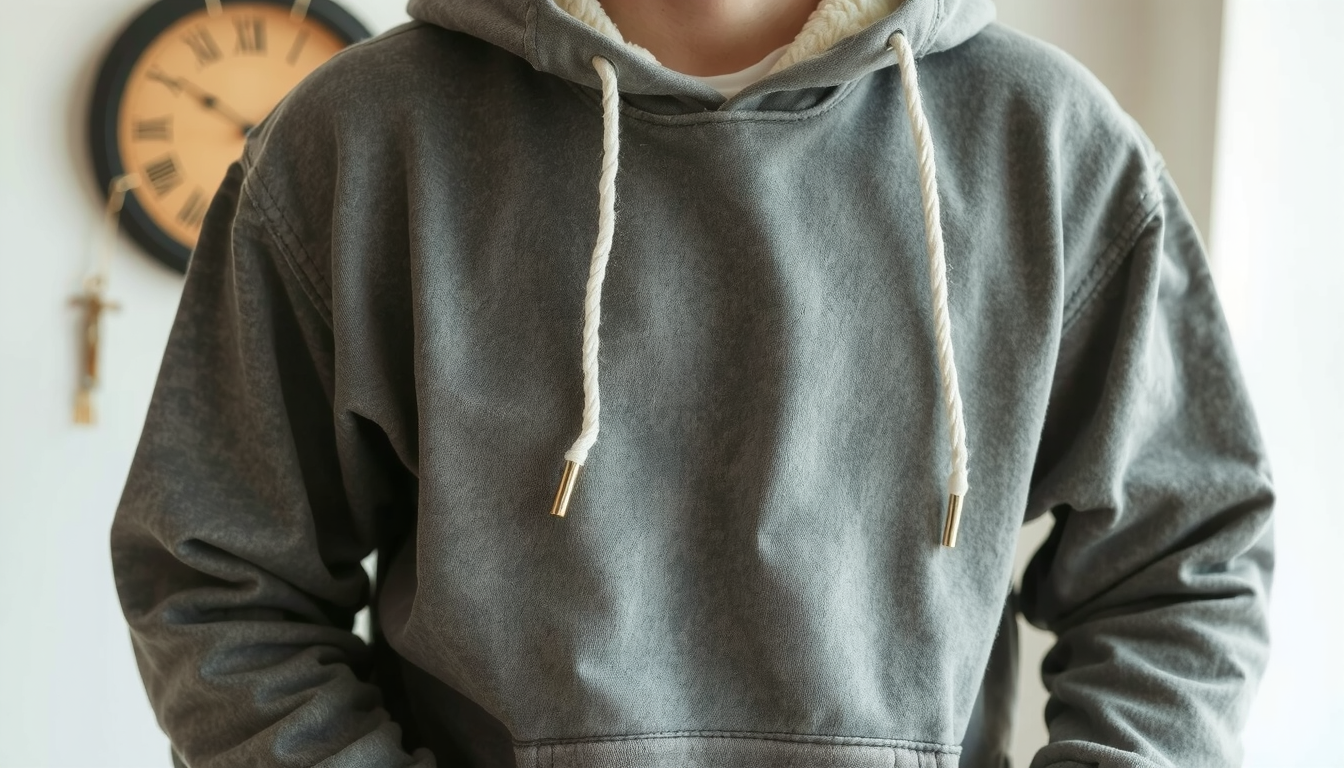
Target a partner that has proven experience with washed garments. Inquire to see examples of their work. Good communication and fair minimum order quantities (MOQs) are critical. For new creators, it is just as necessary to learn how to start a brand as it is to find a great partner.
Step 3: The Importance of Sampling
We cannot emphasize this enough: always get a sample. Because each washed hoodie is one of a kind, a physical sample is the only way to ensure you will love the final look and feel. It lets you check the color, texture, and design placement before you go for a big batch.
Step 4: Finalizing Your Bulk Order & Production
You can go ahead and place your full order once you have approved the sample. Your manufacturing partner will provide you with a timeframe for production and delivery. You can now get prepared to launch your fantastic new product.
Care Instructions: Keeping Your Custom Washed Hoodie Fresh
Proper care will keep your hoodie looking great for a long time. The special wash and custom design need gentle treatment. The following care tips are critical for Making Sure Your Design Lasts.
Do’s:
- Wash the hoodie inside out to protect the print.
- Use cold water and a gentle wash cycle.
- Hang dry when possible. If you must use a dryer, use the lowest heat setting.
Don’ts:
- Do not use bleach or strong soaps.
- Do not iron directly on the printed or embroidered area.
- Do not wash with heavy items like jeans that have zippers.
Are You Set to Design Your Own Custom Washed Hoodie?
A custom washed hoodie gives your brand a different vibe and amazing comfort that customers like. It is more than just clothing; it is a style statement.
Check out our entire collection of custom services at TZ Streetwear and let’s create your vision together.
Frequently Asked Questions (FAQs)
What is the main difference between an acid wash and a mineral wash hoodie?
An acid wash produces a striking, high-contrast look of light and dark spots. A mineral wash is softer. It presents a soft, all-over marbled or cloudy effect. The mineral wash process is also much more gentle on the fabric.
Can I get really detailed graphics printed on a custom washed hoodie?
It can be a bit of a challenge. Simpler graphics, bold text, and logos tend to produce better results on the textured surface. For particularly intricate designs, embroidery is more suitable. This is mainly because the design won’t be altered by the texture of the fabric. Always request a sample so you can see how your specific design will turn out.
Do washed hoodies shrink more than the regular ones?
No, they typically shrink less. The fabric undergoes a professional garment washing process that serves as a pre-shrink. This makes the hoodie’s size more stable after you wash it. Still, following care guidelines and avoiding high heat are essential.
What is a typical minimum order quantity (MOQ) for custom washed hoodies?
This can differ greatly between manufacturers. The process has many steps, which is why MOQs for custom washed hoodies are likely to be higher than for standard ones. At TZ Streetwear, we collaborate with brands of all sizes and aim to provide flexible solutions for your needs.
How long does the manufacturing process for custom washed hoodies take?
The timeline is longer than for standard hoodies. The additional washing, neutralizing, and drying steps add time to production. From your final design approval to delivery, you should expect a timeline of several weeks. Always ask your manufacturer for a clear lead time.