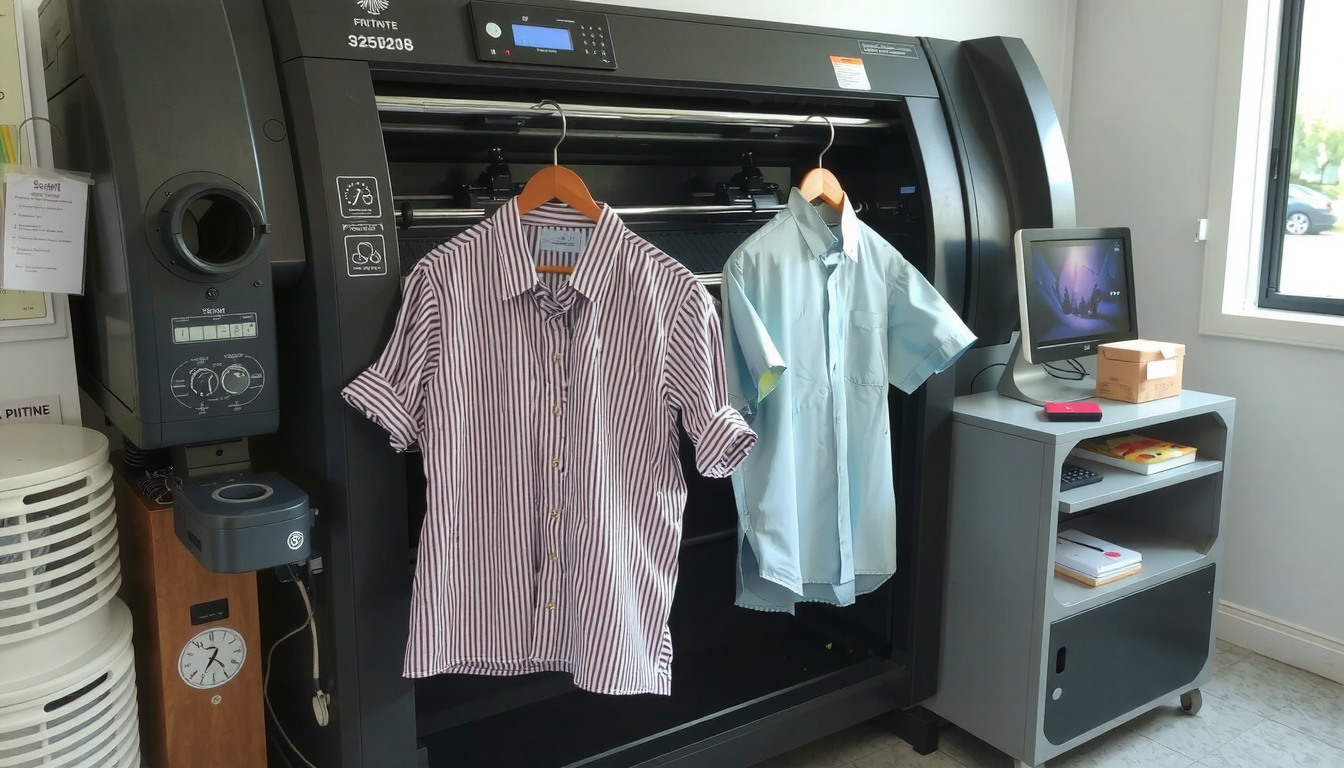
You have an idea! You want to start a killer apparel brand with innovative designs and a mindset that makes it happen. The next thing is wrong? Making it true by bringing production in-house is finding a print clothing machine. This choice may introduce you to confusing abbreviations like DTG, DTF, and sublimation, besides the pressure you feel because this is a crucial investment.
This guide is the roadmap to your journey. We will make the technology understandable, explain the costs, and provide you with a practical means to choose the right print clothing machine for your budget, size, and creative goals. By the time you are done reading, you will be ready to confidently take the next step in your business journey.
What Are the Main Types of Machines?
First of all, you need to understand the core technologies. Each type of print clothing machine has pros and cons as well as specific applications. In this section, we will focus on the most popular technologies for new business owners currently.
| Technology | Best For | Feel on Garment | Cost | Fabric Compatibility |
|---|---|---|---|---|
| Direct-to-Garment (DTG) | Full-color, detailed graphics on cotton | Very soft, breathable | $$$ | Primarily Cotton |
| Direct-to-Film (DTF) | Vibrant prints on various fabrics | Flexible, slightly plastic feel | $$ | Cotton, Polyester, Blends, etc. |
| Heat Press (Vinyl) | Simple text, logos, blocky designs | Thicker, layered texture | $ | Most Fabrics |
| Heat Press (Sublimation) | Full-color on light polyester | Zero feel, ink is infused | $ | 100% Polyester (or poly-coated) |
| Screen Printing | Bulk orders of simple designs | Varies, can be soft or thick | $$ | Most Fabrics |
Direct-to-Garment (DTG) Printing
Think of a DTG printer as a special printer that applies water-based inks directly onto the garment such as a t-shirt. The ink goes into the cotton threads. This is what makes the product breathable and soft.
This method produces a photo-like replica, color blends, and complicated designs more than any other method. Print-as-you-need production with high quality makes this method a wonderful choice. You can buy either small desktop units for shops or you can go to a high level and order industrial machines for DTG T-Shirt Printing Machines and Apparel Customization.
Direct-to-Film (DTF) Printing
DTF printing changes the game through its flexibility. The process consists of printing your design onto a special transparent transfer film, covering it with adhesive powder, and using a heat press to transfer the film onto the garment.
In this method, bright, sharp, and long-lasting images are embedded, which are similar to high-quality, flexible graphics. The most amazing thing is that it works with different fabrics, such as cotton, polyester, blends, and even materials like nylon and leather.
Heat Press Machines (Vinyl & Sublimation)
A heat press is mainly a one-piece piece of equipment, but it works with different transfer methods.
Vinyl Cutting & Transfer: This is a system that uses a vinyl cutter that cuts your design out of colored vinyl sheets. You then remove the extra material and use a heat press to put the design on the shirt. This method is fantastic for making sports jerseys and for use in bold text or logos.
Sublimation Printing: This system is based on the process of sublimation which uses an ink that goes directly to the gas when heated and gets bonded with the polyester fibers. The product is a print without any touch on it, brightness is fantastic, and durability is incredible. But this system only works on 100% polyester fabrics or on coated items that are light in color.
Screen Printing Machines
Screen printing is the original method of customizing clothes. This method works by using a mesh screen (stencil) to push ink through onto the fabric, one color at a time, in a proven way.
Setting up a screen print clothing machine is quite hard with comprehensive designs but in the end, this method is very affordable for getting a big quantity of the same design printed. The prints will endure for a long time and will look classy and professional. You can get further insights into the process in our guide on Screen Printing.
Which Print Clothing Machine is Right for YOU?
At this time, let us tailor the issue to you. What is the “best” machine for the situation specific to you? Answer the four questions below as honestly as you can and you will know the right machinery for your brand.
What’s Your Realistic Budget?
Your available cash comes in as the main factor for your final decision. Be straightforward about your capability for budgetary expenses for both the machine and for the whole setup.
-
Hobbyist/Starter (< $1,000): Your best starting point is a heat press setup. A good heat press with a vinyl cutter or ready-made sublimation transfers lets you start making professional items for very little upfront money.
-
Small Business/Serious Startup ($1,000 – $10,000): This is the perfect range for many new brands. Here you can consider basic DTF systems or desktop DTG printers. This price range opens up full-color, on-demand printing, making it popular for many garment printers for small business.
-
Scaling/Professional ($10,000+): If you have already proven your market demand, take a look at the very high quality DTG machines, automated DTF systems, or automatic screen printing presses. These machines are the answer to the needs for speed, efficiency, and high volume of production.
What Kind of Designs Will You Print?
The type of graphics your brand use has an effect on the kind of technology you settle for.
-
Simple Logos & Text: If your brand utilizes mostly bold, one or two-color graphics, statements, and logos, then a heat press with vinyl is the most effective and cheap method.
-
Full-Color, Detailed Graphics: To realize innovative graphic designs, such as photo prints or painterly painting patterns, or to blend colors, one must have DTG (for cotton) or DTF (for any material) because they are the only appropriate machines available. They are made for this level of detail.
How Many Items Will You Print Per Day?
Think about what your production goals are. Are you making one-off items or filling wholesale orders?
-
On-Demand (1-20 items): DTG and DTF are the media of choice here. The digital nature is the reason for no design setup cost at all, and they fit a “print as you sell” model or target custom one-of-a-kind products.
-
Small Batches (20-100 items): A really solid DTF system will do a great job with this volume. A manual screen printing press also does it good here, mainly when the designs aren’t too intricate.
-
Large Scale Production (100+ items): For grand quantity, the workhorse is an automatic screen printing press which is lightning-fast and economical with every print made. Digital applications of this size also need machines that are industrial direct to garment printing built for the output.
What Fabrics Will You Use?
Your choice of blank clothes constitutes a major element.
-
100% Cotton Only: If you are a brand of 100% cotton t-shirts that are for the environmentally conscious, DTG will be the one and only method that will deliver the soft feel and breathability.
-
Polyester, Blends, and More: DTF stands out in the competition as it is the most reliable option in the fabric market. Fortunately, it also works excellently on cotton, polyester, tri-blends, and more. Sublimation is an extremely effective option but it is specialized as it only works on light-colored polyester.
The choice of machine is just one part of the process. A thorough understanding of the craft introductions necessary for running a brand gives you a strong base to build on.
Beyond the Printer: The Full Setup
Selecting a print clothing machine is similar to buying an engine. The car is still not driving if you don’t have the other components. We have witnessed numerous business owners stumble on the road by not taking into account the “hidden” costs. So here is the actual breakdown of what is required to build the print station.
Essential Companion Equipment
- The Heat Press: This is an absolute must-have. It is essential to curing DTF and sublimation prints, applying vinyl, and even pre-treating and final curing DTG prints. We learned the hard way that a cheap-quality press with uneven heat or pressure ruins expensive garments. A good press is a must-have.
- Software: DTG and DTF printers require RIP (Raster Image Processor) software in order to properly process your artwork, manage ink layers, and control colors. This is usually part of the machine but sometimes it can be a separate cost.
- Curing/Drying: For screen printing, the conveyor dryer is the key piece of equipment for efficient curing. For DTF, a powder shaker and curing oven also automate a messy part of the process.
Ongoing Consumable Costs
Your printer needs fuel. These recurring costs are a major part of your cost-per-item calculation.
- Inks: This is expected to be your continuous largest expense, especially for DTG and DTF.
- Films, Powders, and Papers: These are the key supplies for DTF and sublimation printing.
- Pre-treatment Fluid: This is necessary when using a DTG machine to print on dark clothes. It allows a smooth surface for the white ink to sit on.
- Vinyl Rolls: For heat press vinyl setups, you’ll be buying rolls of heat transfer vinyl (HTV).
The Workspace Environment
These machines need a proper home to work safely and effectively.
- Ventilation: This is a very vital issue when it comes to security. The DTF powder discharge and curing process can release fumes, so having an independent fume extractor is highly recommended. Good airflow is of most importance for print shop health.
- Space: A single desktop DTG or a simple heat press can fit in a spare room but a complete DTF system or a full-on-screen printing requires significant garage or workshop space. Always verify the size dimensions before you purchase.
- Power: Most desktop units only need a standard wall outlet, however, larger conveyor dryers or automatic presses might need 220V electrical circuits.
Outsourcing vs. In-House: When to Buy
Now is the moment to question if getting a print clothing machine is simply the right move. For most startups, the best plan is to first prove their idea with a print partner. The global custom t-shirt printing market was valued at over USD 4.3 billion in 2022, proving there’s a massive system for both approaches.
| In-House Production (Buying a Machine) | Outsourcing (Using a Partner) |
|---|---|
| Pros: Full creative control, instant prototyping, higher long-term profit margins, faster turnaround on small orders. | Pros: Zero equipment cost, no maintenance, test ideas with no risk, access industrial quality from day one. |
| Cons: High upfront investment, steep learning curve, you are responsible for maintenance, requires dedicated space. | Cons: Lower profit margins per item, less control over quality and turnaround times, potential minimum order quantities. |
The Case for Buying a Machine
The decision to buy a machine gives you the freedom to take creative control over the clothes you make. You can test new looks quickly, manage orders, set up the process in your own way, and after managing the initial investment, the profit margin per shirt can be much larger. This path is best for owners who have the confidence to describe and grow their businesses.
The Case for Using a Print Partner
Outsourcing is the smart, low-risk move for any new clothing business. You could try dozens of styles, without the need to spend money on the equipment. This lets you test your ideas and build an audience before spending thousands on hardware.
If you come to the conclusion that outsourcing is the good beginning for you, teaming up with a knowledgeable manufacturer for products such as custom hoodies or t-shirts is a valid option. For building a full-service brand, explore partners like TZ Streetwear.
Conclusion: Your Printing Journey
Choosing the right print clothing machine for your brand is one of the key moments. There is no single “best” option. Instead, there’s only the one that best addresses your needs. The right machine is the one that meets your budget perfectly, your design choice, your production quantity, and the material you have selected.
Use the checklist contained in this guide as a tool you can make use of in the evaluation of your needs. Don’t be too shy to be frank with yourself. Whether you start with a simple heat press or invest in a sophisticated DTF system, you are taking a powerful step toward bringing your creative vision to the world. Plan carefully, choose wisely, and start printing.
Frequently Asked Questions (FAQ)
1. What is the easiest print clothing machine for a total beginner?
For complete beginners on a tight budget, a heat press with cutting vinyl or pre-made transfers is the most accessible. It has a low learning curve and minimal setup, making it perfect for learning the basics of apparel customization.
2. Can I print on dark-colored shirts with any machine?
Not easily with all of them. DTG and DTF machines are specifically designed to handle dark clothes by printing a white base layer first, allowing colors to pop. Sublimation only works on light-colored polyester fabrics, and screen printing requires an extra screen and ink layer for a base.
3. How much maintenance does a DTG or DTF printer require?
DTG and DTF printers need regular, often daily, maintenance to prevent the water-based inks from clogging the delicate print heads. This includes daily head cleanings, nozzle checks, and weekly “wet capping.” Ignoring maintenance on this type of print clothing machine is the fastest way to face costly repairs.
4. Do I need special design software to use a print clothing machine?
Yes, you’ll need professional design software like Adobe Photoshop or Illustrator to create high-resolution artwork. For the printing process itself, DTG and DTF machines require specialized RIP (Raster Image Processor) software, which often comes with the machine, to translate your design for the printer and manage ink levels correctly.
5. Is it more profitable to buy a machine or use a print-on-demand service?
Profitability depends entirely on volume. For low volume or testing new ideas, a print-on-demand (POD) service is more profitable due to zero startup costs. However, as your brand grows and you consistently sell dozens or hundreds of items per month, buying your own print clothing machine becomes much more profitable as your cost-per-item drops dramatically.