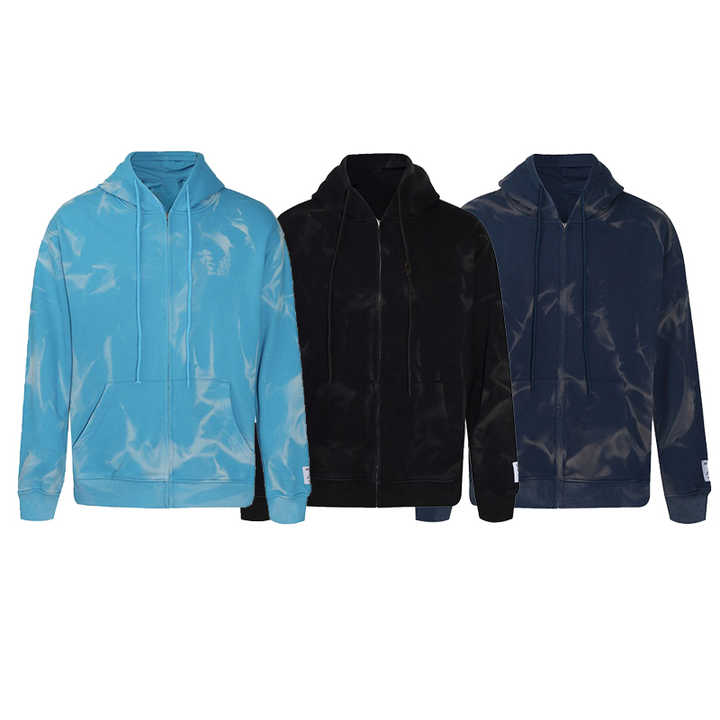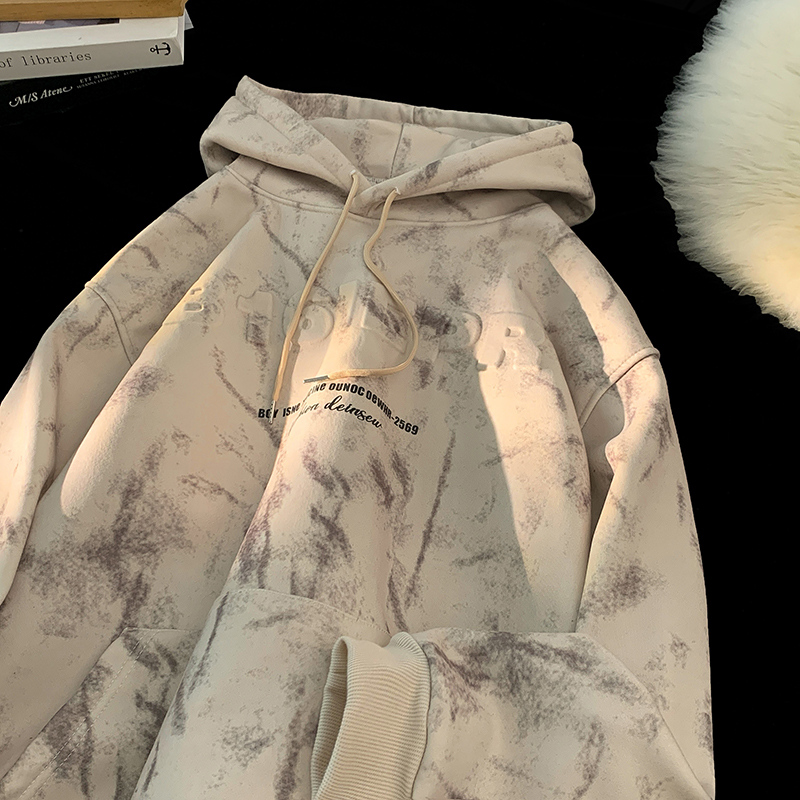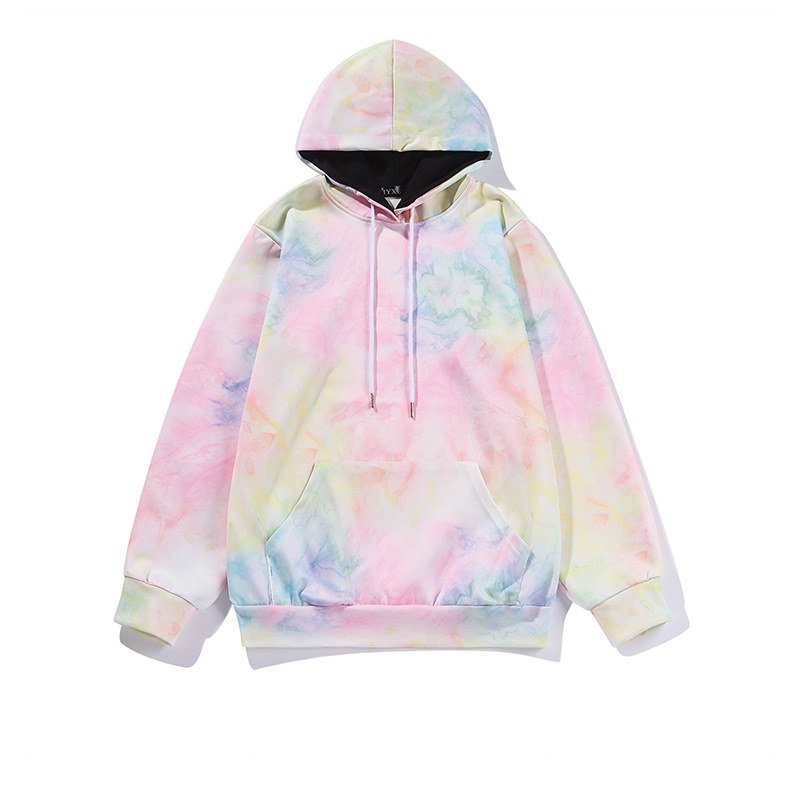
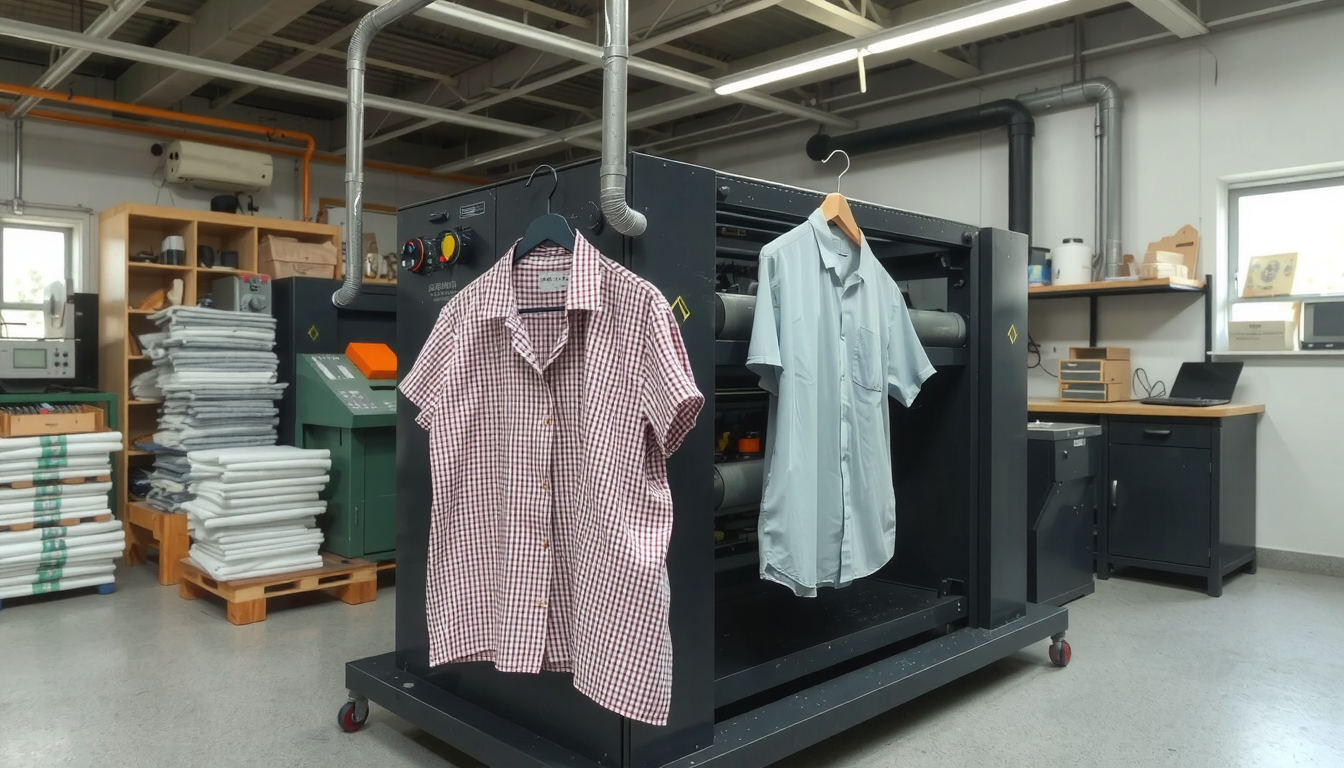
The success of your new clothing line or custom merchandise business can significantly depend on your decision for the right printing machine. The market overflows with options, each with distinct technology, costs, and learning curves. This can make the choice feel complicated. However, this guide will be your roadmap to navigate the options.
We will break down the core technologies for you, covering Direct-to-Garment (DTG), Direct-to-Film (DTF), Screen Printing, and Heat Press Vinyl. Our purpose is simple: to provide a practical, professional-led comparison. This will ensure you invest wisely, whether you are launching a new brand, expanding your small business, or taking your hobby to the next level.
Summary: The 4 Main Types at a Glance
Let’s start with the elementary things. Understanding the key differences of each type of printing machine for clothes will help pave the way for the most suitable decisions for your goals.
-
Direct-to-Garment (DTG): Consider a specially designed inkjet printer for fabric. A DTG machine sprays water-based inks directly onto a piece of clothing, where the inks then soak into the fibers. This technique is super appropriate for very intricate, full-color images like photographs. It brings a soft-to-the-touch fabric feel as well.
-
Direct-to-Film (DTF): This modern technique prints a design on a special transfer film. The printed film is then coated with adhesive powder, cured, and heat-pressed onto the garment. DTF prints beautifully on many different fabrics and is the go-to for those who want a brilliant and long-lasting piece.
-
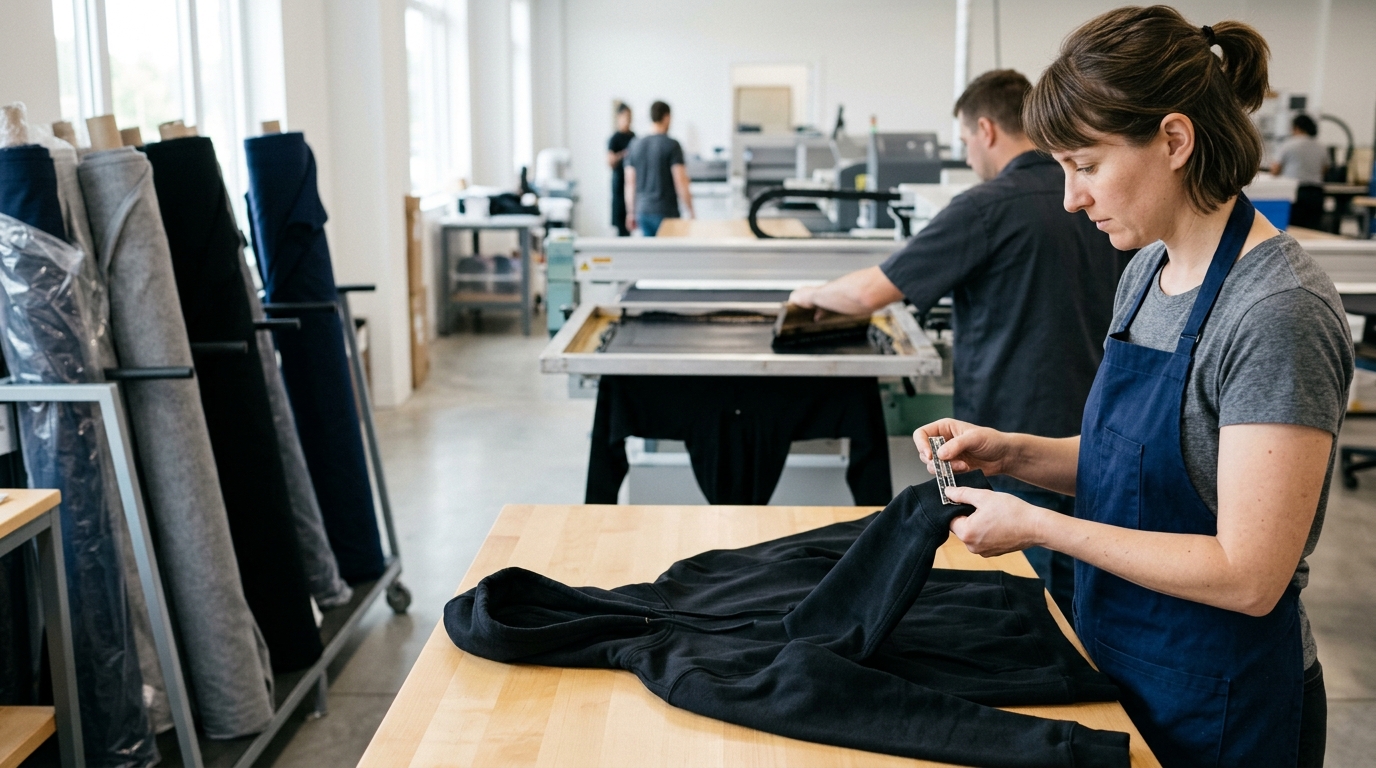
Screen Printing: This is the classical, proven method for high-volume production. The process is achieved by pushing ink through a stenciled mesh screen onto the fabric, one color at a time. The prints from screen printing are durable and intense. It also proves to be the most economical for larger batch runs.
-
Heat Press (with Vinyl/Transfers): The simplest starting point. This process relies on a heat press to apply designs cut from heat transfer vinyl (HTV) or to apply pre-made transfers. It is ideal for logos, simple text, and starting on a tight budget.
One-to-One Comparison
To find the best clothes printing machine for your needs, you need a direct comparison. This table presents a side-by-side view of the main features for each technology.
| Criteria | Direct-to-Garment (DTG) | Direct-to-Film (DTF) | Screen Printing | Heat Press (Vinyl/Transfers) |
|---|---|---|---|---|
| Best For | Photorealistic images, complex multi-color designs, one-offs, and small orders. | Clear and vibrant designs on almost every fabric, such as polyester and blends. | Simple designs (1-4 colors), big bulk orders (50+ units), and achieving a classic “brand” feel. | Simple text, logos, names/numbers, and beginners testing the market. |
| Initial Investment | $$$$ (Starts ~$3,000 for entry-level, $15,000+ for pro) | $$$ (Starts ~$3,000 for an all-in-one system) | $$$ (Manual press is affordable, but auto presses and dryers are pricey) | $ (A good heat press and cutter can be under $1,000) |
| Cost-per-Print | High for single units due to ink and pre-treatment costs. Not suggested for bulk orders. | Moderate. Cheaper than DTG for small runs but more expensive than screen printing for large volumes. | Very low for bulk orders. High setup fees make one-offs impractical. | Low for simple designs. Can become costly and time-consuming for complex, multi-color layers. |
| Print Quality & Feel | A very soft feel (“hand”) is achieved as the ink gets absorbed into the fabric. Great detail. | A bit thicker than DTG but very flexible and eye-catching. Sits on top of the fabric. | Can be thick or soft depending on ink. Very durable feel. For brands focusing on traditional quality, screen printing remains a top choice for bulk orders. | Varies. Vinyl has a distinct plastic-like layer. Transfers can be softer. |
| Durability & Washability | Good to Excellent. Slight fading is possible over time if it’s not washed correctly. | Excellent. The print is very elastic and highly resistant to cracking and fading. | Excellent. Often outlasts the garment itself when properly cured. | Good. High-quality vinyl is strong but can eventually peel or crack with many washes. |
| Fabric Compatibility | Best on 100% cotton. Works on some cotton/poly blends but requires pre-treatment. | Very diverse. It works on cotton, polyester, nylon, leather, and blends of any color. | Very versatile. Different inks are available for virtually any fabric type. | Versatile. Different types of vinyl exist for cotton, polyester, and performance wear. |
| Speed & Production | Slow per item (3-5 minutes per shirt). Ideal for on-demand, not for volume. | Moderate. Quicker than DTG as you can print transfers in batches and press them as needed. | Very quick for bulk production once set up. Slow setup time per design. | Slow per item, especially for multi-color designs that require layering. |
| Learning Curve | Moderate. Requires learning about pre-treatment, RIP software, and machine maintenance. | Moderate. It requires a multi-step procedure (print, powder, cure, press) that demands practice. | Steep. You have to master screen prep, registration, ink mixing, and curing. | Easy. The most straightforward method for a beginner. |
Choosing the Most Suitable Machine According to The Business Model
The technical specs of a printing machine for clothes tell only half the story. The right choice must match your business strategy. The global custom T-shirt printing market is on track to surpass $7.5 billion by 2028, which means there is a great opportunity for new businesses that choose their equipment wisely.
The On-Demand & Etsy Seller
Your business thrives on selling unique, one-of-a-kind items. You need to print complex, full-color designs without holding inventory.
A DTG printer or a DTF system would be ideal for you. DTG provides the softest feel, an impressive selling point. However, a modern DTF setup gives you unmatched versatility. You can print on t-shirts, hoodies, tote bags, and more, all with just one machine.
The Streetwear Startup Brand
Your mission is to build a strong brand identity through curated “drops” of 50-200 pieces. Print quality, feel, and durability are the most important issues.
DTF is a solid choice here. It allows for vibrant, durable prints that work with the diverse fabrics commonly used in streetwear. Many brands also get started by outsourcing their bulk orders. Understanding the different craft introduction options is a must for any new company. This strategy enables you to use the cost-effectiveness of screen printing for your bigger drops without the initial investment.
The Bulk Promotional & Uniform Provider
Your clients are businesses, schools, and event organizers who need large quantities of apparel at competitive prices. Speed, consistency, and low cost-per-print drive your business.
An automatic screen printing press is the clear winner for this model. The high initial investment is quickly compensated by the incredibly low cost and high speed of production for bulk orders. This makes it the most profitable garment printing machine for this type of work.
The Total Investment: Hidden Costs
The sticker price of a printing machine for clothes is just the beginning. Based on our experience, we know that planning for the entire ecosystem of tools and supplies is key to success.
- Software: Beyond design software like Adobe Creative Suite, both DTG and DTF printers need specialized Raster Image Processor (RIP) software. This software manages ink levels, color accuracy, and white underbases. The cost can range from several hundred to over a thousand dollars.
- Curing Equipment: A superior-grade heat press is a must in all processes except industrial screen printing. You use it to cure DTG ink, melt DTF powder, and apply transfers. For volume screen printing, a tunnel dryer is a must to facilitate efficient production.
- Pre-Treatment: Printing with DTG technology on dark clothes requires a pre-treatment solution. This helps ensure the ink is vibrant and adheres well. You’ll need either an automatic pre-treatment machine ($2,000+) or a dedicated space with tools for manual application.
- Consumables: These are your ongoing operational costs. The price of inks, DTF films and powder, screens, emulsion, cleaning solutions, and platen tape should be taken into account. These costs can accumulate quickly.
- Ventilation & Space: These are much more than desktop machines. DTF powder shakers and screen printing washout booths need proper ventilation and a designated space. Be sure that your workspace has the capacity for the equipment.
- Blank Apparel: These are your canvas expenses. Printing on thicker garments like those from a hoodie manufacturer may require different platen attachments and longer curing times. The cost and workflow can both be affected by these adjustments.
Exploring options from manufacturers that offer complete packages, including T-shirt printing machines for small businesses, can sometimes make this process easier.
Making a Smart Choice: Buy vs. Outsource
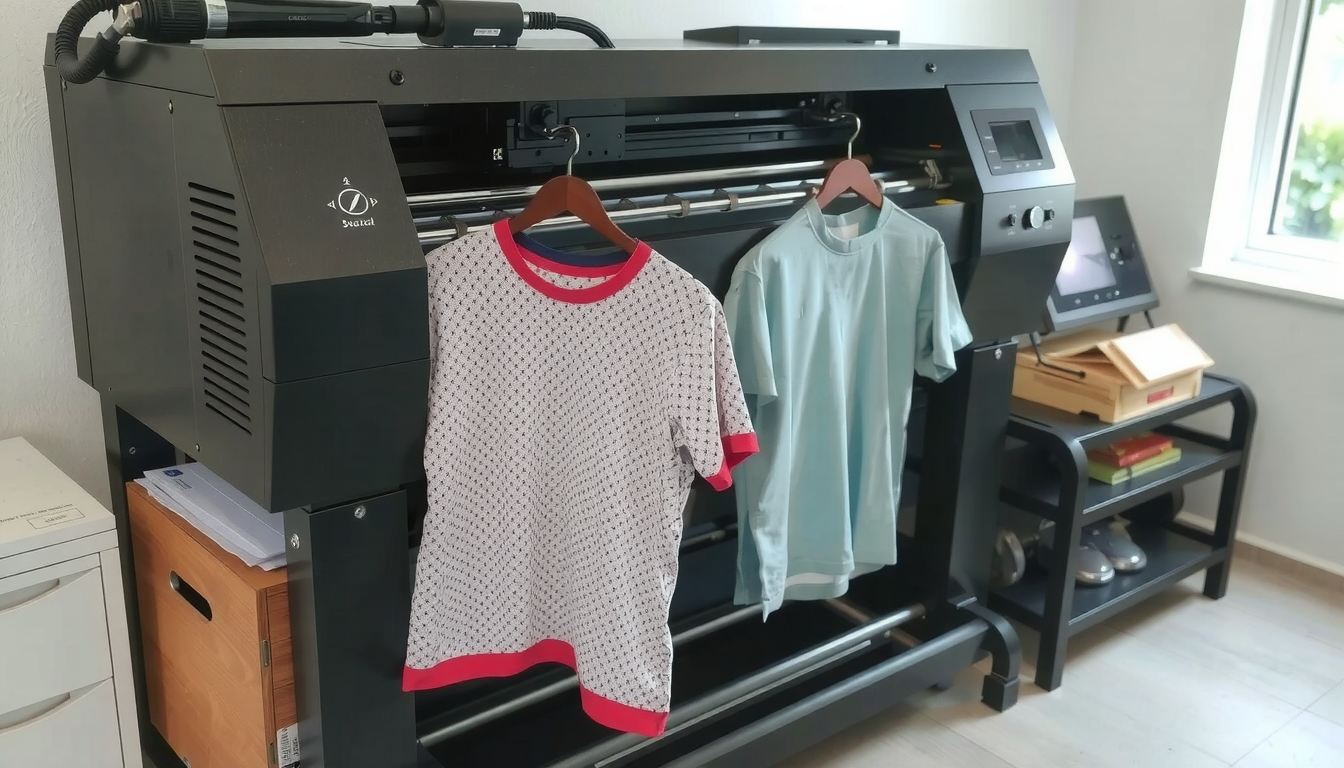
Owning a printing machine for clothes gives you full control, but it is not always the best first step. Here is how to assess your readiness.
Signs You’re Ready to Buy a Printing Machine
- Your order demand is stable and increasing, making outsourcing less profitable.
- You need to offer a faster turnaround time than your current provider can deliver.
- Your profit margins are being heavily affected by outsourcing costs.
- You want the independence to test new designs and printing techniques instantly.
When Outsourcing to a Professional is Better
- You are in the beginning stages and want to test the market for your designs with minimal risk.
- You lack the capital or physical space required for a full production setup.
- You want to offer a variety of print styles (e.g., embroidery, screen printing, DTG) without a heavy investment in multiple machines.
- You prefer to focus your energy on design, branding, and marketing.
Working with an established partner like TZ GLOABAL can be a great way to launch your brand. You are free from the heavy upfront investment in machinery. For those looking at massive scale, researching the capabilities of industrial digital textile printers is a worthwhile task to see what the highest end of the industry offers.
Frequently Asked Questions (FAQ)
1. What is the best printing machine for clothes for a beginner?
For most beginners, a quality heat press combined with heat transfer vinyl (HTV) or pre-made transfers is the most affordable and simplest entry point. If the budget allows, a step up to an entry-level Direct-to-Film (DTF) system offers far more creative versatility. The learning curve is moderate but manageable.
2. Can I use a regular printer to print on clothes?
No, a conventional office or home inkjet printer will not work. The inks are not made to bond with fabric and will wash out immediately. You need a dedicated garment printer such as a DTG machine. Or, you might need a system that uses specialized materials, such as DTF or sublimation.
3. How much does a good t-shirt printing machine cost?
The cost varies dramatically. A reliable heat press setup can be bought for the $300-$800 range. Entry-level, all-in-one DTF or DTG printers usually start from $3,000-$8,000. Professional and industrial units used for high-volume production can easily cost $15,000 to over $100,000.
4. What is the most durable printing method for t-shirts?
When done correctly, both traditional screen printing and modern DTF prints are exceptionally durable. They often last the entire life of the garment, resisting cracking, peeling, and fading through many washes. DTG is also very durable but can be more sensitive to harsh washing conditions.
5. Do I need special software for a clothes printing machine?
Yes, almost always. First, you’ll need graphic design software (e.g., Adobe Illustrator, CorelDRAW) to create your artwork. For advanced machines like DTG and DTF printers, you will also need specialized RIP (Raster Image Processor) software. This software translates your digital file for the printer, controls ink flow, and ensures accurate color reproduction. Many manufacturers provide insights into the professional direct-to-garment and fabric printing solutions they offer, which often come bundled with the necessary software.
Your Next Step
Choosing the best printing machine for clothes comes down to a clear assessment of your business model, production volume, and budget. There is no single “best” machine—only the one that’s best for you.
Use the comparison table and business model analysis in this guide as your framework. By aligning your investment with your strategic goals, you can confidently build a thriving apparel business from the ground up.