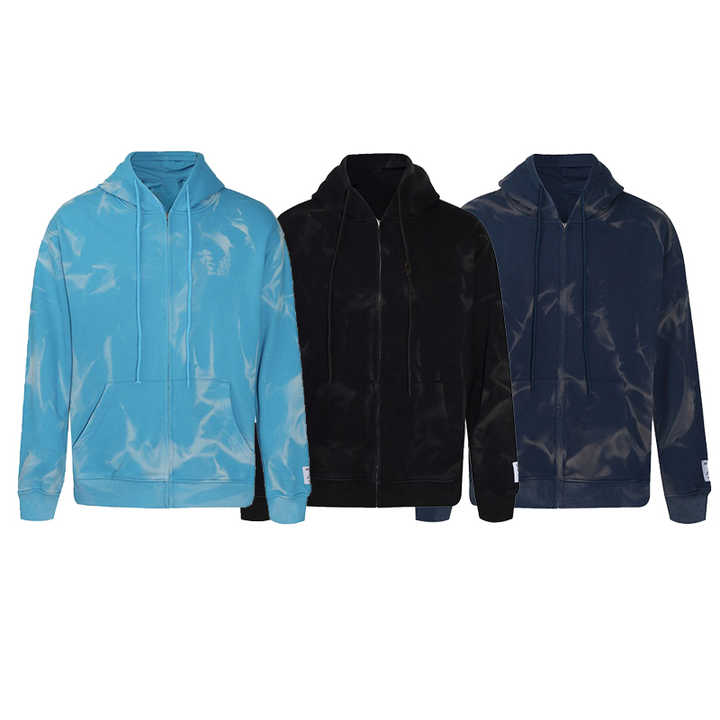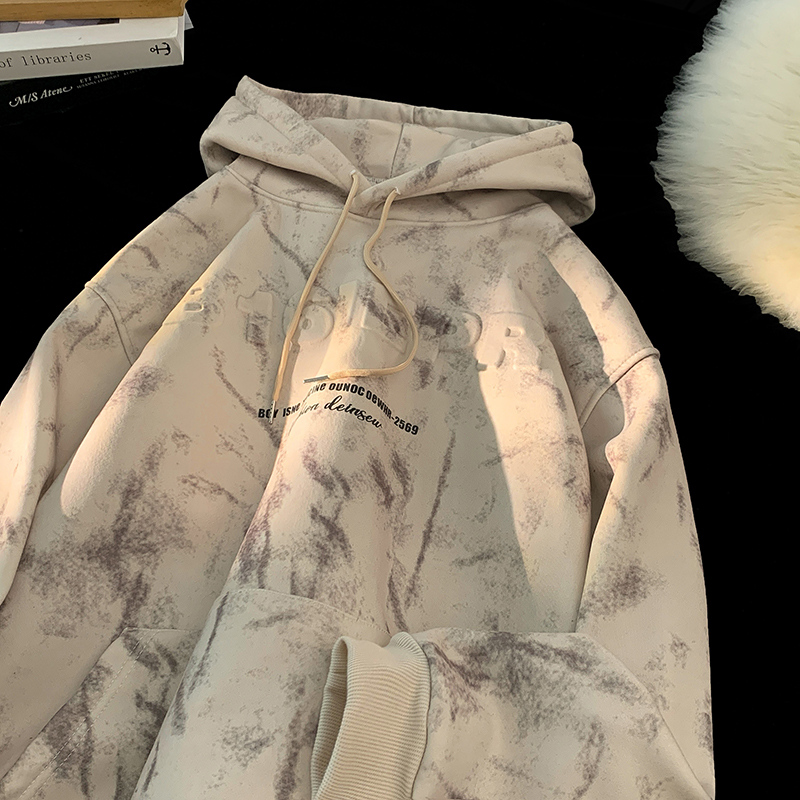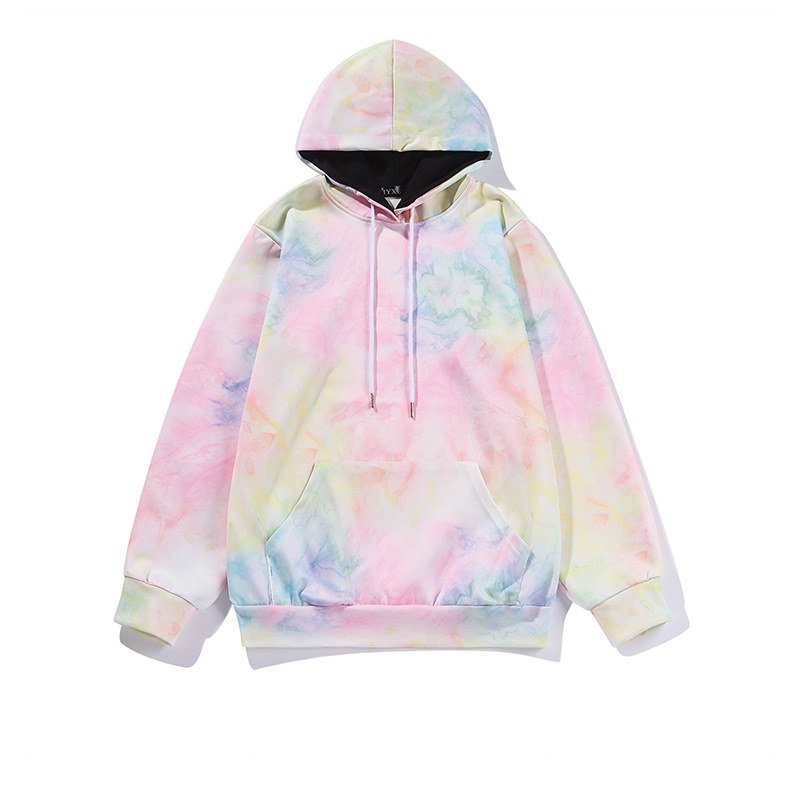
Screen printing clothing sets the standard for customized garments. In essence, it is a stenciling method. Ink gets pushed through a mesh screen straight onto the fabric. As a result, you get a print that is now part of the garment.
Lush, colorful, and incredibly durable are the hallmarks of this technique. It delivers a professionally finished look, which is why it’s the choice of preference for clothing brands, businesses, and events. This article serves as your guide, taking you from a tiny spark of an idea to a unique, finished item. As a beginner, you can get a solid foundation with this introduction to brand craftsmanship.
Why Choose Screen Printing?
Choosing the right decoration method is critical for the success of your project. Screen printing clothing finds it easy to win in several different areas. However, you should be aware of its strengths as well as its limits.
The most important one is the long-lasting aspect. The ink penetrates the fiber and it becomes chemically bonded to the fabric itself. Therefore, your design will age without cracking or peeling.
This technique is also outstanding for bright colors. Even the darkest backgrounds allow colors to shine. The cost is very low in the case of larger orders. The initial investment is distributed throughout the order and that drops the cost by quite a lot. It’s one of the most cost-effective and multifaceted ways to get your shirts imprinted for considerable projects.
| The Perks of Screen Printing | The Drawbacks of Screen Printing |
|---|---|
| Durability & Longevity | Not Ideal for Small Runs |
| Vibrant, Opaque Colors | Limited with Complex Color Designs |
| Cost-Effective for Bulk Orders | Setup Time Required |
| Premium Feel & Professional Look | Cost Increases Per Color |
| Versatility on Different Fabrics | Less Suited for Photorealism |
The Process Demystified
When you learn how screen printing works, you start to appreciate this skill more. Additionally, it makes it easier for you to communicate your vision to your printing partner. Many technical operations are involved. Nevertheless, the basic concept is clear. We’ve broken it down into five key stages.
-
Design & Separation
Your digital artwork goes through the first stage of analysis. In this manner, it is divided into several layers. Every color in your design gets its own layer. This step is very important in order to achieve clean and sharp prints. -
Screen Preparation
Each color layer is first printed onto clear film. This film “burns” an image on a mesh screen, which is coated with light-sensitive emulsion. Under UV light, the emulsion hardens everywhere except where the design blocks light, creating a stencil. -
Ink Mixing
We prepare inks that are exactly the same as the colors in your design. To ensure brand consistency, we frequently use the Pantone (PMS) Matching System. This is to guarantee the correct color every time. -
Printing
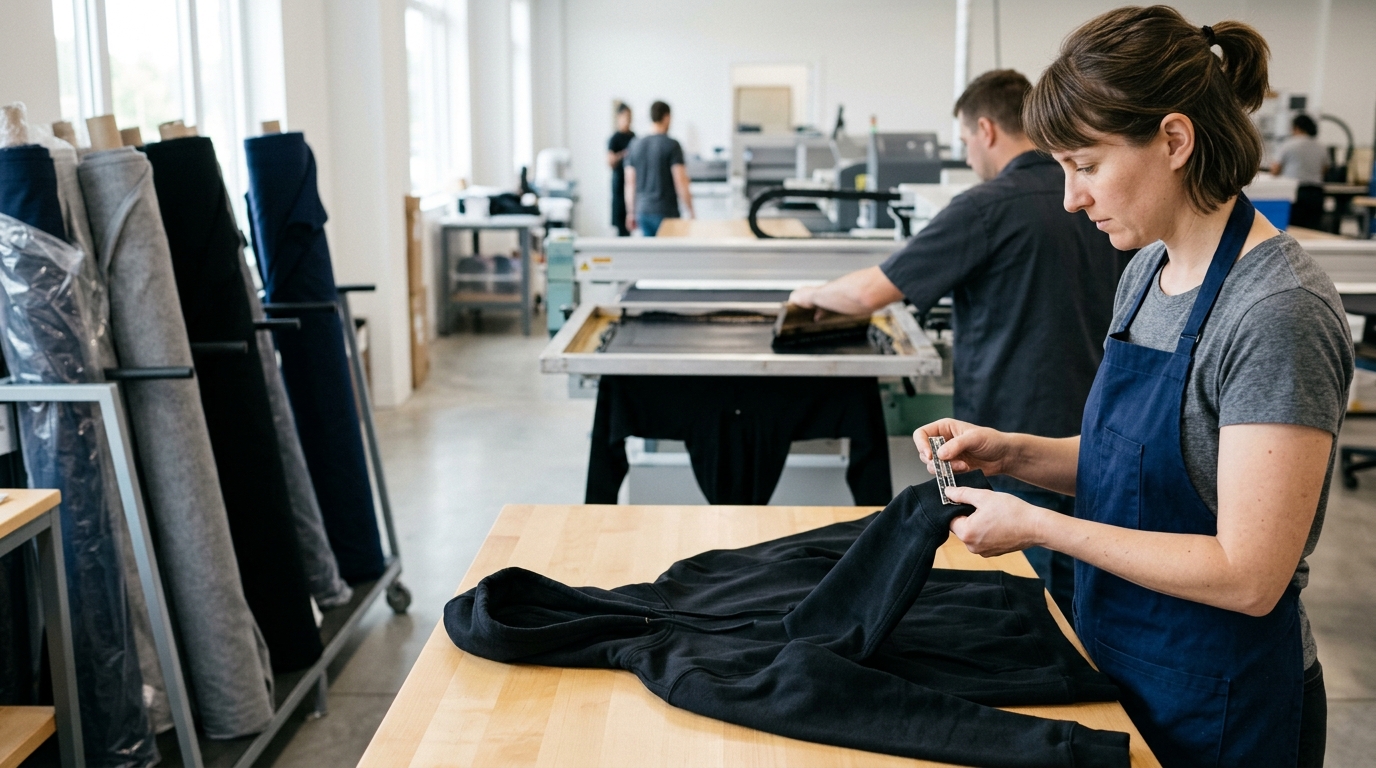
The garment is fastened to a platen, which is a flat surface. The screen is lowered. A squeegee moves across the mesh, pushing ink onto the fabric. This process is repeated with a new screen for every color in your design. -
Curing
The printed garment is passed through a large conveyor dryer. The high heat causes the ink to cure and bond permanently to the fabric. This process strengthens the print to the extent that it can withstand a large number of washes. This procedure shows that Screen printing is a really versatile technique that has a long history of quality.
Designing for Flawless Printing
The quality of the printed clothing is equal to your design and your printer. The most important thing for a perfect result is to prepare your design well. A lot of times we see artwork that is not set up correctly for screen printing. This results in delays and undesirable results.
Vector vs. Raster: Why Vector is King
We always push for using vector artwork as the first priority if you want top quality. Vector files, which include .AI, .EPS, or .SVG extensions, are made from mathematical paths instead of pixels. Therefore, they can be scaled to any size without losing sharpness or clarity. A small chest logo can turn into a full back piece without any distortions at all.
Raster files, on the other hand, like JPEGs or PNGs are pixel-based. Their quality deteriorates or becomes “pixelated” when they are enlarged. Thus, the print quality will be severely impaired.
Mastering Color Separation
Each color in your design requires its own screen. A four-color design needs four separate screens. This situation reflects in the setup cost and in the final price per shirt. Designing with fewer colors is a clever path to managing your budget without sacrificing impact. For brands where color accuracy is critical, providing Pantone (PMS) color codes ensures we can match your palette perfectly.
The Pitfalls to Avoid
We’ve seen it all. A few common design mistakes are quite easy to avoid:
- Thin Lines & Tiny Text: Ink needs enough surface area to pass through the screen mesh cleanly. If lines or text are too fine, the ink may not print fully. This causes broken or unreadable designs. We recommend a minimum line thickness for best results.
- Gradients & Complex Shading: Achieving a true gradient in traditional screen printing is hard. We simulate it using halftoning. This technique employs small dots of varying sizes to produce the illusion of a gradient. While effective, simpler solid color designs often look bolder and cleaner.
- Low-Resolution Images: You can’t just take a logo from a website and expect it to look perfect on a t-shirt. You should always begin with the highest resolution file possible. Ideally, use the original source file from the designer. The industry standard is 300 DPI (dots per inch) for raster images.
Choosing Your Canvas
The piece of clothing you select to print on is your canvas. The fabric type, weight, and quality will change the way your final screen printed design looks and feels. The choice of the right blank apparel is the basis for creating a quality product.
Fabric Face-Off: Cotton vs. Blends
- 100% Cotton: This is the classic choice for screen printing. Cotton fabric’s smooth surface allows for very vibrant and crisp prints. Quality ringspun cotton tees, with a weight of about 180 GSM (grams per square meter), provide a great base.
- Cotton/Poly Blends (e.g., 50/50): These blends are famous for their soft touch and a slightly “vintage” or heathered appearance. Printing on blends requires special, low-bleed inks. This prevents dye migration, which is when polyester dye seeps into the ink and discolors the print.
- Tri-Blends: Cotton, polyester, and rayon combine to make these shirts among the softest available. They have a distinct heathered look that gives prints a retro, faded style. Achieving super-bright, solid colors can be a bit harder on tri-blends.
Popular Garment Choices
Screen printing isn’t just for t-shirts. It can be used on a wide variety of apparel.
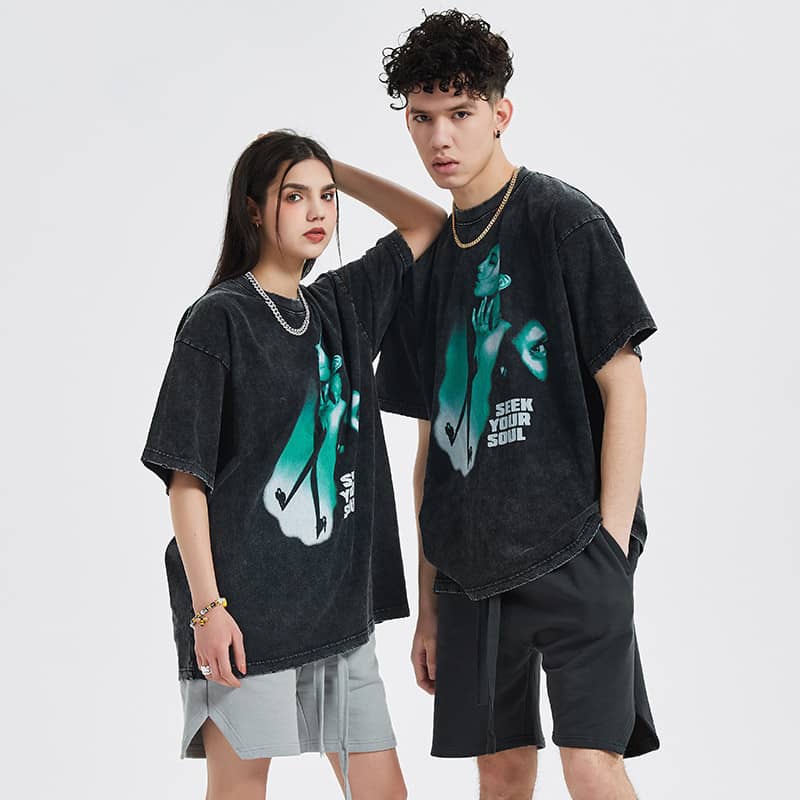
- T-Shirts: The old reliable. These are the most popular canvas for screen printing designs.
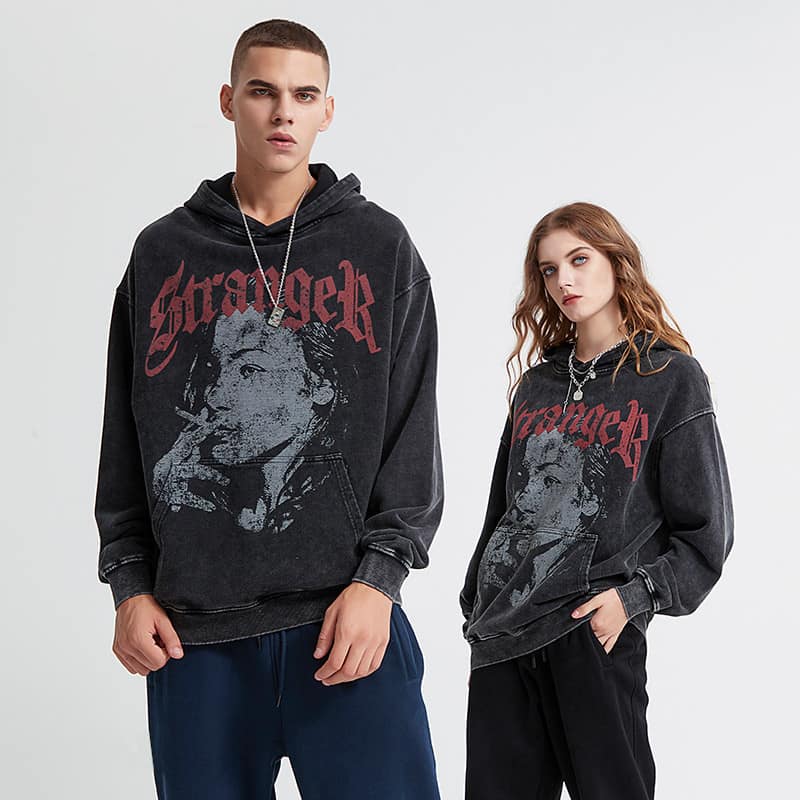
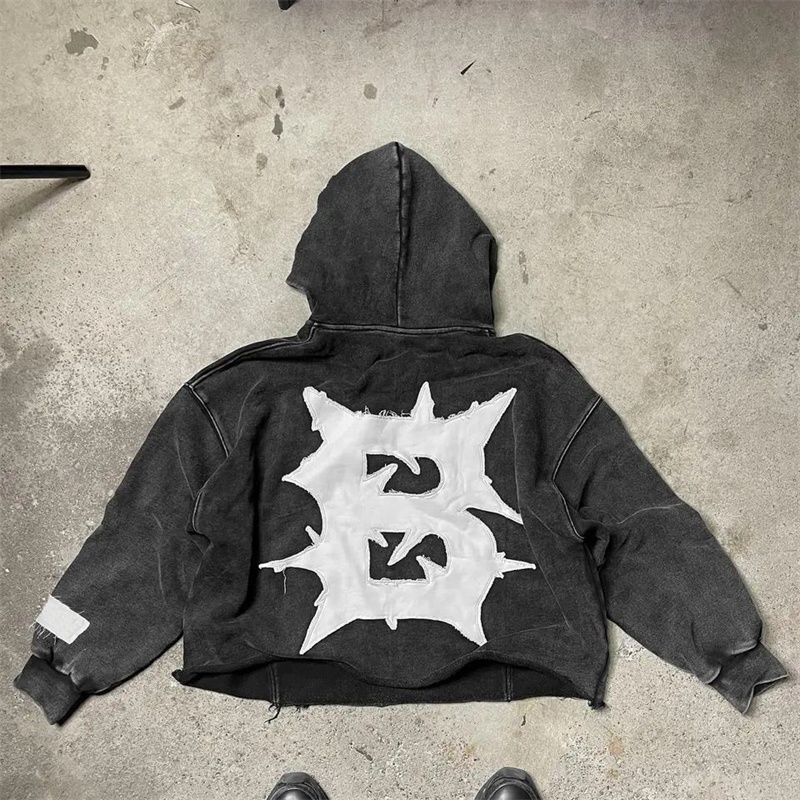
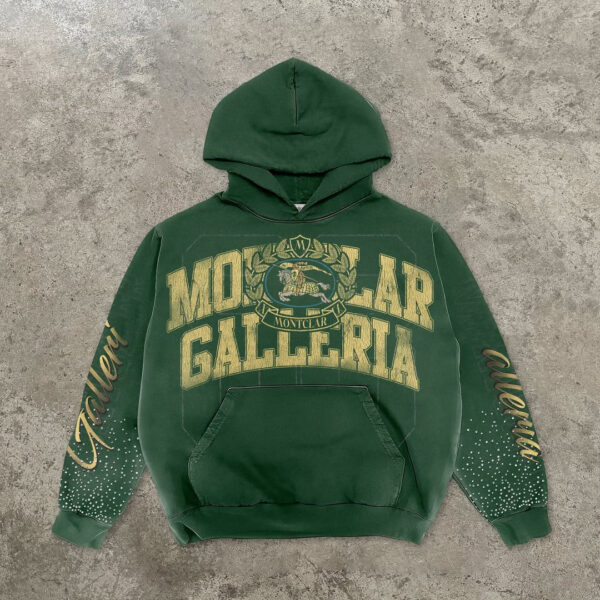
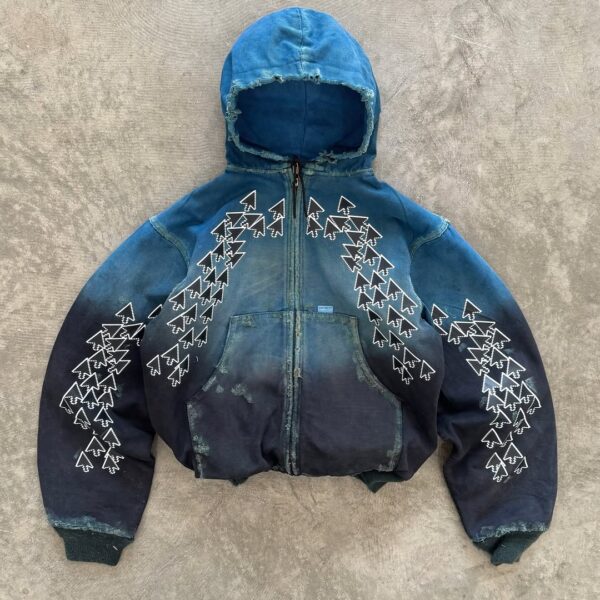
- Hoodies & Sweatshirts: The larger surface area is perfect for bold graphics. A heavyweight hoodie, usually between 300-400 GSM, shows quality and durability. Finding a great hoodie manufacturer is key to producing a standout piece.
- Tote Bags & Accessories: Tote bags, bandanas, and aprons are also excellent for screen printing. They are a great selection for either marketing or as branded items.
The Real Cost of Screen Printing
When you have a good knowledge of pricing, you can budget properly. It will also help you understand quotes from printers. The cost of screen printing clothing is not just one number. It is the sum of several factors that determine your final price per garment.
The most significant factor is quantity. Due to initial setup costs, the price per item drops notably as the order size increases.
Main Cost Factors:
- The Garment Itself: The base cost for the blank t-shirt, hoodie, or other item.
- Setup/Screen Fees: A one-time payment for the creation of the screen for each color in your design.
- Number of Print Colors: More colors mean more screens, more setup time, and higher costs.
- Number of Print Locations: A print on the front, back, and sleeve costs more than a simple front print.
- Total Quantity: Higher quantities mean lower costs per garment.
Hypothetical Example: 2-Color Front Print
| Factor | 25 Shirts | 250 Shirts |
|---|---|---|
| Garment Cost ($6/ea) | $150.00 | $1,500.00 |
| Setup Fees (2 screens @ $20/ea) | $40.00 | $40.00 |
| Print Cost ($2/ea) | $50.00 | $500.00 |
| Total Cost | $240.00 | $2,040.00 |
| Cost Per Shirt | $9.60 | $8.16 |
This example vividly shows how purchasing in bulk can be a cost-effective way to get your custom apparel.
Finding Your Perfect Partner
Selecting the best printer is as important as your design. A good printing partner is not just a supplier. They are a collaborator who is capable of providing advice and assisting in the elevation of your product.
Before you commit to a large order, it is always worth doing your research. A proper partner will be transparent and happy to discuss your project in detail. They should be able to look at your design and propose improvements to ensure a perfect print.
Key Questions to Ask a Potential Printer:
- What are your minimum order quantities (MOQs)?
- Can I see physical samples of your work? Pay attention to print sharpness, color brightness, and how the ink feels.
- What is your standard turnaround time?
- What are your specific artwork requirements? A detailed answer is a great sign!
- Do you offer specialty inks like water-based, discharge, or puff ink?
For those looking for a reliable and experienced partner, exploring a dedicated clothing manufacturer for screen printing is an excellent next step toward professional production.
Conclusion: Bringing Your Vision to Life
Screen printing clothing remains the benchmark for quality, durability, and value on bulk orders. By understanding the process, creating your artwork the right way, and choosing the right garment and partner, you are on the path to creating professional clothing that truly symbolizes your brand. We’re here to guide you throughout every single step at TZ Streetwear.
Frequently Asked Questions
1. Is screen printing better than DTG?
The final decision depends entirely on the project. Screen printing is more durable and significantly more cost-effective for larger orders (24+ pieces) with a limited number of colors. Direct-to-Garment (DTG) is a better option for one-off prints or designs with many colors and photorealistic detail. That being said, the print is usually less durable than a screen print.
2. How long does a screen print on a shirt last?
A professionally made screen print will endure for the lifetime of the garment. The ink is cured and bonded with the fabric and will not crack, peel, or wash away. To extend its lifespan, wash the garment inside out in cold water and tumble dry on low.
3. What is the minimum order for screen printing clothing?
This differs from printer to printer. Due to the labor and materials involved in setting up screens, most shops have a minimum order quantity (MOQ) of around 24 to 50 pieces per design. It is not an economical choice for single-item orders.
4. Can you screen print on dark-colored clothing?
Absolutely. Printing on dark fabrics is a common practice in the industry. It typically requires printing a layer of white ink first, called an “underbase.” This base layer acts as a primer, ensuring that colors printed on top appear bright and true to their intended shades.
5. What file format is best for screen printing?
Vector files are the undisputed best choice. These formats, including .AI (Adobe Illustrator), .EPS, and .SVG, can be resized infinitely without losing quality, guaranteeing a crisp and sharp print. If a vector file isn’t available, a high-resolution (300 DPI) layered Photoshop (.PSD) file is the next best option.