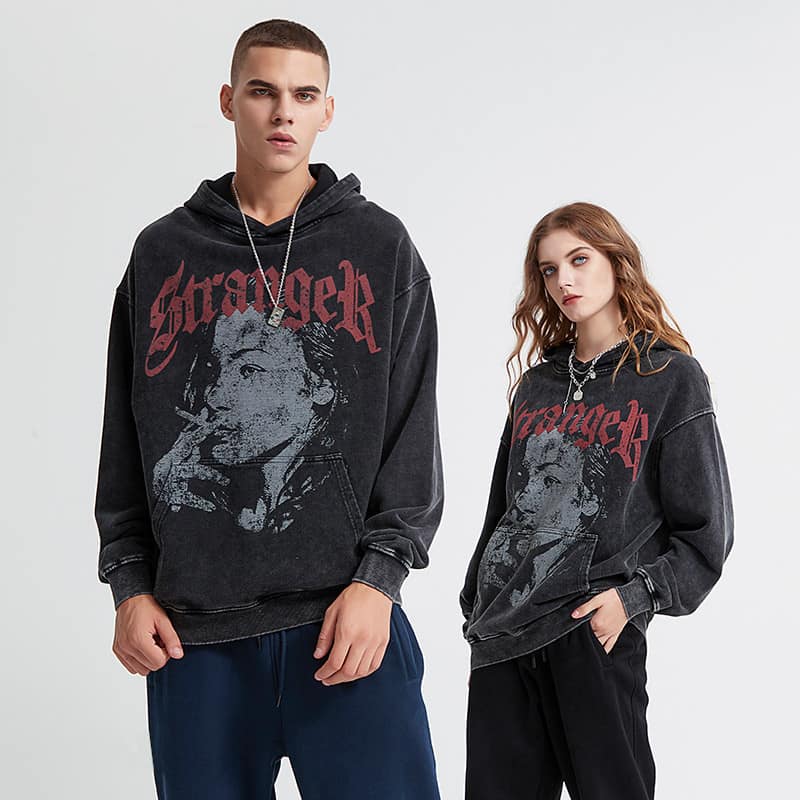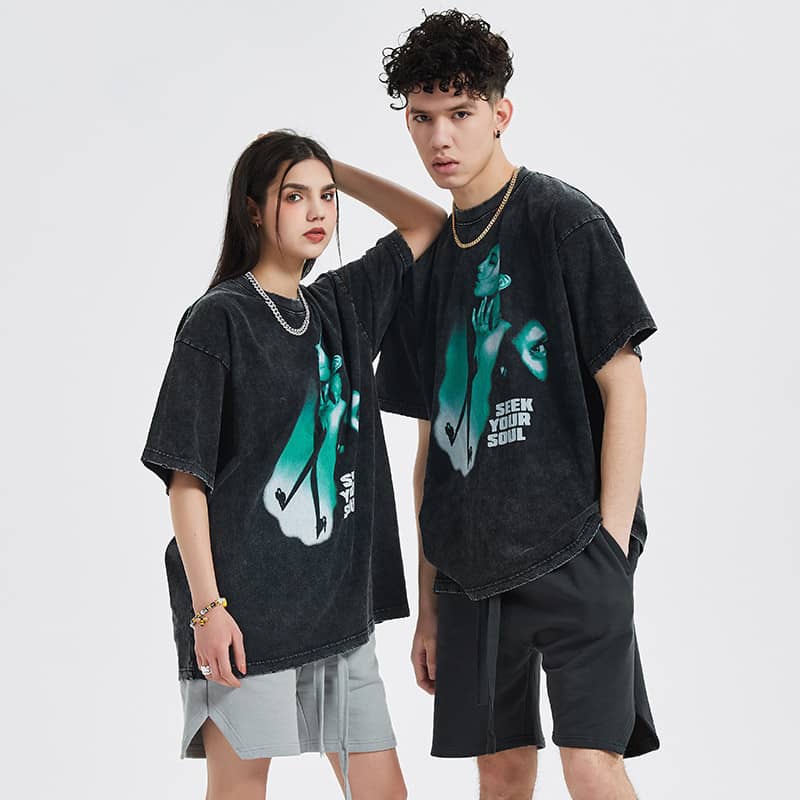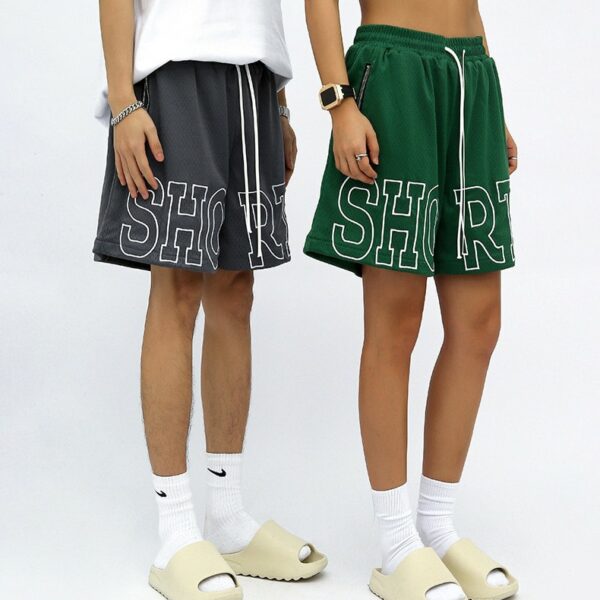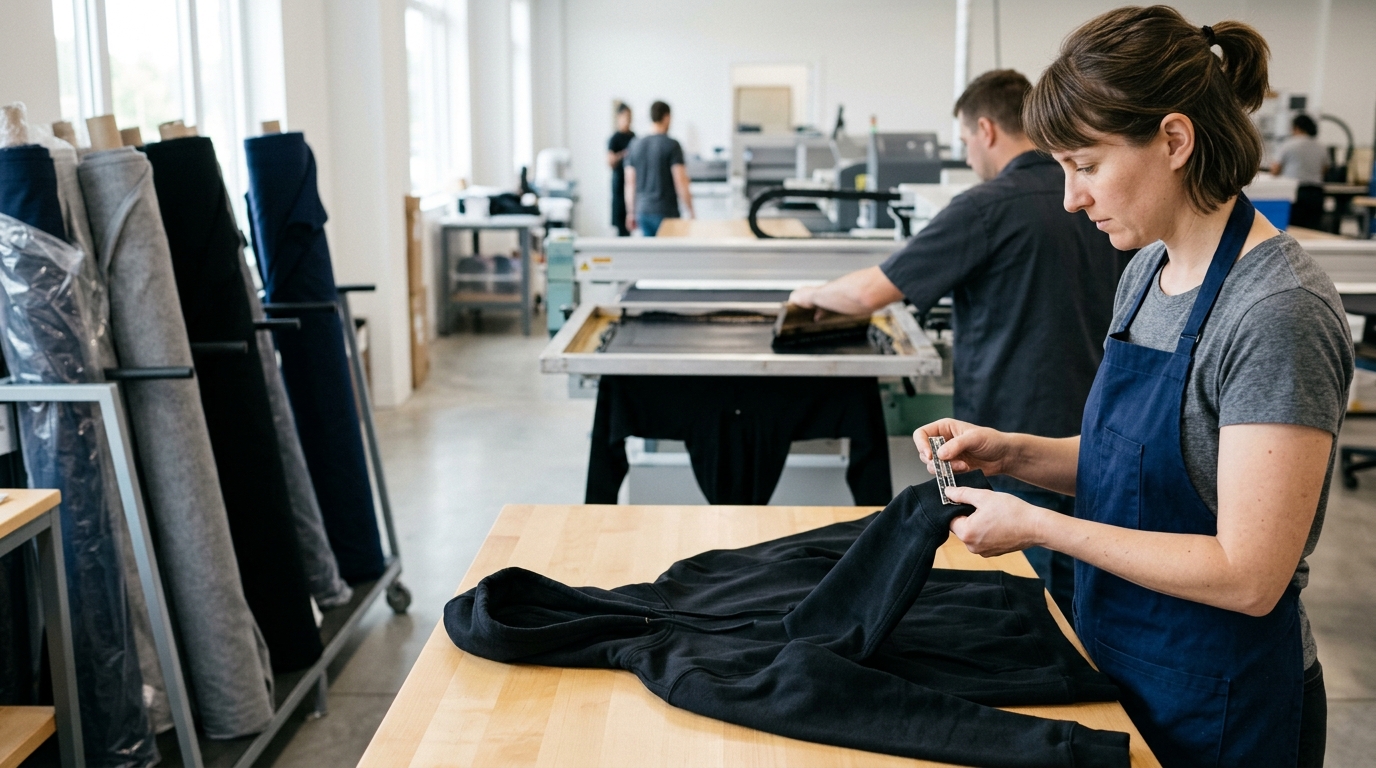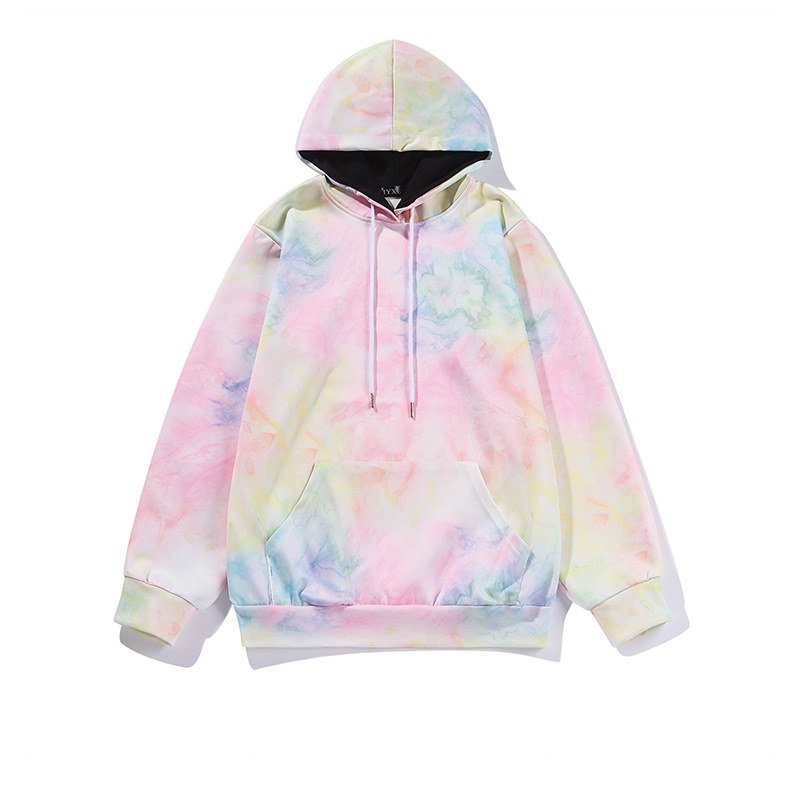
You have an innovative concept for a t-shirt or hoodie. Now, what do you do to bring it to the market? The one and only way is printing custom clothes. This machinery enables you to apply your graphics to fabrics, which you will use for your brand, event, or team. It might seem difficult, but we are here for you.
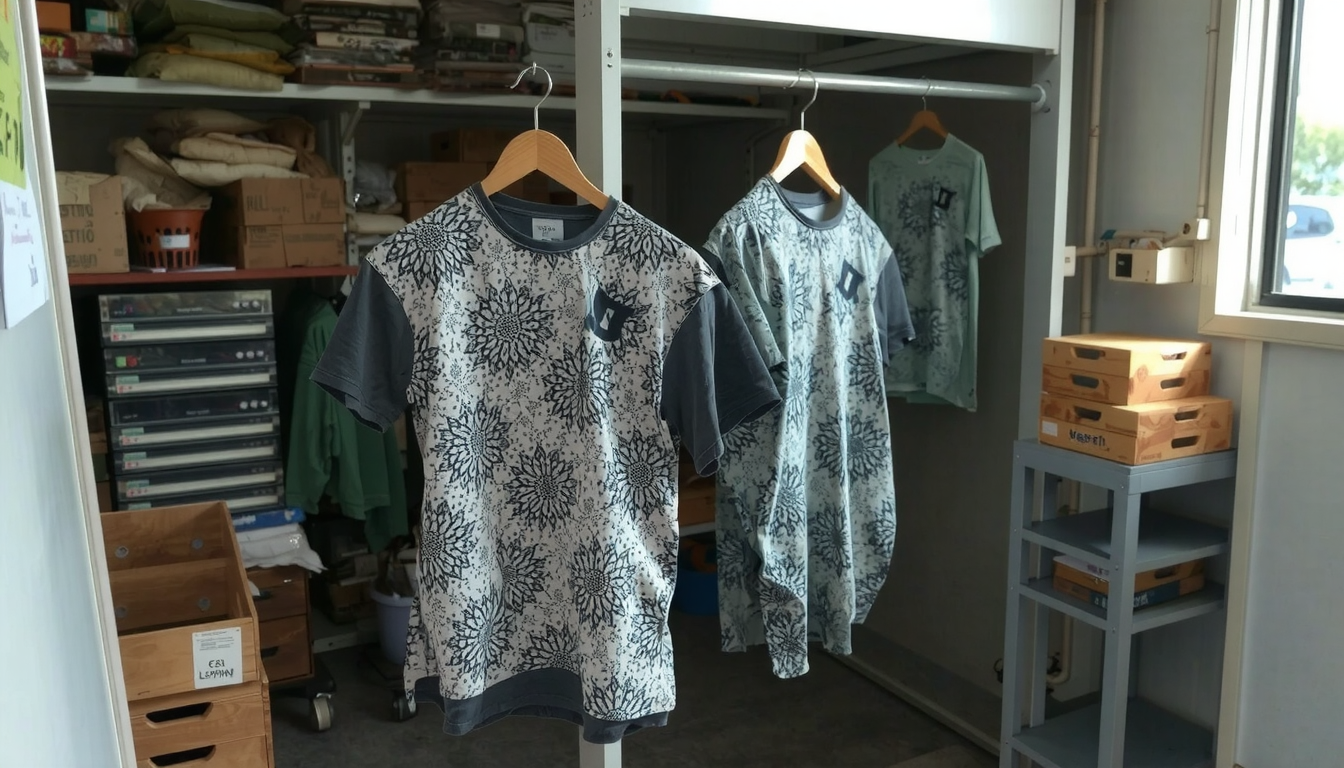
This guide consists of all you need to know. We will cover various types of printing and help you make the correct choice. We will also teach you how to create and prepare the design and also we will give you tips on how to choose the right shirt. You will see that with the right partner like TZ Streetwear it is as easy as dreaming to create and wear your own designs.
The Custom Clothes Printing Royalty
Fabrics can be printed in different ways. But few methods are by far the most efficient. The first step to gain knowledge on 8 Popular types of shirt printing is to identify such methods. Today, we will touch on four popular techniques for custom clothes printing. Each has its unique strength.
Direct-to-Garment (DTG) Printing
DTG printing is similar to an ordinary inkjet printer, but it is meant for textiles. A specific printer applies the ink directly on the fabric. The dye penetrates the textile’s fibers.
This option is the best for highly colored designs or graphics with many details, for example, a picture. Additionally, it’s a fantastic choice for small orders as long as they don’t have the annoying setup costs that usually accompany printing.
- Pros: Is able to reproduce full-color, intricate, and detailed pictures. The print is barely noticeable on the shirt. Only a few or even one piece can be printed.
- Cons: Works best only with 100% cotton. For large orders, it may be more expensive. White prints on dark shirts may come out less bright.
Screen Printing
Screen printing has been around for a long time. A mesh screen is used together with the stencil of the design. Stencil is inserted in the screen where ink is pushed through the stencil onto the fabric, this is done color by color.
This is the best option for just a few colors and bold graphics such as logos. It is excellent for huge orders of 50 items or more.
- Pros: The print is very resistant to the effects of time. The color is bold and clear in all aspects. It is the most economical option for a large number of prints.
- Cons: The costs of setting up are high making it hard for small orders. Many colors are not suitable for this technique at all. One screen is needed for each color in the design.
Direct-to-Film (DTF) Printing
DTF is the most recent printing process. First, you print your design on a special film. After that, you transfer the design on a heat-press machine.
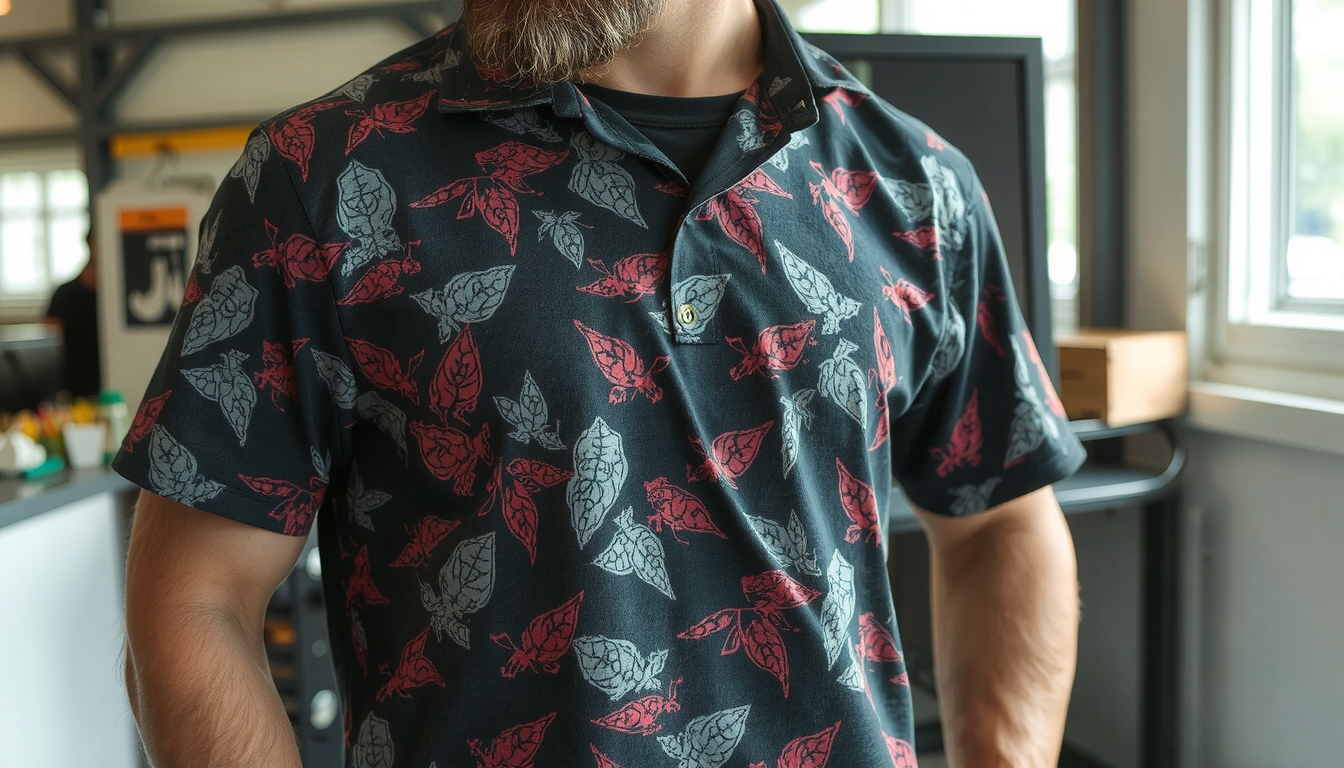
DTF is very adaptable. It can be applied to many different types of fabrics such as cotton, polyester, and their blends. That is why DTF is the preferred method for custom clothes printing.
- Pros: Works on various types of fabrics and colors. The prints are durable, flexible, and very bright.
- Cons: The print is only on the fabric surface which makes it feel like a thin flexible layer.
Dye-Sublimation Printing
Dye-sublimation is a distinctive technique. First, the dye is heated until it turns into vapor. The vapor is then absorbed into the textile material. Eventually, it becomes part of the fabric tissue.
This imaging process is good for sports uniforms, and it has an all-over print option. The prints are so thin that you won’t feel them at all.
- Pros: You won’t need to worry about cracking, peeling, or fading. Very bright colors are possible.
- Cons: It is only effective on white, 100% polyester fabrics or high-polyester blend ones.
| Printing Method | Best For (Design) | Feel on Fabric | Durability | Cost (Small vs. Bulk) | Ideal Fabrics |
|---|---|---|---|---|---|
| DTG | Complex, multi-color | Soft, breathable | Good | Best for small orders | 100% Cotton |
| Screen Printing | Simple, few colors | Slightly raised | Excellent | Best for bulk orders | Cotton, Blends |
| DTF | Vibrant, any complexity | Thin layer on top | Excellent | Good for all order sizes | Cotton, Polyester, Blends |
| Sublimation | All-over prints | No feel at all | Permanent | Good for all order sizes | 100% Polyester (light color) |
How to Pick the Right Printing Method
So you’ve got the options figured out, what next? The correct choice in custom clothes printing depends on the specific project. To make it obvious, we will explore a few common situations.
For a New Clothing Brand
If you’re seeking to build your brand through detailed artistic designs, you need to be practical. You want the ability to try out many contents without having a big stock.
Recommendation: Use DTG or DTF. These systems do not have a minimum quantity required. It means you can print 1 t-shirt at once before introducing to the market. They are perfect for multiple colors and complex designs.
For a Large Team or Event
Suppose you are in need of 200 shirts for an event with simple 2 color logos. Cost and longevity are the two main factors.
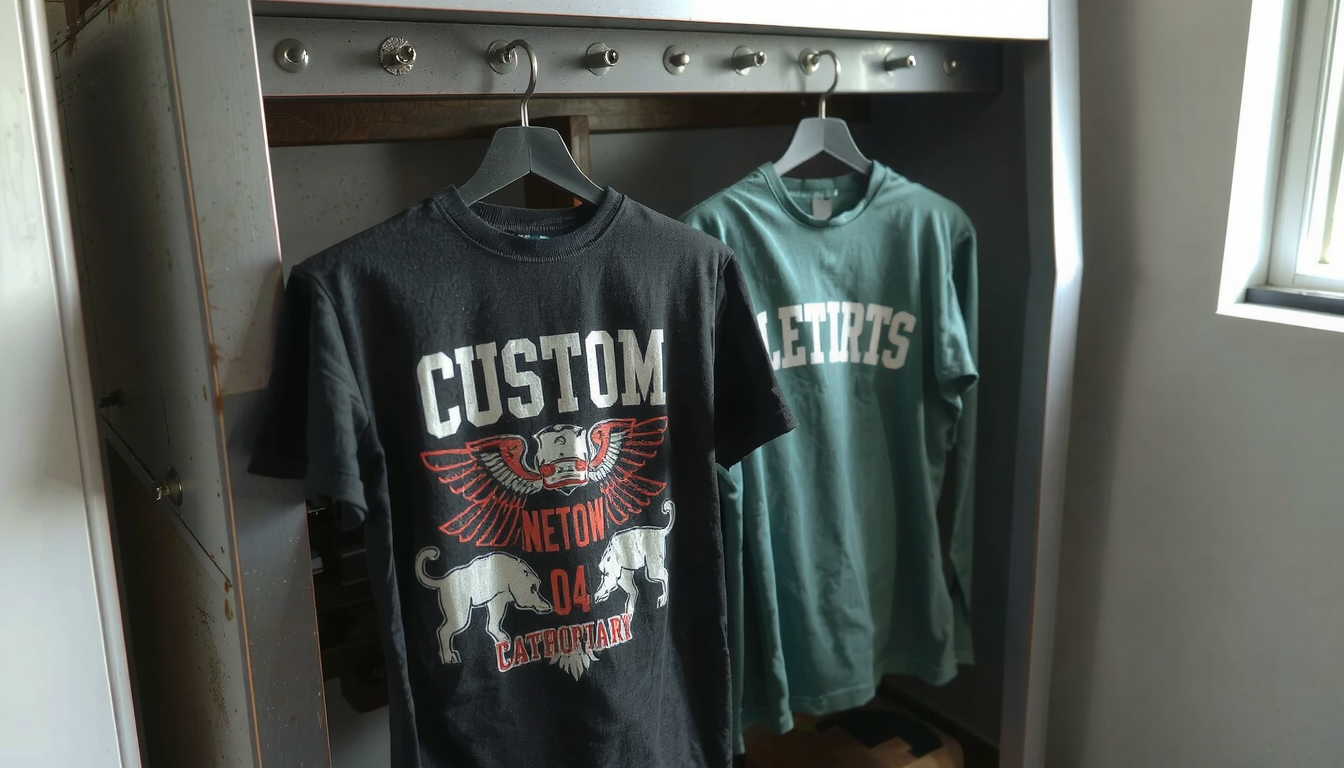
Recommendation: Screen Printing. For large numbers of items, the most economical option is screen printing with regards to the price per item. Clients in this situation have saved up to 40% of the price per shirt in comparison to DTG. The apparels are also durable and stay cool for the years to come.
For a Sports Team
Sports crews want performance clothes. The textile has to be breathable, and the print should not peel or crack with wear and washing.
Recommendation: Dye-Sublimation. It is a perfect would-be for the polyester jersey. The dye links with the substrate of the fabric. Because of this, it weights less and does not obstruct the airflow. The design will last as long as the jersey.
For Uncommon Fabrics
Have you thought about the possibility of printing a bright design on a fleece hoodie or a nylon jacket? Certainly, not all methods are suited for all the materials.
Recommendation: DTF Printing. DTF is the most flexible method. It can adhere to almost any substrate like cotton, polyester, fleece as well as a few plastics. This is what makes it the perfect choice for a custom hoodies and other unique items. You can consult with a custom hoodie manufacturer to examine potential options.
Your Pre-Print Checklist: 5 Things to Nail
Securing an excellent printed piece starts before you even contact a printer. Coordinating your project the right way will definitely lead to the saving of your time, money as well as your nerve. Use a checklist for Apparel Printing Techniques for the Modern Clothing Brand that is the right fit for you.
#1. Your Artwork File (The Blueprint)
The file is the single most important part of your whole project. You basically have two options:
- Vector files (AI, EPS, SVG) are graphic forms based on the lines and curves. These files can be resized easily and without any quality loss. They are the most common for logos and basic graphics.
- Raster files (PNG, PSD, JPG) are made of pixels. They are better for real images and more complex graphics.
Tip: Use a very high-resolution file for raster files. The highest quality for custom clothes printing in the industry is 300 DPI (dots per inch) and that is the final print size.
#2. Fabric & Garment Selection (The Canvas)
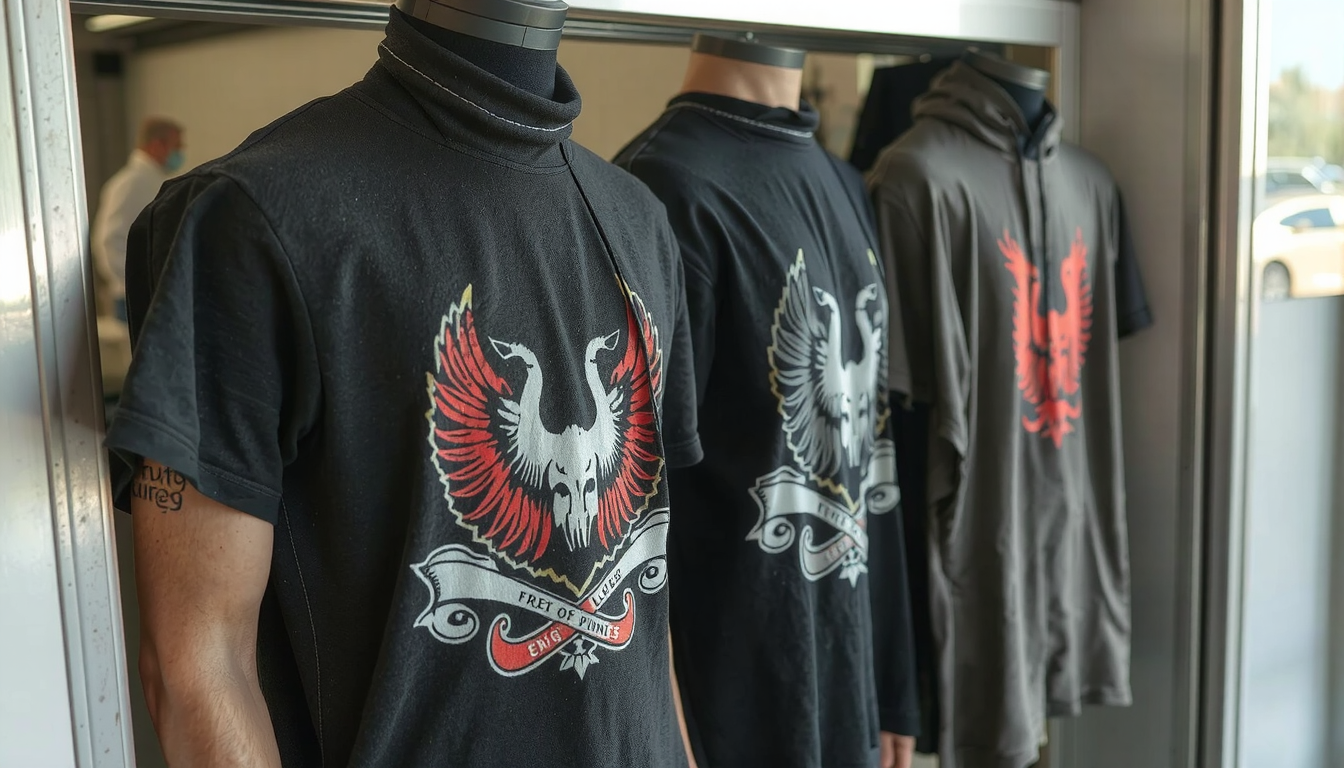
The fabric you choose will essentially determine the quality of the print. As previously mentioned, DTG flourishes on cotton while sublimation demands polyester.
Tip: Don’t settle for the cheapest t-shirt option. It is crucial to consider both the feel and how it fits. Besides being more expensive, heavier shirts (measured in GSM) also give a better feel. Ring-spun cotton is incomparably softer than regular cotton. Well-constructed shirts significantly enhance the presentation of your art.
#3. Color Matching (The Palette)
Out of your computer screen, the colors are not going to look the same as on a shirt. The former shows colors through RGB (Red, Green, and Blue) whereas the printer uses ink which is made of CMYK (Cyan, Magenta, Yellow, and Black).
Tip: If your brand’s colors are very particular, you should stick to using a Pantone (PMS) color code. It’s a universal method that ensures that your color looks the same no matter who prints it.
#4. Sizing & Placement (The Composition)
Where on the shirt would you like the design to be? And what size do you prefer it to have? Provide the specifics. A tech pack is the document embodiment for all this information.
Tip: For a common full-front chest print, the standard size is typically 10-12 inches wide for an adult shirt. Make your statements clear when you issue the instructions. For example: “The top part of the design should be placed 3 inches below the collar.”
#5. Partnering for Success (The Execution)
Having a good partner for your printing will lead you through the entire process. They can help with avoiding the common mistakes and ensuring that you will get a good result.
Tip: It is paramount to always ask for a digital mockup. This is a computer image that displays the design you created on the shirt. When working with large orders, it is advisable to request for a physical sample before commencing the whole production. Recognition of the various printing methods is the major thing in our craft introduction for new brands.
Conclusion: Bringing Your Vision to Life
You have now been equipped with the knowledge needed to enter the custom clothes printing world. The essential practice for successful custom clothes is to assign the task to the most suitable printing machine. The solution will rely on your design, your order size, and the fabric that you want to use.
Use the checklist in this guide to get your project ready. This will help you talk clearly with your printing partner. With a little planning, you can turn your creative ideas into superior clothing that most people would be excited to wear.
Frequently Asked Questions (FAQ) About Custom Clothes Printing
1. What is the most cost-effective custom clothes printing method?
Usually, for orders that are 50 items or more, screen printing is the least expensive. With bulk orders, the price per item decreases. Single items or small batches with many colors are usually printed cheaper with DTG or DTF due to the absence of setup fees.
2. How do I ensure my print lasts a long time?
The lifetime of the print is strongly dependent on the method used and how you care for the shirt. Sublimation and screen prints have very long lifetimes. To lengthen the life of any print, it is recommended to wash clothes inside out in cold water. Tumble dry on low heat or, even better, hang them to dry.
3. What is a “minimum order quantity” (MOQ)?
MOQ, the acronym for Minimum Order Quantity, is the smallest number of units that a customer must place an order for a specific type of printing method. Because of the time lost in starting the process of preparing the screens, the usual minimum is screen printing. DTG and DTF methods are often without a minimum, so you can order just one item.
4. Can I print my detailed, full-color photograph on a t-shirt?
Absolutely yes. The best technique for printing pictures or very detailed images is Direct-to-Garment (DTG) printing. It acts as an excellent paper printer but directly prints onto the fabric. It perfectly captures every single color and detail you want.
5. Which is better for a new clothing brand: Screen Printing or DTG?
It is largely affected by your launch strategy. DTG is ideal for trying out many designs without having too much invested, as there are no minimums. Once you discover a design that people like and you want to produce in larger quantities, changing to a screen printing method becomes much cheaper and is great for high volume production.