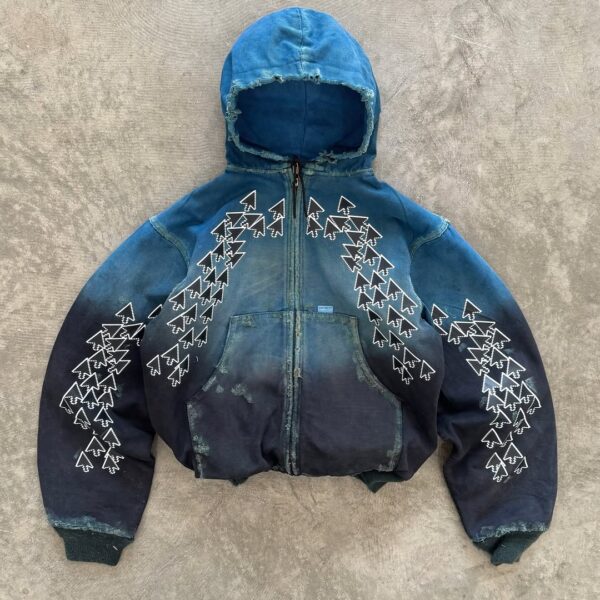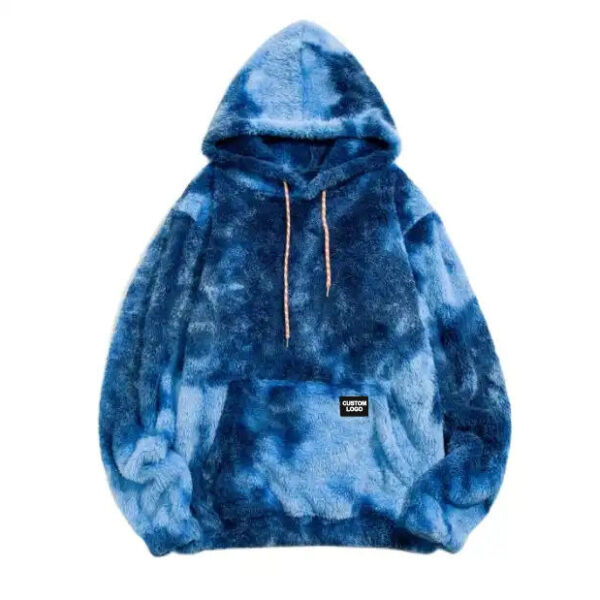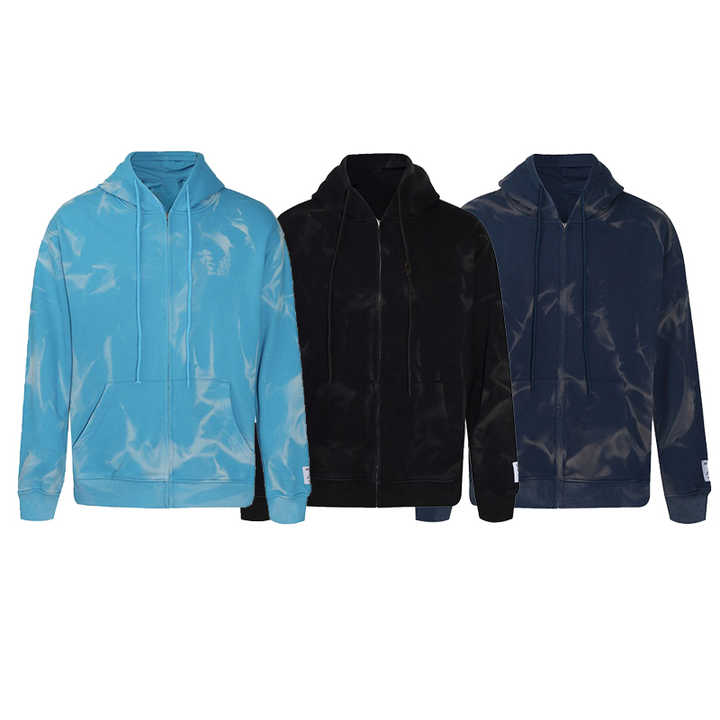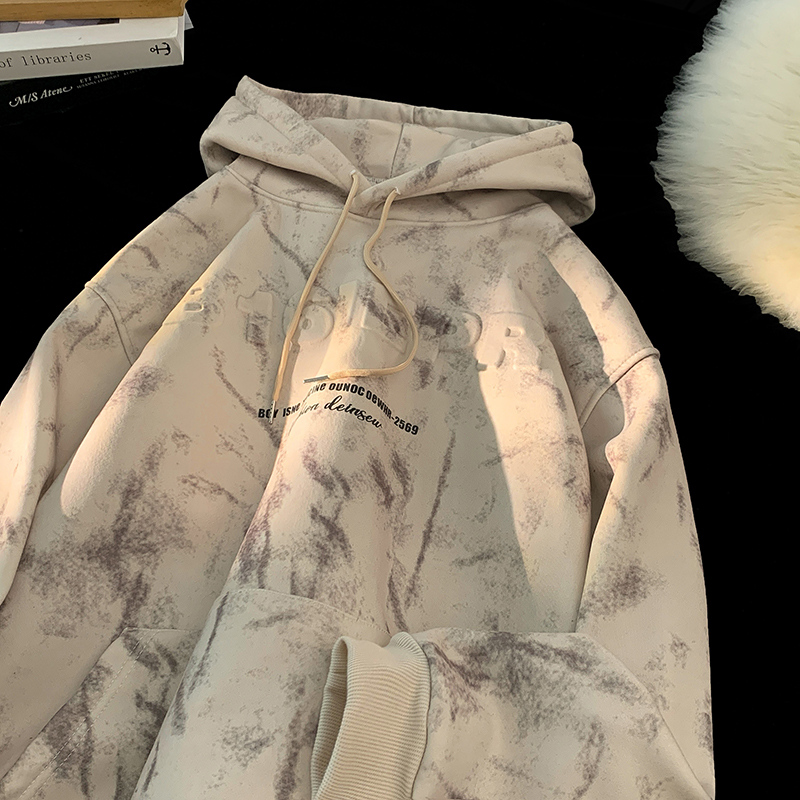
Is it your ultimate desire to have your own clothing line? You have brilliant ideas and a desire for freedom. But if you buy high inventory, it is too risky. This is the point where a print on demand clothing business alters the situation.
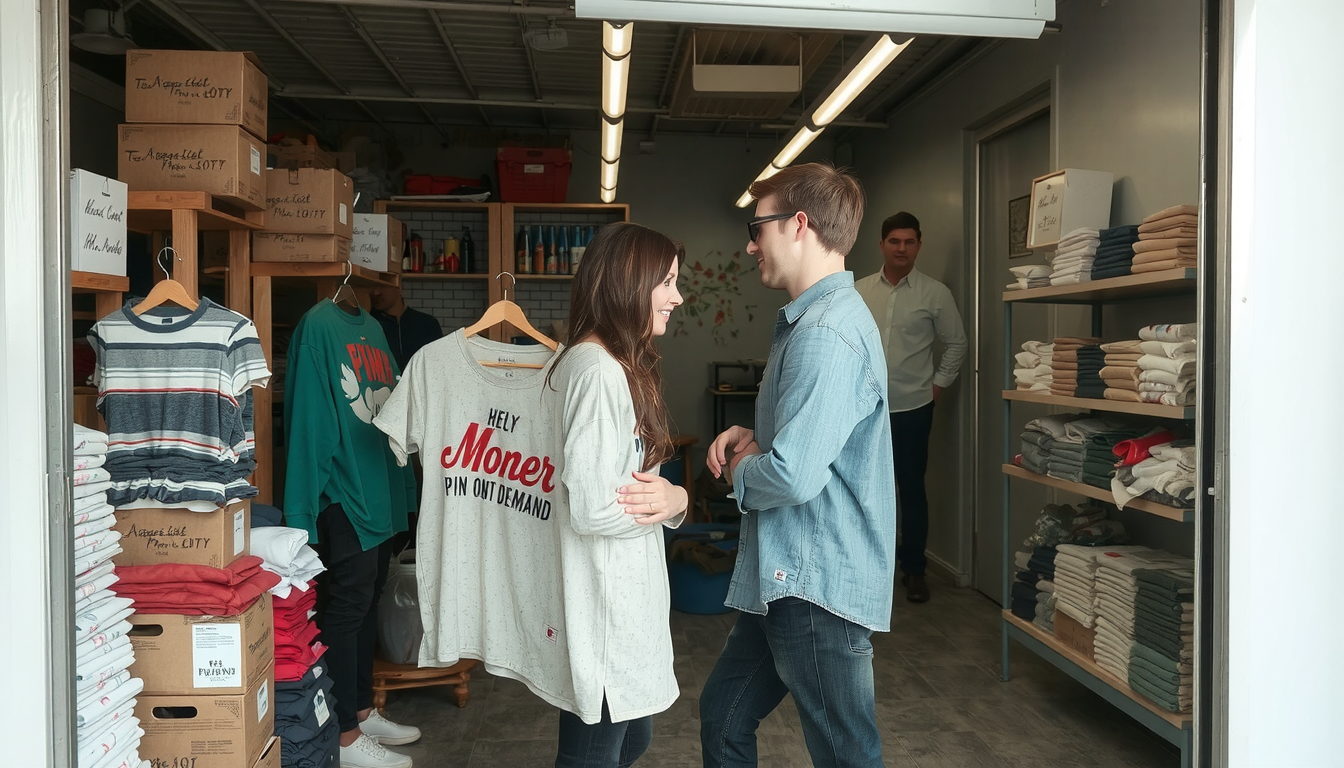
The approach is very straightforward. You create designs. Then a partner company goes with printing, packing, and dispatching. When the customer buys products, only then does the supplier make the products. Therefore, no advance costs for inventory are needed. Living in a house full of unsold t-shirts is only a nightmare now.
A roadmap is the complete version of the directive you needed. We will do more than just tell you the basics. You’ll learn to build real brands, to secure the quality, and to expand your business in the long-term. By implementing the right strategy, you will be able to create a brand like TZ Streetwear.
Is POD Business the One for You?
Be sure your first step is seeing it clearly. A print on demand clothing business offers amazing freedom but brings also challenges. So, understanding both sides will help you decide if it’s for you.
You may also want to read a breakdown of the print-on-demand business model. This will give you a thorough overview of the business.
| The Pros (Why It’s Appealing) | The Cons (The Reality Check) |
|---|---|
| Low Startup Cost: You don’t buy products until you sell them. This is the biggest draw for new business owners. | Lower Profit Margins: The supplier takes a large cut for the product and service. This leaves you with less profit per item. |
| No Inventory Management: Forget about storage, stock-taking, or unsold goods. Your supplier handles it all. | Less Control Over Quality: You depend on your partner for print quality and shipping. Bad service can hurt your brand. |
| Wide Product Range: You can offer dozens of items, from t-shirts to hoodies. No financial risk. | Generic Branding: It’s hard to stand out when using standard products. Custom tags or packaging often aren’t options. |
| Focus on Creativity: You spend time on what you love: designing and marketing your brand. | Competitive Market: The low barrier to entry means many people are doing it. You need a strong brand to succeed. |
Phase 1: Building a Brand, Not Just a Storefront
The most successful sellers don’t just sell t-shirts. They build brands that connect with people. In a crowded market, your brand makes you different. It’s your story, style, and promise to customers.
Step 1: Find Your Profitable Niche
“Follow your passion” is good advice. But a profitable niche is where passion meets a real audience. A niche is a focused group of people with shared interests. Instead of “funny shirts,” think more specific.
Look for underserved communities. Use tools like Google Trends to see what people search for. Explore subreddits on Reddit. Browse Etsy and Pinterest. You might find groups like “retro gaming fans,” “urban gardeners,” or “owners of specific dog breeds.” These people want products made just for them.
Step 2: Craft Your Brand Identity
Your brand identity is much more than a logo. It’s the complete personality of your business. Thinking about this early will guide all future decisions.
- Mission: What’s the purpose of your brand? What message do you want to share?
- Voice: How do you speak to customers? Are you witty and funny? Or inspiring and serious?
- Visuals: Choose colors, fonts, and a logo that reflect your brand’s voice and mission.
A strong brand foundation is the first step in your journey. Learn more about how to craft a brand introduction to set a clear direction from the start.
Step 3: Understand Design That Sells
You don’t need to be a world-class artist. But you need to understand what makes good clothing design. A great idea can fail if the design isn’t ready for printing.
- Simplicity often wins: Very complex or busy designs can look messy when printed. Clean, bold designs are easier to read and sell better.
- Consider placement: A design that looks good on screen might not work on a shirt. Think about where it goes—center chest, small logo on left chest, or large graphic on back.
- File requirements are key: This is technical but vital. Your design files should be high-resolution. Use PNG files with transparent backgrounds at 300 DPI to ensure crisp, clear prints.
Phase 2: The 5-Step Action Plan to Launch
Once you have your brand foundation, it’s time to take action. This five-step plan breaks down the launch process into clear, manageable tasks. Following these steps helps you build your print on demand clothing business on solid ground.
1. Select Your Products & POD Partner
Your print on demand (POD) partner is the backbone of your business. Choosing the right one is crucial. Popular choices include Printful, Printify, and Gelato. Don’t just pick the first one you see.
Compare them based on what matters most. Look at their product catalog, shipping times, print quality reviews, and store connections. Different platforms offer different strengths. This guide on how to start a print on demand business in 8 steps can help you compare them.
2. Create Your E-commerce Store
This is your digital storefront. You have two main options to start.
- Marketplaces like Etsy: These are great for beginners. They have built-in audiences of millions of shoppers. It’s easier to get your first sale here.
- Platforms like Shopify or Wix: These give you full control to build your own website. It’s the best option for long-term brand building. You own the customer experience.
Whatever you choose, focus on clean layout, easy navigation, and beautiful product pages.
3. Calculate Your Pricing for Profit
Pricing can be tricky. You need to cover costs and make profit. But you also need to be competitive. Use this simple formula to get started.
- Supplier Product Cost (the price of the blank shirt)
- + Supplier Shipping Cost (what they charge to ship it)
- + Your Profit Margin (the amount you want to make)
- = Your Retail Price (what the customer pays)
Look at what competitors in your niche charge. Don’t be afraid to price a little higher. This works if you offer better design, higher-quality shirts, or a stronger brand.
4. Order Samples: The Non-Negotiable Step
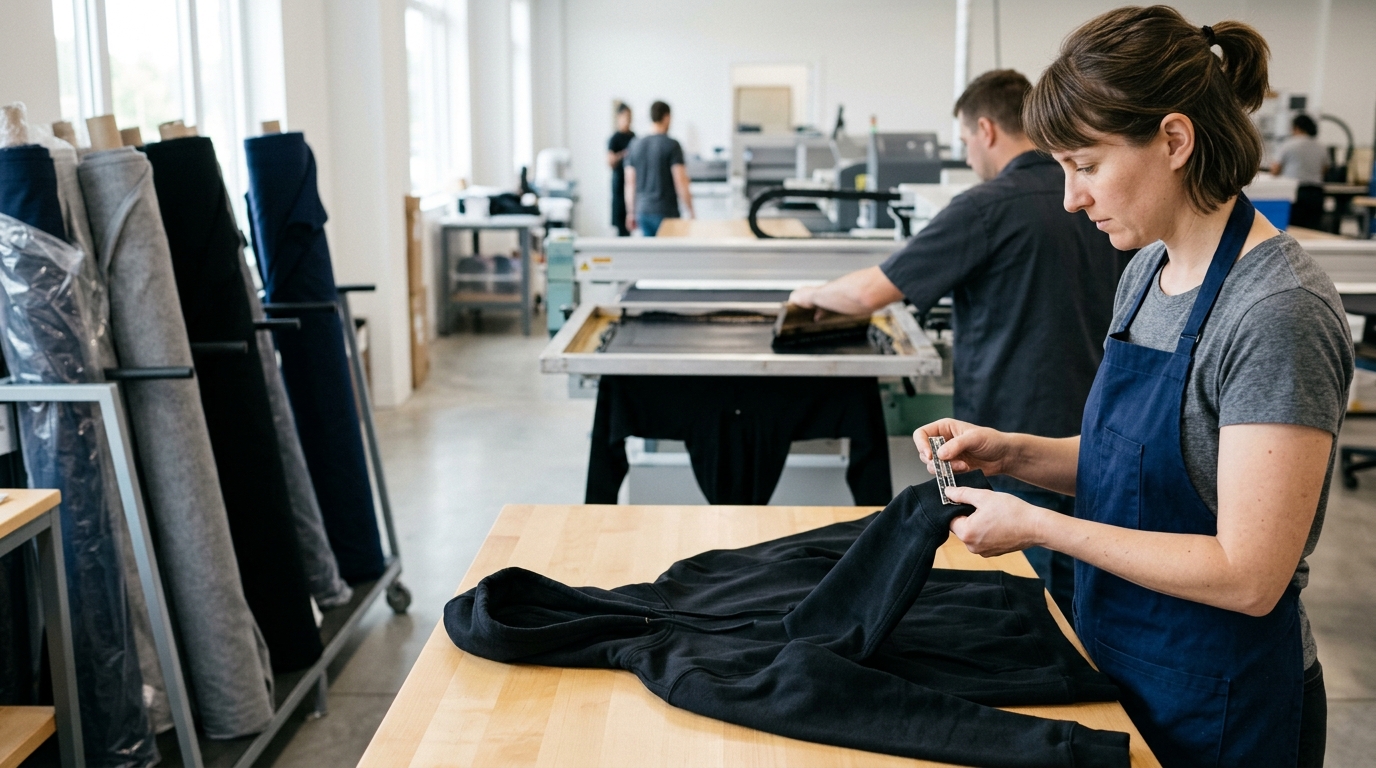
Many guides skip this step. But it’s the most important one for your brand’s reputation. You must order samples of your products before listing them for sale. This is your only chance to check the quality customers will receive.
When that first sample arrives, you’ll feel excited and nervous. Here’s what to check:
- Print Quality: Is the color vibrant or faded? Stretch the print area slightly. Does it crack?
- Garment Feel: Is the fabric soft and comfortable? Or scratchy and thin? Does sizing match the chart your supplier provided?
- The Wash Test: How does it look after washing and drying? Good quality prints and garments should hold up. They shouldn’t fade or shrink too much.
5. Generate High-Quality Mockups
Since customers can’t touch the product, your mockups do all the selling. Mockups are images of your designs on blank products.
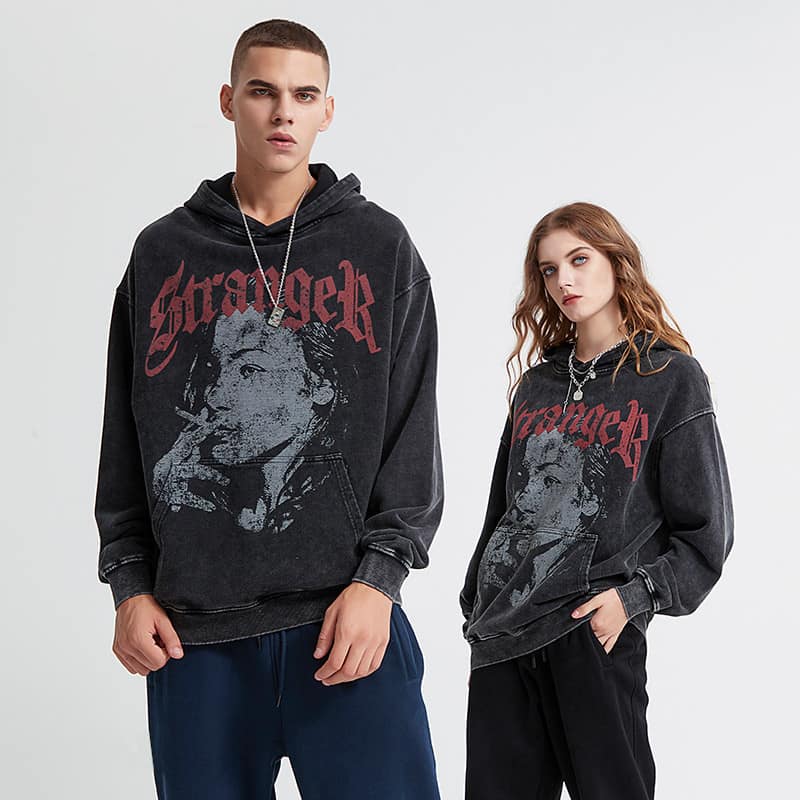
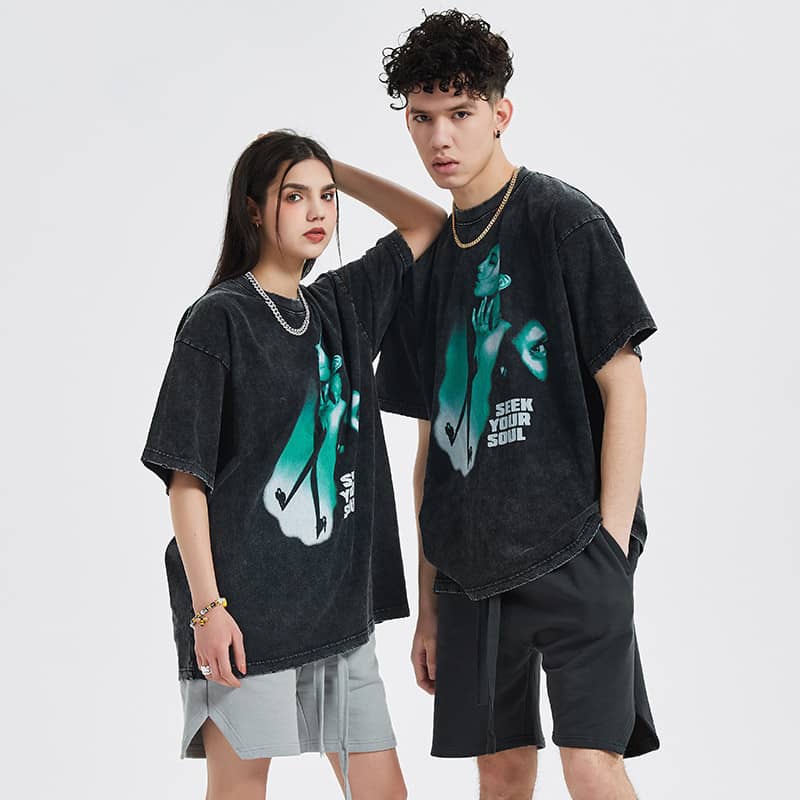
Use a mix of different mockup styles. Flat lays (shirts laid flat) are clean and simple. Lifestyle mockups show people wearing shirts. They help customers imagine themselves using your product. Good mockups make your store look professional and trustworthy.
Phase 3: Scaling Your Business for Long-Term Success
Launching your store is just the beginning. The real goal is building a sustainable business that grows over time. This section covers pro-level strategies. Take your print on demand clothing business to the next level.
The Hybrid Model: When to Hold Inventory
Once your store runs, you’ll notice a few designs sell much more than others. This is the 80/20 rule in action. 80% of your sales will likely come from 20% of your designs.
When you identify a bestseller, consider ordering a small bulk batch of that specific shirt. This “hybrid model” lets you increase profit margins. You can offer faster shipping for your most popular item. Continue using POD for all other designs to keep risk low.
Graduating from POD to a Manufacturer
As your brand grows, you may want more control than standard POD services offer. It might be time to graduate when you want fully custom neck labels, unique garment dyes, or specific fabric blends.
Working directly with manufacturers gives you complete control over product quality and uniqueness. For brands ready to create truly special apparel, partnering with a custom hoodie manufacturer is a logical next step to elevate your brand.
Expanding Your Product Line Strategically
It’s tempting to add dozens of new products. But it’s better to be strategic. Add items that fit your brand and niche. If you sell streetwear t-shirts, adding hats, tote bags, or socks makes sense.
The future for this industry is bright. The global print-on-demand market is expected to grow to over $87 billion by 2033. This shows strong future potential for those who learn to start a print-on-demand business correctly and scale with a plan.
Conclusion: Your Journey Starts Now
Building a successful print on demand clothing business is an exciting journey. It’s more accessible than ever. It takes work, but the path is clear.
Focus on the core phases we’ve covered. First, build a real brand, not just a store. Second, launch with a clear, step-by-step plan. Finally, think about how you’ll scale smartly for the future. By following this blueprint, you can turn your creative vision into profitable reality.
Frequently Asked Questions (FAQ)
1. How much money do you need to start?
The great thing about a print on demand clothing business is low startup cost. Your main costs are e-commerce platform subscription (like Shopify, starting around $29/month) and ordering samples. You can realistically get started with $100 to $200.
2. Is a print on demand business profitable?
Yes, it can be very profitable. However, profit depends on your niche, designs, and marketing. Margins per item are lower than with bulk inventory. Usually around 15-30%. Success comes from selling in volume and building strong brands that people pay more for.
3. Do I need to be an artist to succeed?
Not at all. While design skills help, you can succeed in other ways. You can hire freelance designers on sites like Fiverr. You can also buy pre-made designs with commercial licenses. Even simple, text-based designs can sell well if they connect with specific audiences.
4. What are the biggest legal mistakes to avoid?
The single biggest mistake is using copyrighted or trademarked material. Never use logos, characters, song lyrics, or art you don’t own rights to. Always create original work. Use fonts and graphics with clear commercial licenses. This is critical for avoiding legal trouble.
5. Which is better for a beginner: Etsy or Shopify?
It depends on your goal. Etsy is great for beginners because it has built-in audiences. This can make getting first sales easier. Shopify is better for long-term brand building. You have full control over your website, customer data, and brand experience. Many sellers start on Etsy and open Shopify stores later.