Starting a clothing brand is a common dream. But the costs of inventory and equipment often stop that dream cold. This is where print on demand (POD) changes everything. It makes it possible for anyone to launch a brand.
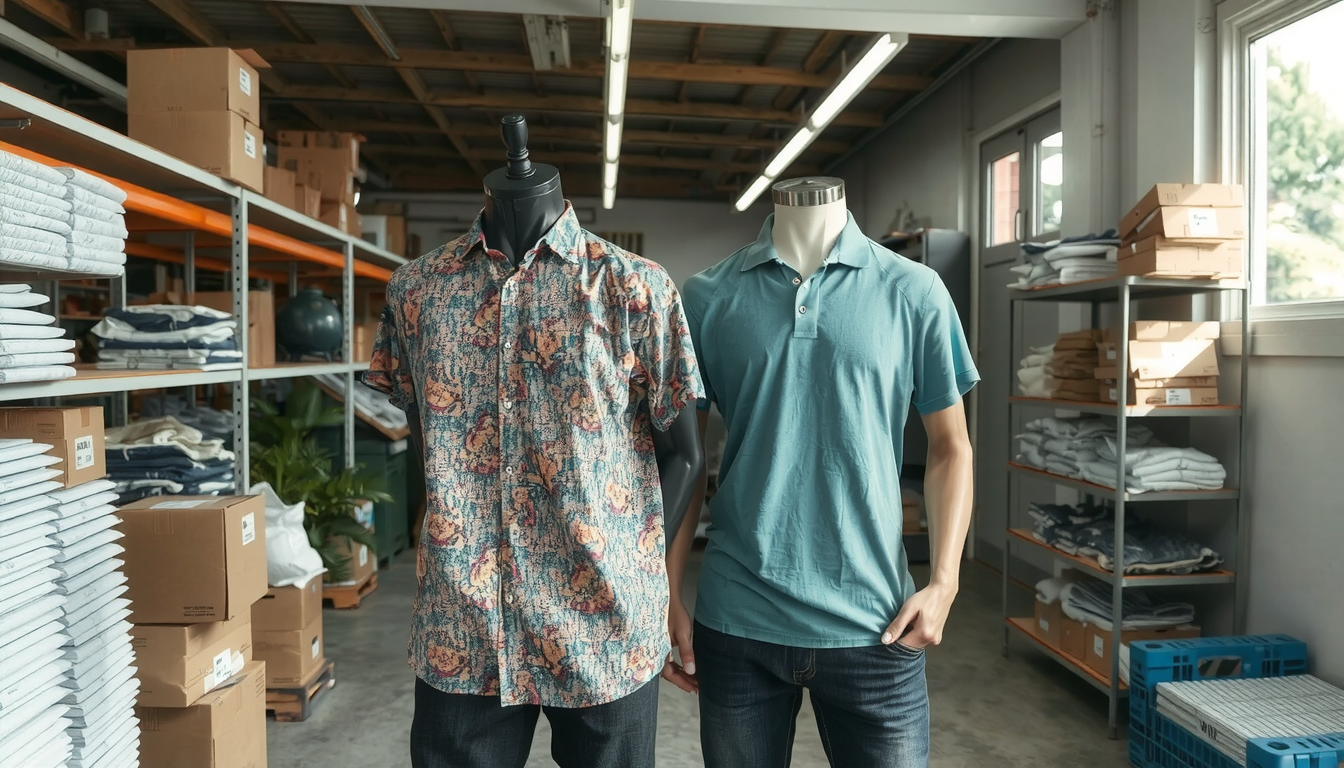
This guide will help you find the right partner. We won’t just list names. We’ll give you a smart way to choose from the many print on demand clothing companies out there. We’ll cover business types, print quality, and how to judge each service for your needs.
What Are POD Companies?
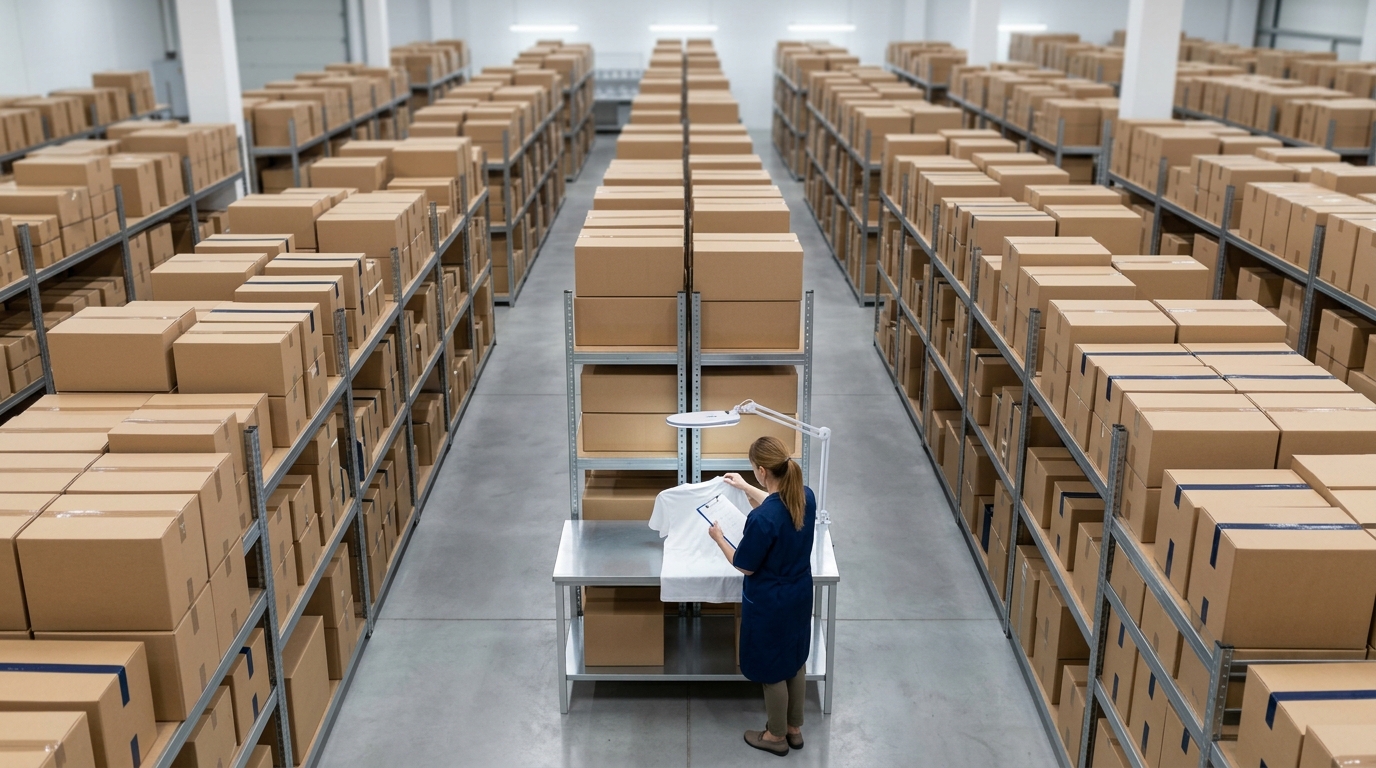
Print on demand clothing companies are partners that handle the hard parts for you. They store blank products. They print your designs on them. They ship orders to your customers. You create the designs, and they do the rest.
This model has clear benefits.
- Low financial risk. You only pay for what you sell.
- No need to hold inventory. No boxes of unsold shirts in your garage.
- A wide range of products is available right away.
- Easy to scale your business up or down.
There are also some downsides.
- Profit margins are lower than buying in bulk.
- You have less control over shipping times.
- Your brand’s quality depends on your partner.
Marketplaces vs. White-Label Partners
Choosing the right business model is your first big step. This choice affects how you build your brand and find customers. There are two main types of print on demand clothing companies to consider.
POD Marketplaces
A POD marketplace is a website that already has its own customers. Think of sites like Redbubble or Amazon Merch on Demand. You simply upload your designs. They appear on products for sale on that site.
Pros:
* Access to a built-in audience.
* Very easy and fast to set up.
* The platform handles all marketing and sales.
Cons:
* Huge amount of competition.
* You do not own the customer relationship.
* Branding options are very limited.
* The platform sets the rules and can change them.

This model is best for artists and designers. It’s great if you want to sell your art on products with very little business work.
White-Label Fulfillment Partners
White-label partners work in the background. They connect to your own online store. You might build one on Shopify or sell through Etsy. When a customer buys from your site, the order goes to the partner. They print and ship it under your brand name.
Pros:
* You build your own unique brand.
* You own the customer list and relationship.
* You have full control over marketing and prices.
* Services like a leading all-in-one POD service like Printful can offer a smooth experience.
Cons:
* You must generate all of your own traffic and sales.
* More work is needed to set up your store and brand.
This model is best for entrepreneurs. It’s for people who want to build a real, long-term clothing brand that they fully control.
Understanding Quality: Printing & Garments
Your brand’s reputation depends on quality. In the POD world, quality comes from two things. The printing method and the blank clothing item used. Understanding these helps you choose the best print on demand clothing companies for your vision.
Key POD Printing Methods
Different printing techniques work for different designs. Knowing the difference is key to happy customers.
| Printing Method | Best For | Key Detail |
|---|---|---|
| Direct-to-Garment (DTG) | Complex, colorful designs like photos or detailed art. | Ink is sprayed directly onto the fabric. It feels soft on the shirt. |
| Embroidery | Simple logos and text on hats, hoodies, and jackets. | A stitched design that looks and feels premium. |
| All-Over Print (Sublimation) | Edge-to-edge patterns that cover the whole item. | Dyes the fabric itself. Requires polyester material. The print is permanent. |
Why Garment Selection Matters
The print is only half the story. The t-shirt or hoodie itself is just as important. Check the product catalog of any potential partner.
Look at the fabric. Is it 100% cotton, which is great for DTG printing? Or is it a soft tri-blend? Also, check the brands they offer. Well-known names like Bella + Canvas or Gildan give you a good idea of the fit and feel.

The most important advice we can give is this: always order samples. This is the only way to truly know the quality before your customers do. It’s a key step in creating high-quality custom t-shirts and other clothes.
Top Print on Demand Clothing Companies
The “best” company depends entirely on your goals. Your ideal partner depends on your business model, product needs, and quality standards. Here is a comparison of some of the top players in the industry.
| Company | Model Type | Best For… | Key Feature | Pricing Insight |
|---|---|---|---|---|
| Printful | White-Label | Beginners wanting a simple, all-in-one solution. | In-house printing and fulfillment for consistent quality. | Higher base costs, but reliable service and quality. |
| Printify | White-Label Network | Sellers focused on price and product variety. | A large network of different print providers to choose from. | Lower prices are possible, but quality can vary by provider. |
| Apliiq | White-Label | Brands focused on high-end branding and streetwear. | Advanced branding options like custom labels and patches. | Premium pricing for premium branding features. |
Printful
Printful is an all-in-one partner that handles everything in-house. This makes it a great choice for those new to the world of print on demand clothing companies.
- Pros: Consistent quality, easy-to-use platform, wide range of products and integrations. Trusted to deliver over 100 million items since 2013.
- Cons: Product base costs can be higher than competitors.
Printify
Printify is a platform that connects you to a large network of print providers. This gives you more choice in price and location.
- Pros: Often lower prices, huge product catalog, ability to choose a printer near your customers.
- Cons: Quality can be inconsistent between providers. You must research and test each one.
TPOP
TPOP is a European-based provider focused on sustainability. They are a good choice for brands with an eco-friendly message.
- Pros: Strong focus on eco-friendly products and plastic-free packaging. Great branding options.
- Cons: Fulfillment is based in Europe. This can mean longer shipping to other parts of the world.
Apliiq

Apliiq specializes in high-quality clothes for fashion and streetwear brands. They offer branding features that others do not.
- Pros: Private label options like woven tags and patches. Focus on retail-quality finishes.
- Cons: Higher price point, more suited for established brands ready to invest in premium details.
Beyond Print on Demand: Scaling Your Brand
Print on demand is the perfect way to start and test ideas with low risk. But as a brand grows, its needs change. Successful brands often reach a point where they need more control and better profit margins.
This is when you might look beyond POD. You might want a true manufacturing partner.
When to Move Beyond POD
As brands grow, they often face a crossroads. It might be time to find a manufacturing partner if you see these signs:
- You have consistent, high-volume sales of specific designs.
- You want to create fully custom items, not just print on blanks.
- You need to maximize your profit on each item sold.
- You want to control every detail, from fabric to fit.
Benefits of a Manufacturing Partner
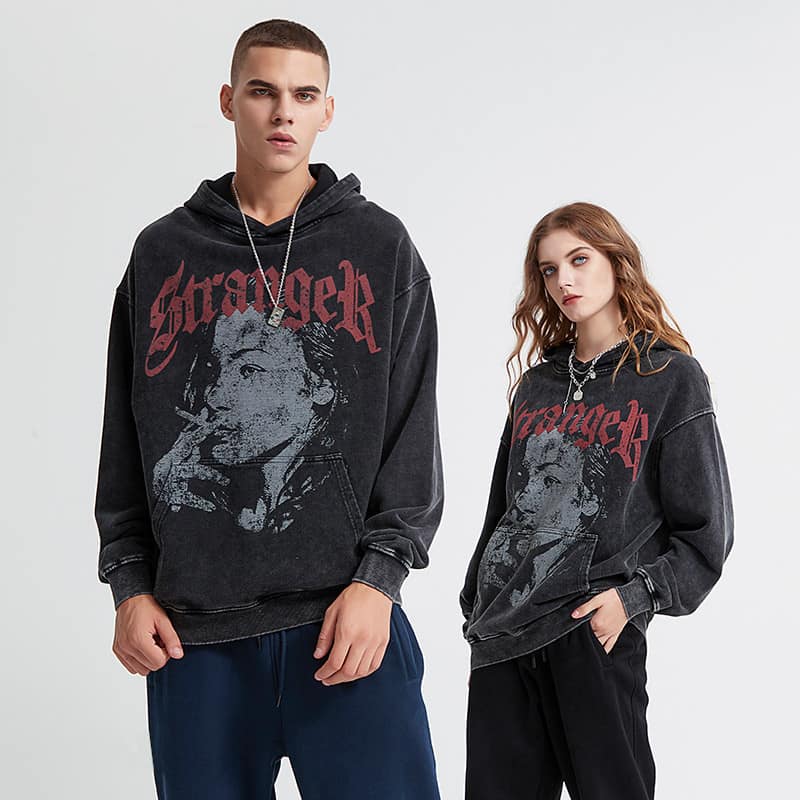
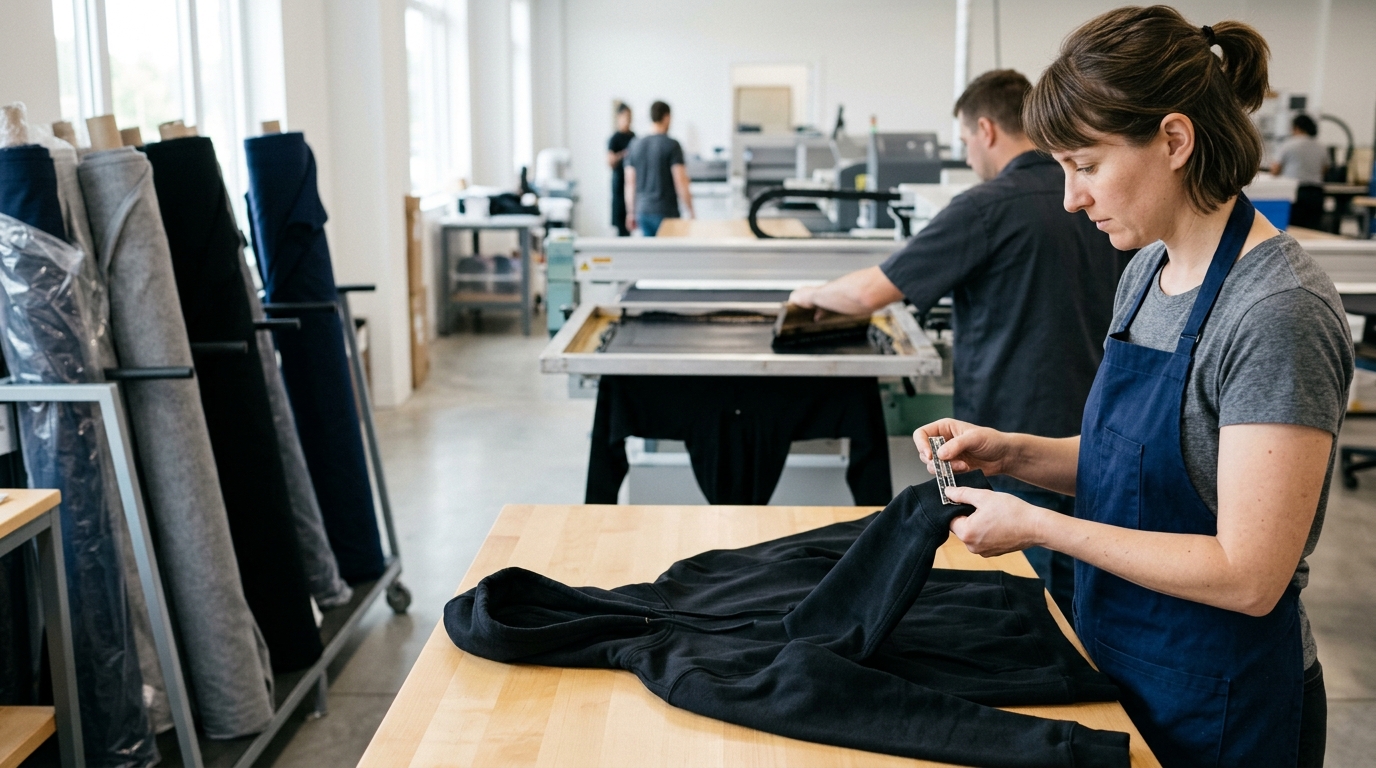
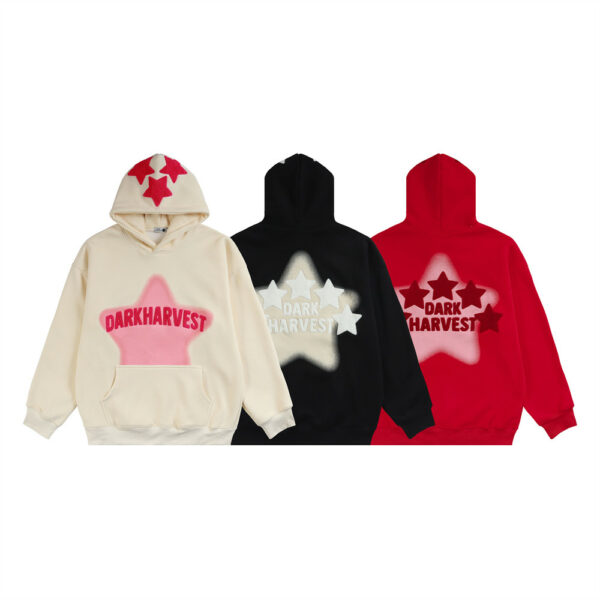
Working directly with a manufacturer opens up new possibilities. You can create unique items like a custom hoodie manufacturer can provide. These include custom tags, unique fabric, and a fit that is all your own.
This is the next logical step for scaling up your brand. It lets you build a truly unique product line. This journey starts with crafting a strong brand introduction and a clear vision for what you want to create.
Your Final Checklist: Choosing the Right Partner
Use these questions to evaluate different print on demand clothing companies. Find the perfect fit for your new business.
- Business Model: Do I want a marketplace or to build my own brand with a white-label partner?
- Product Catalog: Do they offer the specific clothing items and quality I need?
- Print Quality: Do their printing techniques match my design style? Have I ordered a sample?
- Branding Options: Can I use custom labels and packaging slips to build my brand?
- Integrations: Do they connect easily with my chosen store platform (like Shopify or Etsy)?
- Shipping & Fulfillment: Where are their facilities? What are their average shipping times and costs?
- Pricing: Do their base costs allow for a healthy profit margin for my brand?
FAQ: Answering Your Top Questions
Here are quick answers to some of the most common questions about working with print on demand services.
1. Can you really make money with print on demand clothing?
Yes, it is very possible. Success depends on great designs, smart marketing, and choosing a specific audience. Profits per item are lower than with bulk orders. So you need good sales volume or a premium price point. It is a real business that requires real effort.
2. Which is better for beginners, Printful or Printify?
It depends on your main goal. Printful is an all-in-one company that handles everything itself. This is often simpler for a beginner. Printify is a network of printers. It can offer lower prices and more options. But you are responsible for checking the quality of each print provider you use.
3. Do I need to register a business to use a POD company?
You can often start as an individual or sole proprietor. However, it is a smart idea to check your local laws for running a business. This is especially true as your sales grow. Most print on demand clothing companies do not require you to have a formal business to sign up.
4. How do I handle returns with a POD company?
Every company has its own rules. Generally, they will handle returns or reprints for their mistakes. This includes a bad print or a damaged item. If a customer orders the wrong size, the responsibility is usually on you, the store owner. You need to create a return policy. Always read your partner’s policy carefully.
5. What’s the difference between print on demand and dropshipping?
Print on demand is a special kind of dropshipping. Dropshipping is the general term for selling a product that a third party ships for you. POD is a specific form where that third party also customizes the product with your design before shipping it.


-600x600.jpg)